
Joined August 2022
- Tweets 724
- Following 3,122
- Followers 807
- Likes 787
324 Photos and videos


Pinned Tweet

17 Nov 2023
Our team had a wonderful time at the annual @IGS_BU event! So great to share Visualizing Energy with other @BU_Tweets students and researchers. Here's to the future of #sustainability and #energy

4
9
1,106
7 Aug 2025
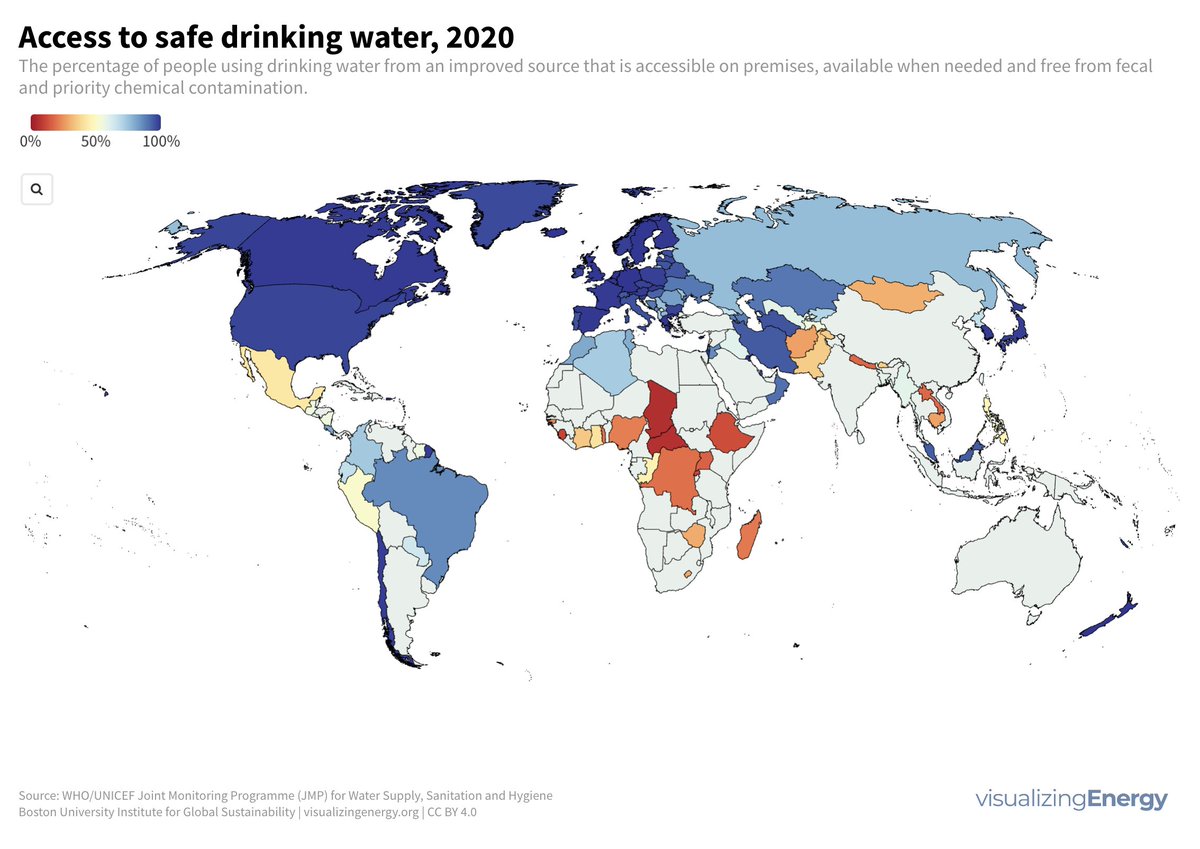
Reducing #EnergyPoverty and increasing access to electricity enables the deployment of the pumps, wells, pipes, plumbing, filters, and other infrastructure required to significantly increase water security. spr.ly/6014fcjWM
1
54
10 Jul 2025
The extraordinary environmental disaster during the Persian Gulf War (1991) stands out because it resulted from the weaponization of #oil wells, oil terminals, and #oiltankers by the Iraqi military that purposefully demolished that infrastructure. spr.ly/60164sGZE
43
8 Jul 2025
Some #oilspills live in environmental infamy. A few massive accidents receive less attention. The Lakeview oil gusher (1910-1911) released 100,000 barrels of oil per day at its peak, creating rivers and small lakes of oil for 18 months in Kern County, CA. spr.ly/60194sGPH
47
3 Jul 2025
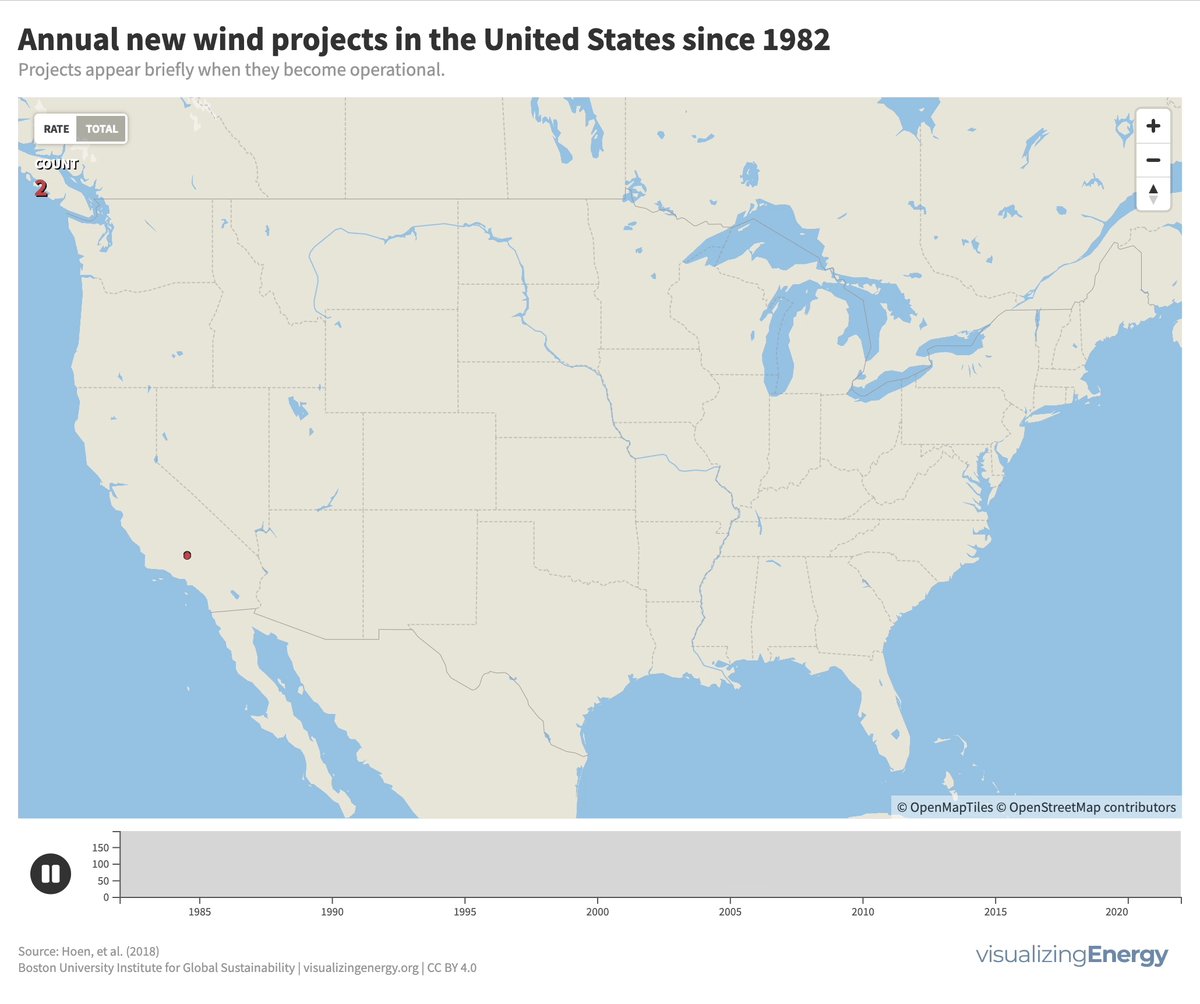
If Texas were a country, its approximately 40 gigawatts (GW) of installed #windenergy capacity in 2024 would place it fifth in the world. spr.ly/60174YE9V
1
2
42
2 Jul 2025
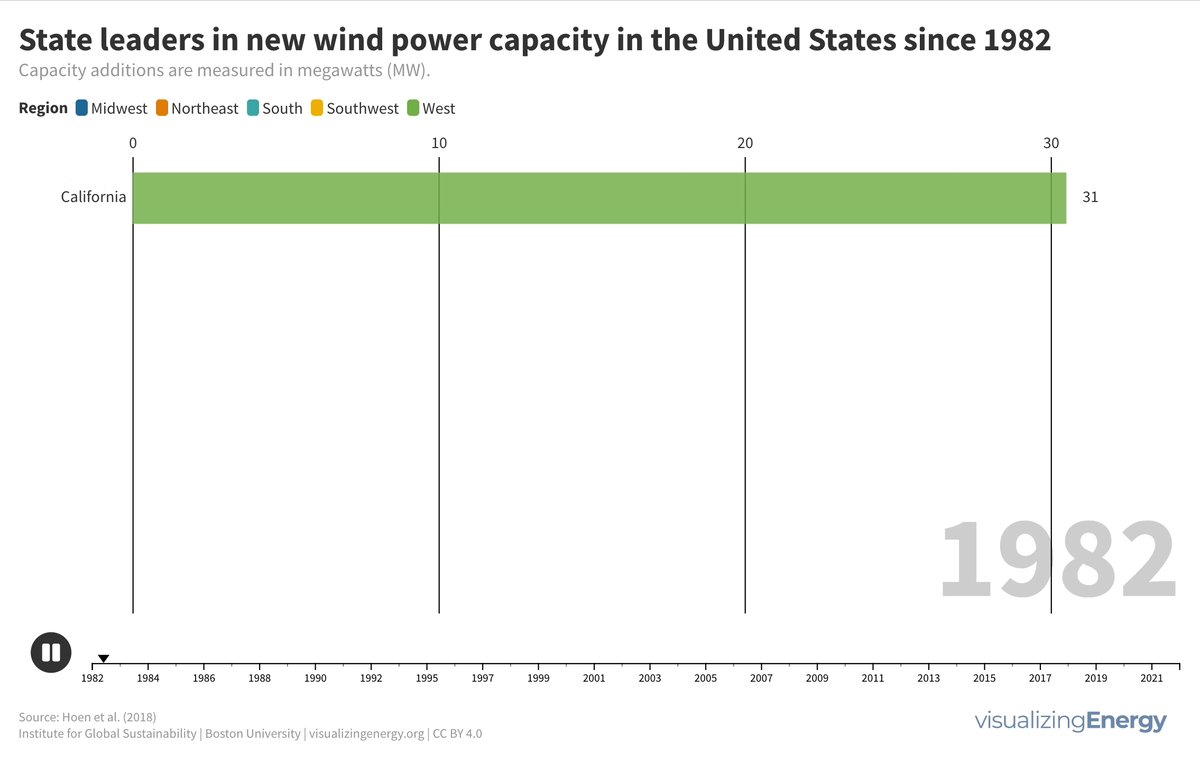
Texas (by a country mile), Oklahoma, and Iowa lead the nation in all-time installed #windenergy capacity. spr.ly/60144YEjy
11
26 Jun 2025
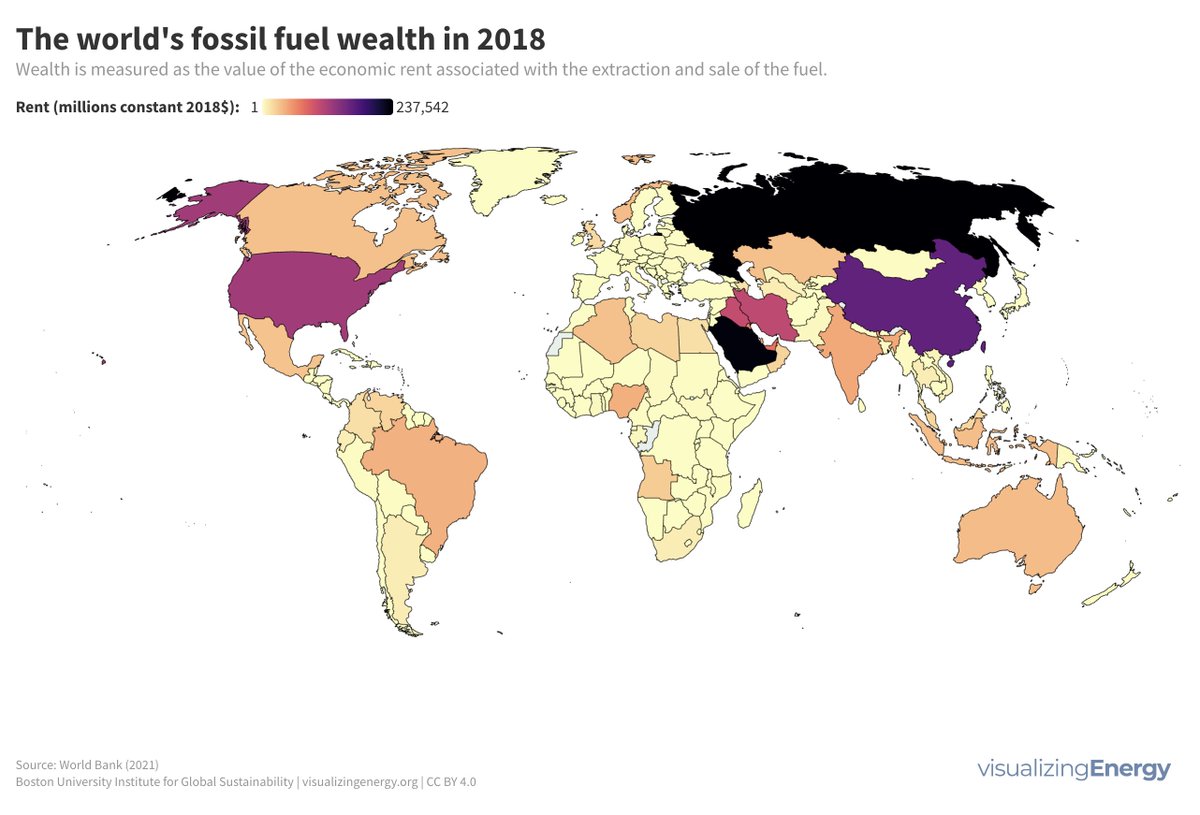
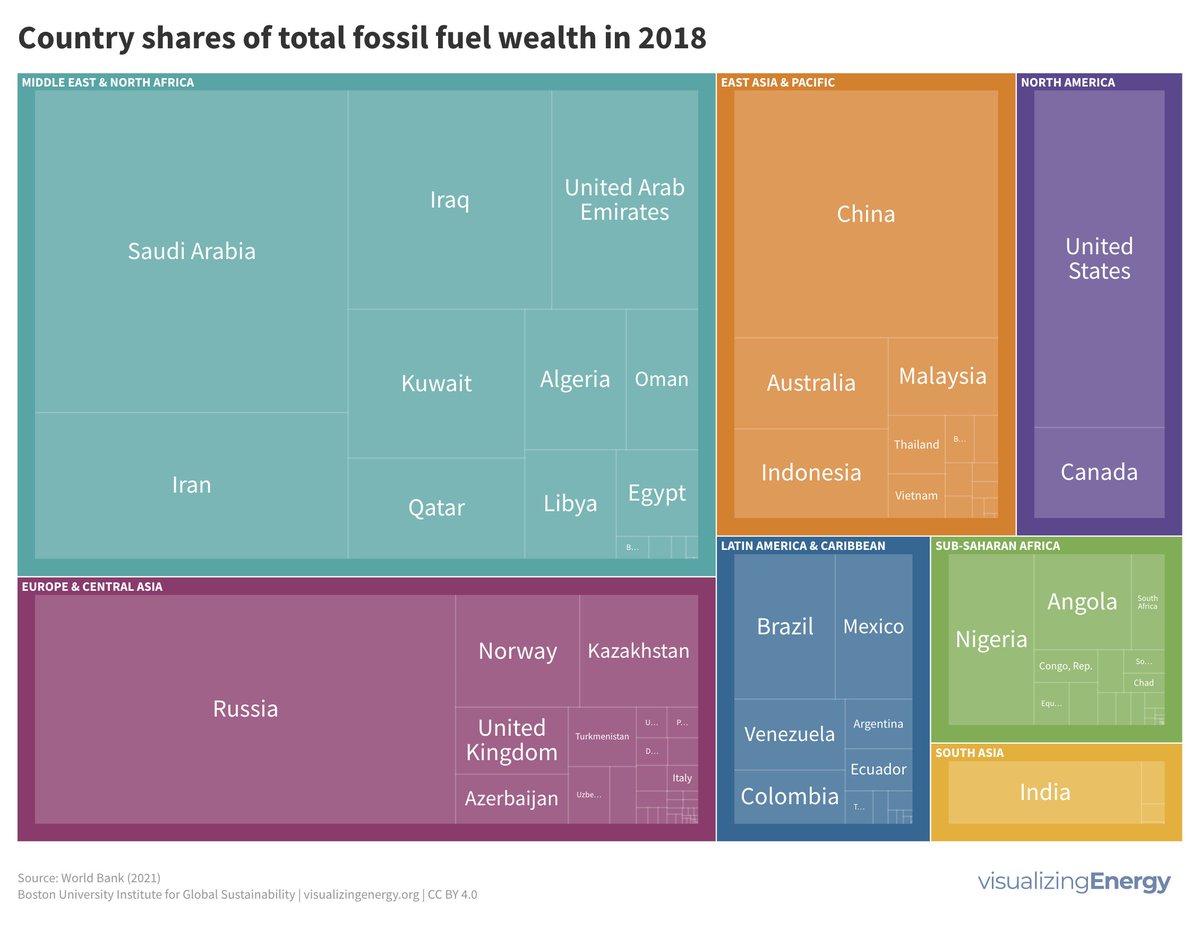
Countries such as China measure their #FossilFuel wealth in trillions of dollars. The constant $ value of fossil fuel assets increased by a factor of 2 to 3 in many nations from 1995 through ~2015 due to increasing energy reserves & rising #EnergyPrices.
spr.ly/60154jsS9
18
25 Jun 2025
Russia has more than a trillion dollars in #naturalgas wealth, but its ability to capitalize on that asset was dramatically reduced when European customers enacted important bans or curtailments in its invasion of Ukraine in 2022. spr.ly/60174jsQW
1
58
20 Jun 2025
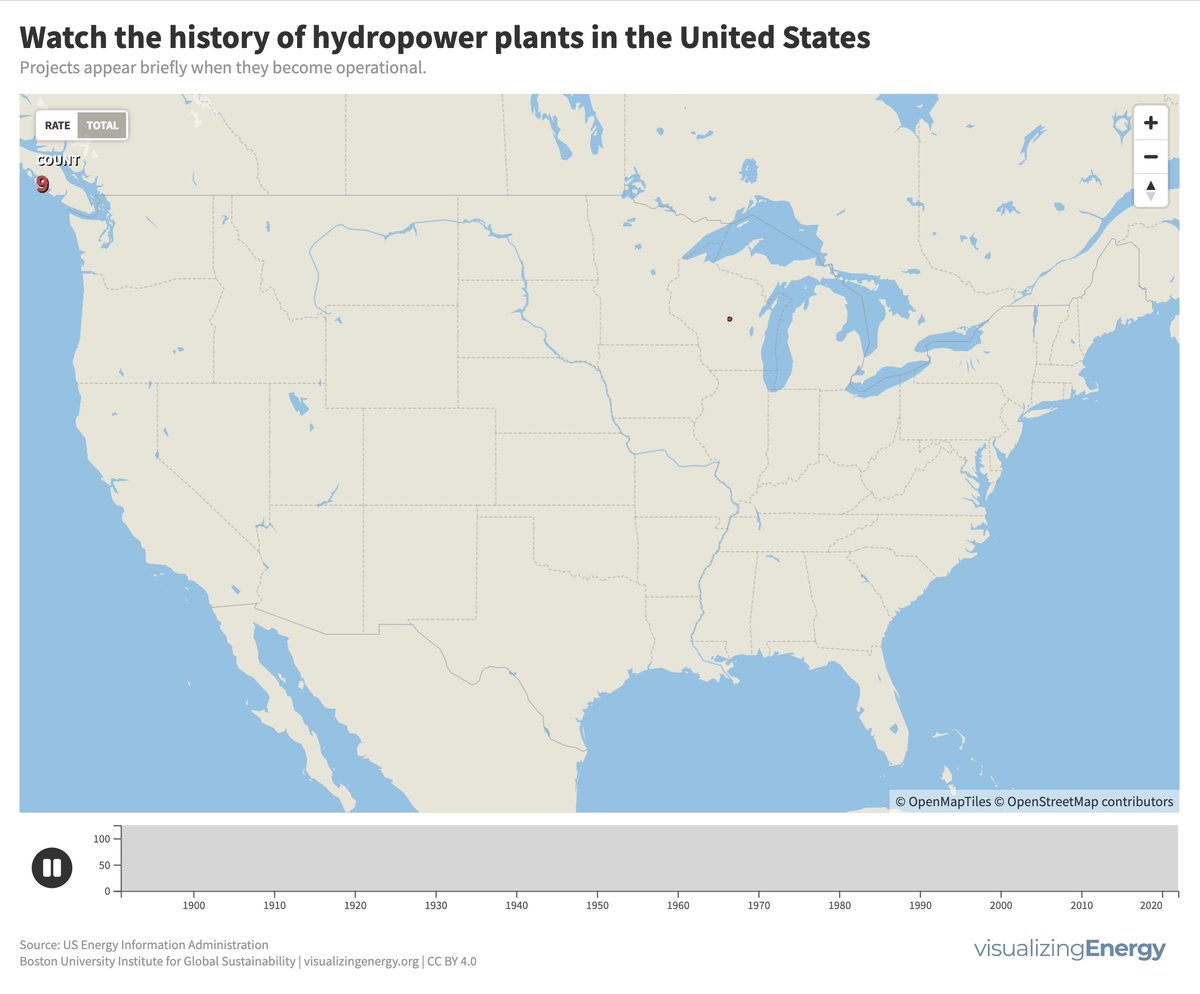
4000 #hydroelectric dams have been built in the US since the late 19th century. They range from ~100 kW to 6809 MW Grand Coulee Dam in Washington. #Hydropower represents ~6% of all-time additions to electric generation capacity from all sources. spr.ly/60184n2AE
26
13 Jun 2025
“Norway is the undisputed king of electric vehicles,” IGS Director @BenjaminSovaco1 tells @rodmccullom of @undarkmag. Almost 90% of cars sold in Norway in 2024 were fully #electric. There's a lot the US could learn: spr.ly/60124JSii
1
42
13 Jun 2025
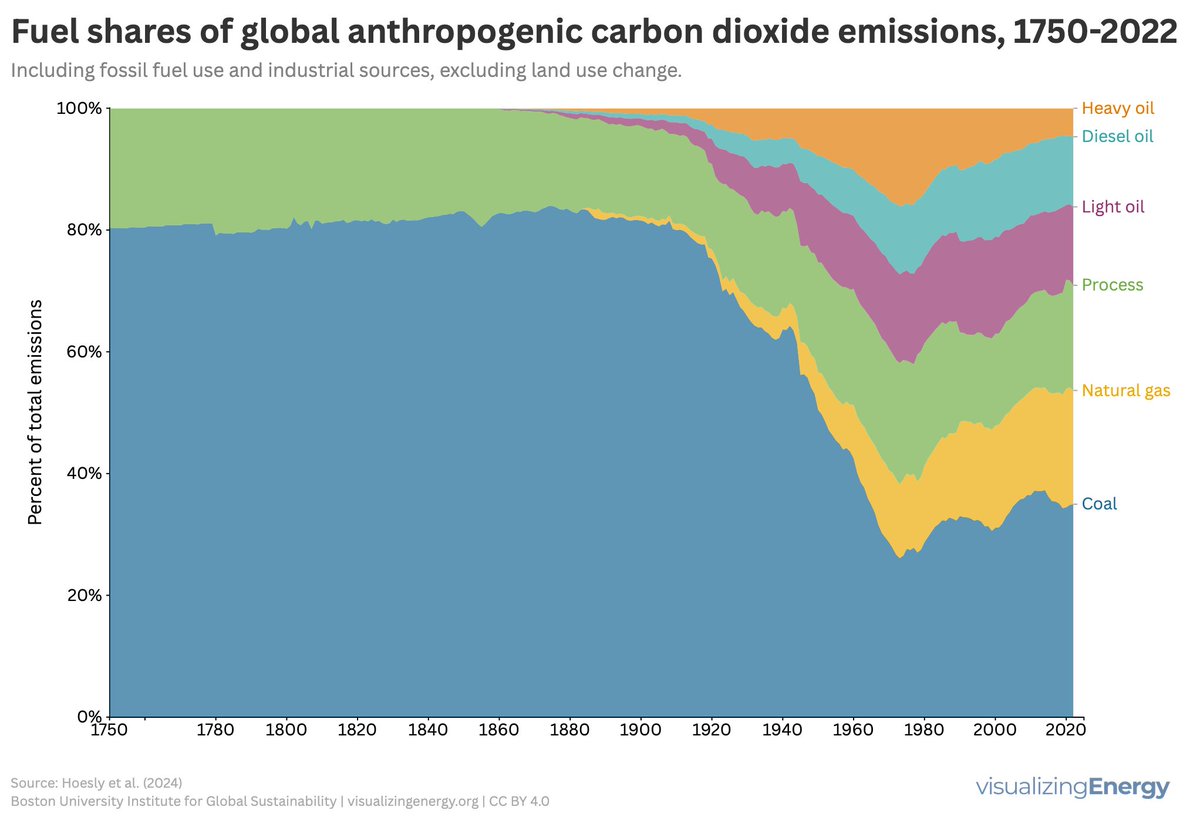
In the first half of the 20th century, there was a dramatic shift in #carbondioxide emissions from #coal to liquid fuels derived from oil, reflecting the increase in demand for transportation services to move people and goods. spr.ly/60114yTTl #climatechange
27
12 Jun 2025
Anthropogenic #carbondioxide emissions increased from about 9,000 kilotons in 1750 to approximately 36 million tons in 2022—a 4,000-fold increase. #climatechange
spr.ly/60184yT3Y
18
5 Jun 2025
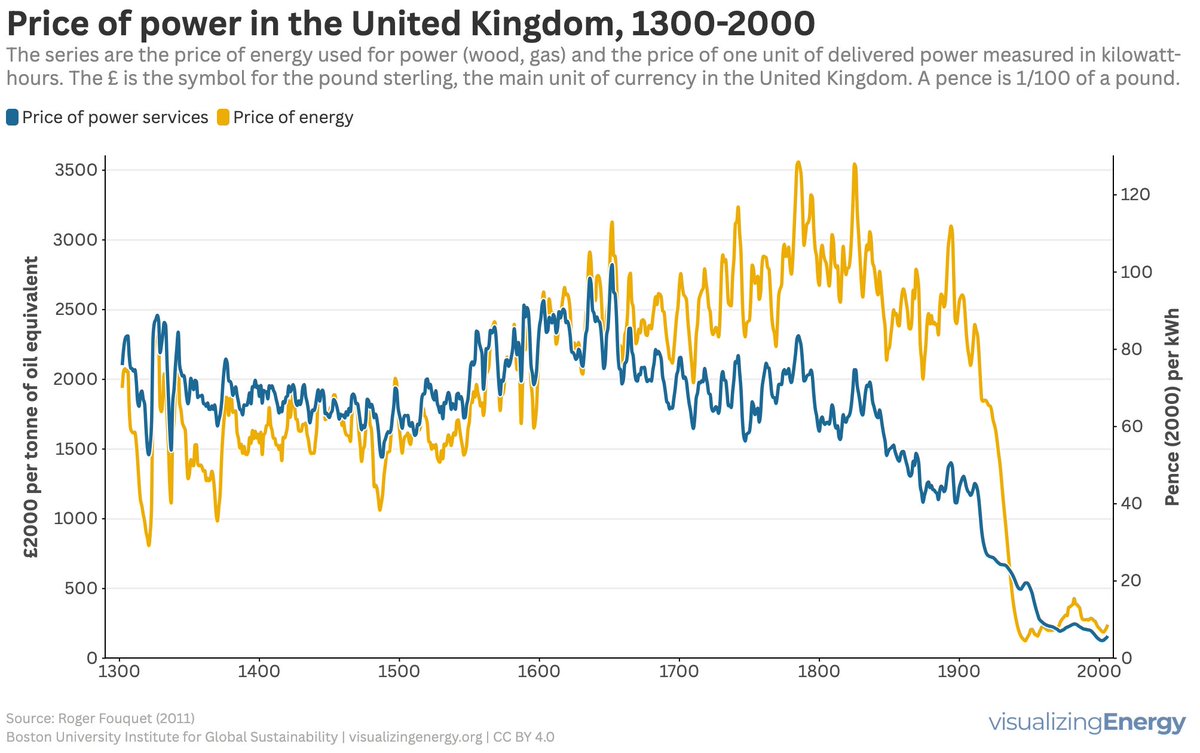
Higher #energyefficiency, higher quality of new sources, and the development of markets for new energy services combined to lower the price of energy services over the long haul, even when energy prices were rising. spr.ly/6012487vp
1
34
23 May 2025
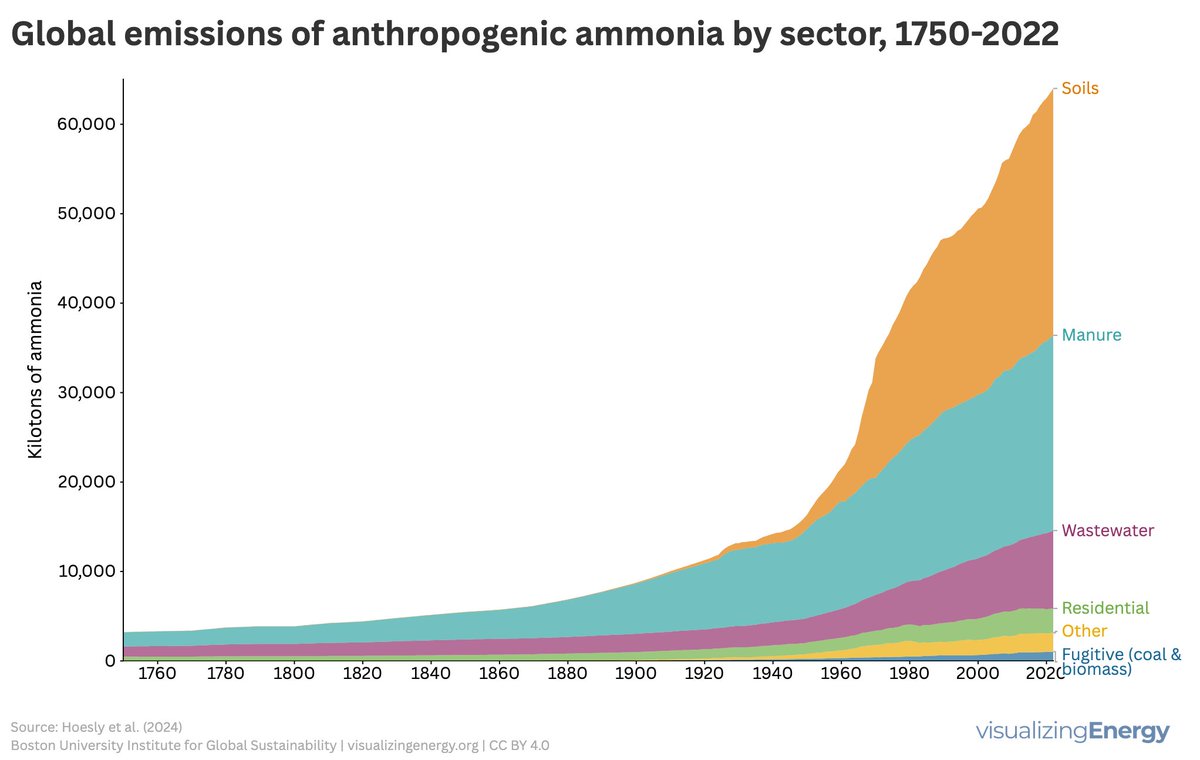
Global emissions of #ammonia tripled between 1960 and 2022. The majority of this increase occurred in #agriculture (#manure and #fertilizers). Billions are sustained by this food. Ammonia is also a major pollutant degrading human and ecosystem health:
spr.ly/6012NtIUI
36
16 May 2025
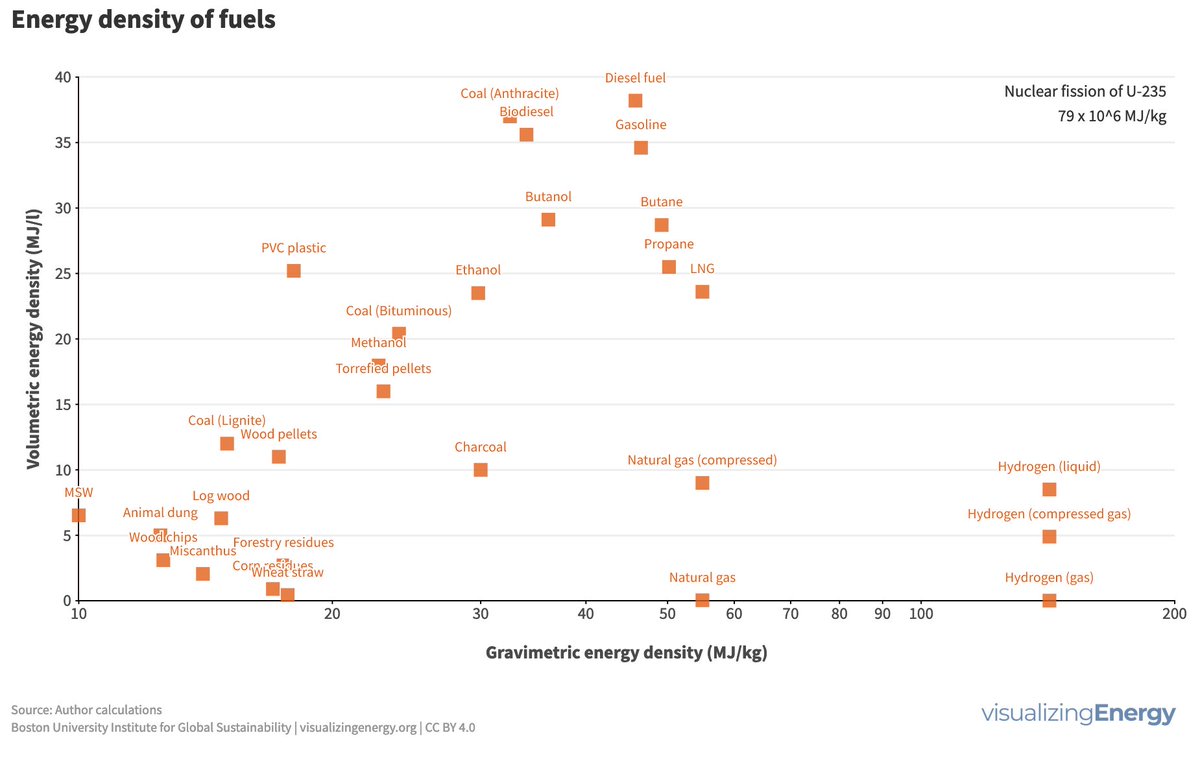
Liquid fuels derived from #crude occupy a uniquely advantageous position: a combination of high mass and volumetric energy density. Explains why motor #gasoline and #diesel fuel replaced wood and #coal in applications such as transportation.
spr.ly/6015Ngocx
40
8 May 2025
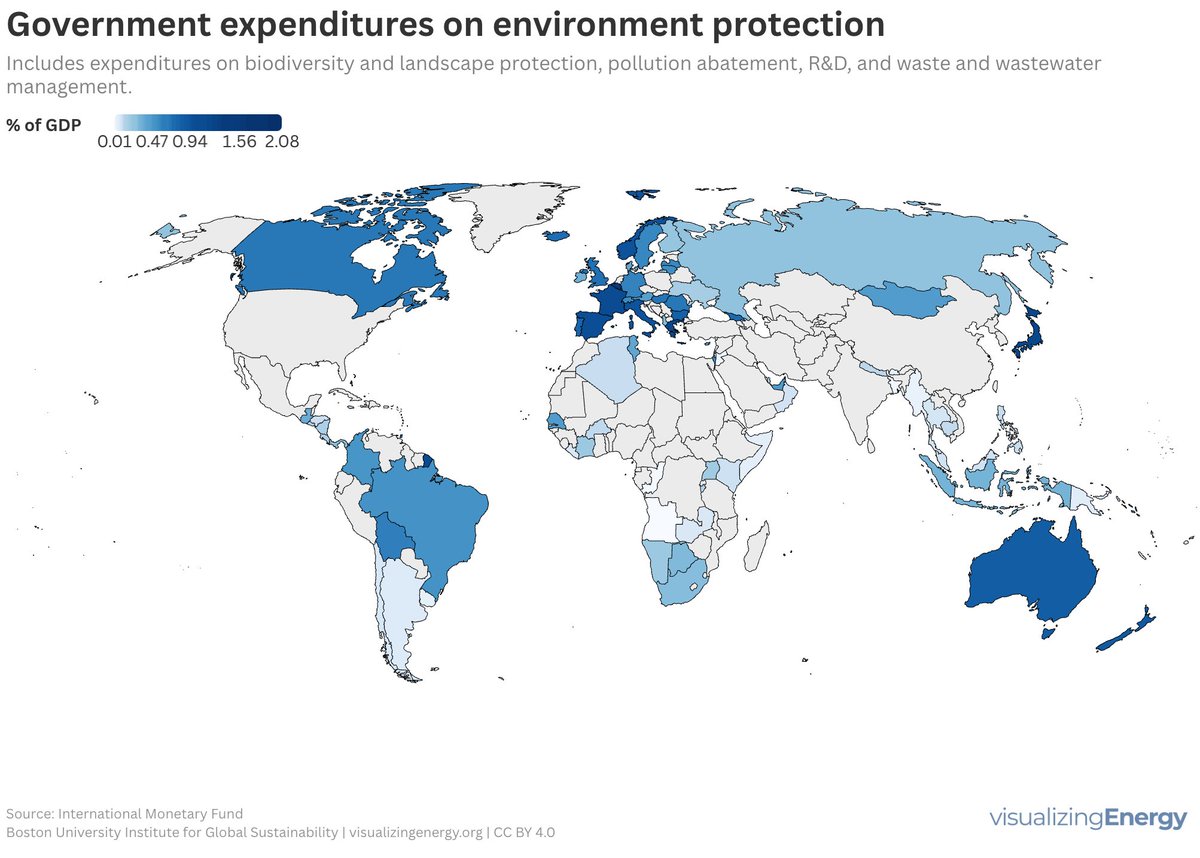
EU expenditure on #environmentalprotection ranged between 0.2% and 1.5% of GDP in 2023. The total expenditure was €142 billion (0.8% of GDP) in 2023. Greece and the Netherlands devoted the highest ratio of GDP to environmental protection (both 1.5%). spr.ly/6015NGveJ
1
31
1 May 2025
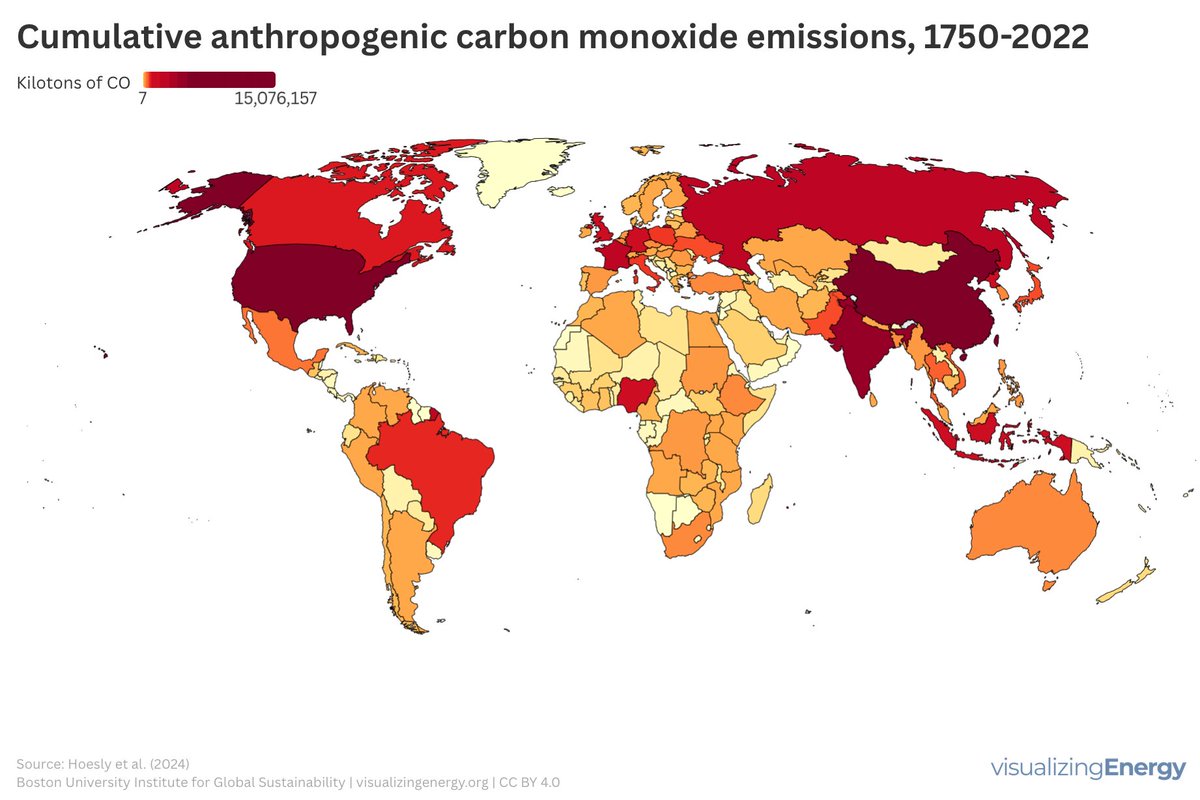
~10% of #carbonmonoxide emissions are so-called #fugitiveemissions from solid fuels. These are unplanned releases of carbon monoxide that escape during the production, processing, transport, storage, or use of solid fuels like #coal, charcoal, or biomass.
spr.ly/60192W7q3
28
29 Apr 2025
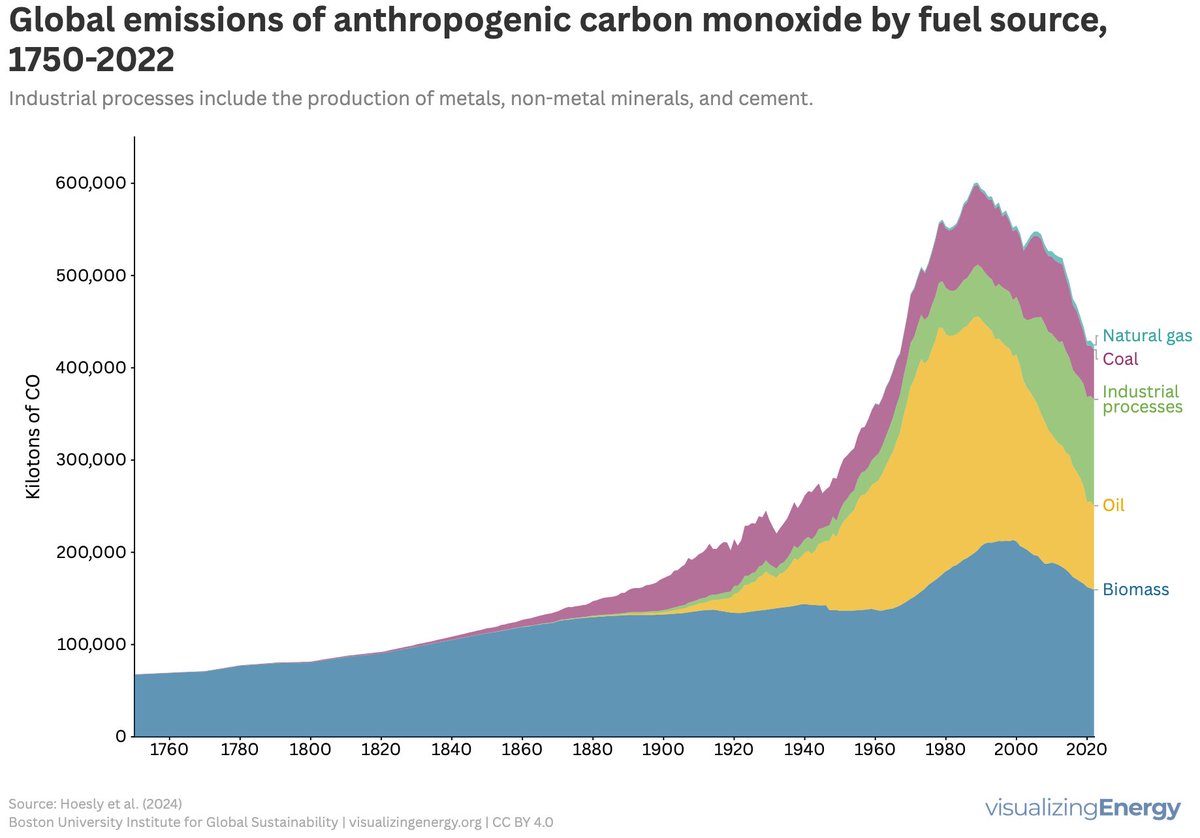
Sources of #carbonmonoxide emissions mirror the major #energytransitions. Prior to the Industrial Revolution the combustion of #biomass was the major source. Beginning in the late nineteenth century, emissions from coal and then oil increased rapidly.
spr.ly/60102WA3w
38
25 Apr 2025
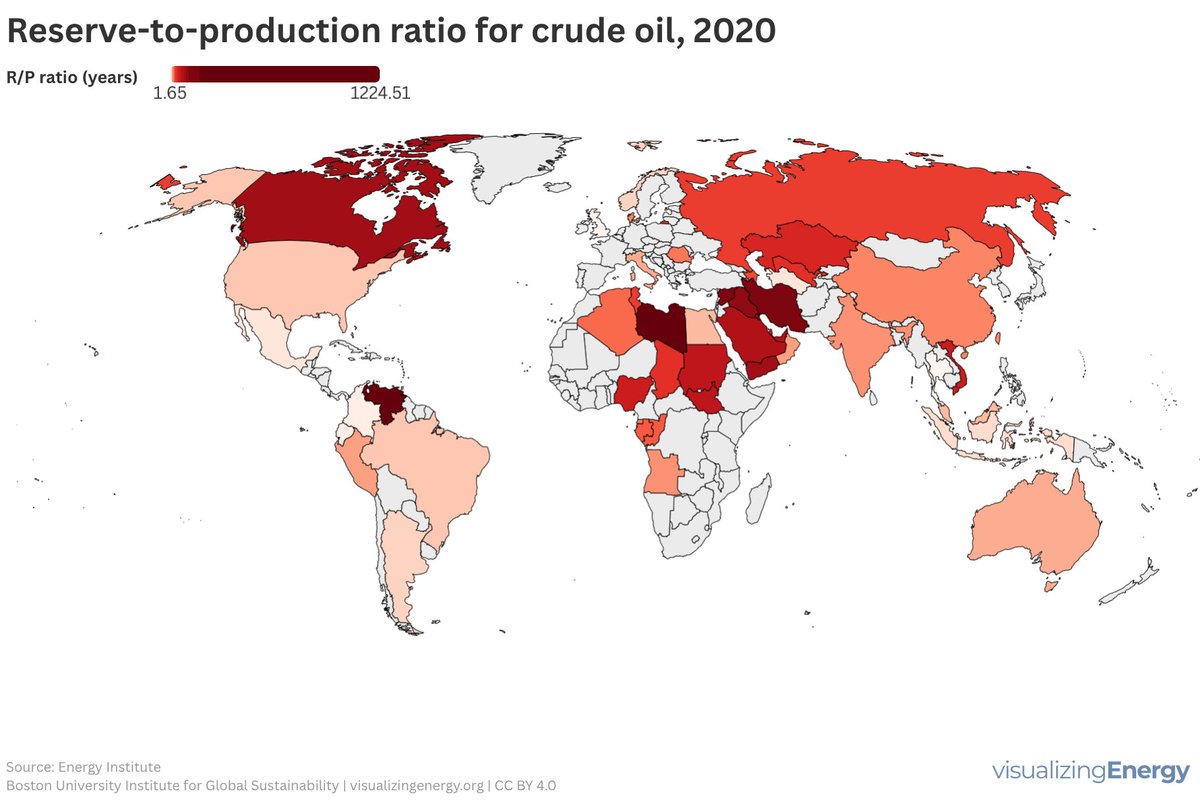
The #oil reserve/production ratios for Venezuela, Libya, Saudi Arabia, and other oil rich nations are massive compared to the US. These countries have numerous incentives and opportunities to inflate their reported #oilreserves. spr.ly/60132ZNAS
3
56
23 Apr 2025
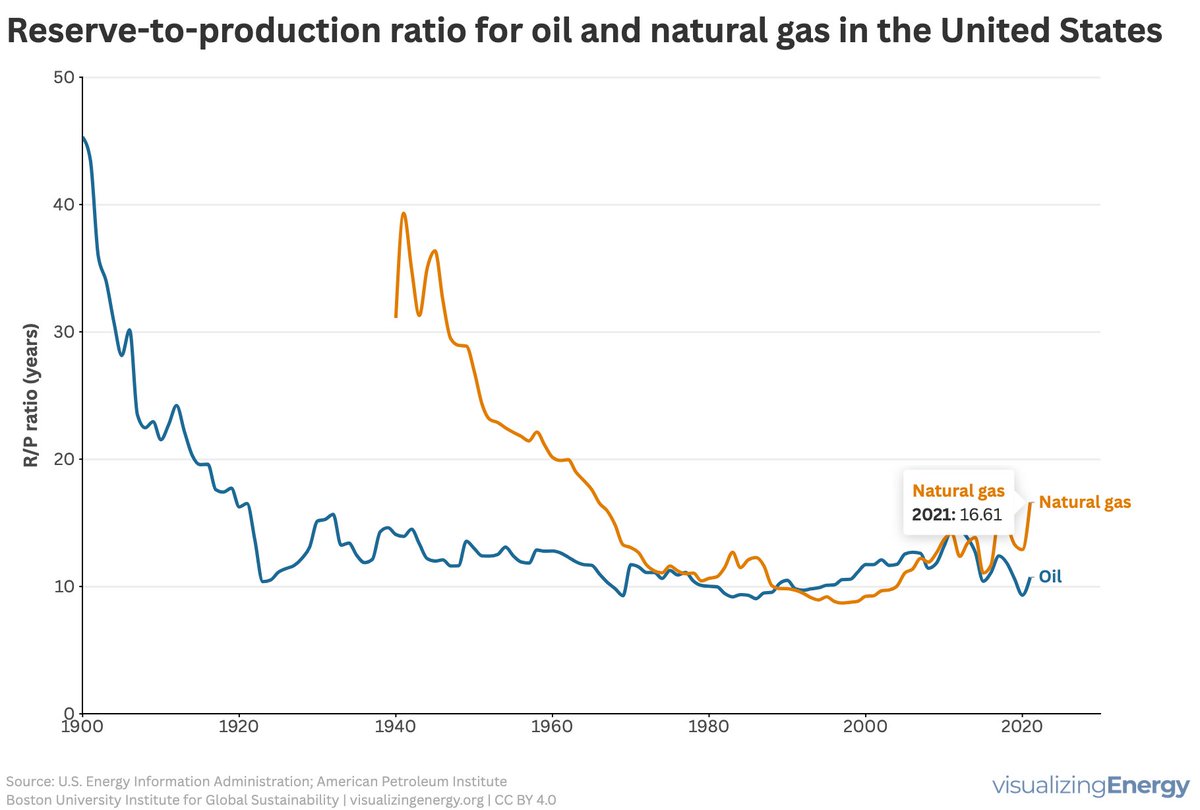
In the early 20th century, the #oil reserve/production ratio in the US was 40:1. The ratio declined to 10:1 in the 1960s. Companies stopped investing in new infrastructure that would not pay off until decades into the future spr.ly/60102Z4K0
48
18 Apr 2025
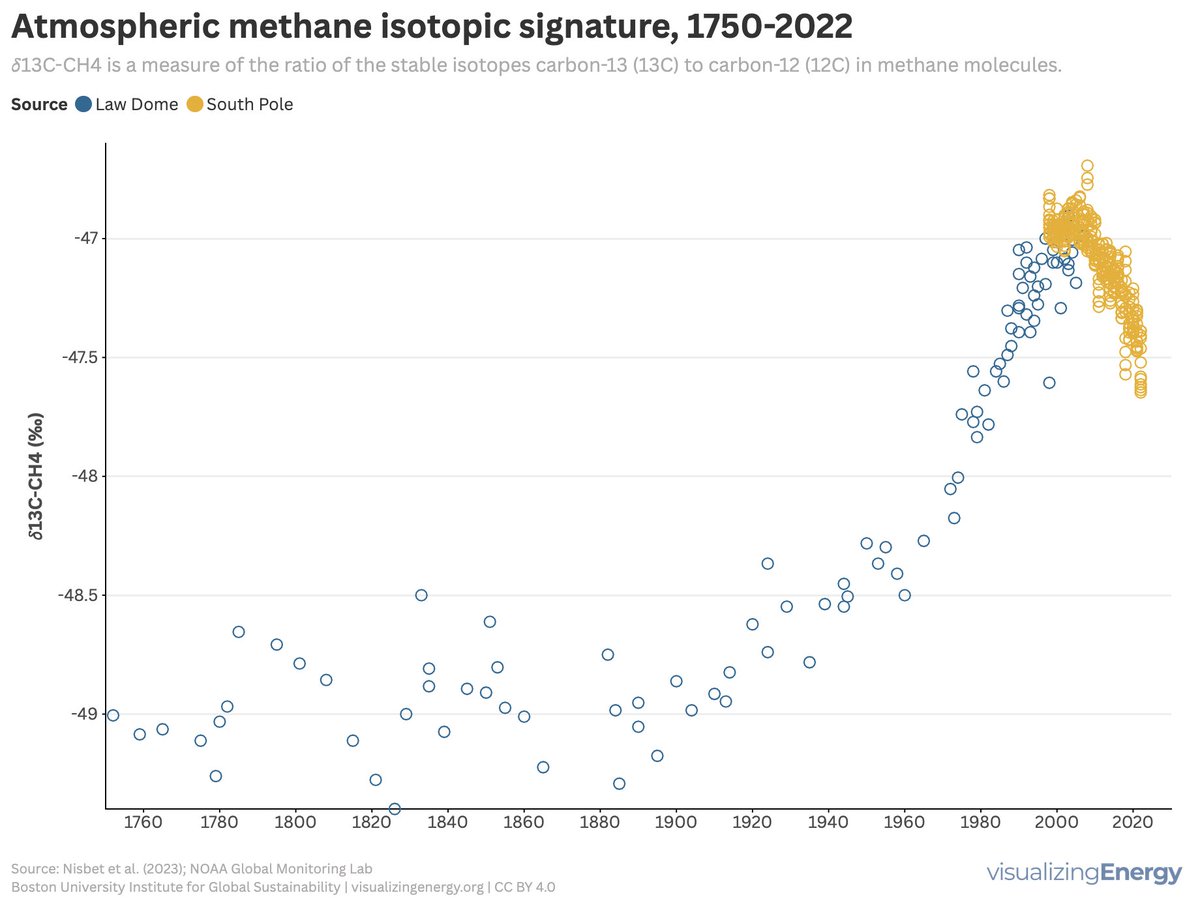
Recent rising atmospheric #methane concentrations coincide with an abrupt shift in the stable isotopic signature of methane that signals a relative shift in the sources of that methane towards biogenic sources such #wetlands. spr.ly/60142HvA6
1
99