Work Autonomy, Flexibility and Work-Life Balance research project. Led by @HeejungChung, @UniKent. Funded by the @ESRC.
Joined February 2014
- Tweets 530
- Following 173
- Followers 343
- Likes 187
23 Photos and videos

Pinned Tweet

29 Jul 2020
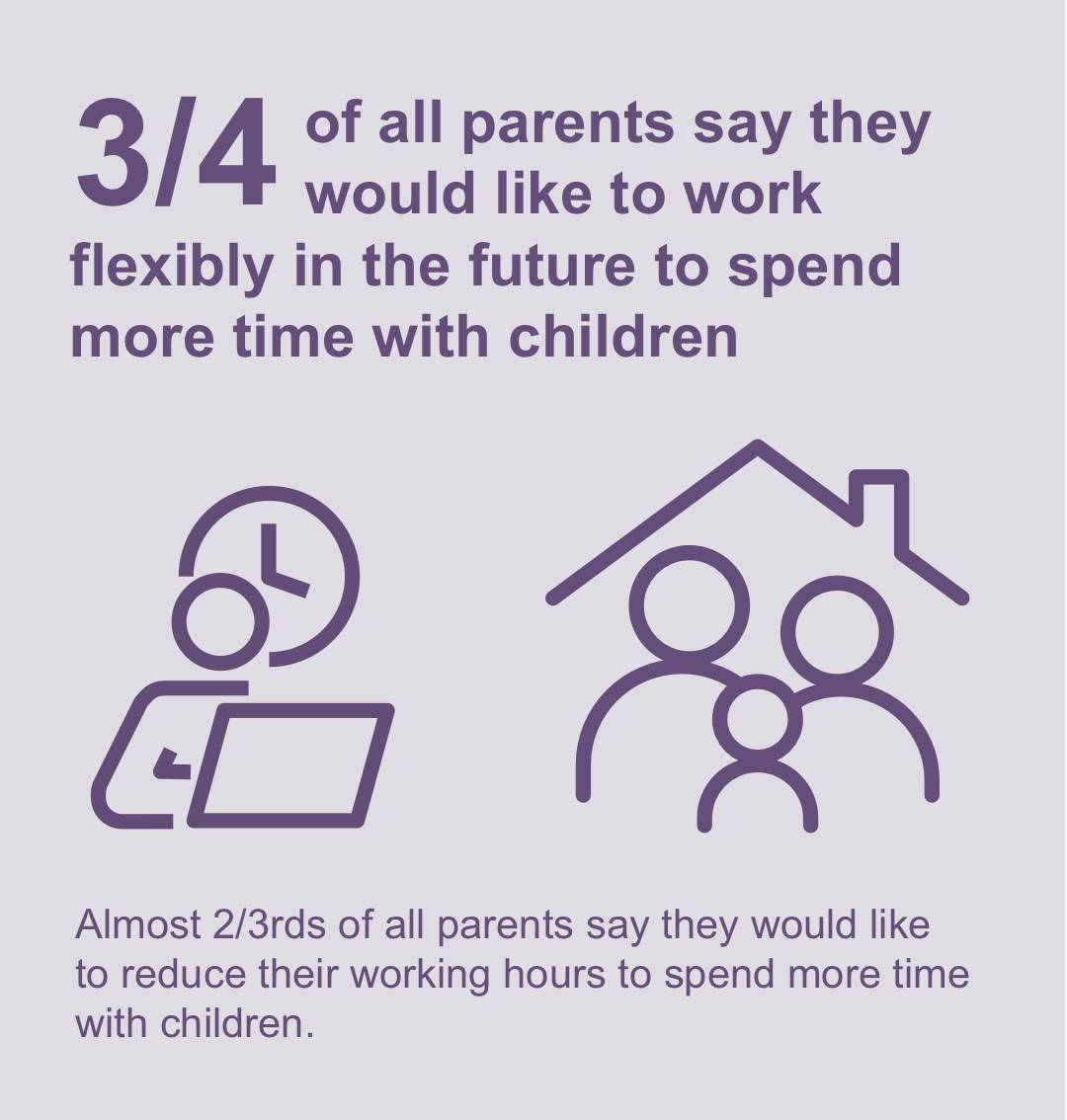
#FutureofWork in #FlexibleWorking - we expect a rise in demand from both parents and non-parents in not only #WorkingFromHome but also #ReducedHours (#4dayweek) for more follow this link for the full report of Working From Home During Covid-19 Lockdown: wafproject.org/covidwfh/
5
8
WAF Project retweeted

4 Jan 2021
News coverage of our work on #workingfromhome during #COVID19 @_EqualParenting @UoB_Business @WAFProject @SSPSSR peoplematters.in/blog/life-a…
1
2
4
WAF Project retweeted
26 Jan 2021
I'll be presenting in this seminar series on the 3rd of March - the results of our joint @_EqualParenting @WAFProject project paper on #FlexibleWorking during #COVID19 and its impact on division of housework/childcare. The list includes so many other interesting papers

Our seminars resume next week!
tcd.ie/sociology/events/semi…
w/ M Gratz (@unil), @_rachel_brooks, V Stout (@RBCStatesmen), @AlinaCosma, @HeejungChung, @pilargonalons, N Piper (@QMUL) & @LauraCFoley , @c_schwemmer, F Bernardi (@EuropeanUni) , P Mullen (@tcddublin), @pablogracia_twi!
3
6
WAF Project retweeted

26 Nov 2020
Managerial experiences during the #COVID19 pandemic shows the majority of managers believe their organisation will support more flexible working requests in future. #TheFutureofWork #FlexibleWorking Read the research by @_EqualParenting & @WAFProject here: bit.ly/3pVK4Ad
5
7
WAF Project retweeted

26 Nov 2020
Managerial experiences during the #COVID19 pandemic shows the majority of managers believe their organisation will support more flexible working requests in future. #TheFutureofWork #FlexibleWorking Read the research by @_EqualParenting & @WAFProject here: bit.ly/3pVK4Ad

1
8
13
WAF Project retweeted
17 Sep 2020
Research completed by @_EqualParenting at @UniBirmingham & @WAFProject at @UniKent showed only 4.5% of managers sampled (n=742) reported that their organisation paid #homeworking employees a weekly overhead cost to be claimed back from HMRC during the COVID-19 lockdown
1
1
WAF Project retweeted
9 Sep 2020
Extensive coverage of our joint @_EqualParenting @WAFProject project work on #WorkingFromHome during #COVIDLockdown. New Research Suggests The Future Of Work Is A Flexible One via @forbes forbes.com/sites/adigaskell/…
1
5
18
WAF Project retweeted

28 Aug 2020
What!! - Dads Three Times as Likely as Moms to Receive a Promotion While Working From Home During COVID | Working Mother workingmother.com/dads-three…
1
16
25
WAF Project retweeted
27 Aug 2020
Frustrating new study on pandemic gender inequity: Women have less work effectiveness, flexibility, engagement and wellbeing at work than men. Work-life balance a top issue for women. Doesn't even make the top 10 for men. mck.co/2VuoLYQ via @McKinsey HT @eve_rodsky
1
22
23
WAF Project retweeted
27 Aug 2020
Our /@WAFProject @_EqualParenting project #COVIDwfh findings are cited in this new article from @HRGrapevine
hrgrapevine.com/content/arti…
1
4
14 Aug 2020
Below is a thread with a list of a lot of different calls for papers on work/employment, work/family and Human Relations during COVID19 pandemic and lockdown. @WFRN
12 Aug 2020

I know this is a cheeky request, but if anyone knows of #COVID19 special call for papers in journals specializing in the area of work/employment - work/family research, please share them here!! #AcademicTwitter Thank you! #AcademicChatter #academicWriting
1
WAF Project retweeted
5 Aug 2020
Flexible working can make us work longer hours due to blurring of boundaries, passion paradox (wanting to just finish that last bit of work), fear of stigma against working flexibly, and sometimes bc employers just ask for more. see my article from 2016: theconversation.com/flexible…
5 Aug 2020

Remote work really does mean longer days — and more meetings wapo.st/3gvhXm2
1
16
46
WAF Project retweeted
4 Aug 2020
Important read: Why Are Child Cares Open When Schools Are Not? nytimes.com/2020/08/04/paren…
6
11
WAF Project retweeted

31 Jul 2020
It doesn’t work to move work exactly as it was done at the office to the virtual world. To start, people shouldn’t be judged by the hours they work, but by the product nytimes.com/2020/07/31/upsho…
7
53
153
WAF Project retweeted
4 Aug 2020
Some truths in here, but again reemphasizes the narrative of childcare as a individual issue/responsibility rather than a societal issue, esp. during times like THE PANDEMIC. It is on organisations and governments to ensure both parents can be involved. gen.medium.com/the-pandemic-…
1
2
6
WAF Project retweeted
4 Aug 2020
Additional news coverage of our project @WAFProject @_EqualParenting Employers must 'improve communication of flexible working policies with staff' disq.us/t/3qt6knd
1
9
WAF Project retweeted
3 Aug 2020
More news coverage of our #WorkingFromHome during #COVID19Lockdown @WAFProject @_EqualParenting. Firms not doing enough to support flexible working workplaceinsight.net/firms-n… via @InsightOnWork
2
5
WAF Project retweeted
31 Jul 2020
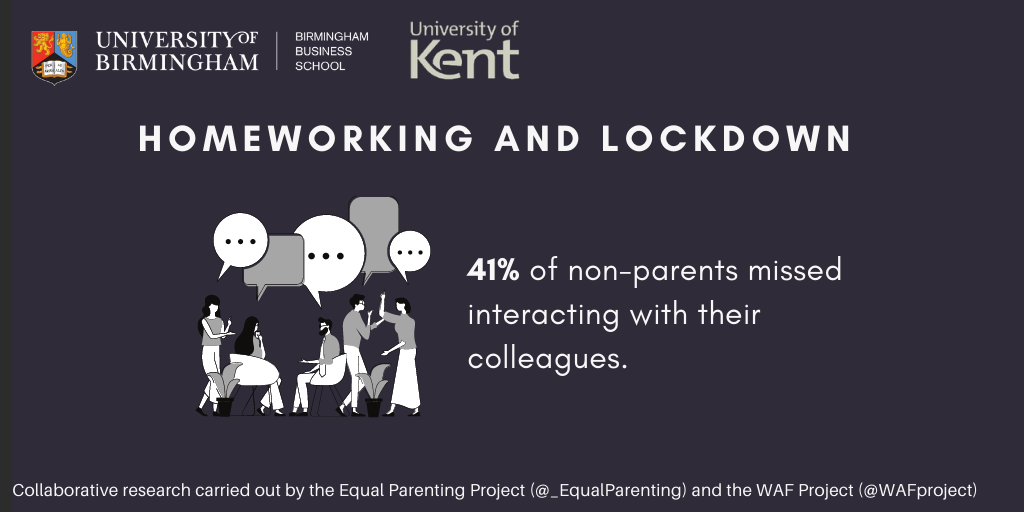
Take a look at new joint research from @_EqualParenting and @WAFProject on homeworking during lockdown. Some fascinating findings on the impact on #wellbeing, #productivity and work-life balance 👉 bit.ly/2Xi9XgS
2
4
WAF Project retweeted

31 Jul 2020
Workplace Insight (@InsightOnWork) has covered #research into homeworking during lockdown by Dr Heejung Chung (@HeejungChung) of @SSPSSR and colleagues at @UoB_Business.
workplaceinsight.net/working…
3
4
WAF Project retweeted
31 Jul 2020
More coverage of our @WAFProject @_EqualParenting #WorkingFromHome during #Covid19Lockdown project: "The future of work is flexible, says new study" phys.org/news/2020-07-future…
2
3
WAF Project retweeted
31 Jul 2020
More coverage of our @WAFProject @_EqualParenting #WorkingFromHome during #COVID19Lockdown report: The Pros And Cons Of Remote Working allwork.space/2020/07/the-pr…
1
1