
Wow Factor National General Manager, Wow Factor National/Toronto Blue Jays Scout 17u Head Coach, Owner of Wow Factor Carolina, jsmith@wowfactorbaseball.com
Joined June 2025
- Tweets 107
- Following 258
- Followers 203
- Likes 126
10 Photos and videos

Justin Smith retweeted

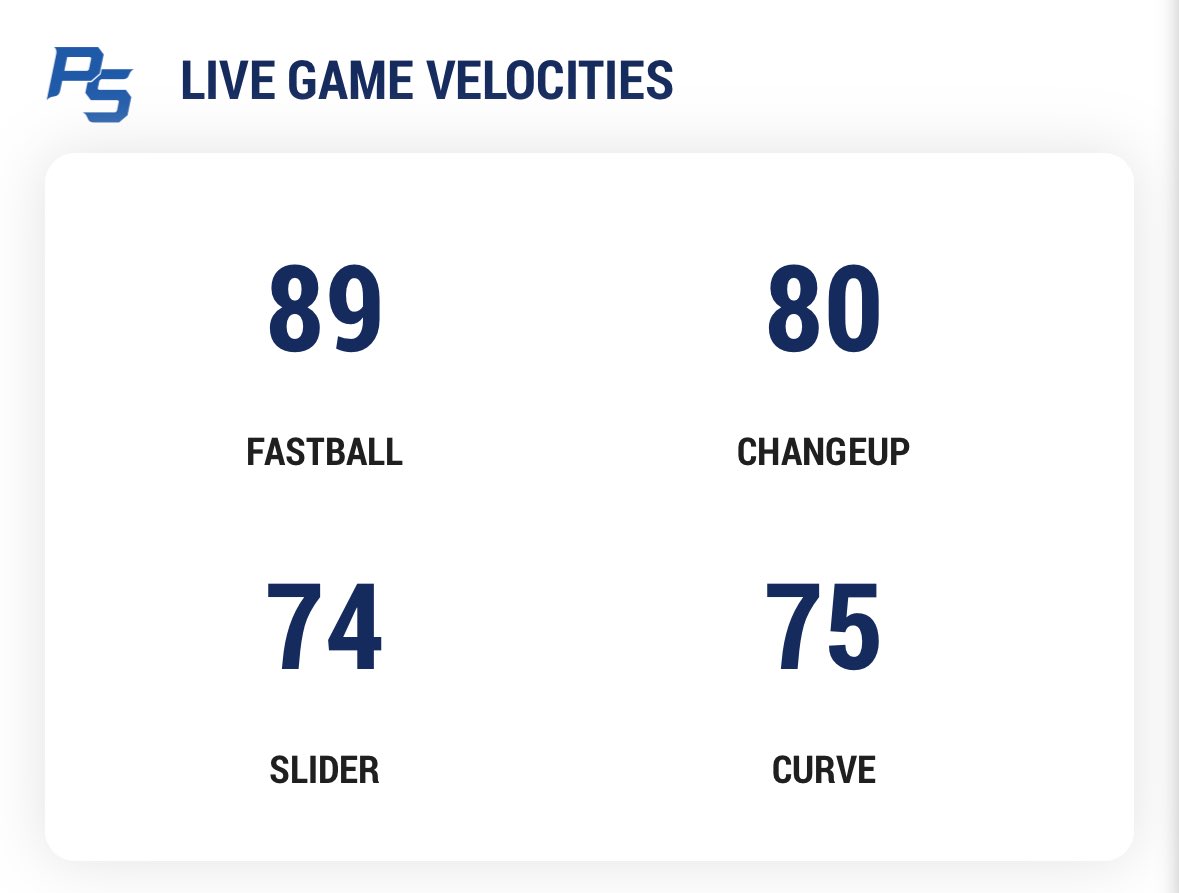
Pitched against a very good Performance National team today.
8 H
3 ER
2 BB
2 Ks
4.0 innings
60%
@WFCJustin
@BUncommitted
1
4
127
Justin Smith retweeted

3 Jun 2025
Mason Bullard (‘28,NC)⭐️ • 5’9 165lbs
Toe tap w/ a direct bat path to get the bat head out and drive balls pull side. Starts behind the plate with a knee down set up, paired with quick footwork and smooth transfer.
C Pop - 2.12
C velo - 70 mph
Ext velo - 75 mph
Strong young catching prospect with good mechanics to grow off of behind and at the plate. Potential to grow and fill out more with maturity making him a good follow in the future.
#TheBestPlayHere | @WowFactorNation
👤play.ps-baseball.com/player-…
31 May 2025

2
3
1,851
Justin Smith retweeted

Closed the game today.
3.0 IP | 2 H | 1 ER | 3 BB | 5 K
@WFCarolinaBB @WFCJustin @PSBaseballScout @PG_Uncommitted @FlatgroundApp
2
2
444
Justin Smith retweeted

Dylan Earnhardt (‘28,NC) ⬇️
Short stride helps him stay on time and drive a hard-hit LD single to CF. Stays direct to the baseball and produces loud contact up the middle.
#CarChamp | #Uncommitted | @WFCarolinas
👤 play.ps-baseball.com/player-…
2
2
37
Justin Smith retweeted
Mason Bullard (‘28,FL) ⬇️
Gets foot down early while keeping hands back in effective firing position for RBI 2B to LCF.
#CarChamp | #Uncommitted | @WFCarolinas
👤 play.ps-baseball.com/player-…
3
4
600
Justin Smith retweeted
Will Porter (‘28,NC) ⬇️
Upright stance w/ good weight transfer through contact. Drives a hard-hit single back up the middle and stays through the baseball.
#CarChamp | #Uncommitted | @WFCarolinas
👤 play.ps-baseball.com/player-…
3
3
480
Justin Smith retweeted
Tyler Thompson ('28, NC)⬇️
Athletic frame, muscular lower half from a submarine arm slot, falling toward 3B. Flashed ability to land FB / BB in the zone, keeping hitters off balance
#CarChamp | #Uncommitted | @WFCarolinas
👤 play.ps-baseball.com/player-…
6
8
1,443
Justin Smith retweeted

Jun 13
NICK KURTZ JUST WENT 471 FT MY GOD
4 HR in 4 games in Las Vegas. He would break Bonds’ record in 81 Vegas games alone
67
236
10,776
729,452
Justin Smith retweeted
Noah Martin ('29, NC)⬇️
Lean frame w/ room to fill out. Wide stance, weight shift load, handsy bath path. Shoots it up the middle for a RBI single.
#CarChamp | @WFCarolinas
👤 play.ps-baseball.com/player-…
2
5
763
Justin Smith retweeted
Will Porter ('28, NC) 📝
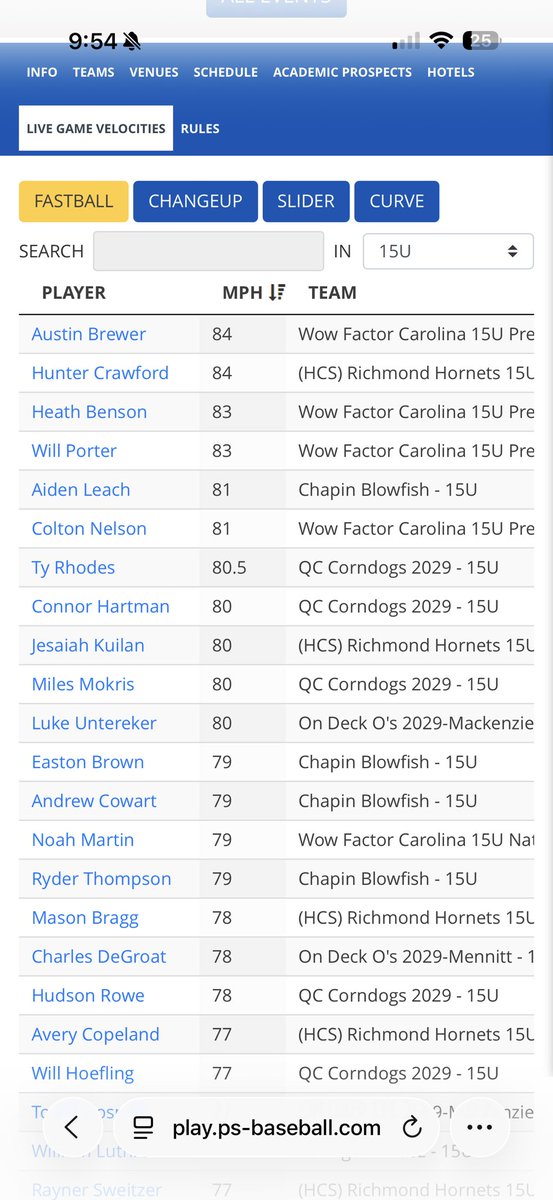
Solid 6'0" 180lb frame w/ room to grow. Strong 2 pitch mix, FB has ASR, SL pairs well. Smooth tempo, controls body well. Will continue to improve.
FB: 81-83 T84 mph | ASR
SL: 74-75 mph | Tight
#CarChamp | #Uncommitted | @WFCarolinas
👤play.ps-baseball.com/player-…
4
2
808
Justin Smith retweeted

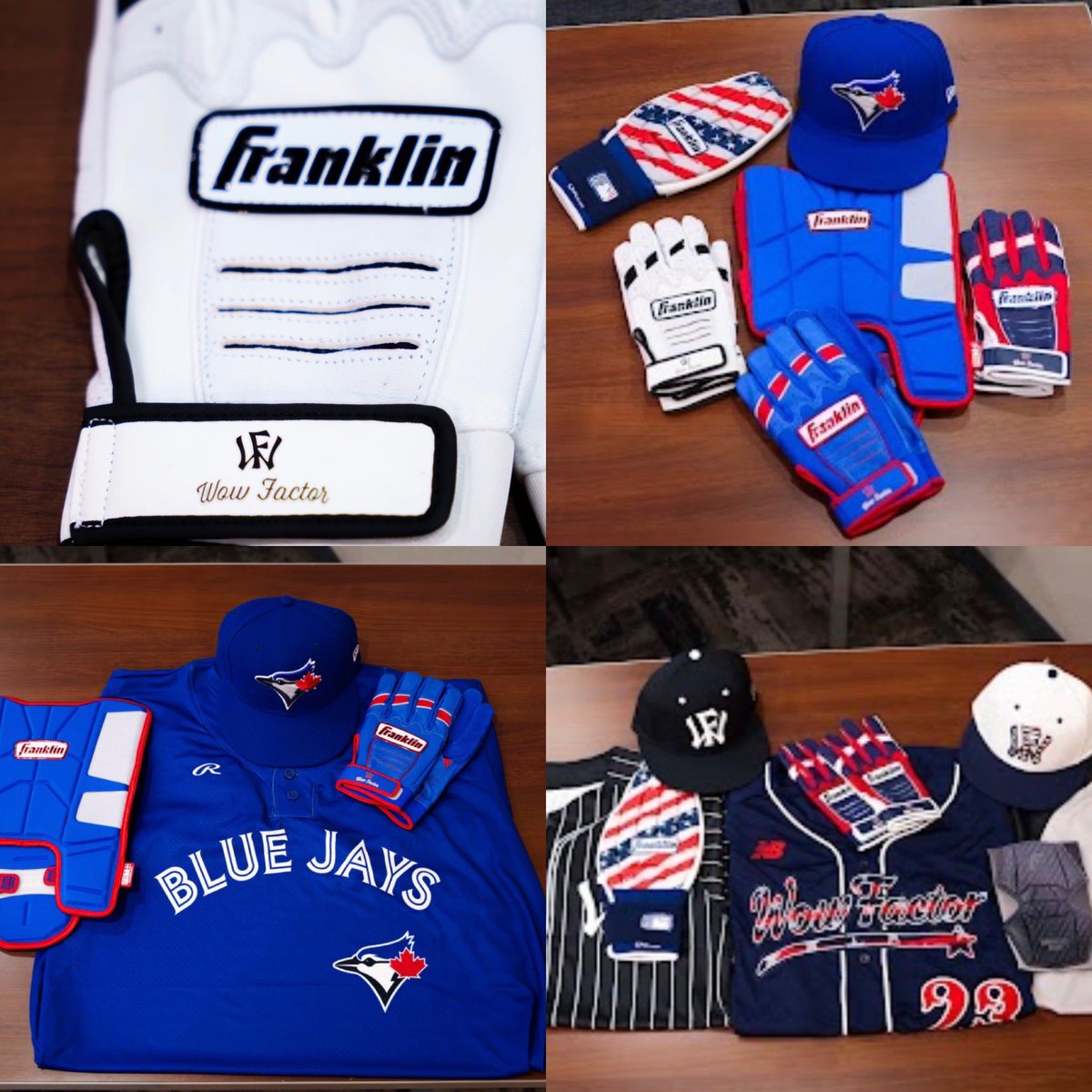
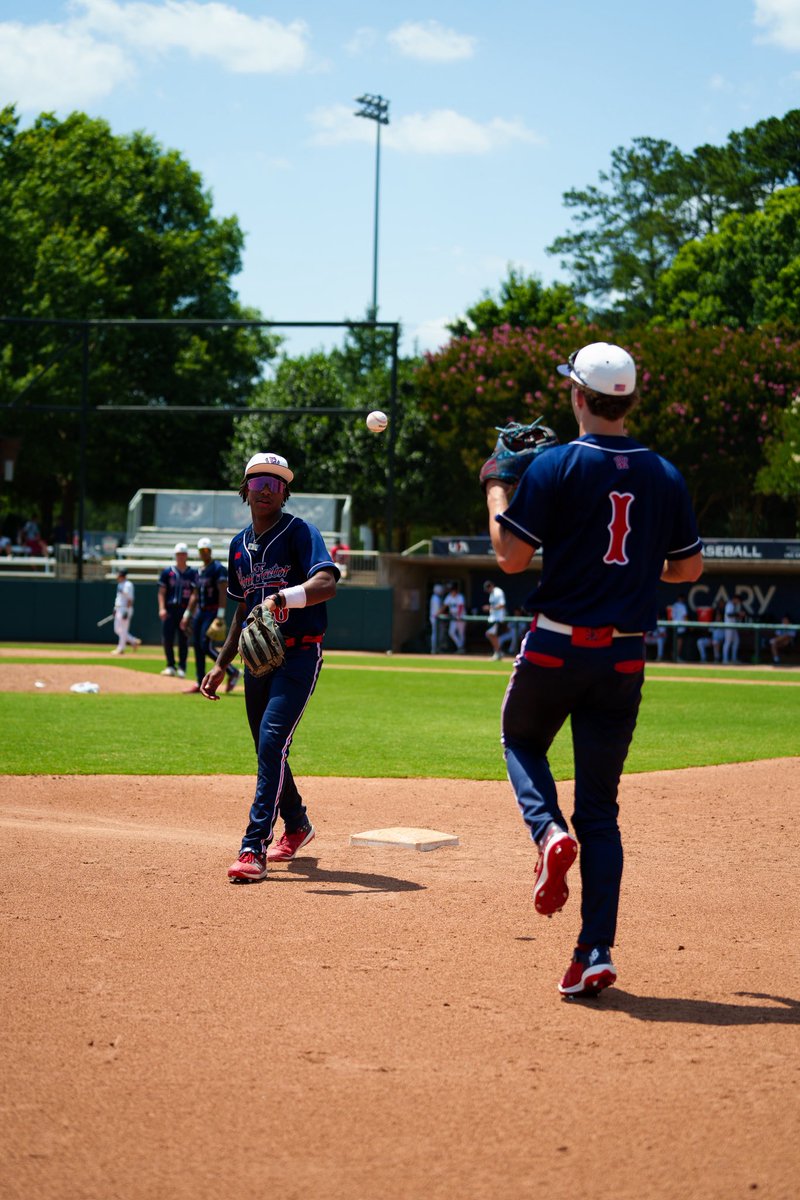
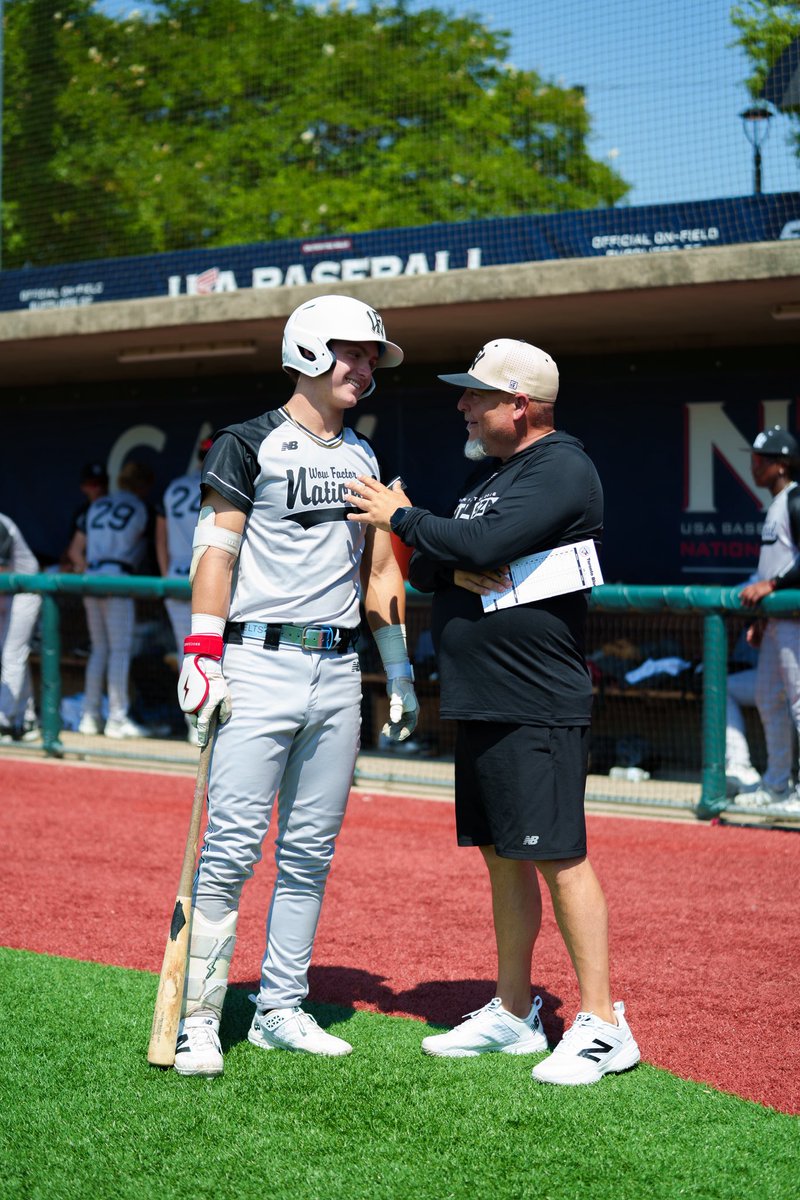
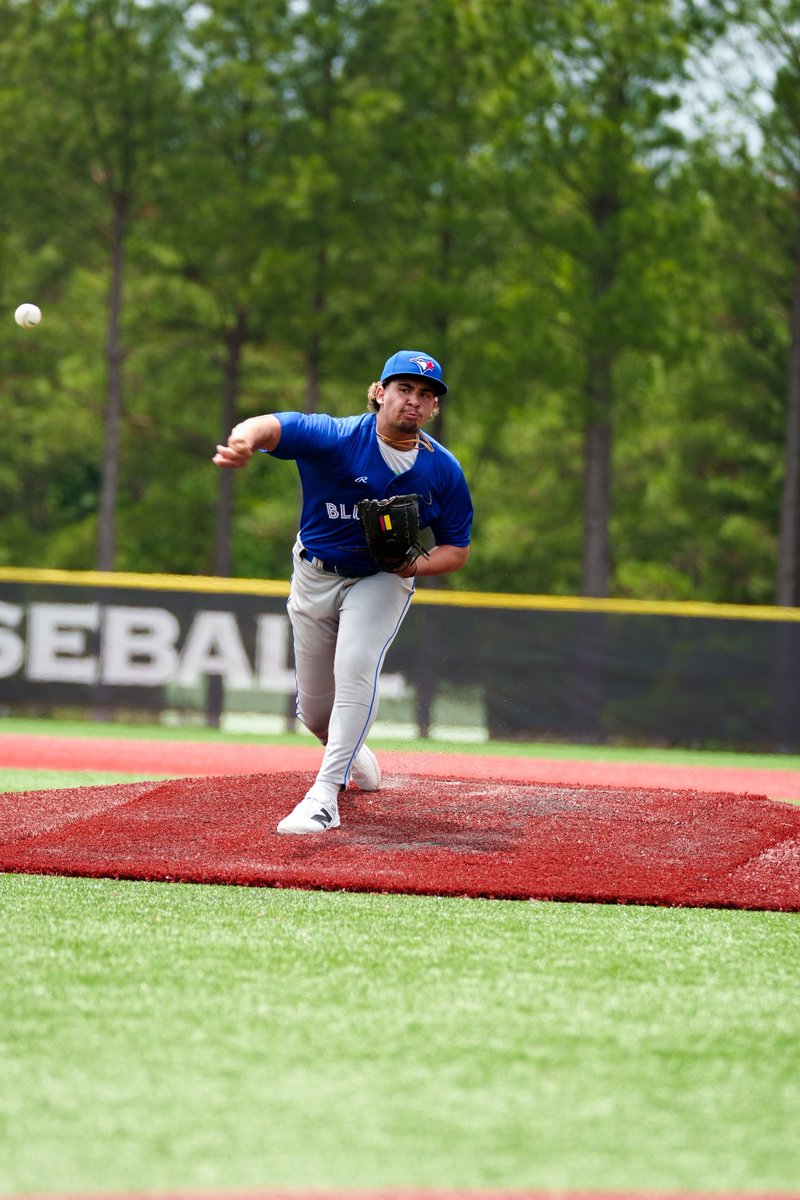
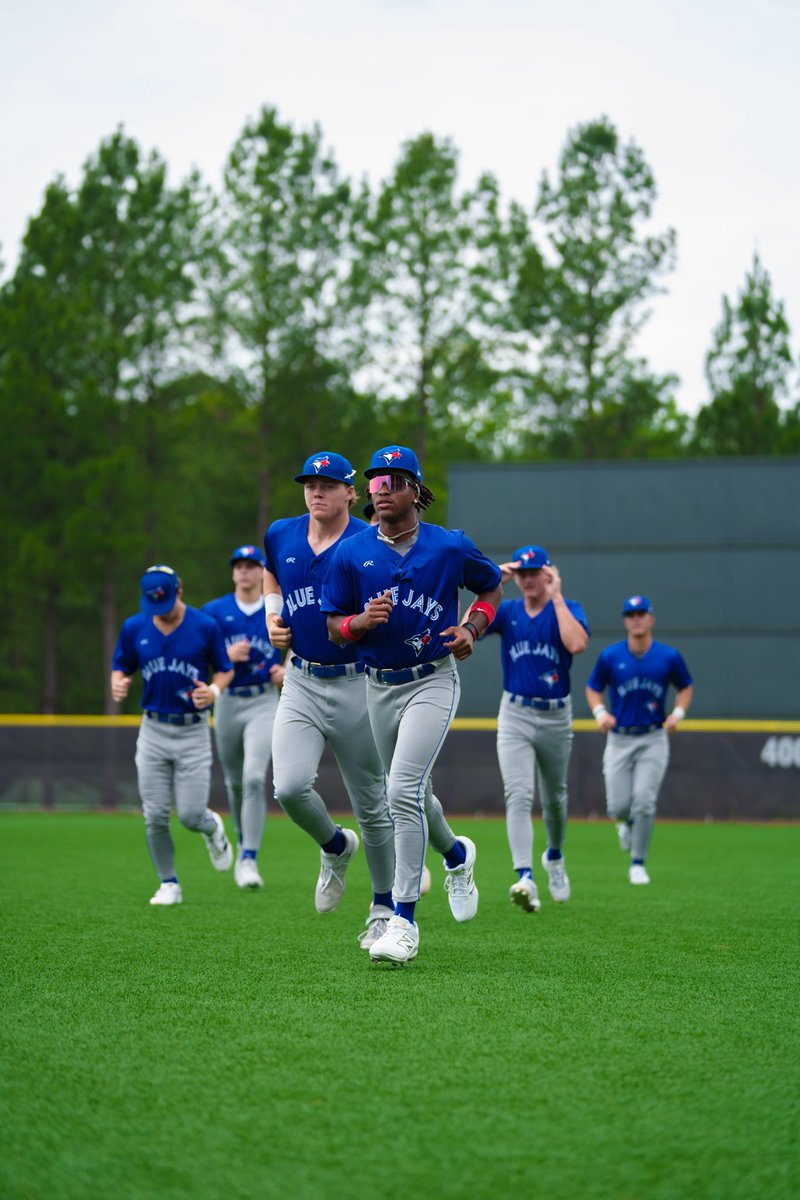
🇺🇸 Competing on one of the biggest stages in amateur baseball. @USABaseEvents
@newbalance @FranklinSports @BlueJays
#TheBrand
2
14
1,900

Jun 12
Princeton Janney (27 NC) @PSBaseballScout
Riley Gladwell (‘27,FL) ⬇️
Wide stance high hands setup ITB. Able to keep hands inside thru contact for PS LD.
#CarChamp | #Uncommitted | @WFCarolinas
👤 play.ps-baseball.com/player-…
1
112
Justin Smith retweeted
Riley Gladwell (‘27,FL) ⬇️
Wide stance high hands setup ITB. Able to keep hands inside thru contact for PS LD.
#CarChamp | #Uncommitted | @WFCarolinas
👤 play.ps-baseball.com/player-…
1
1
709
Justin Smith retweeted
Alonzo Webster (‘27,NC) ⬇️
Tall setup but gets into legs at load, stays connected w/ quick barrel thru zone for RBI 1B UTM.
#CarChamp | #Uncommitted | @ZoWebster2027 | @WFCarolinas
👤 play.ps-baseball.com/player-…
3
5
635
Justin Smith retweeted

Jun 8
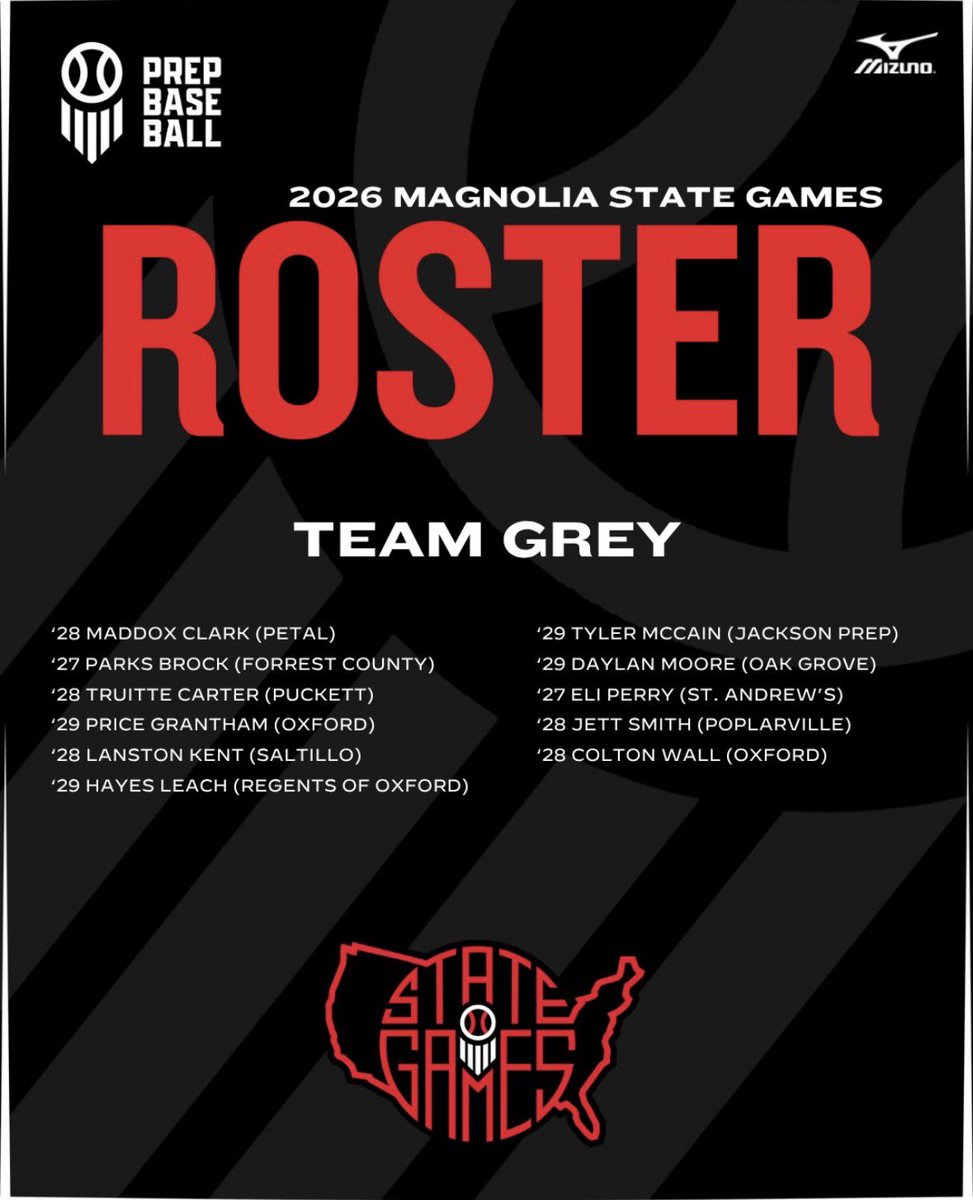
Jett Smith | 2028 SS/RHP
Poplarville HS (MS) | WF Nation MS
Honored to be selected to Team Grey for the 2026 Prep Baseball Magnolia State Games at Freedom Ridge Park in Ridgeland, MS.
June 9
• Showcase Workout – 9:00 AM
• Team Grey Game – 3:00 PM
June 10
• Team Grey Game – 12:00 PM
Looking forward to competing alongside and against some of Mississippi’s top talent.
@PrepBaseballMS @mattmiller59
#D1baseball #NextLevel #juco #uncommitted @JGoetzBaseball @WowFactorNation
1
1
246
Justin Smith retweeted

Jun 9
The reaction in the sports world when a player or coach pursues a better opportunity has always been puzzling to me. In virtually every other professional industry, this is not only understood — it’s expected and respected.
College athletics, in particular, has evolved into a full-scale business enterprise. Between multi-million dollar media rights deals, NIL compensation, and coaching salaries that rival Fortune 500 executives, the collegiate sports landscape is no longer amateur in any meaningful sense of the word.
So why should the standard be any different for the people actually playing and coaching the game?
If you’re earning $60,000 and another organization offers you $100,000 for the same or similar work, the overwhelming majority of professionals would make that move without a second thought — and no one would fault them for it.
Loyalty is earned through culture, investment, and opportunity — not demanded simply because of tradition. When organizations build environments worth staying for, people stay. When they don’t, movement is the natural result.
It’s not personal. It’s business. And at this level, it has been for a long time.
1
1
10
1,334