Joined April 2008
- Tweets 82,909
- Following 1,737
- Followers 12,633,166
- Likes 13,871
26,002 Photos and videos
World Health Organization (WHO) retweeted

On the Occasion of the #G7 Summit
An Open Letter to the Leaders of the @G7 , the @g20org , BRICS and All Nations
On finalizing the Pathogen Access and Benefit-Sharing annex of the WHO Pandemic Agreement
Dear Leaders of the G7, the G20, BRICS and of all nations,
We write to you together, from Geneva and from Brasília, with one shared conviction: that the world must finish what it started, and that you can help it do so.
We begin not with an institution or an annex, but with a memory the whole world shares. Not so long ago, our hospitals overflowed. Families said goodbye to the people they loved through glass, or by telephone, or not at all. Children lost grandparents. Doctors and nurses, exhausted beyond anything we had a right to ask of them, kept going anyway. Estimates from WHO and others put the lives lost at up to twenty million. Humanity promised itself, in the rawness of that grief, that it would not face such a day again unprepared.
A little over a year ago, the world kept the first part of that promise. After the deadliest pandemic in a century, the nations of the world chose cooperation over division and adopted the WHO Pandemic Agreement to strengthen how countries can work together to prevent, prepare for, and respond to pandemics. In a divided world, that outcome was not to be taken for granted. It was an act of hope, and an act of faith in one another. We write to you now because that hope is not yet fulfilled, and because it lies within your hands to help fulfil it.
One piece remains. To respond to future pandemics in time, countries must be able to quickly identify pathogens with pandemic potential and share their genetic information and material so scientists can develop tools: the tests, the treatments, the vaccines that decide who lives and who does not. The system that makes this possible, fairly and on equal footing, is the Pathogen Access and Benefit-Sharing annex. It is the last piece of the puzzle, not only for the Pandemic Agreement but for everything WHO and Member States have built from the hard lessons of COVID-19. Until it is finished, the Agreement cannot enter into force. The promise stays unkept.
We will not pretend the road has been easy. When Member States closed their most recent session on the first of May, they had made real progress, but agreed that more time was needed. The hardest questions, including how the benefits of shared pathogens are defined and shared, how the system is governed, and how equity is guaranteed on equal footing, are difficult for a reason. They are the very questions that went unanswered last time, while people who could have been protected were not. The world is wrestling with them now precisely because they matter so much.
Negotiators will meet again from 6 to 17 July. We believe in them, and we have seen their dedication up close. But we also know there are moments when good people, doing their best around a negotiating table, need their leaders to lift their eyes to the horizon. This is one of those moments, and it is yours.
So we come to you, plainly, with three requests.
First, political will at the highest level. The remaining issues will not be solved by technical effort alone. They need the clear signal that only a head of government can give: that finishing this annex is a national priority, and that your negotiators may reach for consensus with courage rather than caution. Solidarity is our best immunity, but solidarity has to be chosen, and it has to be chosen at the top. We know, too, that you may be asked if the Pandemic Agreement compromises state sovereignty. It does not, and the PABS annex, as an integral part of it, will not either. Article 22, paragraph 2 says so plainly: nothing in the Agreement gives WHO any authority to direct or alter a country’s laws or policies, or to require measures such as lockdowns, travel restrictions or vaccination mandates. Those decisions remain with sovereign states. So we ask you, concretely, to instruct your negotiators to come to the July session ready to conclude, and to give them the flexibility to close the remaining gaps and finalize the annex in this round.
Second, a spirit of equity. The PABS system rests on a simple, fair bargain: those who share dangerous pathogens quickly must be able to trust that the vaccines and treatments born from that sharing will reach their own people too. Every one of us has a stake on both sides of it. When Brazil held the G20 presidency in 2024, it led the G20 to recognize, for the first time, inequality as a driver of pandemics. This is not charity, and it is not only conscience. It is also strategy: PABS exists to stop an outbreak at its source, and containing a threat where it begins is far cheaper, in lives and in resources, than fighting a pandemic once it has spread to every continent. A virus left to burn anywhere will, in time, find everyone. There is a further reason equity matters, one that governments and industries everywhere will grasp at once: predictability. Today the rules for accessing a pathogen and sharing what flows from it are improvised case by case, often mid-crisis. PABS replaces that with a single framework known in advance, stable rules that let laboratories and partners across the world move at the speed an outbreak demands. Legal certainty does not compete with equity; it makes equity work. We ask you to ensure the annex carries equity in its operational detail, not only in its preamble, so that access and benefit-sharing are guaranteed in practice.
Third, a sense of urgency. The next pandemic will not wait for us. Scientists estimate there is close to a one in four chance of another pandemic within the coming decade, and the ground beneath our old assumptions is shifting. Climate change, changing land use and evolving agriculture are redrawing the map of where dangerous pathogens emerge; the comfortable belief that outbreaks begin only in distant places is no longer true, and future hotspots may arise in or near your own countries. At the same time, advances in biotechnology, matched unevenly by biosafety, raise the risk of accidental or deliberate release. None of these dangers respect a border. So we ask you to treat 17 July as a deadline, not a milestone, and to say so publicly, sending your negotiators, and the world, the unambiguous signal that this is the round in which the work is finished.
And we already know the price of being unready. The last pandemic took lives on a staggering scale, with estimates from WHO and others putting the toll at up to twenty million, and the International Monetary Fund estimates it cost the world economy over thirteen trillion dollars in lost output, a loss borne in every nation, in shuttered businesses, broken supply chains and a generation of disrupted schooling. Against that, the investment in a system that catches an outbreak early is small. As we write these words, an Ebola outbreak is being fought across two countries, with no approved vaccine and no cure, by responders who are risking their own lives to protect strangers. That is not a distant abstraction. It is happening now. Every month this annex stays unfinished is a month the world is less ready than it could be, and people are less safe than they deserve to be.
The nations of the world, together, have stood at every great turning point in the story of human health. Together we helped wipe smallpox from the earth. We pushed polio to the very edge of history. We turned back the tide of HIV, tuberculosis and malaria, and in doing so helped save more lives than any of us will ever be able to count. Finishing this Agreement is not a departure from that legacy. It is its natural next chapter, and it is within reach.
We made a promise to the millions we lost, and to the families who carry their absence still. Let us be the generation that keeps that promise. Finalizing this Agreement, through a shared commitment to one another, is our collective promise to protect humanity. Let us keep it, together, and in time.
With respect, and in the shared cause of protecting human life,
Luiz Inácio Lula da Silva, @LulaOficial
President
Federative Republic of #Brazil
Dr Tedros Adhanom Ghebreyesus
Director-General
@WHO
6
11
29
6,873

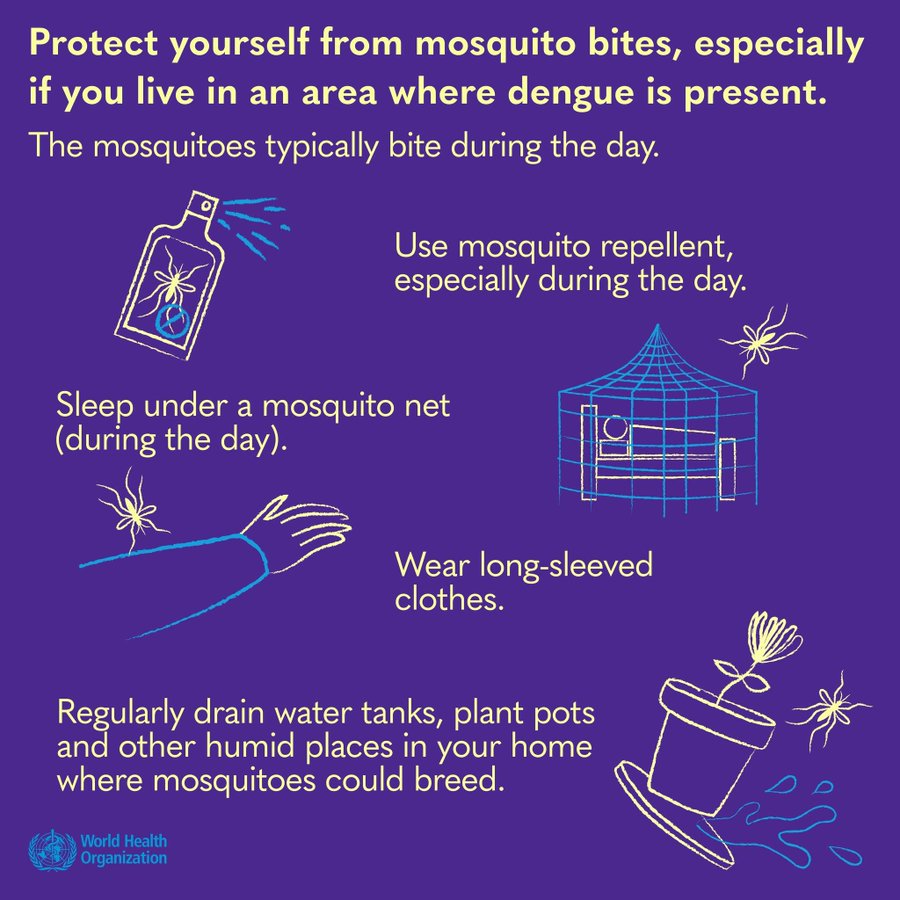
If you live in a country affected by #dengue and other arboviral diseases, you can lower your risk by using:
✅ mosquito repellents
✅ long-sleeved clothes
✅ mosquito nets when sleeping during the day
✅ window screens
‼️ Remember to often drain, wash & scrub water storage containers
7
23
64
11,288
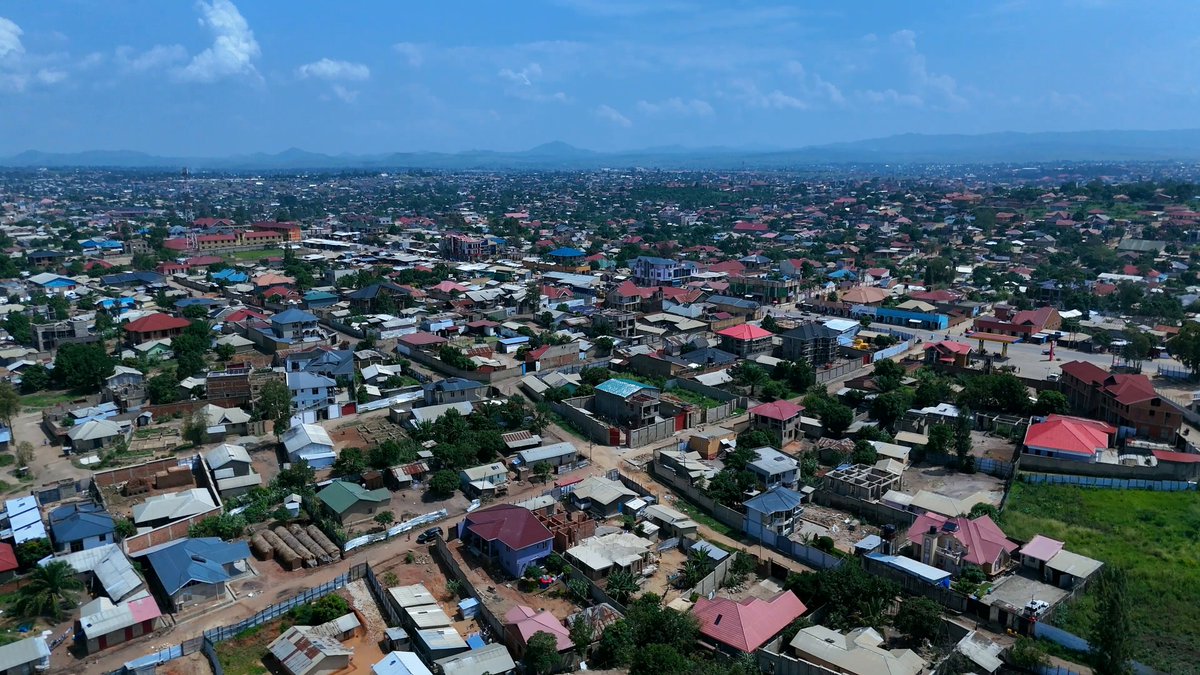
There are many challenges in the #Ebola Bundibugyo outbreak in #DRC, but as the response gets a toehold, under the government’s leadership, there are positives: communities are working together, new laboratories are open, and some patients have recovered and have been discharged.
WHO Executive Director for the Health Emergencies Programme @Chikwe_I who has been in the country for 3 weeks, is hopeful that together we can get the outbreak under control
More on WHO response on the outbreak bit.ly/4gkShdD
13
38
131
27,735
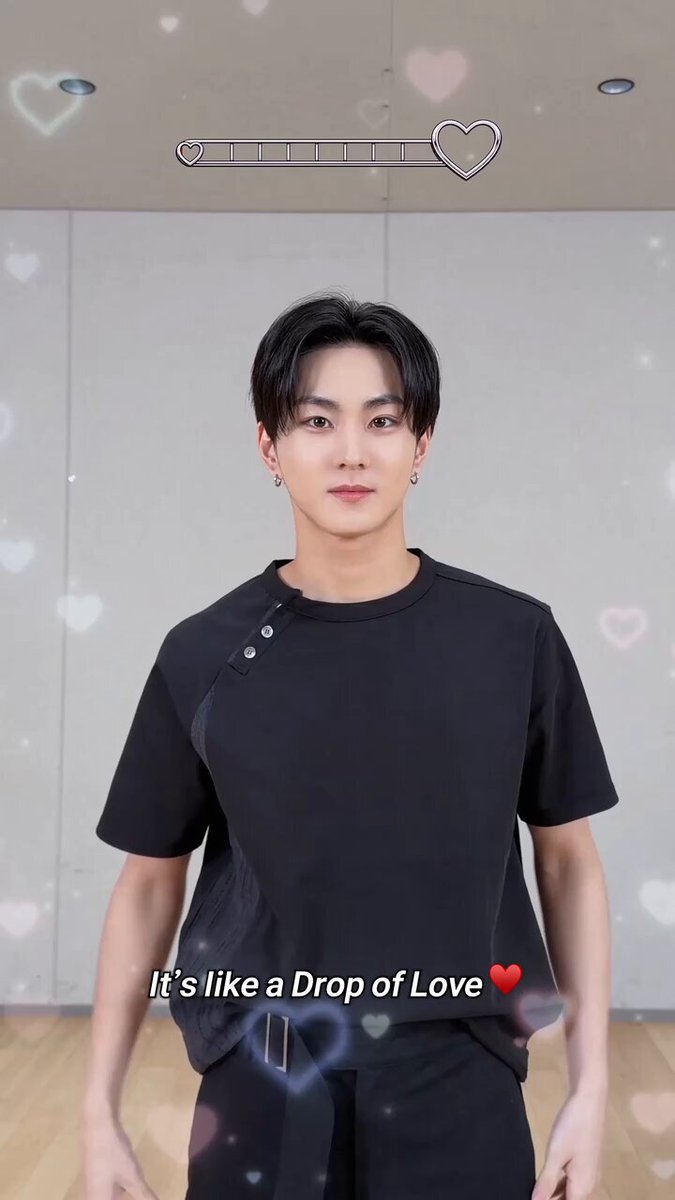
It’s like a Drop of Love🩸
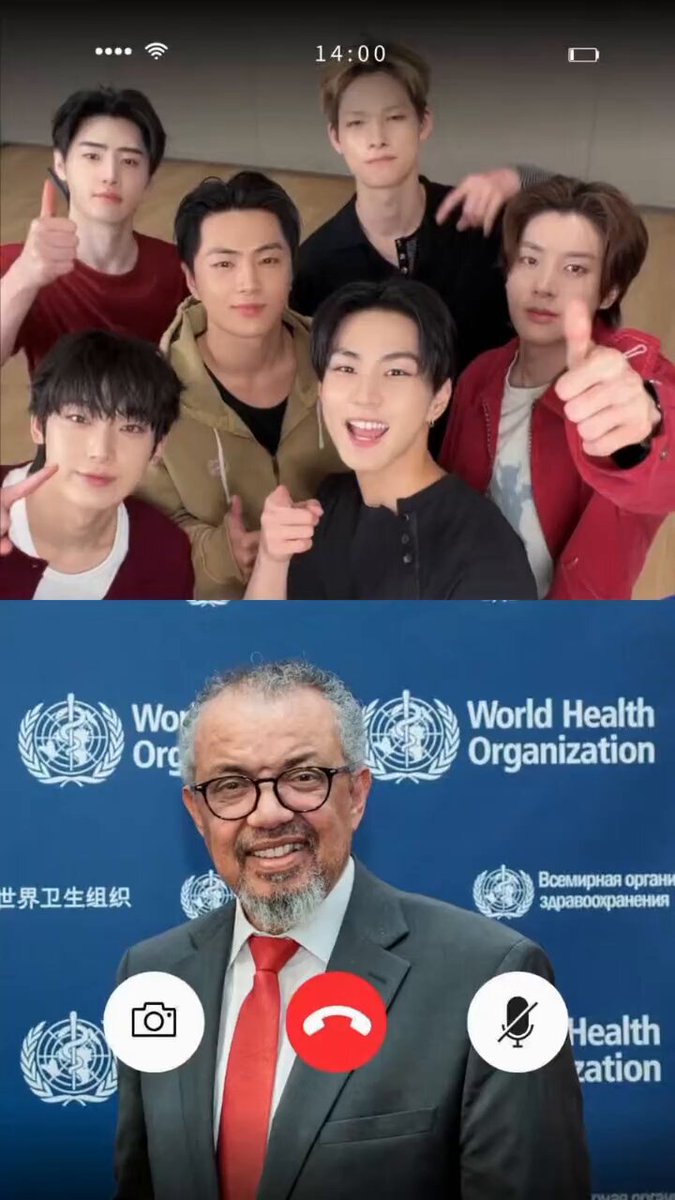
@ENHYPEN joins WHO this #WorldBloodDonorDay to share the love: #GiveBlood and save lives bit.ly/2026GiveBlood
122
5,161
10,375
151,354
World Health Organization (WHO) retweeted
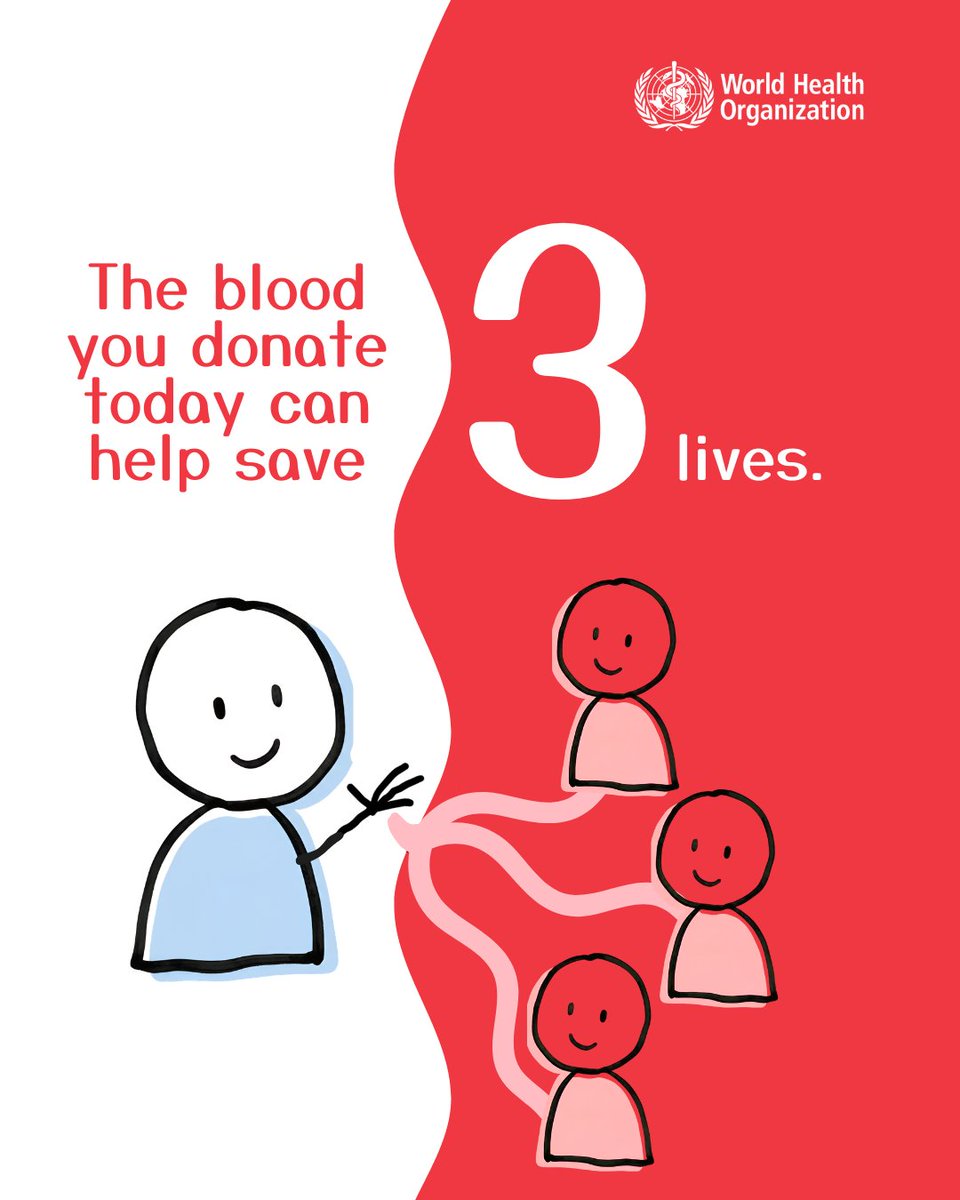
One blood donation can save up to three lives. This #WorldBloodDonorDay, @WHO is joining forces with our @ENHYPEN friends in recognising the life-saving impact blood donors around the world have — thank you!
#GiveBlood #ENHYPEN
55
1,424
3,097
53,773
🩸 This #WorldBloodDonorDay, WHO, @DrTedros and @ENHYPEN are proud to join together in recognizing the life-saving impact of blood donors around the world.
Blood donation is more than a medical act. Together, donors form a lifeline that connects and protects people everywhere bit.ly/2026GiveBlood
#GiveBlood #ENHYPEN
159
5,169
10,091
193,284
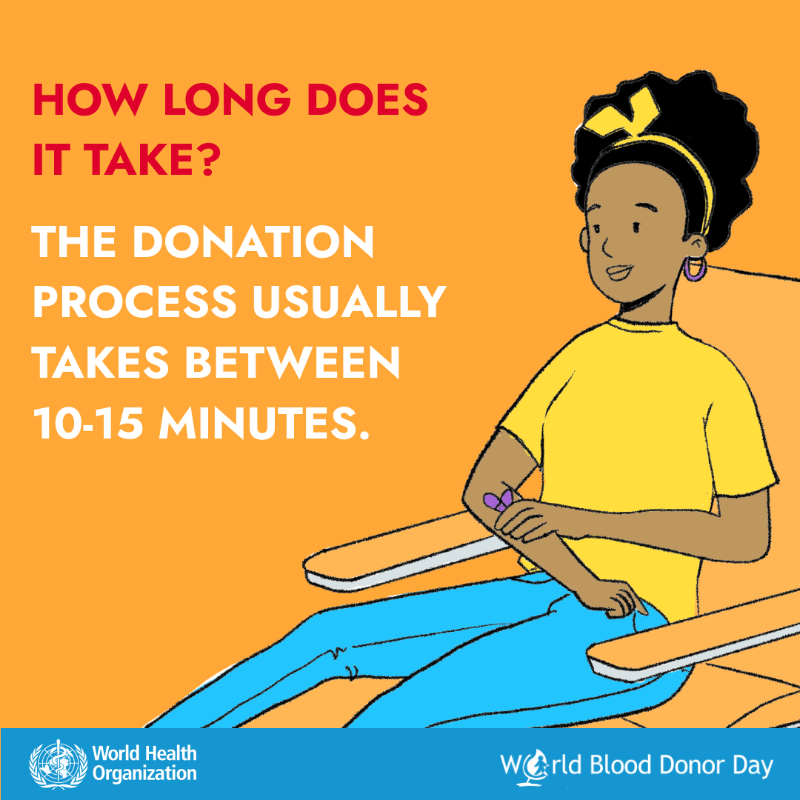
How much blood is taken during blood donation?
In most countries, the volume of blood taken is 450ml, less than 10% of your total blood volume.
In some countries, a smaller volume is taken.
Your body will replace the lost fluid within about 36 hours
#WorldBloodDonorDay
16
91
213
28,510
World Health Organization (WHO) retweeted

POV: Donating blood for those in need 🩸
Not sure what to expect? Here's a typical process*:
✅ Registration & ID check
✅ Medical screening
✅ Hemoglobin test
✅ Blood collection (~15 mins)
✅ Rest, drink liquids, eat snacks
It's simple and less scary than you think. Your donation is an act of humanity that could help save lives.
*Eligibility requirements vary by country. Check with your local health authority and consider giving blood today. 💉
4
33
100
15,880
With one simple act, you could save up to 3 lives.
#GiveBlood today. Every drop is an act of humanity.
#WorldBloodDonorDay
8
49
165
21,302
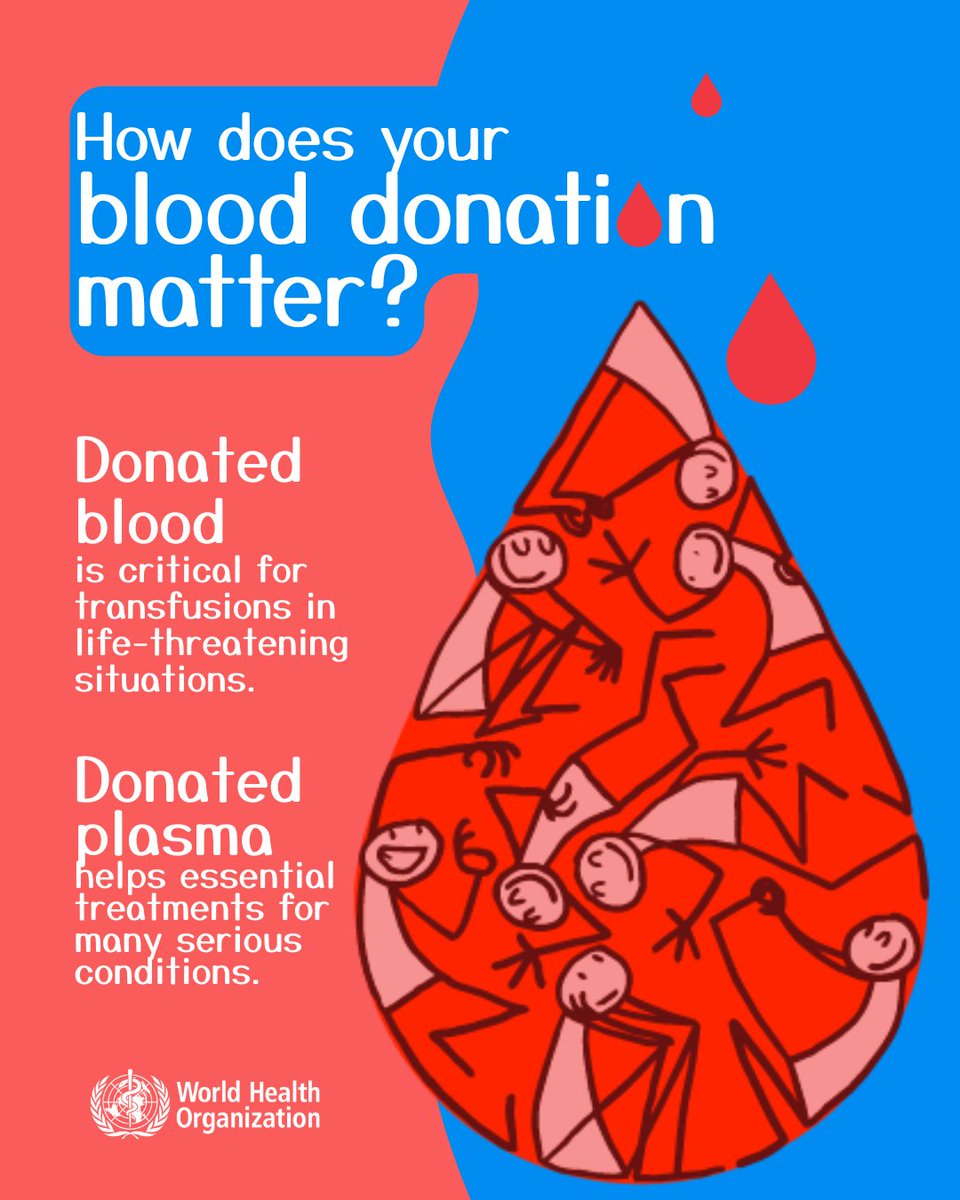
Chronic blood conditions
Childbirth complications
Cancer treatment
Bleeding disorders
Immune deficiencies
Safe blood and plasma donations provide a critical lifeline for patients facing these and many other life-threatening conditions.
Everyone everywhere should have timely access to safe blood and blood products.
#GiveBlood and help save a life.
Here’s how 👉 bit.ly/2026GiveBlood
16
170
344
26,376
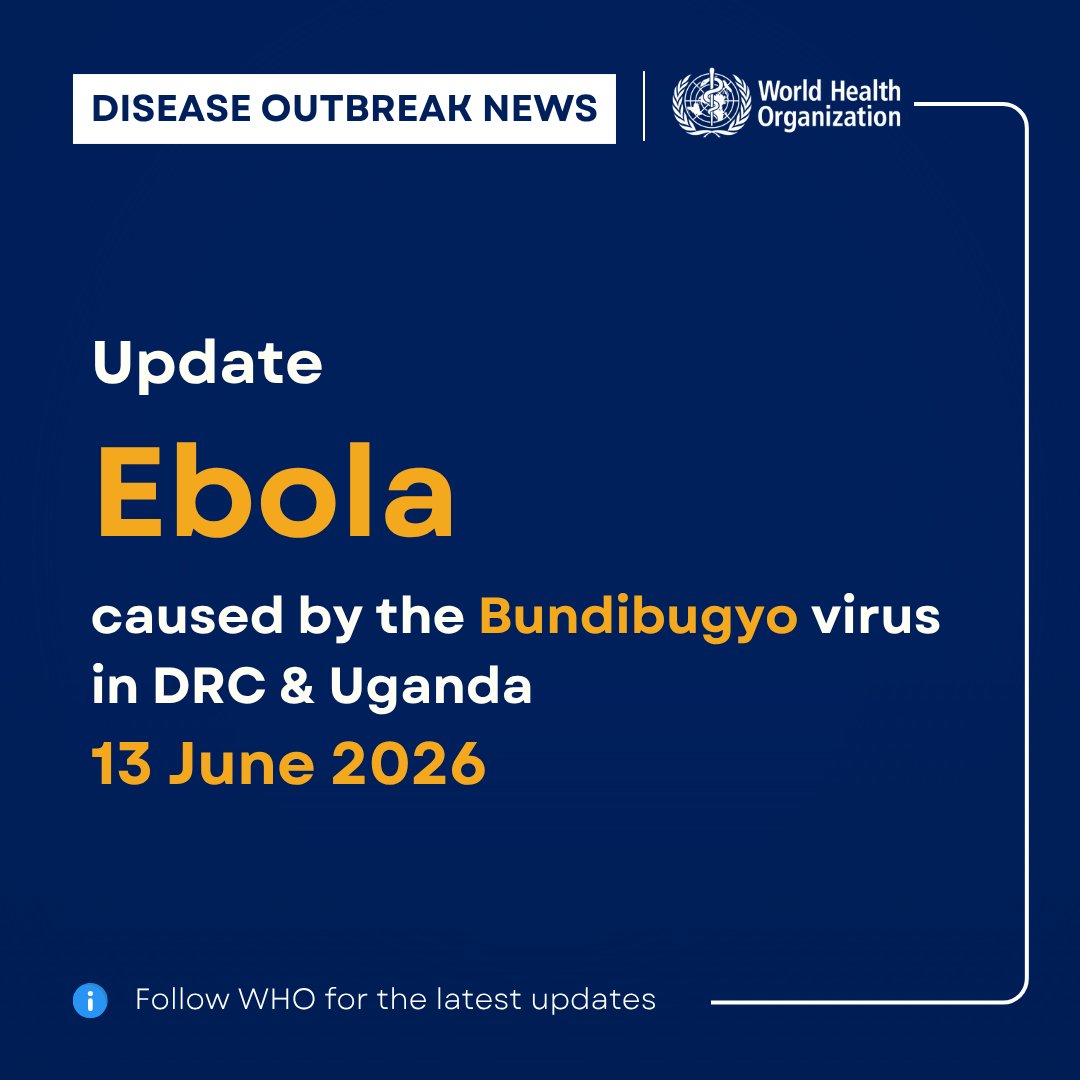
Disease Outbreak News on #Ebola caused by Bundibugyo virus in DRC & Uganda - 13 June 2026 bit.ly/49X1Lb4
17
54
110
27,368
A little reminder before tomorrow🩸
It’s #WorldBloodDonorDay!
@ENHYPEN is joining WHO and people around the world to support #GiveBlood this year
Drop your drop! bit.ly/2026GiveBlood
122
5,860
10,135
215,165
Safe blood saves lives. It comes from healthy, voluntary unpaid donors and is protected by rigorous testing, strict safety standards and safe transfusion practices.
In fact, every donation forms a shared lifeline of solidarity, compassion and care.
#GiveBlood today.
23
169
409
32,483
Good news!
Safe blood supplies have been expanding worldwide, increasing steadily over the past decade.
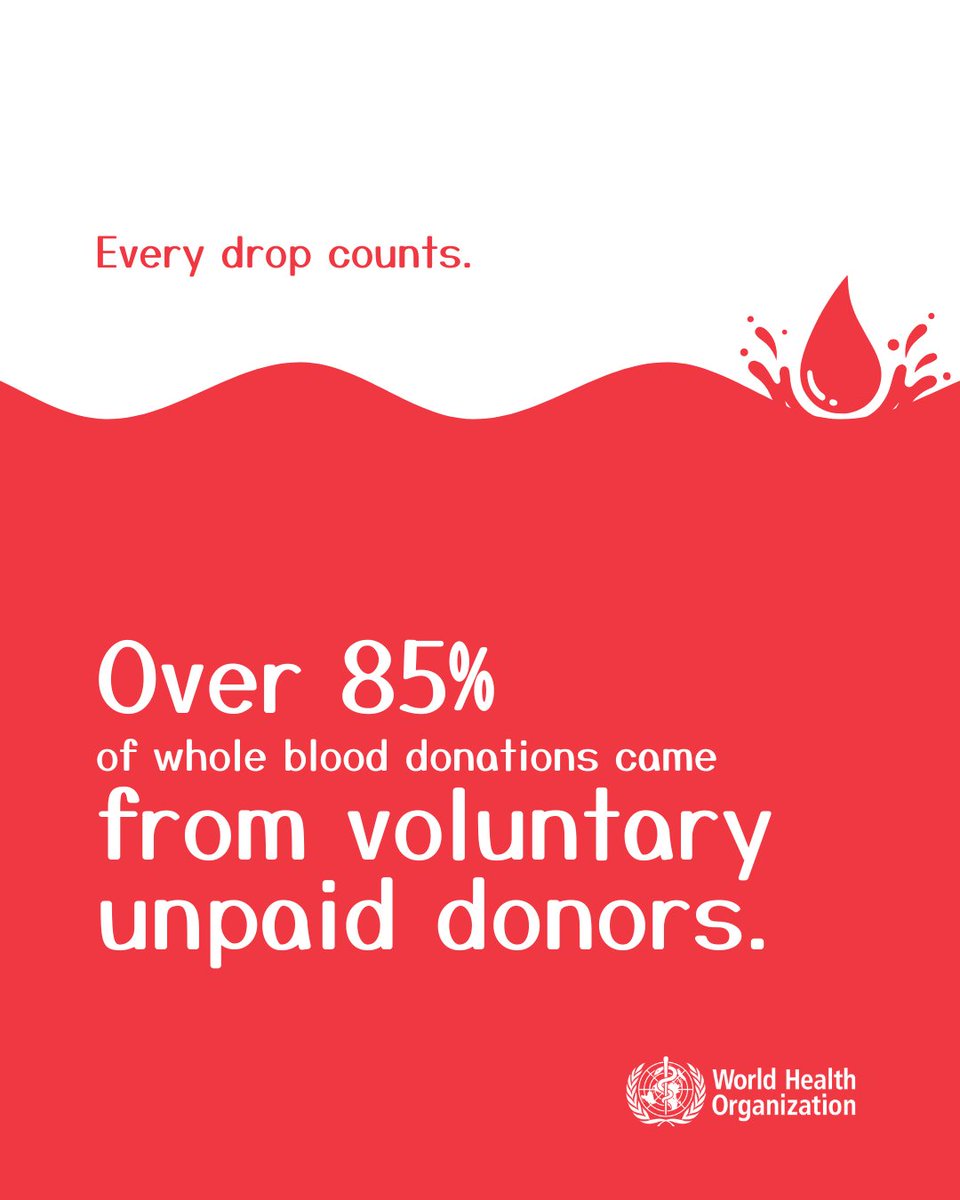
More than 120 million blood donations were made in 2023, and over 85% of whole blood donations came from voluntary unpaid donors.
Yet, access to safe blood remains deeply unequal. Stronger investment in national blood systems is critical to ensure that everyone can access life-saving transfusions.
Learn more bit.ly/4eeY17z
#GiveBlood
24
75
185
29,985
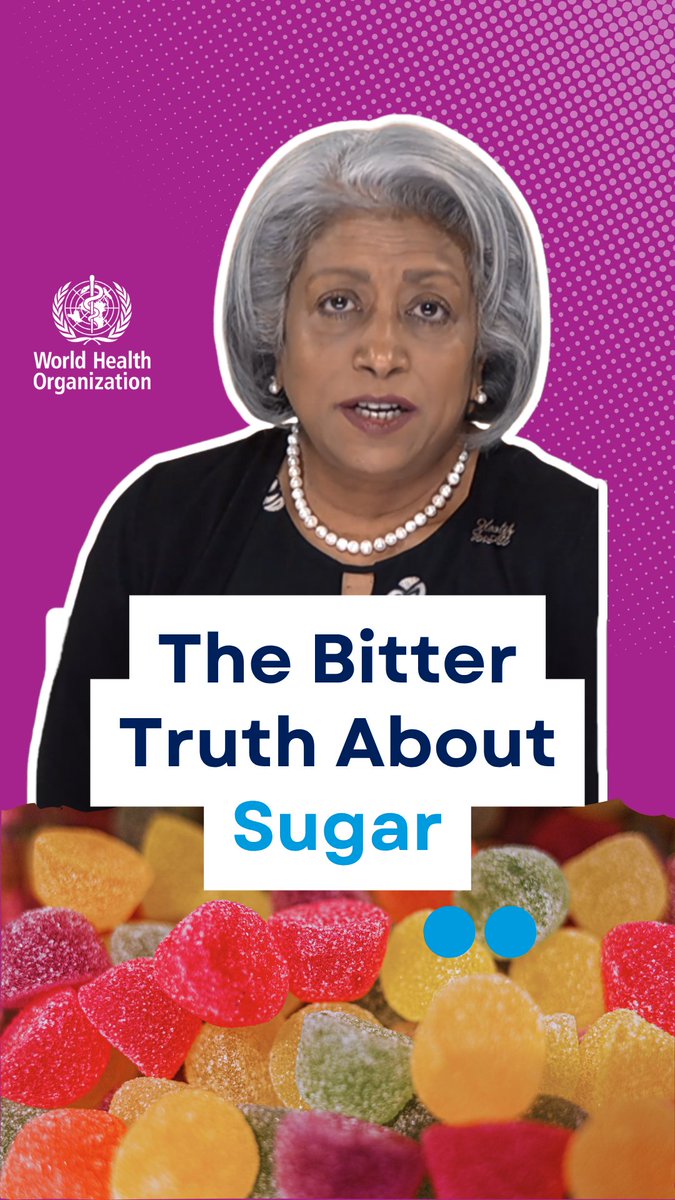
Tooth decay is the most common health condition in the world.
Here’s a bitter truth about sugar and how it hurts your oral health.
35
53
133
37,264
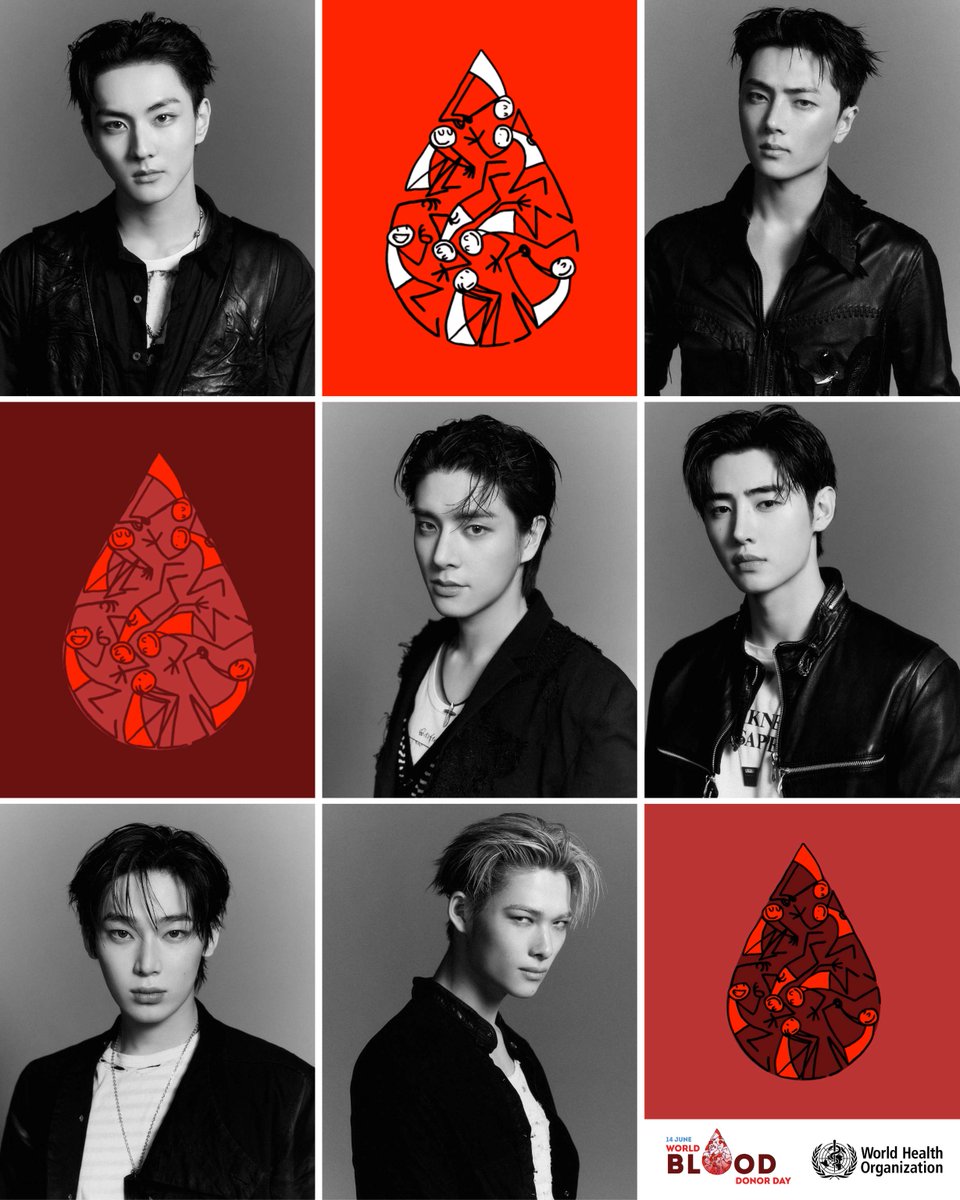
🩸D-3 to #WorldBloodDonorDay 14 June!
You got it right! This year we are celebrating this important day with @ENHYPEN
We are as excited as you are, and #ENHYPEN are ready with some surprises, pouring their hearts for you.
Stay tuned!
#GiveBlood, give hope and save lives bit.ly/2026GiveBlood
ALT Collage of six black-and-white portraits of Asian men in leather jackets interspersed with three red blood drop illustrations featuring abstract human figures. World Health Organization logo and World Blood Donor Day visual identity at the bottom right.
309
7,824
15,143
283,843
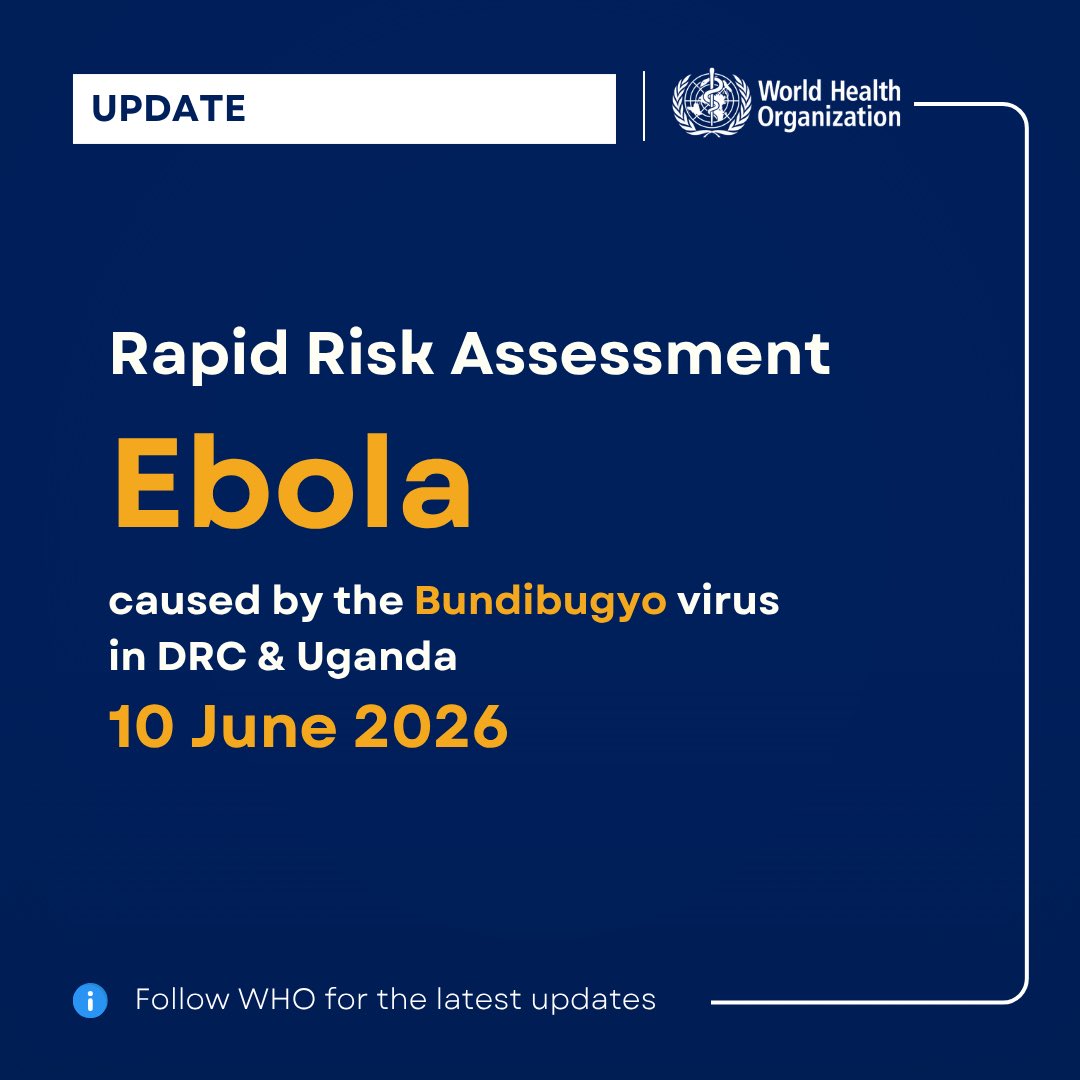
WHO Rapid Risk Assessment on #Ebola caused by Bundibugyo virus in the Democratic Republic of the Congo, Uganda:
The risk assessment has been revised:
🔴 Very high at the national level in #DRC
🟠 High for #Uganda
🟠 High for countries sharing land borders with DRC and Uganda
🔵 Low for the rest of the Africa region and at the global level
The risk in DRC remains very high, because:
⚠️ The outbreak has continued to expand rapidly in terms of numbers of cases and geographical spread with more areas affected
⚠️ Epidemiological links and the full chain of transmission are not yet clearly established, and the source of the outbreak remains under investigation
⚠️ Ongoing conflict restricts movement of frontline responders and surveillance teams
⚠️ Community fear and misinformation hinder case detection, contact tracing, and isolation, and potentially facilitate disease spread
⚠️ Limited healthcare infrastructure and delays in laboratory confirmation, although these are being scaled up by DRC, with support of partners
WHO continues to support DRC to put an end to this outbreak bit.ly/3Sgobhn
31
138
236
34,607
World Health Organization (WHO) retweeted
#Hantavirus update: the UK government has reported a confirmed case in Tristan de Cunha, in a person who was previously considered a probable case with exposure on MV Hondius. As of 10 June, the total number of cases remains 13, including three deaths. No new deaths were reported in over a month, since 2nd May.
48
147
348
57,148
World Health Organization (WHO) retweeted
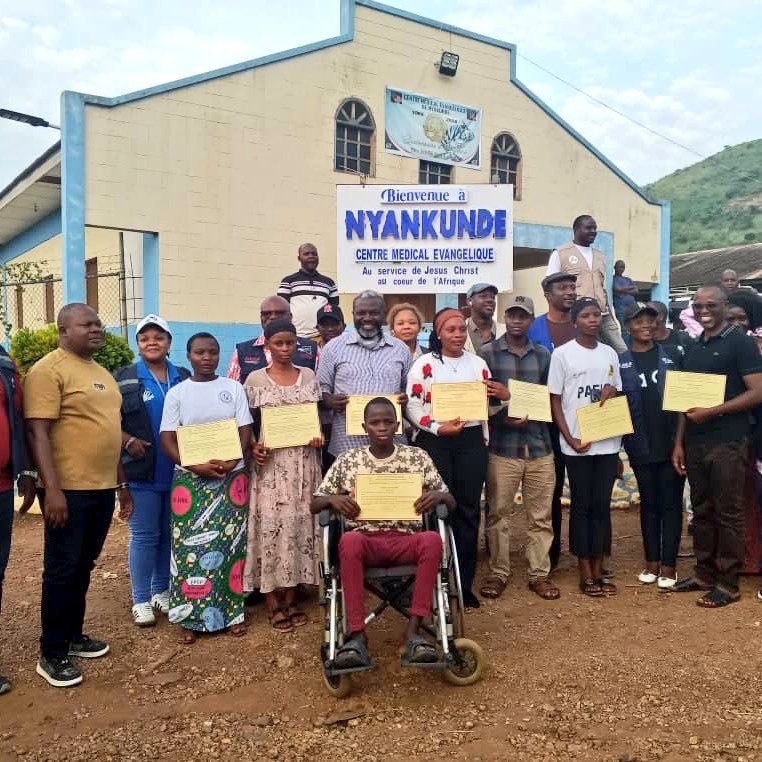
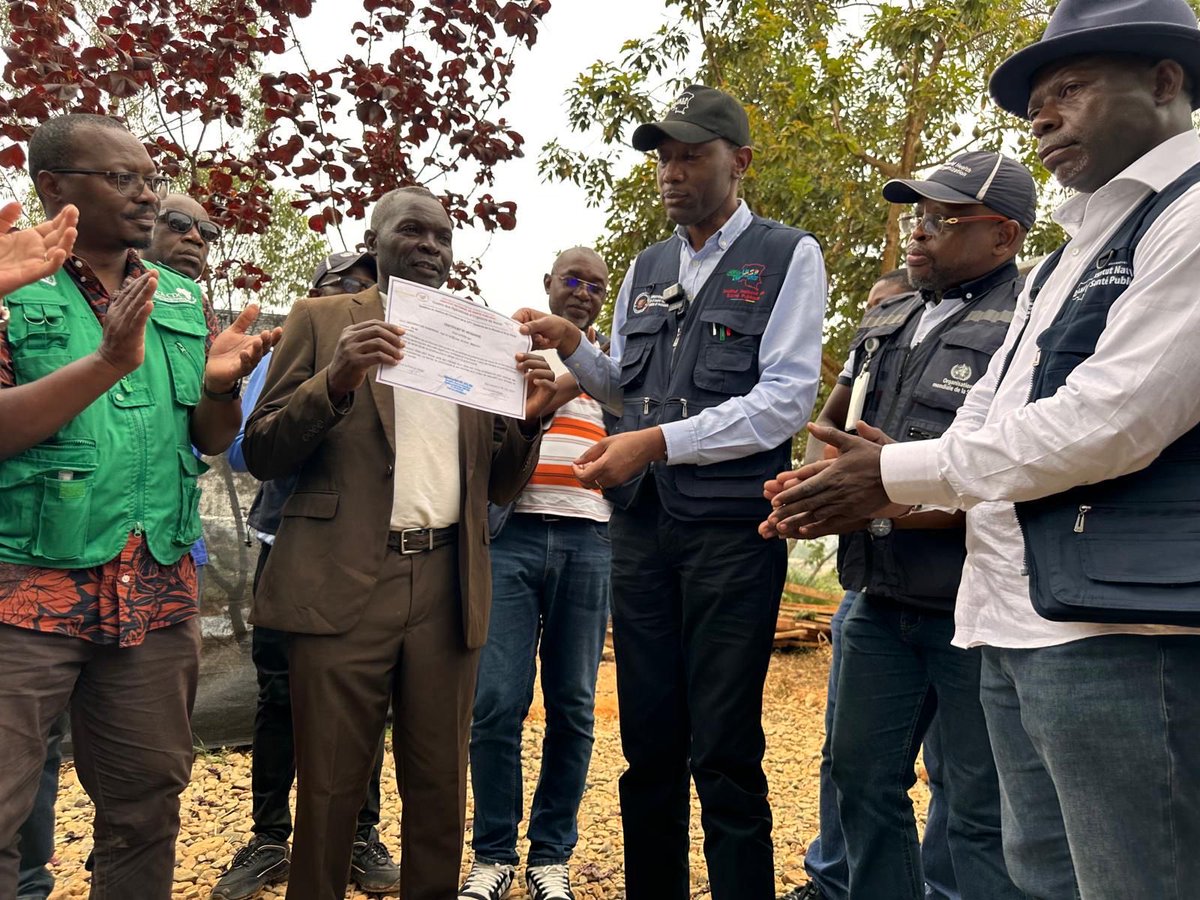
A moment of hope in the #Ebola response.
Today, in Mongbwalu, Ituri, the province at the centre of the outbreak in #DRC, the first survivor there was discharged from care and reunited with his community. In Nyankunde, eight patients were released today, too.
Their recovery is a testament to their strength and the dedication of health workers providing lifesaving care under challenging conditions. It is also a reminder that many people can survive Ebola when they receive care early and safely.
15
94
298
37,215
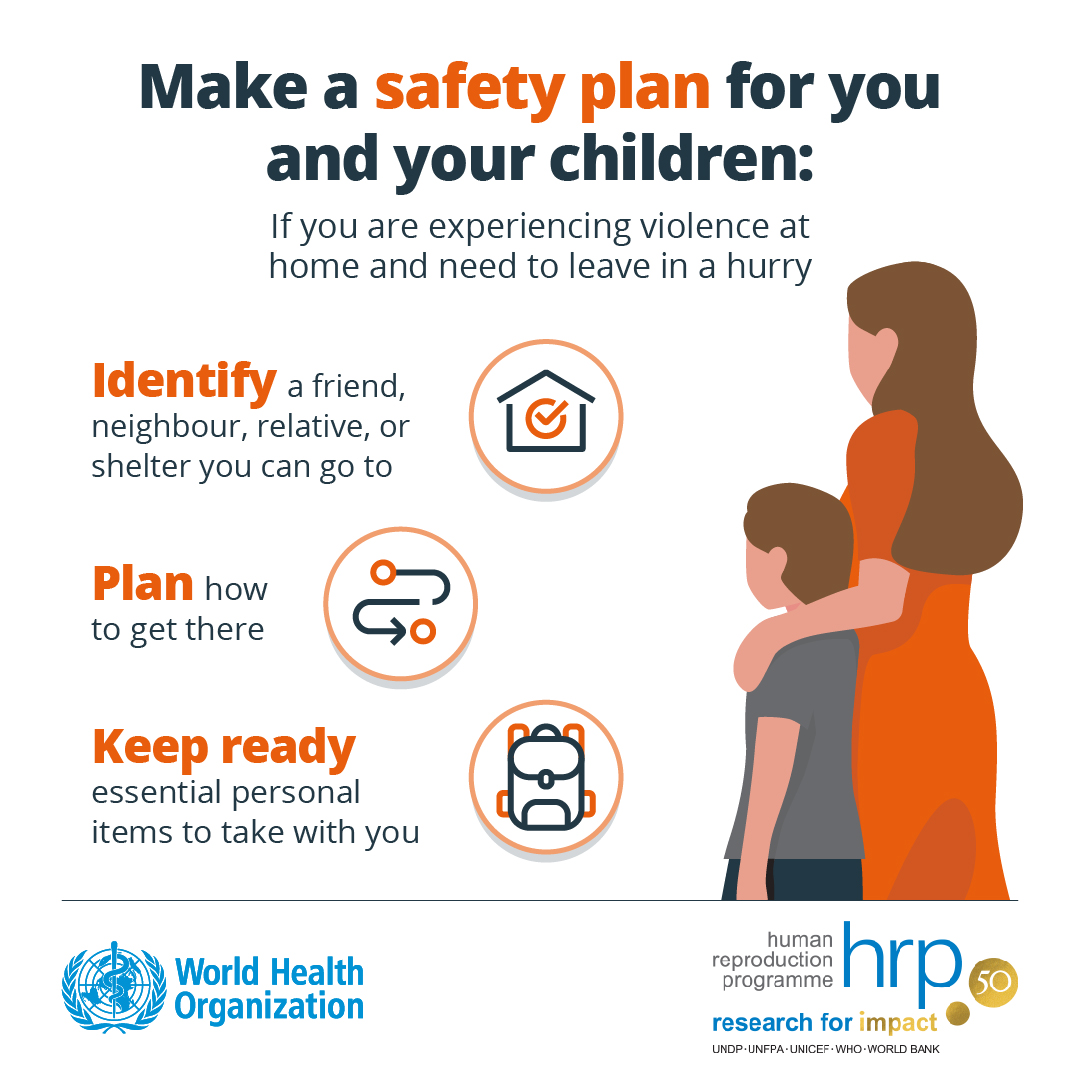
If you are experiencing violence at home and need to leave in a hurry:
🏘️ Identify a friend, neighbour, relative or shelter you can go to
🔀 Plan how to get there
🎒 Keep ready essential personal items to take with you
21
66
152
21,397