
Architect for life, | Sharing tips on designing spaces 🏛️| while shaping reality #Architect
Joined February 2021
- Tweets 354
- Following 538
- Followers 547
- Likes 1,137
18 Photos and videos















Pinned Tweet

Feb 25
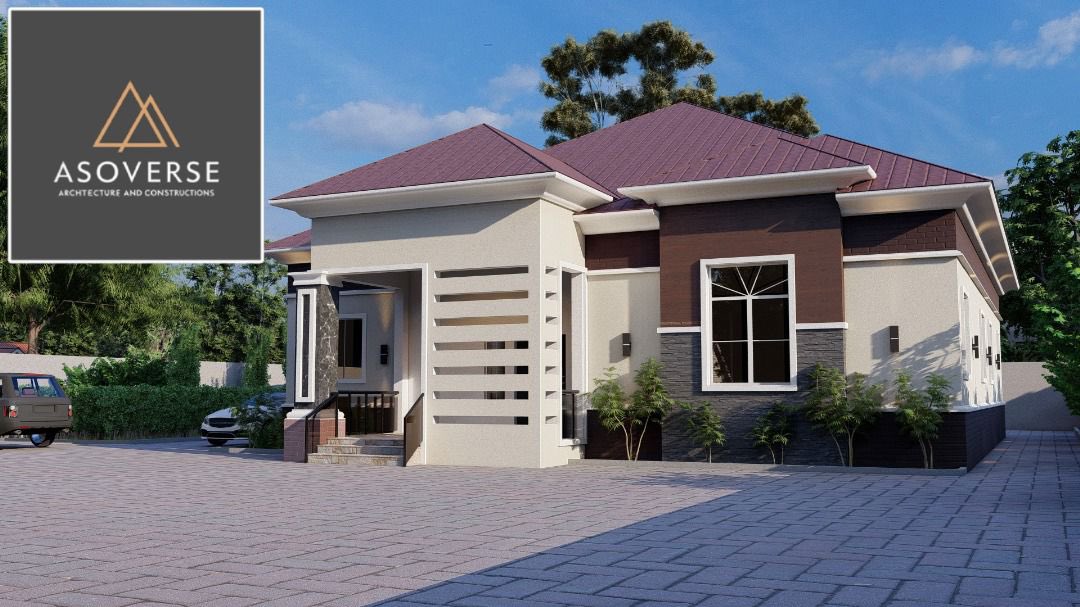
Asovers Architects: building dreams, shaping reality👷🏽♂️



5
9
16
1,282
ASOVERSE retweeted

Mar 23
🚨OMAH LAY
NEW SNIPPET
Hows it Sounding ??
103
362
2,831
76,478
ASOVERSE retweeted

Feb 23
Aston Villa how far??? That 3rd position whey you hold I go need am.

11
11
52
1,497
ASOVERSE retweeted

Feb 8
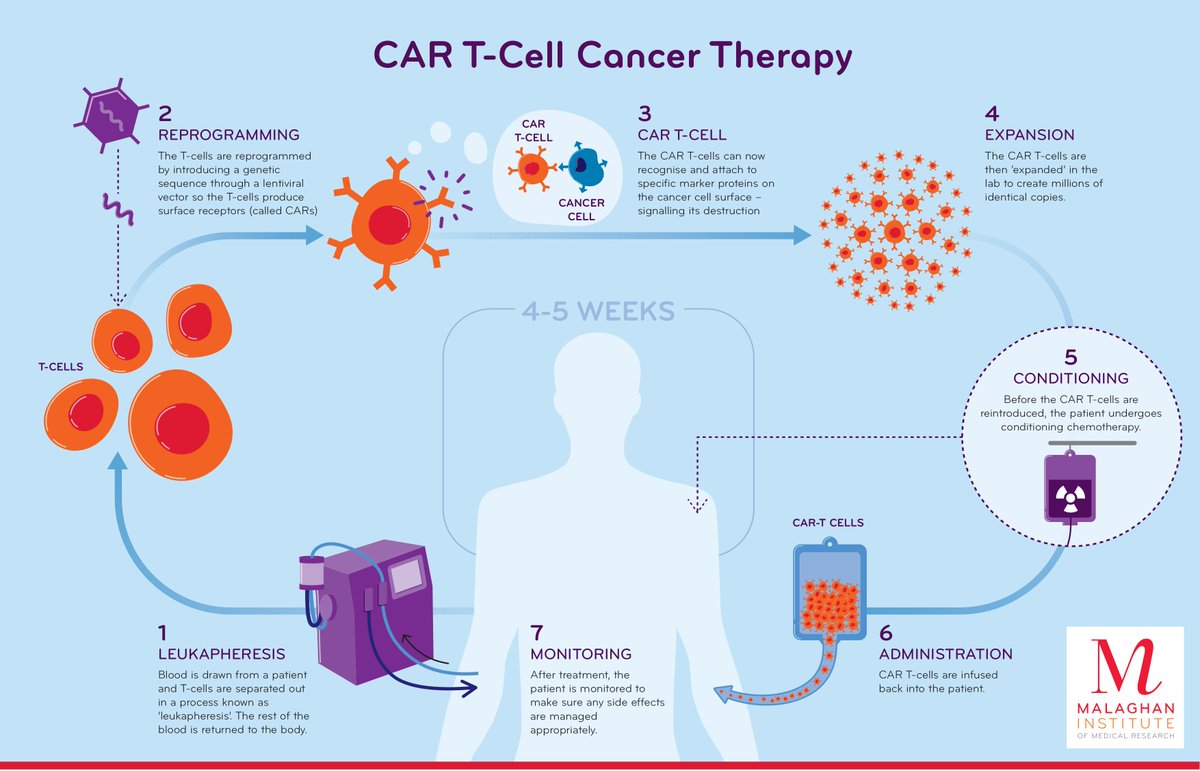
With the ongoing discussion on Blood Cancer cure in Vietnam by CAR-T therapy. Let's take a deep dive into what CAR-T therapy is
CAR-T therapy (Chimeric Antigen Receptor T-cell therapy) is an advanced form of immunotherapy used primarily to treat certain blood cancers, like lymphomas and leukemias. It involves genetically modifying a patient's own T cells to better recognize and destroy cancer cells.
Here's step-by-step explanation of how CAR-T therapy works:
1. T-cell collection (Leukapheresis)
Blood is drawn from the patient, and T cells are separated out using a machine, while the rest of the blood is returned to the body.
2. Reprogramming the T cells in the lab
The collected T cells are genetically modified by inserting a gene that codes for the chimeric antigen receptor (CAR). This receptor is engineered to recognize specific proteins (antigens) on the surface of cancer cells.
3. Expansion (growing millions of CAR-T cells)
The modified CAR-T cells are cultured and multiplied in the laboratory to produce a large number of active cells.
4. Patient preparation (often conditioning chemotherapy)
Before infusion, the patient usually receives lymphodepleting chemotherapy to make space for the new CAR-T cells and help them work better.
5. Infusion of CAR-T cells
The engineered CAR-T cells are infused back into the patient's bloodstream, where they multiply further and seek out cancer cells.
6. Attack on cancer cells
The CAR on the T cells binds to antigens on cancer cells (e.g., CD19 in many blood cancers), activating the CAR-T cells to kill the cancer cells directly.
The therapy turns the patient's immune system into a targeted "living drug" that can persist and provide long-term protection in many cases.
While highly effective for some patients, CAR-T therapy can cause serious side effects (like cytokine release syndrome), so it's typically done in specialized centres.
5
4
32
1,274
ASOVERSE retweeted

Feb 25
Start your day with laughter, just watch 👇 😂😂
16
19
27
509
ASOVERSE retweeted

Feb 25
@TunjiDisu1 you have to fight for the root of what is causing corruption in the police force, if you dont feed a dog well and yiu expect it will follow goat and eat Eri(shaft)
And it won't ever have the courage to even protect you because it will start acting like goat and even protect the goat because it is benefitting from it.
Fight for increase in salary of the police officers, let them be well paid, let them have access to bonuses that are suppose to be given.
Introduce body cam and provide ICT unit for every police station where the movement of every officers can be monitored and traced. Let them be accountable for everyday patrol on the highway and on the major road
Make adjustment on reviewing the officer training and make adjustment in fast response to crime, no be say thieve go don go finish, you go com see police de carry belle de come and start asking foolish question.
Sack all the police that are not medically and physically fit to do the job and employ the fit ones to do the job
Not all this big belle police wey we de see
Mandate the smart look of our officers
Any officers who can maintain the smart look of their uniforms and kit should be sacked, they should look smart at all times so that they will be presentable anywhere ...
Lastly, ban usage of private cars for patrol, your officers use private vehicles to patrol and do illegal work so they will not know what police station they came from.
Work on the maintenance of police vehicle and the fueling at all times.
Work on reviewing the process of arrest, educate your officers that they dont have the right to manhandle anybody except maybe the person resist arrest and or flee, also make them understand that searching houses or inviting people to station needs a warrant with court order and a invite written and sign in the person name
Wearing of mufty to arrest or search a citizen house should be prohibited.
For me if I see a police man with a mofty I dont respect them because I feel you are doing illegal job.
Ban mask wearing by your officer claiming you are special force unit.. citizen should be able to see the full identity of a police officer.
Every police must have their ID cards on them at all times
Most of all
Collecting money from complainant before they can write statement at the police station should be stopped ... they will say they are collecting money for the paper or something that the govt is not giving them money to print or providing those materials ...
So please Work on this things
God will help you
10
13
21
459

ASOVERSE retweeted

Feb 25
Ever wondered what happens when you take Tablet 💊 🤯
49
50
59
935

Feb 25
ChatGPT😂

2
25
Feb 25
I need today to be happy 😭

It's midweek day, good morning.
It's gonna be a good day.
1
1
27
ASOVERSE retweeted

It's midweek day, good morning.
It's gonna be a good day.
19
13
18
540
ASOVERSE retweeted

4 Sep 2025
JuiceWrld…..999 girly forever🖤
74
48
427
27,921
ASOVERSE retweeted

Feb 10
Turn away from your sins, because the kingdom of heaven is near!
19
36
88
3,354
ASOVERSE retweeted

Feb 21
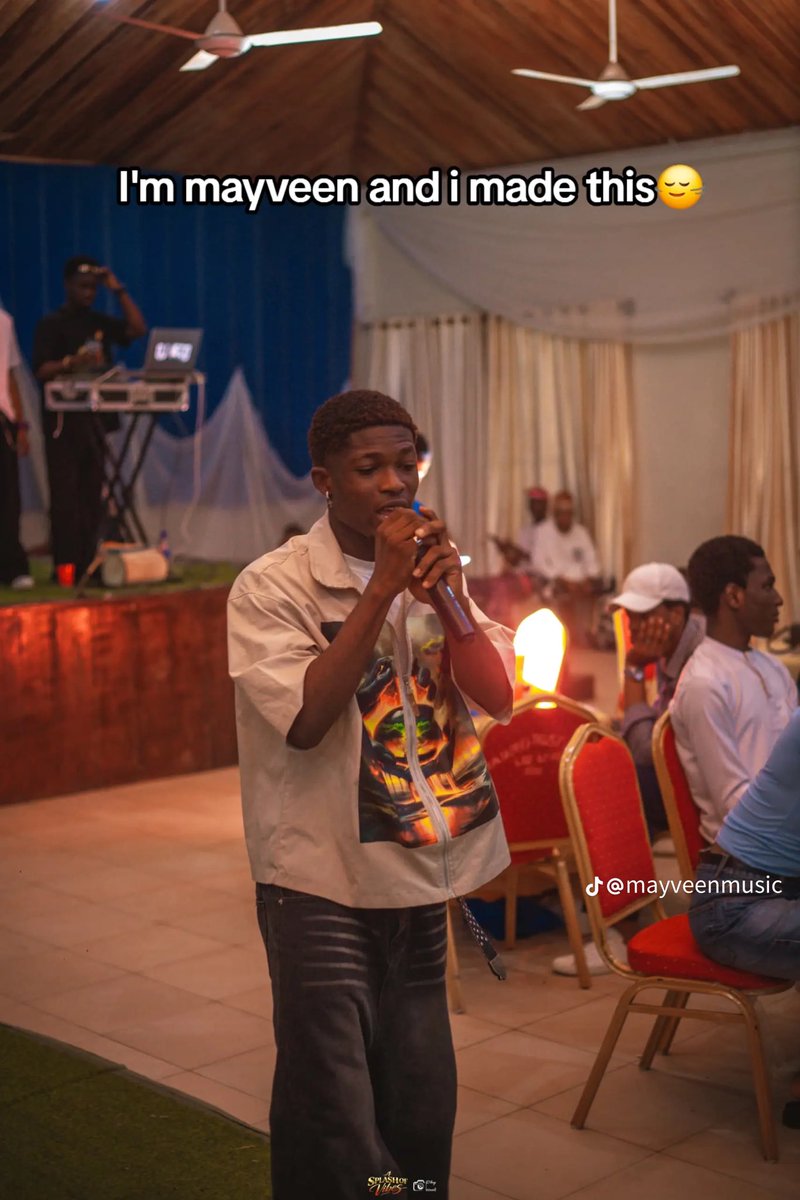
audiomack.com/maven09
Follow him up on audiomack
Such a talent 🥰
5
8
15
728
ASOVERSE retweeted

Introducing a remarkable new single door is the center of 2 space rooms open, flexible ingoing, and incoming simplefied version. Do we need to build it at our home ? #interiordesign #innovation #furnituredesign
7
8
42
617
ASOVERSE retweeted

Feb 25
This is unfair. How am I supposed to function now? Send help (or your number)..
This post is for girls 🤣🤣🤣....
79
97
113
3,756
ASOVERSE retweeted

Feb 24
That dark skinned girlfriend of yours will rob you one day 😂!
7
7
19
380
ASOVERSE retweeted
Feb 25
Your dumb girlfriend thinks a gentleman is one who wears fancy suits and combs hair !😂lol there's more to that.
14
13
24
391
ASOVERSE retweeted
11 Oct 2025
Life is like photography, it is developed from negatives 📌
167
270
679
13,499