Disrupting criminal networks, saving species from extinction.
Joined June 2015
- Tweets 3,135
- Following 533
- Followers 5,353
- Likes 4,915
1,055 Photos and videos
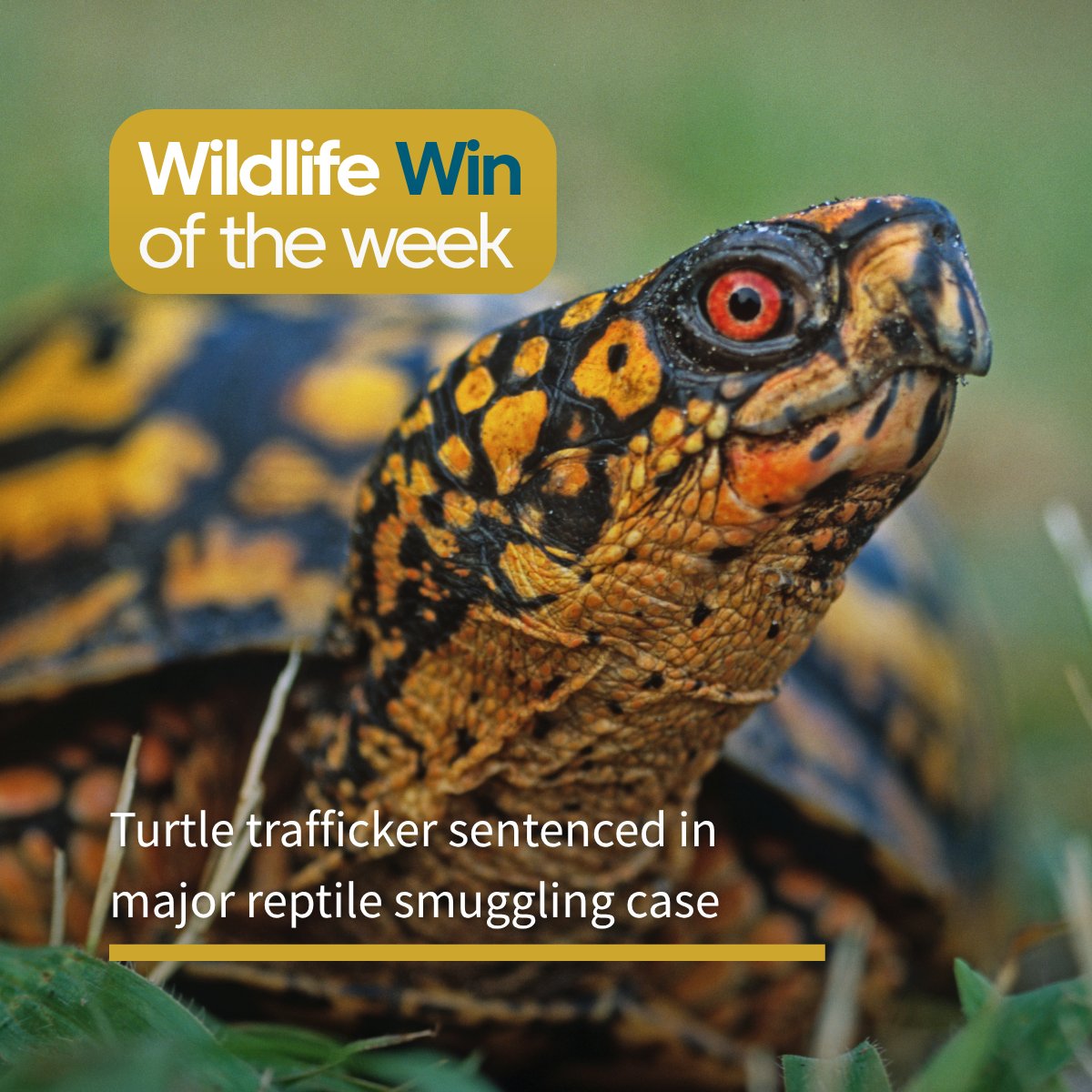

A California man has been sentenced to 65 months in prison for smuggling at least 1,700 reptiles into the United States over a six-year period, including species such as Yucatán box turtles, Mexican box turtles, baby crocodiles and Mexican beaded lizards. 🐢
In total, the trafficking network generated over USD 739,000 in illegal wildlife trade, highlighting how #wildlifetrafficking networks operate as structured supply chains, using social media to source, advertise, and coordinate the movement of wild-caught animals across borders without CITES permits or customs declarations. Payments were organised around each successful cross-border “shipment,” reflecting a coordinated and commercialised trafficking model rather than isolated offences.
The Wildlife Justice Commission recognises this as part of a broader pattern in which wildlife trafficking is increasingly driven by criminal networks operating across jurisdictions. It is encouraging to see continued focus by law enforcement on these interconnected criminal structures, which are essential to dismantle in order to disrupt the trade effectively. 💪
#WildlifeWin #WildlifeJustice
4
4
184
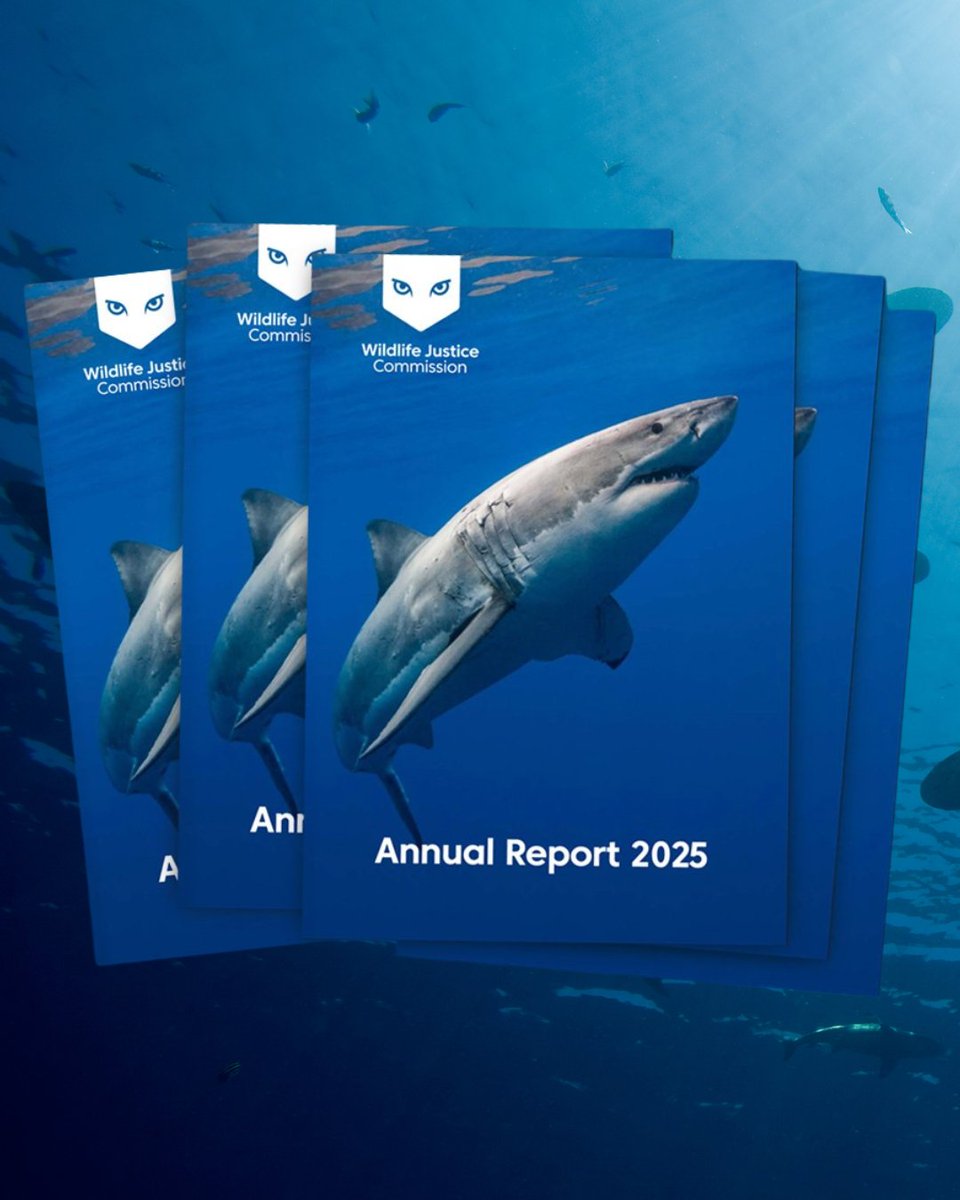
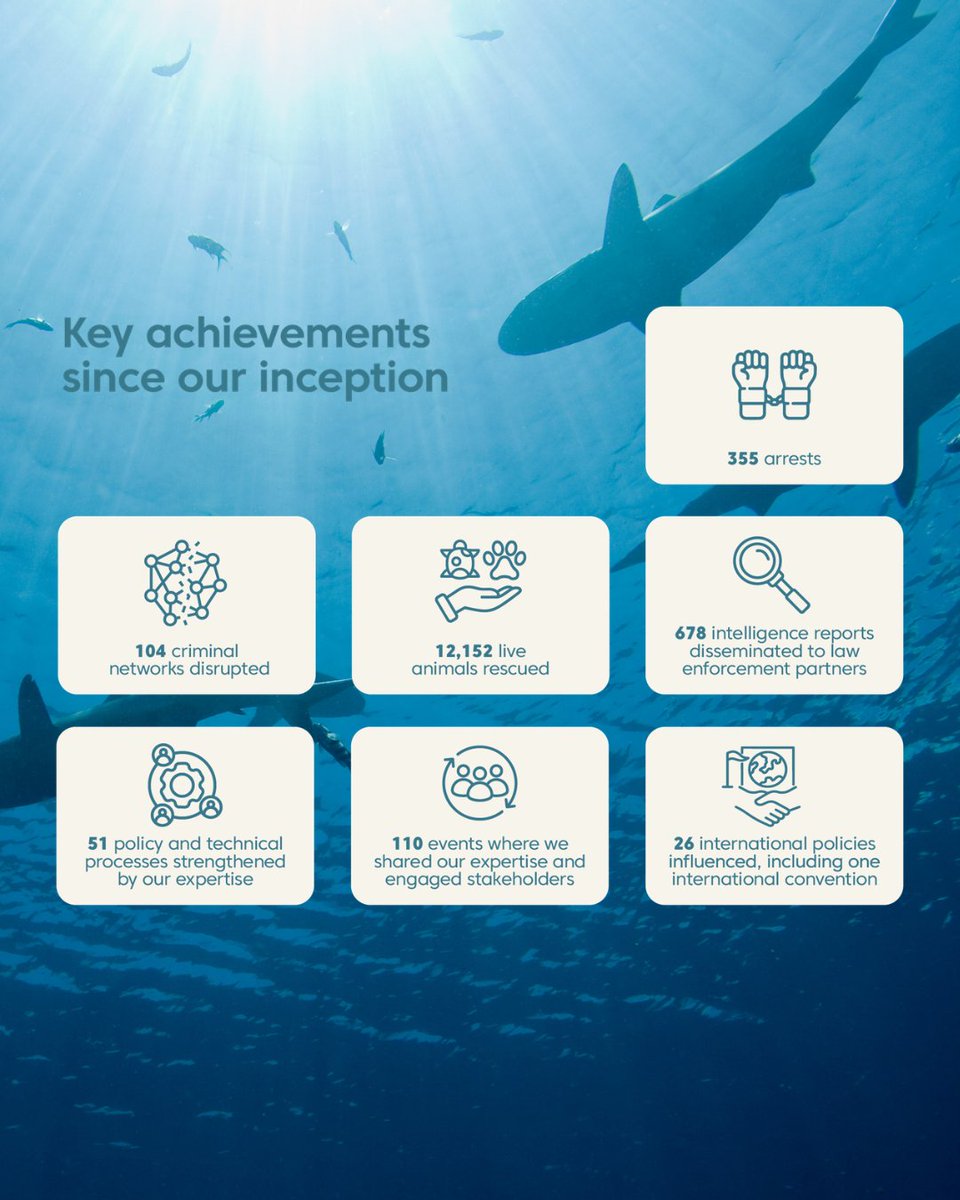
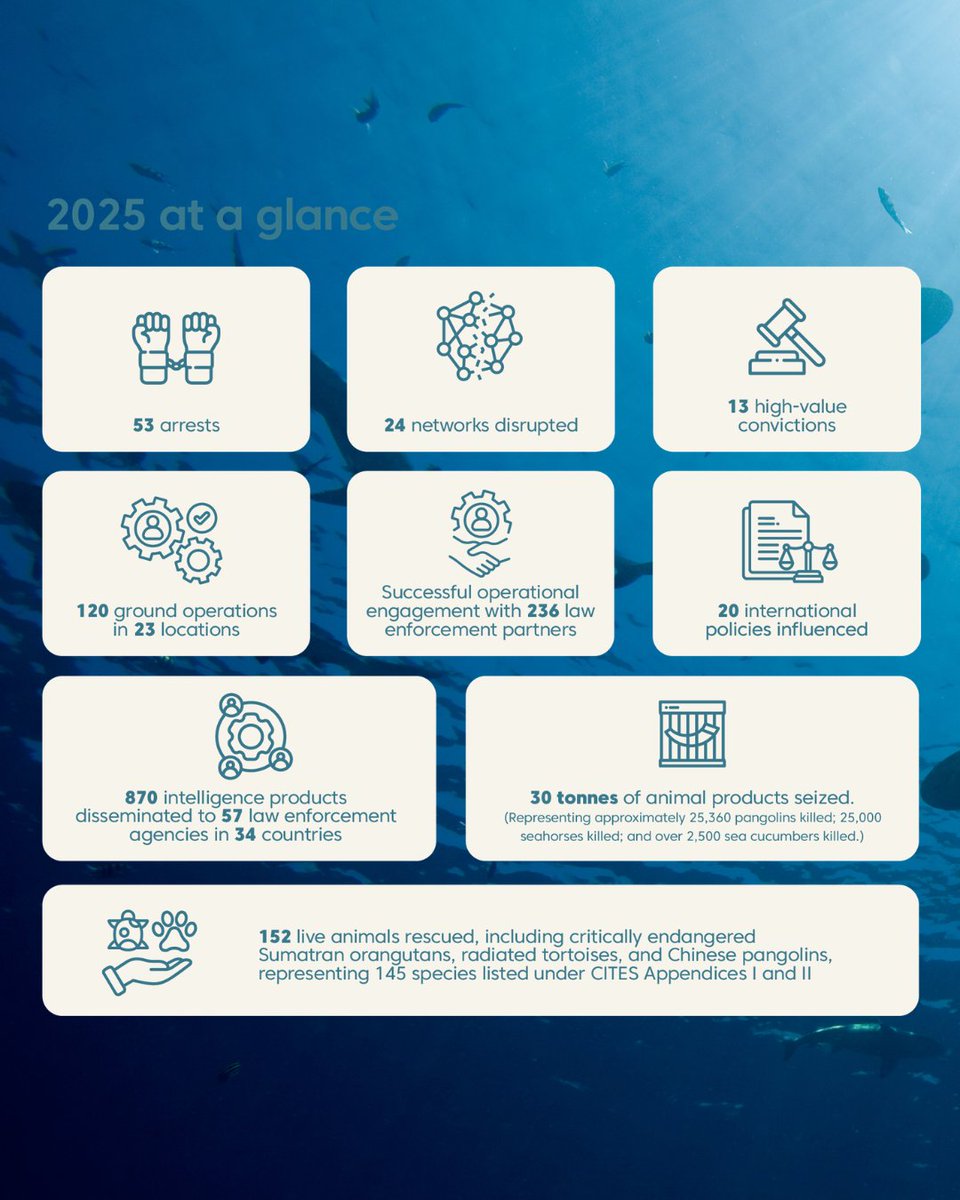
2025 was a defining year for the Wildlife Justice Commission. It marked not only one of the most operationally significant years in our history, but also our tenth anniversary—ten years since the organisation was founded at the depth of Africa’s poaching crisis with a singular objective: to disrupt and help dismantle transnational criminal networks driving wildlife crime. 🌍
Over the past decade, our intelligence-led model has evolved into a field-tested model for disrupting wildlife and marine trafficking networks at scale. 🦏 🦈 . In 2025, that work delivered some of our most significant results to date.
None of this would be possible without our partners. From governments and law enforcement agencies to foundations, lotteries, and individual supporters, our partners enable the long-term, intelligence-led approach required to confront organised wildlife crime. 🤝
We extend our sincerest thanks to the supporters who make our work possible.
Read our 2025 Annual Report: bit.ly/4onbxcC
#WildlifeJustice #EndWildlifeCrime #AnnualReport #ImpactReport
1
1
67
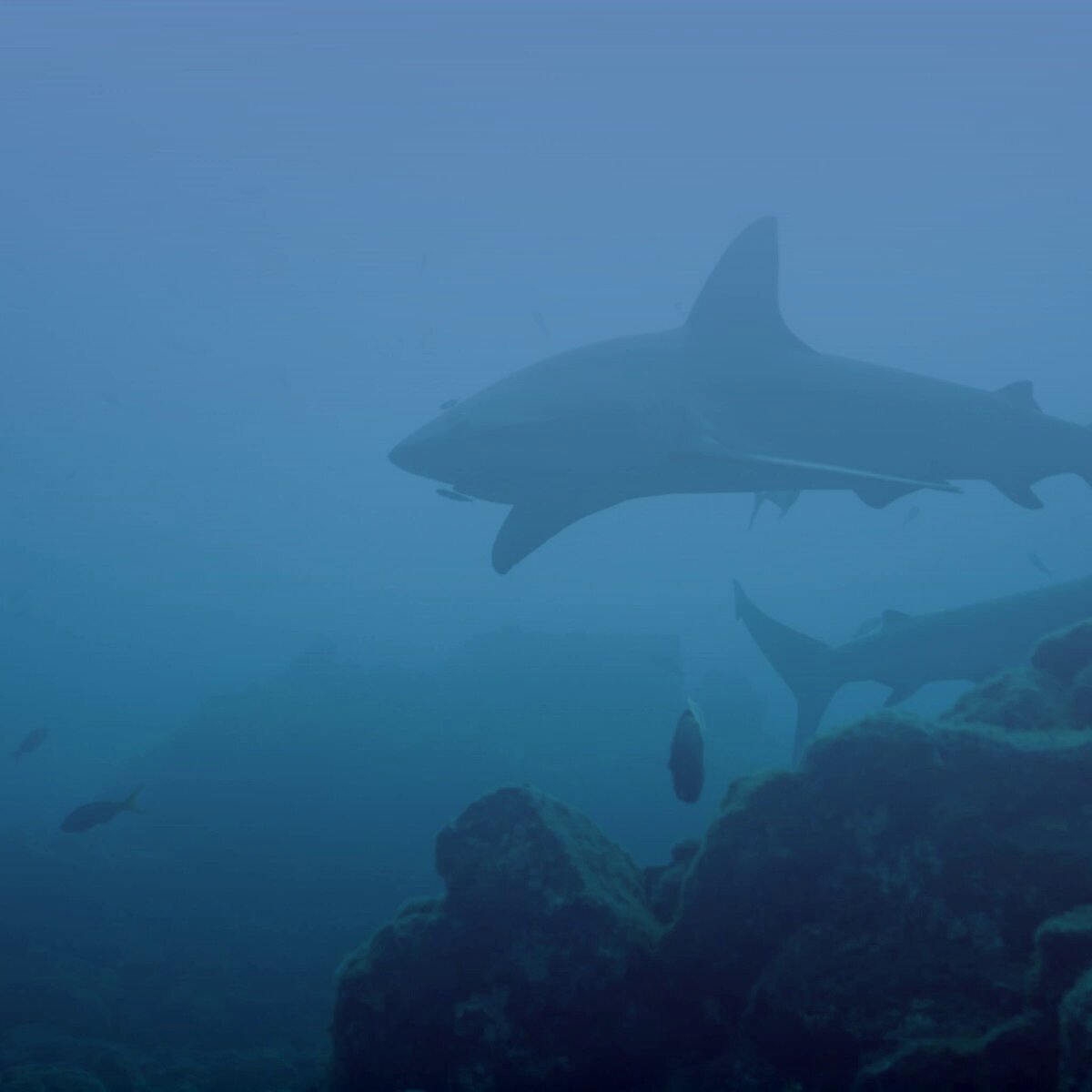
Beneath the surface, sharks, seahorses, sea cucumbers, and countless other marine species help keep ocean ecosystems healthy, resilient, and in balance. 🦈🪸🪷
Their survival is critical for biodiversity, the health of the oceans that regulate our climate, supporting livelihoods, and sustaining life on Earth.
However, many of these species are being systematically exploited by transnational criminal networks that profit from the illegal wildlife trade. It is pushing species towards extinction and eroding the health and resilience of our oceans.
We need to treat wildlife trafficking as what it is: organised crime. To protect marine species, we must target the criminal networks driving their decline.
The good news is that we know what works. When organised crime is treated as organised crime, these networks can be disrupted, species can recover, and oceans can thrive. 🪸🌊🌱
The thriving ocean in this post is the future we are working towards, and one worth protecting.
#WorldOceansDay2026 #SaveOurOcean #OceanHealth #WildlifeCrime #EndWildlifeTrafficking
1
44
Protecting the environment means protecting wildlife.🐒🦈🐅🦏🦜🐢🐘
Wildlife trafficking often removes keystone species that help keep ecosystems in balance. When these species disappear, forests🌲, oceans🌊, and grasslands🍂 become less resilient, affecting everything from carbon storage and climate regulation to ecosystem recovery.
Climate change and biodiversity loss are closely linked, and protecting wildlife is an important part of protecting the climate. By disrupting the criminal networks that profit from wildlife trafficking, we can help reduce pressure on vulnerable species and support healthier, more resilient ecosystems.
When wildlife is protected and criminal networks are disrupted, ecosystems can recover. Nature has a remarkable ability to restore itself when given the chance.🌱
On World Environment Day, we are reminded that positive change is possible, and that protecting wildlife means protecting a more stable future for all.
#NowForClimate
2
3
90
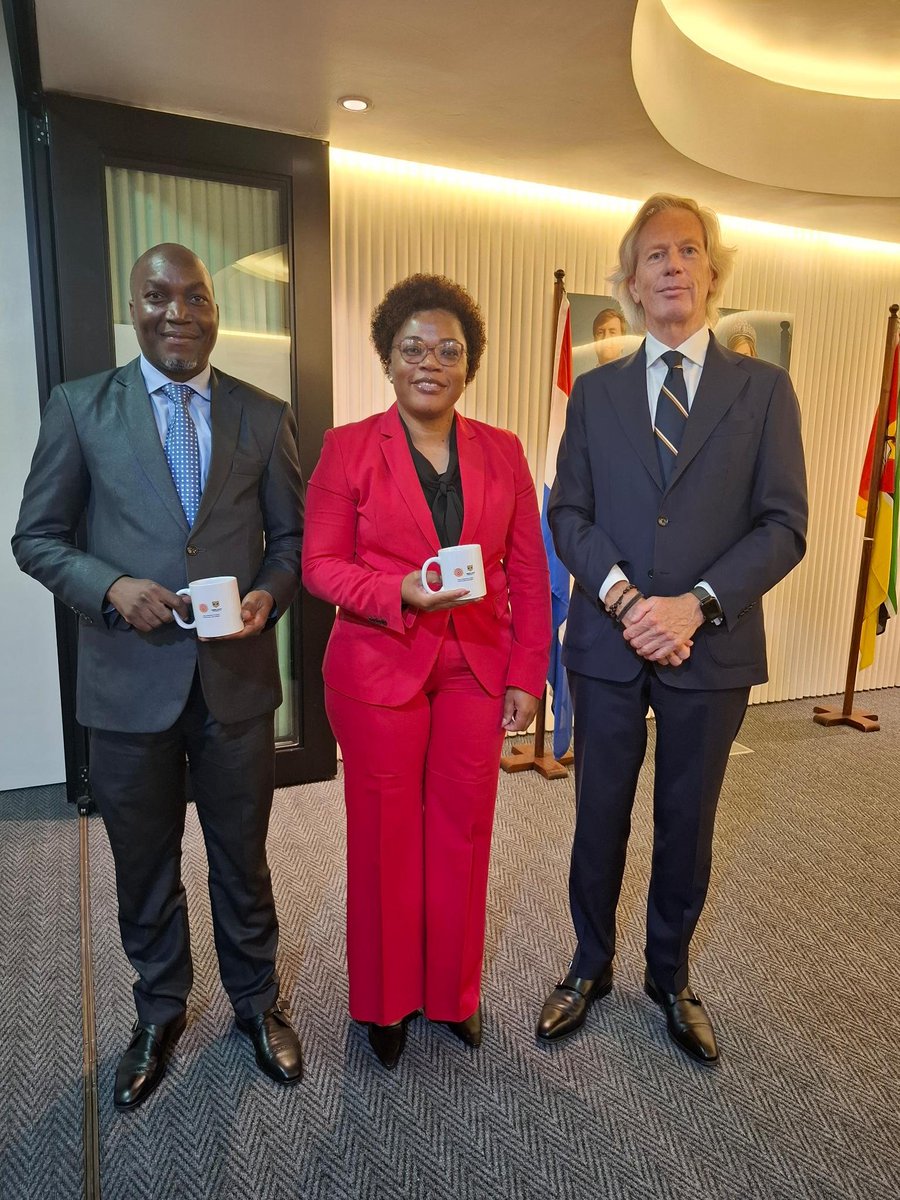
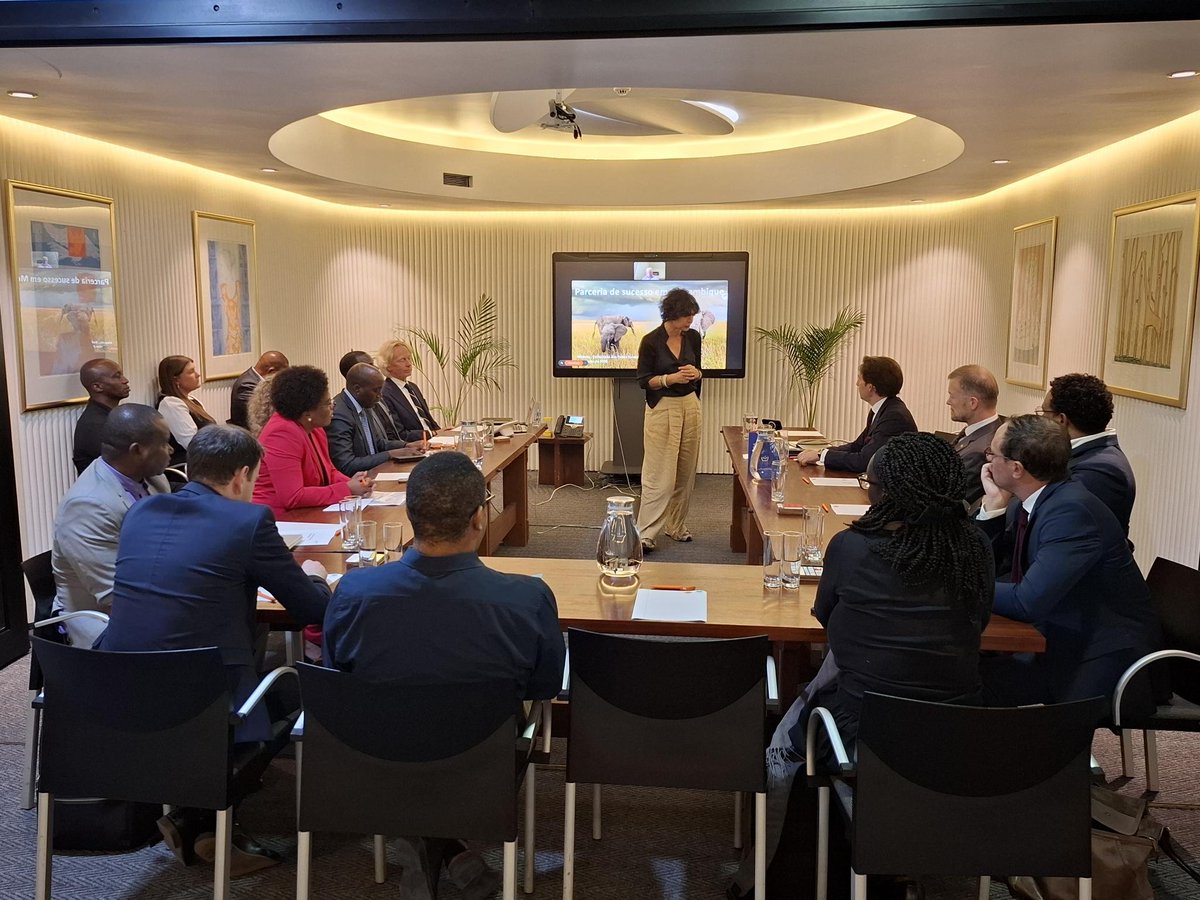
Kindly hosted by the Embassy of the Kingdom of the Netherlands in Mozambique, the Wildlife Justice Commission was honoured to mark a decade of impactful partnership with Mozambique’s National Criminal Investigation Service (Serviço Nacional de Investigação Criminal - SERNIC) and the Attorney General’s Office (Procuradoria-Geral da República - PGR).
Over the past 10 years, our collaborative efforts have shown that strengthening intelligence-led investigations and law enforcement capabilities is absolutely vital to dismantling serious organised wildlife crime syndicates.
Protecting biodiversity - a finite and invaluable global resource - demands a united front. 🤝
We would like to put a special spotlight on SERNIC, which has been a true champion in embracing this intelligence-driven approach. Their dedication, coupled with the essential judicial framework and support from the PGR, has made a tangible difference in the fight against environmental crime.
A warm thank you to the diplomatic community in Maputo for joining us to celebrate this milestone, and to our partners for their unwavering commitment to a safer, more sustainable future.
4
93
The Wildlife Justice Commission congratulates Mozambican and South African authorities on the successful arrest of suspects linked to the tragic murder of two South African Nationals at Crooks Corner in the Pafuri region of Kruger National Park.
The arrests were the result of a coordinated cross-border operation involving Mozambique’s Serviço Nacional de Investigação Criminal (SERNIC), KrugerNational Park Ranger Services (@SANParks), led by the Regional Ranger for the Nxanatseni (Far North) Region, rangers from the Pafuri Section, South African Police Service (@SAPoliceService ), and the Directorate of Priority Crime, supported by the Wildlife Justice Commission.
Transnational organised crime thrives on jurisdictional gaps and weak governance. No single country can address it alone. Strong partnerships and intelligence sharing across borders are essential to disrupting criminal networks and ensuring offenders are brought to justice.
This case also highlights the growing phenomenon of crime convergence. Criminal networks frequently operate across multiple illicit markets, with different forms of crime becoming interconnected through shared actors, routes, and facilitation methods. Effective responses therefore require coordinated, intelligence-led approaches that target the networks behind these converging criminal threats.
We remain committed to supporting efforts that strengthen cooperation and intelligence-led responses to transnational organised crime and wildlife trafficking.
bit.ly/4uaCJfP
2
72
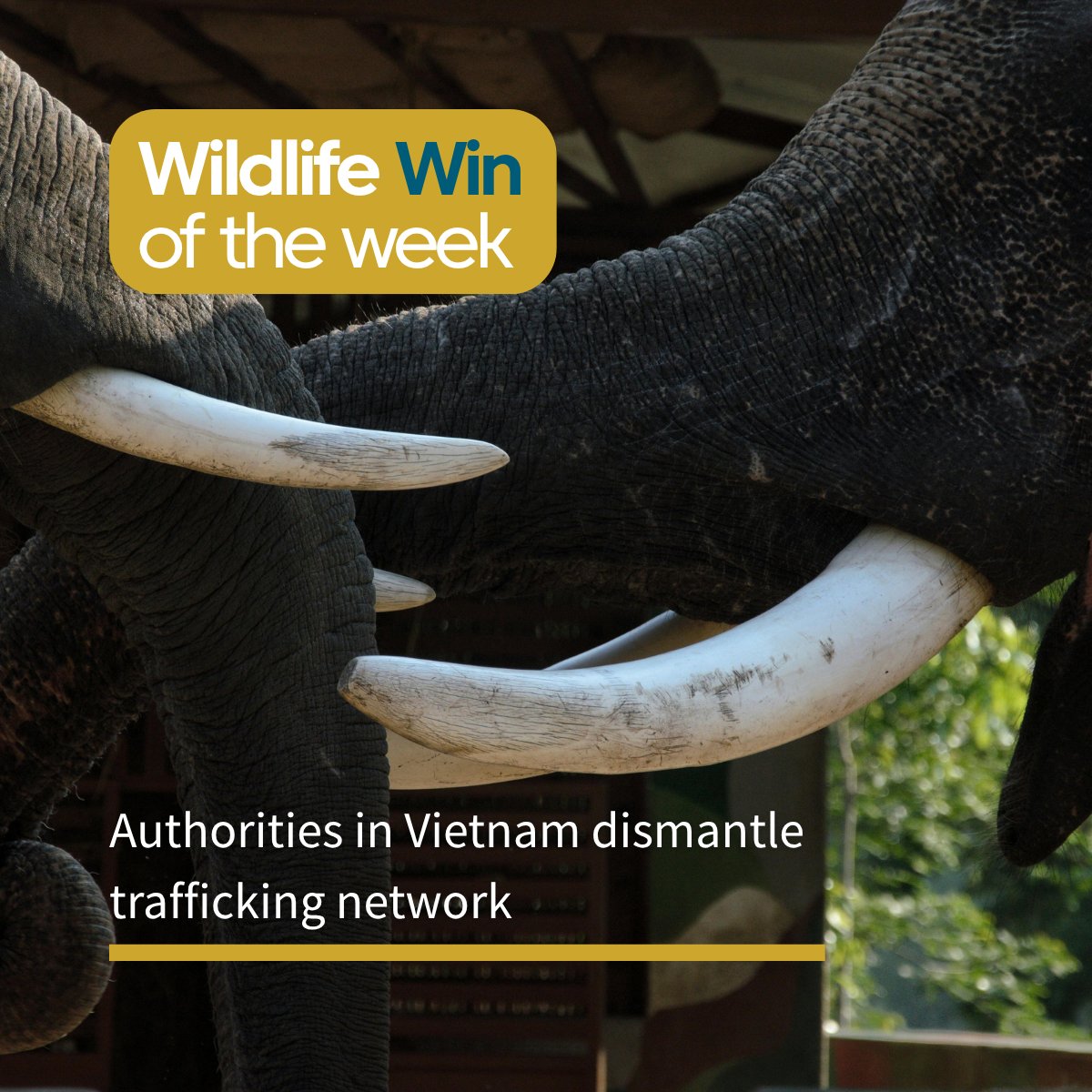
Another major enforcement success in #Vietnam highlights the impact of proactive law enforcement 👮♂️ in disrupting wildlife crime networks.
Authorities from Hanoi City Police have dismantled a large-scale criminal operation linked to the storage, transportation, and sale of illegal goods, resulting in the seizure of 242 kg of elephant ivory 🐘, nearly 70,000 packs of smuggled cigarettes, and additional suspected wildlife products. Multiple suspects have been charged, and investigations remain ongoing.
The Wildlife Justice Commission congratulates the authorities involved 👏 for their efforts in uncovering and dismantling this operation.
Wildlife trafficking has long been viewed as a low-risk, high-reward crime. However, sustained enforcement action targeting organised criminal networks can change that equation. By increasing the likelihood of detection, arrest, prosecution, and asset seizure, authorities can raise the risks to a point where they outweigh the profits that drive these crimes.
Every criminal network disrupted sends a clear message: organised wildlife crime carries consequences 🚨
#WildlifeWinoftheWeek #WildlifeCrime #WildlifeJustice #WildlifeTrafficking #LawEnforcement #OrganisedCrime #IvoryTrafficking
5
97
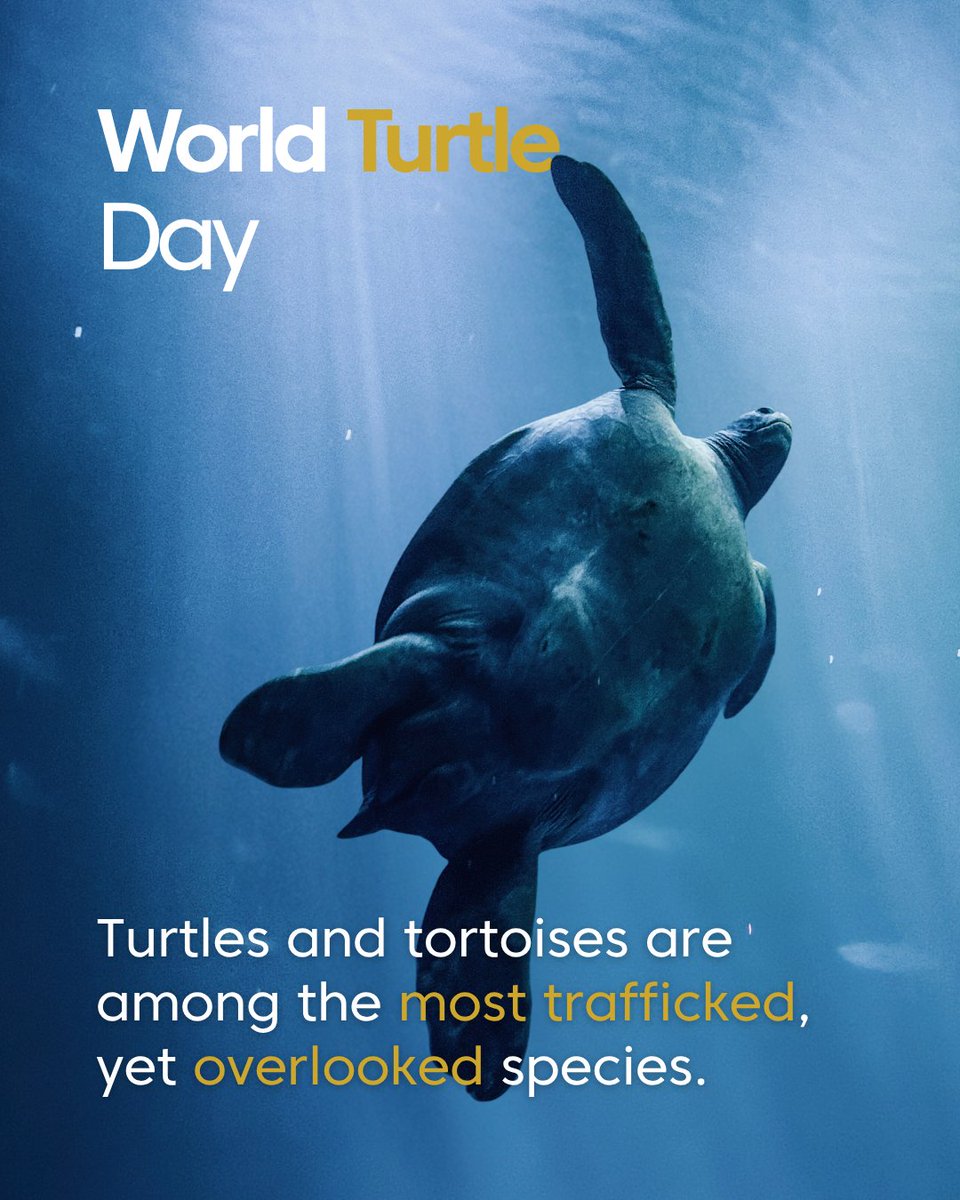
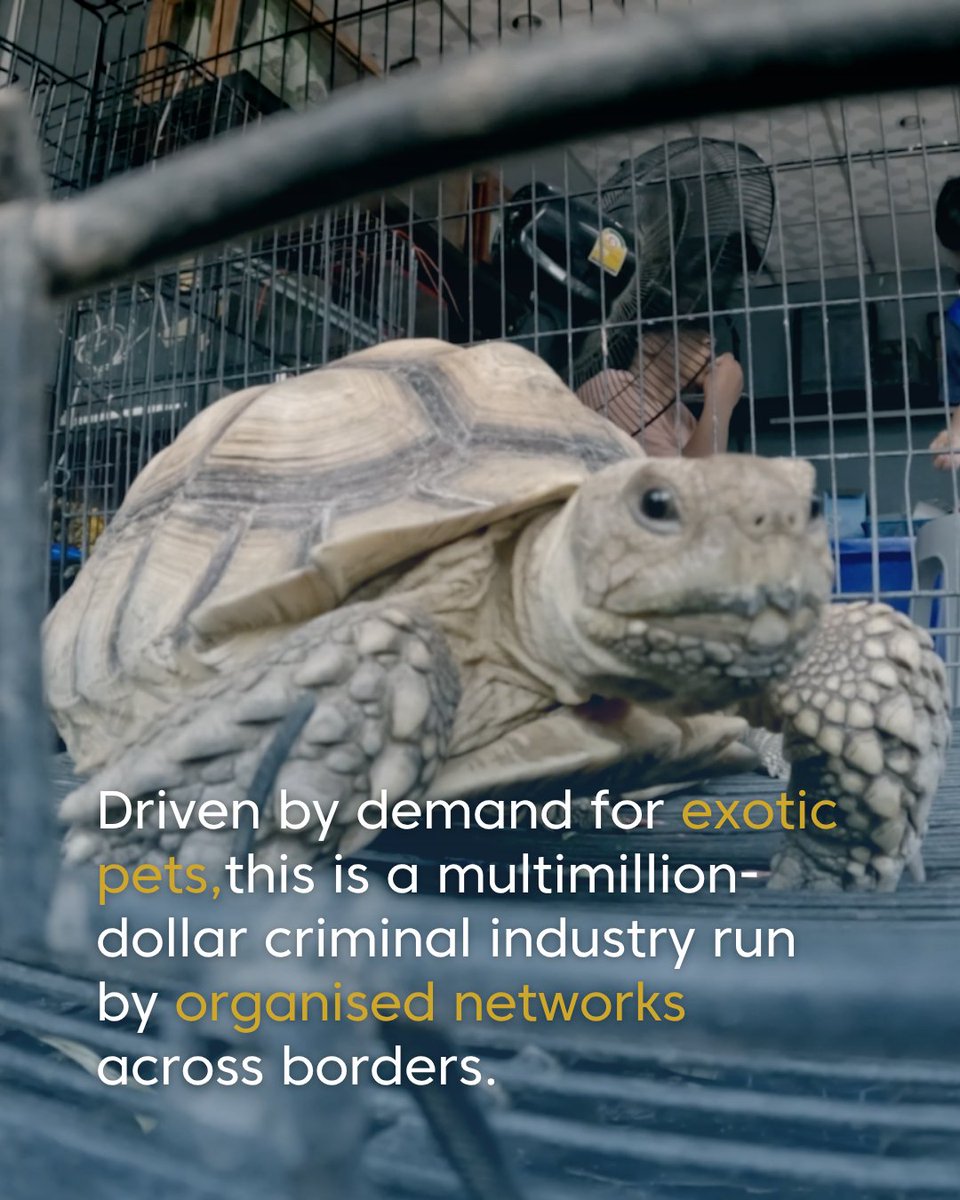
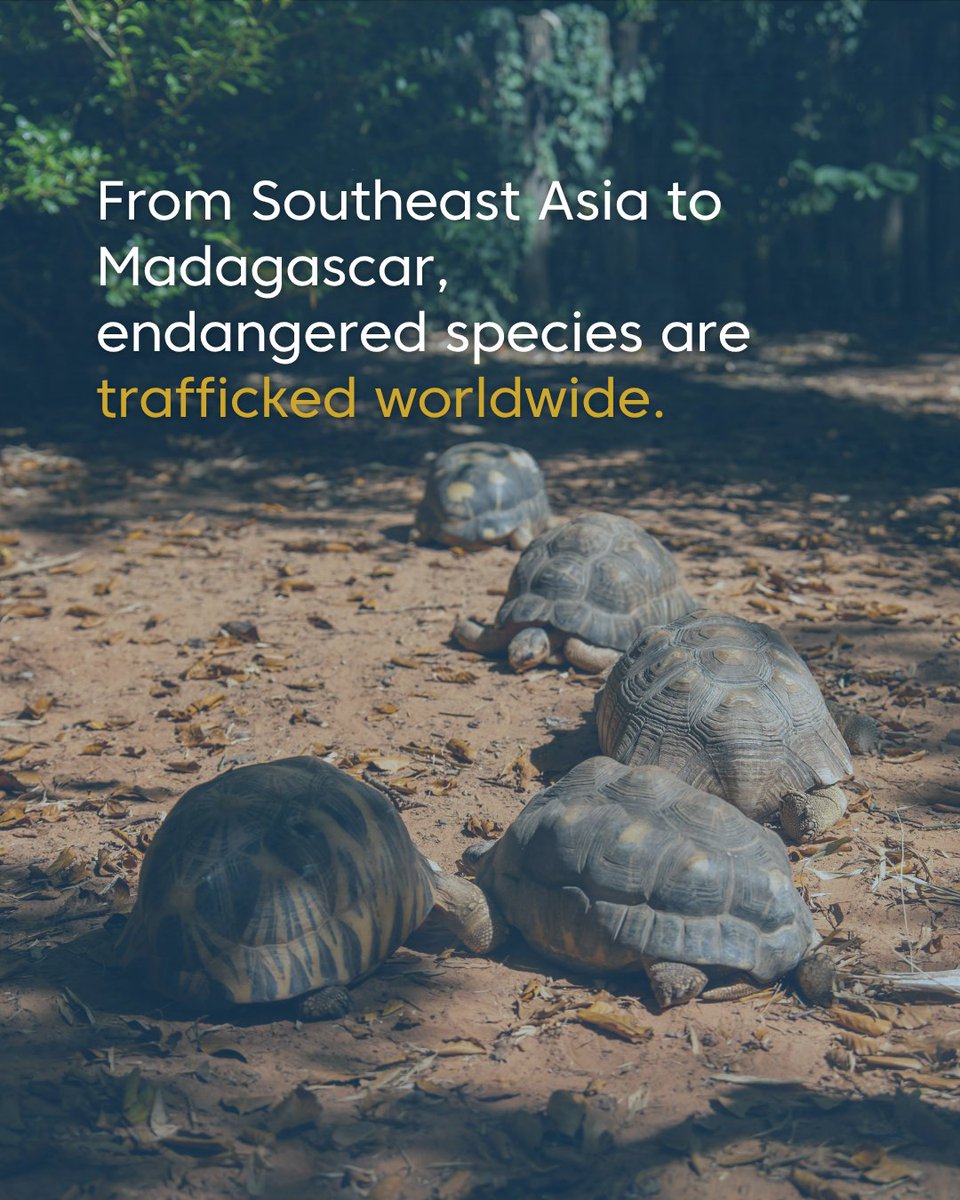
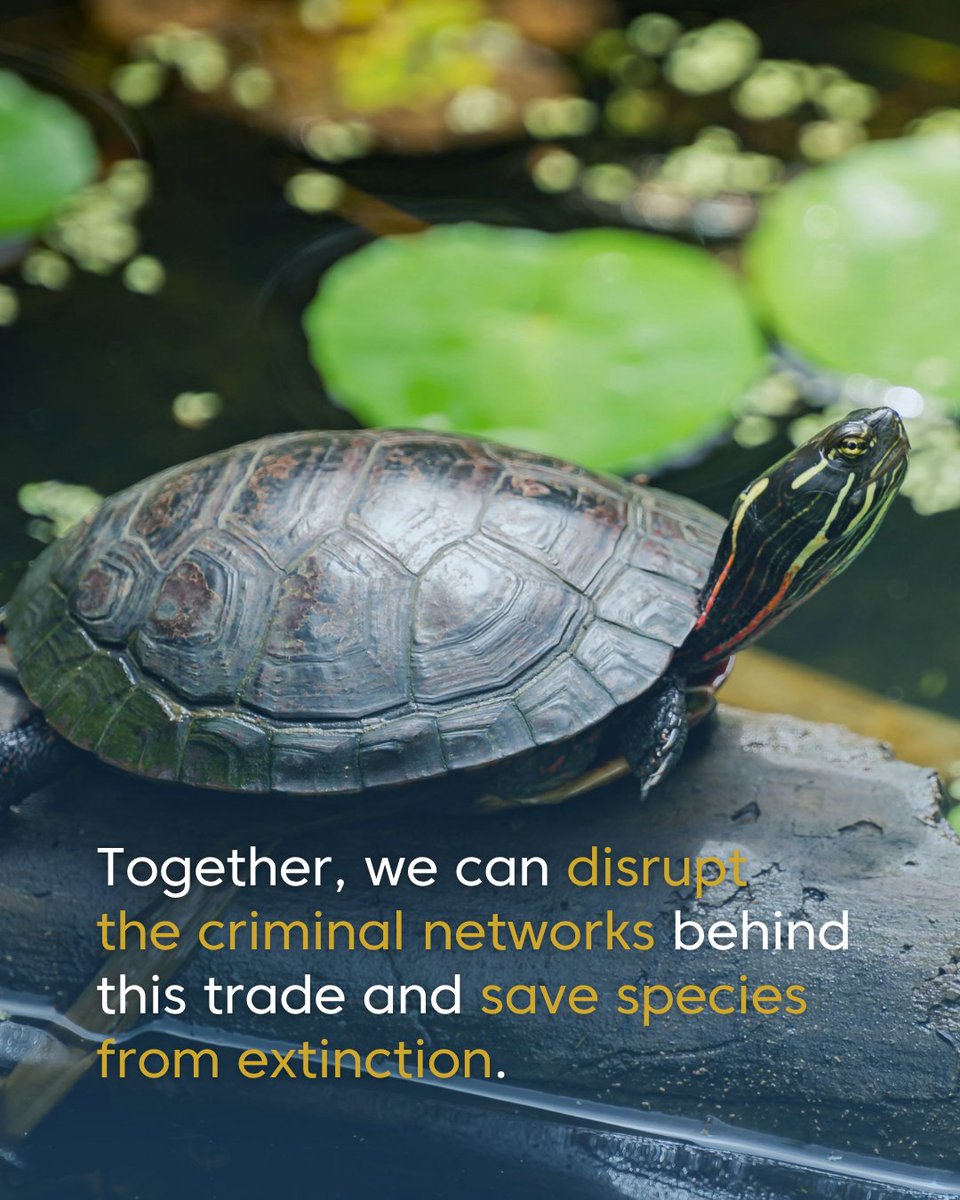
When people think of trafficked wildlife, turtles and tortoises rarely come to mind. 🐢Yet they are among the most heavily trafficked, and most overlooked, species in the illegal wildlife trade.
Driven largely by demand for exotic pets , this multimillion-dollar criminal industry 💰 spans continents 🌍 and is orchestrated by organised networks operating across borders. 🌐
From freshwater turtles in Southeast Asia 🌏 to radiated tortoises in Madagascar 🐢, Wildlife Justice Commission investigations have uncovered trafficking routes moving endangered species around the world.
Our intelligence has contributed to seizures, arrests, and convictions, helping disrupt the networks behind this trade. Turtles and tortoises have survived for over 200 million years Today, they face one of their greatest threats: the illegal pet trade.
🐢 #WorldTurtleDay #EveryTurtleCounts #NotAPet 🚫🏠
1
1
2
91
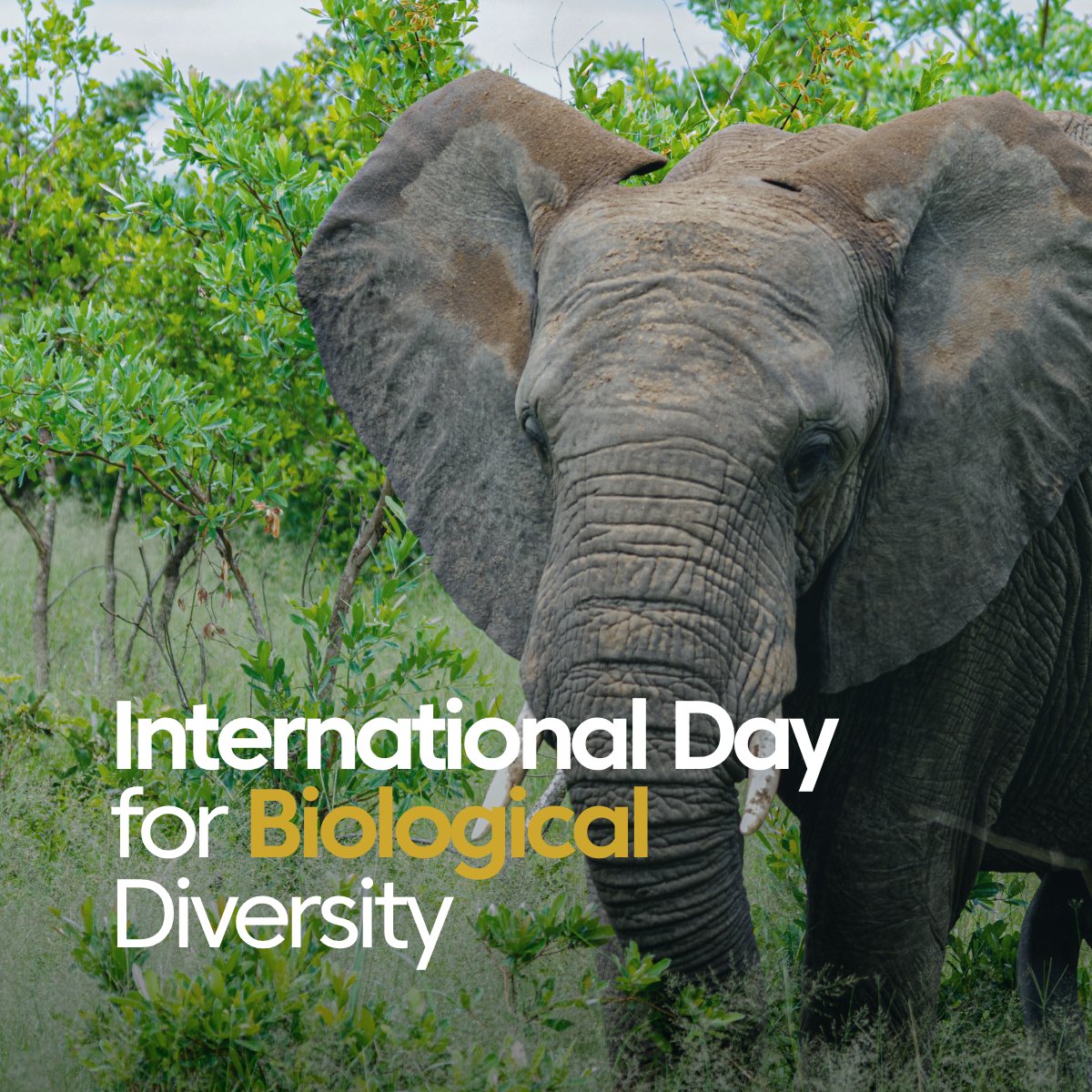
Biodiversity is the foundation of climate stability, ecosystem health, and human resilience. 🌍🌿
Every species and organism plays a role in maintaining the delicate balance of our ecosystems. Like an intricate web, these connections sustain life on Earth. 🐘🐢🦋
Wildlife trafficking is one of the most significant direct drivers of biodiversity loss globally, alongside habitat destruction and climate change. It pushes species towards decline, weakens ecosystems, and disrupts the natural systems we all depend on.
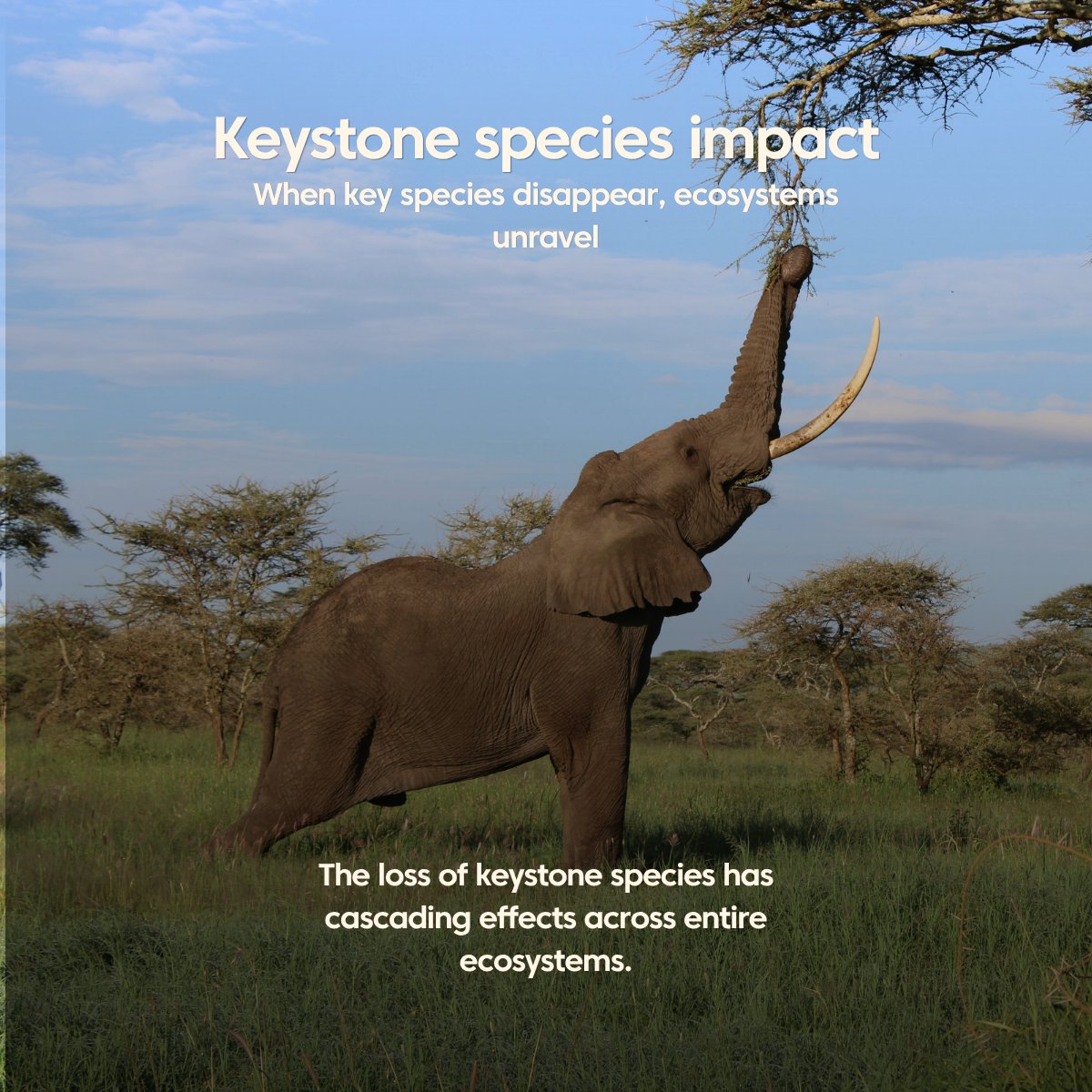
When keystone species disappear, ecosystems begin to unravel. The impacts ripple outward: reduced climate resilience, weakened protection against floods and desertification, and accelerating biodiversity loss.
Healthy ecosystems, from forests and wetlands to coral reefs, protect both nature and people. 🌳🌊 🪸 Wildlife trafficking undermines these systems, making them less able to adapt to climate shocks and environmental change.
At the Wildlife Justice Commission, we see these links clearly: disrupting wildlife trafficking to save species from extinction protects the integrity of ecosystems and the climate resilience they sustain.
1
2
49
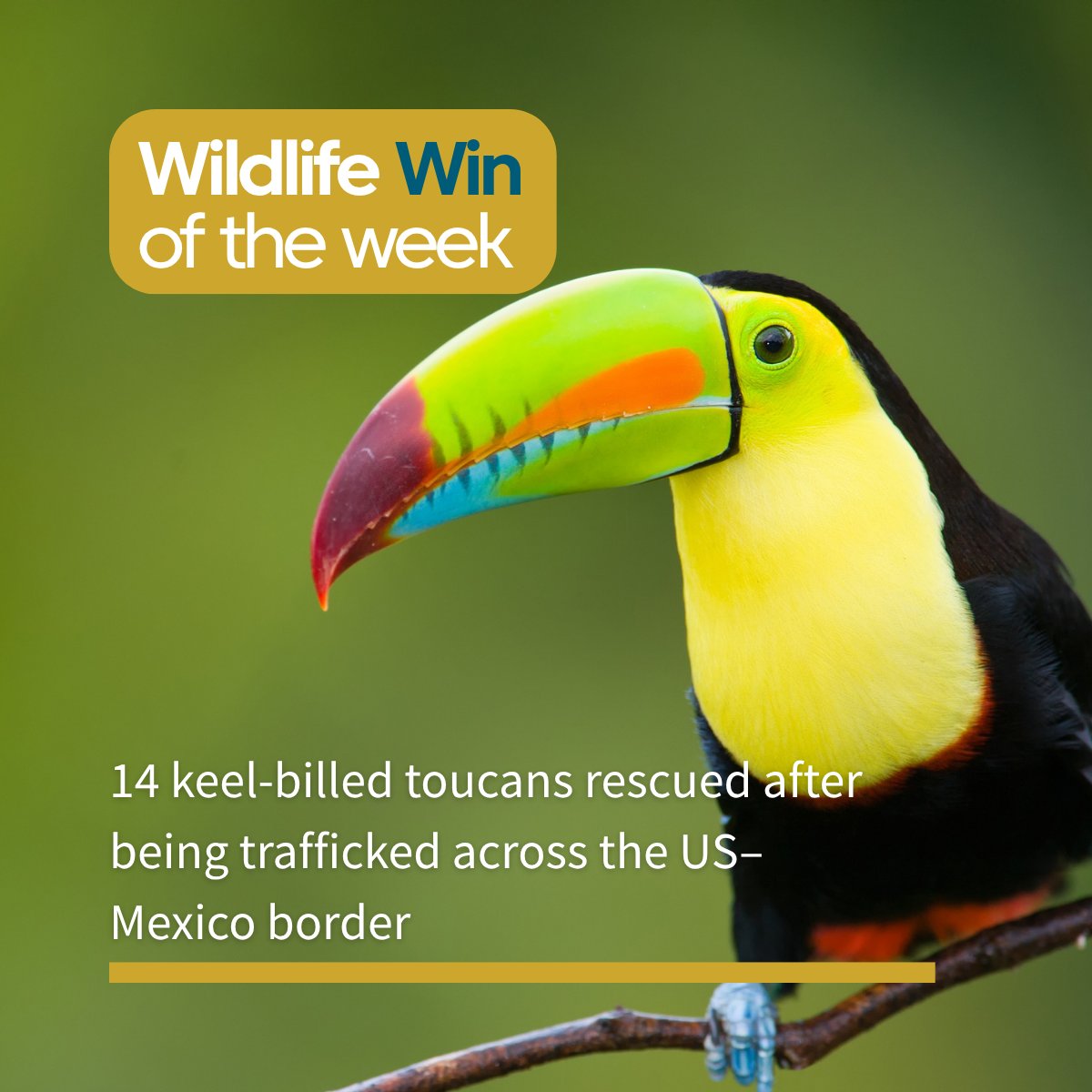
14 juvenile keel-billed toucans were recently rescued after being trafficked across the United States–Mexico border. 🚨
The toucans survived months of rehabilitation and now have a second chance, thanks to the efforts of the @TheWCS's Bronx Zoo and its partners. Keel-billed toucans are protected under the Wild Bird Conservation Act and are listed under CITES Appendix II, meaning international trade is permitted only under strict regulation to ensure it is legal, sustainable, and not detrimental to the survival of the species. Unfortunately, keel-billed toucans remain in demand in the global exotic pet trade. 🦜
This story is a reminder of a harder truth: rescue is not enough. Many trafficked animals never survive these journeys. Even when they do, they often cannot be returned to the wild. Preventing wildlife trafficking requires addressing it at its source by dismantling criminal supply chains, reducing demand for exotic pets, and strengthening action against the networks profiting from this cruelty. ⚖️
At the Wildlife Justice Commission, we tackle this issue at its source through intelligence-led investigations that disrupt wildlife trafficking networks and support governments and law enforcement to pursue high-level traffickers. 🕵️♀️
These toucans were among the lucky ones. The goal must be ensuring fewer animals ever endure this in the first place.
10
11
390
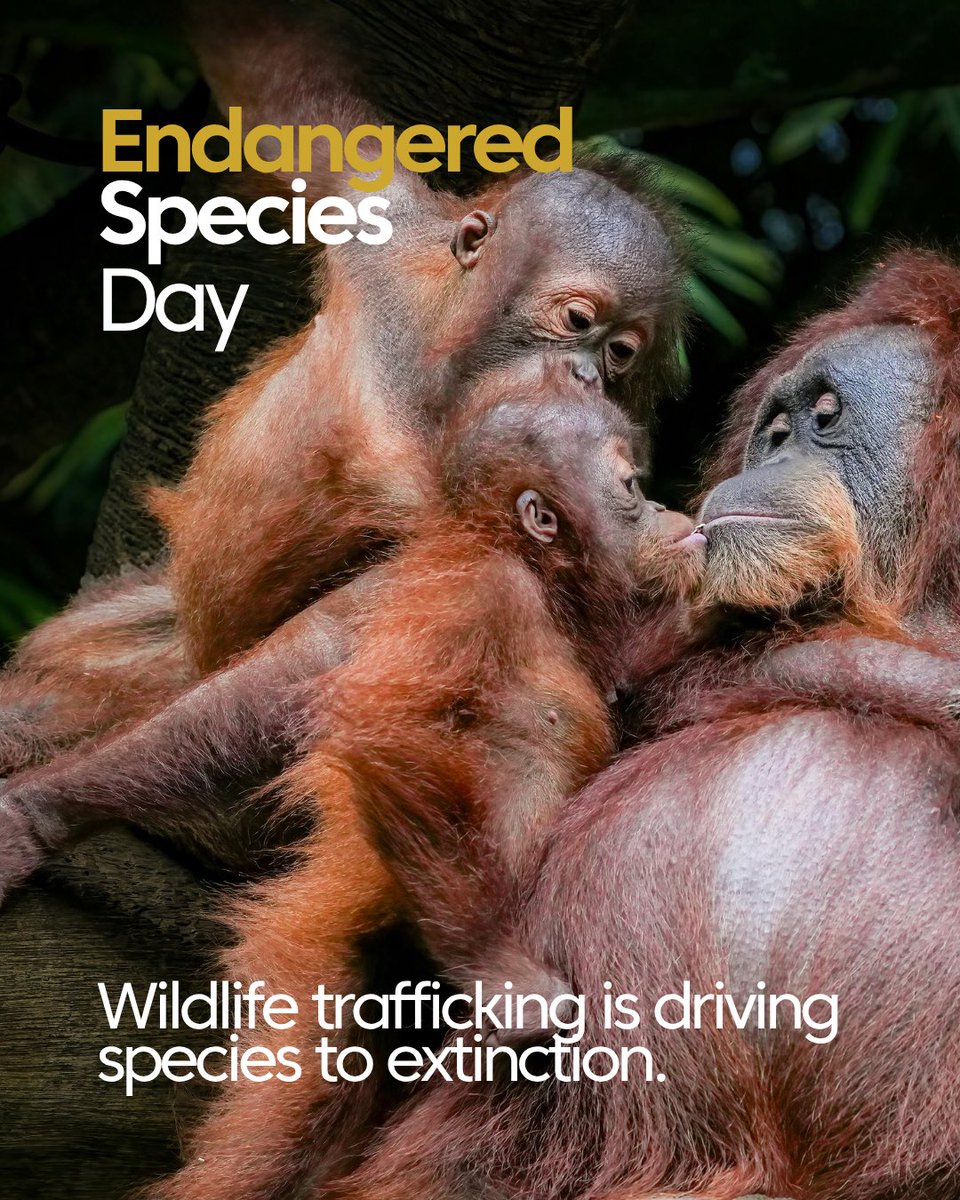
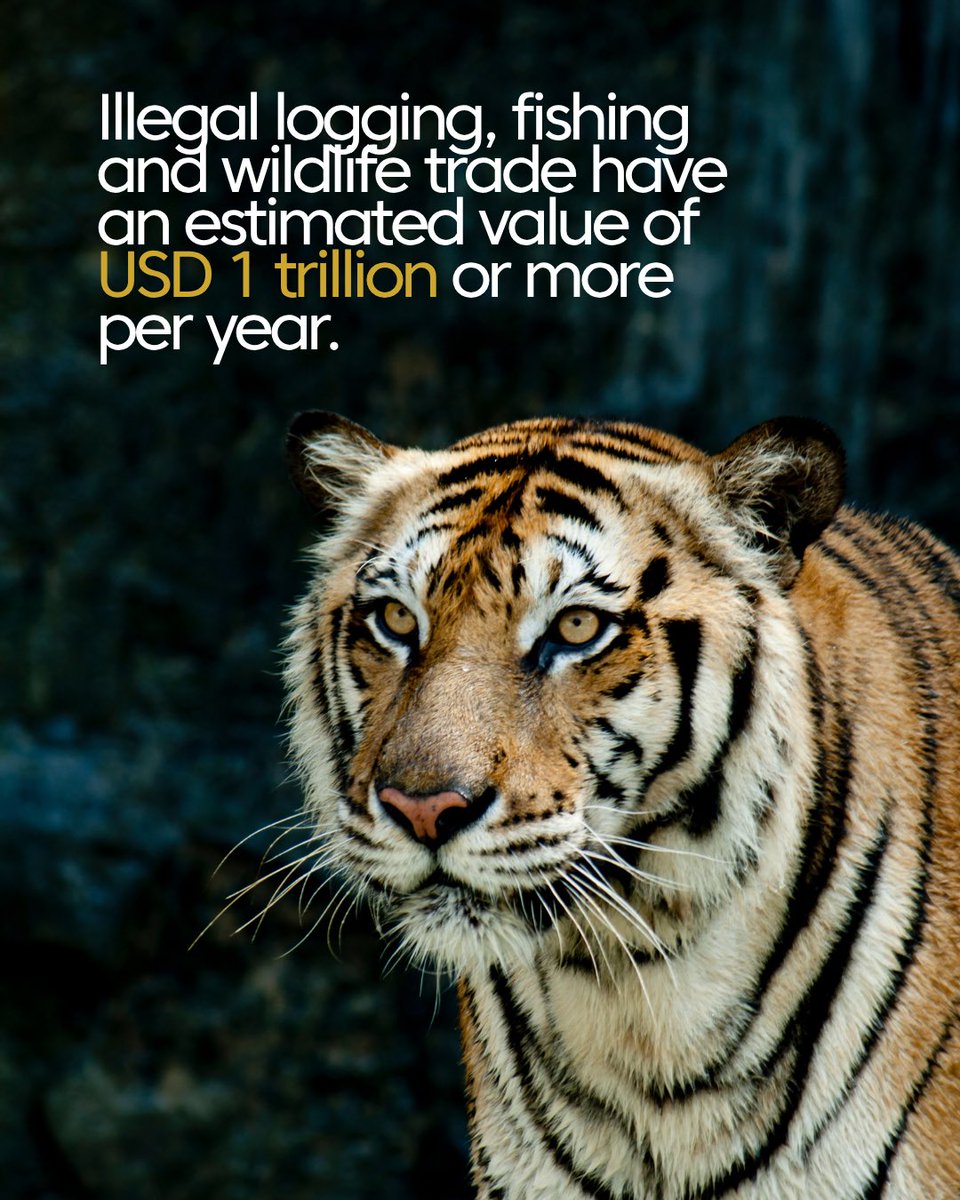
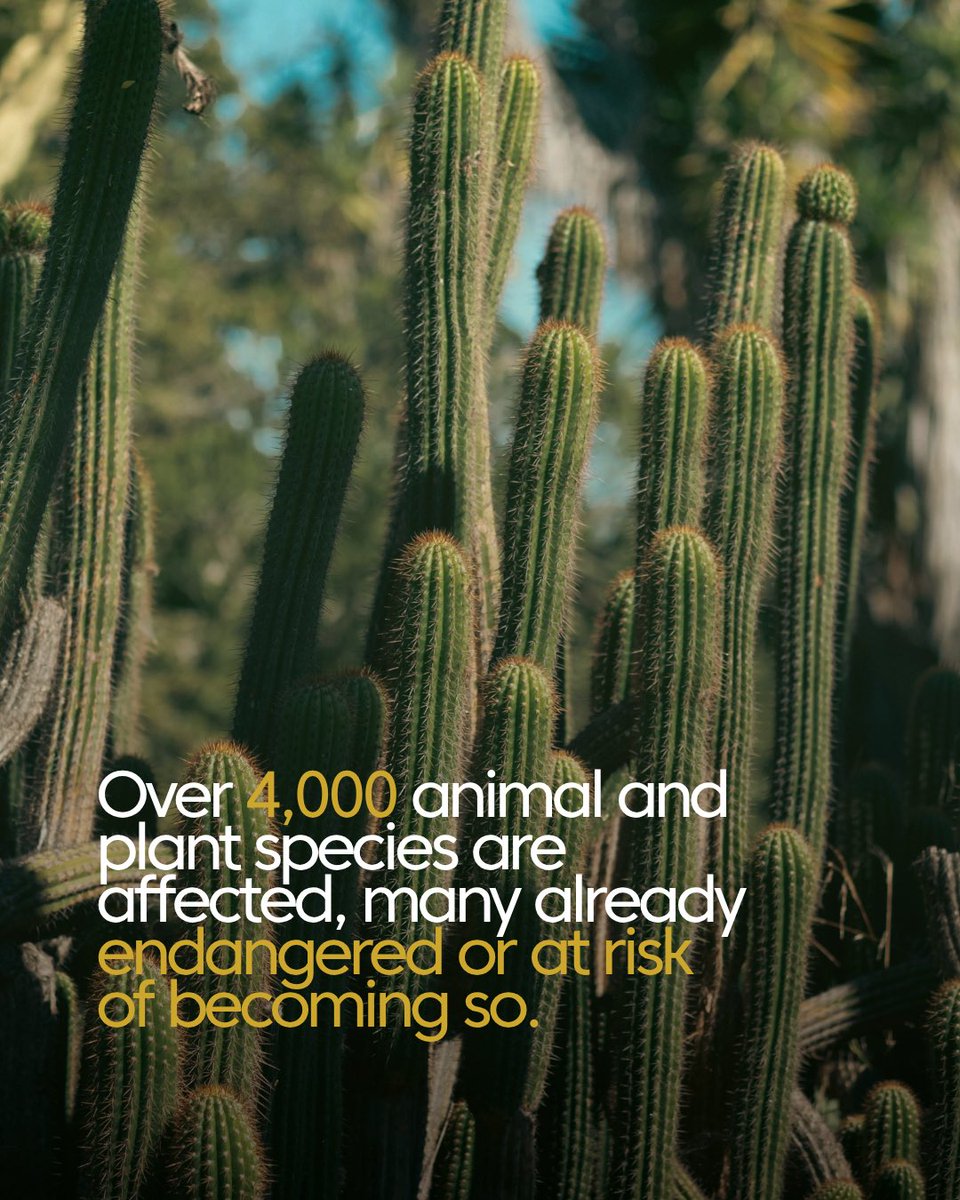
Wildlife trafficking is a major threat to biodiversity, pushing already vulnerable species closer to extinction.
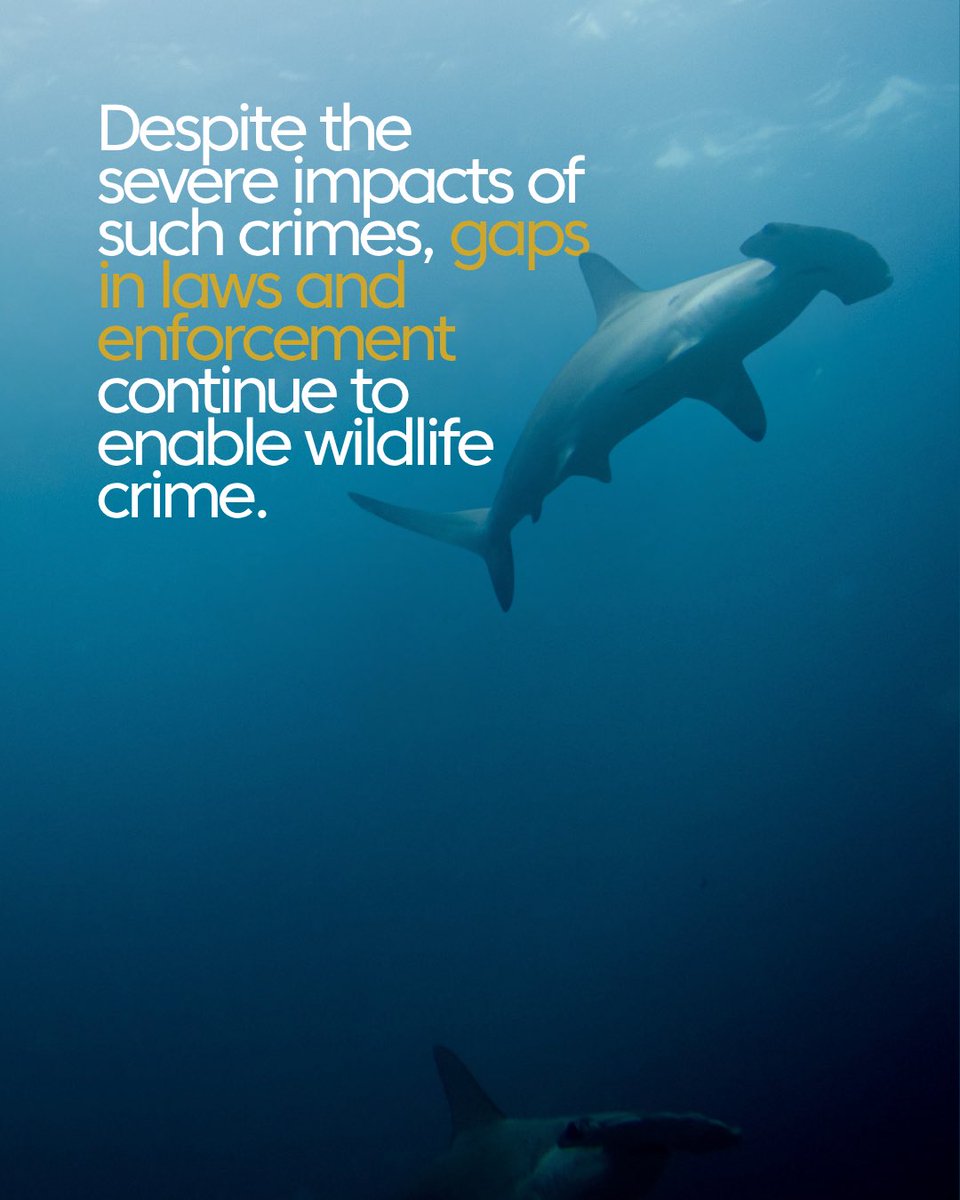
Behind this illegal trade are organised criminal networks operating across borders, impacting not only wildlife, but also communities and ecosystems. Yet gaps in global frameworks and enforcement enable this crime to continue.
Endangered Species Day is a reminder that protecting species means addressing the threats driving their decline, including wildlife trafficking.
2
7
11
256
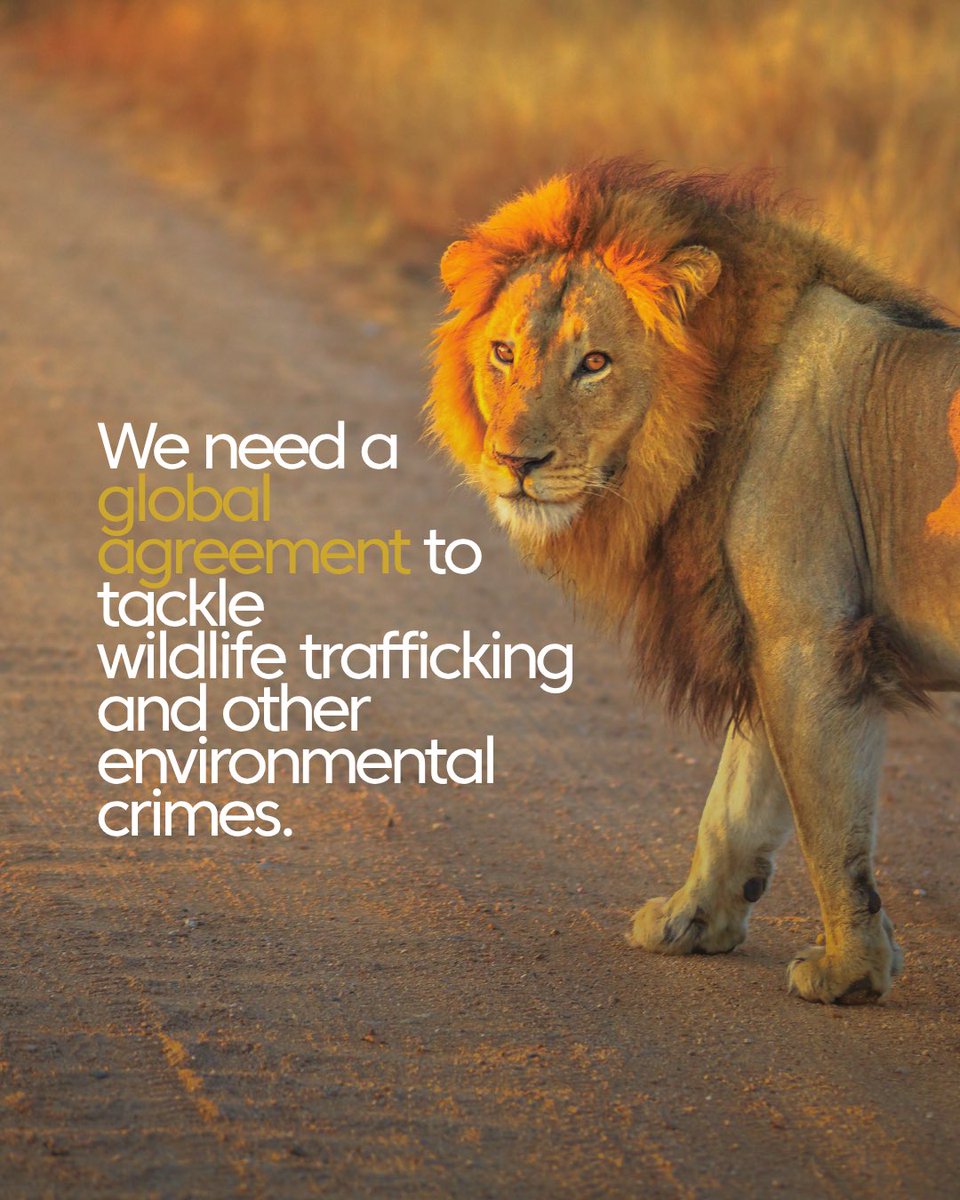
Today, building on years of advocacy, the Global Initiative to End Wildlife Crime and one of its founding champions the Wildlife Justice Commission call for stronger policy action and international cooperation to address wildlife crime through effective criminal justice responses.
Protecting endangered species requires stronger global action. Ending wildlife crime is key to preventing extinction.
#EndWildlifeTrafficking #EndWildlifeCrime
5
11
341
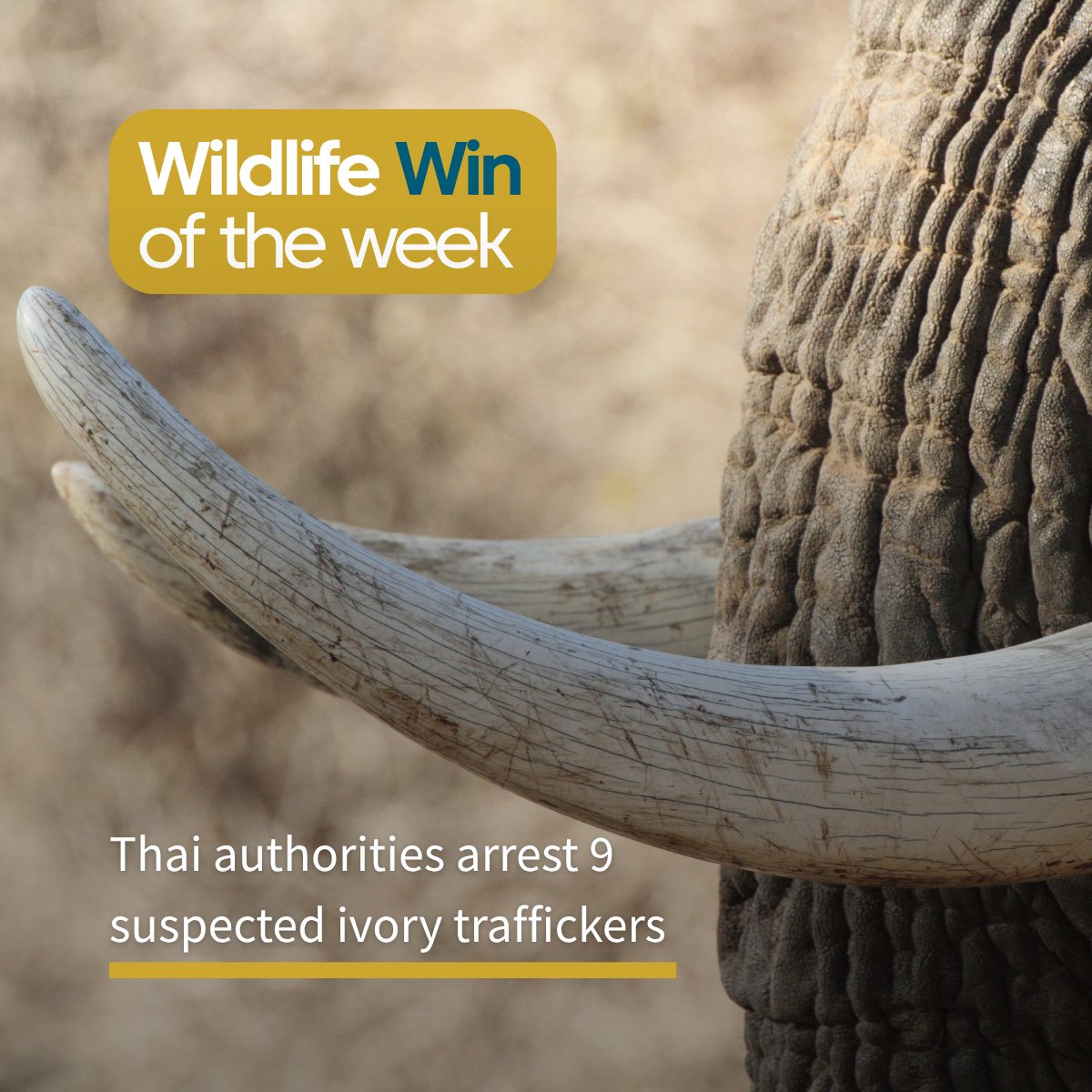
Thailand’s authorities are demonstrating a strong and proactive commitment to tackling ivory trafficking networks, following a significant enforcement operation this week.
🚨 Nine suspected ivory traffickers were arrested in a coordinated operation across multiple provinces, resulting in the seizure of more than 250 kg of ivory, reported as the largest confiscation in Thailand in over a decade.
🔎 The operation involved coordinated investigations and raids across several regions, including links to online platforms used to facilitate the sale of illegal wildlife products.
🌐 According to reports, the seized ivory is believed to originate from African elephants with indications that it may have been moved through regional transit hubs in Southeast Asia prior to reaching Thailand. This highlights Thailand’s continued exposure to wider transnational ivory trafficking flows.
💪 This operation signals meaningful progress in disrupting illegal wildlife trade routes and reinforces Thailand’s role in dismantling these supply chains.
#WWOTW #WildlifeCrime #EndWildlifeTrafficking #WildlifeProtection #Thailand
1
67
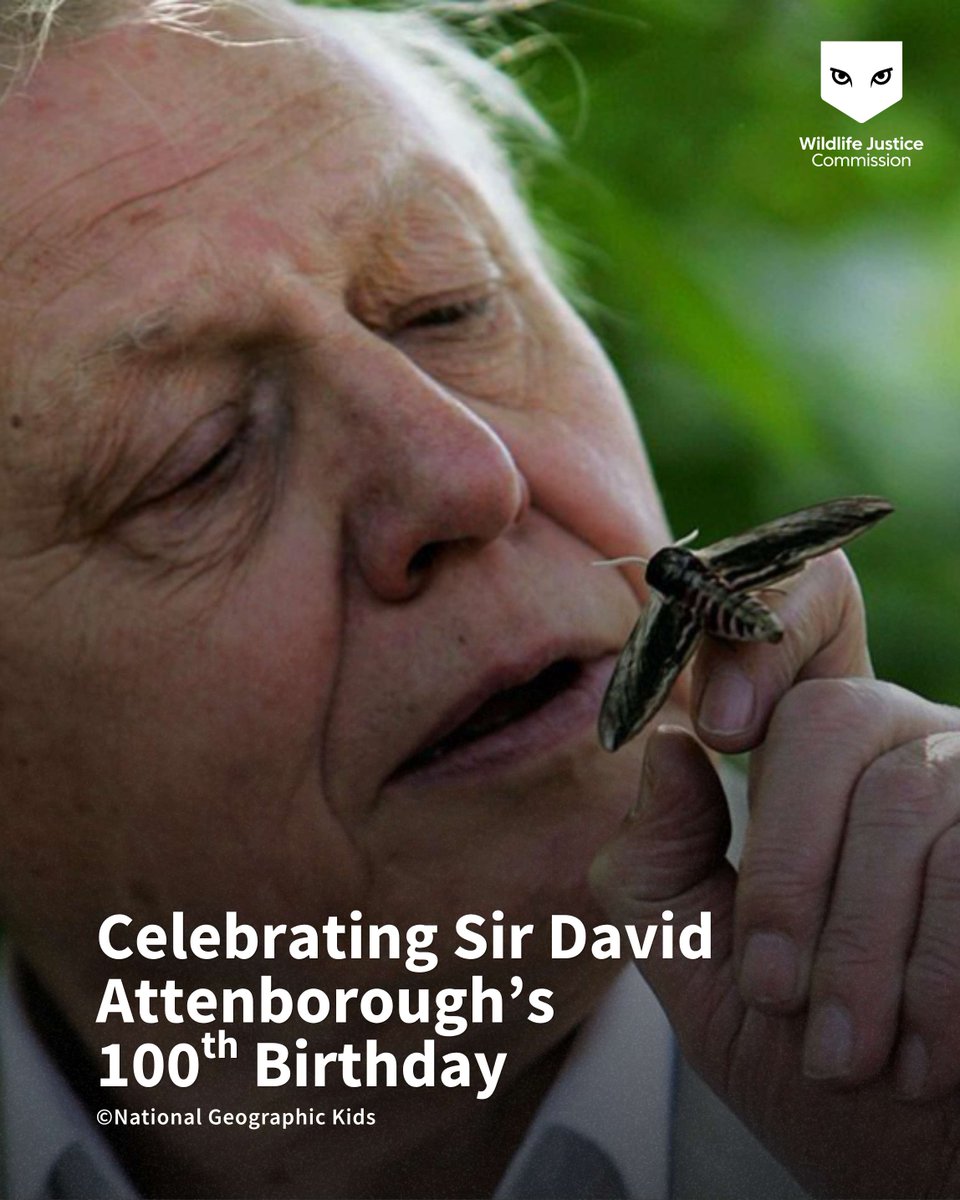
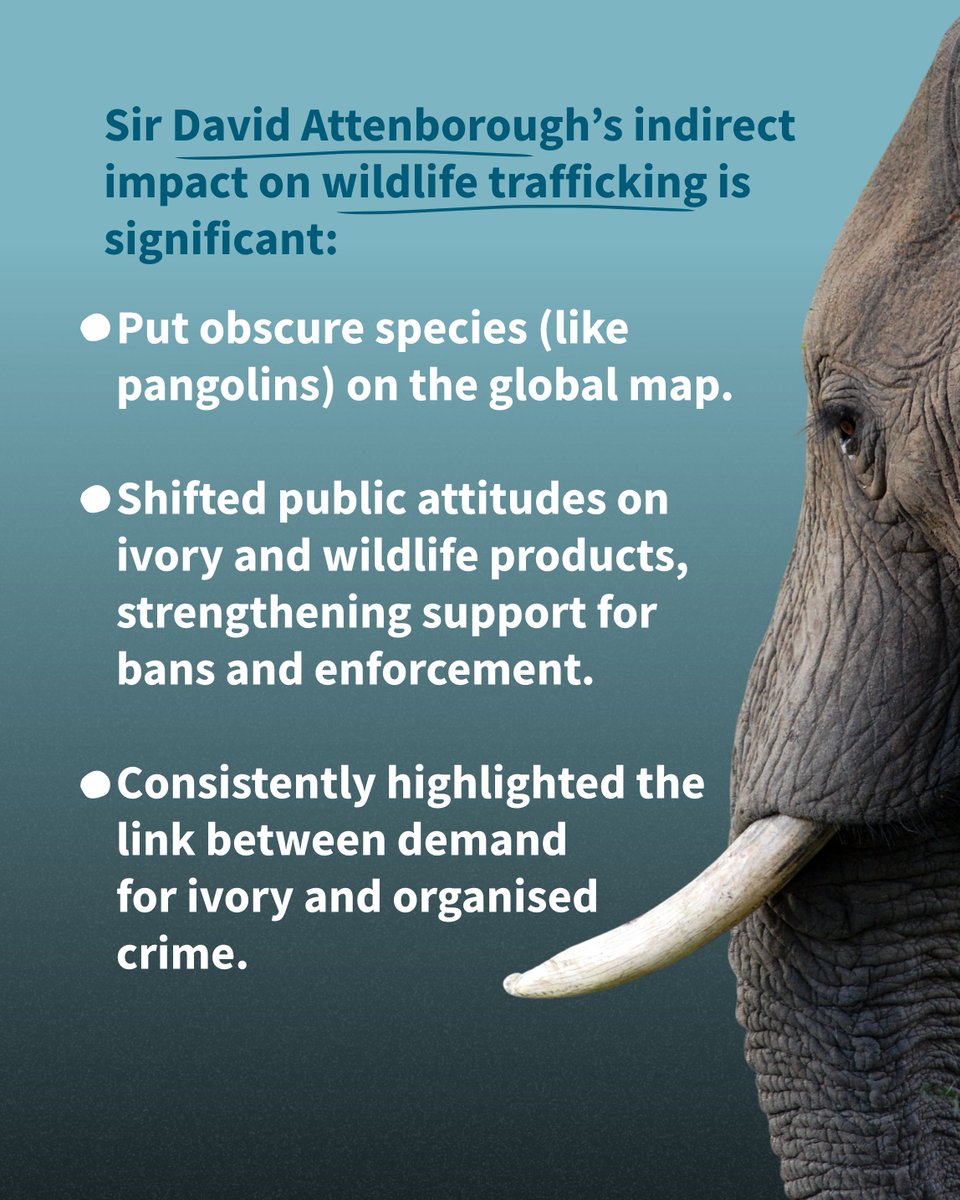
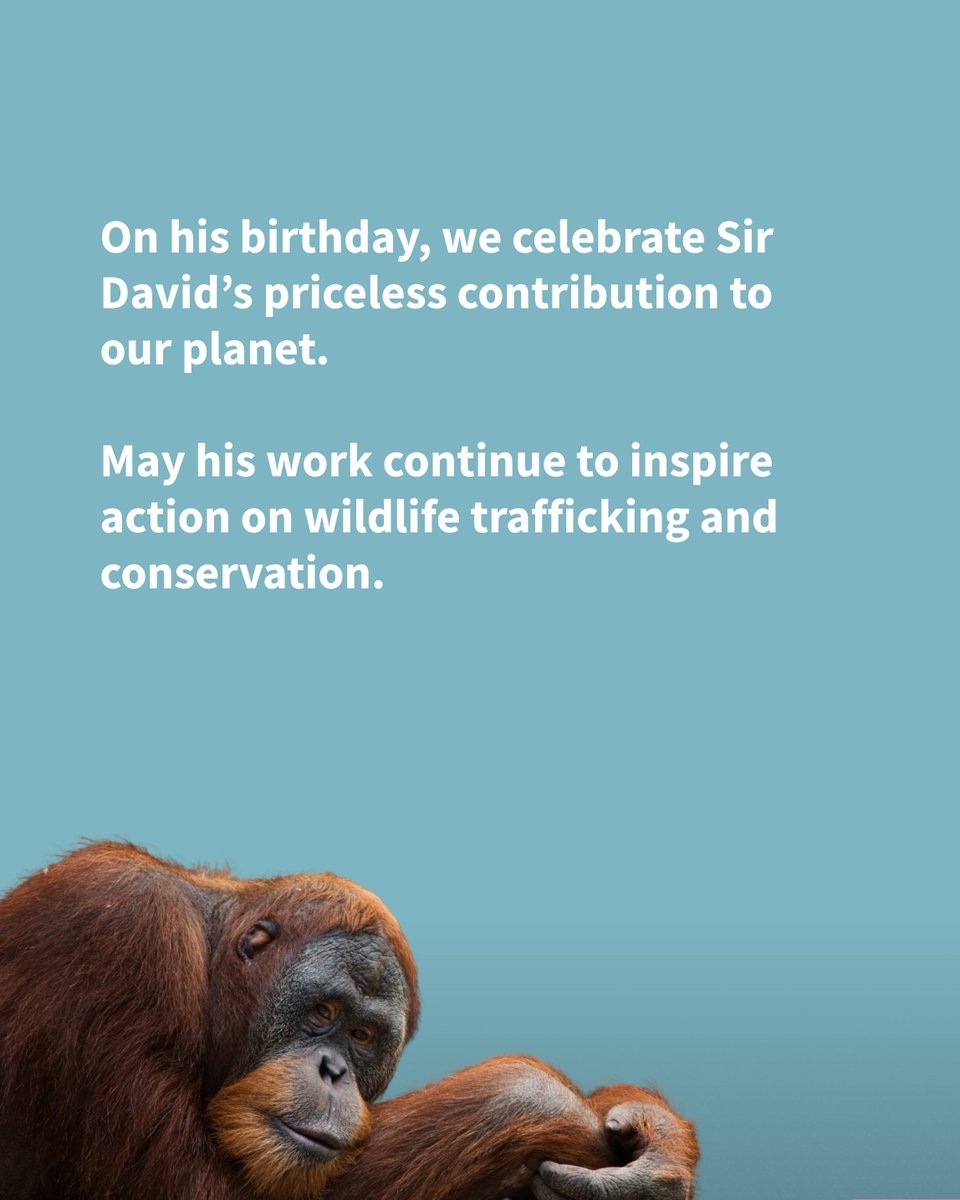
🎉Today, alongside the rest of the world, we celebrate the 100th birthday of Sir David Attenborough. Seven decades of his work have shaped the global understanding of nature, wildlife and marine life.
Through his storytelling, he has not only inspired generations, but also helped elevate critical issues such as biodiversity loss, environmental degradation, and the urgent need to combat wildlife crime.
At Wildlife Justice, we see firsthand how awareness and public engagement can drive meaningful change. By bringing the realities of the natural world to a global audience, Sir David has played a vital role in building momentum for stronger protection of wildlife and ecosystems. On his birthday, we recognise and celebrate his enduring contribution to conservation, and the continued relevance of his message.
🙌 Thank you, for all you have done, Sir David!
#WildlifeConservation #WildlifeCrime #Biodiversity #DavidAttenborough #Conservation #100YearsOnPlanetEarth
ALT Close-up of Sir David Attenborough gently holding a large moth near his face in a natural green setting.

ALT Black and white photo of young Sir David Attenbrough in a trench coat holding a camera, symbolizing decades of nature exploration and documentation.
2
81
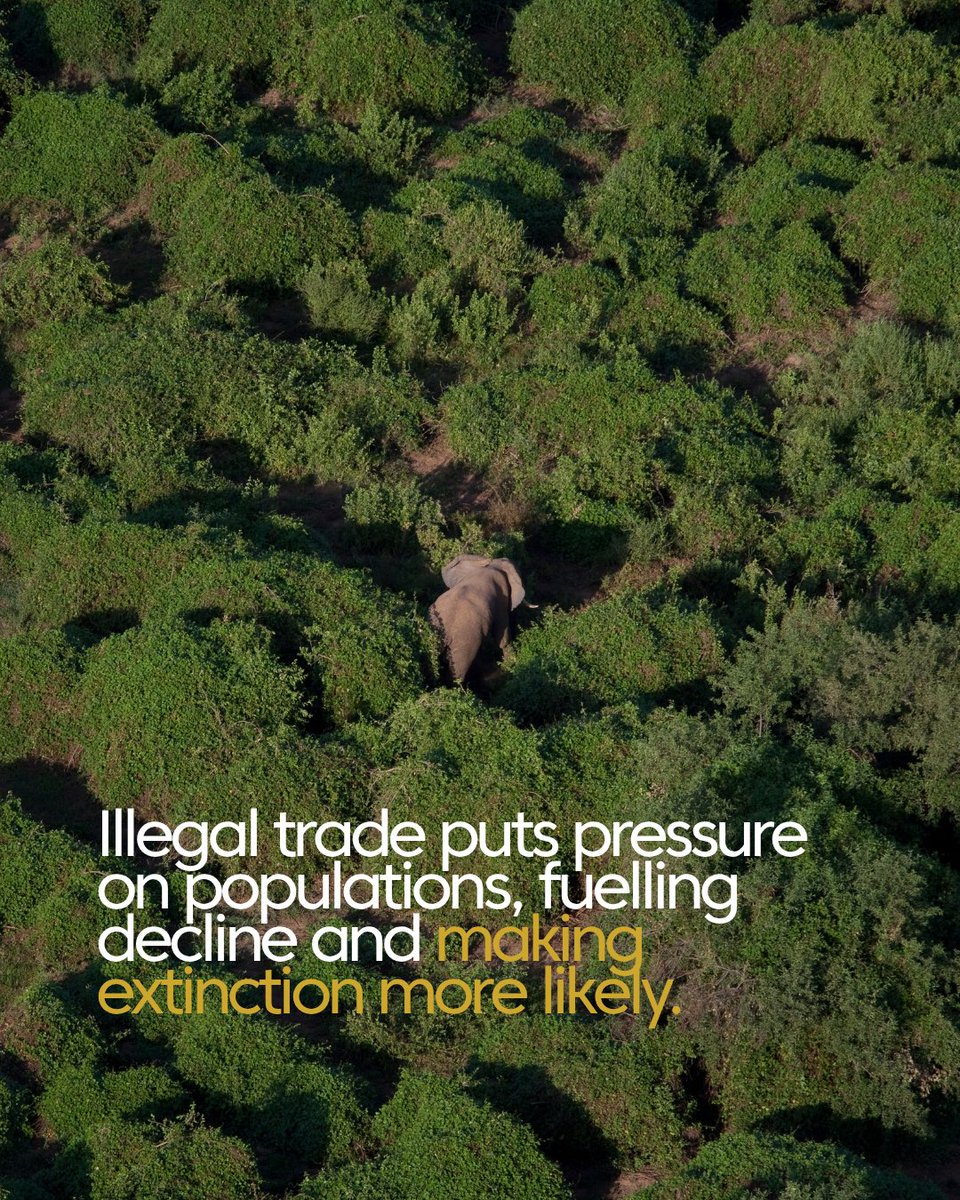
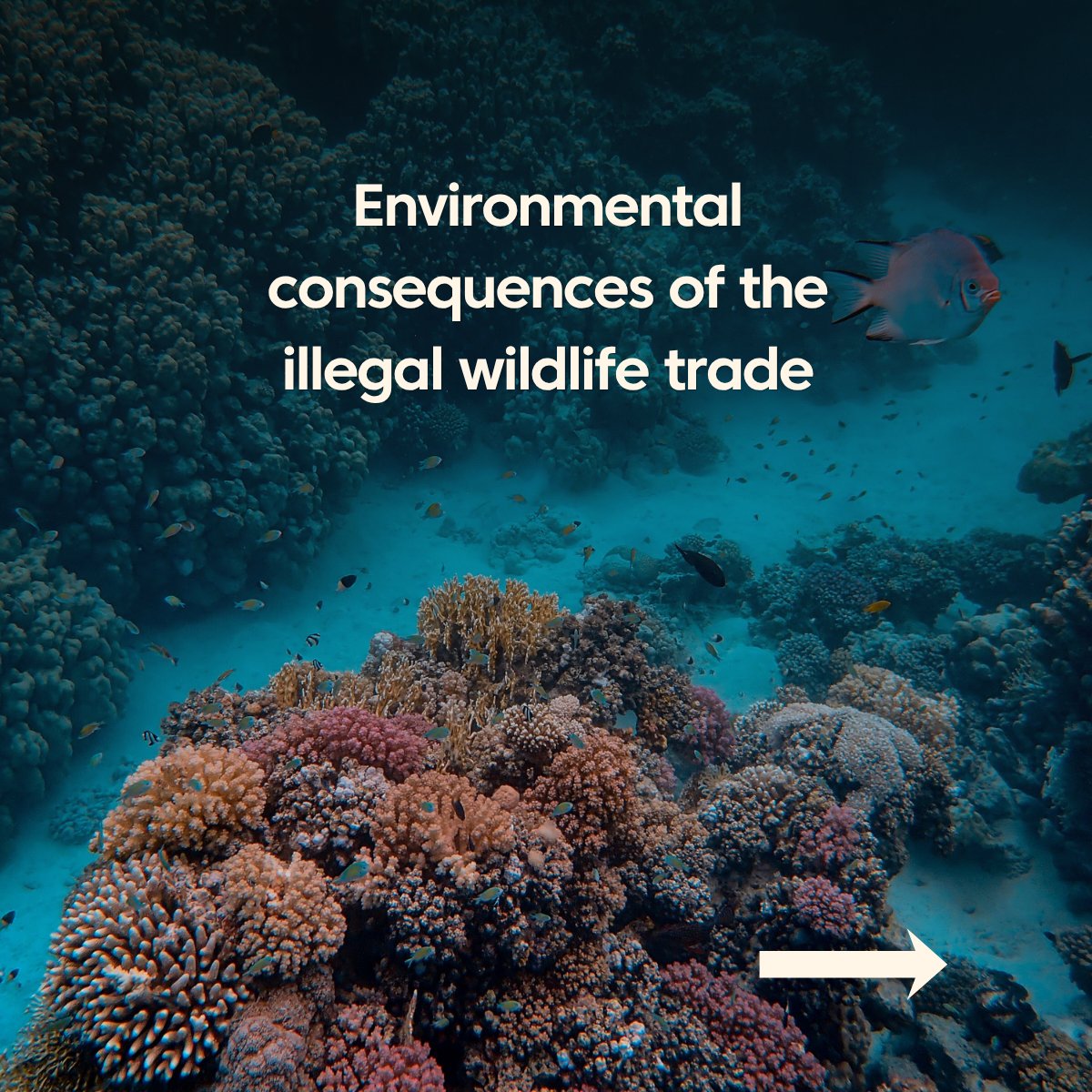
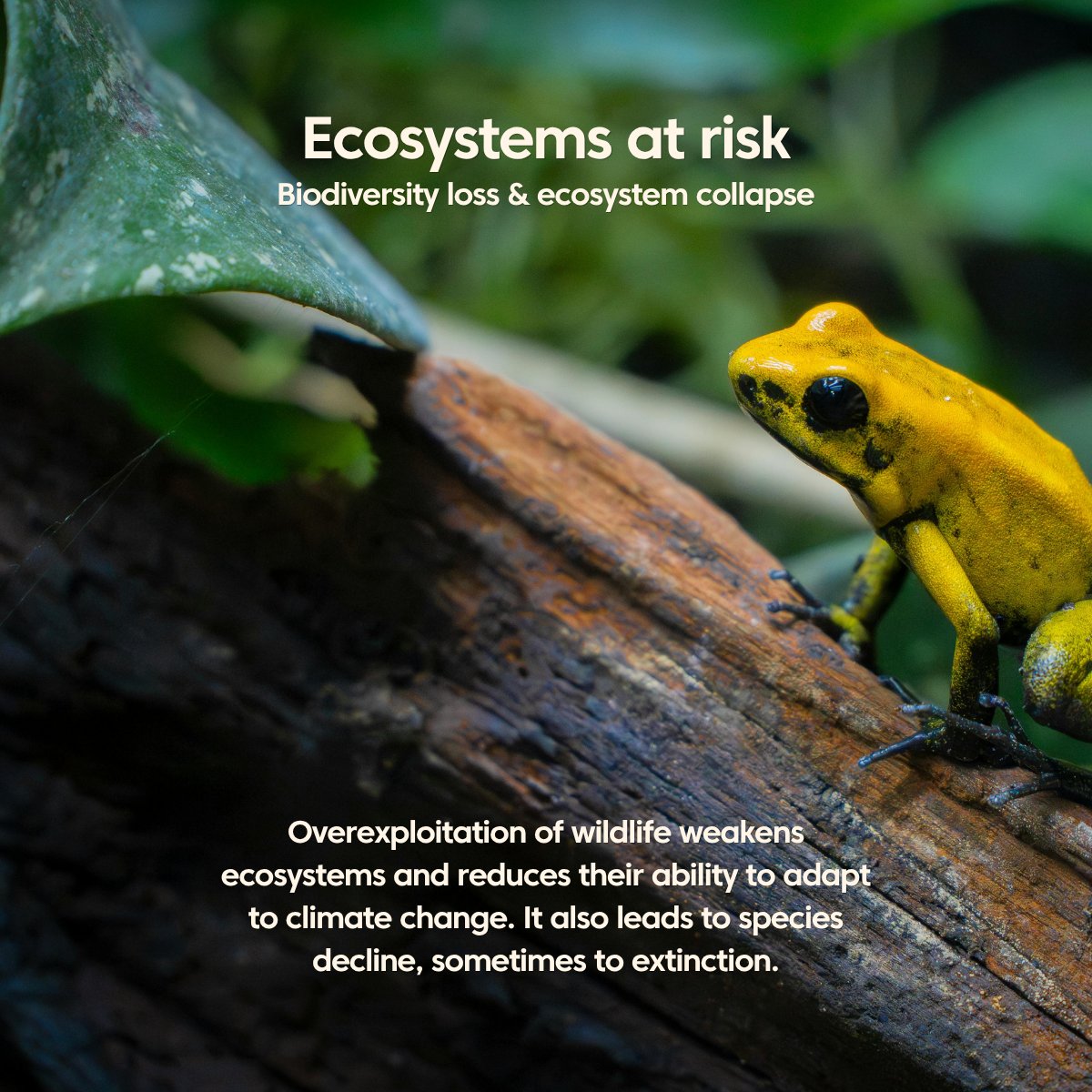
The illegal wildlife trade is not just a conservation issue, it is an environmental crisis driven by organised crime.
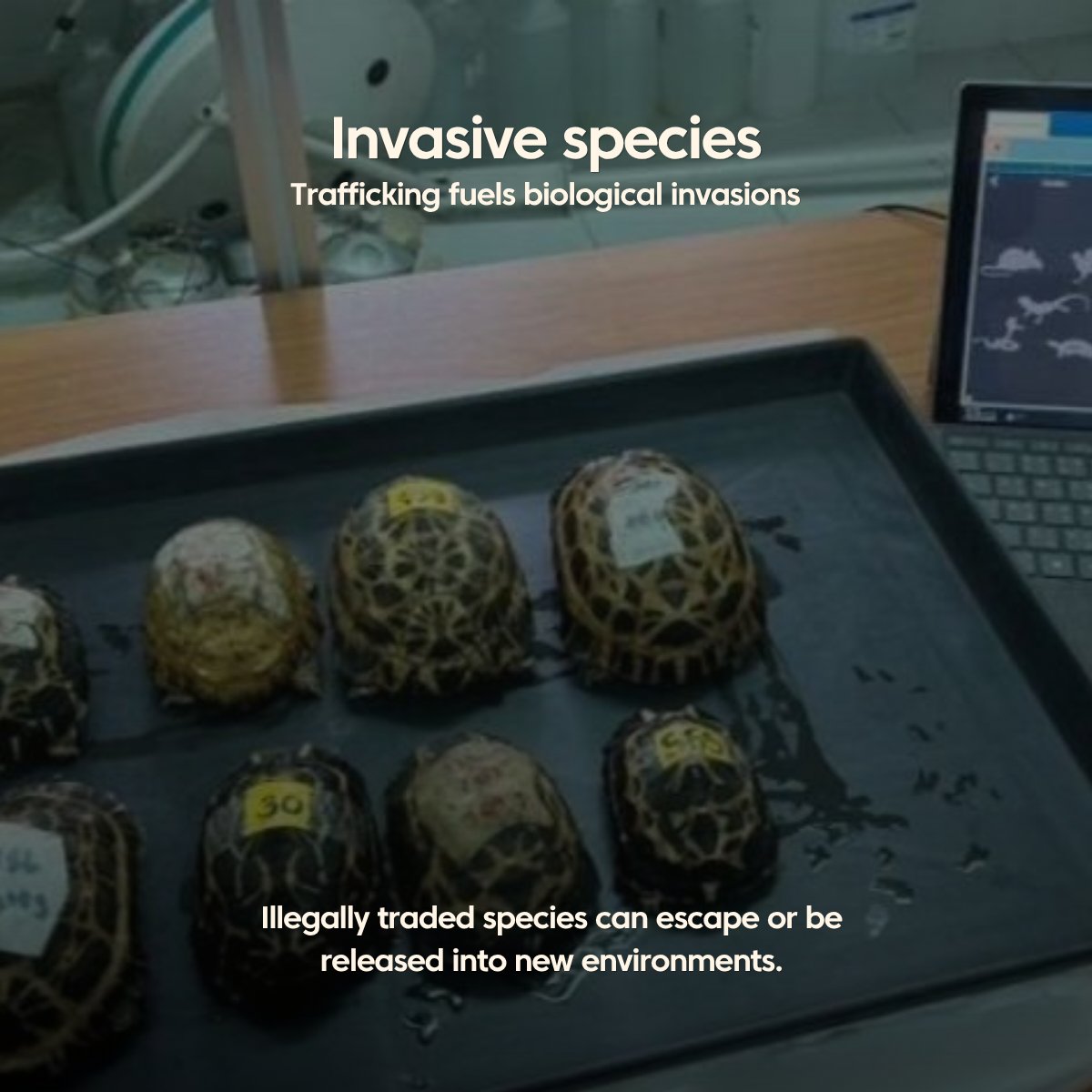
By exploiting wildlife at scale, criminal networks are destabilising ecosystems, accelerating biodiversity loss, and increasing the risk of invasive species and disease transmission.
1
2
3
119
When keystone species disappear, ecosystems begin to collapse. When trafficked species are introduced into new environments, they can become invasive.
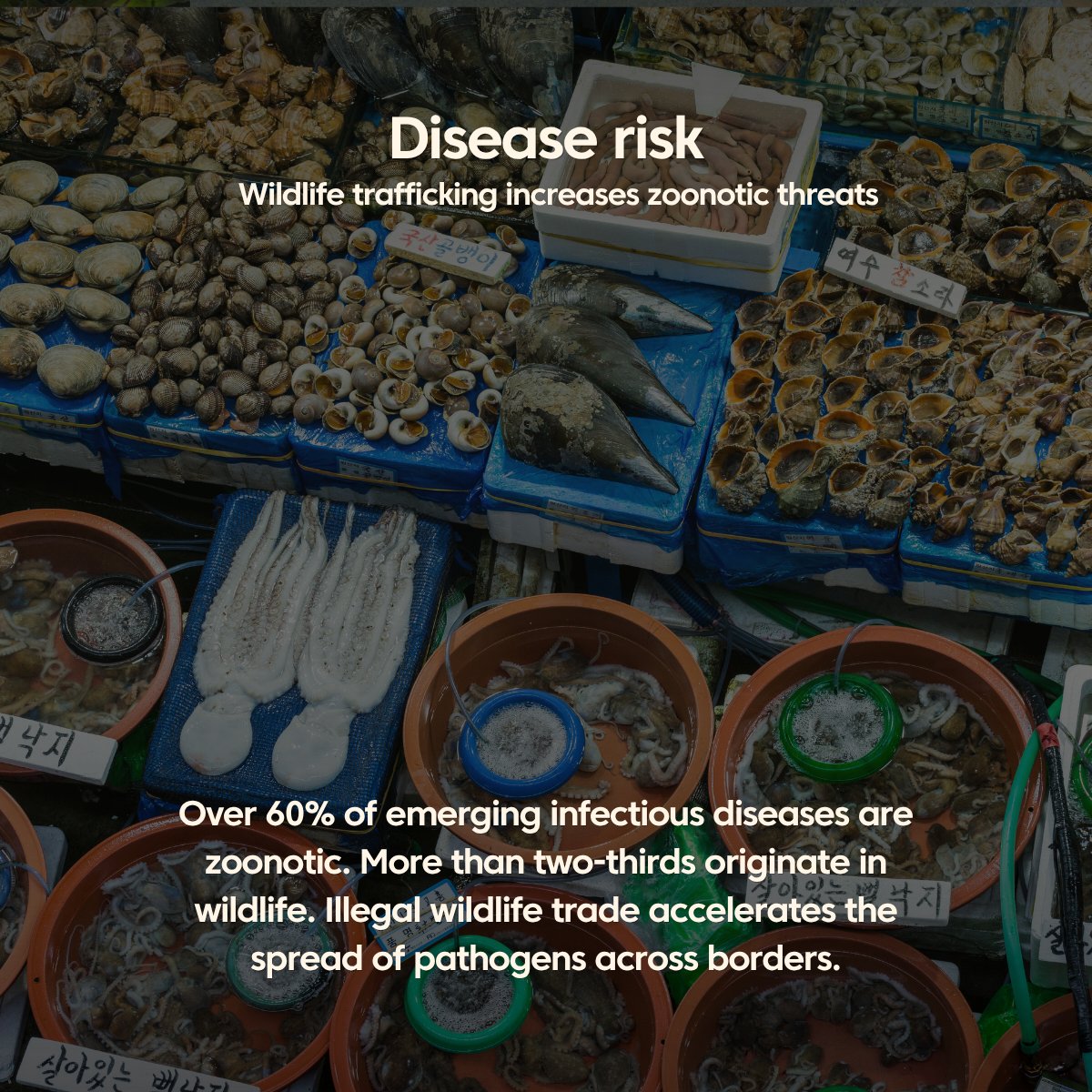
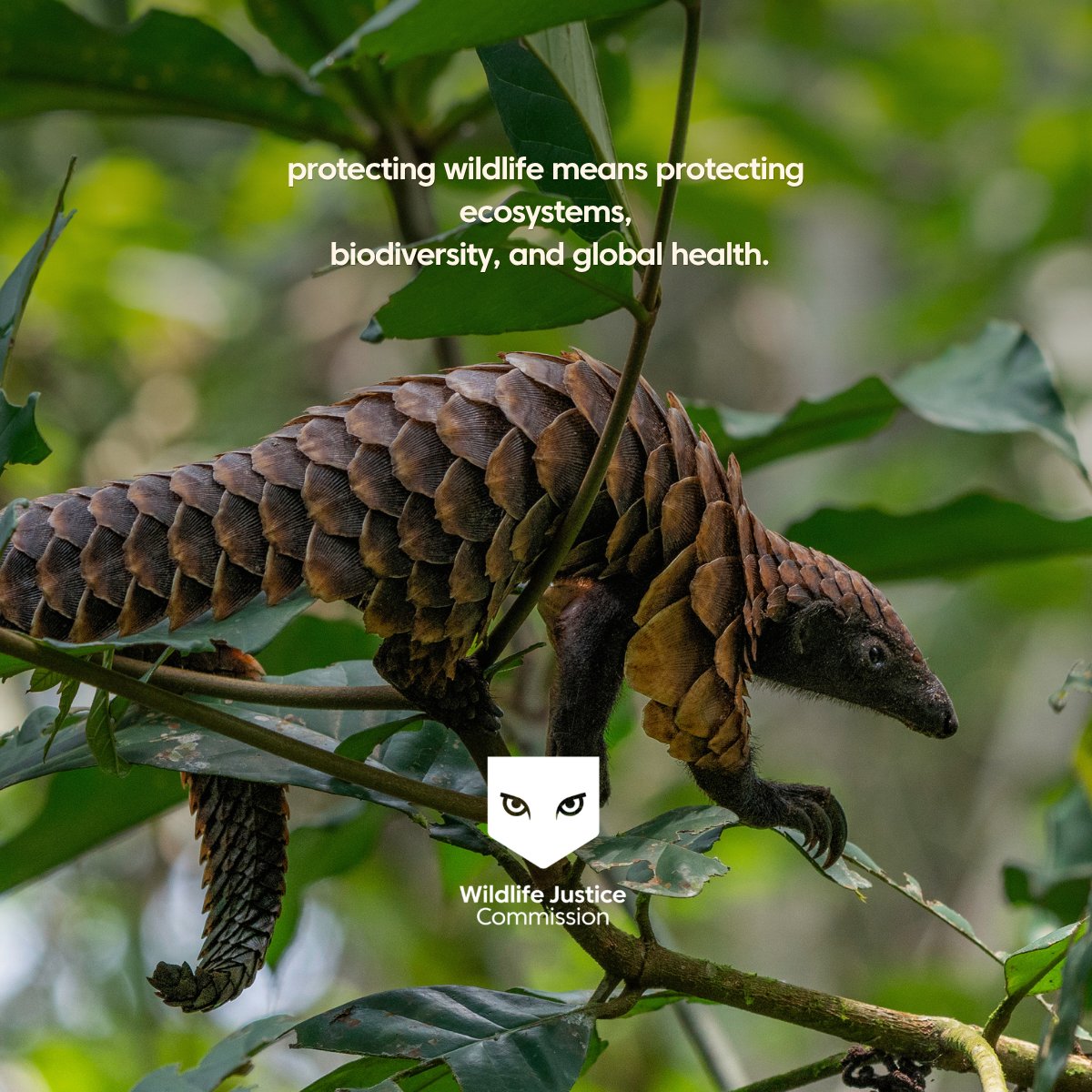
And when wildlife is moved through illegal supply chains, the risk of zoonotic disease spread rises. This is why disrupting wildlife trafficking networks is critical, not only to protect species, but to safeguard ecosystems, economies, and global health.
1
48
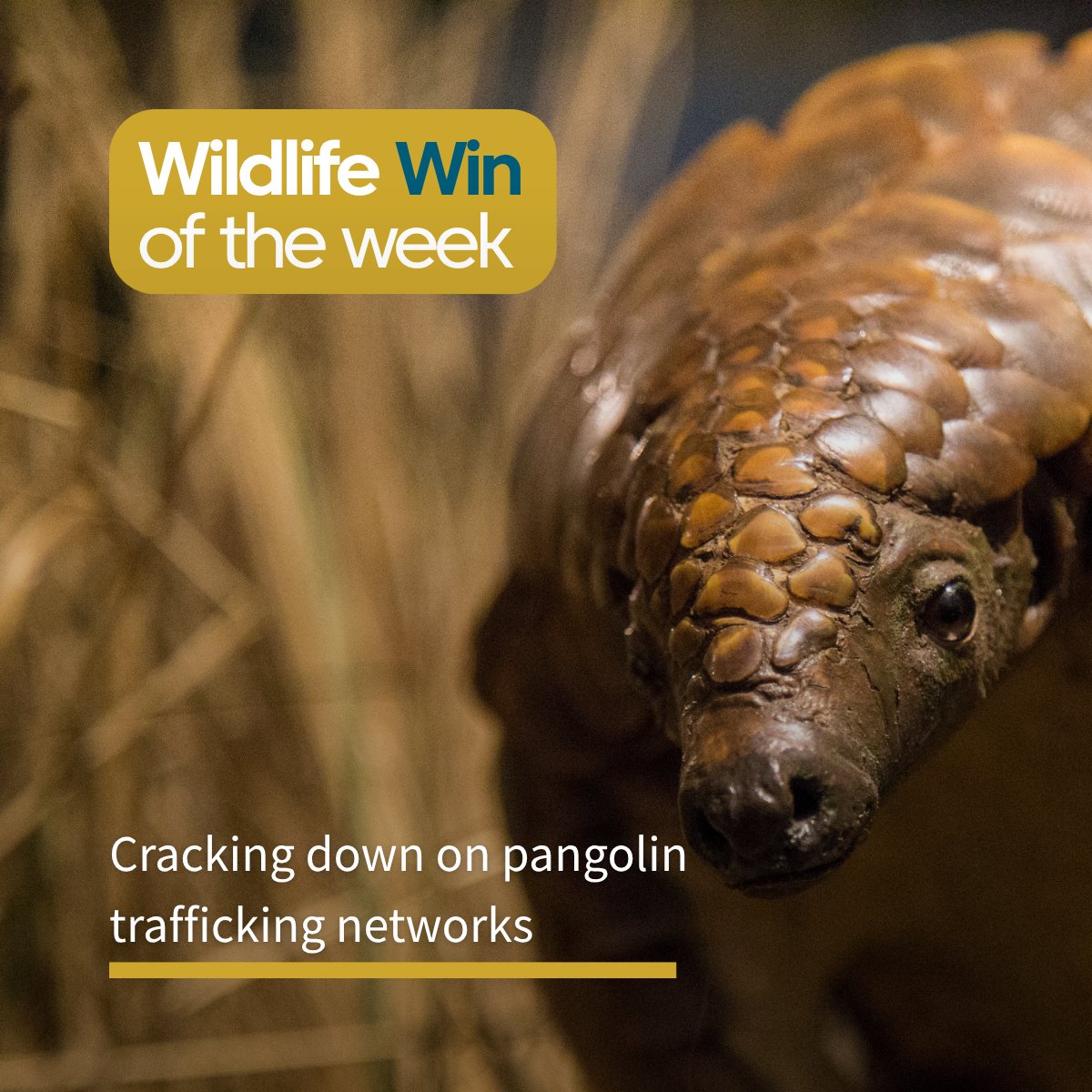
This week marks two major breakthroughs in the global fight against pangolin trafficking, demonstrating how sustained, intelligence-led investigations are disrupting criminal networks from source to destination.
📌 After five years on the run, suspected wildlife trafficking kingpin Shamsideen Abubakar has been arrested in Nigeria through a joint operation involving the Wildlife Justice Commission, the National Environmental Standards and Regulations Enforcement Agency (@NESREANigeria ), and the Nigeria Customs Service (@CustomNcs ). He was wanted for his alleged role in large-scale trafficking and linked to a 2021 seizure of over one tonne of pangolin scales in Lagos.
📌 In a separate development, a Vietnamese court convicted two traffickers, Nguyen The Du and Nguyen Anh Ngoc, for possession of nearly one tonne of African pangolin scales. Each received eight-year prison sentences and substantial fines, the ruling represents a decisive step in targeting the Asia end of the supply chain. Their arrest in June 2025, involving 900kg of pangolin scales, was the largest such seizure reported in Asia that year.
Together, these cases highlight the value of targeting high-level traffickers across the supply chain, by disrupting networks, increasing risks for traffickers, and helping protect one of the world’s most trafficked mammals.
2
3
60
🎙️ New podcast feature
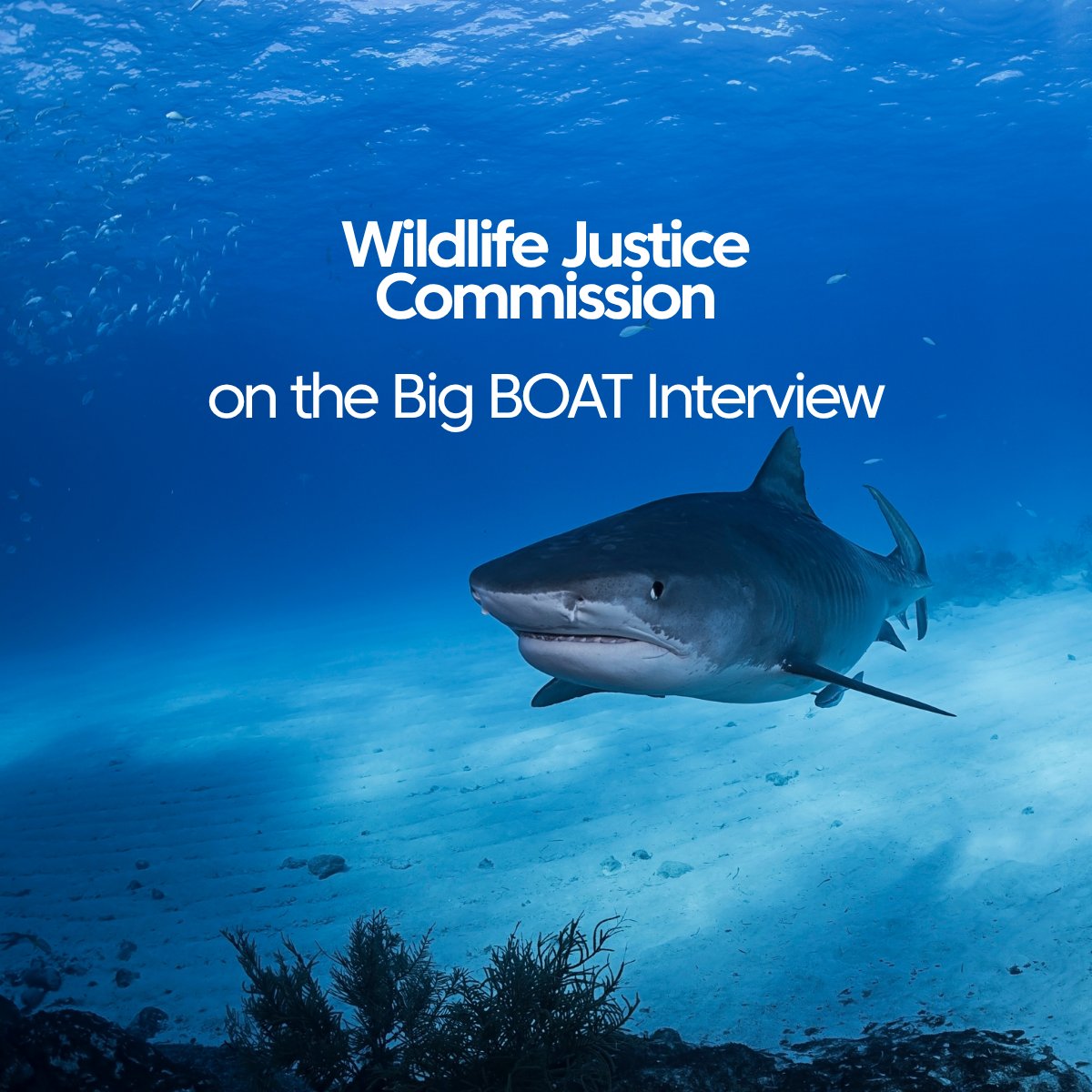
Our Executive Director, Olivia Swaak-Goldman, joins The Big BOAT Interview by @boatint to unpack how marine species trafficking has evolved into a major transnational threat.
In this episode, she explores how the Wildlife Justice Commission targets the high-level criminals driving the illegal trade in marine species, from sharks 🦈 to sea cucumbers, turtles, and seahorses.
This is not just a conservation issue. It is organised crime operating across borders, generating significant illicit profits and demanding a coordinated law enforcement response 🌍
Ahead of Ocean Talks this June, where Olivia will be speaking as a keynote, this conversation sets the stage for why disrupting criminal networks is more urgent than ever.
🎧 Listen to the full episode to learn how these networks operate, and what it takes to disrupt them: BOAT Briefing: bit.ly/4eO7WBp
1
1
53