A peer-reviewed journal about the biological natural history of North America
- Tweets 617
- Following 139
- Followers 191
- Likes 3,593
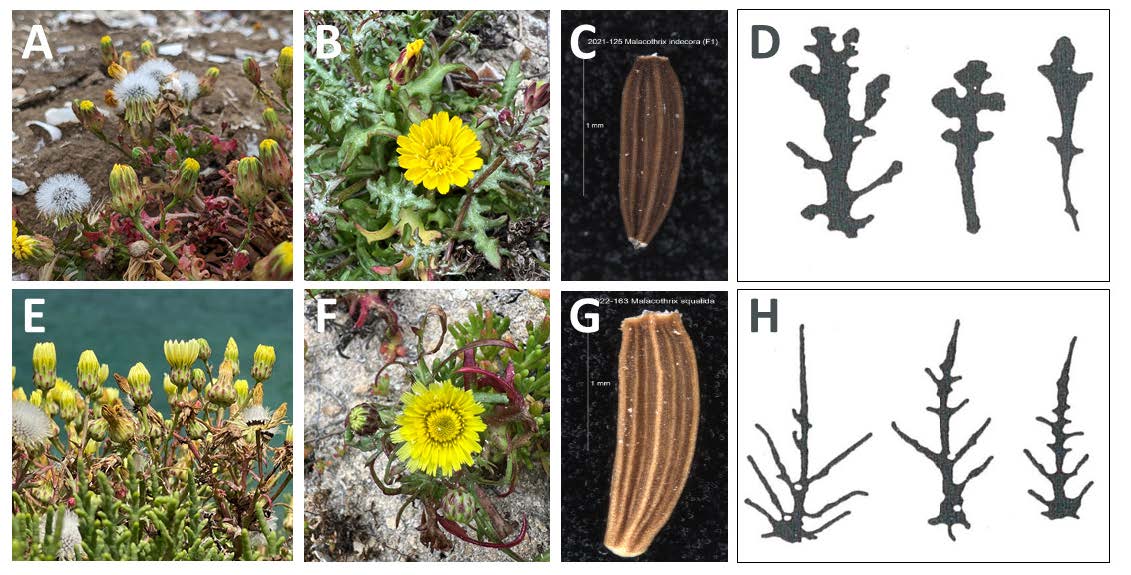
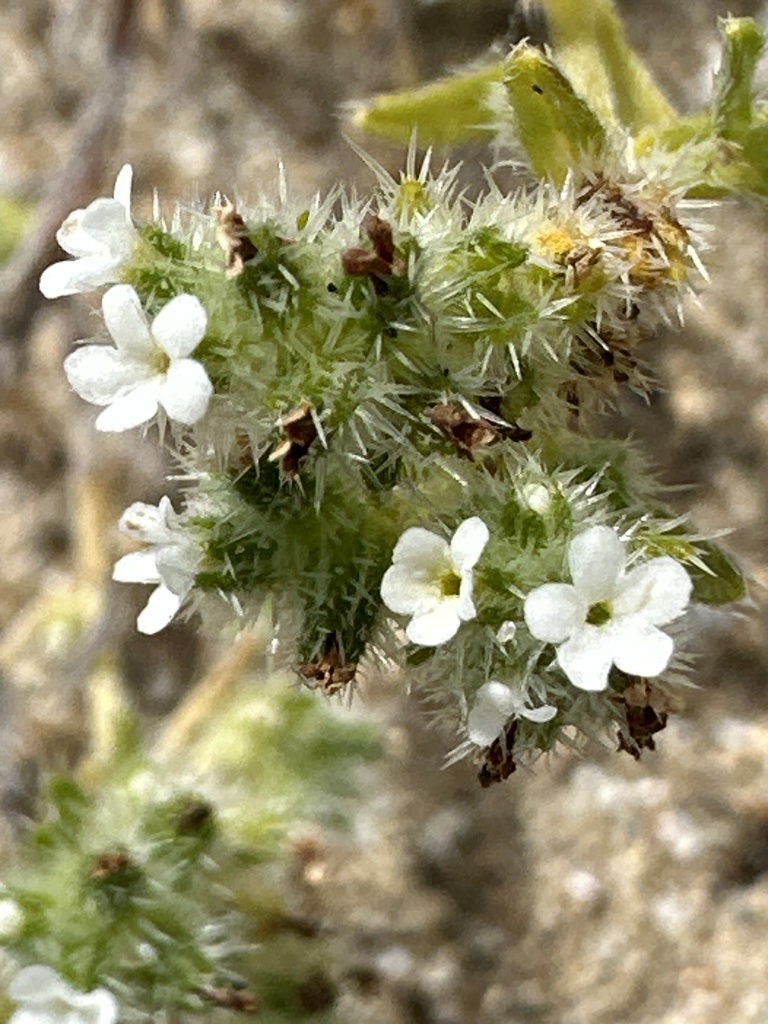
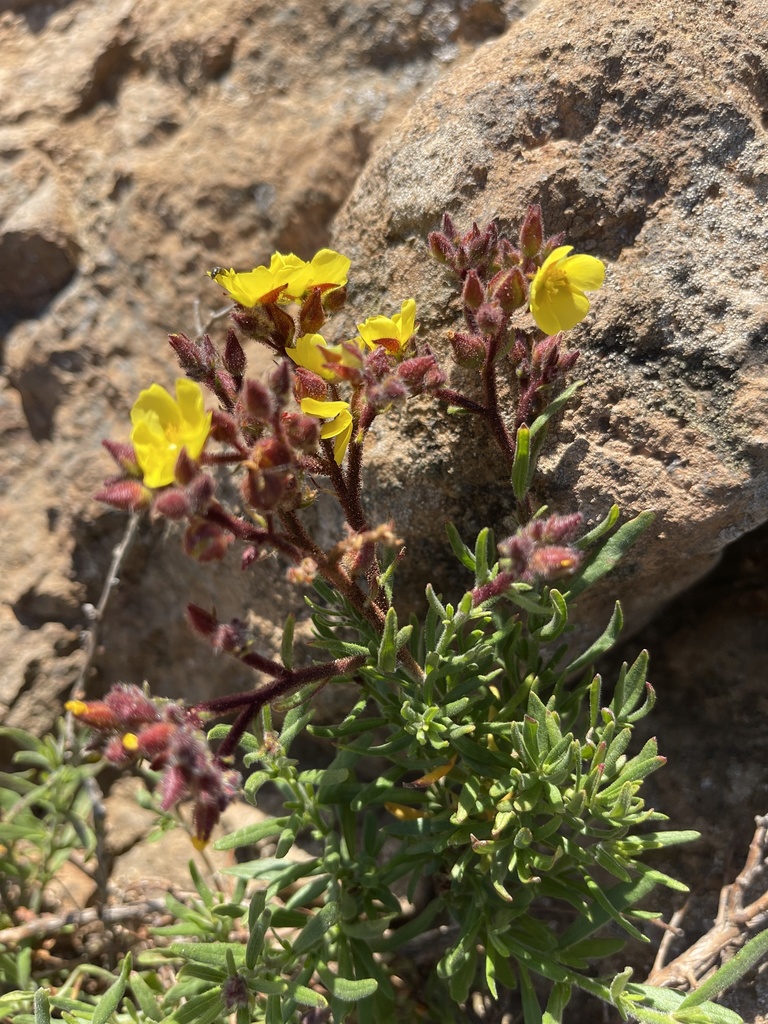

ALT Fig. 2 Comparative morphology for Malacothrix indecora and M. squalida. A, Malacothrix indecora habit. B, M. indecora mustard yellow ligulate head and green-purple phyllaries. C, M. indecora narrowly elliptic and dark brown cypsela. D, M. indecora leaf outline (from Davis 1997, used with permission from California Botanical Society), note the obtuse leaf lobes. E, Malacothrix squalida habit, phyllaries with distinctly translucent margins and purple-green midstripe. F, M. squalida light yellow ligulate head. G, M. squalida narrowly oblong cypsela. H, M. squalida leaf outline (from Davis 1997, used with permission from California Botanical Society), note acute leaf tips.
ALT Credit: Kyle Nessen CC0 1.0 https://creativecommons.org/publicdomain/zero/1.0/
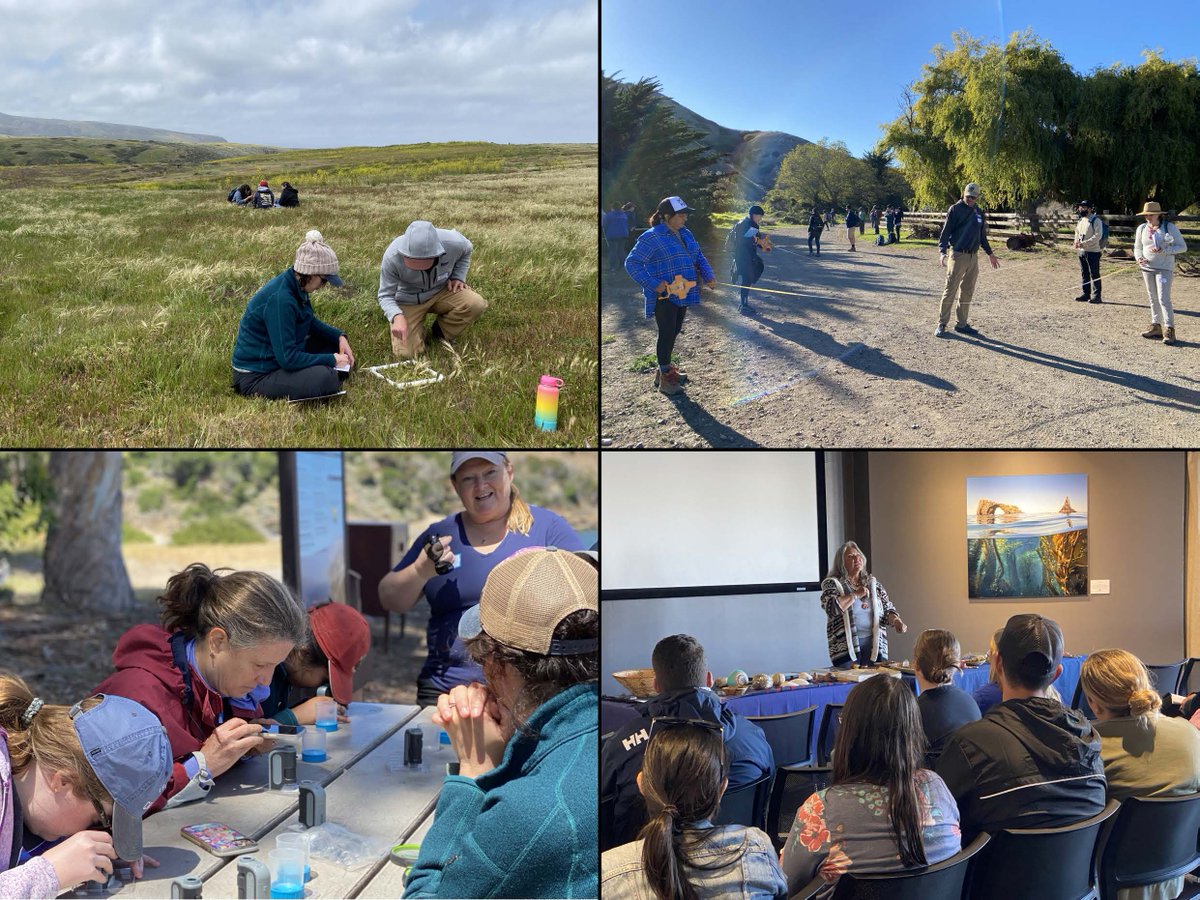
ALT Fig. 1 Oxnard teachers participate in trainings about biodiversity and human impacts on the Channel Islands. A, Teachers using quadrats to take a “micro-hike” to investigate biodiversity at Cavern Point, Santa Cruz Island. B, Teachers practicing actual monitoring protocols for measuring human impacts on the environment (NOAA Marine Debris Survey) with Russ Bradley (scientist, Santa Rosa Island Research Station) at Scorpion Ranch, Santa Cruz Island. C, Dr. Clare Steele (CSUCI) teaching how to identify microplastics in water samples at the picnic tables at Prisoners Harbor, Santa Cruz Island. D, Julie Tumamait-Stenslie, a Chumash Elder and Island Descendant, discussing Chumash heritage and ethno botany. Photos by S. Raskin.
ALT Credit: u_phantasticus CC BY-NC 4.0 https://creativecommons.org/licenses/by-nc/4.0/ No changes were made
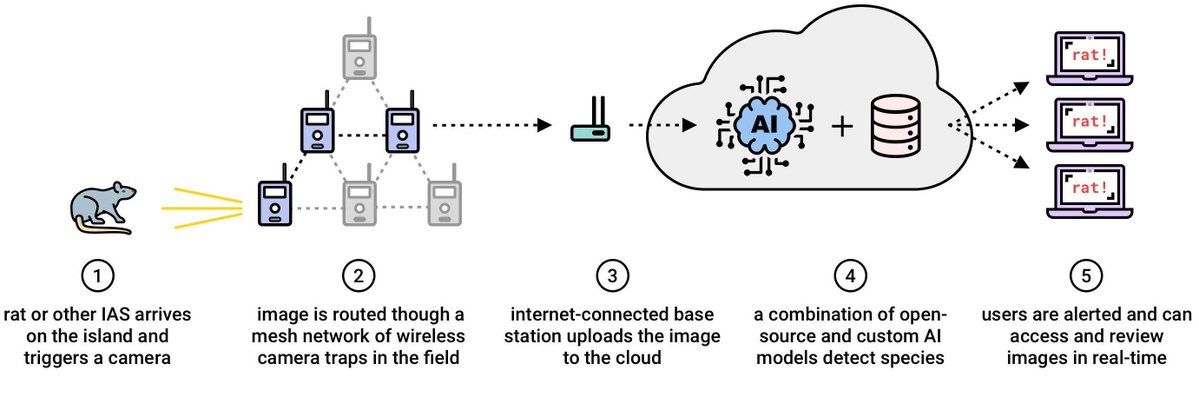
ALT Fig. 1 Diagram illustrating the process by which images of invasive alien species (IAS) are relayed in real time to the cloud and reviewed by AI.
ALT Credit: Matt Guilliams CC By-Nc 4.0 https://creativecommons.org/licenses/by-nc/4.0/ No changes were made
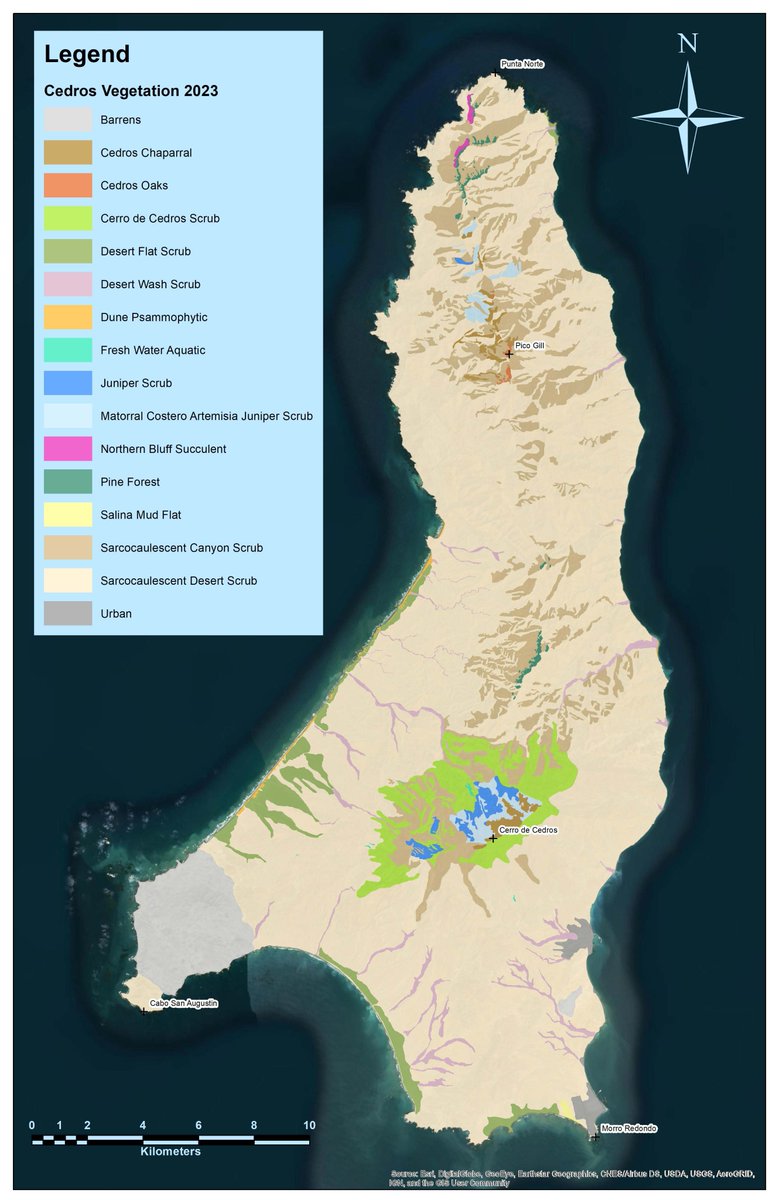
ALT Fig. 1 Vegetation map of Cedros Island 2023.
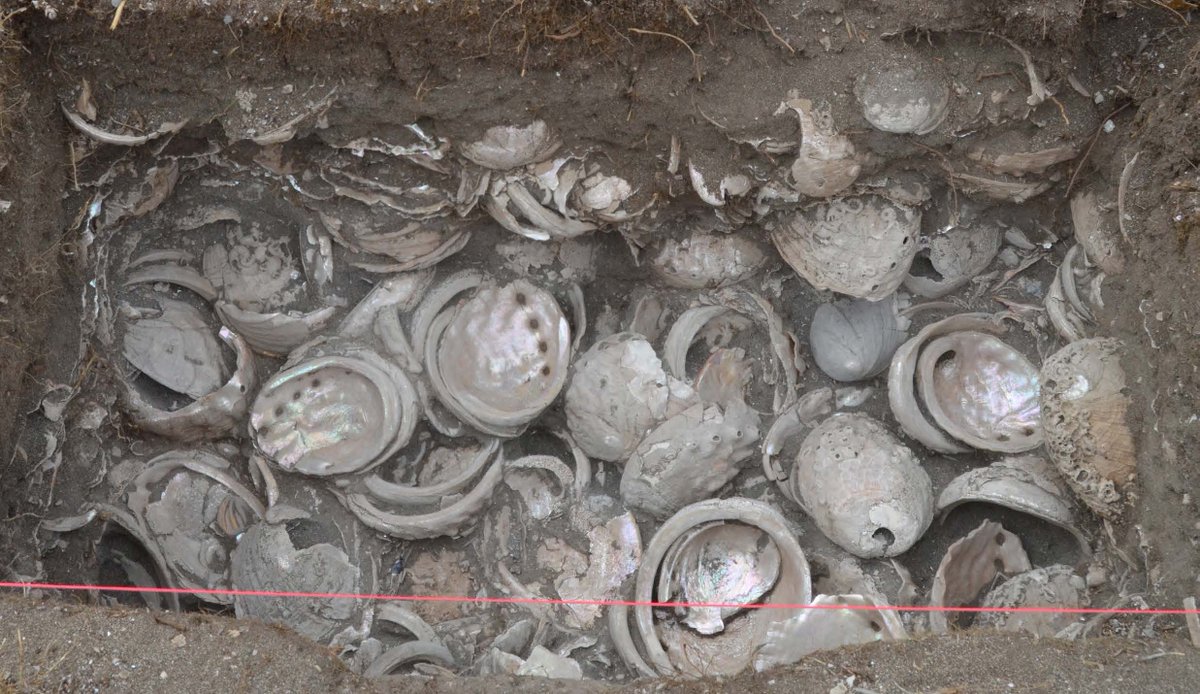
ALT Fig. 3 Red abalone lens in Unit A-1, 80–90 cm below datum at CA-SCRI-333.
ALT Credit: alexhikes CC BY-NC 4.0 https://creativecommons.org/licenses/by-nc/4.0/ No changes were made
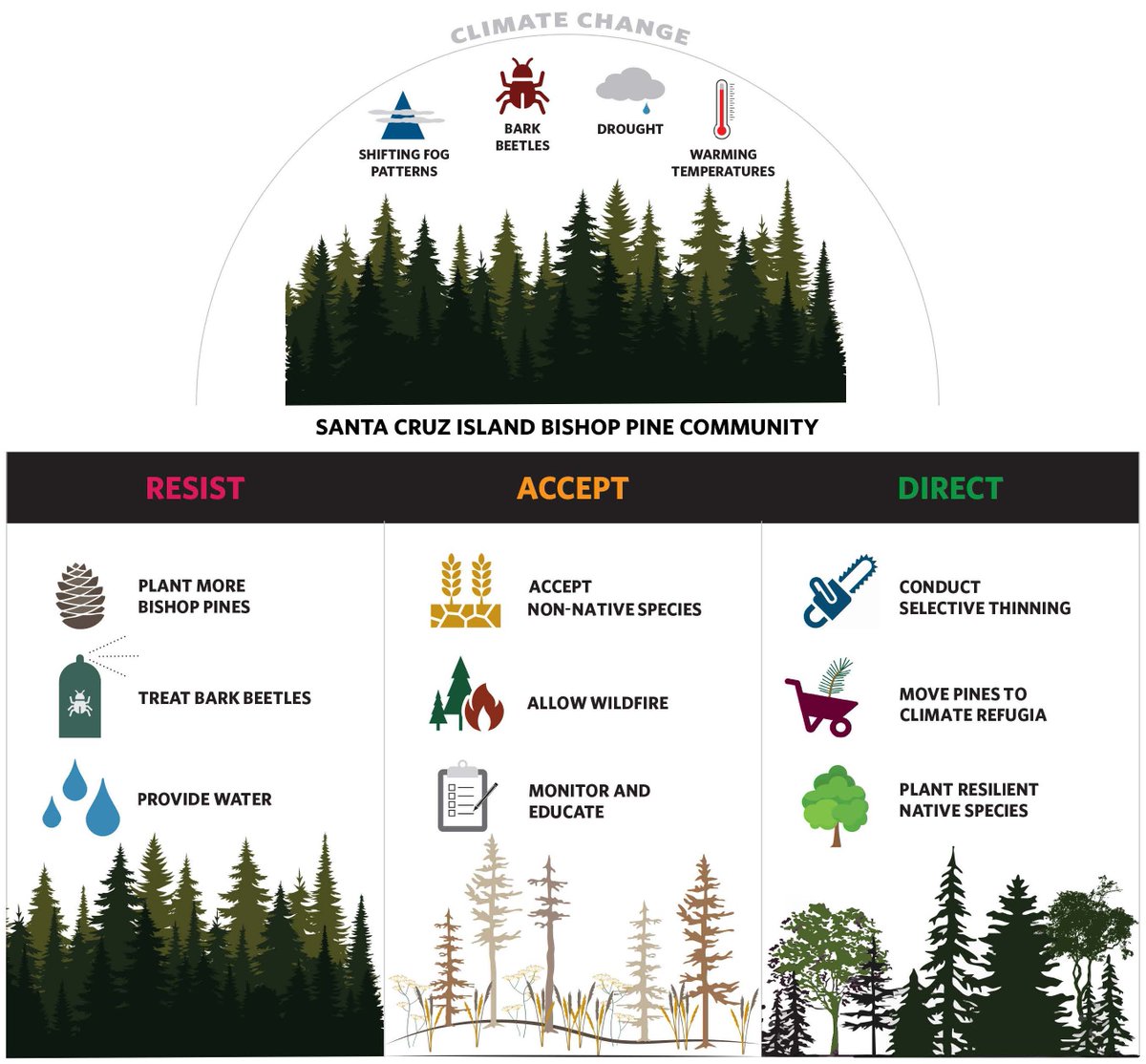
ALT Fig. 3 A diagram illustrating management options discussed by the “Oaks and Pines” breakout group, using the Santa Cruz Bishop Pine Community as an example. Shifting fog patterns deliver reduced summer moisture, while extended heat and drought stress create conditions for pathogens like bark beetles to thrive. Participants explored the decision-making space available to managers in this scenario, from “Resisting” the trajectory of change (replacing lost pines, treating beetles, and irrigating during drought) to “Accepting” the change (allowing wildfire and nonnative species encroachment, monitoring and educating island users), to “Directing” the change (encouraging community shift to mixed chaparral with selective thinning and planting of resilient shrubs, translocating pines to enduring climate refugia).
ALT Credit: Tom Elliott CC BY-NC 4.0 https://creativecommons.org/licenses/by-nc/4.0/ No changes were made
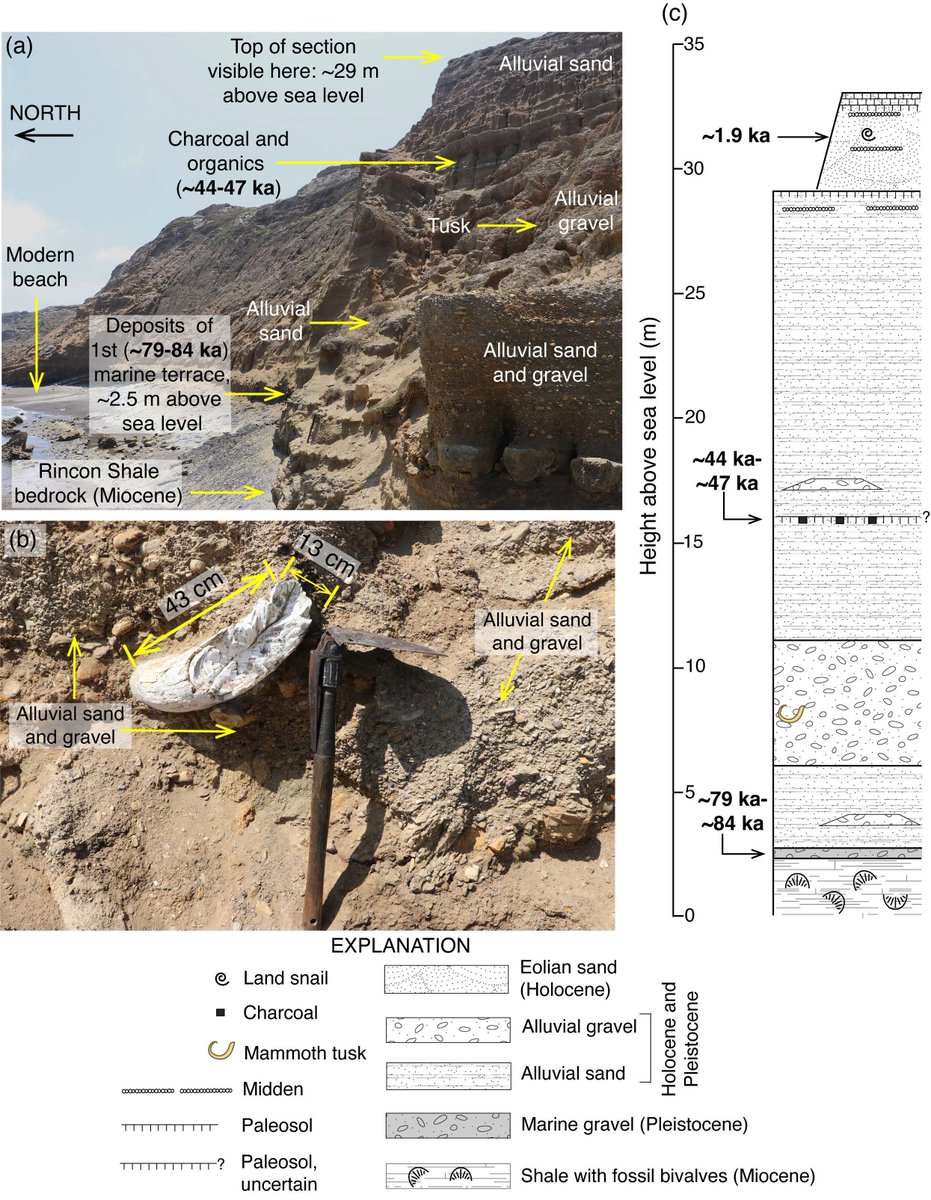
ALT Fig. 10 Photograph of Mammuthus tusk exposed at locality SRI-901, near the mouth of Arlington Canyon (Figs. 3, 4): a, tusk location and its relation to marine (Qty) and overlying terrestrial (Qac) deposits; b, detail of tusk protruding from alluvial deposits; c, radiocarbon ages from alluvial and eolian deposits from Table 1 (samples SRI-906, 902, 903). Uranium-series ages of corals from marine terrace deposits (~80 ka) are from Muhs et al. (2015). Photographs by D.R. Muhs.
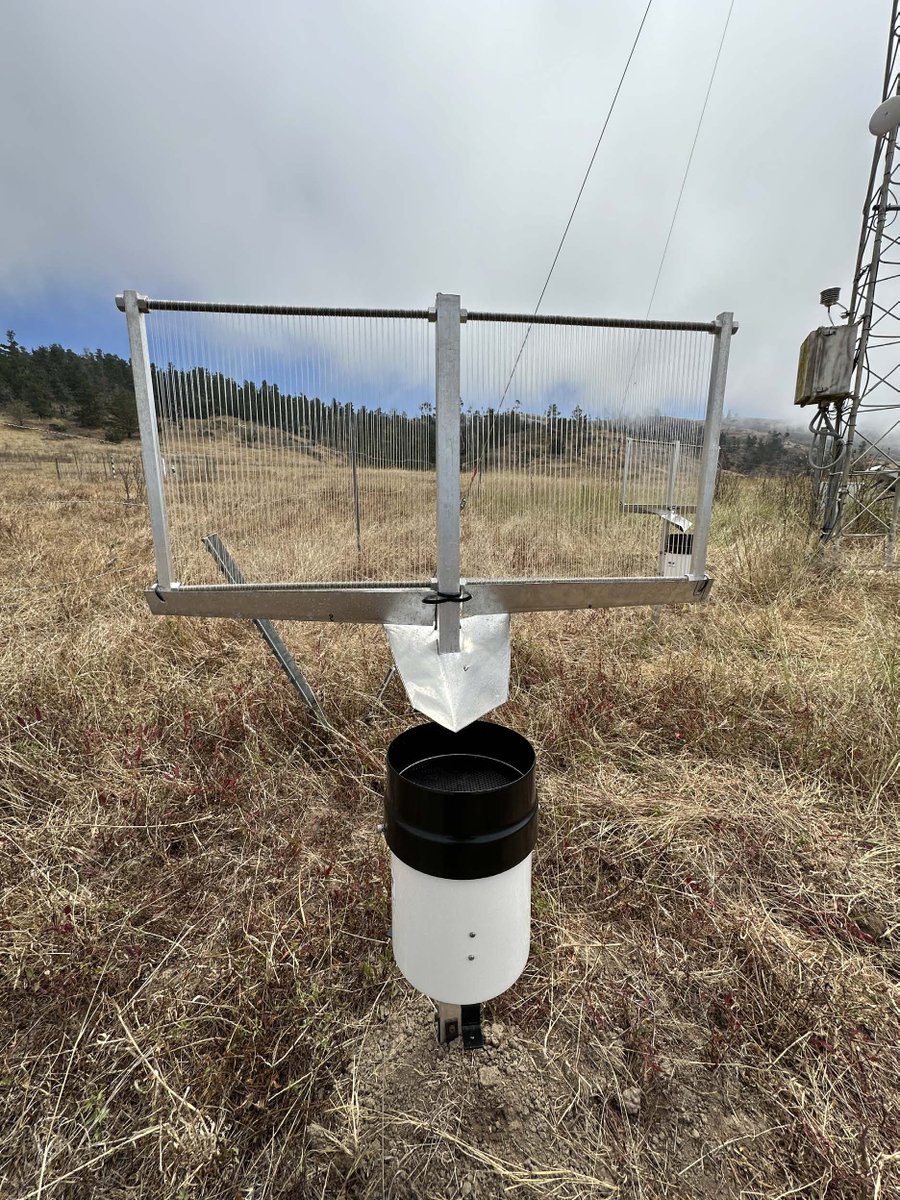
ALT Fig. 2 Both fog collectors deployed near the weather station at Kenneth S. Norris Rancho Marino Reserve, San Luis Obispo, County, California.