We are a veteran-owned small-batch specialty coffee roaster with the mission to empower coffee beans to be the best version of themselves.
Joined November 2021
- Tweets 121
- Following 113
- Followers 55
- Likes 447
82 Photos and videos
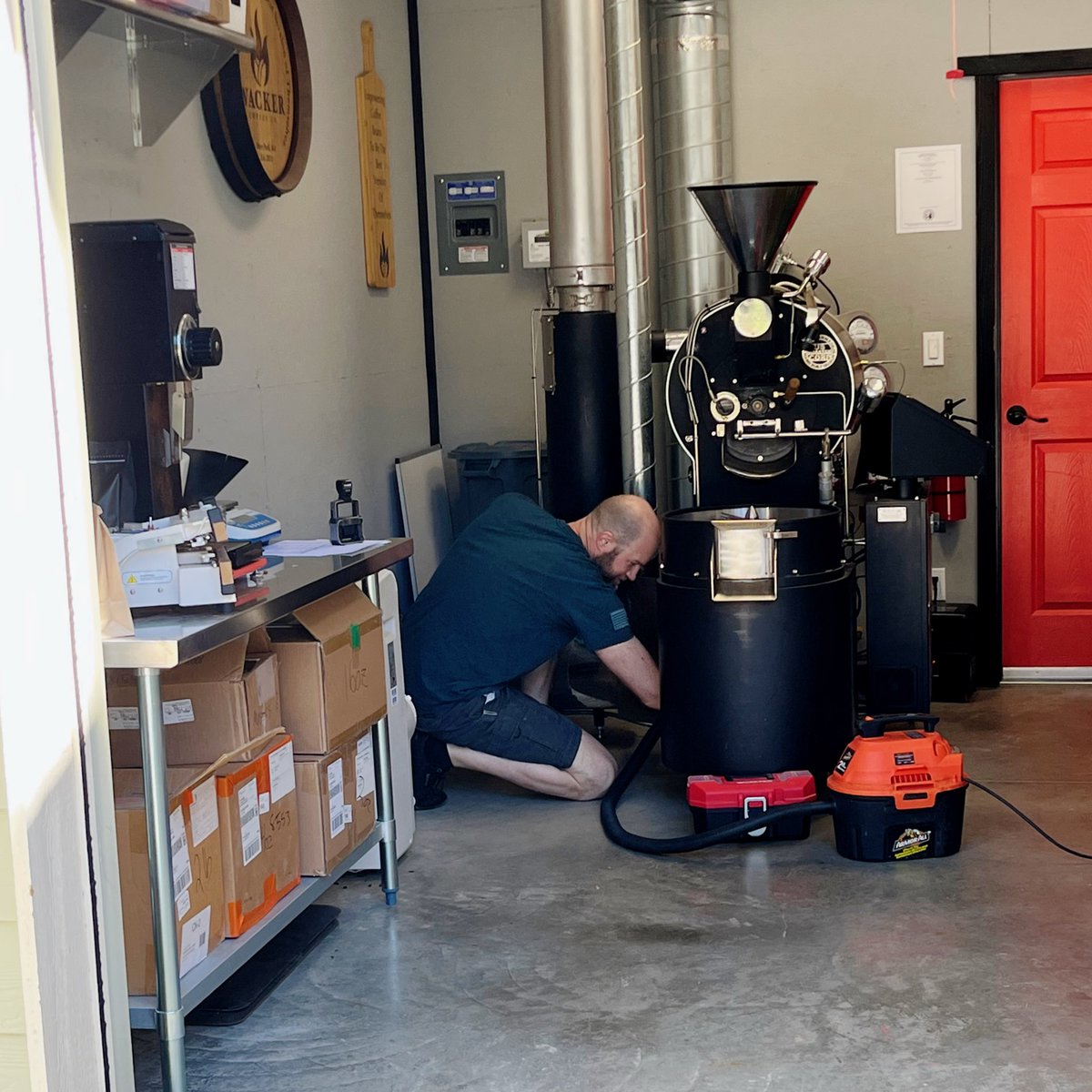
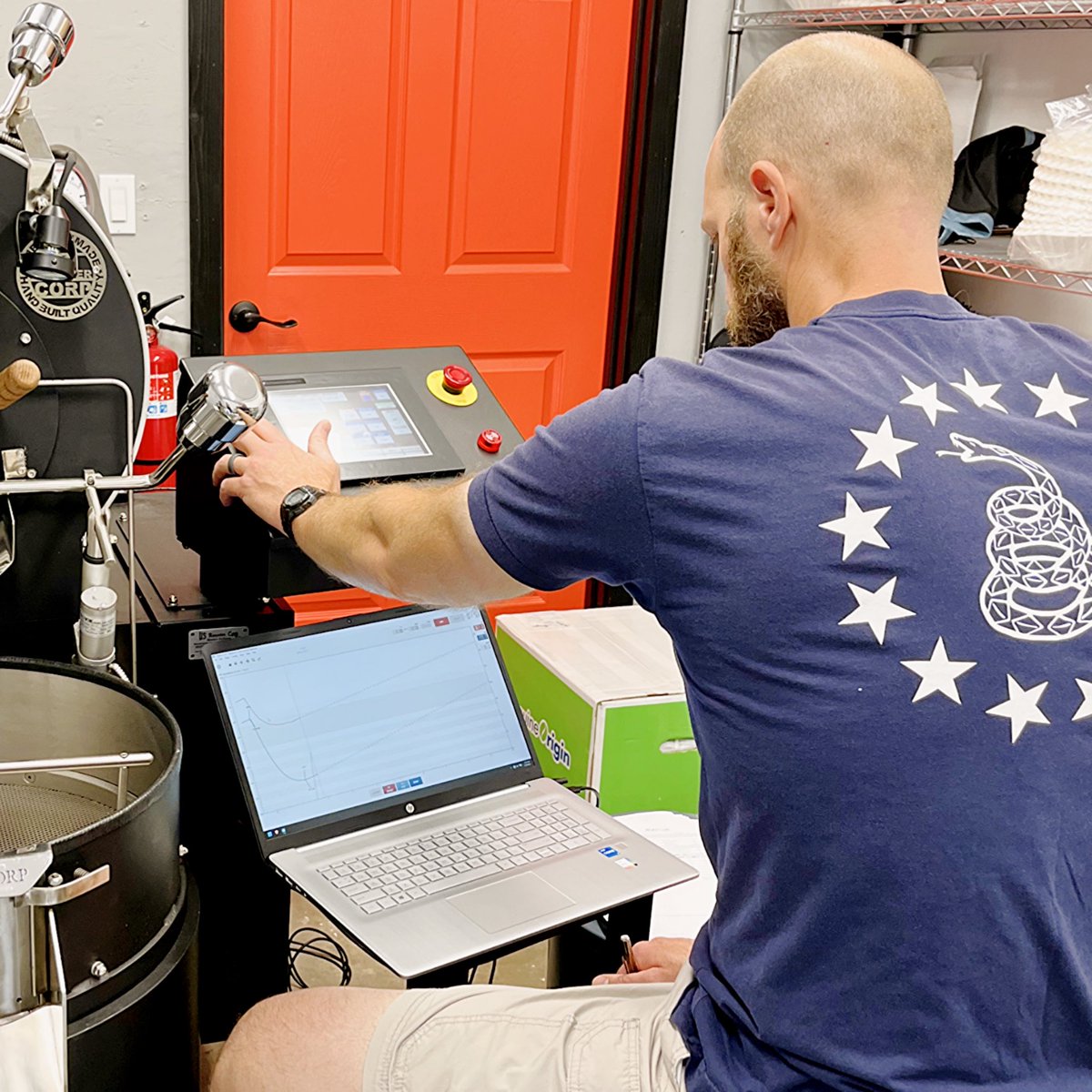
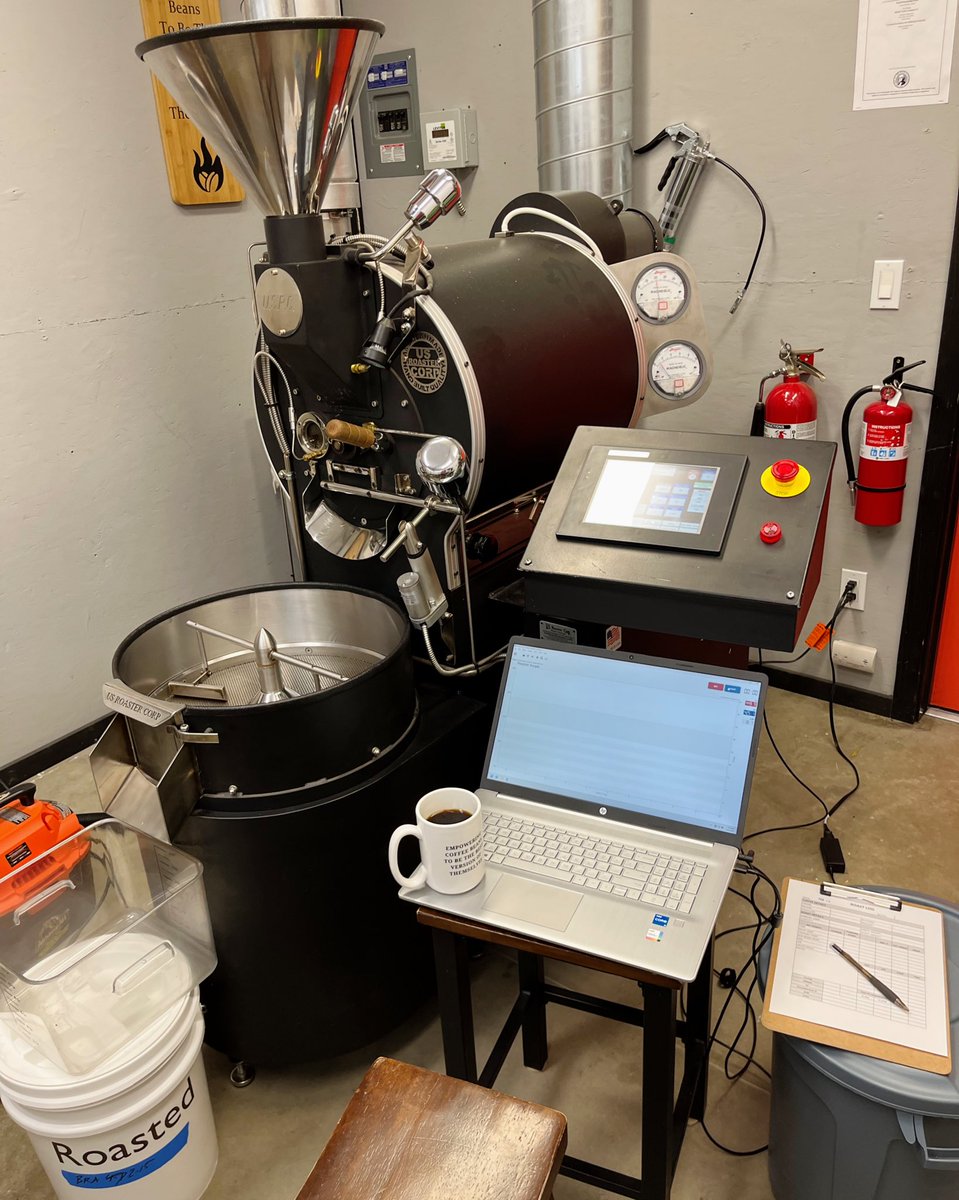
Quarterly TLC for LaFawnduh ☀️
Couldn’t pass up this sunny PNW day—garage door open, tools out, giving her the care she deserves.
Nothing better than a little maintenance in the sunshine!
#WackerCoffeeCo #LaFawnduh #CoffeeRoasting #pnw
42
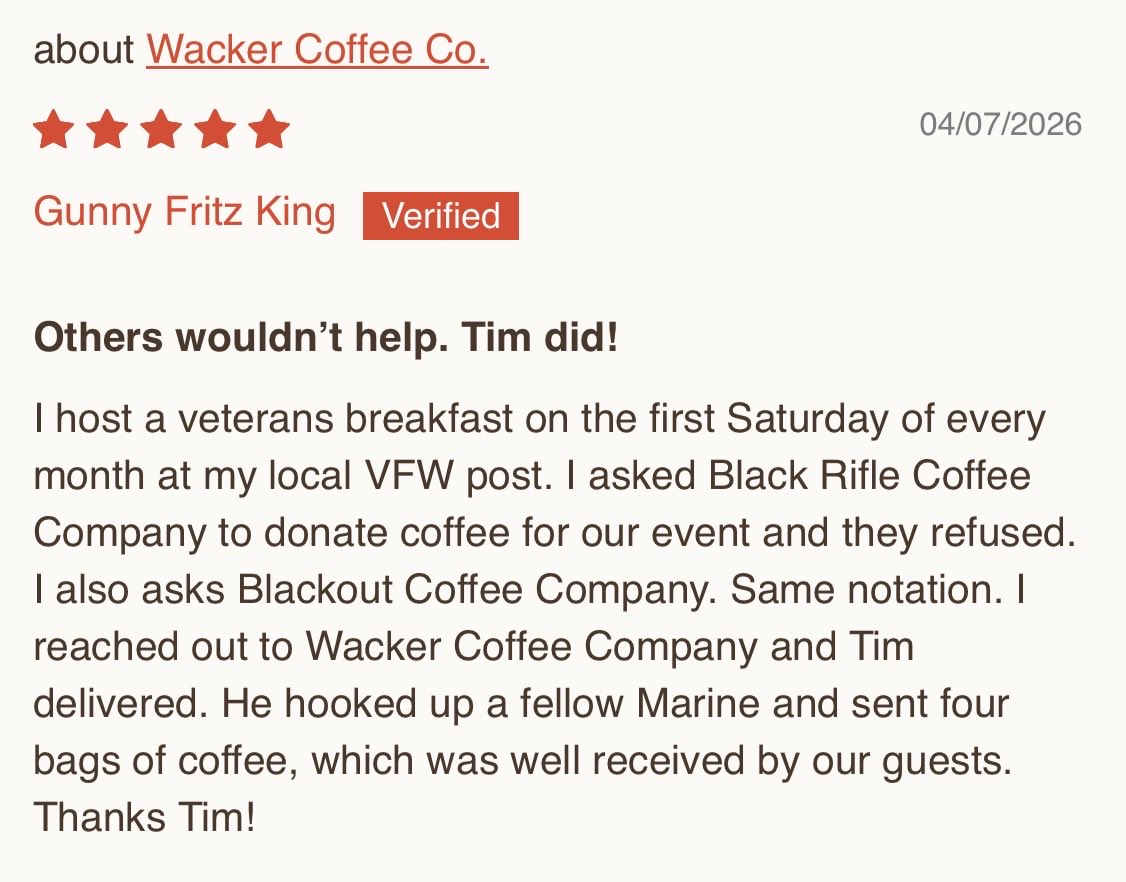
We may be a nano-sized company compared to the larger players in the industry, but that does not mean we cannot support the veteran community.
When Gunny Fritz King reached out about the monthly veterans breakfast at his local VFW post in Connecticut, we stepped up where the bigger companies would not—because supporting those who have served is never optional for us.
We are proud to play a small part in something that truly matters. 🇺🇸
Semper Fi
#VeteranOwned #SupportOurVeterans #VFW #VeteransBreakfast #CoffeeWithPurpose #VeteranCommunity #SemperFi #VeteranOwnedBusiness
24
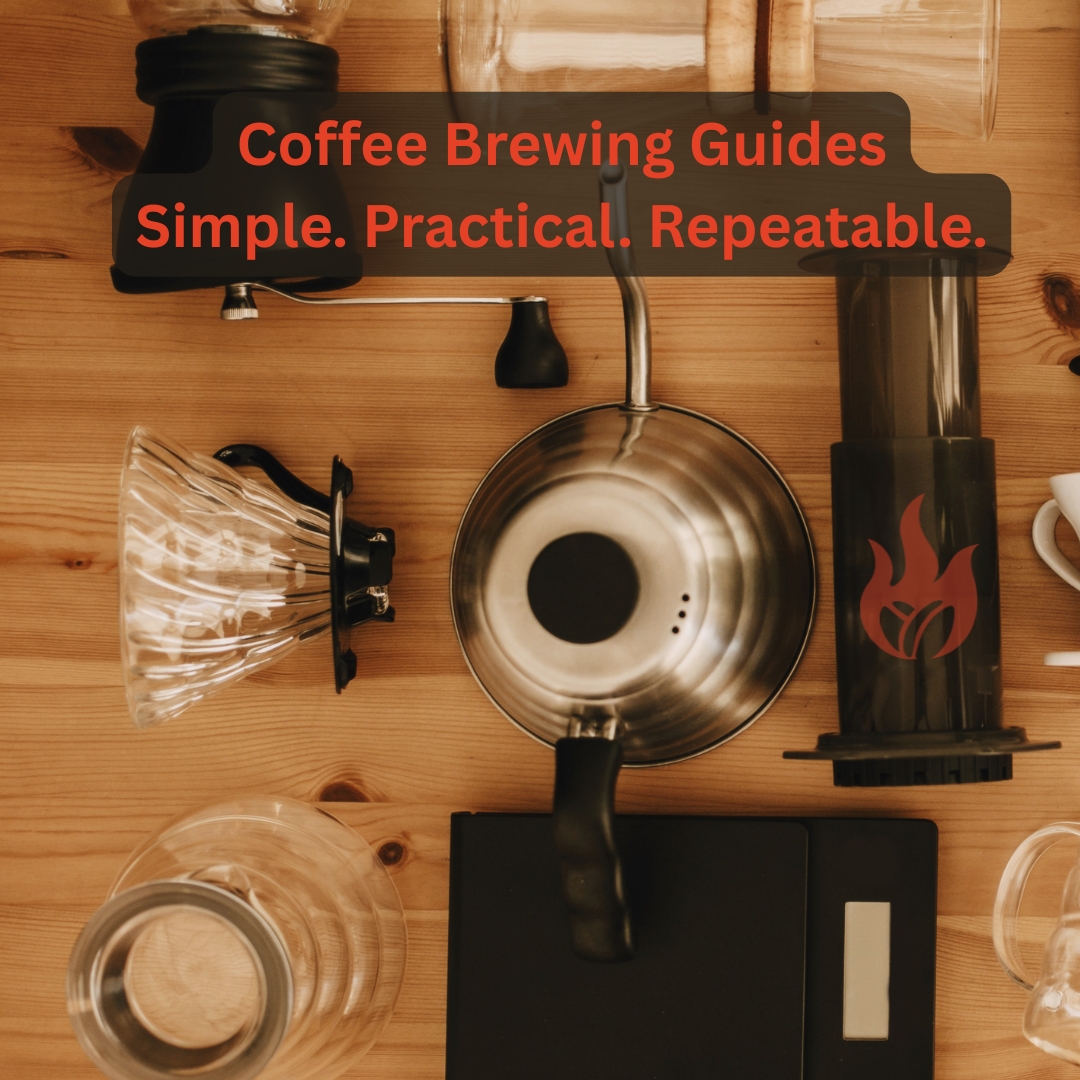
Just dropped: Simple Coffee Brewing Guides!
No complicated rituals — just practical, repeatable recipes for French Press, V60, AeroPress, Chemex, drip, and more.
Guides cover ratios, grind size, steps, and troubleshooting tips to dial in your brew.
Whether you use a French Press, V60, AeroPress, Chemex, or drip machine, each guide covers grind size, coffee-to-water ratio, brewing steps, and troubleshooting.
Check them out here:
wackercoffeeco.com/pages/cof…
How do you brew at home? Share your favorite method below, or let me know which guide you'd like to see added!
Cheers,
Tim
#WackerCoffee #CoffeeBrewing #PourOver #FrenchPress #AeroPress #HomeBrewing #CoffeeTips
1
2
83

Feb 25
Coffee has always been more than a transaction for us. It’s been about people, purpose, and the conversations that happen around a good cup.
That’s why we rebuilt wackercoffeeco.com from the ground up.
The new site tells more of the story behind the roast — who we are, why we source the way we do, and how every batch is crafted with intention. You’ll find the coffees you love, but now you’ll also see the mission, the process, and the community that makes them possible.
Veteran-owned. Small-batch roasted weekly in the Pacific Northwest. Coffee is meant to be shared.
Take a look around and let us know what you think.
👉 wackercoffeeco.com
#WackerCoffeeCo #SpecialtyCoffee #RoastedWithPurpose #CoffeeCommunity
52
Wacker Coffee Co. retweeted

Jan 12
Please listen with an open mind to this podcast from @BryanDeanWright as he presents facts about Renee Good and her actions as well as the part she played in the much larger plan for our country. podcasts.apple.com/us/podcas…
1
7
28
1,632
24 Aug 2025
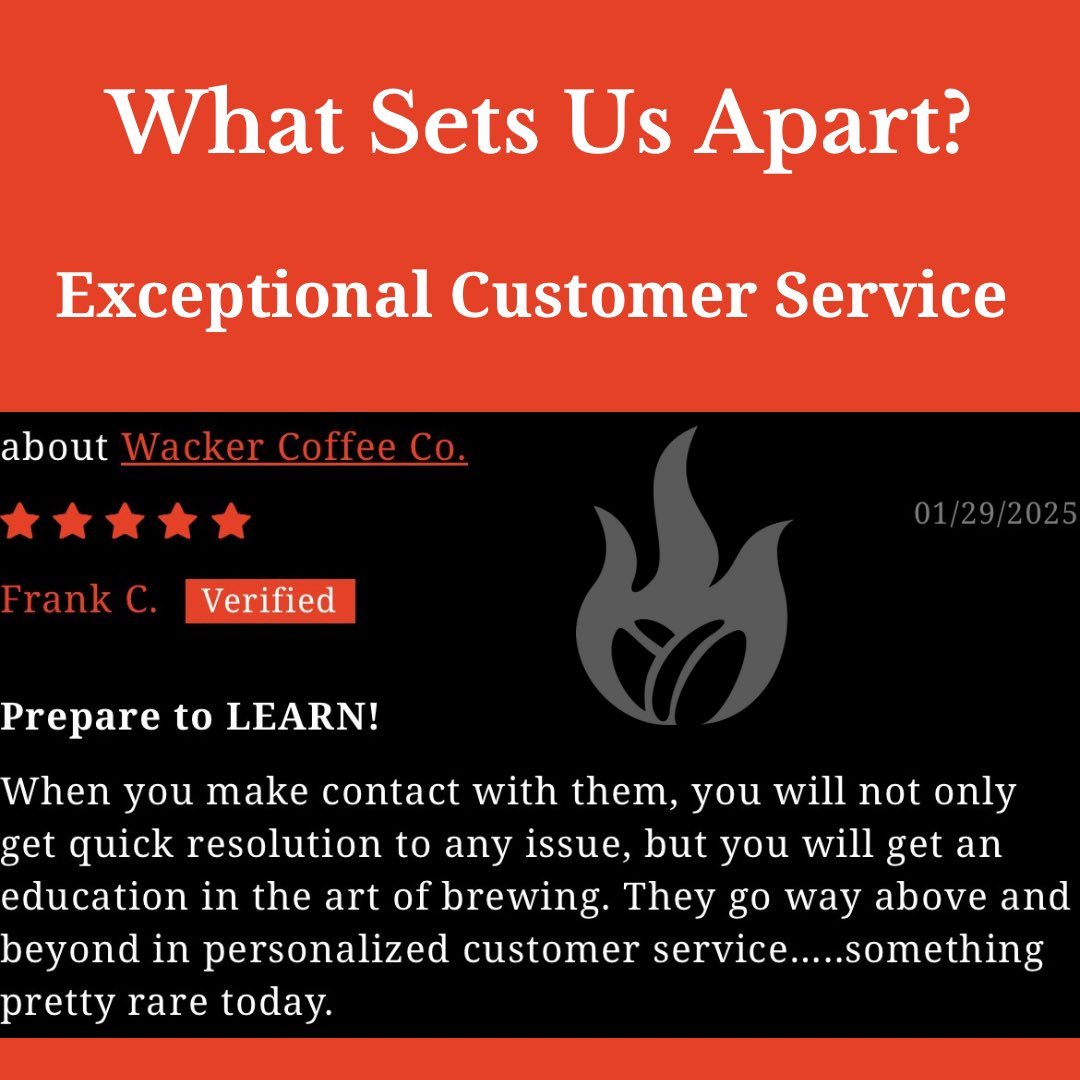
We don’t just roast exceptional coffee - we roast the competition with our killer customer service! But don’t just take our word for it - see what our happy customers are buzzing about!
3
78
12 Aug 2025
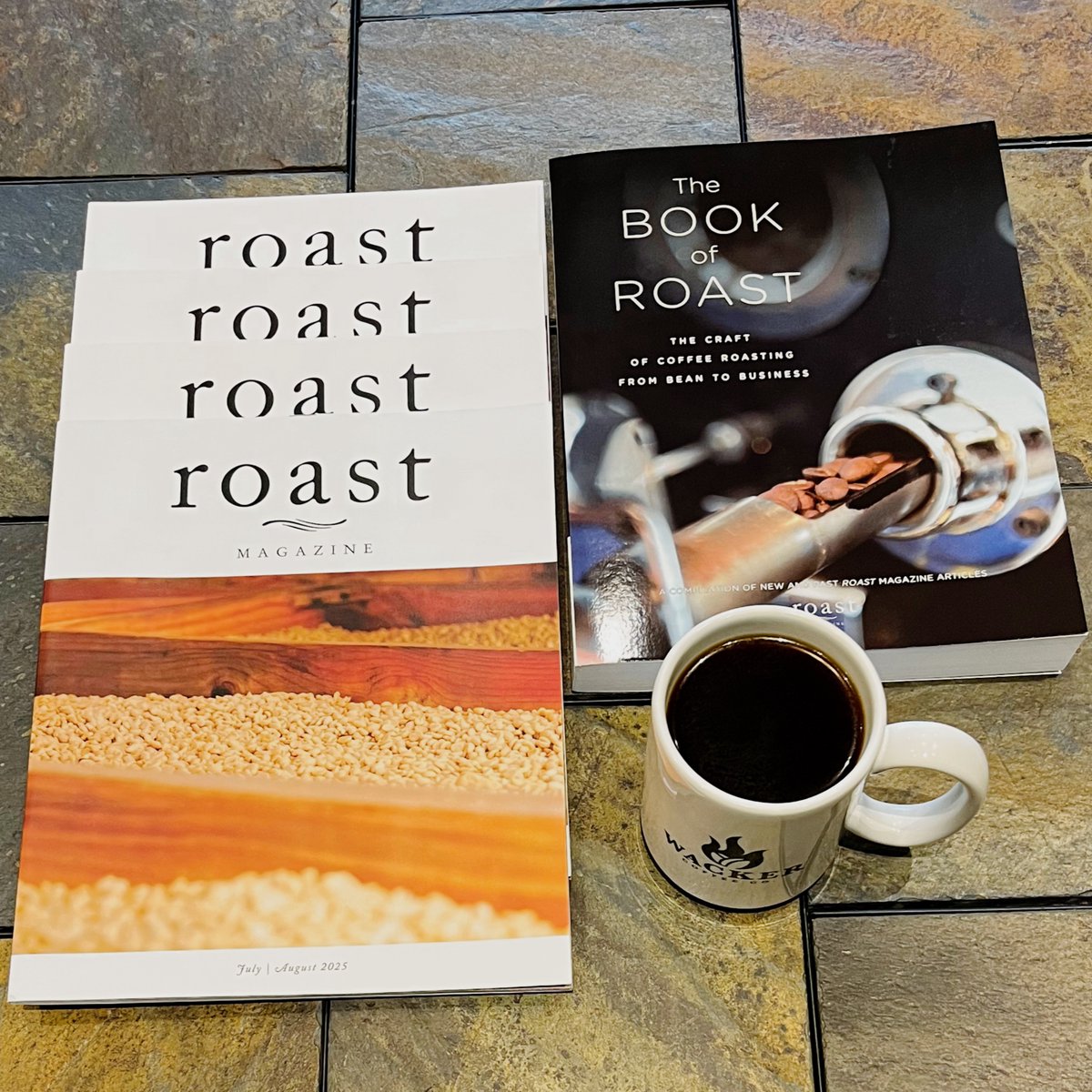
What's one of my favorite things about coffee? There’s always more to learn. Whether it’s roasting, brewing, sourcing, or geeking out over the science, there’s endless room to grow.
Just got my hands on The Book of Roast from @RoastMagazine and all their editions from this year, and I can’t wait to dive in. Here’s to gaining an even deeper understanding of this drink I love so much.
#CoffeeLovers #RoastMagazine #CoffeeEducation
1
1
4
71
8 Aug 2025
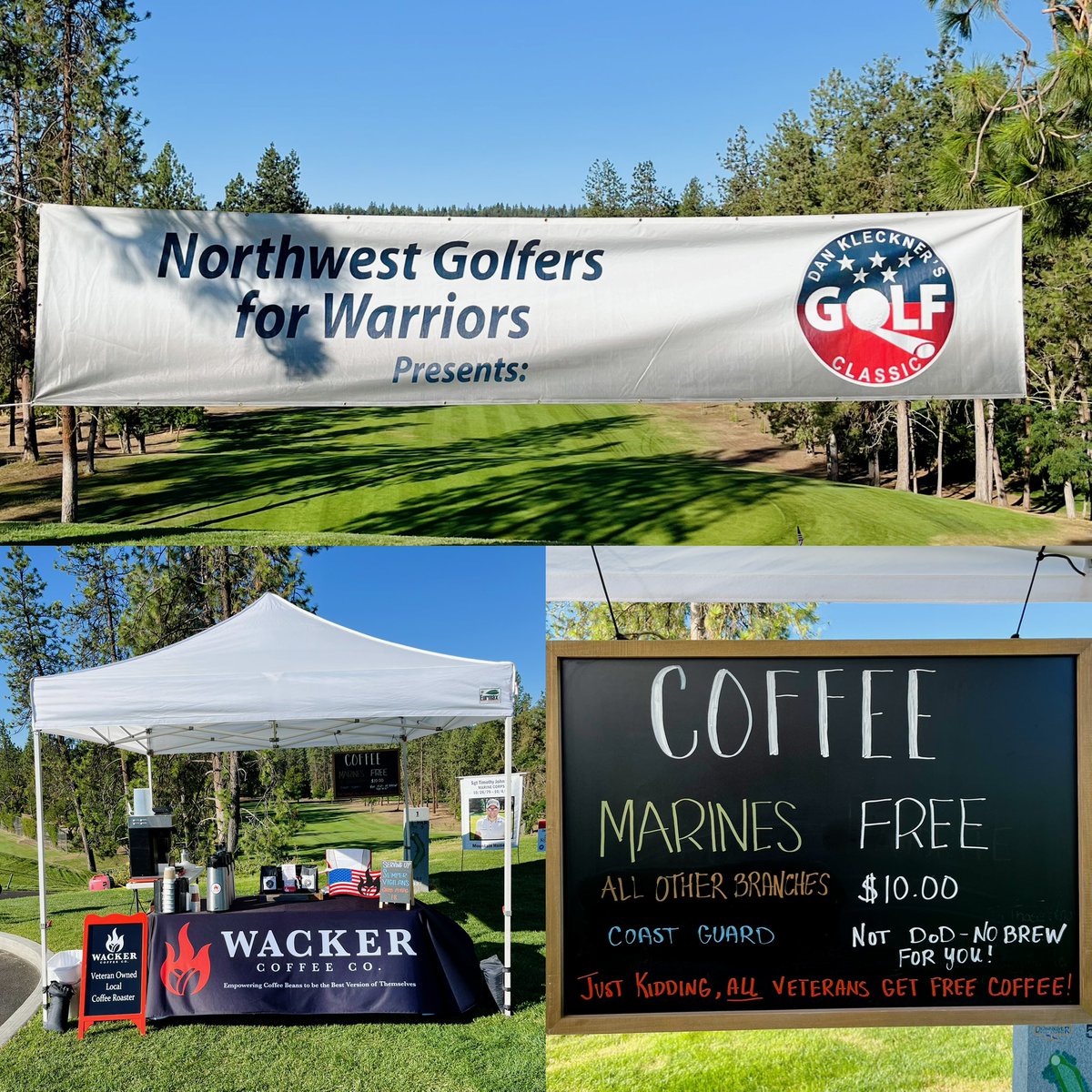
We’re back at the Northwest Golfers for Warriors! 🇺🇸 Loved connecting with our veterans last year, and we’re thrilled to be here again. Today’s not about profit—it’s about honoring and serving those who’ve served our great nation. We are brewing up our Semper Vigilans for these warriors.
#Veterans #GolfersForWarriors #SemperVigilans #VeteranCoffee #coffeeforveterans
37
2 Aug 2025
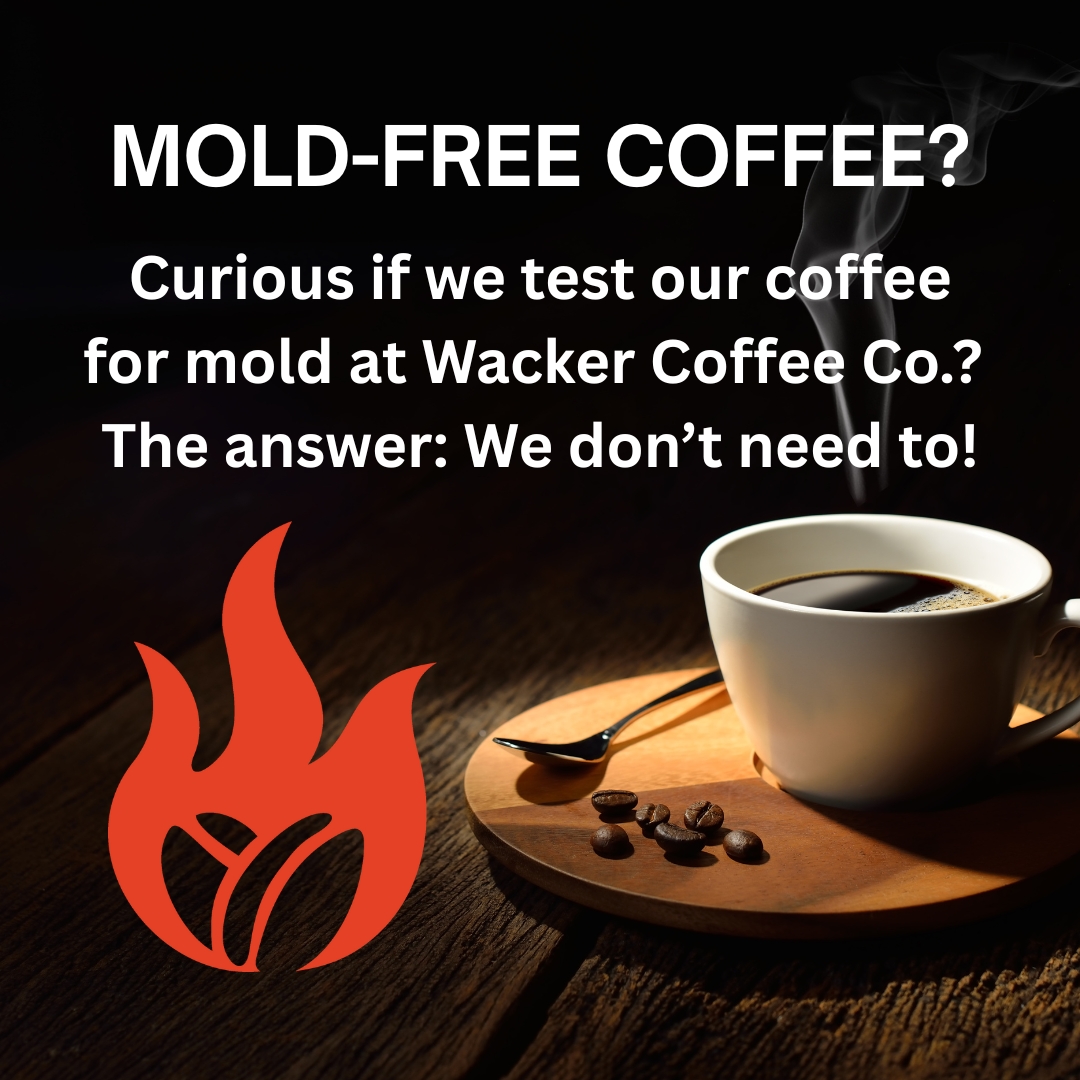
Ever wondered if we test our coffee for mold? The short answer: we don’t need to. At Wacker Coffee Co., we exclusively source specialty-grade coffee, which represents only the top 5-10% of coffee produced globally.
To earn the designation of specialty coffee, green coffee must meet rigorous standards, including zero Category 1 (Primary) defects in a 350-gram sample. Defects include full black beans, full sour beans, dried cherry/pod, fungus/mold-damaged beans, foreign matter, and severely insect-damaged beans.
Beyond physical inspection, coffee undergoes cupping, a sensory evaluation by certified Q Graders. They score the coffee on ten attributes on a 100-point scale. Specialty-grade coffee must score 80 or higher; at Wacker Coffee Co., we only purchase coffees scoring 84 or above. This ensures exceptional quality and flavor in every cup.
Some brands push “mold-free coffee” to scare health-conscious folks, but the truth is the specialty coffee industry has excluded mold for decades through robust standards.
Fun fact: foods like grains, nuts, and dried fruits often have higher mycotoxin levels than coffee, so diet matters more than singling out your morning brew.
Mold can appear in lower-grade coffees when farmers, underpaid and undervalued, have little incentive to ensure quality. In contrast, the specialty coffee industry rewards meticulous harvesting and processing of ripe cherries.
Our stringent sourcing practices and industry standards eliminate the need for mold testing, ensuring exceptional, trustworthy coffee from farm to cup.
Skip overpriced “mold-free” certified coffee. Choose high-quality, transparent brands like Wacker Coffee Co. for trustworthy, exceptional coffee.
1
2
52
19 Jul 2025
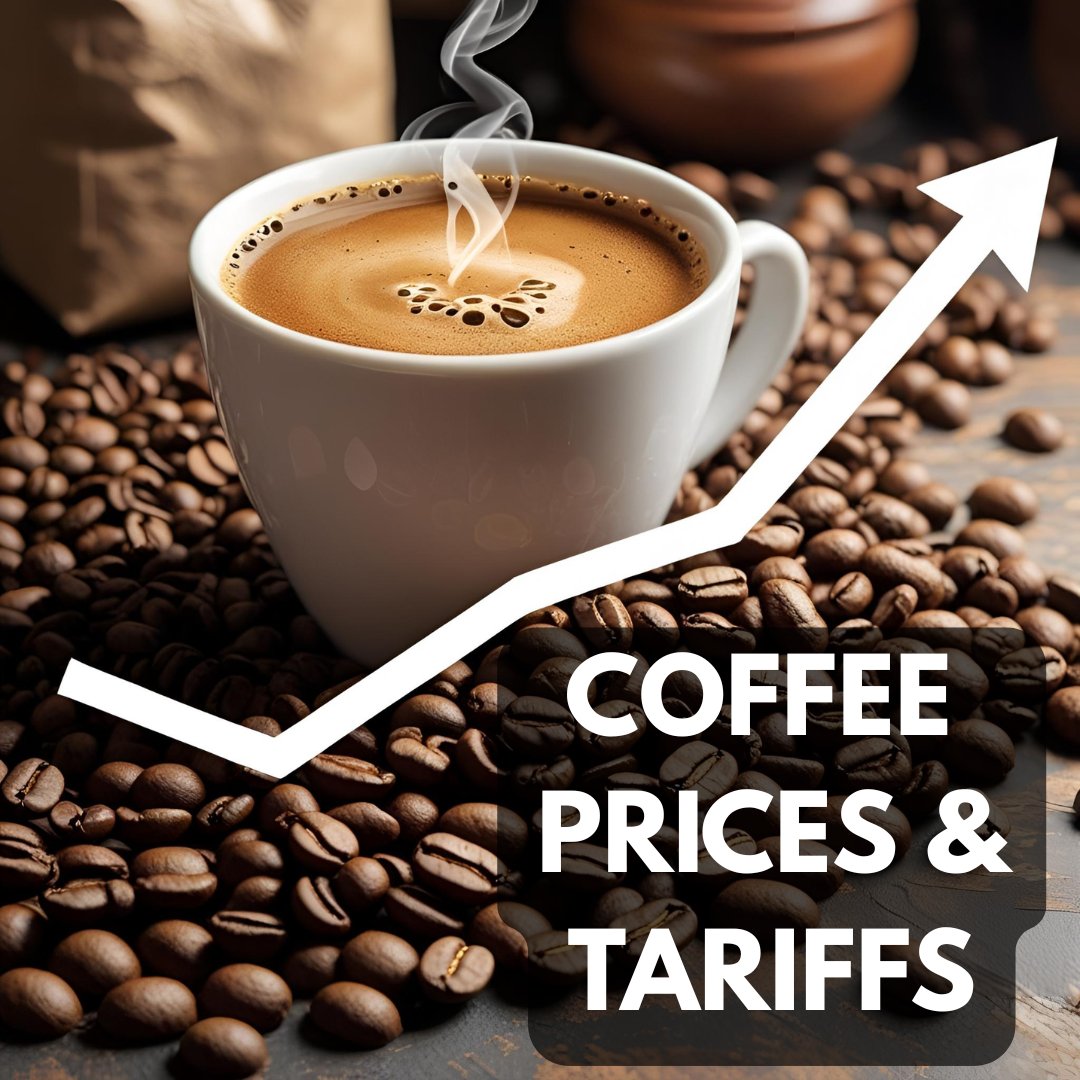
☕ Coffee prices are rising — here’s why:
• Higher farm costs (fuel, labor, fertilizer)
• Soaring global shipping since COVID
• Crop shortages in Brazil & Vietnam
• Market volatility & investor pressure
• A new 10% U.S. import tariff on green coffee
We won’t cut corners. We’ll continue to pay fair prices to farmers & offer quality coffee.
A deeper dive can be found here: wackercoffeeco.com/blogs/blo…
1
103
Wacker Coffee Co. retweeted

13 Jun 2025
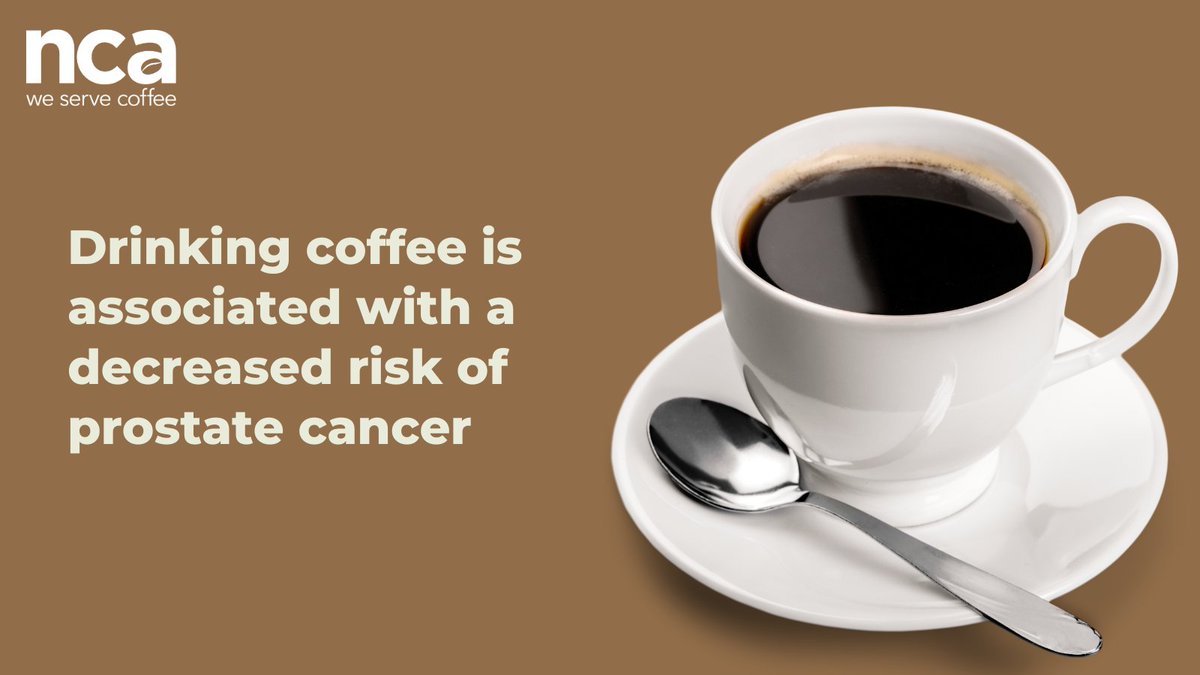
Drinking coffee is associated with a reduced risk of prostate cancer. Read more this #MensHealthWeek here: bmjopen.bmj.com/content/11/2…
1
2
3
334
5 Jun 2025
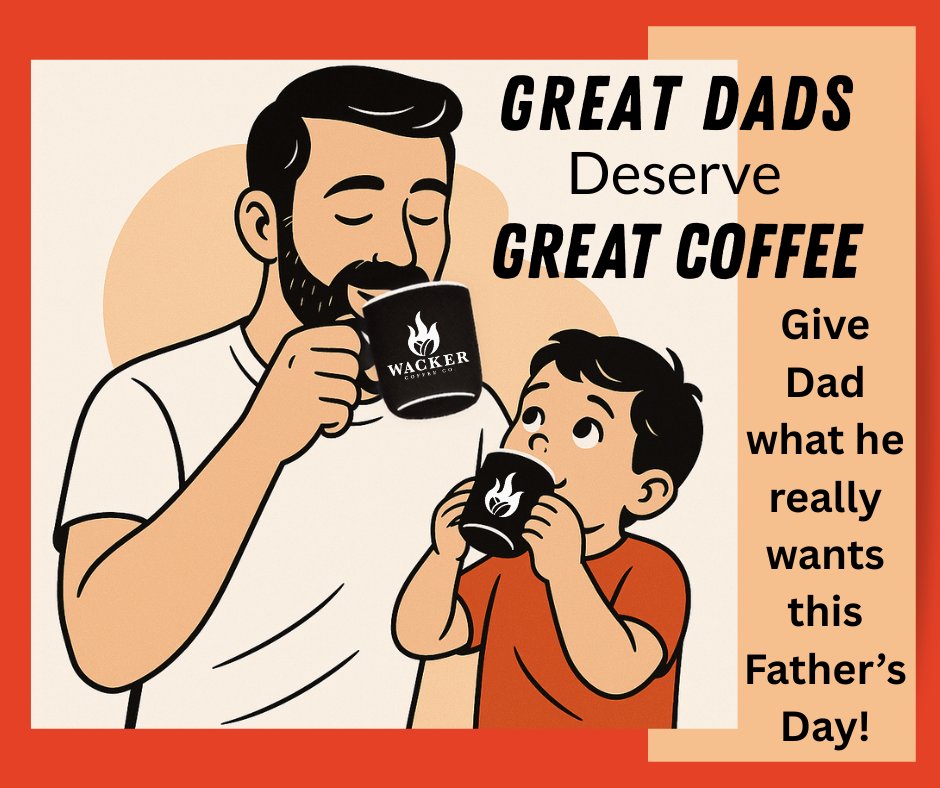
Give Dad What He Really Wants This Father's Day
Not socks. Not a necktie. Definitely not another grill spatula.
What does Dad actually want? A great cup of coffee... shared with his favorite kid (don’t worry, we won’t tell your siblings).
Order online by Saturday and we’ll ship Dad’s fresh-roasted coffee first thing Monday morning — because love (and caffeine) shouldn’t have to wait.
1
43
20 Mar 2025
We’re thrilled to join forces with a local non-profit that impacted our family over 14 years ago! Mark your calendars for April 1st—our latest coffee drop is coming, packed with bold flavors and a purpose. Every sip supports this incredible organization because coffee tastes better with a side of doing good.
1
39
25 Feb 2025
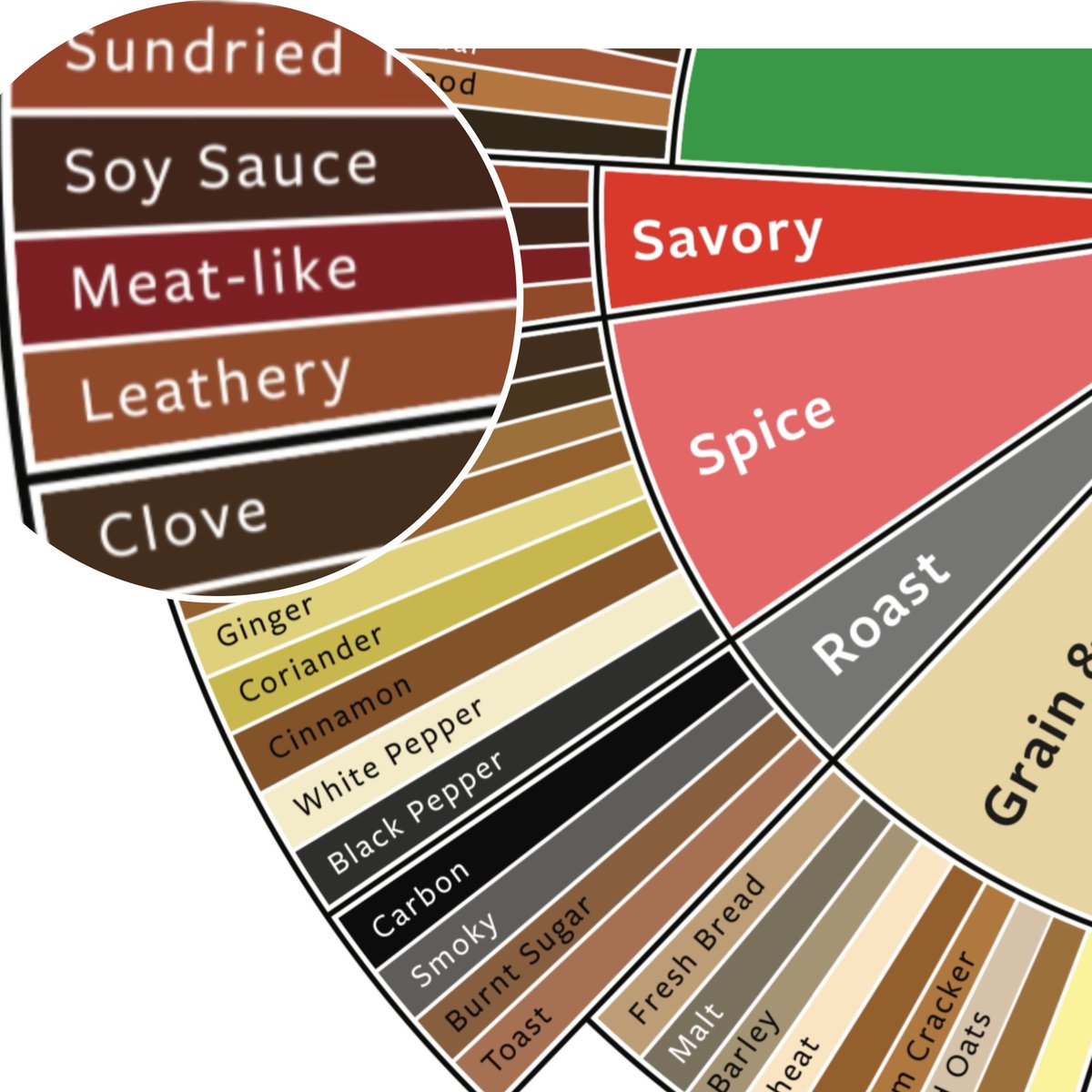
Hey all you carnivores out there - @SBakerMD. Did you know that coffee can have a “meat-like” flavor note? Now, I have never tasted this in a coffee and I’m not sure if I would want to, but if I do, I will let you guys know. Maybe that can be my niche - coffee for carnivores.
#carnivorediet #carnivore
35
15 Feb 2025
It’s roast time! LaFawnduh is warmed up, Al Green is playing and I’m sipping on our tasty Guatemala. Good times!
Have an awesome Saturday!
40
29 Jan 2025
When I first shared my idea of starting a coffee roasting company with my wife, her immediate and prudent question was, “What will make you stand out from all the other coffee companies?” She had a point: there’s no shortage of great coffee companies. Simply offering high-quality coffee wouldn’t be enough.
The answer? Our customer service.
We don’t just sell exceptional coffee; we create meaningful connections with our customers. We focus on building relationships, providing personalized service, and treating every customer how we want to be treated. Great coffee is just the beginning; the experience we offer truly sets us apart.
1
85
20 Jan 2025
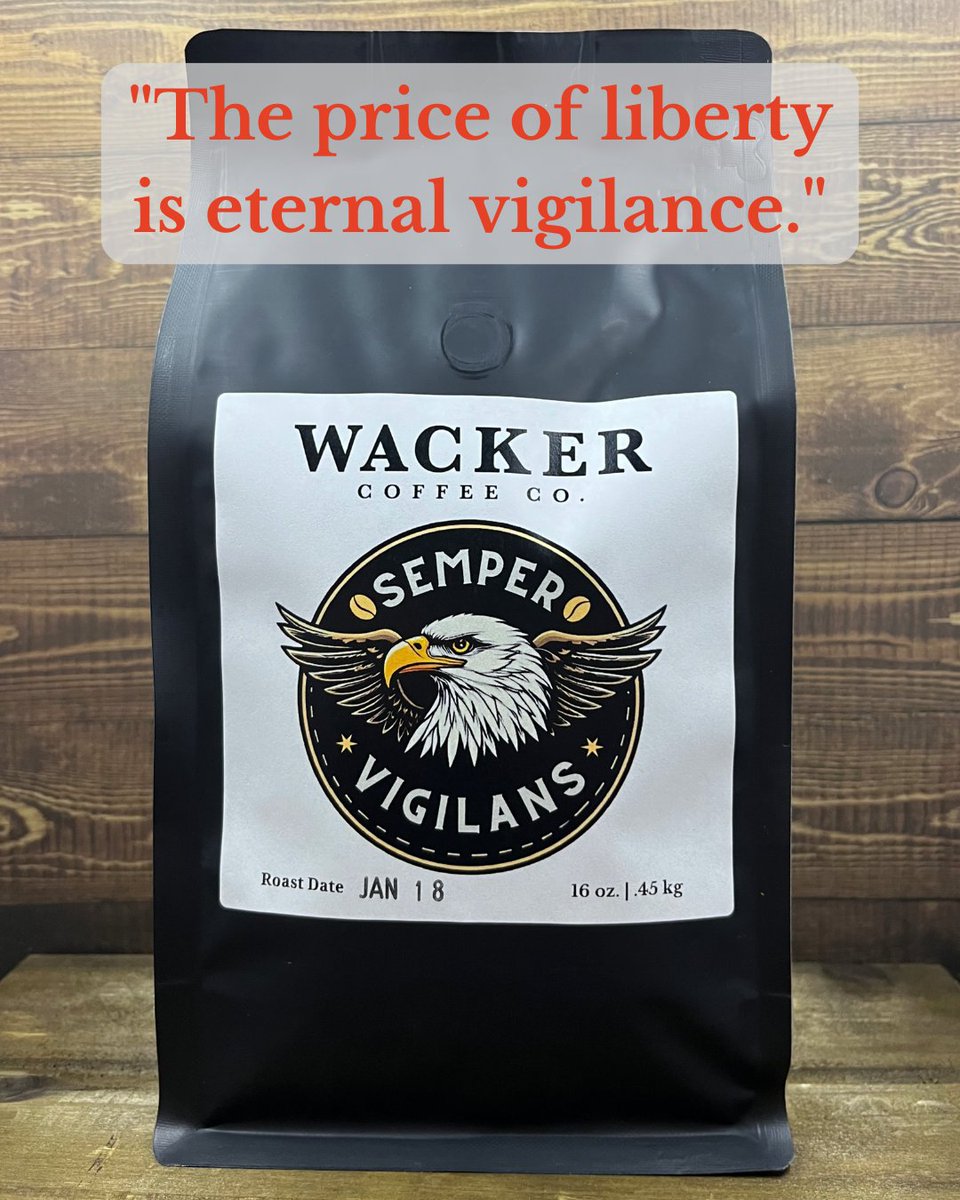
Letting your guard down when your guy is in the White House can be tempting. However, as the quote says, “The price of liberty is eternal vigilance.” This is the principle behind our coffee, Semper Vigilans. It serves as a reminder that safeguarding liberty requires constant vigilance and unwavering dedication. Liberty is not guaranteed or everlasting; it must be defended continuously. So, regardless of who is in power, from the federal level down to your local government, always be vigilant.
Stay vigilant, stay free, and stay caffeinated.
#POTUS47 #Inauguration2025
1
41
11 Jan 2025
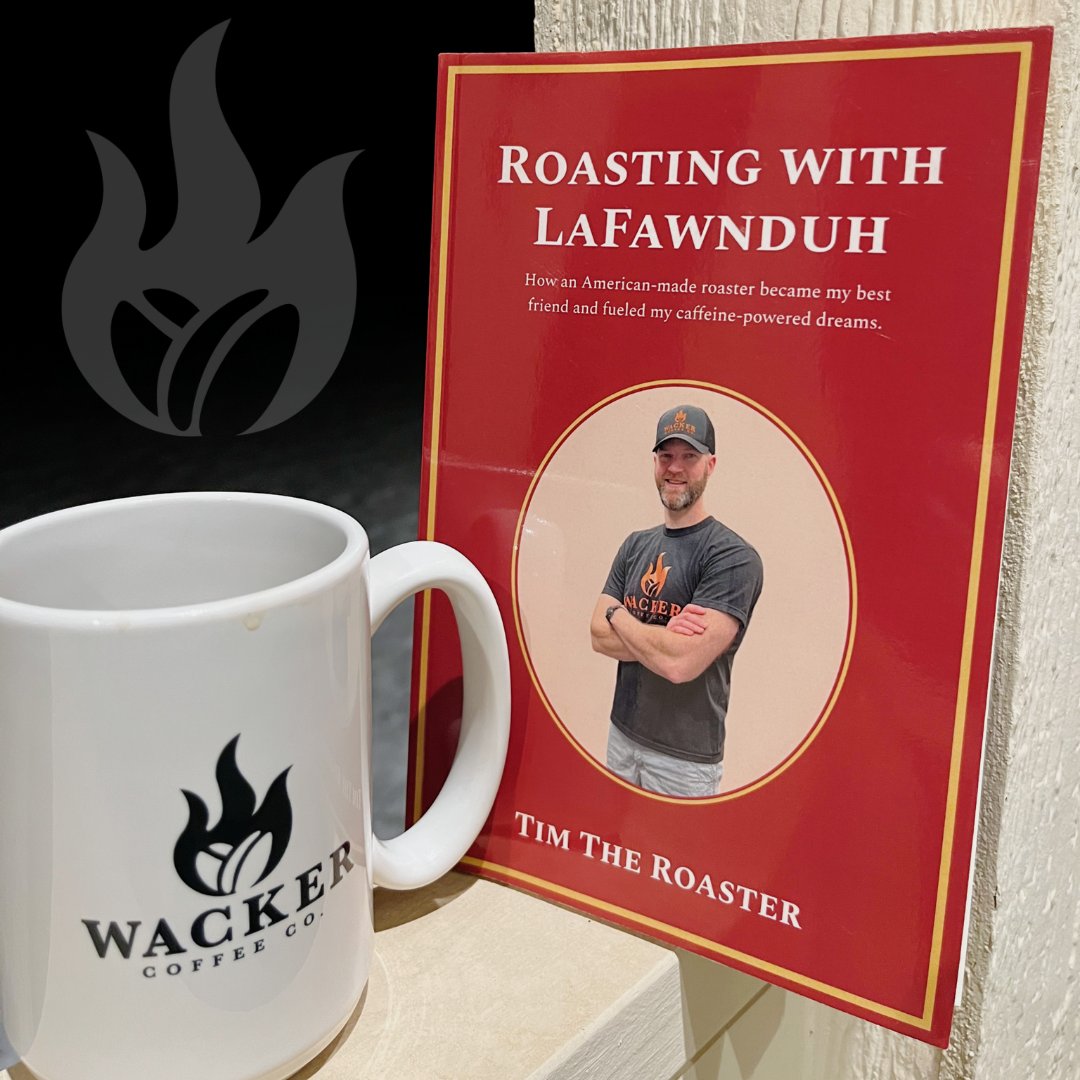
I may be a little biased, but Roasting with LaFawnDuh is hands-down the best book I've read all year. It pairs nicely with a cup of Wacker Coffee.
But don’t just take my word for it—here’s some praises from the back cover:
"Tim The Roaster's storytelling is as rich and inviting as the perfect cup of coffee. A must-read for anyone with a passion for coffee and an appreciation for the machines that make it possible." - The Coffee Grind Gazette
"Roasting with LaFawnDuh is not just for coffee aficionados. Tim's passion for his beloved roaster and the dreams it fuels is infectious and inspiring, giving a new meaning to what a true blend of hard work and friendship can achieve." - Brewer's Daily.
#roastingwithlafawnduh #goodreads
60