ⓋⒶ☮✝🕊Libertarian/Voluntaryist/Anarchist. Tolerant Christian fundamentalist. Happily married (to @MarcosPrisca 💑👫_ homeschooling father of 8 kids! #ProudNonVoter
Joined February 2013
- Tweets 149,142
- Following 1,395
- Followers 1,582
- Likes 237,515
4,976 Photos and videos






Pinned Tweet

30 Oct 2024
I am transitioning to Blue Sky. It's going to be a long slow transition with no definite end date. I won't be deleting my account or history here, and I won't stop being here all at once, but I'll be there more and more and here less and less.
6
1
9
3,514
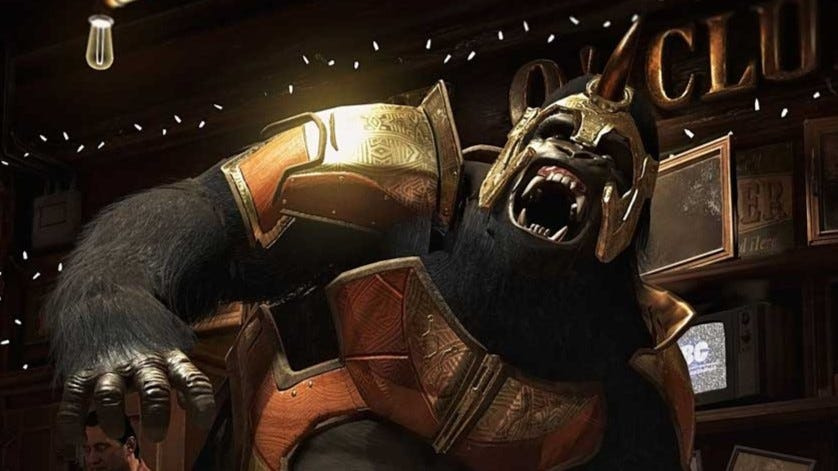
What in tarnation?

DC Studios co-CEO Peter Safran has said the Gorilla Grodd / Jimmy Olsen HBO show starts shooting later this year. bit.ly/4vQNBAN
14
I don't know why people default to attacking motives. Nobody is psychic; nobody can tell for sure what other people's motivations are; and it's so hurtful!
Just say what you didn't like, say what you would have preferred.

Even when you are 100% confident you did the right thing and acted in an above reproach manner, it still hurts deeply when people attack your character and motives when you make a hard decision. #pastor
3
29
David🔺☮ retweeted

Even when you are 100% confident you did the right thing and acted in an above reproach manner, it still hurts deeply when people attack your character and motives when you make a hard decision. #pastor
1
1
23
387
David🔺☮ retweeted

So let me get this right, we “destroyed” Iran’s military, which has an annual budget of $23 billion.
And now Trump is going to give them $300 billion?!
2
8
60
1,057
David🔺☮ retweeted

Read that again:
“The average terror suspect arrested in England and Wales is now a white woman in her 50s.”
That’s because of the proscription of Palestine Action.
It is absurd. It is self evidently absurd.
And history will damn every last person implicated

The average terror suspect arrested in England and Wales is now a white woman in her 50s as a result of the Palestine Action ban
2,800 arrests were made for supporting the group in 6 months -surpassing number of terror suspects detained in previous decade
inews.co.uk/news/politics/uk…
250
576
1,640
68,738
David🔺☮ retweeted

"Foreign aid is taking money from poor people in rich countries to give to rich people in poor countries."
- Ron Paul, a long time ago
1
3
7
92
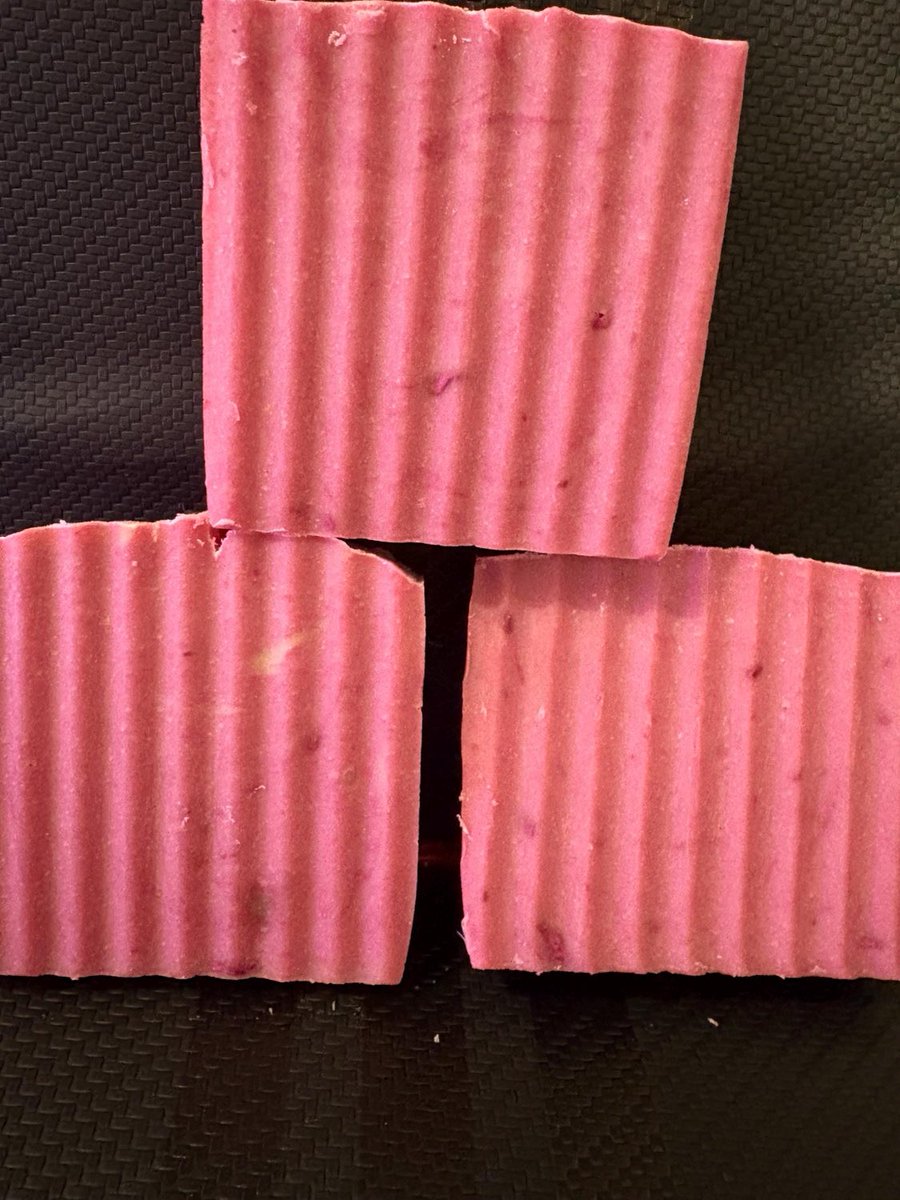
Skeletor makes you smell nice!

It’s here!! Strawberry Shortcake soap is ready for summer! Light red dye and a sweet berry smell make this the energy new addition to the season!
daddyandmefarms.etsy.com/lis…
22
David🔺☮ retweeted

Iran should demand nuclear disarmament of the US and Israel.
3
14
39
452
David🔺☮ retweeted

abolish the income tax and stick it to the trillionaire class! these other jokers can tweet but you have real power, sir
5
3
200
6,525
David🔺☮ retweeted

Jun 14
Christians who gathered for worship in the south before the days of air conditioning were so real.
1
2
35
723
David🔺☮ retweeted

Jun 14
Let the word of Christ dwell in you richly in all wisdom; teaching and admonishing one another in psalms and hymns and spiritual songs, singing with grace in your hearts to the Lord.
- Colossians 3:16 (KJV)
4
16
48
351
David🔺☮ retweeted

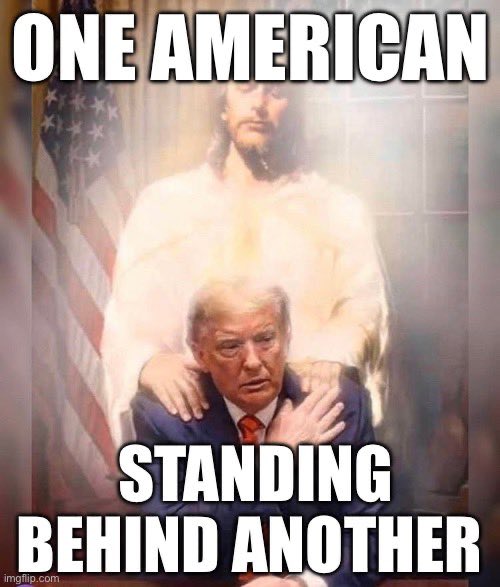
🚨 🚨 BRAKING 🚨 🚨
Today we wish a happy 80th birthday to President Trump. Here are 9 FACTS that the mainstream media won’t admit
1. He invented commercial real estate
2. He’s defeated inflation
3. He’s defeated Iran
4. 3 successful marriages, 5 kids, 21 grandkids
5. He’s deported more illegal immigrants in 18 months than all other presidents combined
6. I got gas for less than $1 a gallon today and was paying 10X that under Biden
7. He is the most devout Christian president in history
8. No president has read or loved the Bible like him. He even made his own
9. He’s now the oldest president in history
Thank you, sir. Our greatest president, Benjamin Franklin, is looking down at you and smiling
1,031
287
3,577
346,715
David🔺☮ retweeted

Jun 14
Who is this helpless-president routine meant for? The Iranians don’t believe the US president is incapable of curbing Washington’s dog, no one with a brain believes it. Apparently Ravid’s readers & some MAGA dead-enders still believe, because it partly absolves Trump/USA.
Jun 14

🚨President Trump told me: "Why did Bibi have to do a fucking attack? I was so pissee off. I let him know. He has no fucking judgement. I let him know that"
12
74
463
15,293
David🔺☮ retweeted

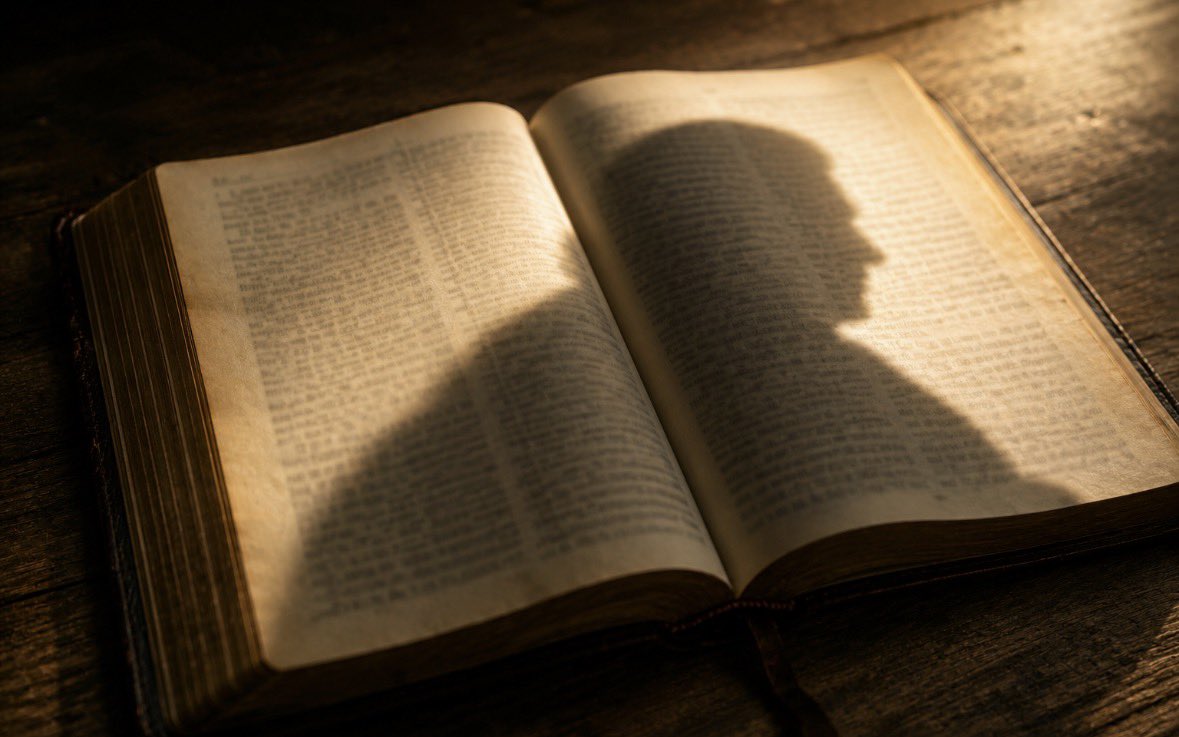
One of Joseph Smith’s earliest theological errors is found in a statement that many Christians read without realizing its implications.
Mormons affirm that they believe the Bible to be the word of God “as far as it is translated correctly.”
At first glance, that may sound entirely reasonable. Christians certainly recognize that some translations are better than others. But the statement reveals a deeper misunderstanding about what Scripture actually is and what Christians mean when we speak of inspiration.
Many Christians have never been taught this distinction.
Historically, Christians have not taught that translations are inspired.
We have not taught that copyists are inspired.
We have not taught that publishers, editors, or commentators are inspired.
Rather, Christians have taught that God inspired the original writings of the prophets and apostles. Those sacred writings were then preserved, copied, translated, and handed down through the life of the Church. Faithful translations can rightly be called the Word of God because they faithfully communicate the inspired text, even though the translation itself is not inspired in the same way as the original writings.
That distinction matters.
When Christians speak of the Bible being inspired, we are speaking about God’s action in the production of the sacred text itself. Inspiration belongs to the Scriptures. Translation is something different.
This often surprises people.
Some imagine that the Bible simply appeared exactly as we possess it today. In reality, the Bible comes to us through a manuscript tradition stretching back thousands of years. Faithful men copied the sacred texts by hand. Manuscripts were preserved. New copies were made. Translations were produced. Scholars compared manuscripts and examined ancient languages.
This is not a weakness of Christianity.
It is one of its strengths.
We possess thousands of biblical manuscripts. We can compare them. We can study them. We can trace the history of the text in a way that would be impossible for most ancient writings.
So where does Joseph Smith enter the picture?
Rather than accepting the historic Christian understanding of inspiration and the manuscript tradition, Joseph Smith claimed that important truths had been lost, corrupted, altered, or removed from the Bible.
That claim sounds small at first.
In reality, it changes everything.
Once you convince people that essential teachings have disappeared from Scripture, you create a need for someone who can restore them.
Once you convince people that the Bible cannot be trusted in significant areas, you create a need for someone who can tell believers what the text originally meant.
And that is exactly where Joseph Smith placed himself.
The issue was never simply translation.
The issue was authority.
Historic Christianity teaches that the Scriptures belong to the Church and are preserved within the life of the Church. The faith is public. The manuscripts are public. The history is public. The claims can be examined.
Joseph Smith offered a different model. Instead of receiving the faith handed down through the centuries, he claimed the authority to correct it, revise it, and restore what he claimed had been lost.
This is why discussions with Mormons often become opportunities to teach something many Christians were never taught in the first place.
What is Scripture?
What is inspiration?
How was the Bible preserved?
Why do Christians trust it?
These are important questions, and the answers are often far more fascinating than people realize.
The more we learn about the history of the Bible, the manuscript tradition, and the doctrine of inspiration, the more we discover that Christian confidence in Scripture does not rest upon a nineteenth-century prophet.
It rests upon the God who inspired the sacred writings and faithfully preserved them through the centuries.
39
8
42
13,379


David🔺☮ retweeted

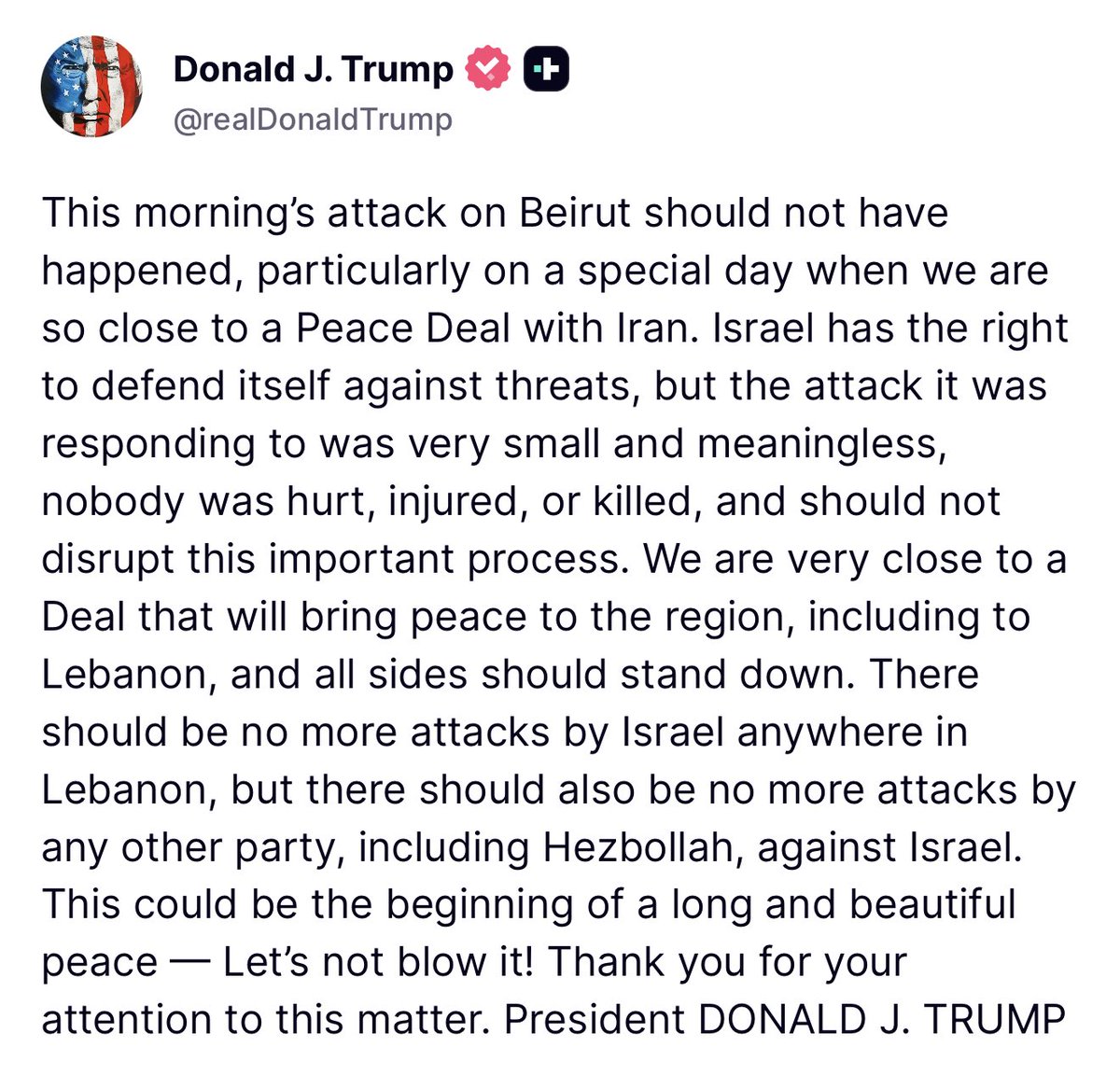
"Please, I beg you, don't bomb Beirut!"
Now here is my strongly worded check for you to keep doing it.

3
5
30
996
David🔺☮ retweeted

For the most part, I've been apathetic towards the "Sign of Peace" debate on Catholic Twitter. I personally have been doing whatever my mood at the time dictates, some Sundays I'd give a head nod, others a handshake.
But I've recently realized that it's not really about me. Once I stopped being self-absorbed and really observed my fellow church goers, I'd notice people attending Mass alone, usually old people, and when they would turn around for the Sign of Peace they'd do so with a sort of yearning for physical touch.
I feel guilty for not realizing this sooner. But many people live alone and are touch-starved. Unless they have pets or family who visit often, some people haven't had touched another human being for weeks or even months.
The Catholic faith is a faith that integrates one's body, mind and soul together.
The "Sign of Peace" in the Mass is an opportunity for them to physically interact with other members of the Body of Christ.
So not only are they spiritually fed by Jesus in the Liturgy and the Eucharist, but their body's physical needs are met too.
We tend to always think about what we can take from the Mass each Sunday. From this point on I will personally be more intentional about "giving" myself to Christ and his Body on Earth.
45
16
399
21,185
Jun 14
RT @schwarz: Happy 80th birthday to Donald Trump! He was just the first of three US presidents born in two months in 1946:
Trump June 14th…
14
1

Jun 14
When you vote, if you vote, you must vote for compassion, gentleness, and mercy.
1
11