Single-molecule biophysics and nanotechnology laboratory
Joined September 2014
- Tweets 5,041
- Following 242
- Followers 1,438
- Likes 10,109
812 Photos and videos




Wanunu Lab 🇺🇸 retweeted

May 22
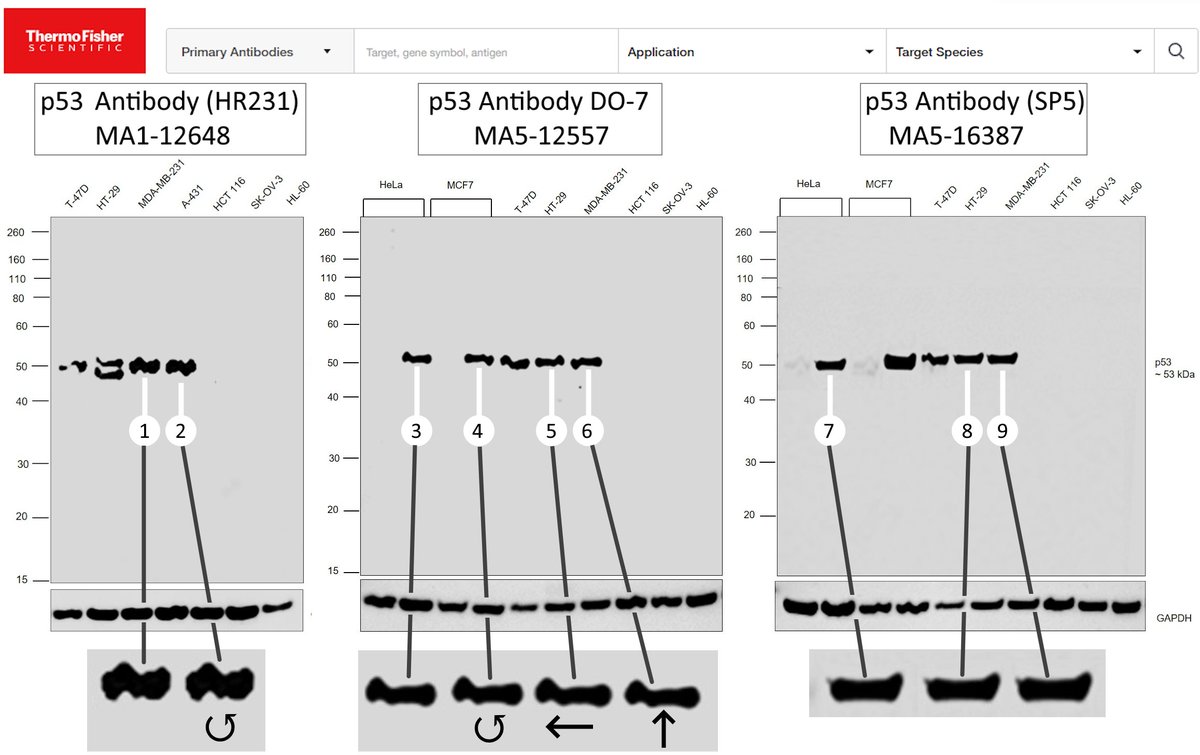
Earlier this week I posted an example of a fake western blot provided by ThermoFisher to demonstrate the validity of a p53 antibody. I considered it an amusing curiosity. In fact ThermoFisher has systematically manipulated antibody validation data. Short Thread... 🧵
16
223
760
158,385

May 22
Introducing NanoCortex, a chat-based nanopore agent for processing nanopore data. We hope it will be useful for people in the nanopore field with little to no coding skills. Disclaimer: use of the agent required API tokens (there is an associated cost). However...
ALT NanoCortex: A Unified Agentic System for Nanopore Sequencing Analysis: https://www.biorxiv.org/content/10.64898/2026.05.19.726254v1.full.pdf
1
7
498
May 22
The generated code can be used offline in future analysis. Want to plot, compare, visualize? Try NanoCortex! biorxiv.org/content/10.64898…
122
May 18
😩
May 17

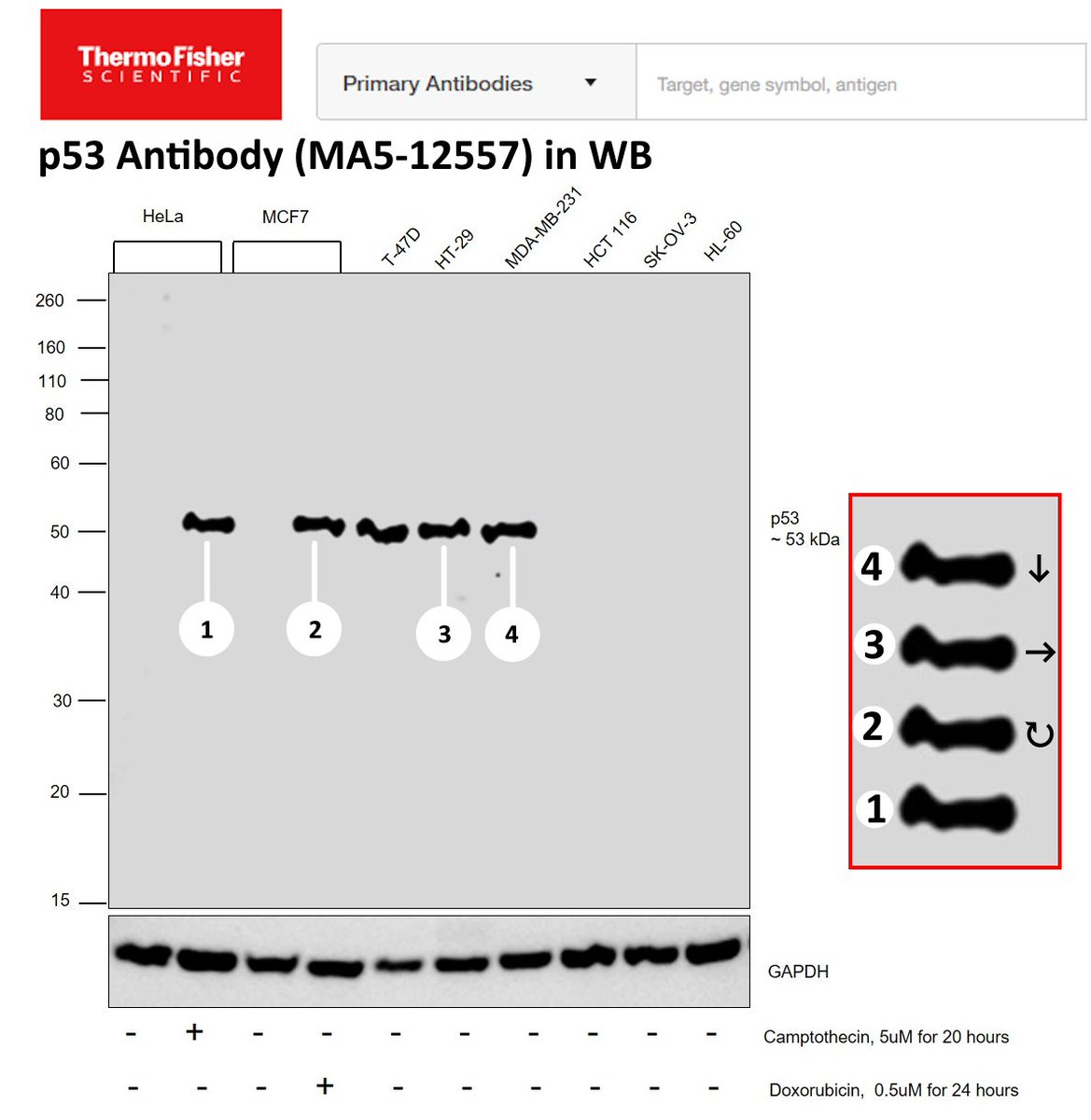
Surprised to discover that Thermo Fisher appears to show a fake western blot for the validation of one of their p53 antibodies. I've added a diagram to show the very similar bands. This does not appear to be one of the "published figures", but their own internal data.
230
Wanunu Lab 🇺🇸 retweeted

Apr 22
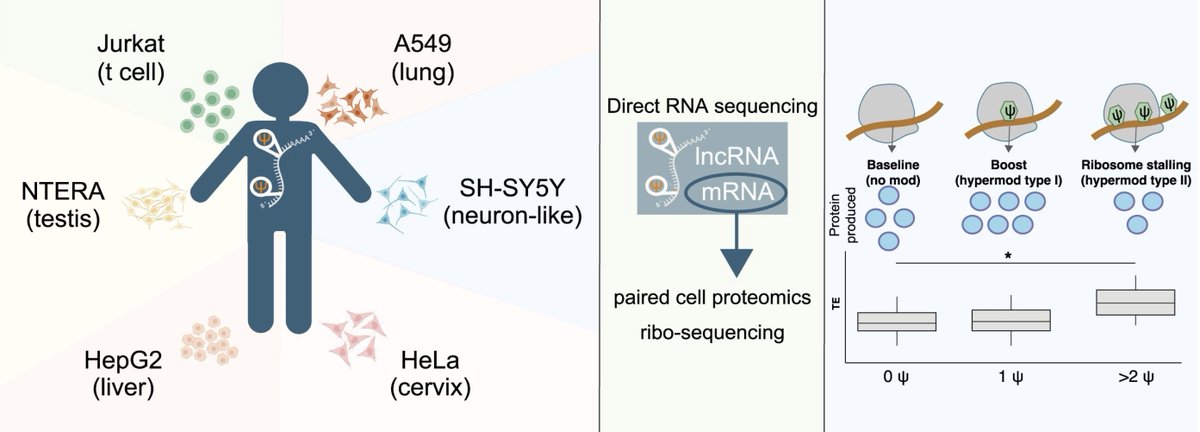
What does pseudouridine (ψ) actually do to protein production? It’s been studied for years — but its impact on translation has remained surprisingly unclear.
We were excited to tackle this directly in our latest NAR paper: tinyurl.com/psitranslation
2
13
29
3,992
Wanunu Lab 🇺🇸 retweeted

Apr 9
This is why international scientific exchange is so important. We must protect and encourage collaboration and mobility.

What if AI could invent enzymes that nature hasn’t seen? 👩🔬🧑🔬
Introducing 🪩 DISCO: Diffusion for Sequence-structure CO-design
14 rounds of directed evolution and over a year of wet lab work. That's what it took to engineer an enzyme for selective C(sp³)–H insertion, one of the most challenging transformations in organic chemistry.
DISCO surpasses this with a single plate. No pre-specified catalytic residues, no template, no theozyme, no inverse folding, just joint diffusion over protein sequence and structure.
📝 Blog: disco-design.github.io/
📄 Paper: arxiv.org/abs/2604.05181
💻 Code: github.com/DISCO-design/DISC…
3
37
222
40,807
Wanunu Lab 🇺🇸 retweeted

Apr 8
Help build a sub $500 DNA sequencer 🧬
Seeking an intern experienced in 4-dye SBS chemistry surface DNA amplification.
Real system, real chemistry, open source.
~200M bases/run, <$50 per run.
Location: yacht in the Mediterranean & Aegean.
Must be hands-on and able to build troubleshoot. DM @GangstaQuack
3
5
43
4,767
Mar 19
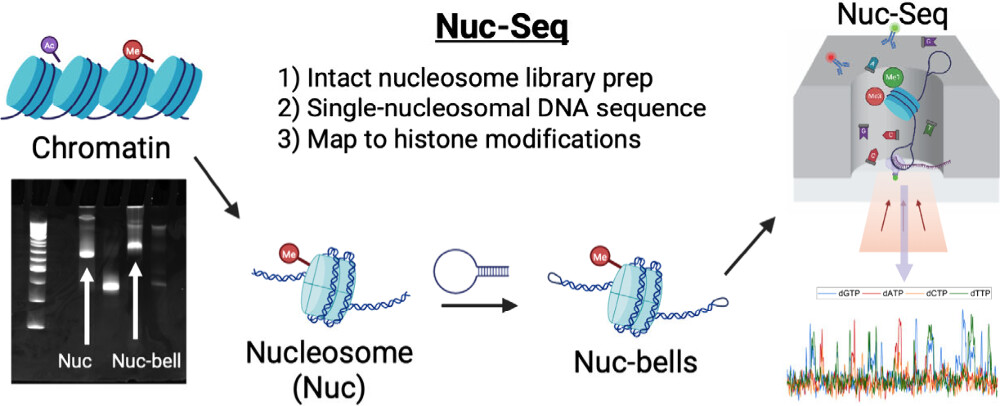
Pleased to share our latest manuscript that introduces NucSeq, a SMRT-sequencing based single-molecule approach to interrogate histone PTMs and sequence the wrapped nucleosomes around these histones. pubs.acs.org/doi/10.1021/acs…
1
13
50
4,161
Mar 19
Incubating primed NucBells with polymerase and immobilizing them on the @PacBio RSII platform (I know, outdated, but versatile!) allows histone marks to be detected using fluorescent immunoaffinity reagents. Then, following a wash step, the DNA is sequenced.
1
198
Mar 19
This was a fruitful collaboration between our group and the @ShemaEfrat lab at @WeizmannScience and Sean O'Leary at @UCRiverside.
139
Wanunu Lab 🇺🇸 retweeted

Mar 12
I recently learned that RNase A enzymes can survive autoclaving, or high-pressure heating, at 121°C. This is strange.
But then I learned there are entire organisms that not only survive autoclaving, but actually grow and divide at 121°C???
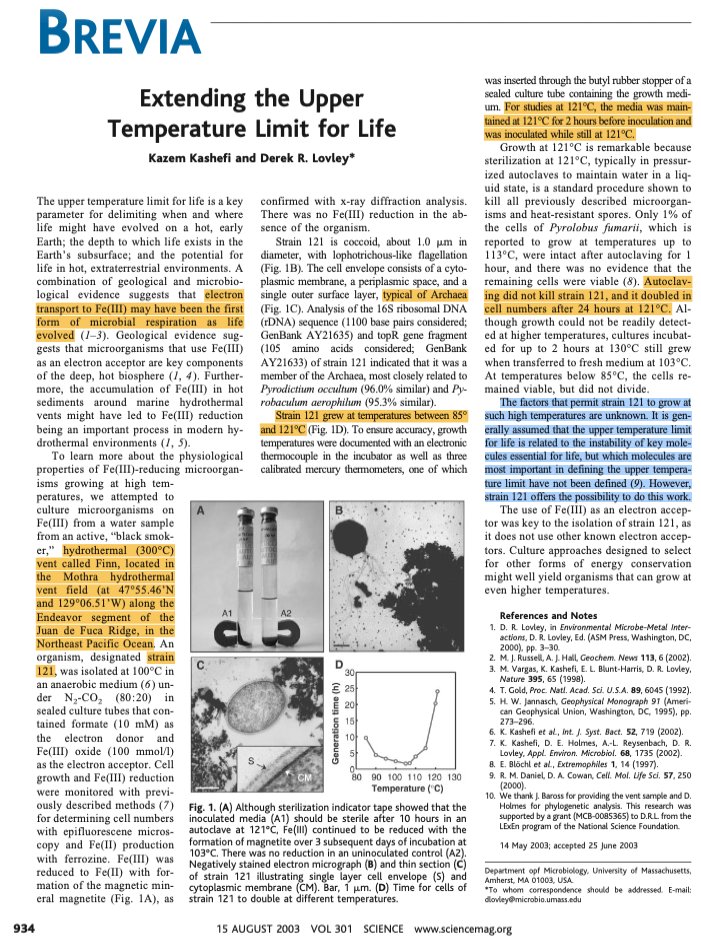
There was a 2003 paper, for example, where these two scientists took a submarine down to a hydrothermal vent in the Pacific ocean, scooped up some dirt, and kept everything in an airtight tube.
This tube had an organism in it. The organism had features "typical of Archaea." They put this organism into an autoclave (held at 121°C) for a full 24 hours. When they took it out of the autoclave, the cell population had doubled. Thus, the organism was called "Strain 121."
The 2003 paper ends with an enticing statement:
"The factors that permit strain 121 to grow at such high temperatures are unknown. It is generally assumed that the upper temperature limit for life is related to the instability of key molecules essential for life, but which molecules are most important in defining the upper temperature limit have not been defined. However, strain 121 offers the possibility to do this work."
I read this and got excited. I began searching for follow-up studies on Strain 121. But I was quickly disappointed.
This organism has its own Wikipedia page, but every single reference is from 2003 or 2004. Its name was later changed to Geogemma barossii, so I searched for that, too. But all I could find were random news stories about this "heat-loving microbe," all of which linked back to the original 2003 paper.
I'm extremely confused by this. Why is nobody studying this microbe? It doesn't even have a published genome sequence. Where is the intellectual center for hyperthermophile research?
24
48
345
23,090
Feb 19
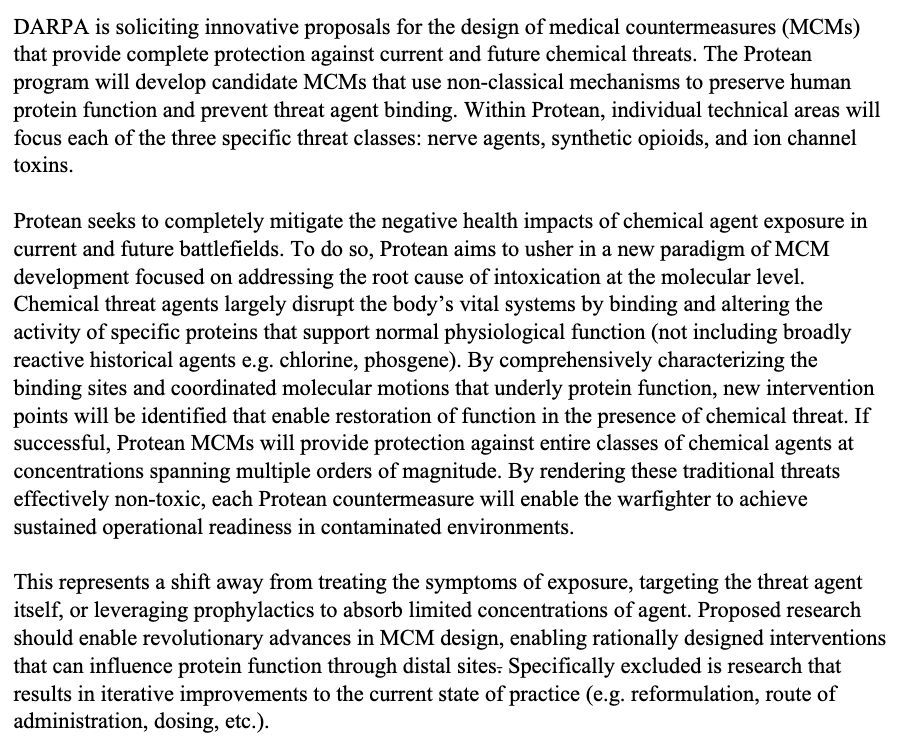
Excited to take part in this effort to bring protein sequencing to reality! darpa.mil/news/2026/protein-…
@NortheasternCOS @NUBioE1 @Northeastern
9
229
Wanunu Lab 🇺🇸 retweeted

DARPA Biological Technologies Office: Protean (Feb 20) sam.gov/workspace/contract/o…
2
5
779
Wanunu Lab 🇺🇸 retweeted

Feb 10
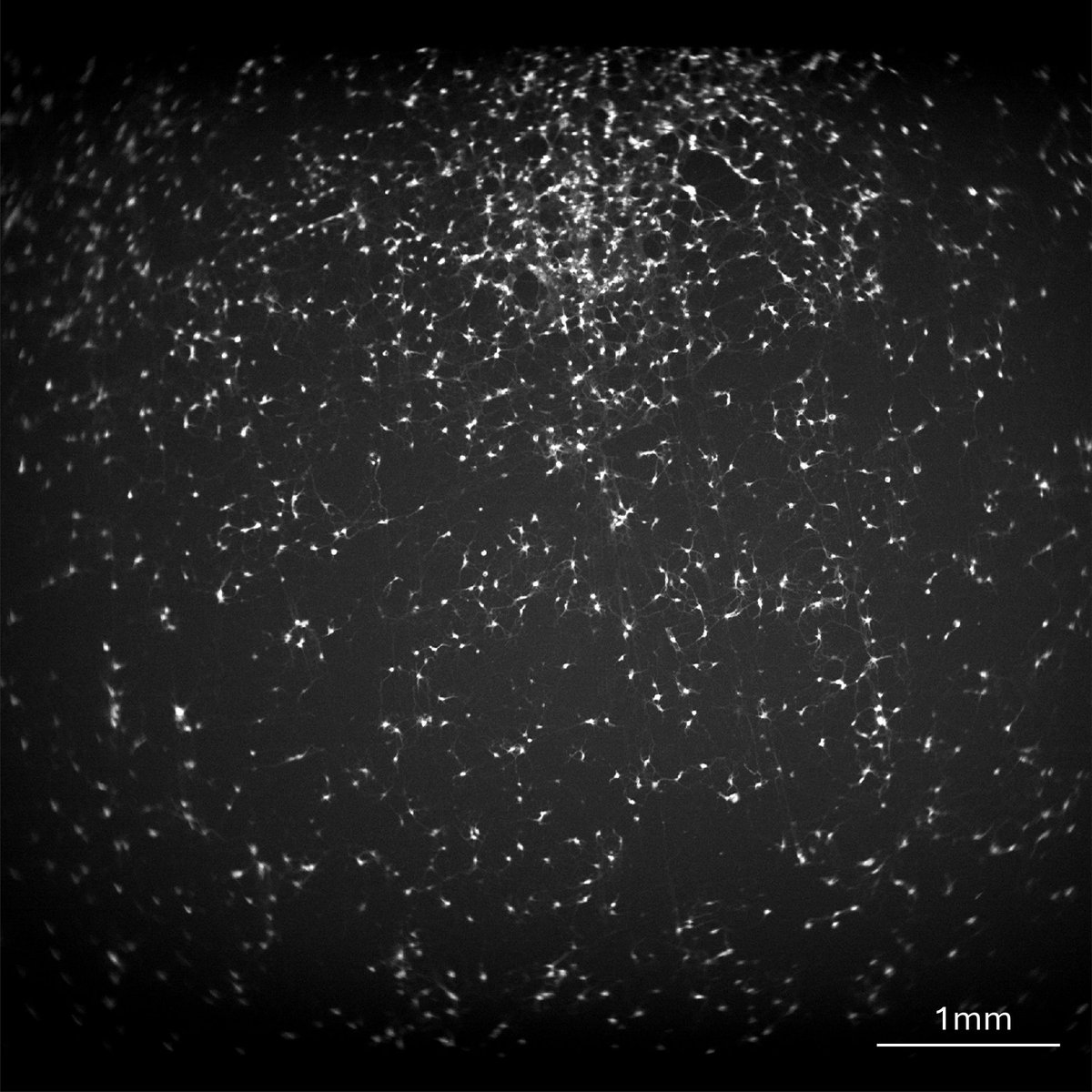
I started a company! Luminos.
We made a complete neuro-electronic interface: stimulate and record from any set of neurons in any pattern of space and time, over a 6 mm field of view.
Also useful for optical pooled screens and target discovery.
luminosmicro.com
11
21
209
13,333
Wanunu Lab 🇺🇸 retweeted

Feb 8
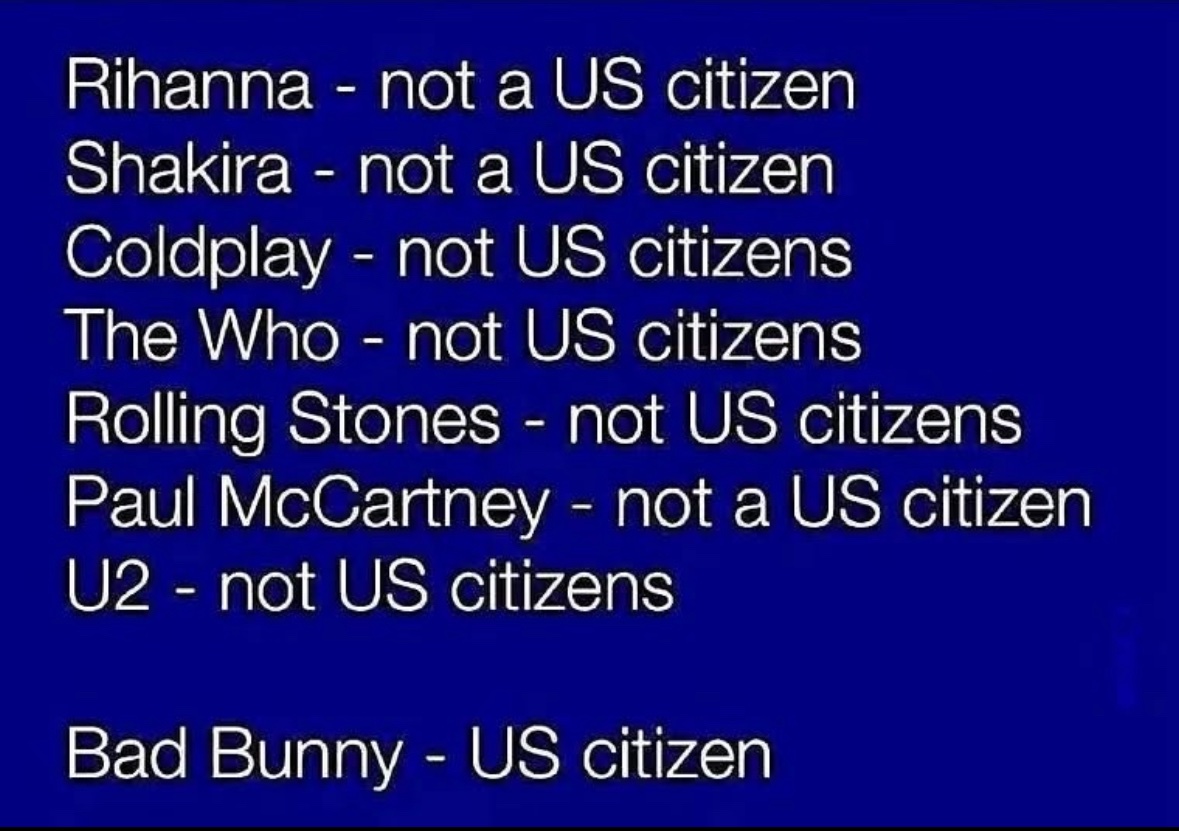
Today’s American History Lesson: Puerto Rico has been part of the U.S. since 1898, and Puerto Ricans have been U.S. citizens since 1917 🇵🇷 🇺🇸
We’ve cheered many non-Americans at the #SuperBowl. Bad Bunny isn’t one of them.
🏈 🎤
2,519
12,868
72,874
2,555,438
Wanunu Lab 🇺🇸 retweeted

Jan 31
Let’s talk - everyone else also please. What’s the most 🍌 idea you can come up with.
I’m listening.
20
4
30
9,371
Wanunu Lab 🇺🇸 retweeted
Jan 15
It is by studying non-model organisms that biotechnologists have, historically, found the most useful tools.
Taq polymerase and CRISPR were both discovered in weird extremophiles. GFP was first isolated from jellyfish caught off the coast of Friday Harbor, Washington. Luciferase came from the North American firefly. Rapamycin, an immunosuppressant used in organ transplants, came from Easter Island soil microbes.
Many more useful discoveries are surely awaiting, if only we could grow the many lifeforms that nobody has yet studied in any meaningful way.
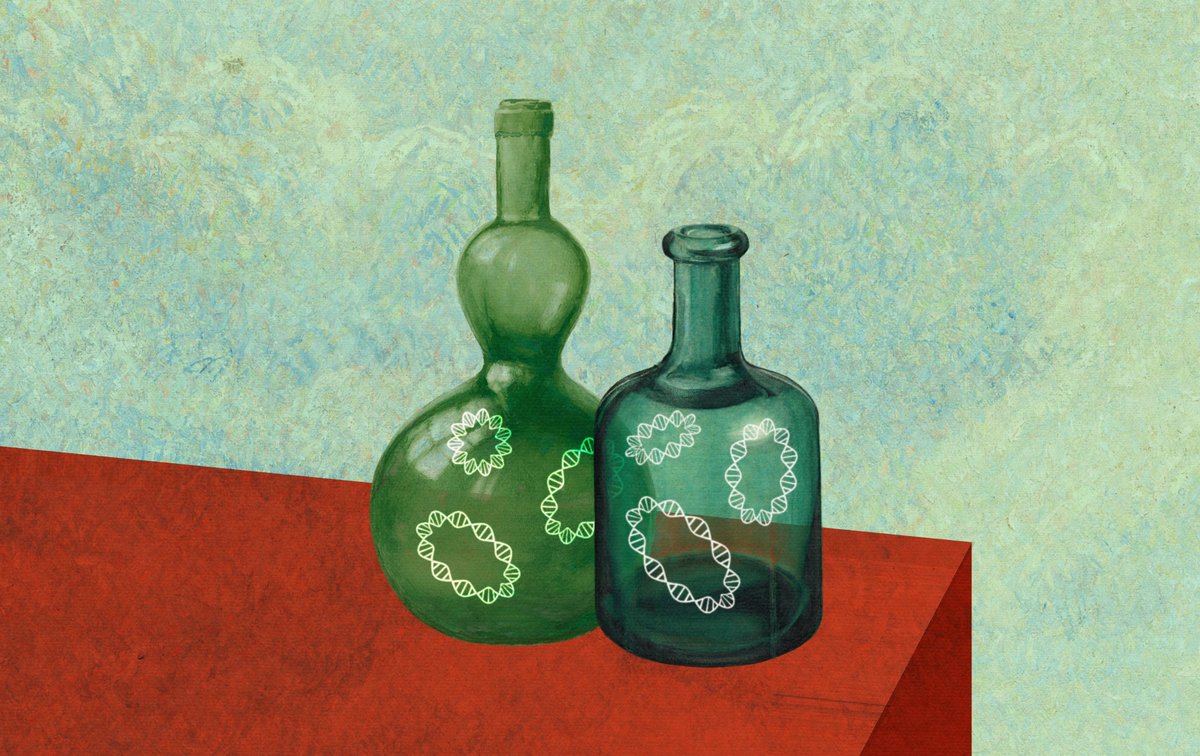
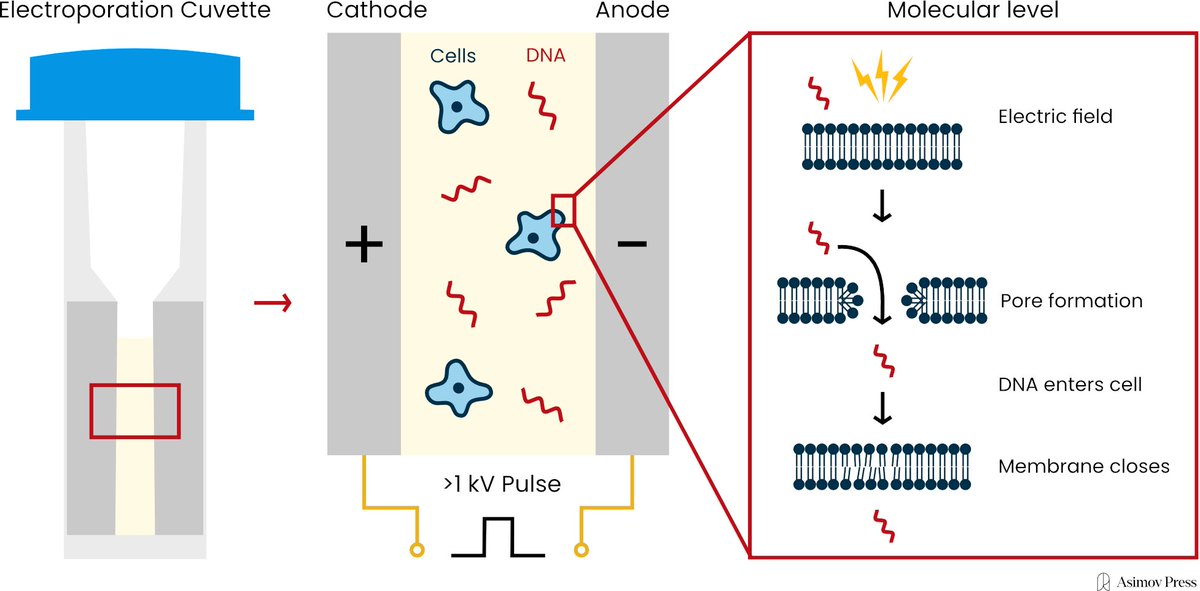
For my latest @AsimovPress column, I explain how @CultivariumFRX developed a robot that can transform (or get DNA into) all kinds of new, non-model microbes, thus expanding the slice of nature we can study in the laboratory. I think it could be a really big deal for biology.
17
69
331
18,309
Wanunu Lab 🇺🇸 retweeted

26 Sep 2025
Unpacking DARPA's NODES: A New Era of Biodefense Intelligence
The DARPA NODES program, officially unveiled in July 2025, is designed to revolutionize the way the scientific community and defense agencies understand and respond to biological threats. At its core, NODES employs sophisticated AI algorithms to analyze the dynamic behavior of proteins, capturing their movements and shape changes to make high-confidence predictions about their functions. This is particularly crucial for the vast majority of proteins for which only sequence and structural data are available, allowing for rapid functional annotation even for previously unknown molecules. A key objective is to estimate the evolutionary probability of protein sequences, enabling the distinction between naturally occurring pathogens and potentially engineered biothreats.
markets.financialcontent.com…
4
9
2,109
Wanunu Lab 🇺🇸 retweeted

25 Aug 2025
🚨We’re reviewing applications now!🚨
UF Scripps is hiring multiple faculty (Asst/Assoc/Full Prof) in RNA science as part of a major investment.📍Jupiter, FL – a gorgeous place to live raise a family.
Apply 👉 jobs.sciencecareers.org/job/…
Info 👉 wertheim.scripps.ufl.edu/rna…
RT to share!
27
54
11,290