
We are the leader in diffraction gratings and spectrometers; manufacturing the highest efficiency VPH gratings and Raman & OCT spectrometers in the industry.
Joined October 2012
- Tweets 1,677
- Following 1,337
- Followers 1,613
- Likes 244
956 Photos and videos
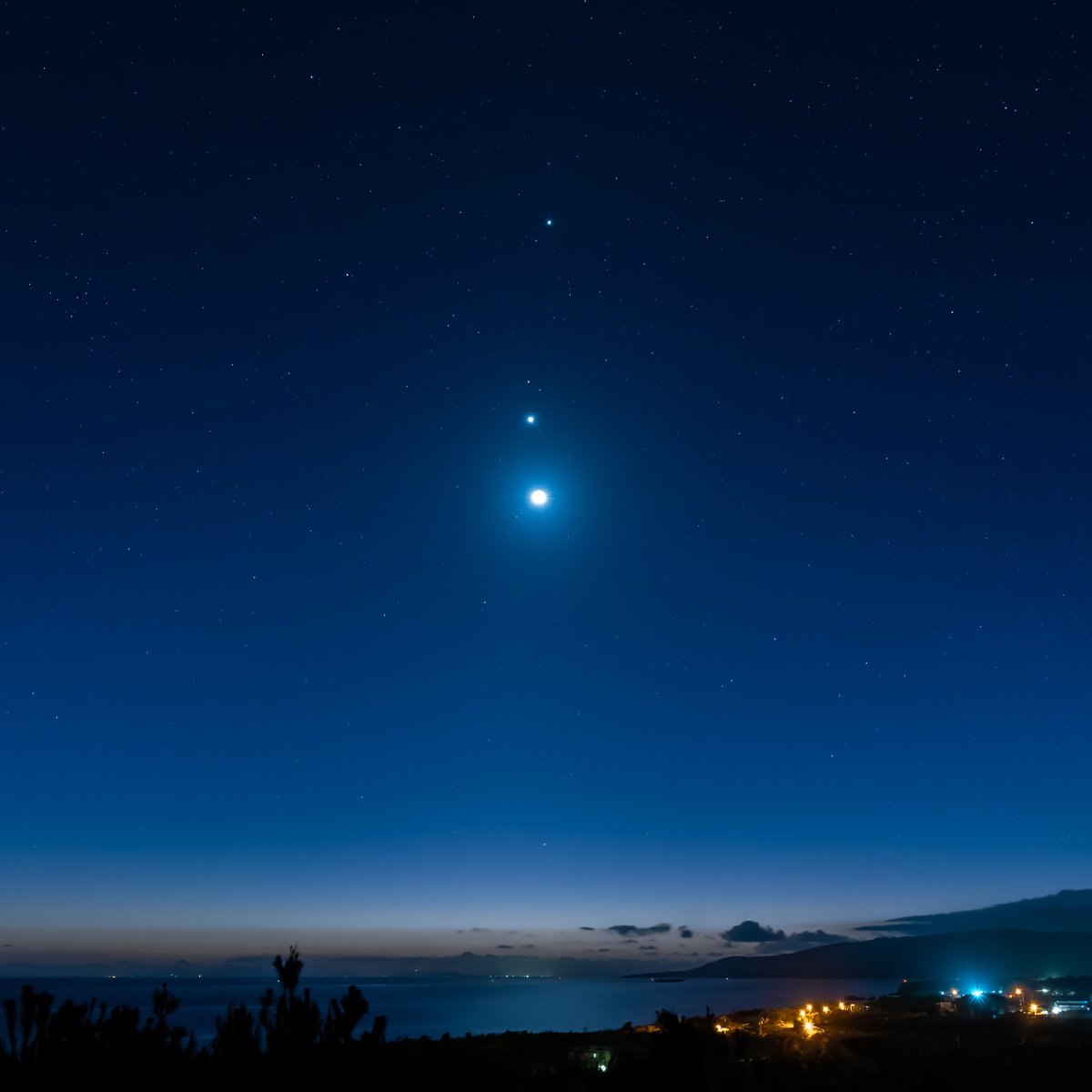



🌌 Science Saturday This month, Venus and Jupiter appear unusually close together in the evening sky, creating one of the most striking celestial sights of the year.
The planets aren't actually near each other in space—their alignment simply makes them appear side by side from our perspective on Earth. It's a reminder that some of the most fascinating astronomy observations require nothing more than a clear sky and a few moments of curiosity.
🔭 Sky watching tips: science.nasa.gov/solar-syste…
21
Every astronomical instrument is designed to answer a different set of questions about the universe.
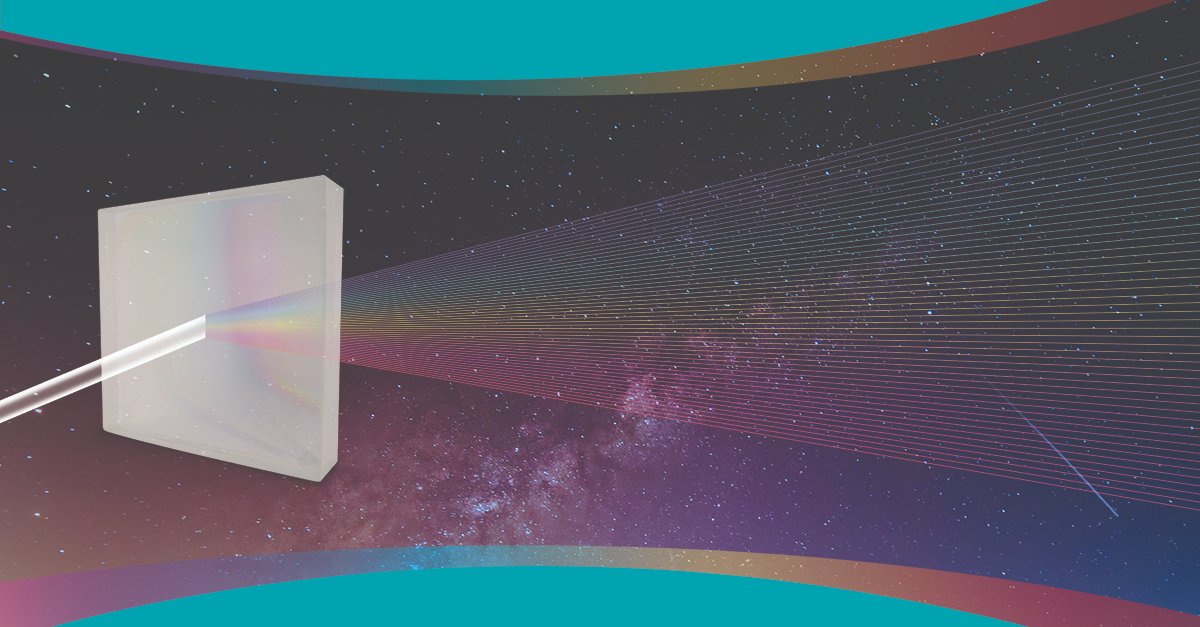
For more than 25 years, we've worked alongside astronomers to design custom VPH gratings that help transform starlight into scientific insight. Each grating is tailored to the unique needs of its spectrograph, helping researchers capture the data behind new discoveries.
Learn More: wasatchphotonics.com/product…
1
21
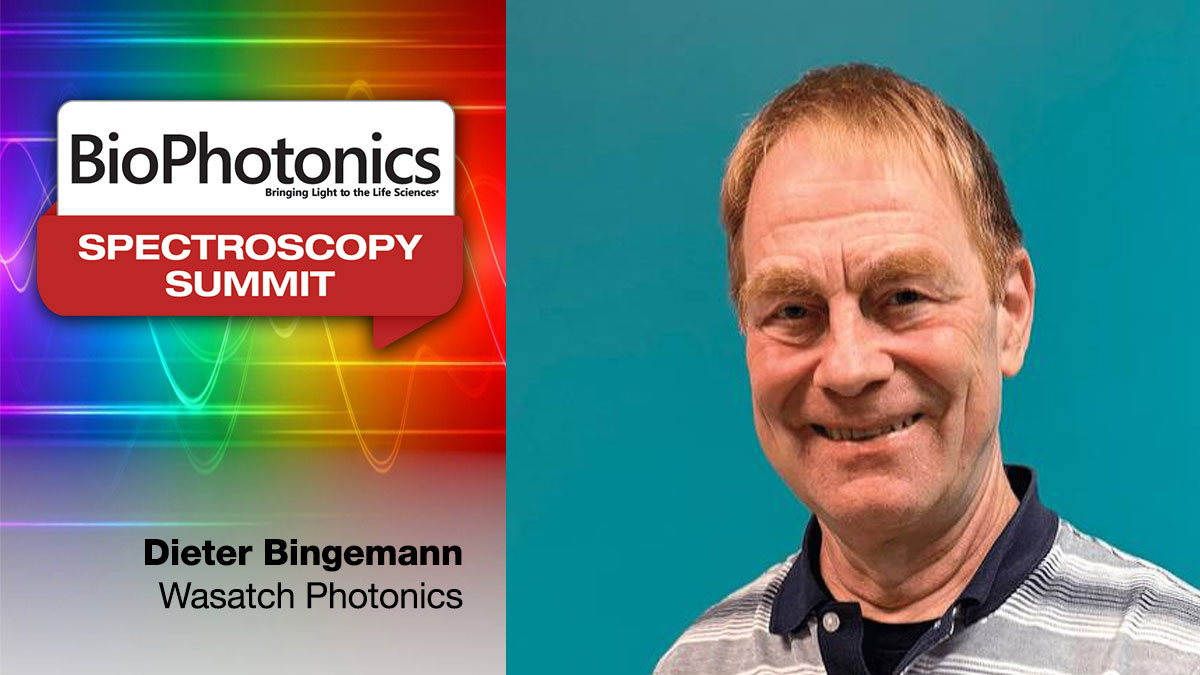
Join us this Wednesday, June 10 at 1:25 PM for "Capturing Clean Raman Spectra for Autofluorescent Biological Samples," presented by Wasatch Photonics Application Scientist Dieter Bingemann at the Spectroscopy Summit. Learn practical strategies for overcoming autofluorescence and capturing cleaner Raman spectra from challenging biological samples. Register here: events.photonics.com/Present…
1
33
🔬 Science Saturday
A large plume of Saharan dust is currently making its way across the Atlantic Ocean—but its effects can be seen far beyond Africa.
Each year, powerful winds lift millions of tons of dust high into the atmosphere, where it can travel thousands of miles across oceans and continents. Along the way, these tiny particles scatter sunlight, often creating especially colorful sunrises and sunsets far from where the dust originated.
It's a remarkable reminder that Earth's atmosphere is deeply interconnected—and that something as simple as a beautiful sunset can begin on another continent. 🌍☀️
Learn more: aoml.noaa.gov/saharan-air-la…
1
26
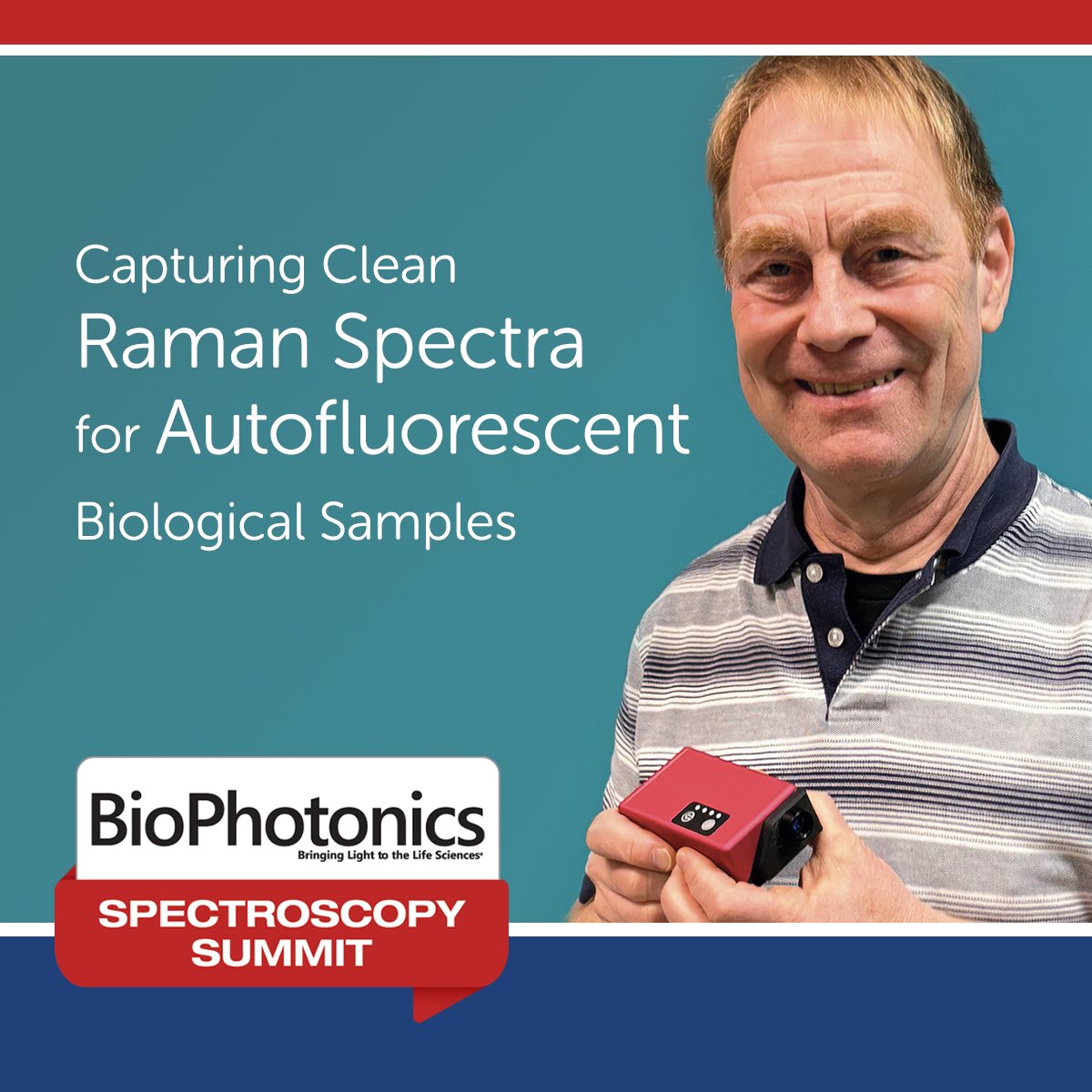
Raman spectroscopy continues to expand into biological and medical applications — but autofluorescence remains a major challenge.
Join Dieter Bingemann on June 10 at the BioPhotonics Spectroscopy Summit as he discusses methods for capturing cleaner Raman spectra from biological samples using optimized excitation wavelengths, reduced detection volumes, and advanced processing techniques.
Registration now open! events.photonics.com/Present… #Raman #LifeSciences #Spectroscopy #Biophotonics
1
1
39
Wow! It's hard to believe that today we are celebrating the one-year anniversary of the opening of our Wasatch Photonics Europe sales and manufacturing facility. Looking back, it's incredible to reflect on such an amazing journey so far—and we're even more excited about what the future holds.
1
28
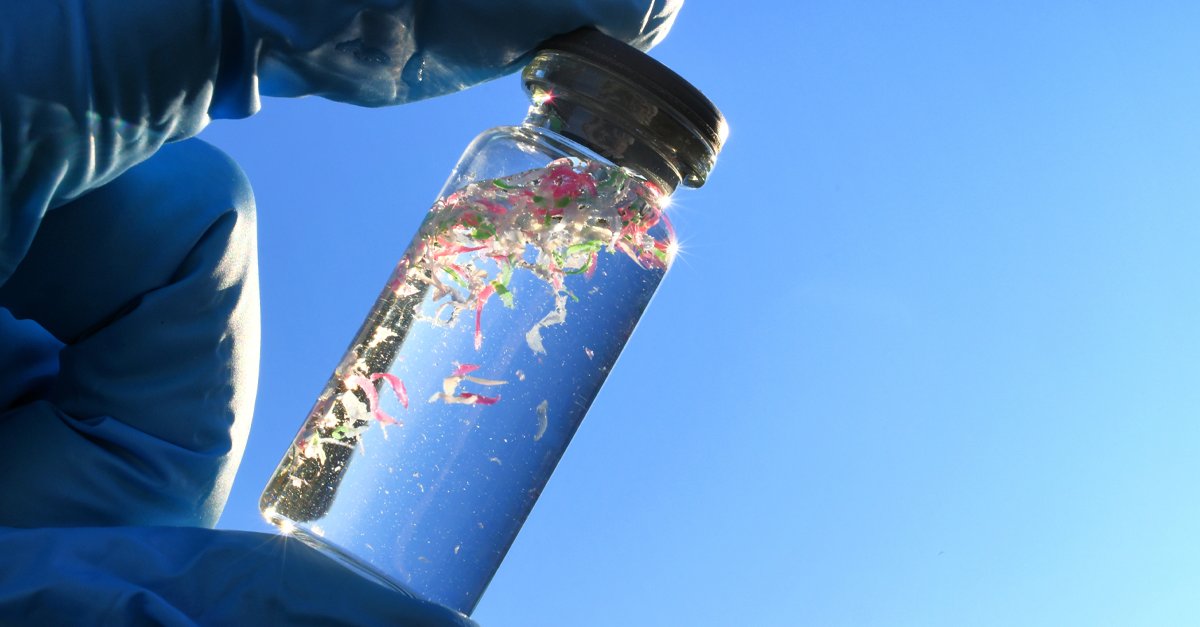
🌊 Scientists are using advanced imaging and spectroscopy techniques to better understand how microplastics move through oceans, waterways, and even living organisms.
These tools help researchers detect and identify plastic particles that are far too small to see with the naked eye — giving scientists a clearer picture of how widespread microplastic contamination has become and how it may impact ecosystems over time.
📖 Read more: nationalgeographic.com/envir… #ScienceSaturday #Microplastics #EnvironmentalScience #OceanScience
1
27
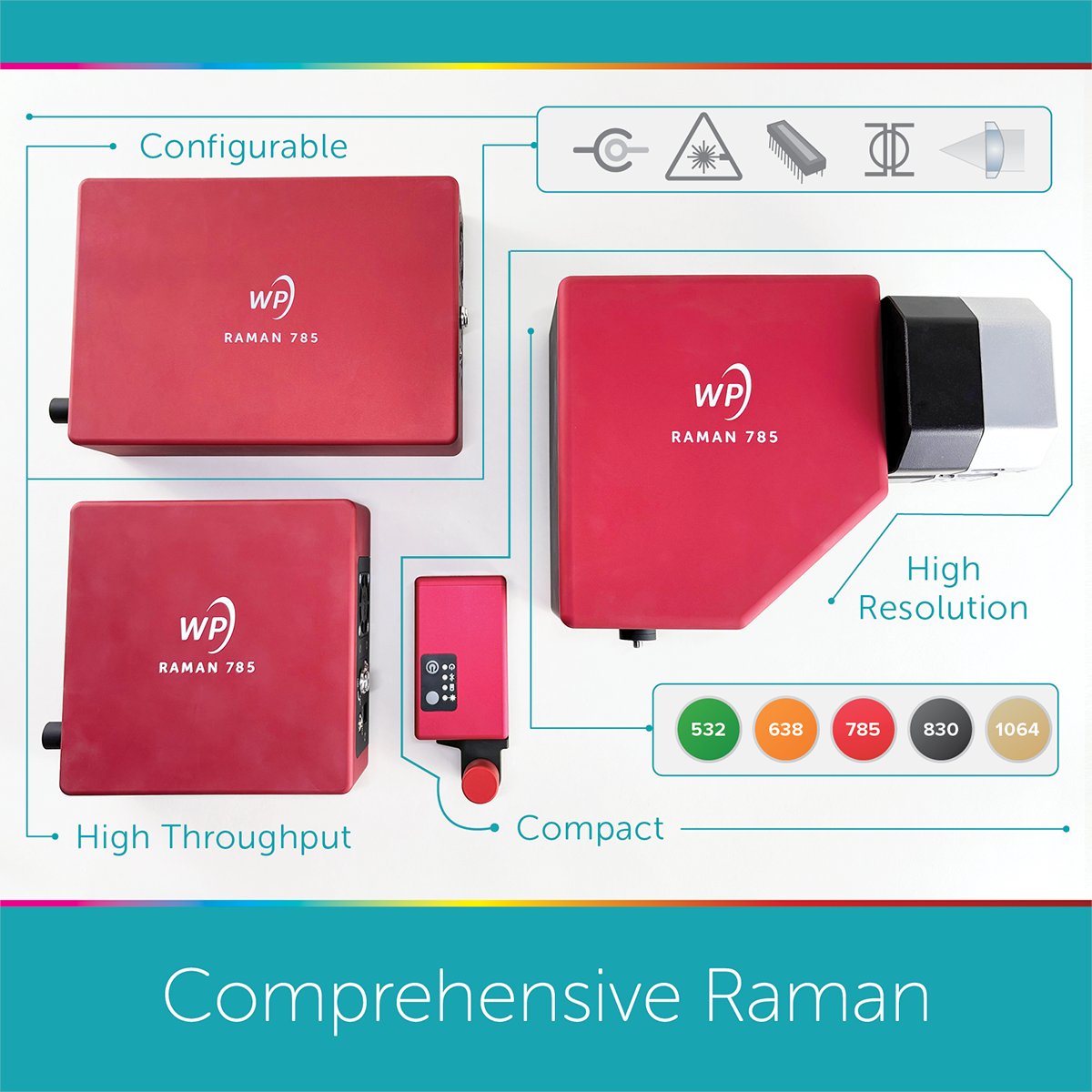
No two Raman applications are the same.
Different samples, environments, and workflows require different solutions.
Explore our Raman spectrometers to find the right fit for your application: wasatchphotonics.com/product… #Raman #Spectroscopy #Photonics
18
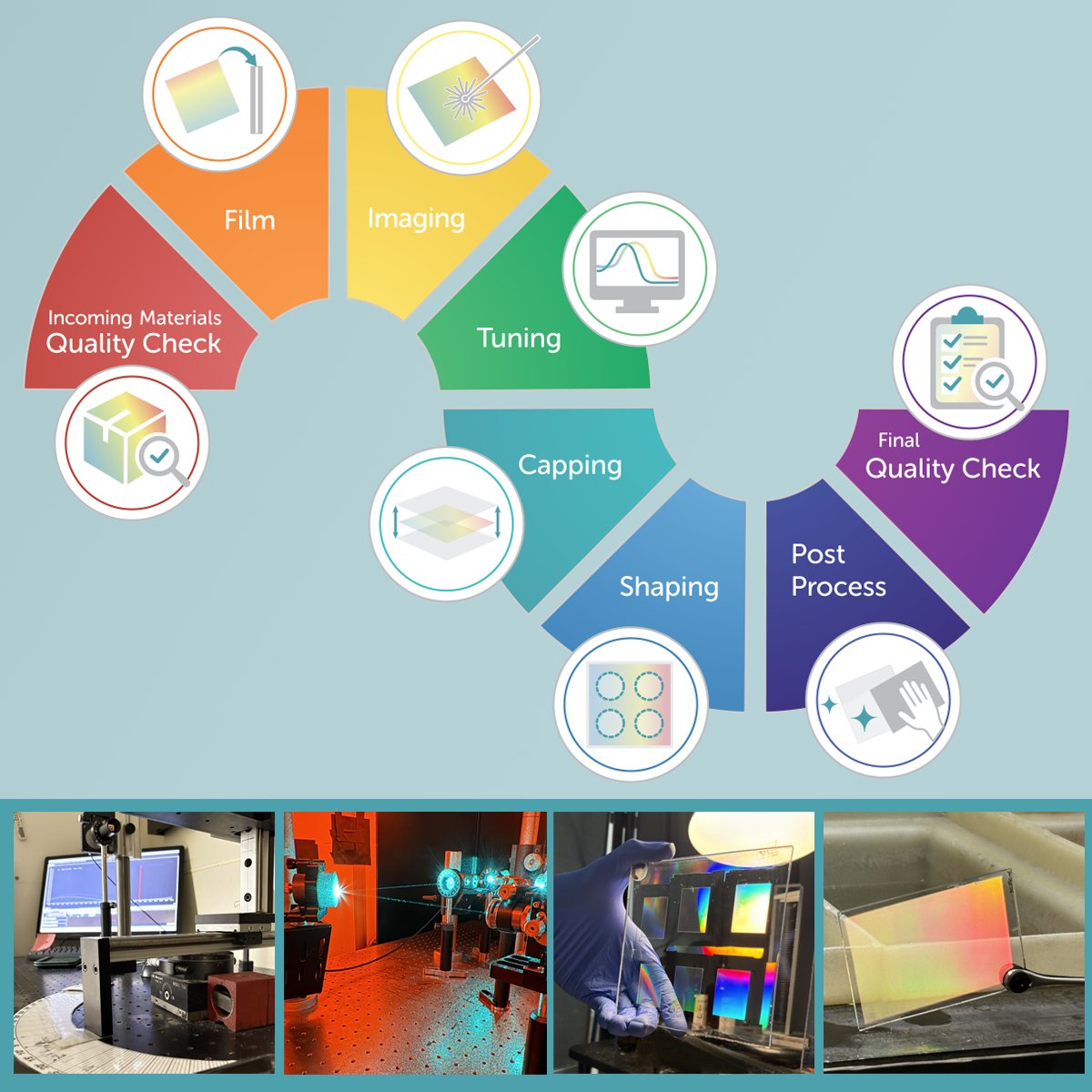
A humble piece of glass becomes a powerful VPH transmission grating through a carefully refined 8-step process.
Every one of our patented VPH gratings is manufactured in-house with precision, consistency, and care — from incoming materials inspection to final quality testing.
Learn more about our VPH transmission gratings: wasatchphotonics.com/product… #Photonics #Optics #DiffractionGratings #Manufacturing
36
🌌 Powerful solar storms this month may bring auroras farther south than usual — and they’re also a reminder of how connected Earth is to activity on the Sun.
Solar eruptions can disturb Earth’s magnetic field, affect satellites and radio communications, and create the glowing auroras we see in the night sky. Scientists are continuing to study how these storms interact with our atmosphere and technology as the Sun moves through a particularly active phase of its cycle.
📖 Read more: livescience.com/space/the-su… #ScienceSaturday #SpaceWeather #Aurora #Astronomy
34
Three product lines. One shared foundation in photonics as an enabling technology. #Raman #OCT #photonics
1
50
🪐Science Saturday - Why are skies different colors on different planets?
On Earth, Rayleigh scattering helps make our sky blue. On other worlds, atmospheric chemistry, clouds, and particles could create skies that appear orange, white, or even purple.
Scientists are now studying these color signatures to learn what distant planets may be made of. 📖 earthsky.org/space/colorful-… #ScienceSaturday #Exoplanets #Astronomy #Photonics
23
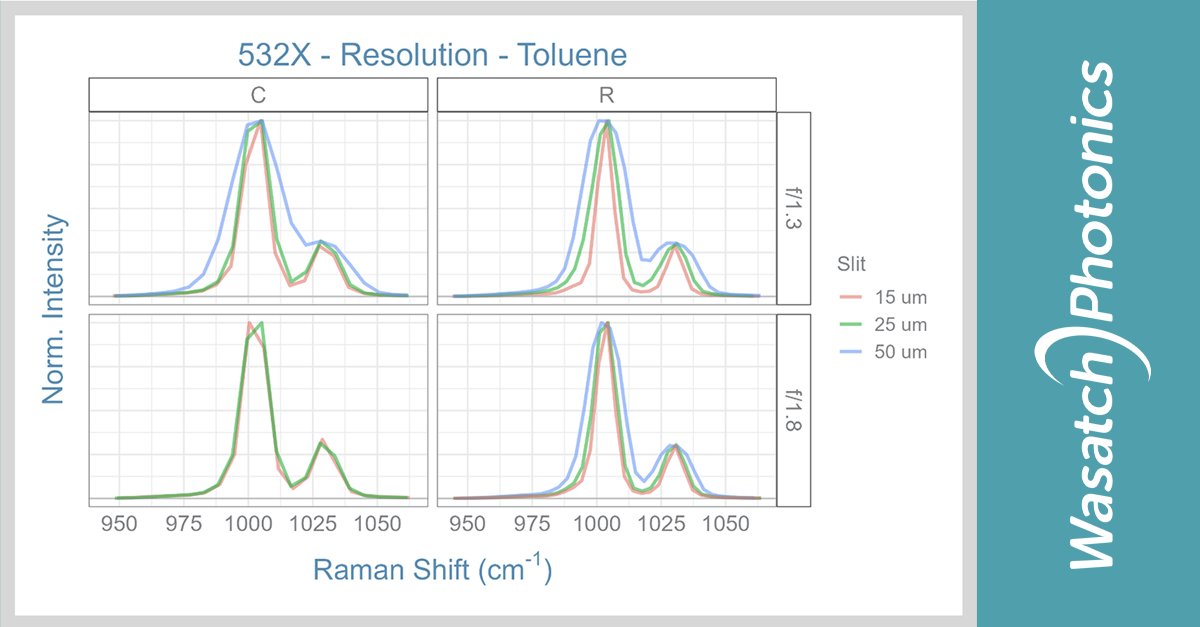
Small slit changes can make a big difference in Raman resolution. Here, narrower slit settings more clearly resolve the toluene double peak across multiple detector and f/# configurations of the WP-532X Raman system.
Explore more Raman X Bites: youtube.com/playlist?list=PL…
#RamanSpectroscopy #Photonics #Optics #XBites #Raman #spectroscopy #photonics #optics
35
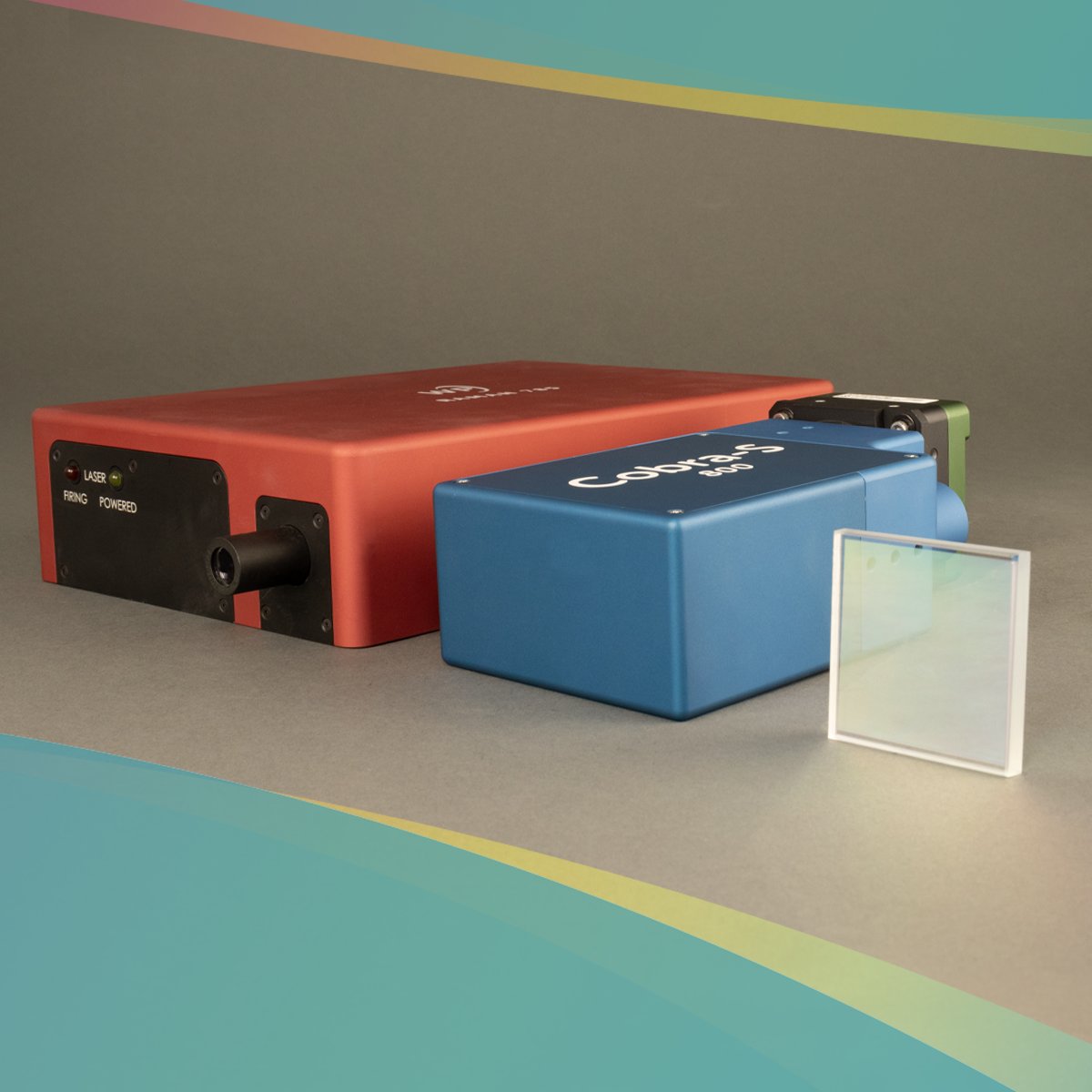
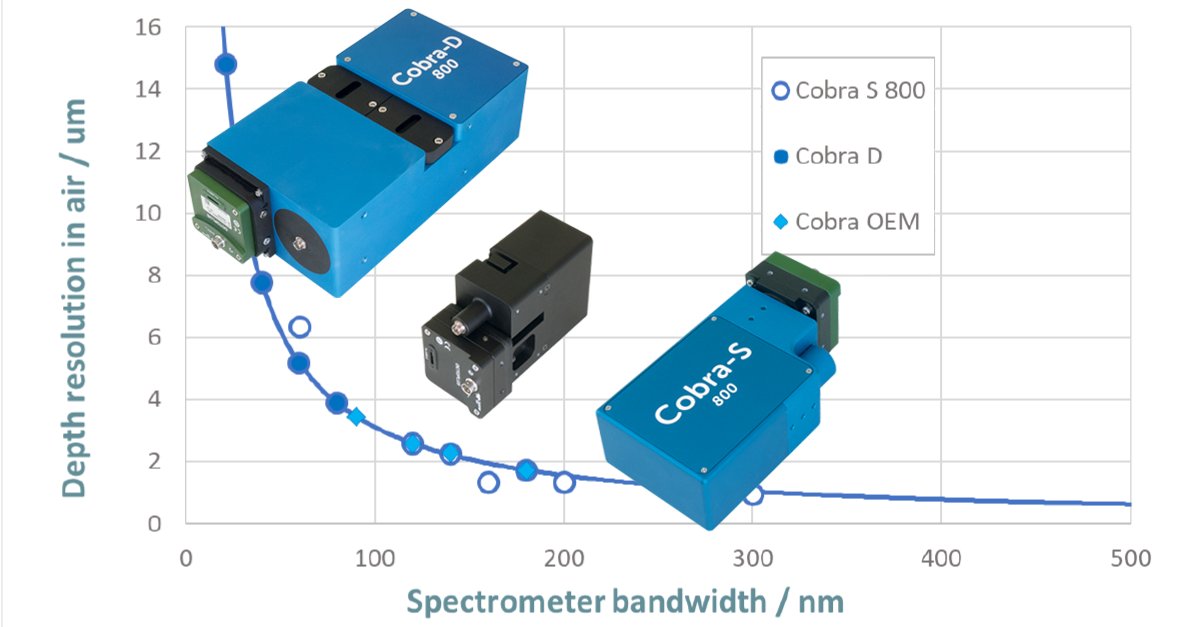
Our Cobra 800 OCT spectrometers are available in three varieties — helping you find the right balance between size, resolution, and imaging depth for your specific application needs.
Explore our Cobra spectrometer options: wasatchphotonics.com/product…
#OCT #photonics #biophotonics #opticalengineering
29
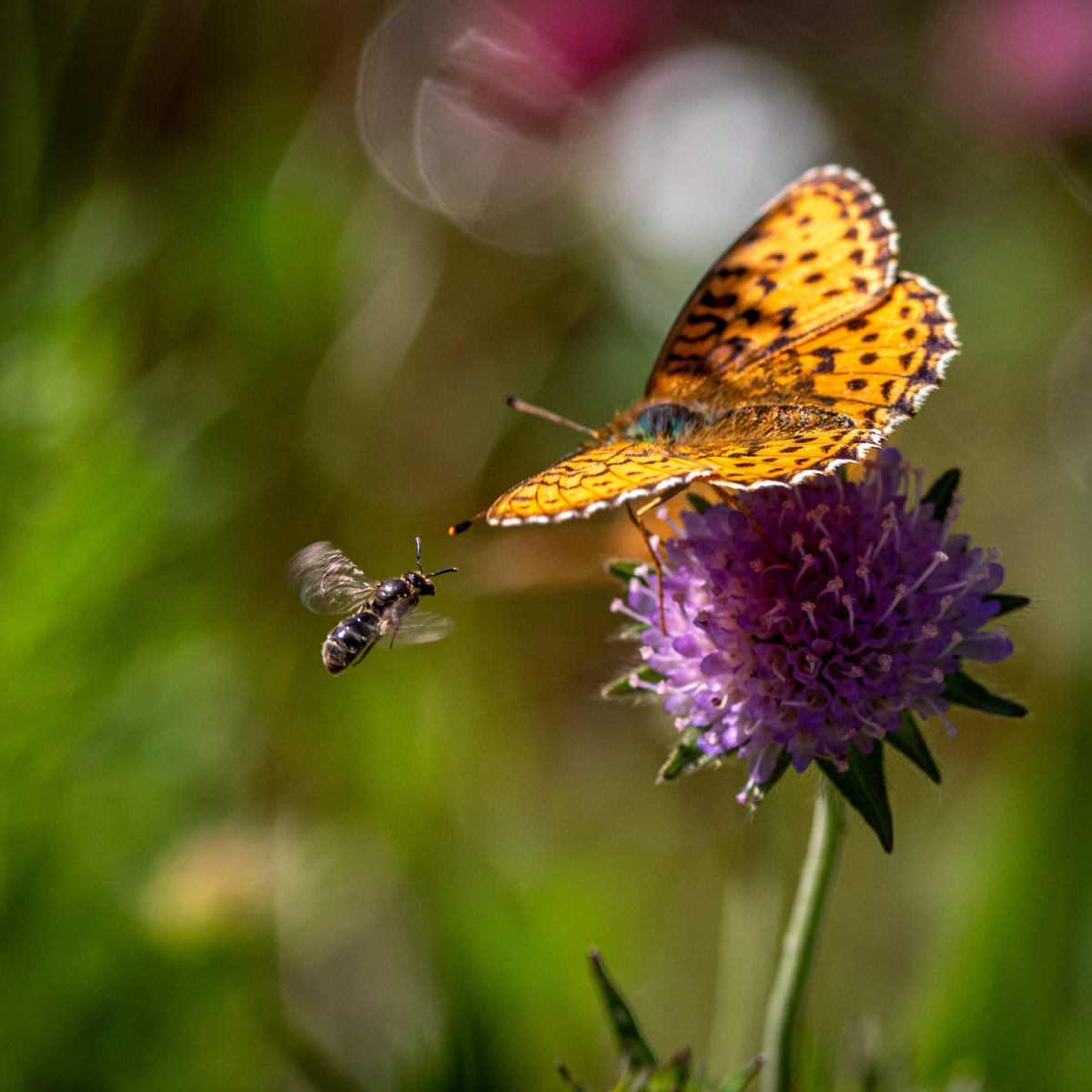
🐝 Science Saturday: Bees get the credit—but they’re just part of the pollination story.
While bees are famous pollinators, many other insects—like flies, beetles, and butterflies—play a major role in helping plants reproduce. Some crops even rely more on these “under-the-radar” pollinators than bees. 📖
Read more: fs.usda.gov/wildflowers/poll…
#ScienceSaturday #Pollinators #Ecology #Biodiversity
13
Interested in building technology that helps people see and understand the world in new ways?
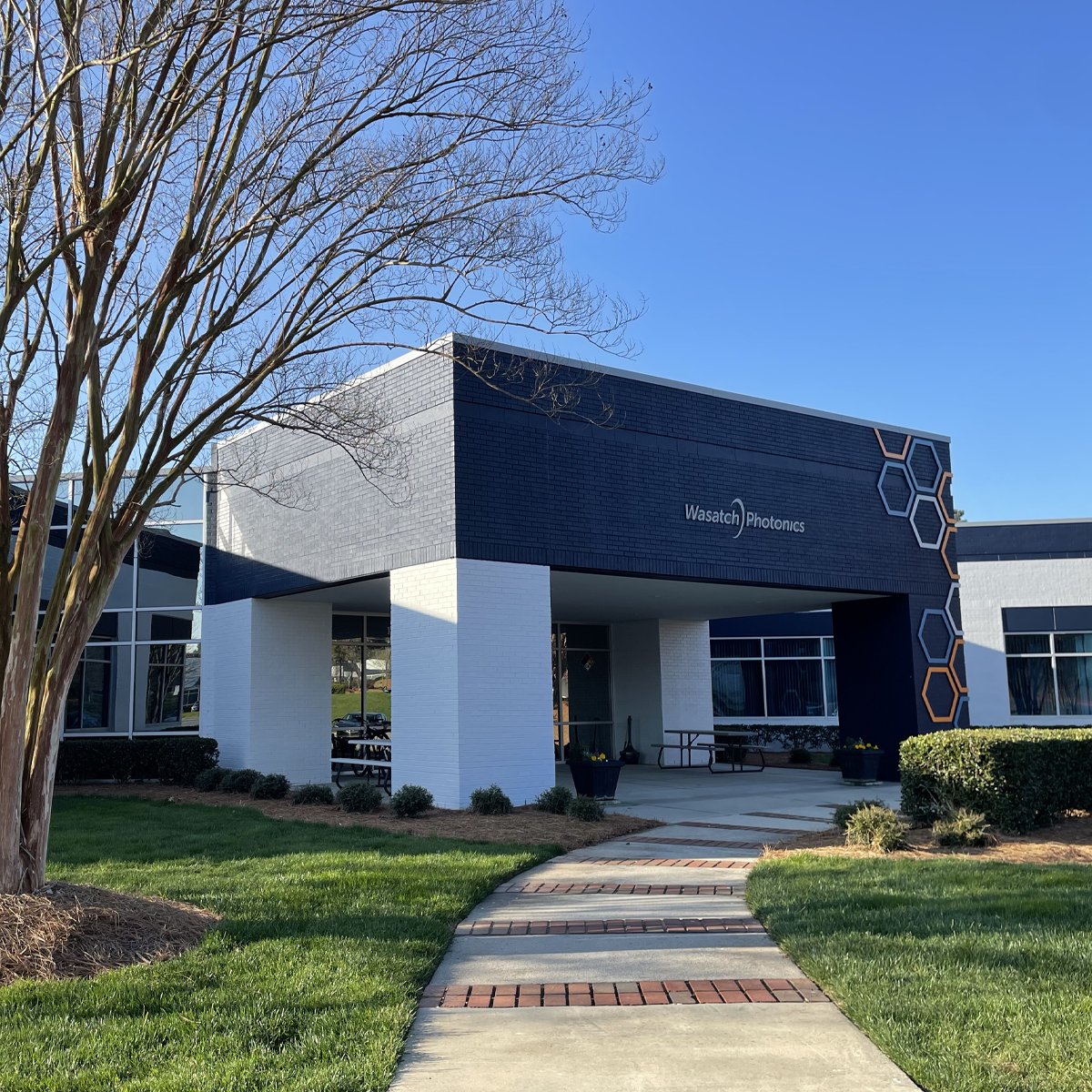
We’re growing our team in Morrisville and currently hiring for several roles across Wasatch Photonics. If you’re excited by spectroscopy, optics, and hands-on innovation, we’d love to hear from you.
Explore our open positions: wasatchphotonics.com/careers… #photonics #spectroscopy #optics #engineeringjobs #hiring
28
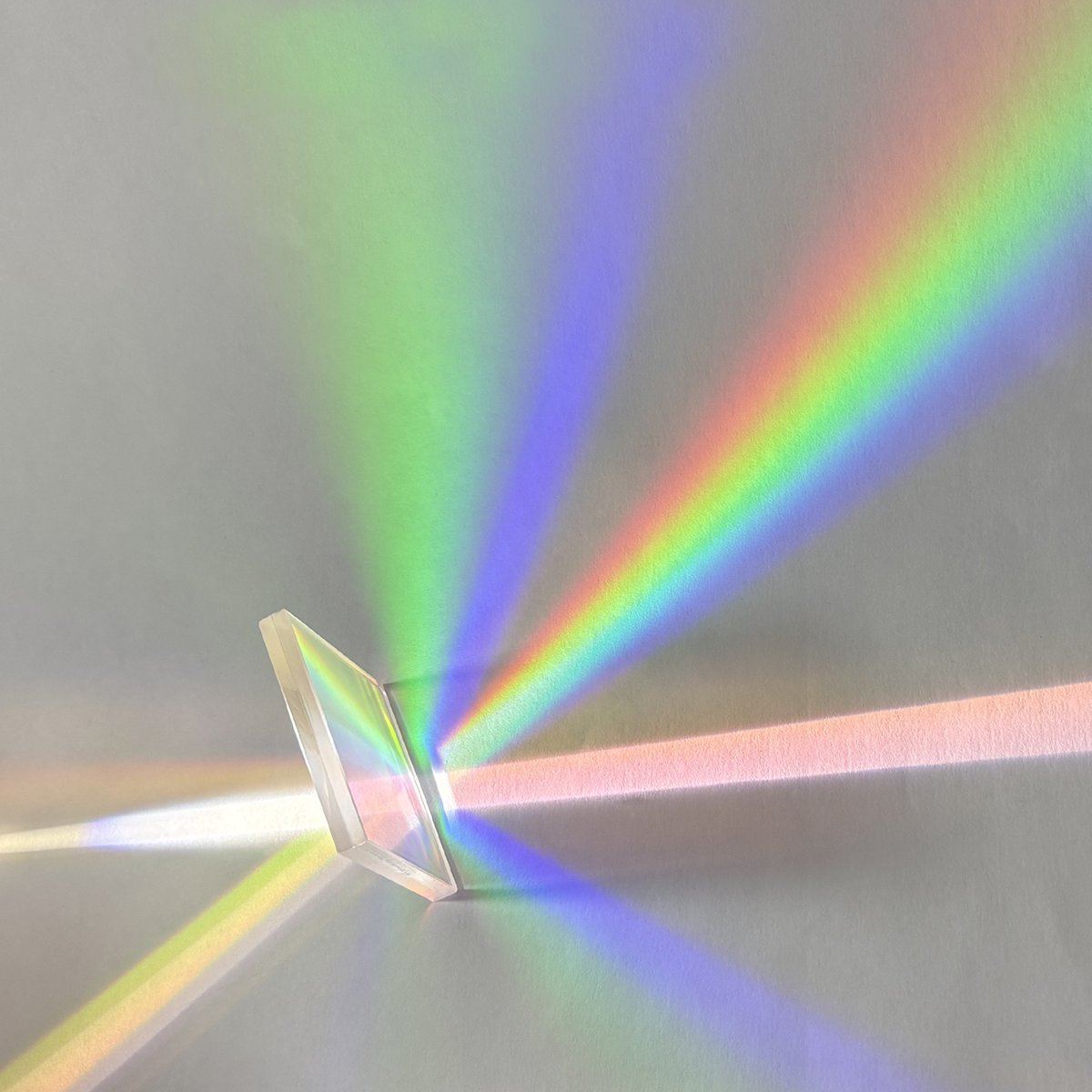
A single beam becomes a spectrum. That’s the role of our patented VPH transmission gratings—Separating 1st order light into the detail that make spectroscopy measurements possible. #photonics #Raman
1
28
🌌 Science Saturday: We’re discovering planets that shouldn’t even exist—and rewriting the rules of how worlds form.
Astronomers using the James Webb Space Telescope are uncovering strange new planets and atmospheres—like scorching rocky worlds with unexpected atmospheres and gas giants with icy clouds. These findings are challenging long-held ideas about how planets form and what they’re made of.
📖 Read more: sciencedaily.com/releases/20… #ScienceSaturday #JWST #SpaceScience #Astronomy
28
Nice views and great conversations ☀️ We’ve been at the EPIC AGM & Summit this week—listening, learning, and connecting with the photonics community. #photonics #EPICAGM

17
🔊 Science Saturday - What if lasers didn’t use light—but sound instead? Researchers just developed a “phonon laser” that controls vibrations at the quantum level, opening new possibilities for sensing and materials science.
📖 Read more: rit.edu/science/news/improve… #ScienceSaturday #Photonics #QuantumScience #Engineering #Innovation
24