Joined September 2018
- Tweets 13,343
- Following 30
- Followers 74
- Likes 4,128
1,664 Photos and videos
Pinned Tweet

Feb 28
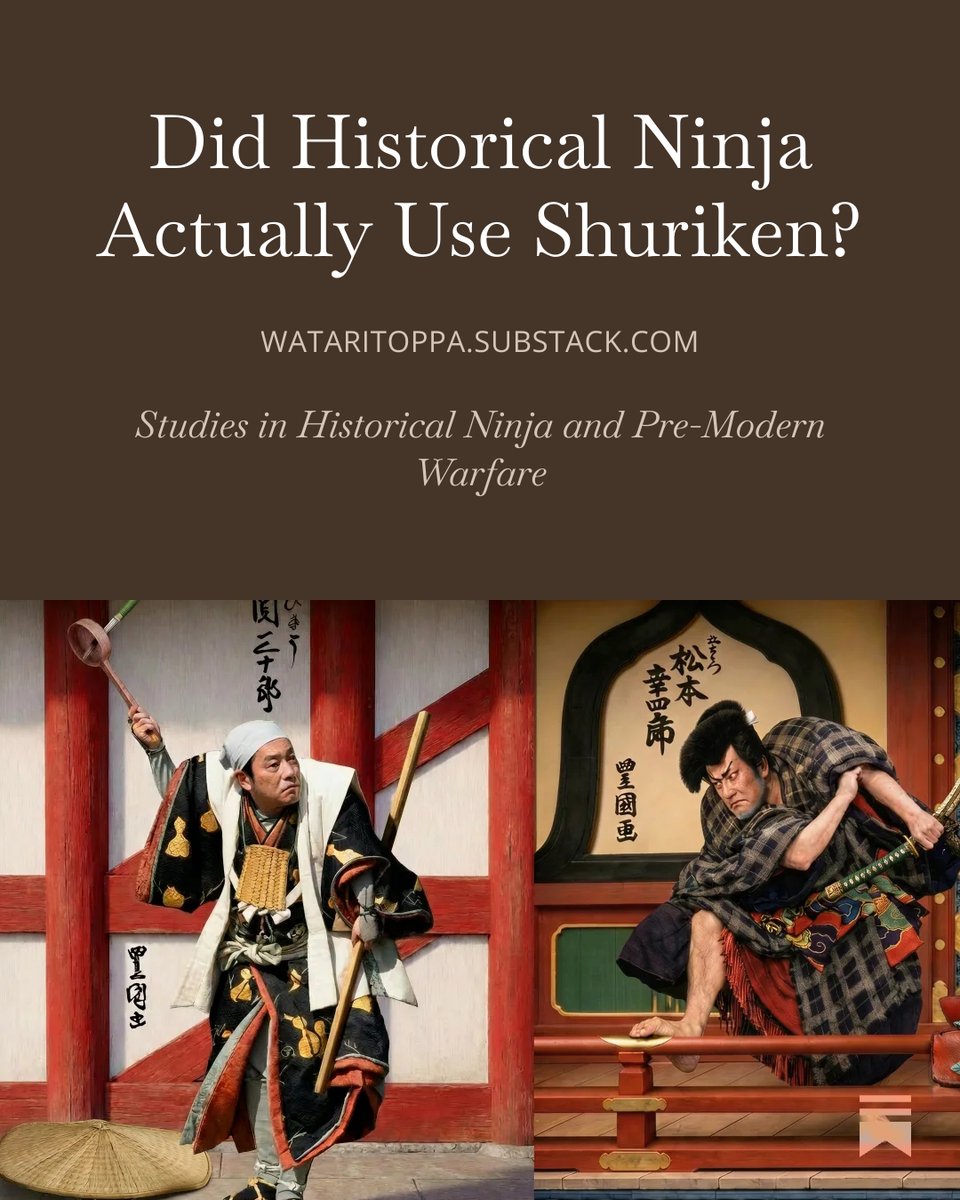
Did Historical Ninja Actually Use Shuriken? open.substack.com/pub/watari…
4
21
3,583
6 Apr 2025
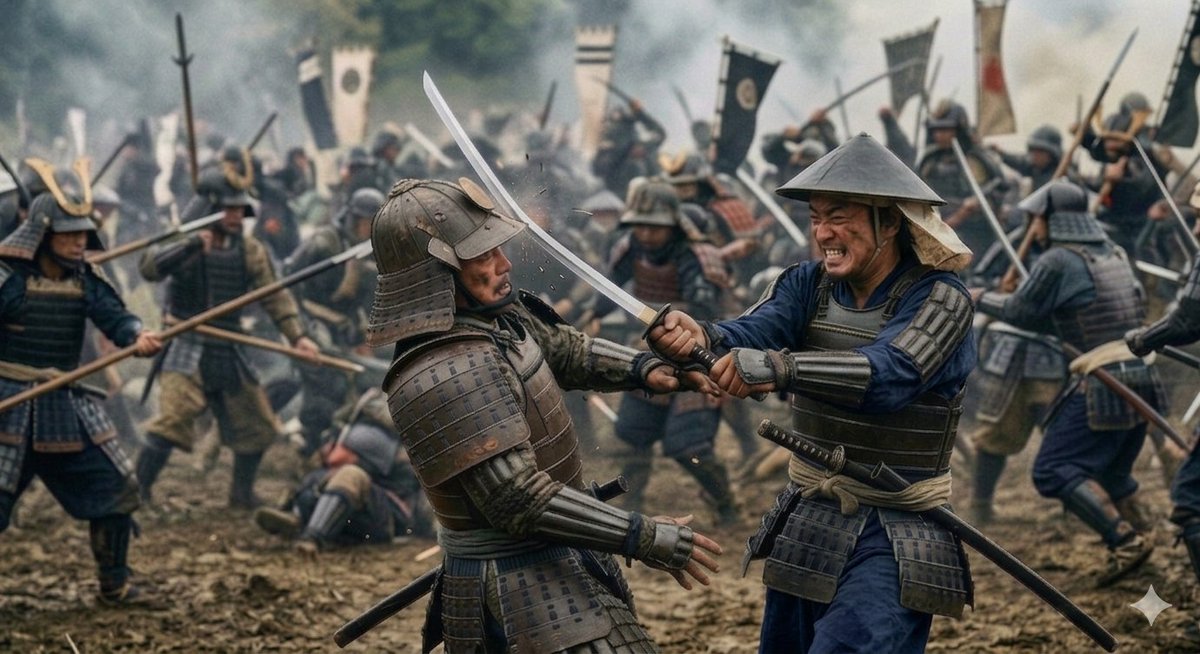
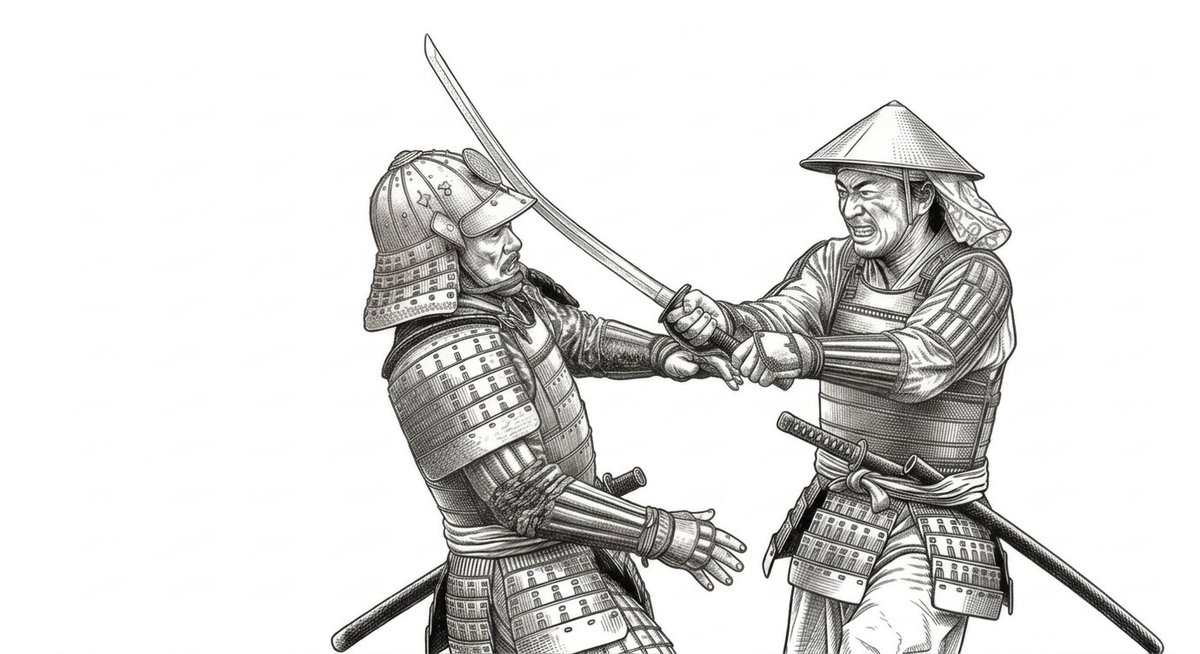
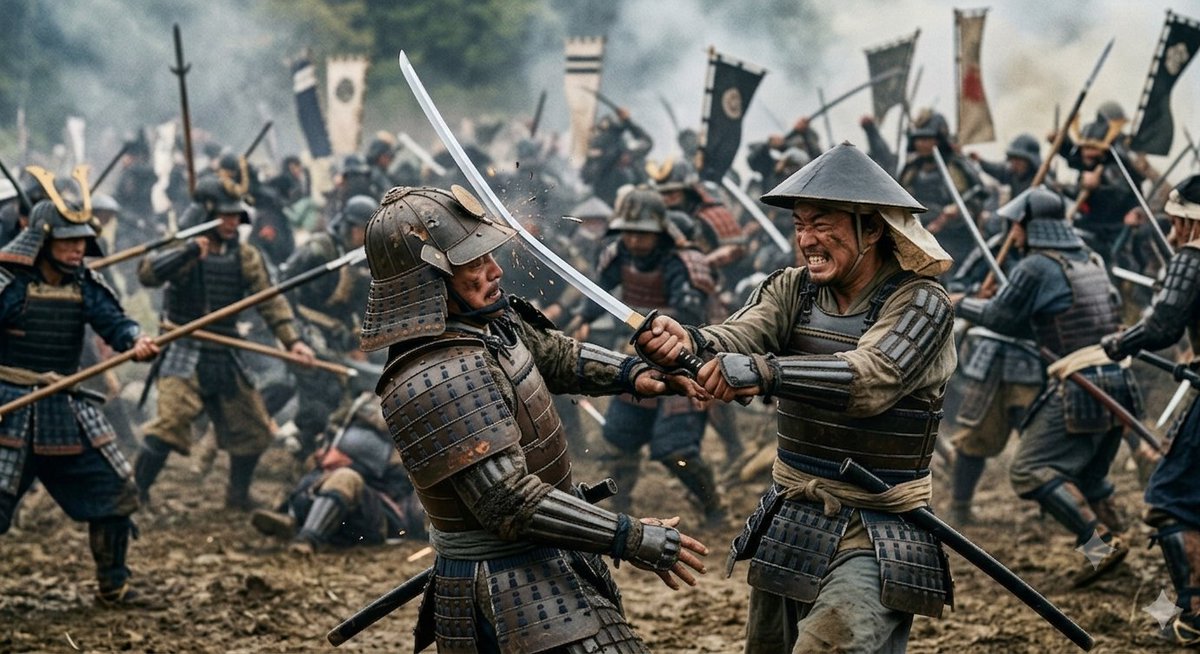
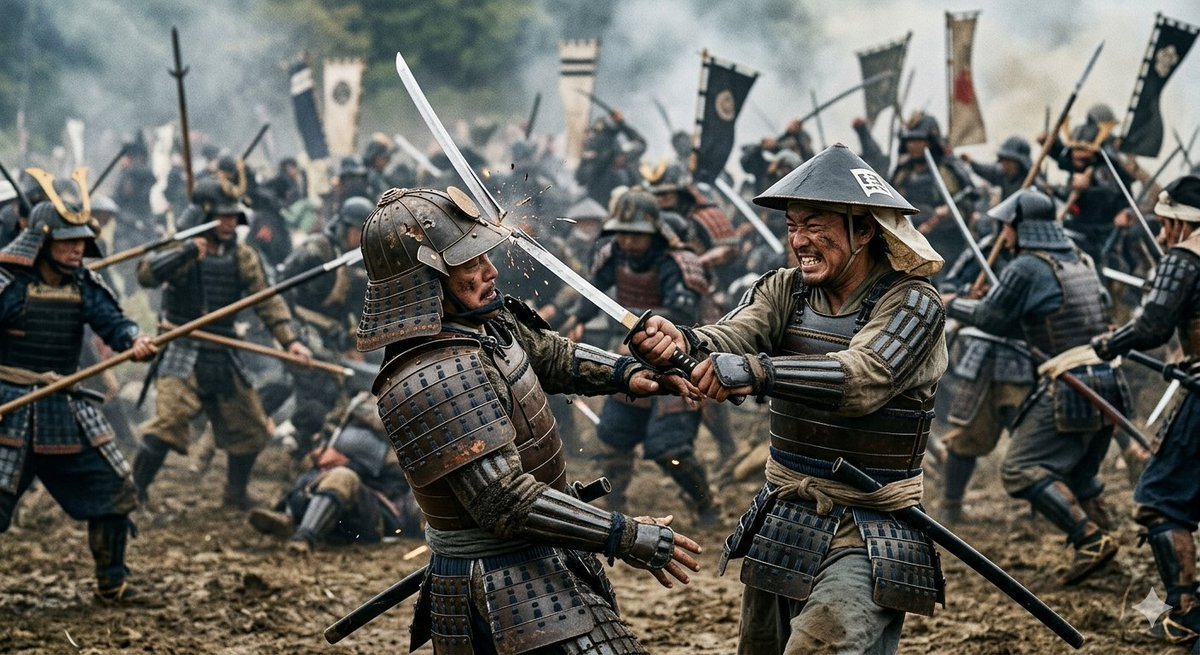
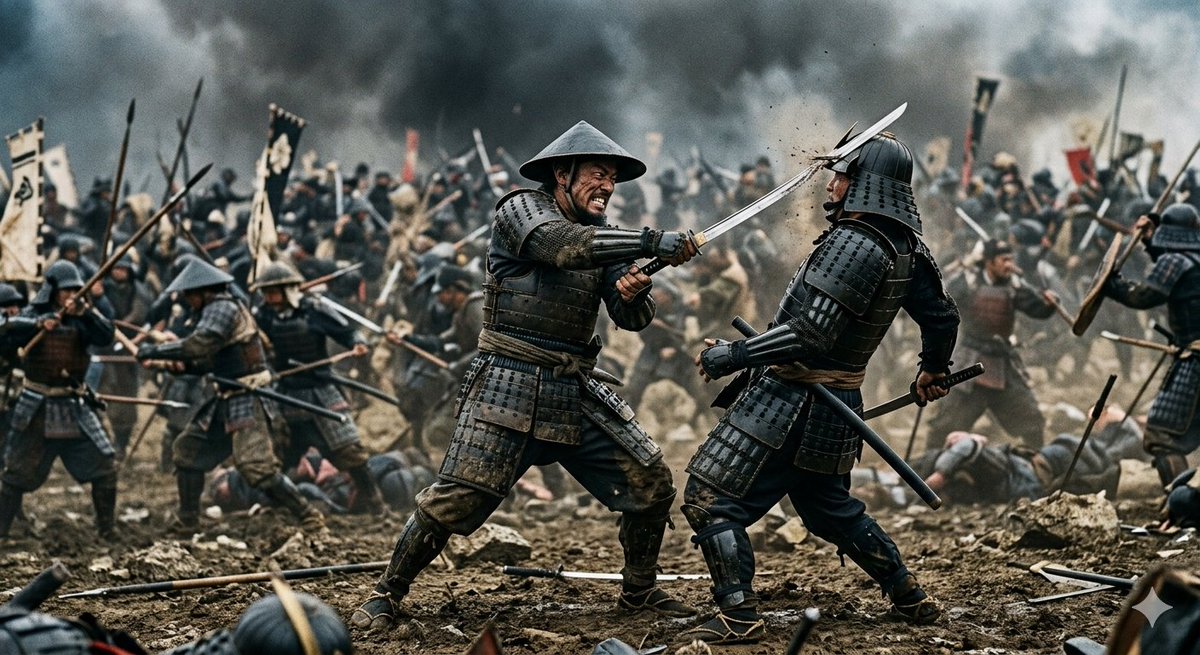
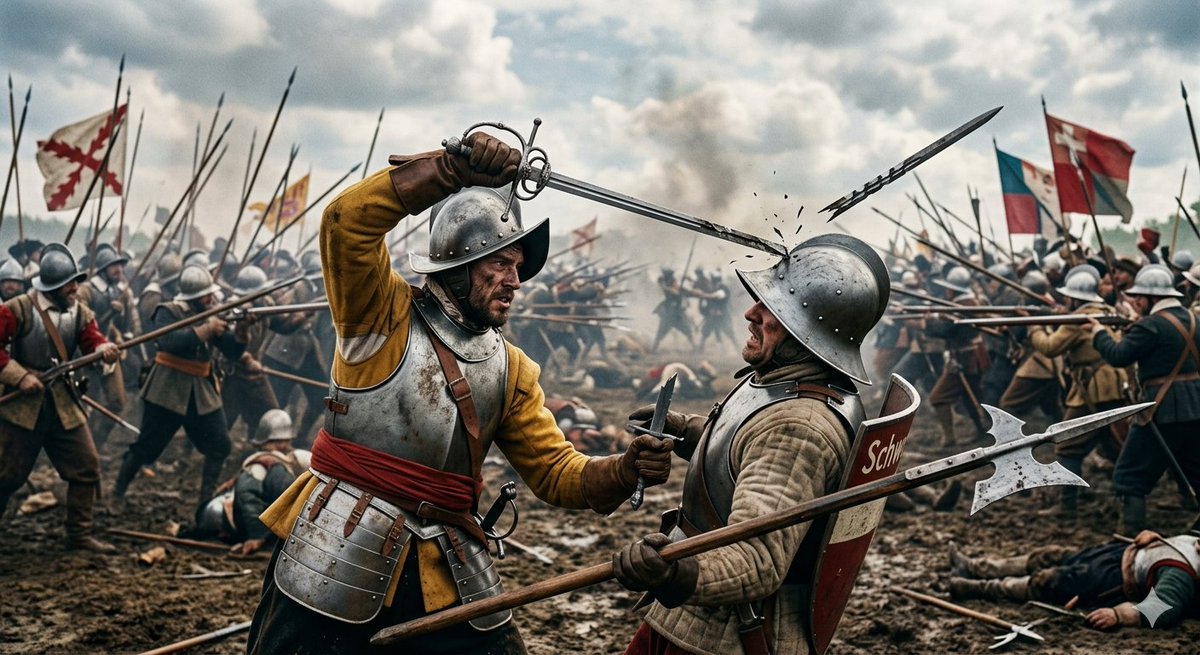
youtube.com/watch?v=umLzXuBW… The samurai could have taken advantage of the knight's high center of gravity. The knight would lose a lot of stamina when withstanding a throwing technique.
2
3
8,613
Even if it is difficult to hit a vital spot, cutting the arm would make any further counterattack difficult. If the cut reaches an artery in the arm, stopping the bleeding during a fight would be difficult, so victory could be achieved simply by buying time.
1
8
Mar 31
Since ninja placed importance on attacks on rainy nights, did they use an ebira quiver with a waterproof cover like the one depicted in the Moriyoshi Shinno Shutsujinzu? en.wikipedia.org/wiki/File:%…
1
1
388
youtu.be/iU3HZ01SGY4 Large shuriken of a size similar to the throwing knife used by Skeeter Vaughan when he killed a sentry in 1944, as well as shuriken coated with poison, may not have been intended merely for distraction but may have been intended to defeat the opponent.
1
15
Even the not particularly heavy Negishi-ryu shuriken, which may have weighed about 90-160 g, were probably used in some cases to strike the neck and incapacitate an opponent. x.com/Watari_toppa/status/20…
Apr 11

There are various theories about the killing power of shuriken, but a record exists stating that Maeda Yu killed (or immobilized) a soldier with Negishi-ryu's shuriken at night in China in 1938.
dl.ndl.go.jp/pid/1397259/1/1…
dl.ndl.go.jp/pid/2512139/1/4…
7
Watari toppa retweeted

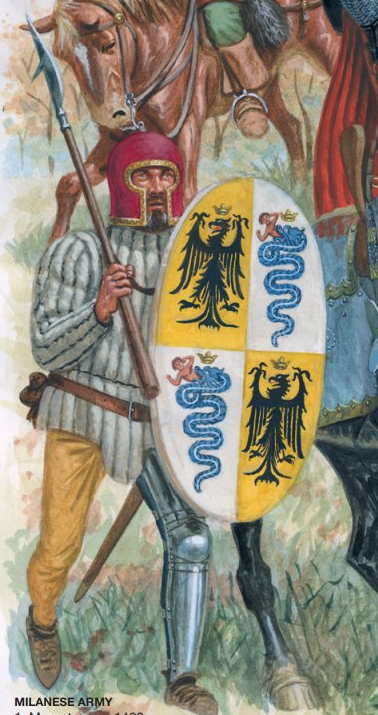
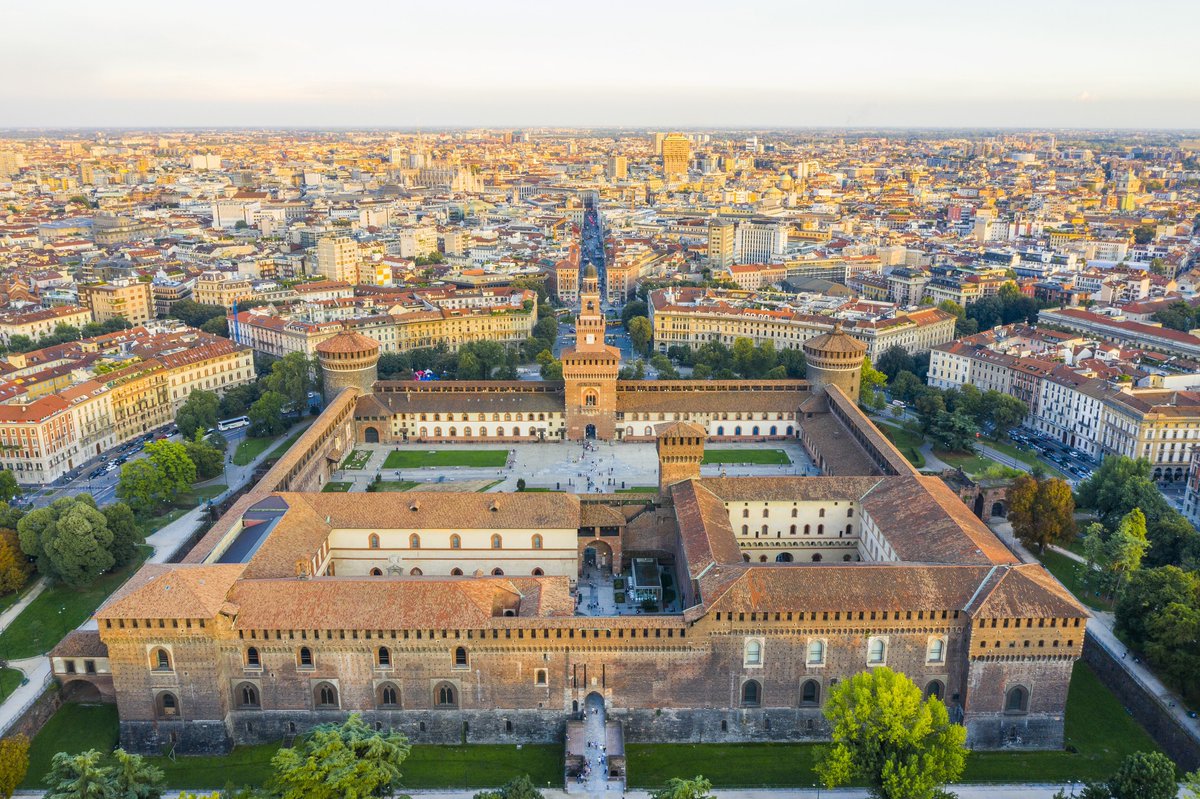
In late 15th century this castle was defended by 200 elite Milanese provvisionati infantrymen.
This was a regularly paid garrison that also served as life guard for Sforza dukes and their families, as well as protecting the castle from a potential uprising.

1
9
252
10,079
Watari toppa retweeted
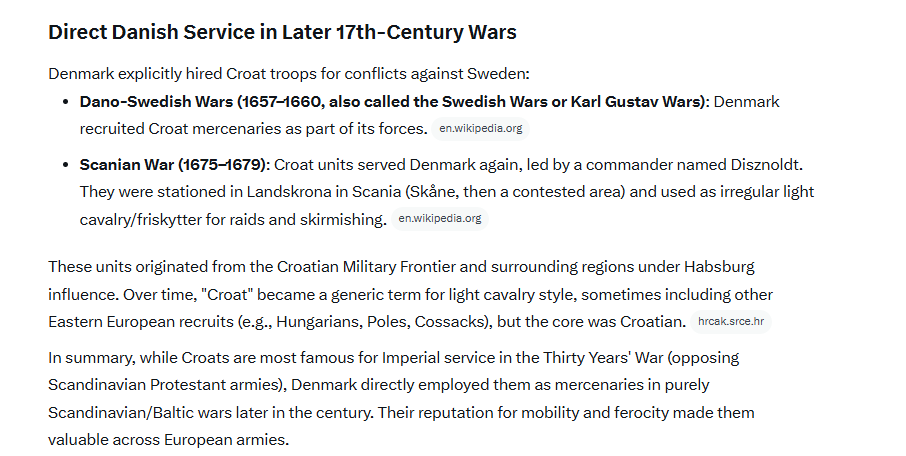
It's interesting how Denmark hired Croat light cavalry as mercenaries in late 17th century.
I mentioned this in the "longpost" bellow.
These troops were hardened by Habsburg-Ottoman frontier warfare, with a reputation for being especially ferocious.
3 Dec 2024
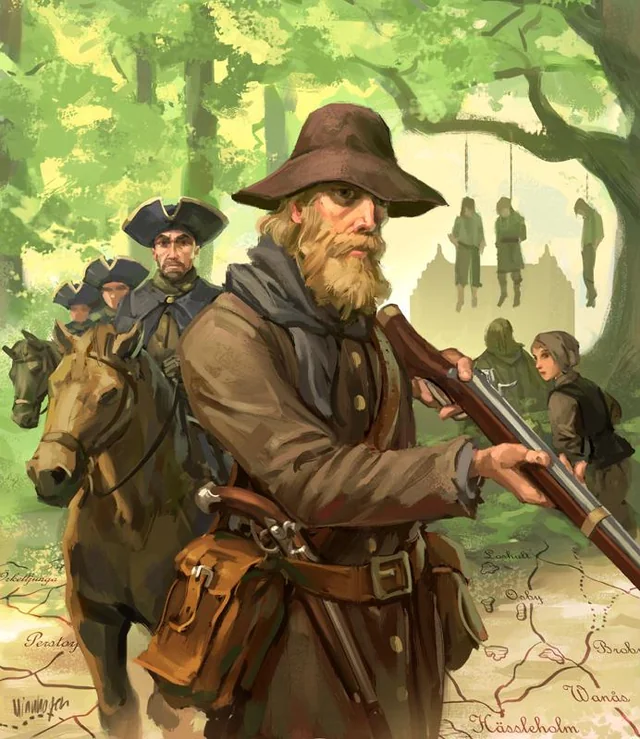
During the Scanian War of 1675-79 irregular troops known as the snapphanar appeared!
These soldiers were pro-Danish and harassed the Swedes in the region of Scania which had passed under Swedish control in 1658, attacking the supply lines and participating in organized ambushes.
The snapphanar was used as a general term describing different types of soldiers who were harassing the Swedes in this troubled region.
Some of them were Danish soldiers specifically send to Scania and other territories recently obtained by the Swedes in what is now southern Sweden (you can observe this on the map I attached) to wreak havoc.
Others were locals, motivated be either resentment towards the new Swedish rule or simply by promises of loot and plunder they could obtain living this sort of lifestyle, effectively becoming bandits.
The Danish called these troops friskytter, while the Swedish term snapphanar had negative connotations, associated with banditry.
One of the main objectives of the snapphanar was to prevent the Swedish tax collection and undermine the authority and legitimacy of Swedish state in the disputed regions, preparing the way for Danish invasion, as part of the Danish plan to regain full control of what they lost. This invasion would ultimately happen in the aforementioned Scanian War.
Most of these friskytter/snapphanar were infantrymen, but there were also light cavalry units, some of them very professional and experienced. It's very interesting how the Danes also used Croat mercenaries as part of the friskytter, the famed Croat light cavalry which had distinguished itself in the Thirty Years' War, coming out of tradition of similar borderland raiding in the Croatian frontier against the Ottomans.
This is also an example of how in early modern warfare these conflicts regularly devolved in a "petty war" or "little war" in the problematic borderland regions, where both sides began relying on irregular light infantry and cavalry, and these units would start operating independently, often turning to simple banditry.
The snapphanar were initially very successful in undermining the Swedish control of Scania. However as the tide of the war turned against Denmark, Sweden eventually gained and opportunity to deal with these troublesome snapphanar, and they did this in a very brutal manner. No mercy was shown to these men, who were considered as nothing more than criminal bandits!
When they were captured, the Swedes executed the snapphanar and had their impaled bodies displayed as a warning to the population not to side with them. They also used the brutal breaking wheel method of execution, which also served to intimidate the local population.
The Swedes also pushed the Scanian peasants to swear allegiance to the King of Sweden, which many did. This would begin to create a wedge between the local population and the snapphanar "guerrilla" troops. While previously the locals were sympathetic to the Danish groups, the terror of the snapphanar caused many to change sympathies. Many were also simply demoralized by Swedish victory, as King Charles XI of Sweden launched a successful counteroffensive and regained full control of Scania.
The Swedes were determined to crush the snapphanar movement for good, and continued to do so even decades after the Scanian War ended in 1679. The last suspected snapphane, Nils Tuasen‚ was executed in 1700 for killing a Swedish soldier all the way back in 1677.
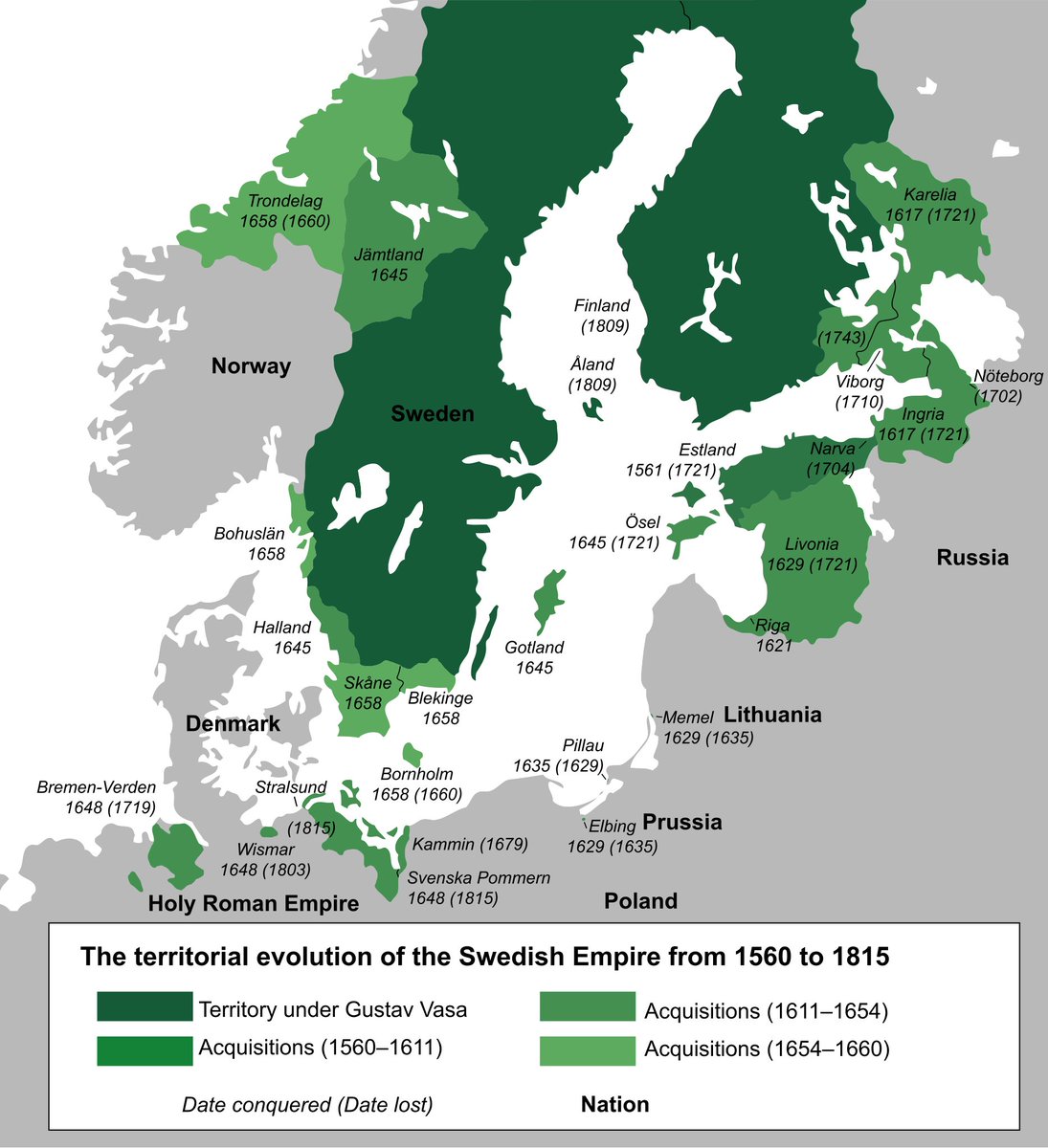
5
11
117
5,883
Watari toppa retweeted

Jun 13
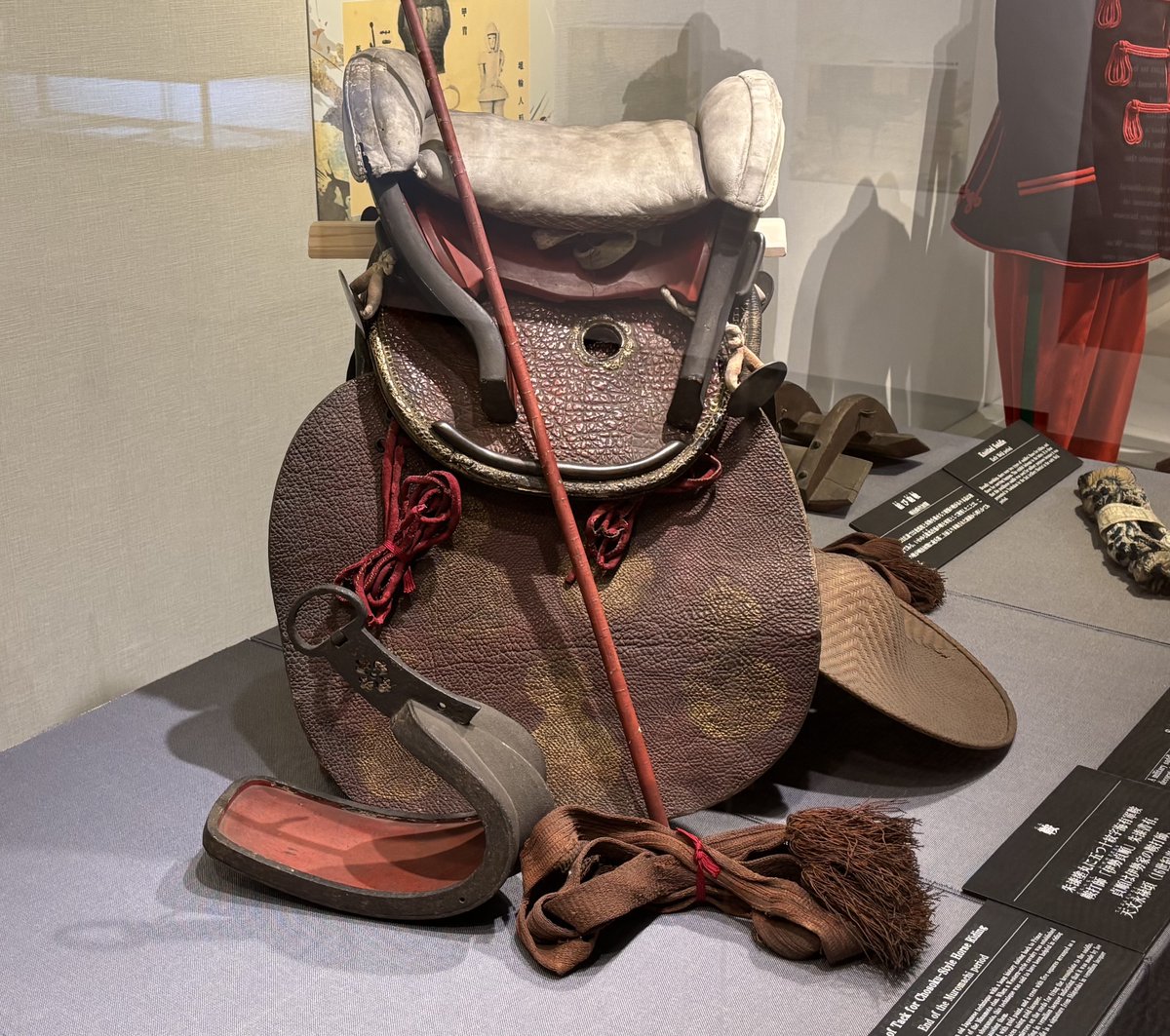
和鞍は木製で硬いので長時間座ってるとお尻が痛くなる
昔の人も同じだったらしく遊就館の「作の鞍」は前輪と後輪にかけて白い座面を懸け、ここに座るとお尻が硬い居木(いぎ・和鞍の座面)から浮きクッションになるようだ
これなら馬を疲れさせず遠駈けさせる「調息流馬術」練習の時、人の尻も痛まない
Jun 12

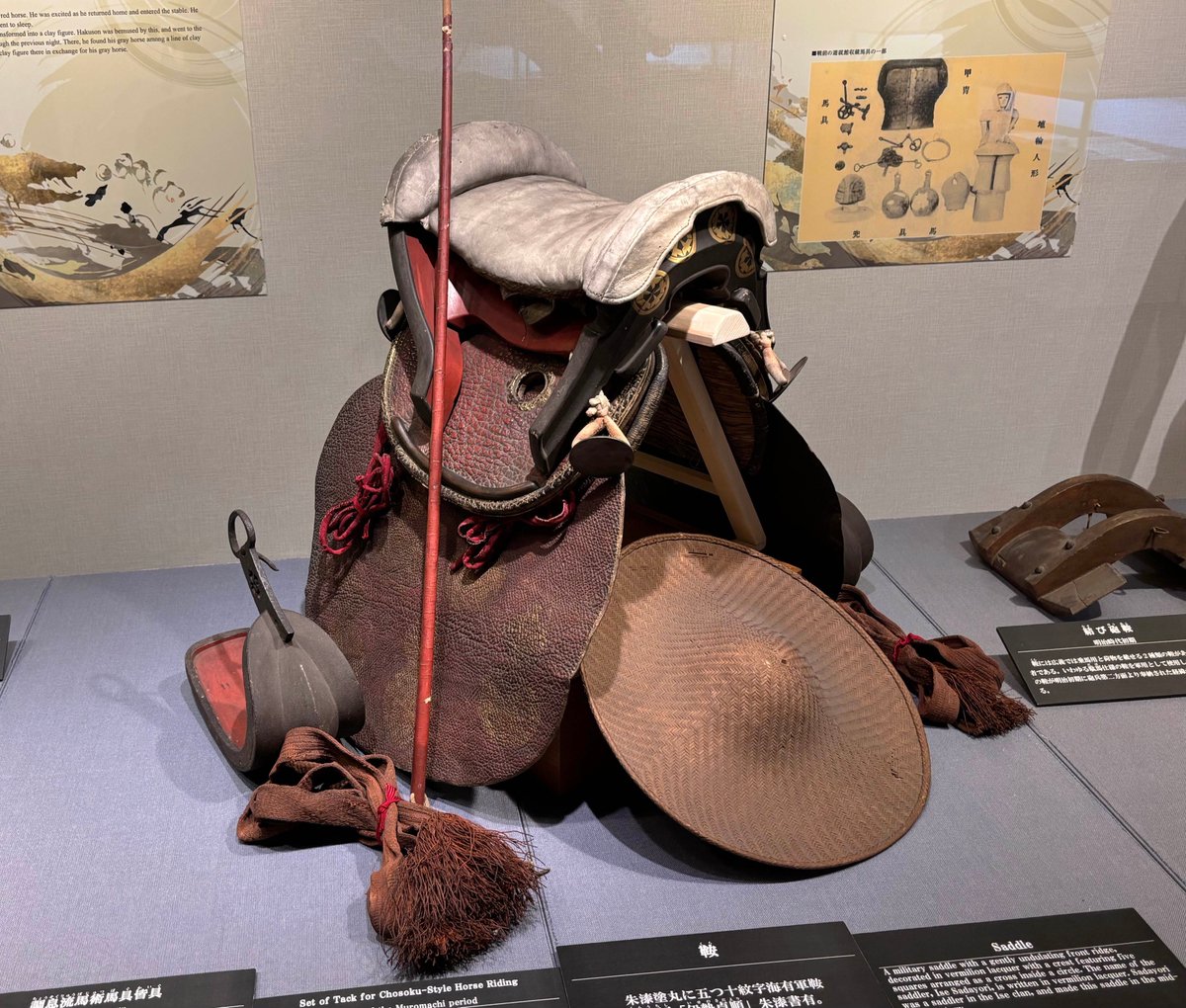
今回の展示にあった「作の鞍」は、代々足利将軍の教育係を務めていた伊勢家の当主が、大坪流馬術の大坪道禅の技を伝授されて作る名品として大名たちの垂涎の的であった
司馬遼太郎の「箱根の坂」に、後の北条早雲が(当主の代理として)伊勢家の作事小屋で鞍を作っている描写がある
伊勢貞順作、16世紀
2
26
101
6,031
9 Aug 2025
chatgpt.com/s/t_689698506748… GPT-5 initially answered incorrectly that this was in volume 2.
1
1,552