Joined May 2021
- Tweets 1,555
- Following 332
- Followers 197
- Likes 571
317 Photos and videos
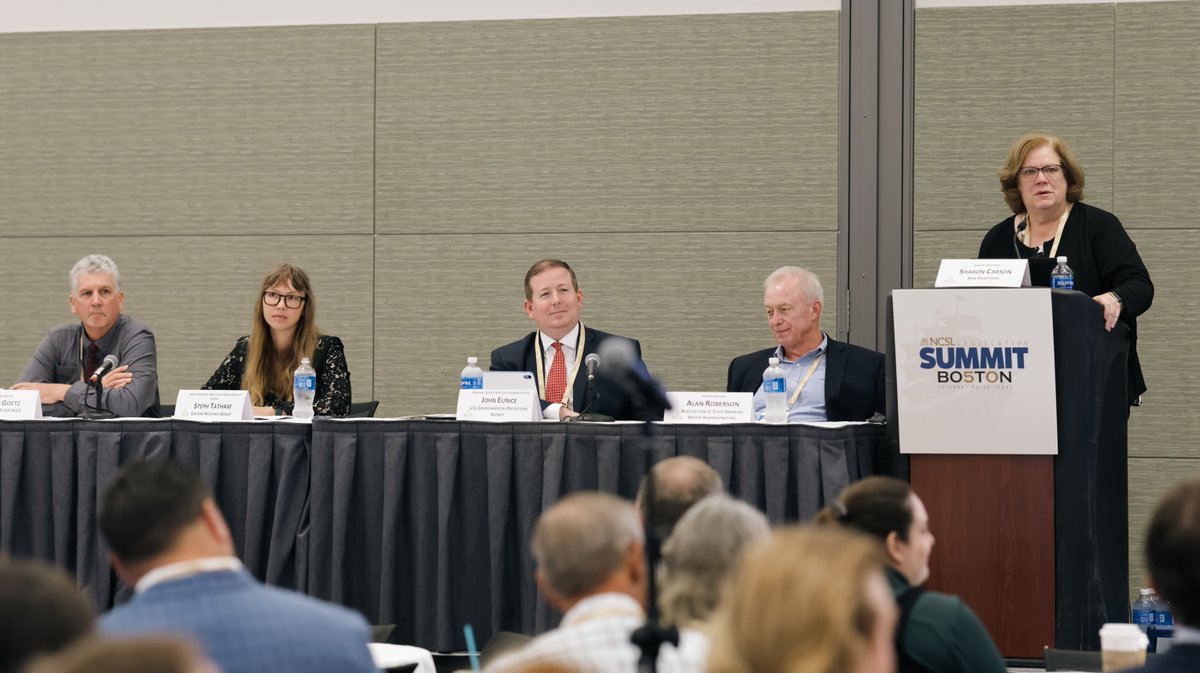
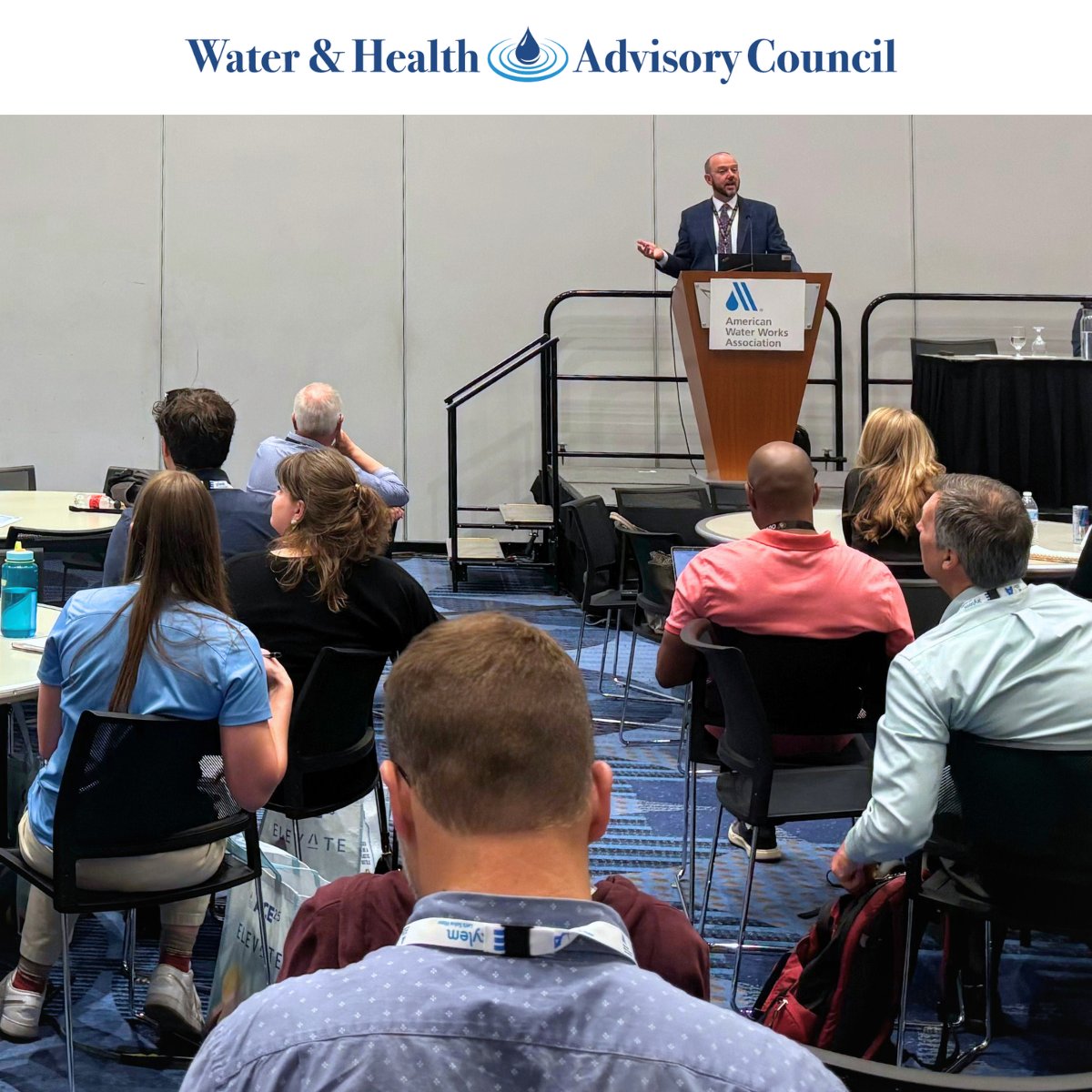


Water & Health Advisory Council chair Kathryn Sorensen highlights the urgent need to invest in aging water infrastructure before systems reach a breaking point.
1
7
As community water systems continue to age, delaying rehabilitation and replacement only shifts greater costs and risks to future generations.
1
5
Strengthening the infrastructure that supports public health will require sustained investment, responsible planning, and support from elected officials to ensure utilities have the resources needed to maintain safe, reliable drinking water.
4
Illinois will receive nearly $295 million in federal funding to identify and replace lead service lines as part of a broader EPA initiative to reduce lead exposure in drinking water.
1
5
The funding, distributed through the Drinking Water State Revolving Fund, will support lead pipe inventories, infrastructure planning, and replacement projects across the state.
1
8
The announcement highlights the continued importance of sustained investment in aging water infrastructure and lead remediation efforts.
Read more chicagotribune.com/2026/05/2…
3
The #SafeDrinkingWaterAct has played a critical role in making American drinking water among the safest in the world. However, as Council Chair Kathryn Sorensen notes, protecting public health requires more than identifying new contaminants.
2
1
12
Long-term system reliability also depends on investments in aging infrastructure, workforce capacity, cybersecurity, and supply chain resilience.
1
2
As discussions around the future of drinking water continue, adopting a risk-based approach that prioritizes the most significant threats facing water systems will be essential.
4
Texas officials estimate the state will need $174 billion in water infrastructure investment over the next 50 years to avoid major water shortages. The draft 2027 State Water Plan includes nearly 3,000 projects to address drought, population growth, and aging water systems.
1
8
The estimate is more than double the state’s previous plan, highlighting the growing cost of maintaining reliable water systems and preparing for future demand.
Read more ksla.com/2026/05/18/texas-wa…
10
Americans benefit from some of the safest drinking water in the world thanks to the Safe Drinking Water Act and the oversight of public water systems.
1
5
As @MPTeodoro notes, while no water source is completely risk-free, tap water is typically tested and regulated far more closely than bottled water. Despite common perception, bottled water often has less oversight and transparency.
1
7
Maintaining public trust in drinking water will require continued investment in infrastructure, strong standards, and clear communication about water quality.
3
The @EPA announced today that it plans to uphold drinking water standards for PFOA and PFOS while extending compliance deadlines from 2029 to 2031. The agency also proposed rescinding standards covering PFHxS, PFNA, HFPO-DA (GenX), and the hazard index mixture that includes PFBS
1
11
At the same time, aging infrastructure, workforce shortages, and microbial contaminants remain urgent challenges facing drinking water systems nationwide.
1
3
Protecting public health will require balanced policies and investments that strengthen overall system reliability and resilience.
epa.gov/sdwa/and-polyfluoroa…
8
Consumer Confidence Reports were created to help build public trust in drinking water by informing residents about what is in their tap water.
1
9
Improving how water quality information is communicated will be essential to strengthening public trust. Clear, accessible reporting that provides meaningful context can help communities better understand their drinking water and the risks that matter most.
1
5
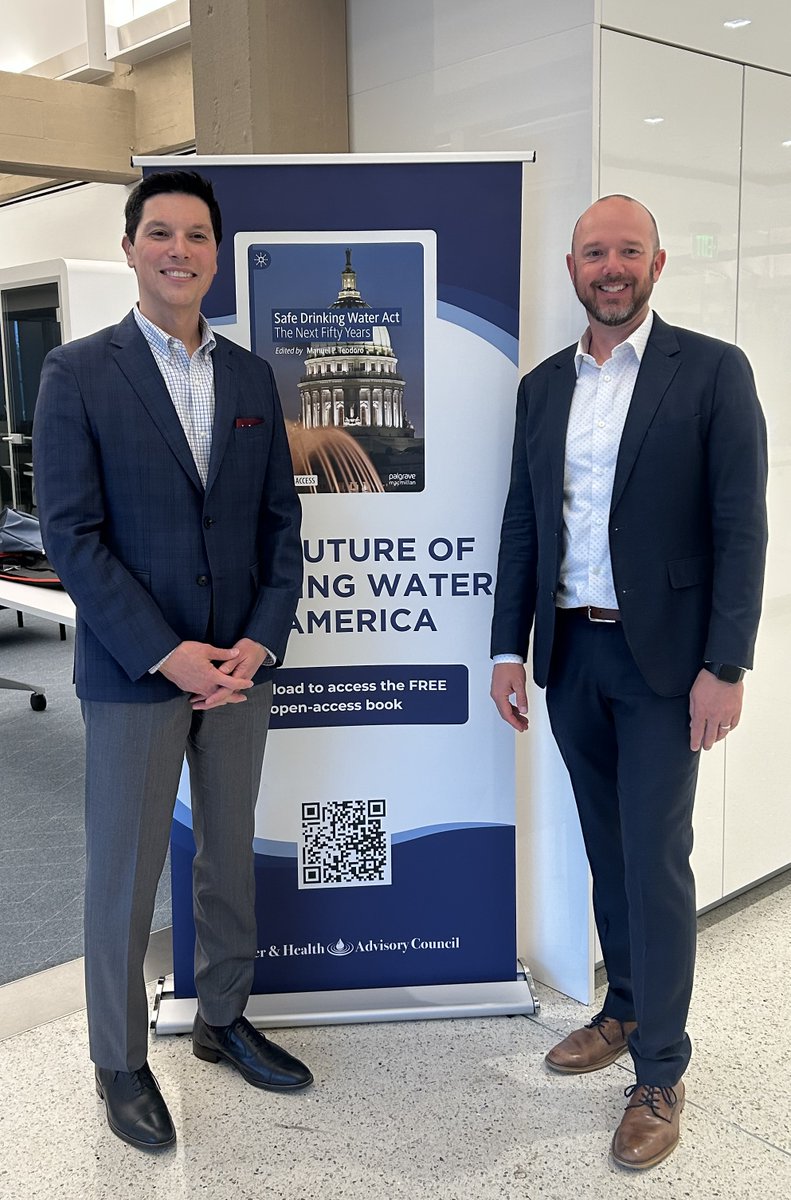
Learn more in the open-access book Safe Drinking Water Act: The Next Fifty Years.
Read more link.springer.com/book/10.10…
4