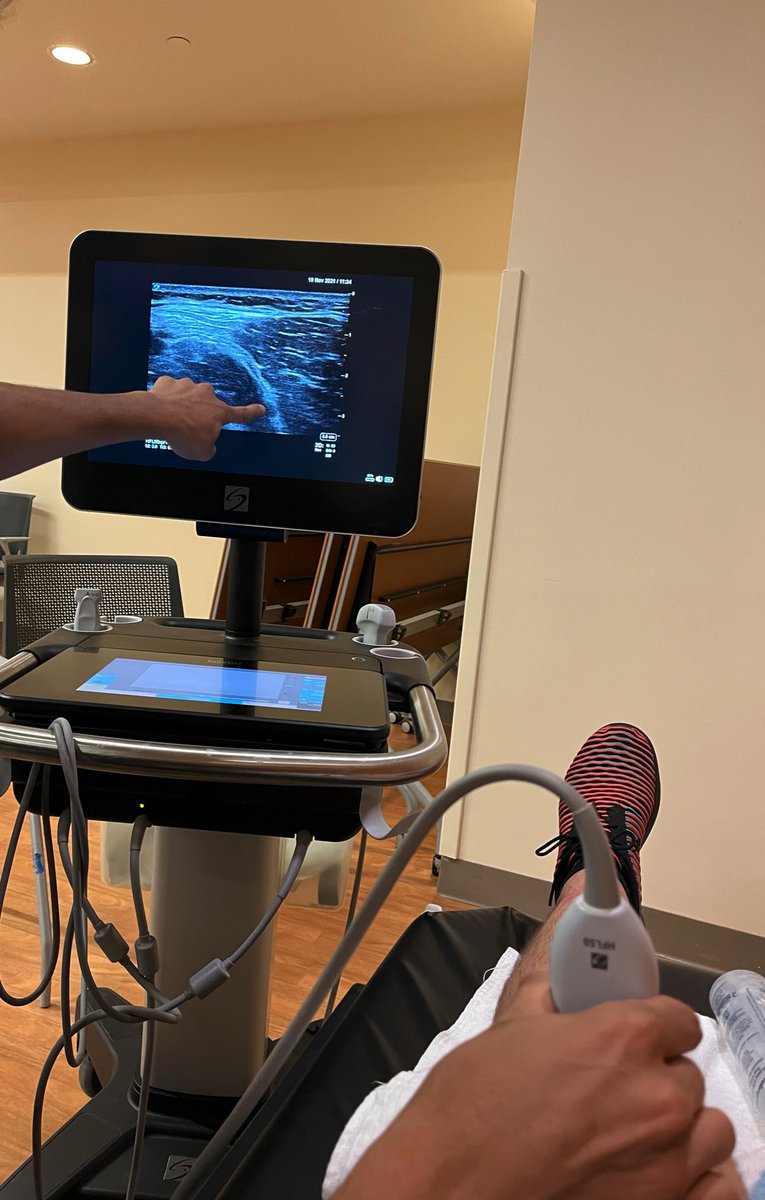
PM&R Resident, PGY-2, Toronto, @UofT_Physiatry @SchulichMedDent, Western University, 2021. Sports, exercise, & medicine. We are born to move 💪 🏃♂️!
Joined February 2012
- Tweets 61
- Following 294
- Followers 160
- Likes 2,884
16 Photos and videos


Chris Wavell retweeted

13 Jun 2024
An important study. Any help in recruitment is much appreciated
This tweet is unavailable
1
10
14
2,085

5 May 2023
Foot and ankle injuries are very common and can be difficult to diagnose.
Listen to this masterclass by @DrMeraliTO on @MskMatters to improve your approach to foot and ankle injuries
podcasts.apple.com/ca/podcas…
2
10
740
29 Mar 2023
The SETPACE Trial published in @AJPMRjournal
Conclusion: Addressing patient confidence to complete exercise has the potential to improve participation in patients following stroke.
Thank you @MacalusoSteven @Stephmarrocco for all your hard work!
pubmed.ncbi.nlm.nih.gov/3681…
2
3
339
21 Oct 2022
By considering all aspects of a person which may impact daily function, Physiatry is about working towards improving the life of my patients.
We get to focus on goals, and ultimately what matters most to our patients.
#PhysiatryDay @AAPMR
1
3
Chris Wavell retweeted

20 Sep 2022
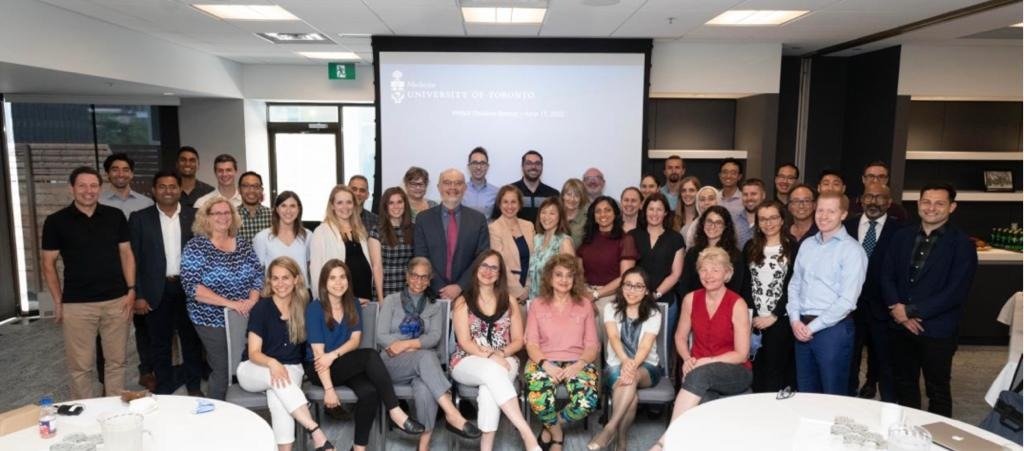
Please join us today in celebration of Rehabilitation Day 2022 #RehabDay2022
Let us and @TorontoRehab know what today means to you!
2
6
27
26 Aug 2022
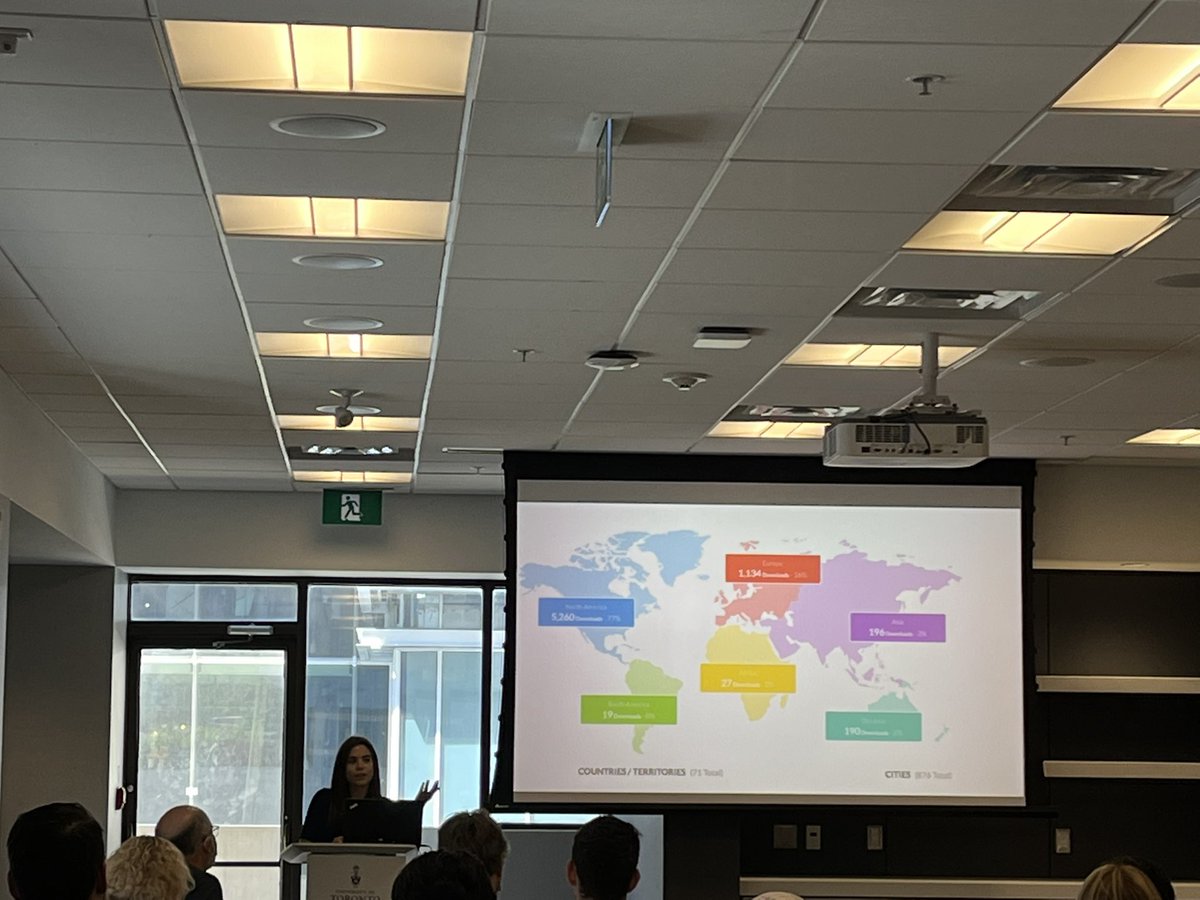
Can we have all of our academic half days here? Best view of Toronto! @UofT_Physiatry
2
12
Chris Wavell retweeted

27 Jul 2022
Season 3 Episode 3: Physical Activity & Brain Health
@Baycrest researcher Dr. Nicole Anderson explains the strong evidence behind exercise as a protective factor for dementia.
Listen now: mskmatters.buzzsprout.com/11…
4
8
28 Jul 2022
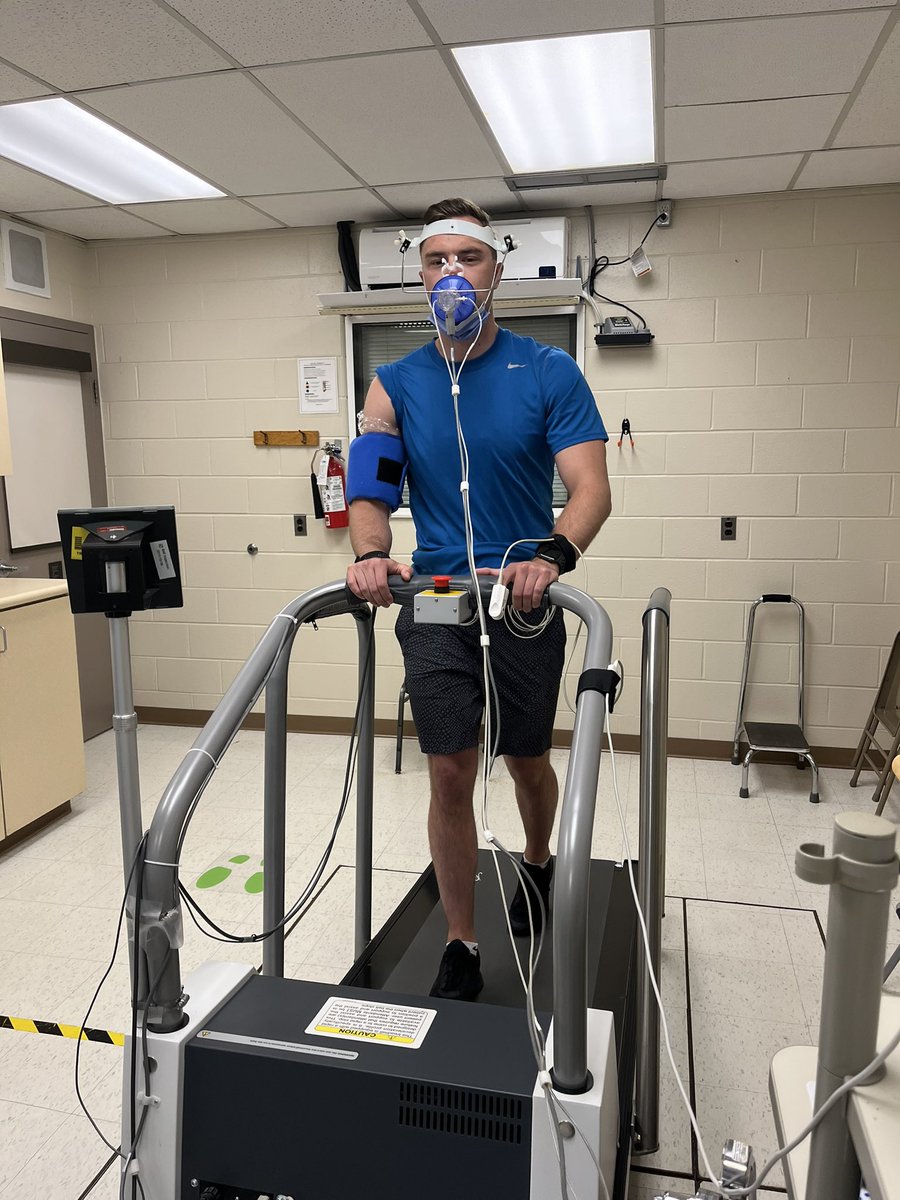
First rotation of PGY2 @UofT_Physiatry on a cardiac rehab rotation at @TRI_UHN. Where else can you get a quick workout between patients!?
Thank you to the @TorontoRehab staff for letting me test out my VO2.
Any guesses what it was?
2
19
Chris Wavell retweeted
27 Jun 2022
Season 3 Episode 2: Sleep 😴
Dr. @bmarcello13 explains how sleep is an active, restorative experience that optimizes function while awake. Sleep is tied to mood & pain, and plays an important role in cognition, emotion, injury & chronic disease.
Listen: mskmatters.buzzsprout.com/11…
2
9
Chris Wavell retweeted

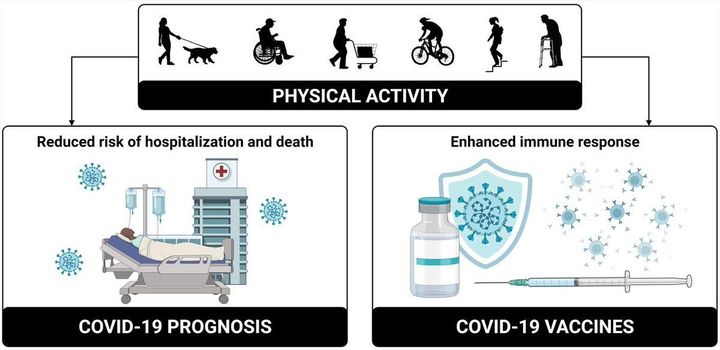
#OpenAccess: Evidence-based physical activity for COVID-19 🏃♀️
What are the outcomes of physical activity and COVID-19 in the general population and hospitalised patients? What should the plan be for the future? 💉
READ HERE ➡️ bit.ly/3seYMFo
11
26
Chris Wavell retweeted

25 Jun 2022
Episode 2 of @MskMatters season 3 is live! Had a blast recording with @alirendely and @bmarcello13 all about the role of sleep, how to get the best night sleep, and my new favourite term, the napuccino!
2
15
24 Jun 2022
Our team at goodlabs.studio/aboutus recently published an open-sourced dataset of simulated patient-physician conversations to train NLP models.
Special thank you to @NationalDefence for funding our Syndrome Anomaly Detection System project.
nature.com/articles/s41597-0…
Chris Wavell retweeted

24 Jun 2022
Recorded an informative and fun episode of @MskMatters with @amywestmd and @NatalieDDaly! Can’t wait for it to drop! Follow and subscribe to @MskMatters for all the latest episodes! #MedEd #SportsMed #CrossFit
22 Jun 2022

Going live w/ @MskMatters podcast w/ @alirendely talking about my two favorite things #physiatry and #CrossFit

2
7
Chris Wavell retweeted
10 May 2022
Season 3 Episode 1: Nutrition and Physical Activity
@mackinprof discusses the role that nutrition and physical activity play through the decades to help optimize function as patients age
It’s hard to “out nutrition” inactivity, but exercise is the forgiver of many sins!
2
9
26 Mar 2022
KEY POINT: Nerve conduction studies (NCS) and Electromyography (EMG) are extensions of the physical exam. The investigations need to be tailored to a specific clinical question we are trying to answer.
#Physiatry #Neurology
11/
1
26 Mar 2022
Hennemans size principle helps understand motor unit recruitment and configuration. Small units are recruited first, followed by larger units when increasing muscle force. Increased action potential frequency can also increase force.
10/
26 Mar 2022
Electromyography involves a needle into a muscle belly. Measures insertional and spontaneous activity, motor unit potential configuration, and recruitment pattern.
9/
26 Mar 2022
Nerve conduction studies contain motor and sensory components measuring latency, conduction velocity, and amplitude.
Broadly latency and velocity are related to myelin (myelin increases conduction speed)
Amplitude = # of axons (how much signal do we see)
/8
26 Mar 2022
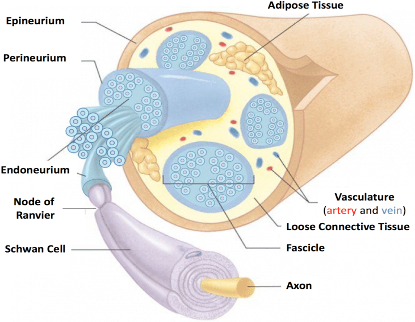
Schwann cells secrete growth factors and cytokines to help attract macrophages to assist clearance of the degraded contents.
7/