
Joined December 2022
- Tweets 1,626
- Following 517
- Followers 874
- Likes 6,134
479 Photos and videos








May 23
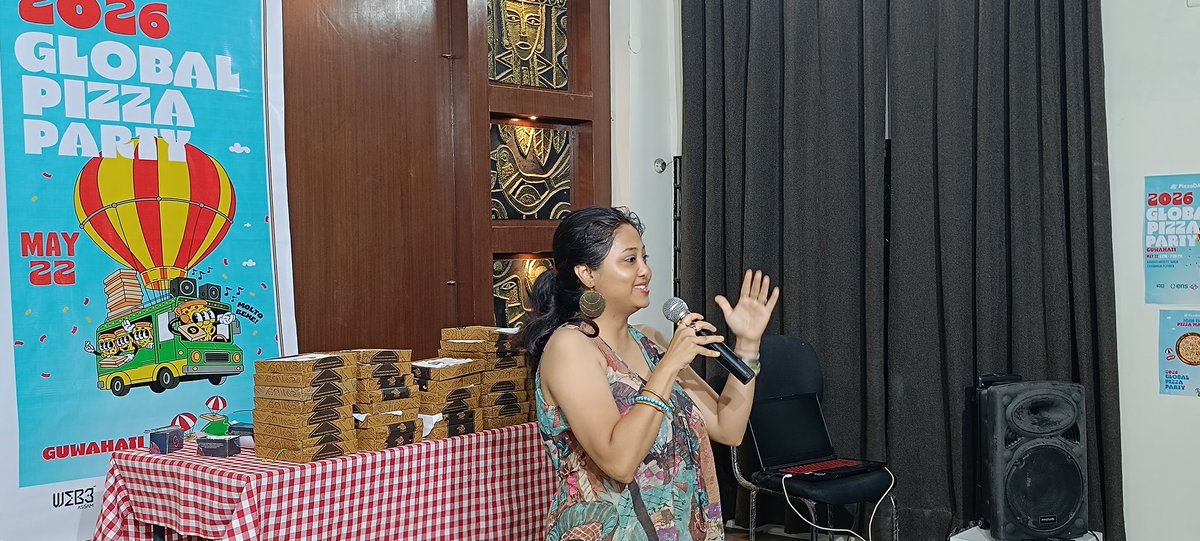
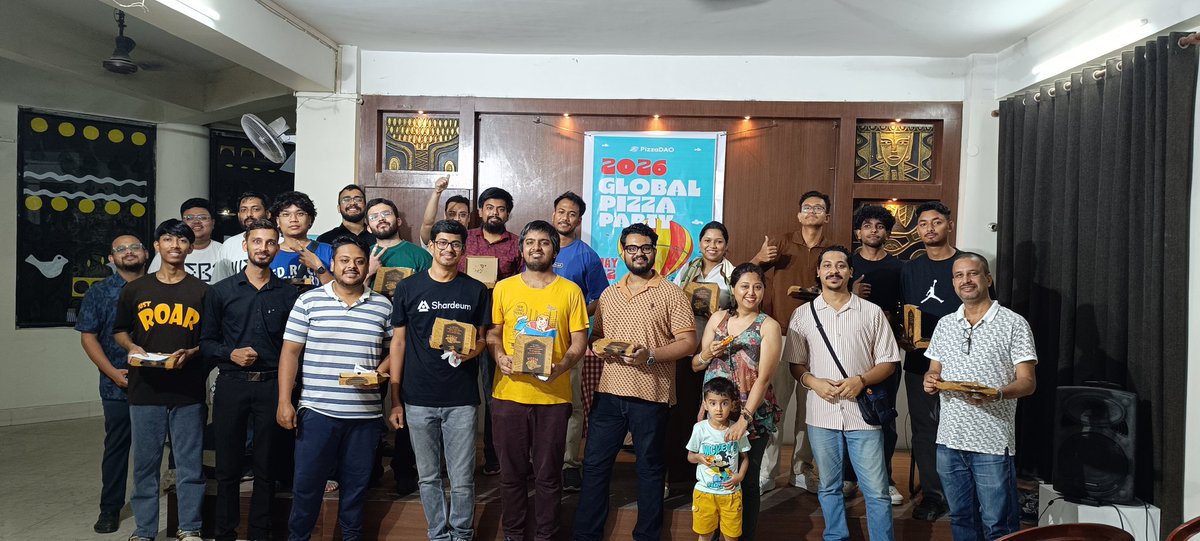
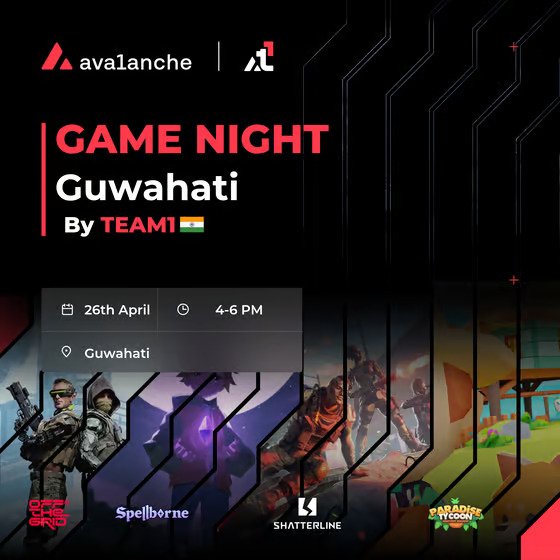
We celebrated #BitcoinPizzaDay in Guwahati last night, and we're happy to report that we finalized the transaction without any slippage or network congestion. 🍕📉
#Web3Assam #BitcoinPizzaDay #Guwahati #PizzaDAO
2
1
1
106
May 23
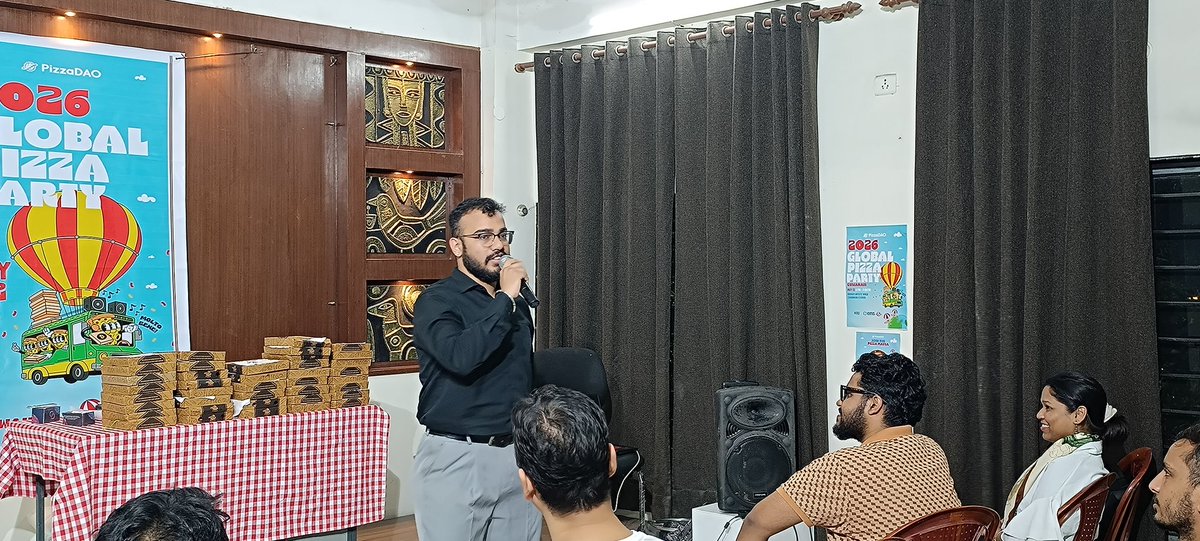
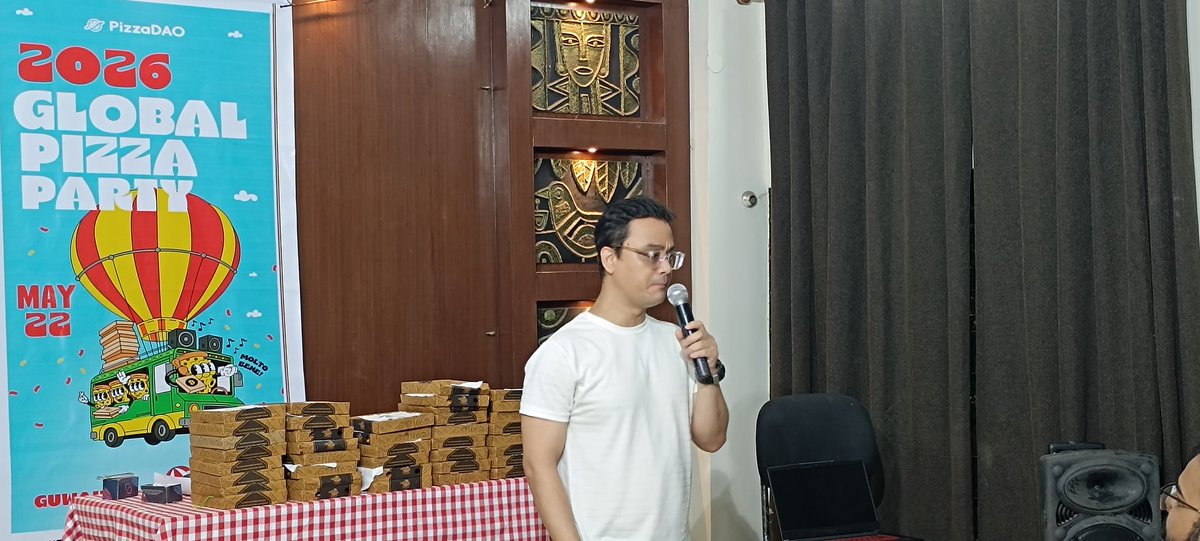
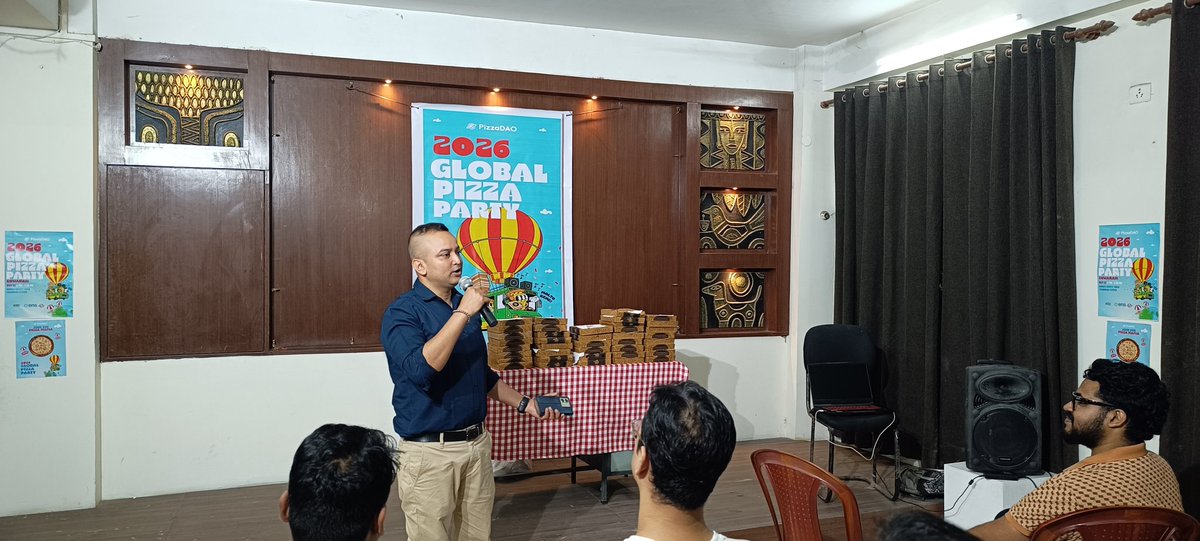
Huge thanks to everyone who joined us at the Gauhati Artists' Guild to talk crypto and ignore the charts. We proved one thing: the best use case for #blockchain isn't a complex whitepaper, it’s a hot slice of pepperoni and good company.
Until next year! 🚀
#PizzaDAO #Web3Assam
1
1
1
89
May 18
🇮🇳🍕🥳
Join us at Global Pizza Party Guwahati!
rsv.pizza/guwahati
@pizza_dao @ensdomains @wrldpizzachamps
2
55
Web3Assam® retweeted

May 3
🗺️🍕🥳
I'm going to the Global Pizza Party in Guwahati!
@Pizza_DAO @ensdomains @wrldpizzachamps @Web3Assam
rsv.pizza/guwahati
1
3
62
Web3Assam® retweeted

Feb 10
Claims go live in 30 minutes at: claim.superformfoundation.or…
The following changes will be reflected in the portal:
The early exit fee has been removed. Claiming liquid $UP is now free.
The Staked UP (sUP) cooldown has been decreased from 45 days → 1 hour.
The community score allocation has been increased, and the airdrop has increased from 3.6% → 3.7%
You still have the option when claiming to receive either liquid $UP or sUP (Staked UP). Stakers will qualify for Airdrop Two and earn an estimated ~33% APY, which begins to accrue immediately upon deposit.
UP Only.

78
22
199
75,232
Web3Assam® retweeted

When I first discovered magical world of DeFi, it felt like the answer to everything unfair. No gatekeepers. Just open, permissionless infrastructure for everyone.
But the more I built, the more I saw how much was broken.
Fragmented liquidity across dozens of chains. Yield that's impossible to discover or compare. Vaults with no standardization. Bridges you pray work correctly. Protocols that launch tokens with zero utility just to extract from their own users.
At Superform, we've spent years trying to fix this from the infrastructure up.
We supported the ERC-4626 foundation to give DeFi a standard for tokenized vaults. We helped build ERC-7540 to bring async redemptions to the table. We built cross-chain infrastructure that abstracts away the chaos of multi-chain DeFi so users don't have to think about what chain they're on or what bridge to trust.
From building on the bleeding edge of what's possible with onchain infra, to creating new user experiences, to pushing new standards forward — the mission has always been the same: make DeFi work the way it was supposed to.
But infrastructure alone isn't enough. Incentive alignment is what actually makes decentralized systems work or break.
That's what $UP is.
$UP isn't a token launched for the sake of having a token. It's a coordination tool designed to fix the broken incentive layers across DeFi.
One example: SuperVaults Validators. For a permissionless protocol to work correctly, you need a decentralized network of validators executing operations honestly — processing cross-chain deposits, verifying data, settling transactions. $UP creates the economic stake that keeps validators honest. Upkeep fees, slashing for misbehavior, rewards for doing the right thing. Real utility. Real alignment.
And that's just one use case.
Still a lot is broken. But $UP is how we start fixing it — together.

5
4
10
1,024
Web3Assam® retweeted
Feb 10
$UP is now live, powering Superform, the user-owned neobank.
UP Only.
184
143
582
170,133
Feb 7
LFGGGGGGGGGG
Feb 7

Cooking together to grow Web3 adoption & education across the Northeast 🤝
@Web3Assam x @TheDecentDen
Stay tuned to see what’s Next....
#YahanDecentKuchhBhiNahi
2
3
60
Web3Assam® retweeted

Feb 7
Cooking together to grow Web3 adoption & education across the Northeast 🤝
@Web3Assam x @TheDecentDen
Stay tuned to see what’s Next....
#YahanDecentKuchhBhiNahi
2
3
20
495
Web3Assam® retweeted

8 Nov 2025
🧵 From a small university in Assam to a global blockchain summit in London—here's my story and why I'm reaching out to the tech community today.
This is both a celebration and an honest ask for help
1
5
13
715
1 Nov 2025
The North East India Public Policy Forum recently organised a Roundtable Discussion on “How to Accelerate Innovation and Startup Ecosystem in Campuses,” held at @GauhatiUniv.
@Web3Assam was honoured to be part of this insightful dialogue.
linkedin.com/posts/web3assam…
1
109
Web3Assam® retweeted

26 Sep 2025
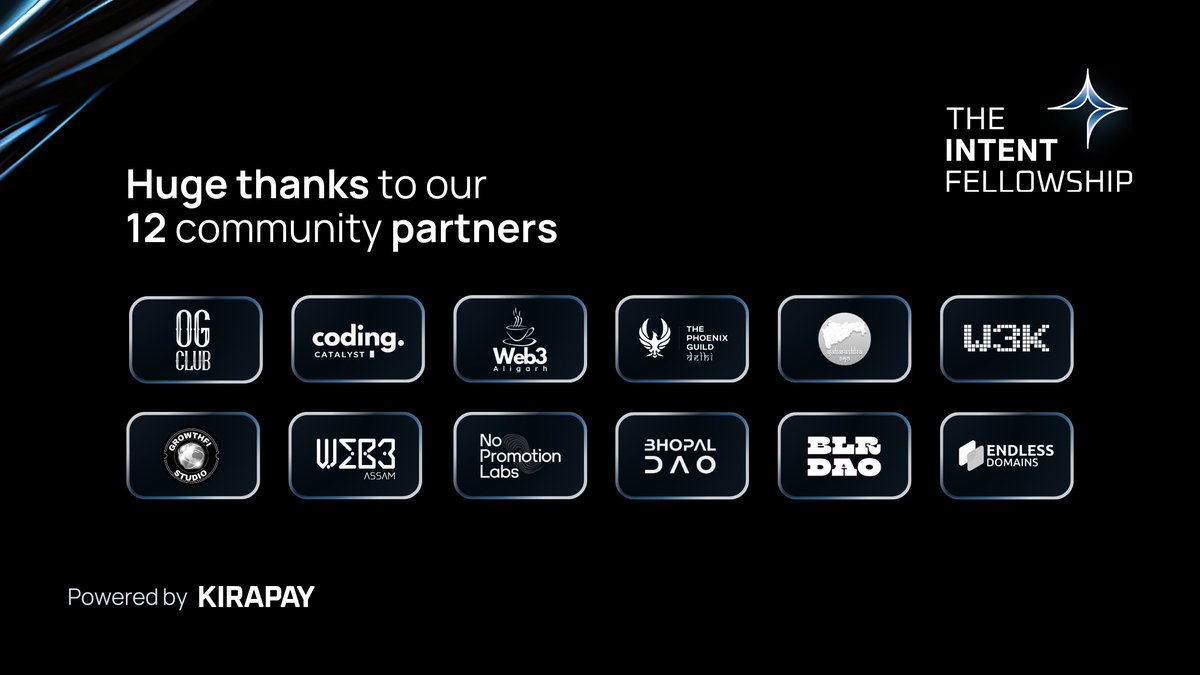
The Intent Fellowship wouldn’t be possible without the incredible support of our partners 💜
From mentoring builders to backing local communities, you’ve helped turn this program from an idea into reality.
Grateful for your trust, energy & belief in KIRAPAY’s mission — to make payments borderless & empower builders everywhere 🌍
This is just the beginning. Together, we’re building the rails for the next wave of Web3.
🙏 Thank you: @NoPromotionLabs @Web3Assam @CodingCatalystt @Web3Aligarh
@TPG_Delhi @Web3_kerala @MaharashtraDAO
@VXVHub @endlessdomains @Bengalurudao
@growthfistudio @Bhopal_DAO
#TheIntentFellowship2025 #BuildwithKIRAPAY
1
11
27
755
19 Sep 2025
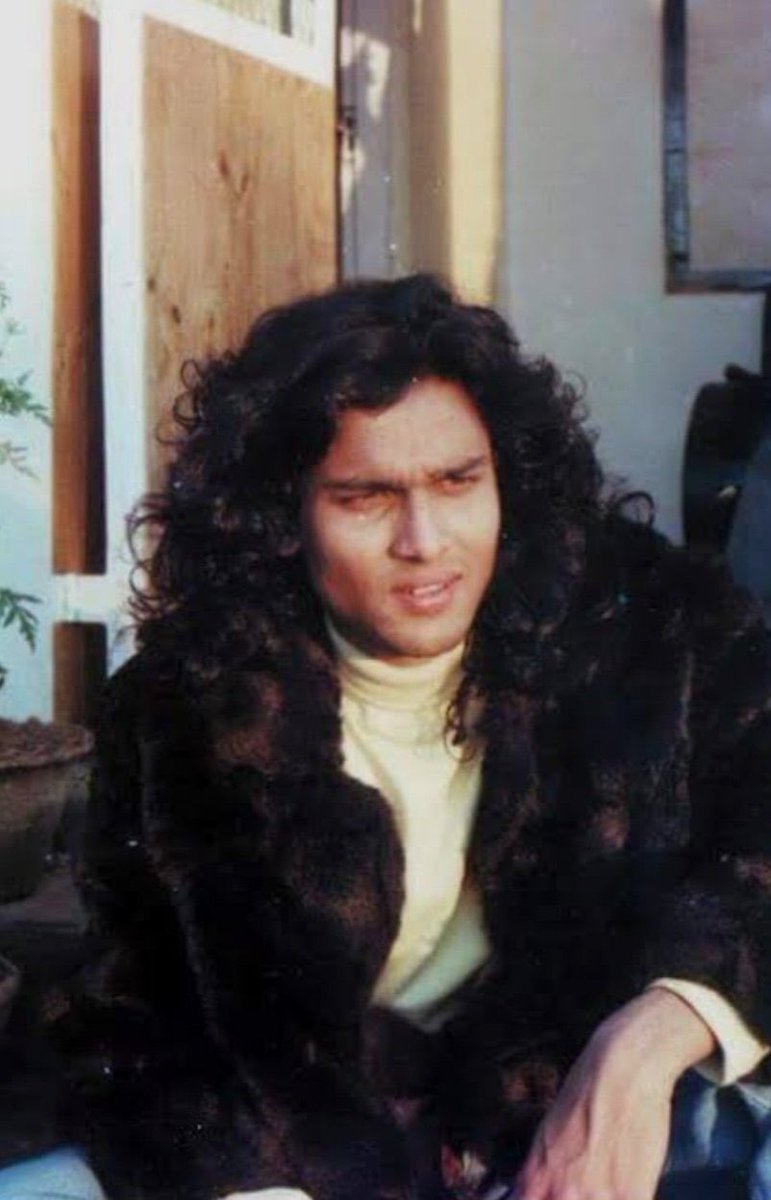
তেওঁৰ কণ্ঠ অবিহনে বহাগ আধৰুৱা হৈ থাকিব। থাকি গ’ল আমাৰ মাজত থৈ যোৱা তেওঁৰ গানবোৰ।
Zubeen da!! Your music will live on forever. 💔
#ZubeenGarg
ALT zubeen garg
1
4
293
Web3Assam® retweeted

10 Sep 2025
8/ @Web3Assam
They're proving that innovation thrives everywhere. A grassroots community turning the northeast into a hub for Web3 talent.
1
1
3
155
29 Aug 2025
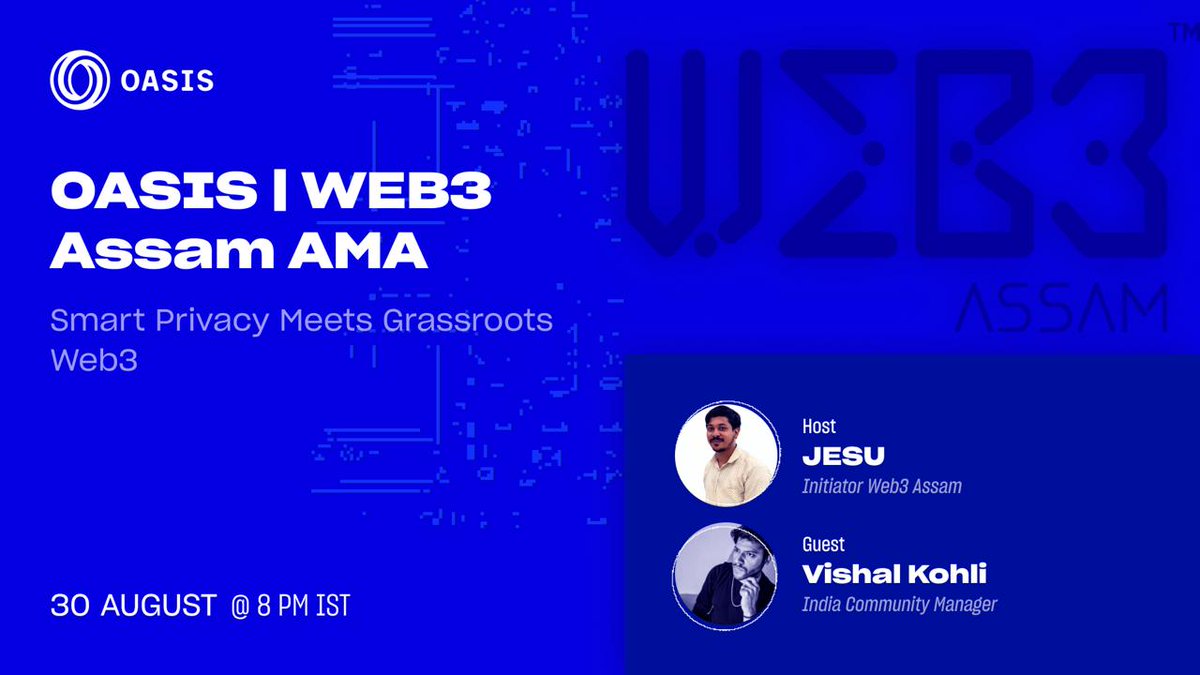
🎤 AMA Alert
Smart Privacy meets Grassroot Web3 🌱🔐
Join @OasisProtocol x @Web3Assam for a LIVE conversation on the future of privacy and community-led innovation!
🗣️ Featuring:
– @Kohlivish_ (India Community Manager, Oasis)
– @TheSmartObject (Initiator, Web3 Assam)
See y'all
2
2
12
647