
Founder @luna_groove || Team @zaxweb3
Joined January 2024
- Tweets 16,275
- Following 2,092
- Followers 18,949
- Likes 17,974
1,380 Photos and videos







Web3Doc retweeted

May 30
Come and visit London’s Home of Trophies. 🏆
Book your Stadium Tour at Stamford Bridge now. ⭐️⭐️

25,458
119,101
469,441
34,824,329

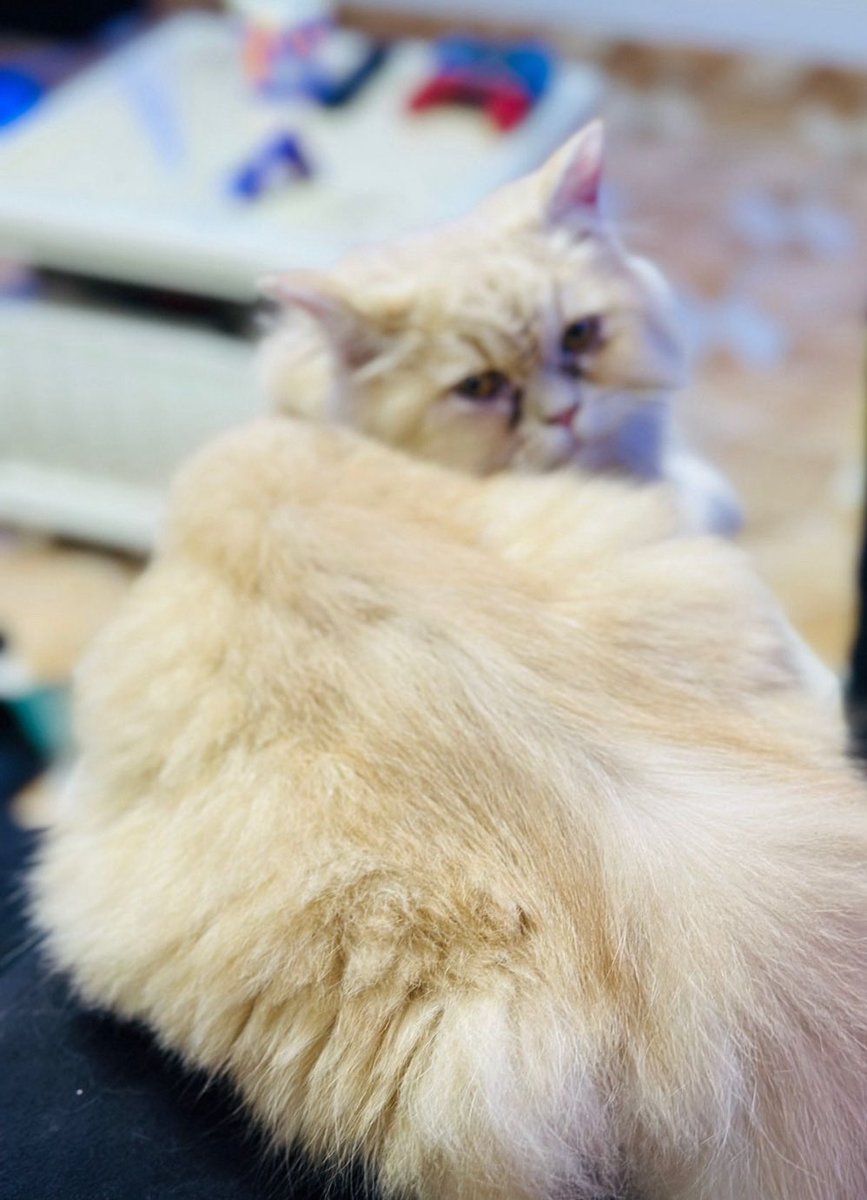
Excited to be getting a few spots in YellowCatz.
@Yellowcatz_ is a culture driven movement built from chaos, memes, and Web3 energy.
777 unique cats.
No repeated traits. Every piece has its own identity.
Built on ETH.
Free mint.
Don’t miss 🫵
37
10
40
806
The Boy Who Couldn't Stop Drawing Became a Man Who Couldn't Be Stopped.
Back in my elementary school days, there was this kid in my class who just could not stop drawing in his notebook.
Not little doodles at all but drawings of things, faces and animals and things he was making up from his head, he’ll fill his exercise books that were only supposed to have schoolwork in them with this drawings .
Our teacher would beat him for it, take the book, smack him, hand it back, and my guy would have it open again before the lesson even moved on. Every single time.
Tbvh, I thought he was just being foolish.
Where I grew up, you didn't waste time on things that wouldn't pay the bills. Drawing was for people who already had life figured out; I mean people who love art for leisure , having fun , we hadn't, and neither had the rest of us (class). But he kept going anyway, like he didn't have a choice.
I just thought he could not help himself.
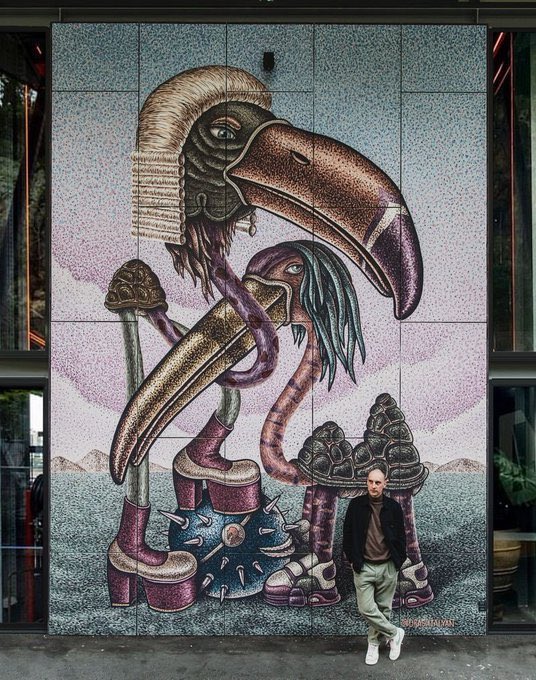
Years later, I saw @DKashtalyan on X the artist behind THE BEAK, and it brought me right back to him. He started out much the same way. Not in a classroom thou , but tagging the sides of buildings in Minsk during the late '90s and early 2000s. Nobody asked him to do that, and nobody was paying him for it. He just couldn't stop.
Over the years, Dima mastered a technique called stippling. It requires placing thousands of individual ink dots by hand. If you stand close to his work, you’ll see only marks. When you move back a figure appears, beaks that match no bird you have ever identified, eyes that sit where the composition placed them rather than where a skull would. they look at you like they have been waiting.
His work was eventualy known to the world, He ended up illustrating for publications like The New York Times, MIT Technology Review, and Harper’s Magazine. In places like that or art galleries , illustrations are not used as decoration alone but also help express ideas that are hard to put into words through speaking.
He even took this painstaking dot-work to a massive scale, painting a 25 meter-high mural in Romania. Standing right underneath it, the dots disappear completely into the architecture. You have to physically walk away for the figure to reappear.
But editorial gigs end, magazines go to print, and murals stay on the walls. When you paint on spaces that don't belong to you, you leave the work behind and look for the next wall. My childhood friend knew that feeling too, just on a smaller scale. His canvas was a notebook that could be confiscated at any moment.
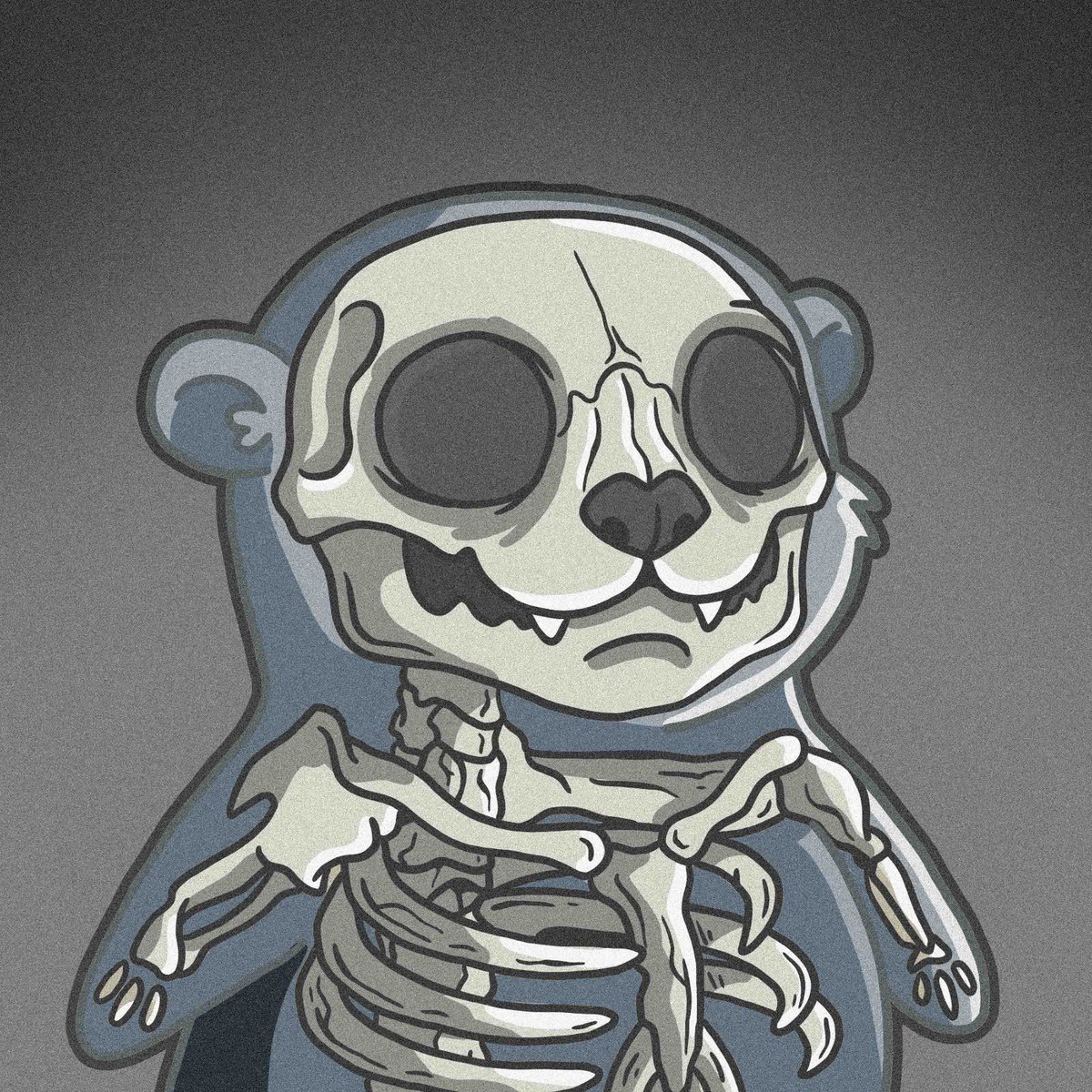
That brings us to @thebeaksart . This project features 1,111 of Dima's stippled figures, carrying the same distinct style he has spent two decades refining but this time, on a digital canvas onchain that permanently links back to him. The collection is heading to opensea soon, with dates and pricing to be announced.
My friend still draws. I do not know if he has found anyone to pay him for it yet. I used to think that mattered more than the drawing. I do not think that anymore.
Thanks to @ZaxWeb3, creators now have the opportunity to own a piece of this art.
146
12
286
2,455
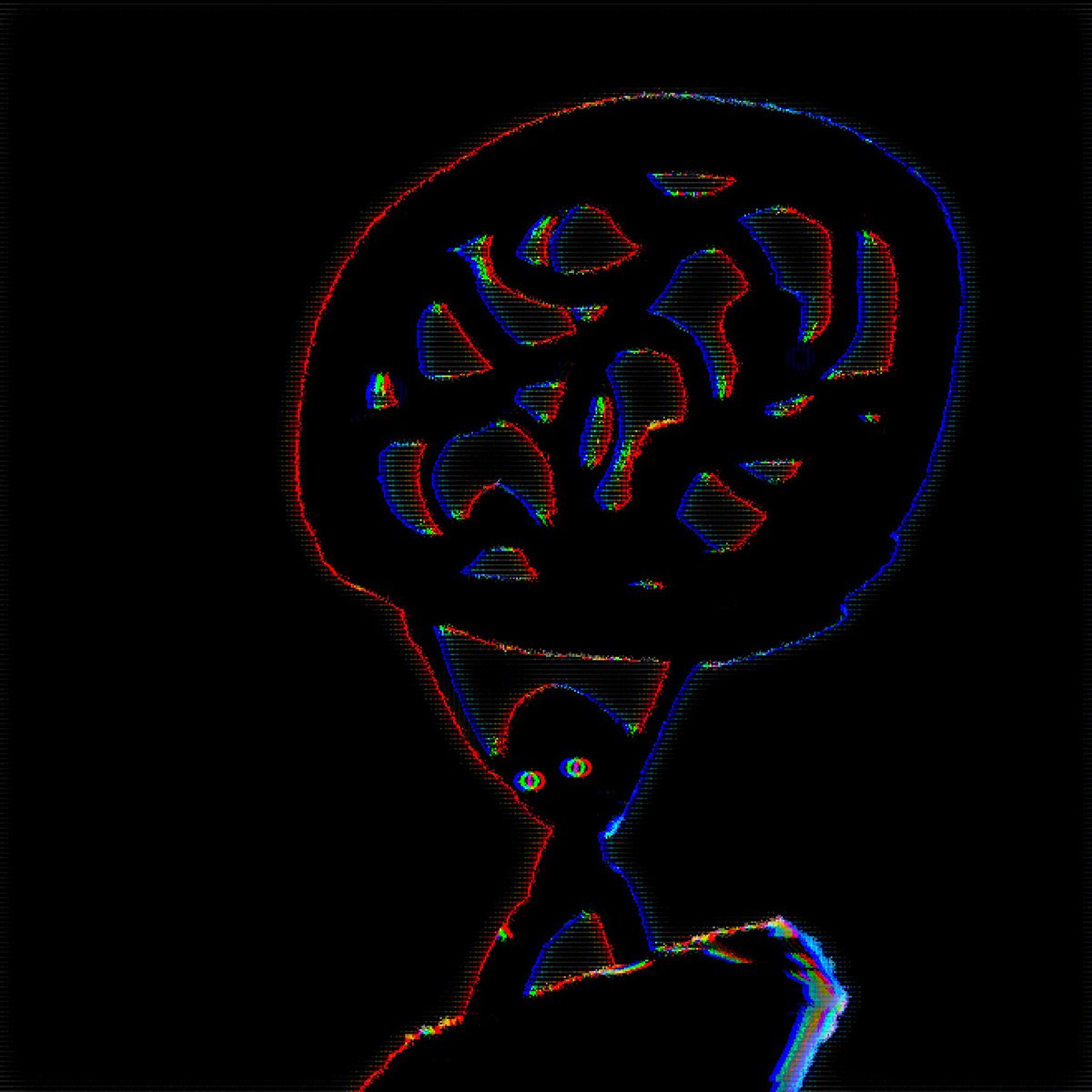
Nobody summons the dark. The dark remembers you.
Every shattering moment a person lives through leaves something behind, not a scar, not a memory, but something older than both.
It drifts to the place where reality stops making sense, gathers with everything else that was never supposed to exist, and slowly becomes something that watches.
That is what Veiled Creatures are: not designed, not imagined, only remembered into being.
Veiled Creatures is a collection of 666 generative entities on Ethereum, pulled from sacred geometry, void-touched patterns, and colors that feel wrong in a familiar way.
Dark reds.
Breathing textures.
Shapes that seem like they know your name.
Every single piece is unrepeatable.
Once it exists, it belongs to someone.
Once it belongs to someone, it always did.
Free mint because the work does not need a price to prove it means something.
Royalties keep it alive. The art funds itself and asks nothing from you except attention.
Holders are not owners in the usual sense. Something chose them before they ever clicked.
The Veil did not begin here. This collection is only the first thing it allowed through.
Come find out what has been watching you.
witness the veil:
@VeiledCreatures
139
13
274
3,838
Web3Doc retweeted

May 12
21
4
39
1,730
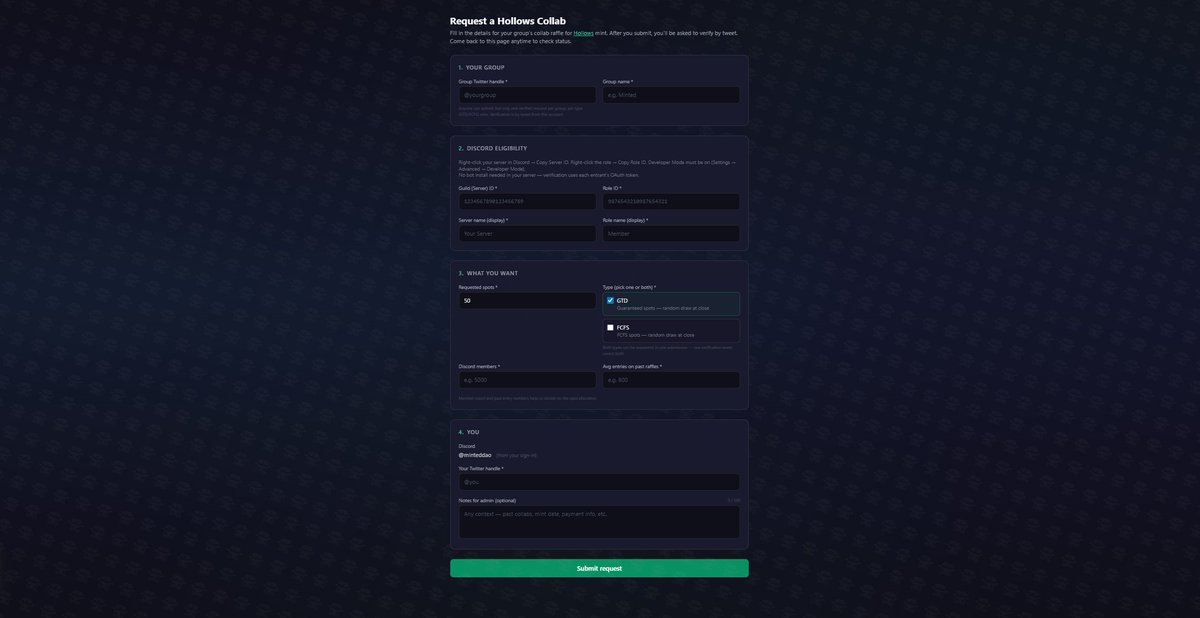
Just filled out the collab request for @hollows_nft with my community @Luna_Groove
The art brings back the old 2021/22 PFP cutesy vibe completely hand made and crafted with intention.
The whole process was seamless, easy, and welcoming
gHollow 👾

Hollows (@hollows_nft) Whitelist Collab Form is LIVE
Founders of NFT Projects or Groups:
→ mintedraffle.xyz/collab-requ…
• Fill in your details accurately.
• Verification tweets can be deleted once verified.
• Unverified entries will be filtered.
Tag your Project/Group Below! ⬇️
50
23
65
1,554
Web3Doc retweeted
May 9
Excited to announce our collab with @veneposa
Veneposa is a hidden current of onchain signals and experimental tools for Seal holders beneath the surface.
We’ll be giving away spots in our Discord to celebrate.
47
36
51
1,555
Web3Doc retweeted

Apr 27
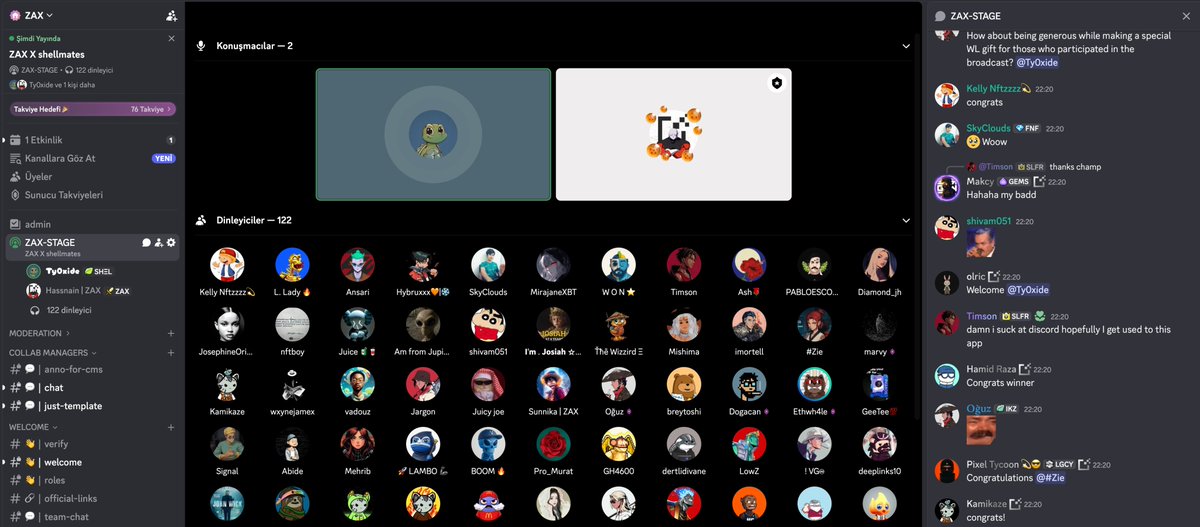
Our @heyshellmates discord A.M.A is currently live.
We’re discussing the project’s future, what they’re planning to do, and its overall structure.
Rumbles taking place during the live stream. Plus, there will always be special giveaways for participants.
84
6
234
10,463
Web3Doc retweeted
Apr 27
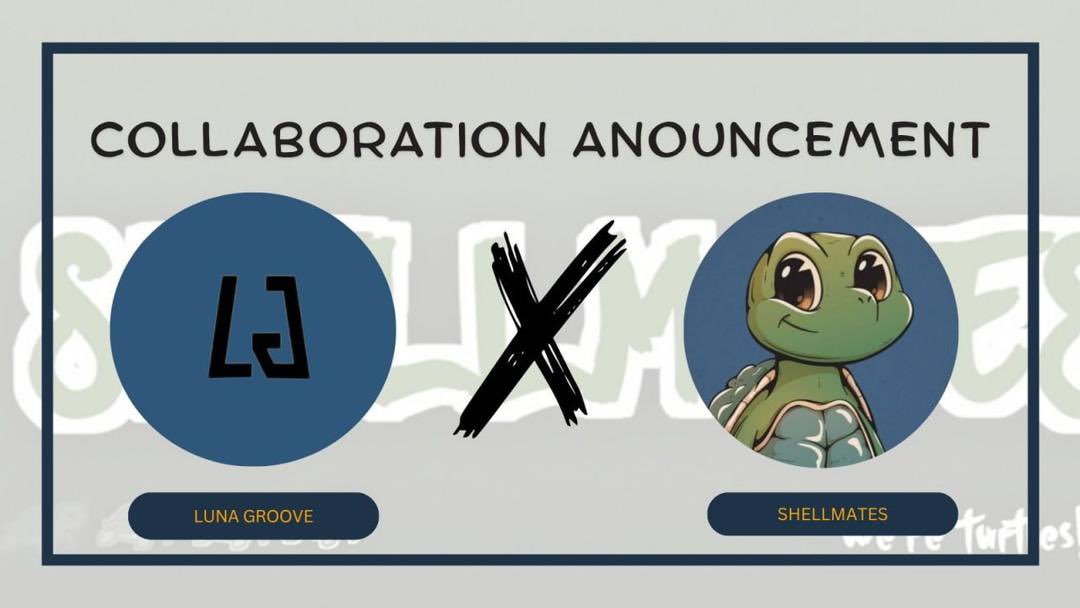
Excited to announce our collaboration with @heyshellmates
Shellmates is an onchain pet experience where your turtle evolves based on how you care for it.
Feed it daily, watch it grow. 🐢
We’ll be giving away spots in our Discord to celebrate.
Get your shells ready 🐚
69
35
78
2,659
Didn’t expect much at first…
now I keep seeing ARC everywhere.
It’s basically one layer for everything Web3.
AI runs the backend while you stay in control.
90k users and counting.
Leaderboard is now live; don’t miss it 🫵🏽
Apr 20

ANIMA continues to evolve ✨
Now she needs new voices to share her story with the world.
The new ARC Mindshare Leaderboard is live!
Climb up through the ranks and earn your share of $150,000 in total $ARC rewards.
Join the program today 👇
mindshare.arcterminal.ai

18
24
1,275
Web3Doc retweeted
Apr 22
If you create content and want to grow your account and make money💰
You can apply via the form on the website.

Creator, alpha hunter or money-maker, your time.
* Create content
* Engaging
* Through activity
* By developing
* By interacting with others to make money
Join the ZAX Ecosystem
→ Apply zaxweb3.io
184
7
325
39,618

Creator, alpha hunter or money-maker, your time.
* Create content
* Engaging
* Through activity
* By developing
* By interacting with others to make money
Join the ZAX Ecosystem
→ Apply zaxweb3.io
204
28
735
135,573
Web3Doc retweeted

Apr 17
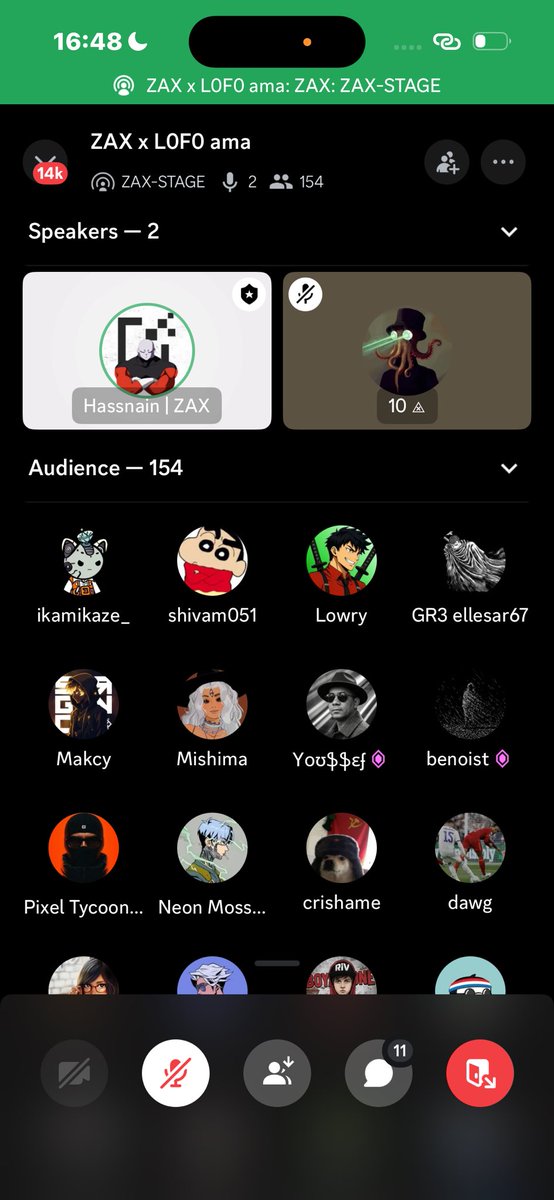
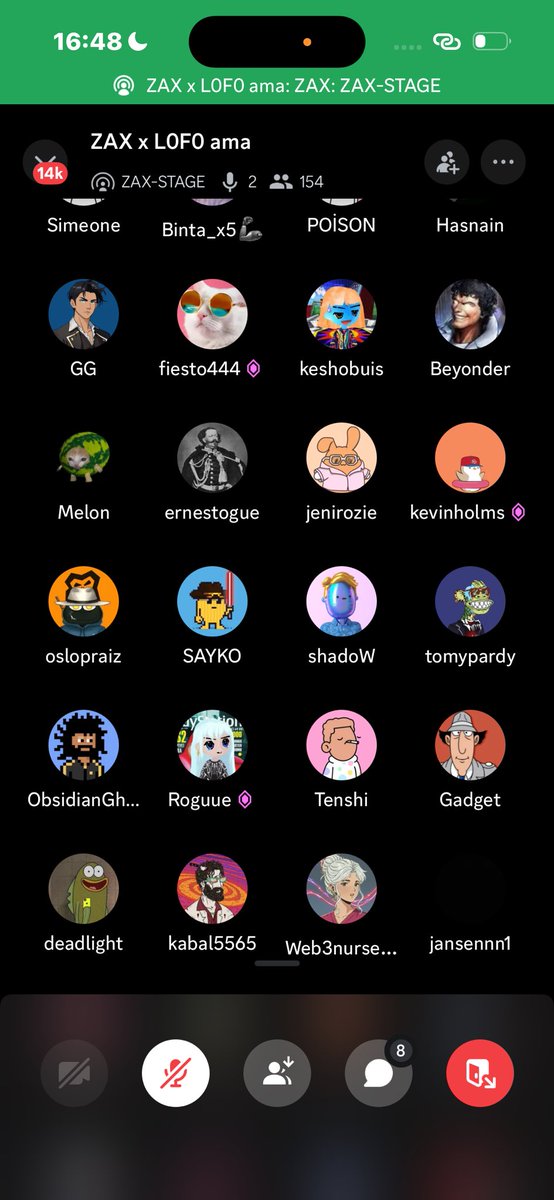
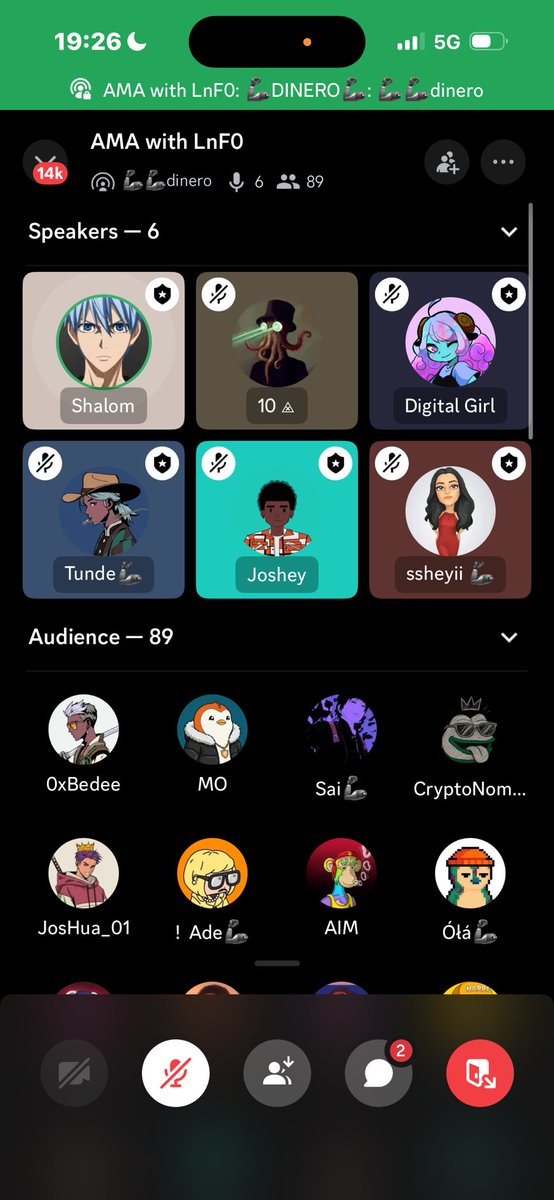
• l0f0 ZAX

18
3
86
20,897


Web3Doc retweeted
Apr 12
I'm giving away WL free mint by @Trappwurld
> Free-Mint
> 888 piece
3 Guaranteed Spots 🫳
- Follow; @l0f0_00 @breyonchain
- Like and drop your EVM wallet (0x...) 24hrs GL
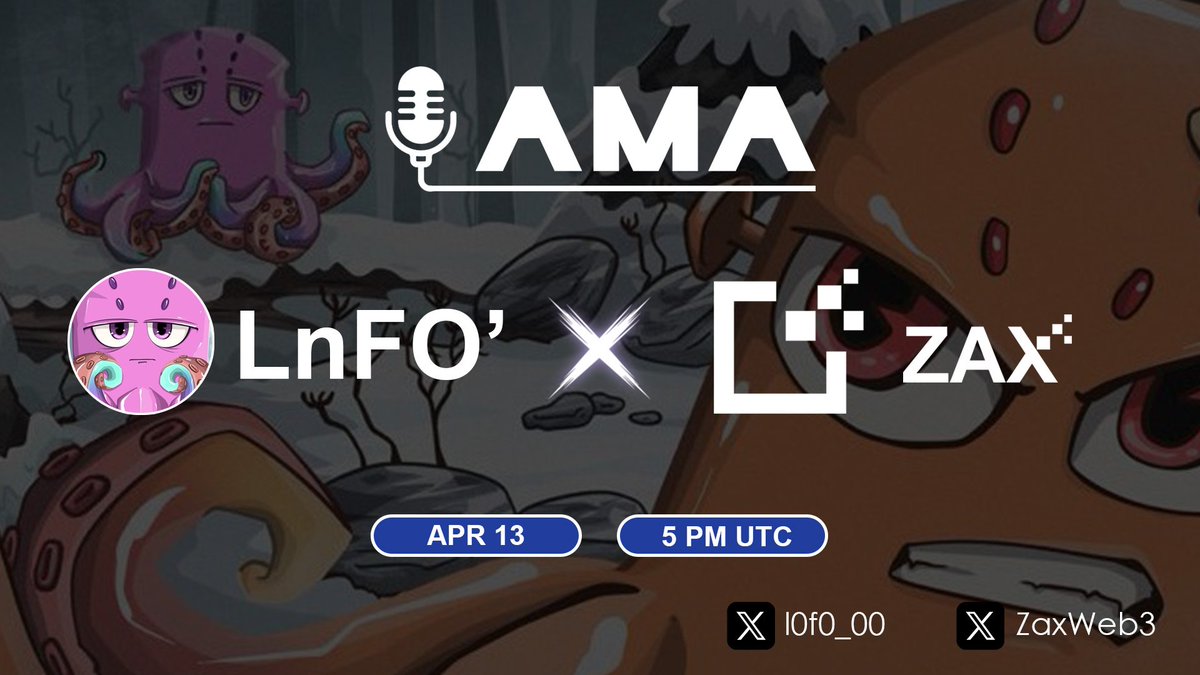
More spots, and AMA tomorrow on the ZAX discord

591
193
751
37,290
Web3Doc retweeted
Apr 12
Luna Groove tried 𝐒𝐓𝐀𝐂𝐊𝐄𝐃 last night (@stacked_poker)
The easiest way to play poker with friends onchain, no downloads, no hassle.
Smart contracts hold funds and every shuffle is provably fair.
A truly frictionless onchain gaming experience.
Don’t miss the next one ♠️
Apr 10

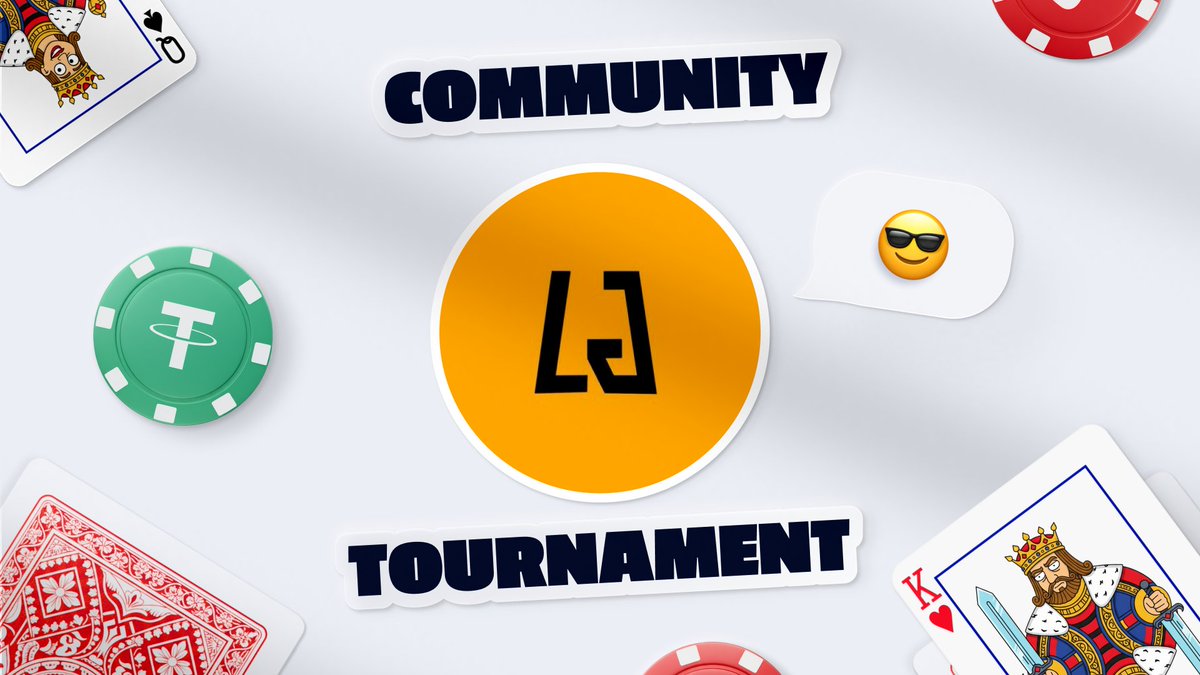
Stacked x @Luna_Groove
Gaming, NFTs, and now a poker table
We're hosting a poker tournament with the Luna Groove community.
One link and you're in. No download. No ID checks.
11
4
16
873
Web3Doc retweeted
Apr 8
Almost 2,000 entries in 20 hours. @ZaxWeb3 continues to grow and thrive.
NFTs are back 🫠

Apr 7

Free Mint Giveaway 🧑🎄
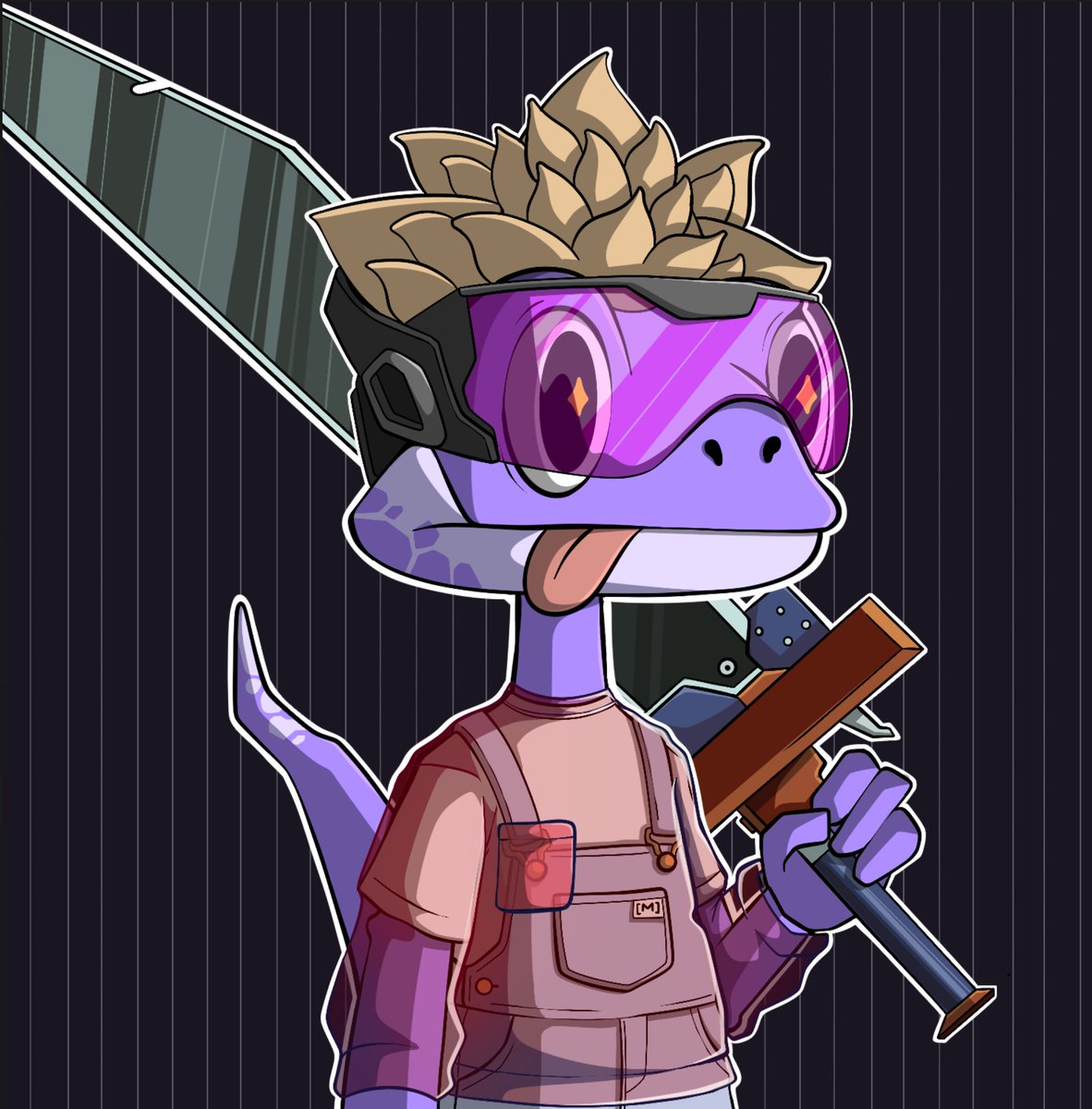
555 supply on ETH mainnet | has potential imo
I’m giving away 2 GTD WL spots on this post
> Follow @getmarkit & @breyonchain
> Like and send your EVM wallet (0x..) in comment
24hrs gl | @ZaxWeb3 giveaway active on discord
197
12
304
21,592