
MD➫ Founder @CryptoAirdFarmers ➫Advo @campnetworkxyz⛺ ➫Most wanted CM ➫ AMB➫ Content writer ➫ Alpha hunter ➫ Trader ➫ dm for collab ➫ Amb @KAIO_XYZ
Joined February 2025
- Tweets 19,606
- Following 2,153
- Followers 2,401
- Likes 39,428
1,455 Photos and videos








Pinned Tweet

6 Oct 2025
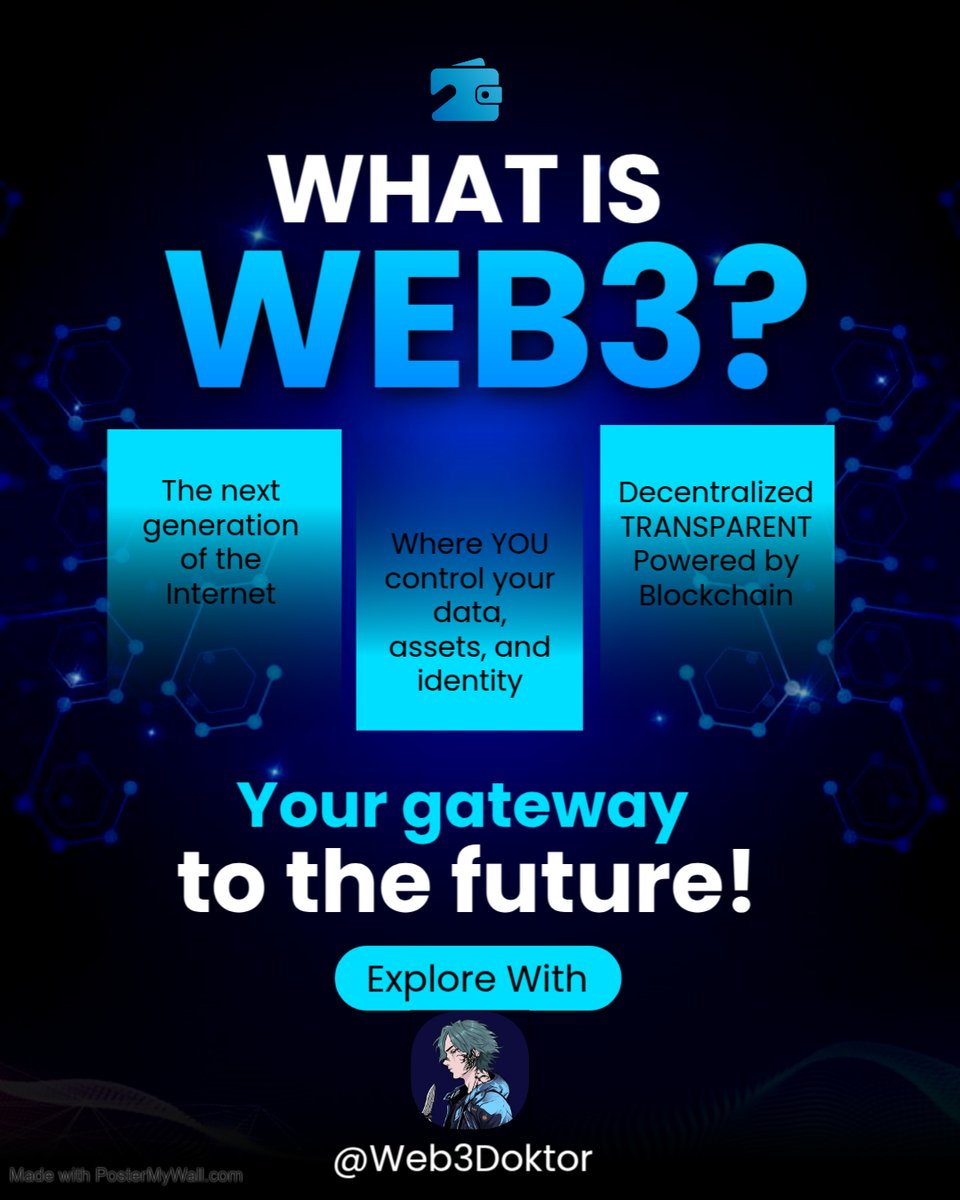
Understanding Web3 — What It Really Means
Let’s ignore the buzzwords.
Web3 isn’t a token, a meme, or a passing trend, it’s the next evolution of the internet.
One that’s built on ownership, transparency, and community rewards.
To understand Web3, we need to see how the internet evolved to get here.
The Evolution: from Web1 → Web2 → Web3
➥ Web1: Read (The Early Internet — 1990s)
You could browse static web pages and read information. that’s it.
No comments, no sharing, no community.
Think of Web1 like an online newspaper.
➥ Web2: Read Write (The Social Era)
Social media changed everything.
Now, you could post, like, share, and build audiences.
But here’s the catch. platforms like Twitter, YouTube, and TikTok owned your content, data, and even your followers.
They made the money. You made the content.
In short: you were the product.
➥ Web3: Read Write Own (The Ownership Era)
Now, you control your digital identity, assets, and data.
You log in using wallets instead of passwords.
You earn tokens instead of likes.
And you can literally own a piece of the platforms you help grow.
➫ The Core Pillars of Web3
1. Wallets — Your ID, bank, and access card in one.
Examples: @MetaMask , @phantom , @Backpack @TrustWallet
→ Used to store tokens, NFTs, and connect to decentralized apps.
2. Blockchain — The public record that keeps everything transparent.
→ No middlemen. No censorship. Every transaction is visible.
3. Tokens — The lifeblood of each ecosystem.
Examples: ETH (Ethereum), SOL (Solana), DOT (Polkadot)
4. Smart Contracts — Code-based agreements that execute automatically.
→ If this happens → then do that.
5. Communities — The people behind the projects.
→ This is where innovation and opportunities start.
How People Actually Make Money in Web3
Web3 isn’t just tech, it’s a digital economy.
Here’s how real users earn income across the ecosystem:
1. Airdrops — Free tokens for supporting new projects early.
→ Great entry point for beginners with $0 to invest.
2. Web3 Jobs — Work for crypto startups or DAOs as a marketer, writer, designer, or community manager.
→ Get paid in tokens or stablecoins (like USDT).
3. Yapping — Driving visibility for projects through tweets, Spaces, and discussions.
→ The more you contribute, the higher your rewards. This part always require consistency a lot.
4. Futures Trading — Speculating on token prices (up or down) using exchanges like @binance , @okx , or @Bybit_Official
→ High risk, high reward. Low risk, Low Reward.
5. Degen Trading — Buying and flipping new or meme tokens before they trend.
→ Fast profits if timed right, but risky.
6. Investing — Buying and holding strong projects for long-term growth or staking rewards.
→ The patient investor’s play.
7. Flipping NFTs — Trading NFT art, collectibles, or passes.
→ Research and community insight are key.
8. Building Products — Creating your own tools, startups, or Web3 platforms.
→ High skill, high payoff.
9. Creator Economy — Writing, designing, or managing campaigns for crypto brands.
→ Build your personal brand, earn through visibility.
Knowledge Before Earning
Most people rush into Web3 chasing profits — and end up lost.
The truth? You can’t win a game you don’t understand its techniques.
Once you grasp how attention, value, and community move inside Web3, you’ll start spotting opportunities before everyone else.
In Web3, success doesn’t go to the loudest person.
it goes to the most positioned one.
Consistency is the Keyword🖊️
THE END
If you reached here then you are a Gem.
Please do well to LIKE, REPOST and Hit the FOLLOW Button.
29
7
109
6,747
More than 10 million betting tickets world wide is about to cut
Spain You do this one 🥲
7
Web3Doktor retweeted
Lamine Yamal at the Corner side when he hears "Hey Sweet boy" from a Beautiful Cape Verde Lady 😂
1
11
Web3Doktor retweeted
Make Ogun kill me if I no support Cape Verde today 😭
1
6
❤️❤️❤️❤️❤️

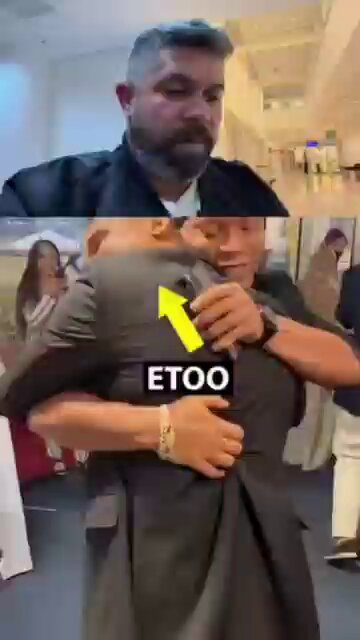
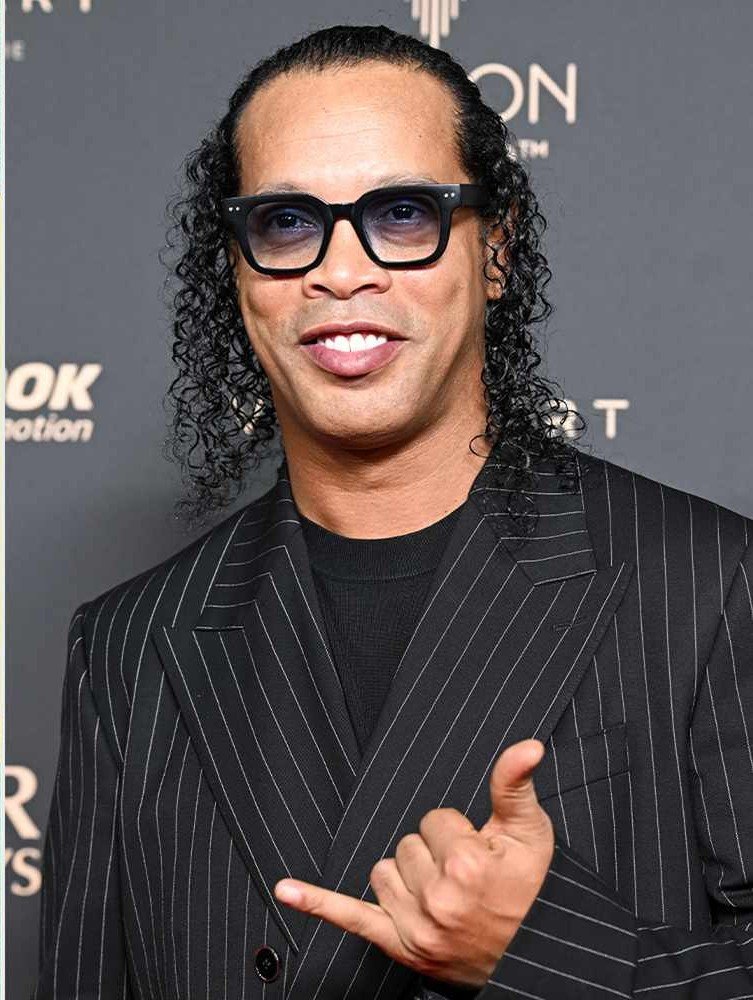
Brooo! Samuel Eto and Ronaldinho had more love and connection at Barcelona than Marcelo and C. Ronaldo
7
Brooo! Samuel Eto and Ronaldinho had more love and connection at Barcelona than Marcelo and C. Ronaldo
16

Web3Doktor retweeted
Men cooking different lies in my head on what to tell my Girlfriend about where I slept last night
1
28
Cucurella since yesterday 🥲
Joy won kill am

9
Hey @LFC see your mate oo
Hope say no be Gakpo u de plan use start next season !!!

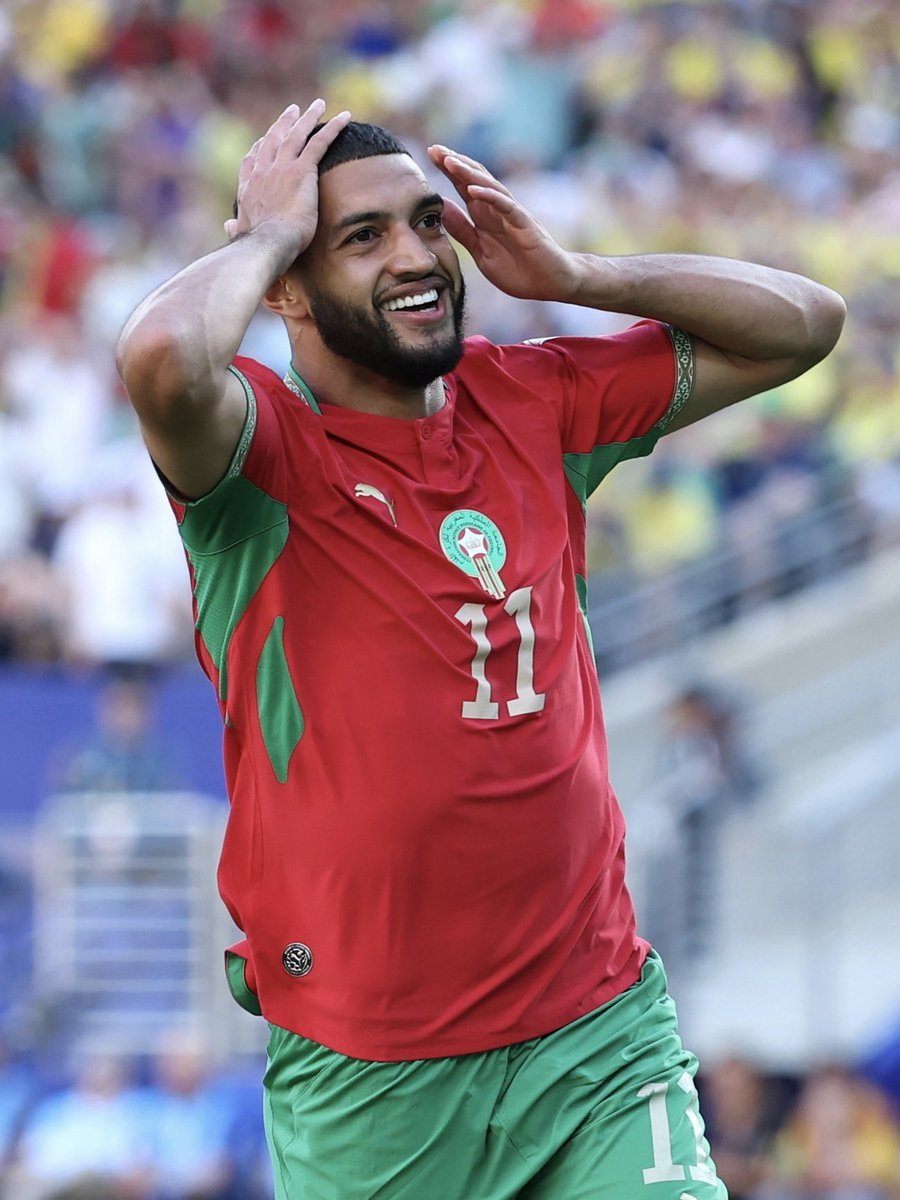
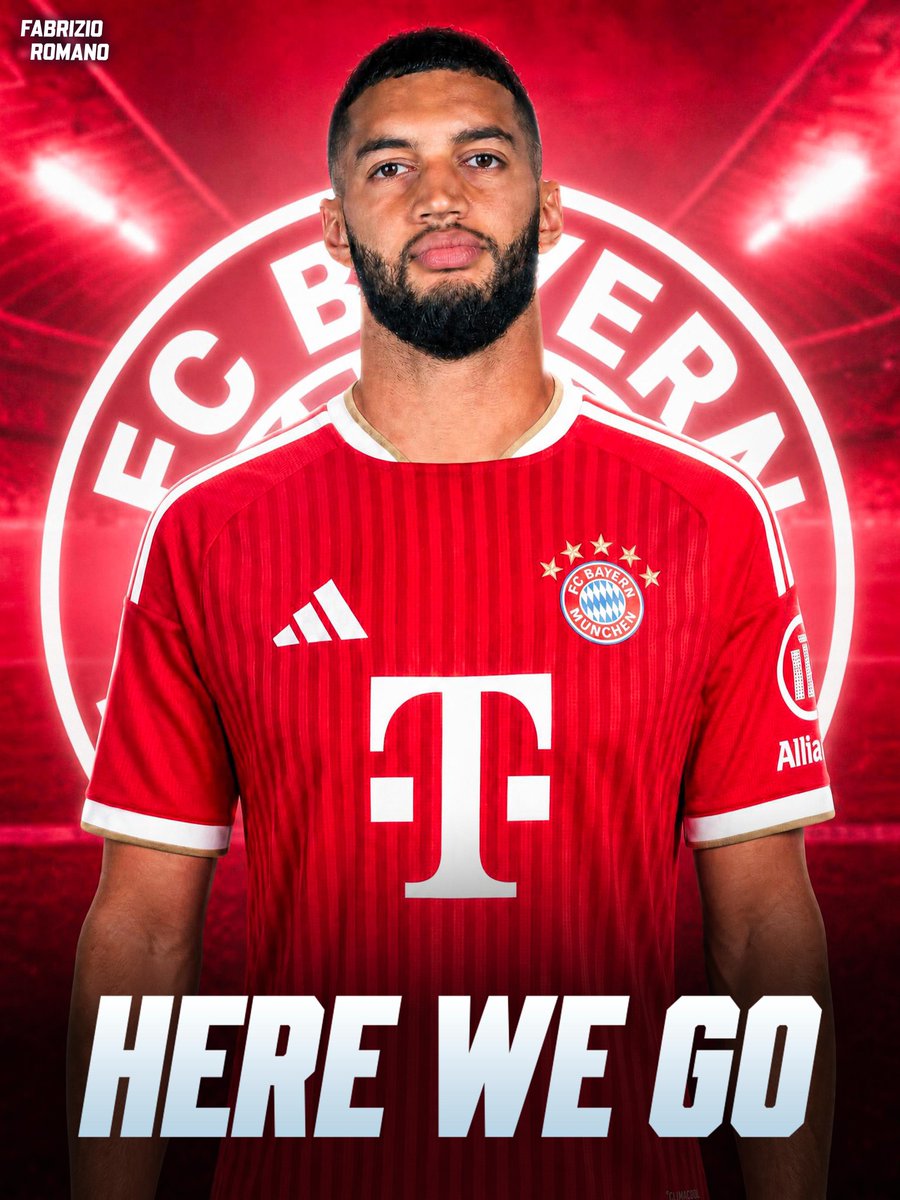
🚨 BREAKING: Ismael Saibari to FC Bayern, HERE WE GO! Deal sealed 🔴⚪️🇲🇦
Exactly two weeks after exclusive story on Bayern in talks for surprise move, Saibari joins the German champions.
€55m fee to PSV Eindhoven, medical in USA and then official. All done. ✅
18

Web3Doktor retweeted
I stayed up tonight to watch a wood work game . 😴
Ivory Coast vs Ecuador be like
1
1
41
No!! We are not
What a Strike from Amad Dialo
🔥 🔥
We are about to see the first 0-0 match at this years World cup
12