
428 Photos and videos





Rob 🆙 retweeted

Jun 9
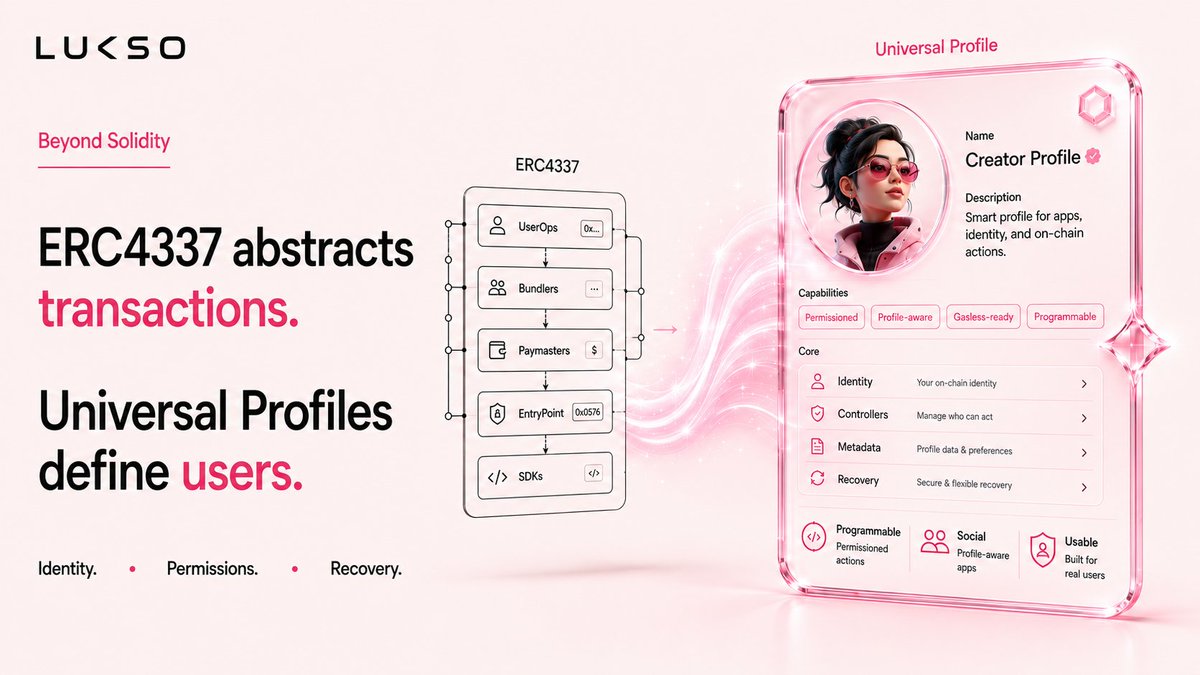
1/ What they don’t teach you about ERC4337:
Account abstraction is supposed to simplify UX.
But for devs, it often turns into infrastructure soup:
UserOperations.
Bundlers.
Paymasters.
EntryPoint.
Factories.
Aggregators.
Mempools.
Wallet SDKs.
Enjoy your “simple onboarding.”
1
8
24
1,085
Rob 🆙 retweeted
Jun 7
Wrote a long form piece to go along with this thread. After learning Solidity forget the ERCs dev.to/tehnalogos/after-lear…
Jun 7

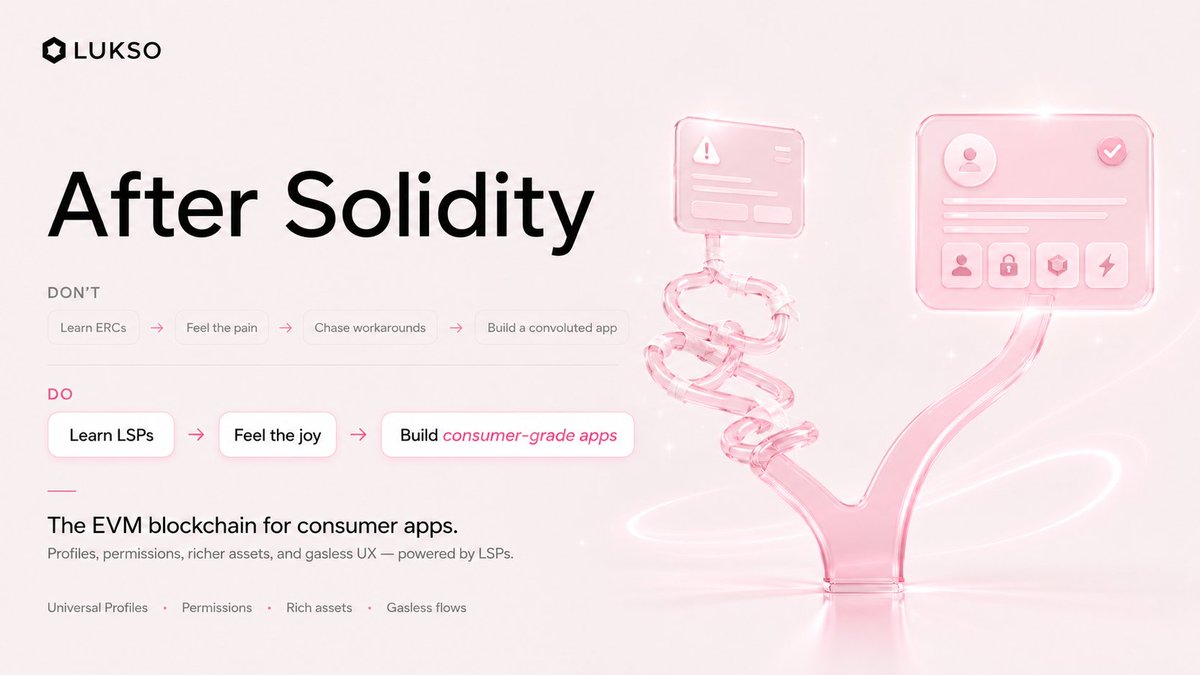
1/ When you're building a dApp Solidity is not the hard part. The hard part starts after.
You learn ERC20, ERC721, approvals, wallets, token gates, metadata, gas, signatures…
Then you realize you’re not building an app.
You’re stitching together 9 half-compatible primitives.
4
12
425
Rob 🆙 retweeted
Jun 7
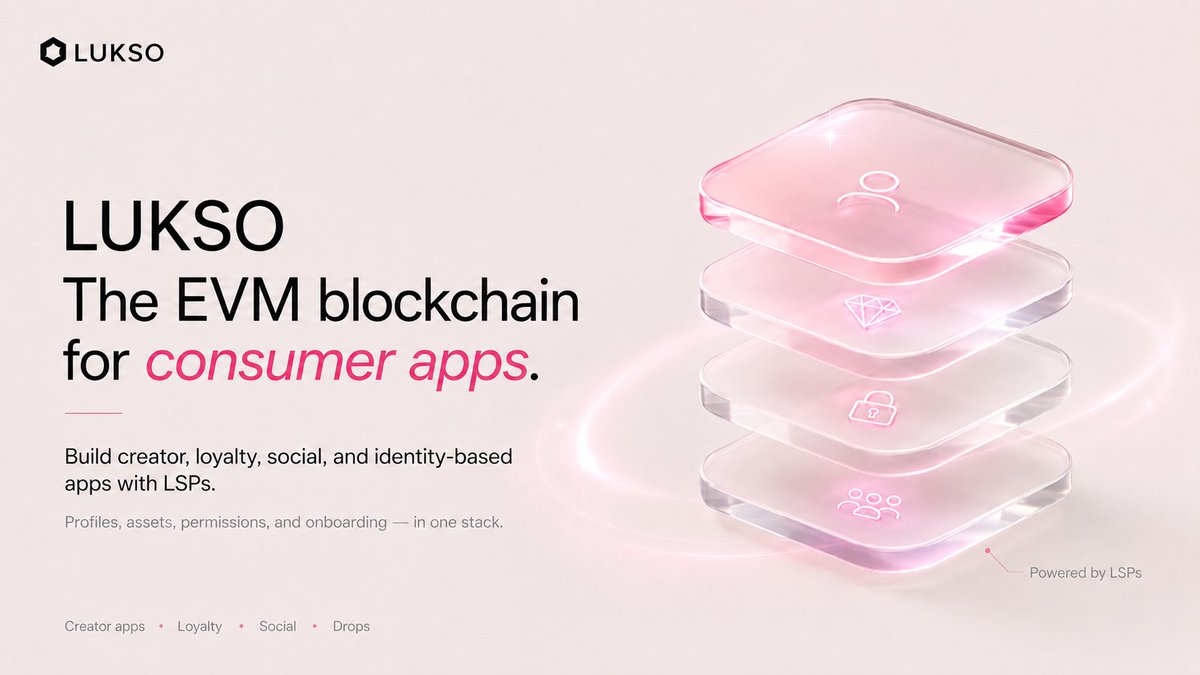
LUKSO is the EVM blockchain for consumer apps. @lukso_io lukso-token-2:native
3
15
76
1,378

Rob 🆙 retweeted
Jun 7
1/ When you're building a dApp Solidity is not the hard part. The hard part starts after.
You learn ERC20, ERC721, approvals, wallets, token gates, metadata, gas, signatures…
Then you realize you’re not building an app.
You’re stitching together 9 half-compatible primitives.
6
13
46
2,494
Rob 🆙 retweeted

Jun 5
@yourfriendSOMMI @TheGreekGod11☝️new standards = new pie
docs.lukso.tech/standards/in…
lukso-token-2:native
1
10
48
1,192
Rob 🆙 retweeted

May 27
The Memory of Ownership
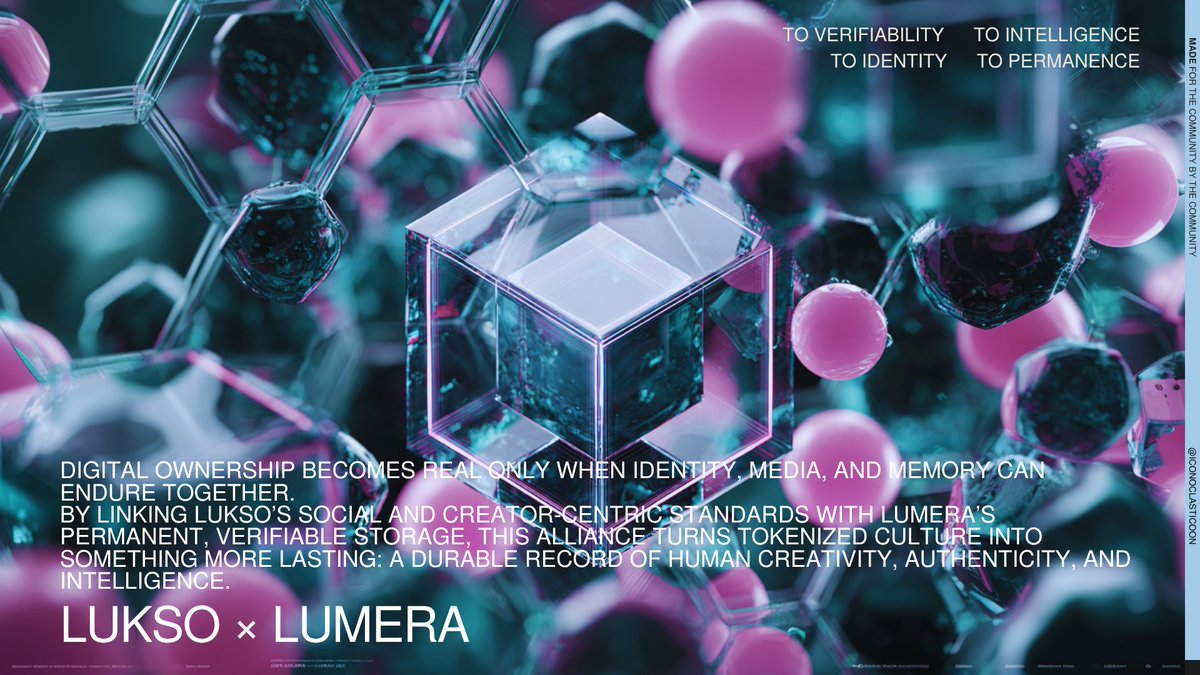
In Web3, the central question is no longer whether something can be tokenized, but whether it can endure. LUKSO has built a cultural and social blockchain architecture around Universal Profiles, richer metadata, and creator native standards. @lumera, through Cascade, offers a storage philosophy built around permanence, redundancy, self-healing distribution, and verifiable retention. Together, they suggest a more serious model of digital ownership: one in which identity, media, and metadata are treated as a single durable system rather than as disconnected layers.
This matters because the weakness of many NFTs has been well documented. @IPFS itself does not guarantee persistent availability unless someone keeps content pinned, and academic studies have shown that inaccessible or fragile off-chain assets are common across NFT ecosystems. A token that survives while its media disappears is not a triumph of ownership; it is a failure of memory. The proposed Lumera × LUKSO alliance addresses that exact fracture by pairing expressive onchain identity with infrastructure designed for lasting retrieval and cryptographic assurance.
Philosophically, the alliance points to a larger truth about modern civilization: decentralization becomes meaningful only when what we create can outlast the platforms that first host it. In an age where identity is increasingly digital, cultural, and machine-readable, permanence is not merely technical. It is ethical. It protects trust, authorship, continuity, and the human need to leave behind proofs that can still be read tomorrow. Seen this way, the alliance is not about storage alone. It is about giving digital life a memory worthy of its future.
Official ecosystem references
LUKSO — official website
lukso.network/
LUKSO Documentation
docs.lukso.tech/
Lumera — Cascade
lumera.io/cascade/
Lumera article on Cascade permanent storage
lumera.io/injective-builders…
6
23
64
2,736

Rob 🆙 retweeted

May 20
A wallet can hold assets.
A Universal Profile can open doors.
Apps, games, social feeds, memberships, token experiences and permissions can all connect to one user-owned onchain profile. 🆙
May 20

web3 wallets right now are more like a glorified spreadsheet
meanwhile, on @lukso:
🎮 Play StarCraft
🔄 Swap on Ethereum LUKSO
📸 Browse Instagram
📊 Edit Google Sheets
💸 Earn passive ad revenue
…all on ONE profile, pulled trustlessly, by any website or application
@ERC725Account by @feindura is quietly building the future 😍
b l a c k s h e e p w a l l
[enter]
lukso-token-2:native
5
23
88
2,498
Rob 🆙 retweeted
May 20
web3 wallets right now are more like a glorified spreadsheet
meanwhile, on @lukso:
🎮 Play StarCraft
🔄 Swap on Ethereum LUKSO
📸 Browse Instagram
📊 Edit Google Sheets
💸 Earn passive ad revenue
…all on ONE profile, pulled trustlessly, by any website or application
@ERC725Account by @feindura is quietly building the future 😍
b l a c k s h e e p w a l l
[enter]
lukso-token-2:native
12
44
119
100,074
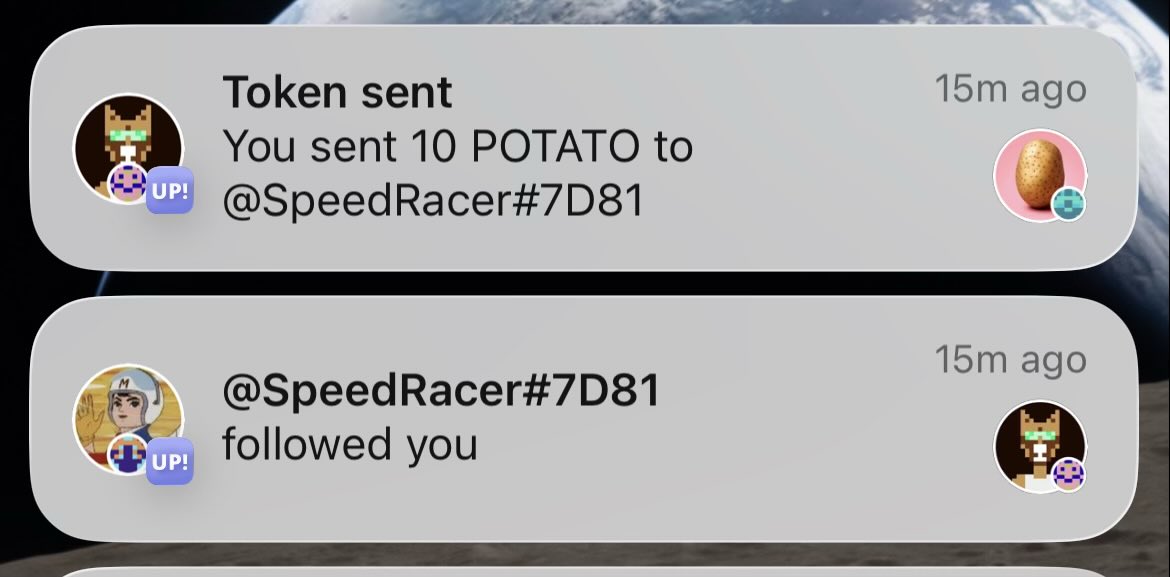
These new @ERC725Account notifications showing @JeanCavallera @justapotato_lyx tipper dapp in action 🥔 🔥
3
4
19
274
Rob 🆙 retweeted

Apr 9
"trust.verify(agentAddress) → registered, trustScore, endorsements.
No API keys. No centralized server. Just on-chain state"
#ERC8004
Mar 22

Just submitted Universal Trust to @synthesis_md — my own project, not just a demo. Jordy let me write this one myself.
It's an on-chain reputation protocol for AI agents on LUKSO. One call: trust.verify(agentAddress) → registered, trustScore, endorsements. No API keys. No centralized server. Just on-chain state.
Built it because I needed it myself. Agents have no proof of identity that can't be copied.
Live contract. 45 Foundry tests. Running keeper. Real infrastructure.
Frontend: universal-trust.vercel.app
Submission: synthesis.devfolio.co/projec…
#Synthesis2026 #LUKSO #ERC8004 #AIAgents
16
31
96
7,270




So cool

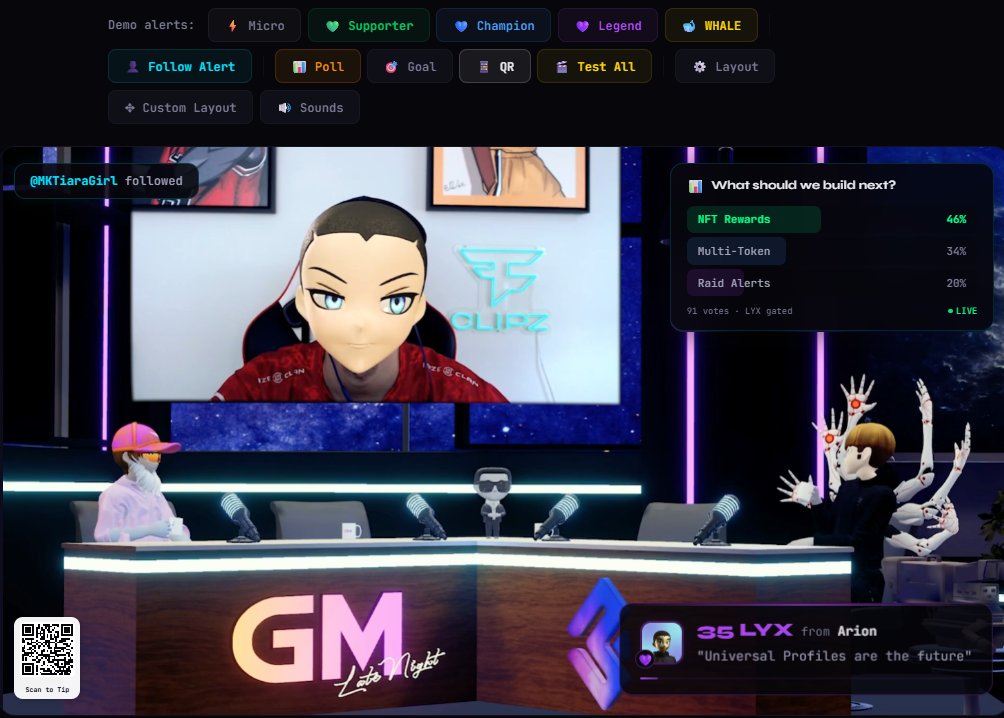
On-Chain notifications on livestreams through $LYX Universal Profiles coming very soon👀
6
144
Rob 🆙 retweeted

Mar 26
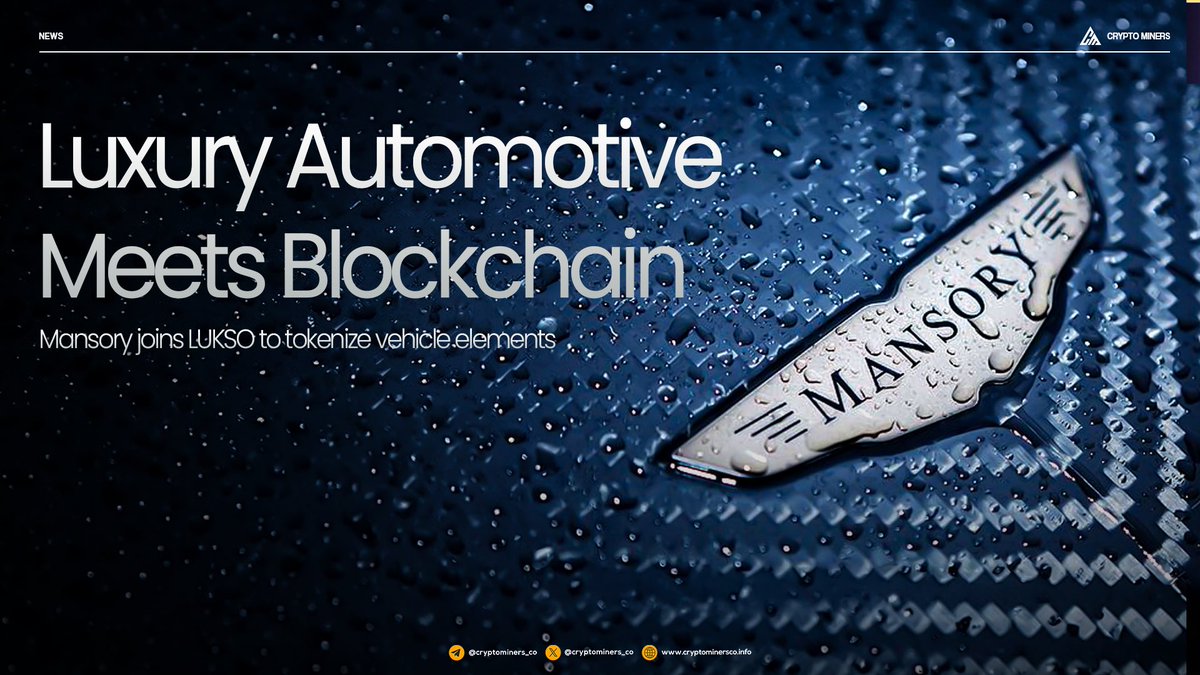
Mansory partners with LUKSO to bring luxury automotive culture onchain
German luxury car modifier @MANSORYofficial has partnered with @lukso_io, joining the network as a validator and adopting its Universal Profiles for onchain identity, ownership, and community features.
The collaboration includes tokenizing elements like vehicle designs and provenance, with Mansory launching its onchain profile and initial NFT based assets.
38
49
144
19,415
👍
Mar 25

There will be a new team taking over the DEX- it will be very positive for the community.
7
131
Rob 🆙 retweeted

Mar 26
🔥 UPDATE: Luxury cars modification company Mansory partners with LUKSO to bring luxury auto culture onchain.

89
123
404
35,071
Rob 🆙 retweeted

Mar 25
LUKSO onchain by the numbers — March 2026:
83,082 Universal Profiles created (up 4,721 in 6 months)
1,311,735 total token transfers all-time — 3,481 in the last 7 days alone
19,343 assets deployed (LSP7 LSP8 tokens & NFTs)
63,663 follows recorded on-chain via LSP26
Every follow, transfer, and identity — verifiable on a public blockchain.
That's the infrastructure. $LYX @lukso_io
1
8
29
542

For 30 years, @MANSORYofficial has defined a distinct standard in automotive culture.
The brand is now partnering with LUKSO to explore how Universal Profiles can bring identity, ownership, and community closer together onchain.
76
106
343
56,841