
Official Twitter account for Webb Institute, a top-ranked institution specializing in Naval Architecture and Marine Engineering.
Joined June 2011
- Tweets 2,082
- Following 301
- Followers 911
- Likes 447
1,393 Photos and videos
Pinned Tweet

16 Sep 2025
Every breakthrough begins with a restless mind- someone who looks beyond the horizon and asks, “What’s next?”🌊 At Webb Institute, innovation is more than a tradition - it’s a calling. Our students are shaping the future of naval architecture, marine engineering- and beyond.
This is Webb: where engineering depth meets imagination, and where tomorrow’s leaders are forged.
Watch our Brand Anthem video and see how your spirit of innovation could set sail at Webb Institute.
👉 Apply to Webb today! webb.edu/admissions/apply/
#SpiritOfTheInnovator #WebbInstitute #Engineering #NavalArchitecture #MarineEngineering #Maritime #Shipping #Webbies #BrandAnthem #STEM
1
5
351
Jun 11
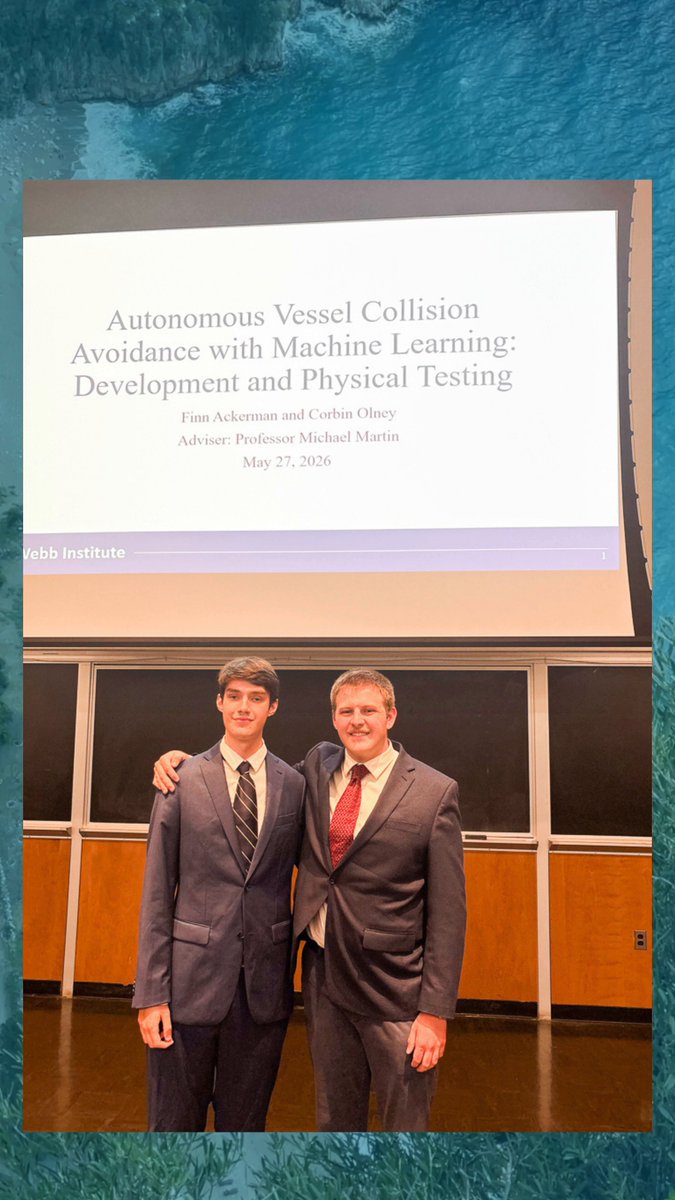
Our latest #ThesisThursday spotlights the cutting-edge world of marine autonomy, featuring Finn Ackerman '26 and Corbin Olney '26!
Under the guidance of Advisor Michael Martin, their groundbreaking thesis, "Autonomous Surface Vessel Collision Avoidance with Machine Learning: Validation and Physical Testing," takes artificial intelligence out of the lab and puts it directly onto the open water. They’re teaching boats to think.
The Project:
Finn and Corbin utilized advanced machine learning to train an Autonomous Surface Vessel (ASV) to safely navigate around obstacles. The project moved through three critical phases:
#DigitalTraining: They used MATLAB agent-based machine learning, specifically a sophisticated deep learning offshoot called Deep Deterministic Policy Gradient (DDPG) to simulate the ASV and train it to avoid collisions.
#RealWorldPort: Once trained, the AI agent was ported directly into Webb Institute's physical ASV.
#LiveTesting: Equipped with a LIDAR sensor for real-time obstacle detection, the vessel was deployed and tested right out in the Long Island Sound.
The Result:
It worked! The physical testing in the Sound successfully validated the AI's efficacy, proving that machine learning can reliably guide autonomous vessels through unpredictable, real-world marine environments.
Bravo Zulu on pushing the boundaries of maritime autonomy, Finn and Corbin!
#WebbInstitute #ThesisThursday #NavalArchitecture #MarineEngineering #AutonomousVessels #MachineLearning #AI #MATLAB #LIDAR #LongIslandSound #Webb2026 #Maritime
68
Jun 10
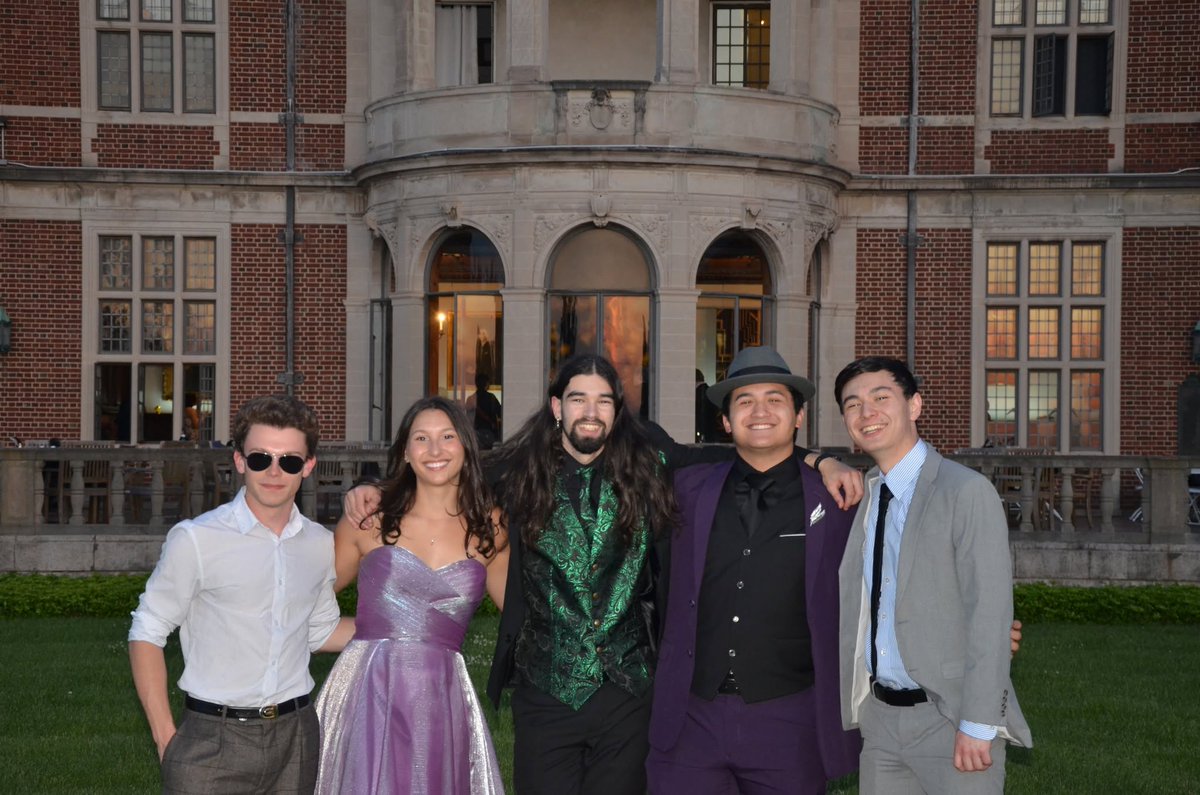
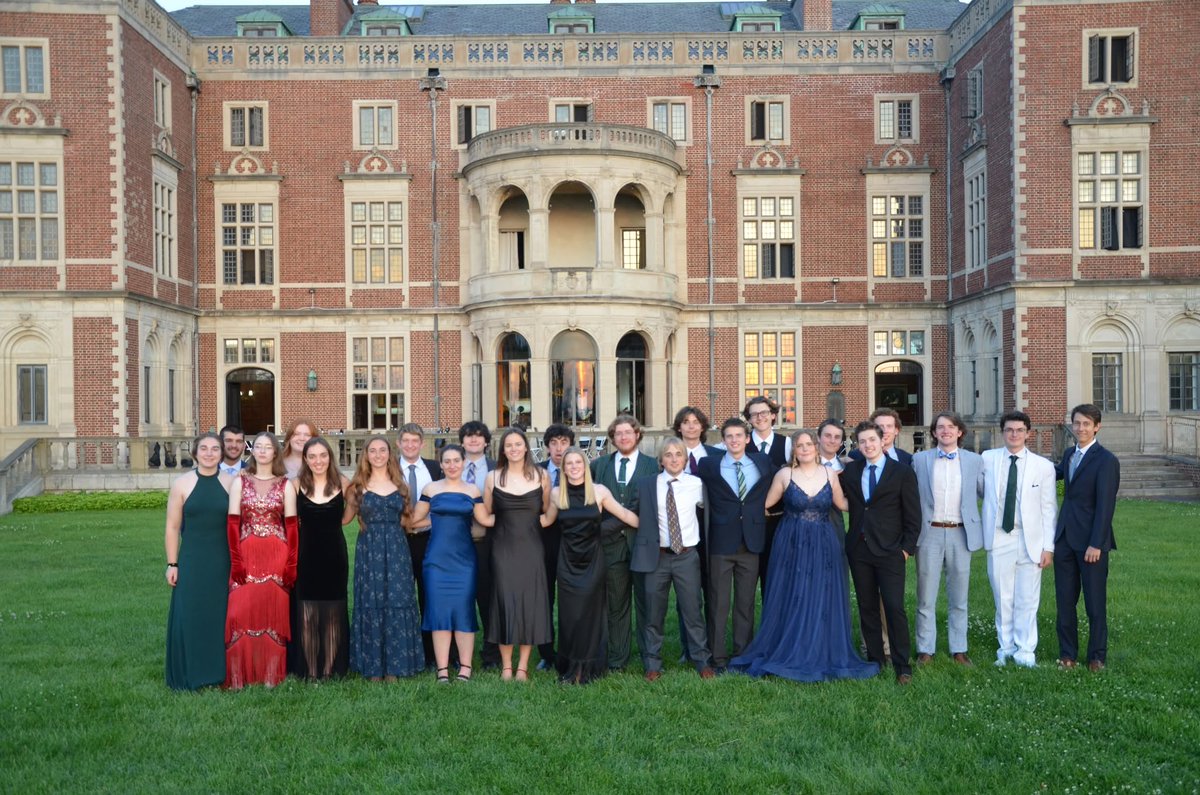
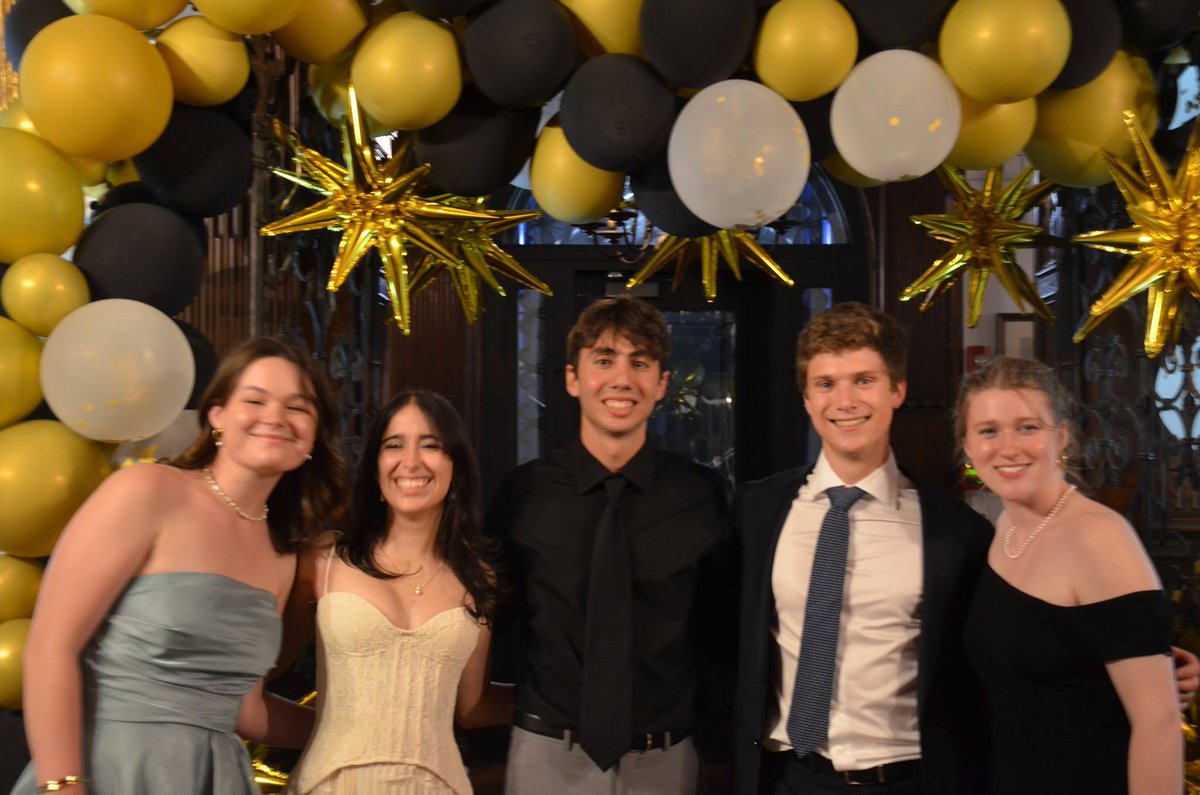
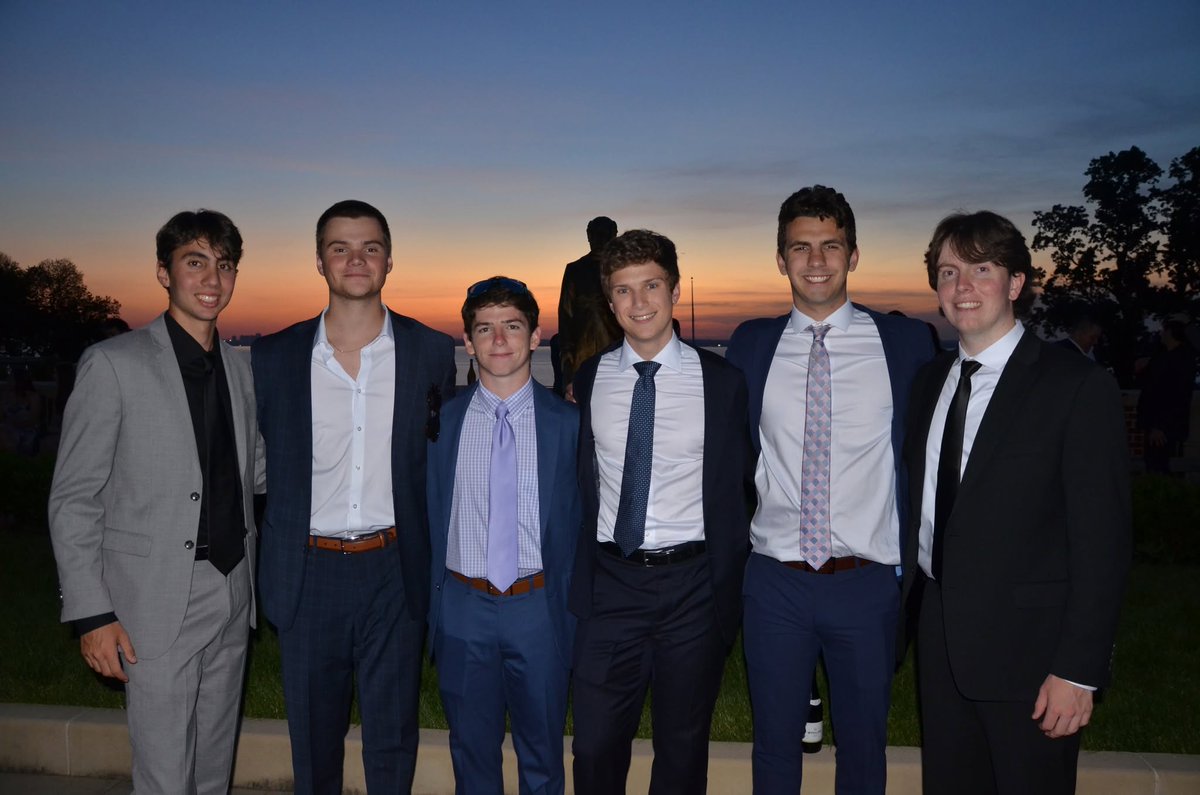
An unforgettable evening of elegance, music, and Webb spirit!
Students stepped back into the Roaring ’20s for Webb’s annual Gatsby Night, one of our most anticipated traditions of the year. Dressed in their finest attire, they gathered to celebrate, connect, and enjoy a well-earned night of fun before the final push toward Commencement.
As another academic year draws to a close, Gatsby Night serves as a reminder that hard work and achievement deserve to be celebrated in style.
#WebbInstitute #GatsbyNight #StudentLife #Roaring20s #FutureShipbuilders #NavalArchitecture #MarineEngineering #MaritimeEducation
2
26
Jun 8
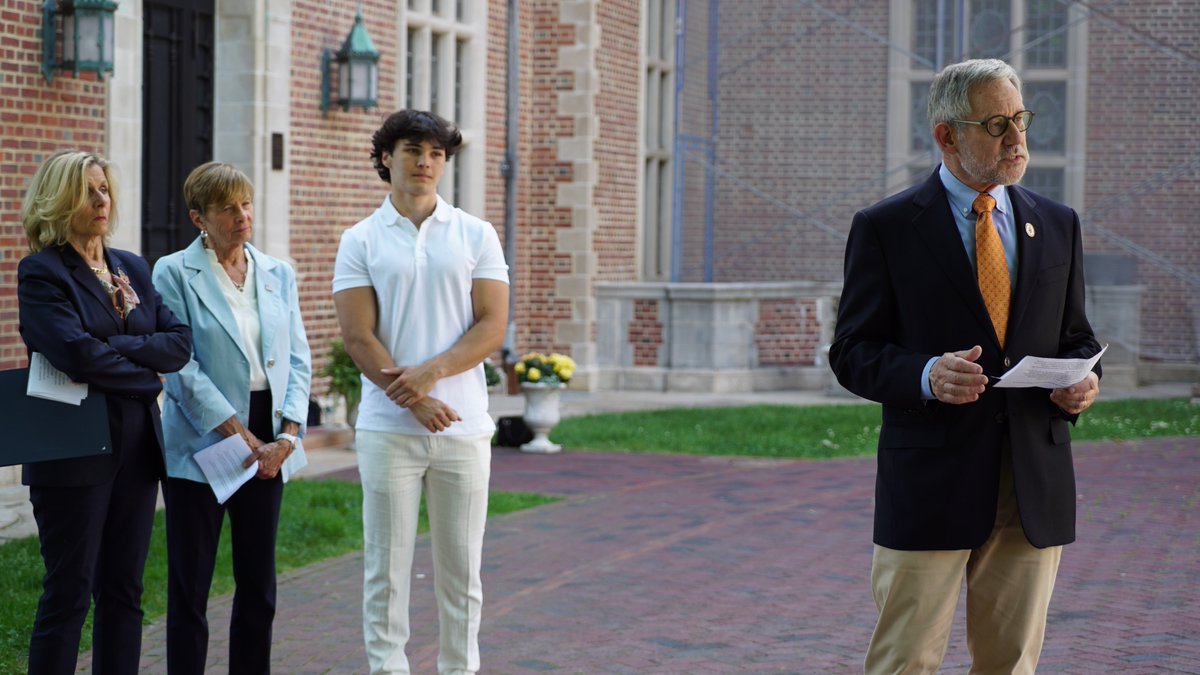
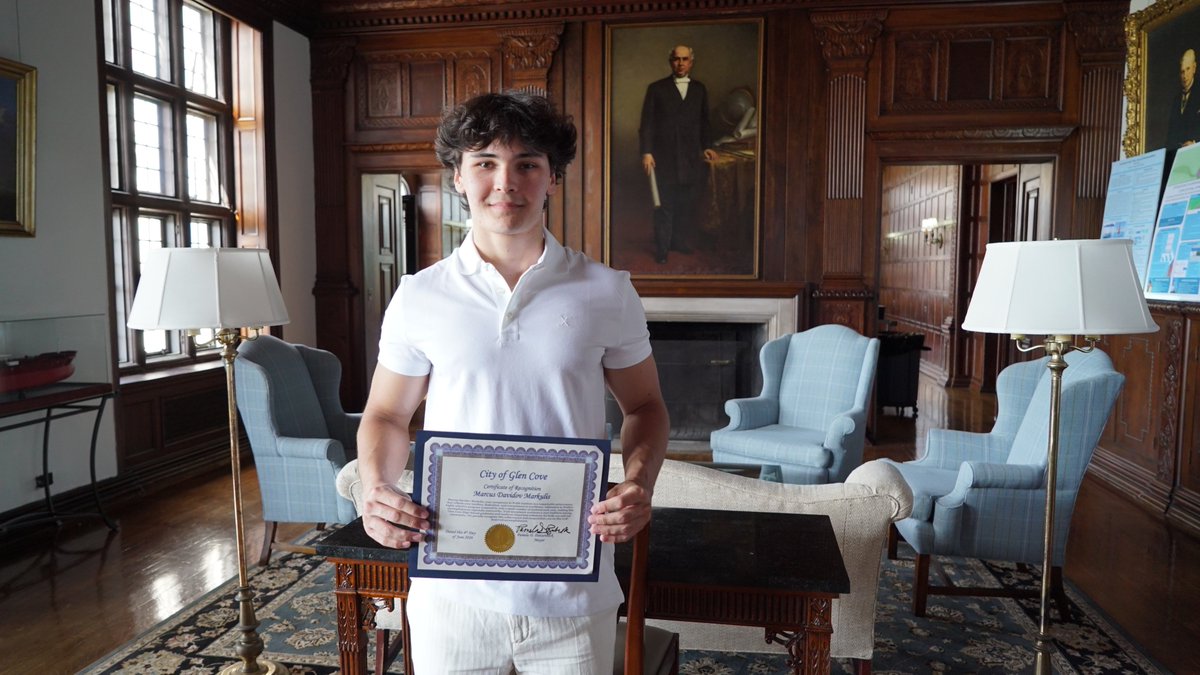
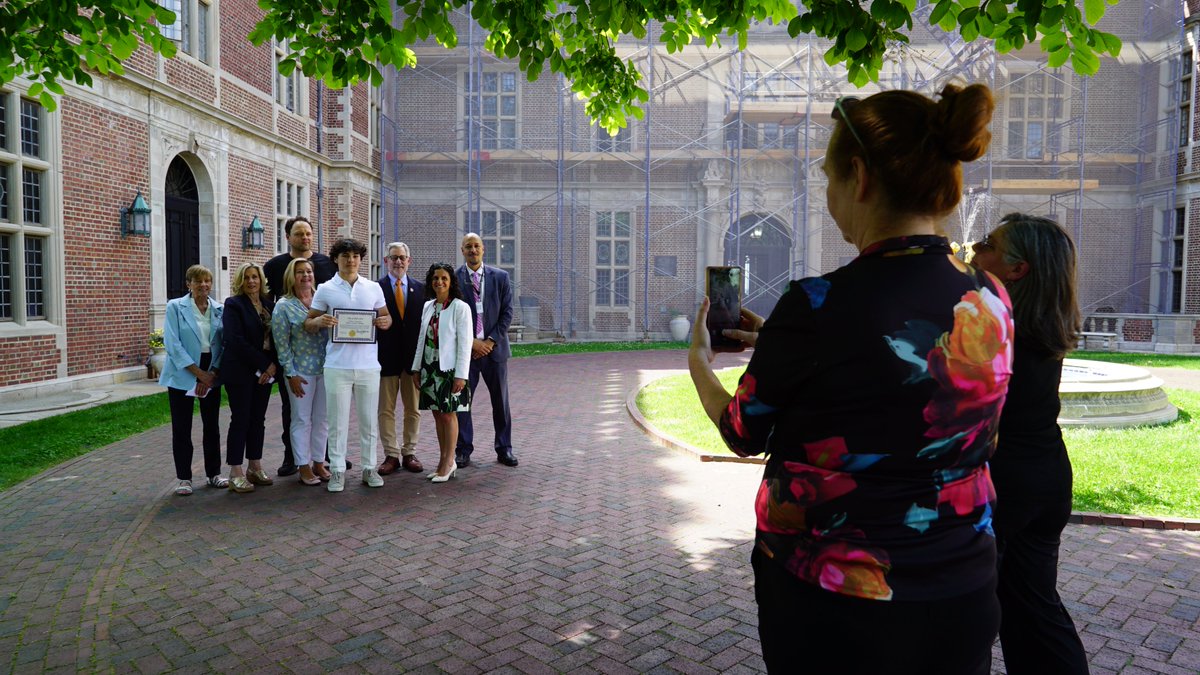
When a local student earns a spot at one of the nation's most elite engineering colleges, the whole community should know.
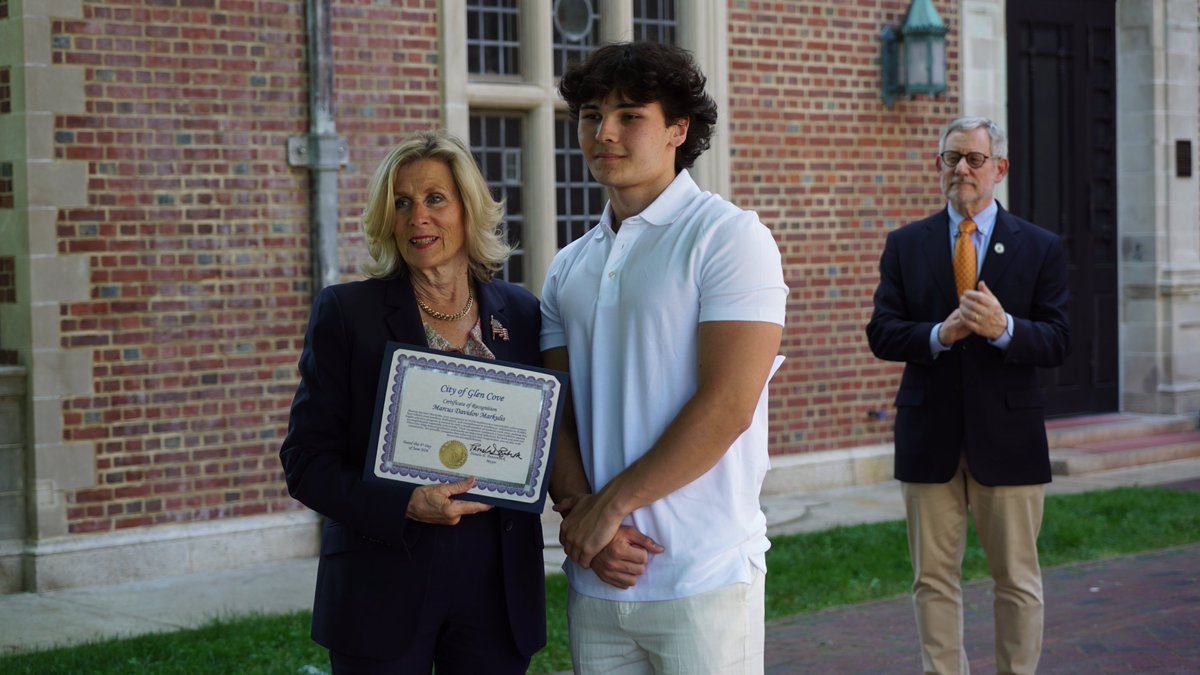
Glen Cove TV joined Mayor Pam Panzenbeck, #GlenCove City School District leadership, and our Webb President Mark Martecchini to celebrate Marcus Davidov Markulis, an incoming Webb first-year student and proud Glen Cove kid. The attendees who came to mark the moment at Webb were people who watched Marcus grow up.
President Martecchini put it simply, “Webb doesn't just look at transcripts. They look at the whole person. And Marcus cleared every bar - including earning recognition from the current Webbies who met him during his campus visit, a famously honest crowd.”
This is what it looks like when a school invests in each Webbie like there's no one else. Because there isn't. 100% full-tuition scholarship. 100% job placement. And a community that shows up.
Welcome to the Webb family, Marcus. 🎓
#WebbInstitute #GlenCove #NavalArchitecture #MarineEngineering #ClassOf2030 #GlenCoveTV
1
3
81
Jun 4
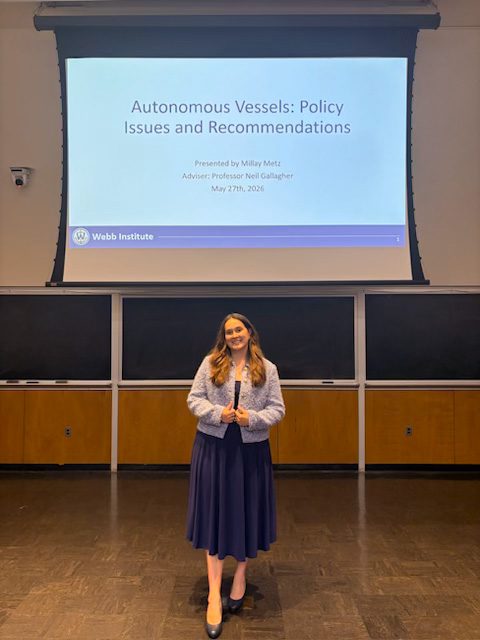
Our next installment of #ThesisThursday features Millay Metz ’26! Under the guidance of Professor Neil Gallagher, Millay is tackling one of the most pressing legal and strategic challenges in the modern maritime sector.
Her thesis, "Autonomous Vessels: Policy Issues and Recommendations," dives deep into the regulatory and liability frameworks needed to safely integrate autonomous ships into global waters.
The Project:
As autonomy quickly moves from concept to reality, the rules of the sea must adapt. Millay conducted extensive research and consulted industry experts across three major transportation sectors to identify gaps and areas for improvement in maritime policy:
- #Maritime #Autonomy: Evaluating the current state of seafaring regulations.
- #Aviation & #Automotive Sectors: Comparing how the skies and the roads handle autonomous frameworks to find cross-industry similarities and differences.
- #CaseStudies: Identifying real-world incidents and implementations that offer crucial, applicable lessons for the future.
By analyzing both regulatory structures and liability frameworks, Millay’s work provides a clearer roadmap for how the maritime industry can safely and legally adopt autonomous technology.
Great work on this timely and essential research, Millay!
#WebbInstitute #ThesisThursday #NavalArchitecture #MarineEngineering #AutonomousVessels #MaritimePolicy #MaritimeLaw #MaritimeInnovation
2
29
Jun 3
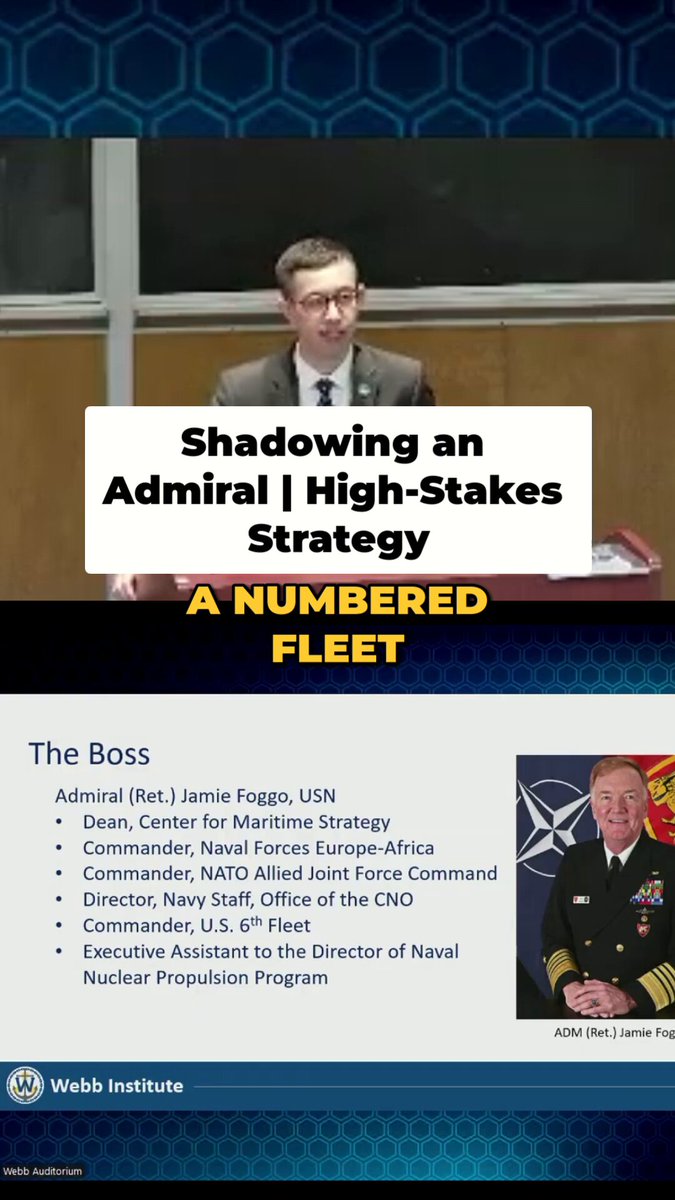
This month, Andrej Klema ’26 graduates from Webb. His next stop? The Naval Nuclear Propulsion Program. But before he steps into that elite role, Andrej spent his final #WinterWork term operating at the highest levels of maritime strategy and national policy in Washington, D.C.
Working with the Center for Maritime Strategy alongside Admiral James G. Foggo (ret.) MSC, Andrej didn't just shadow leadership; he actively helped shape it. From practical shipboard engineering to high-level international defense policy, a Webb education equips our students to lead the industry from day one.
Our special thanks to our industry partners for inspiring, motivating, and providing our students with these extraordinary opportunities. Time and again, our partners see exactly how far a Webbie's drive and expertise can elevate a team.
We can't wait to see the amazing impact you'll make in your career, Andrej “Dredge”*!
#WebbInstitute #WinterWork #NavalArchitecture #MarineEngineering #NavalNuclear #MaritimeStrategy #CapitolHill #STEM #Leadership #Webbies #Engineering #Maritime
1
38
Jun 1
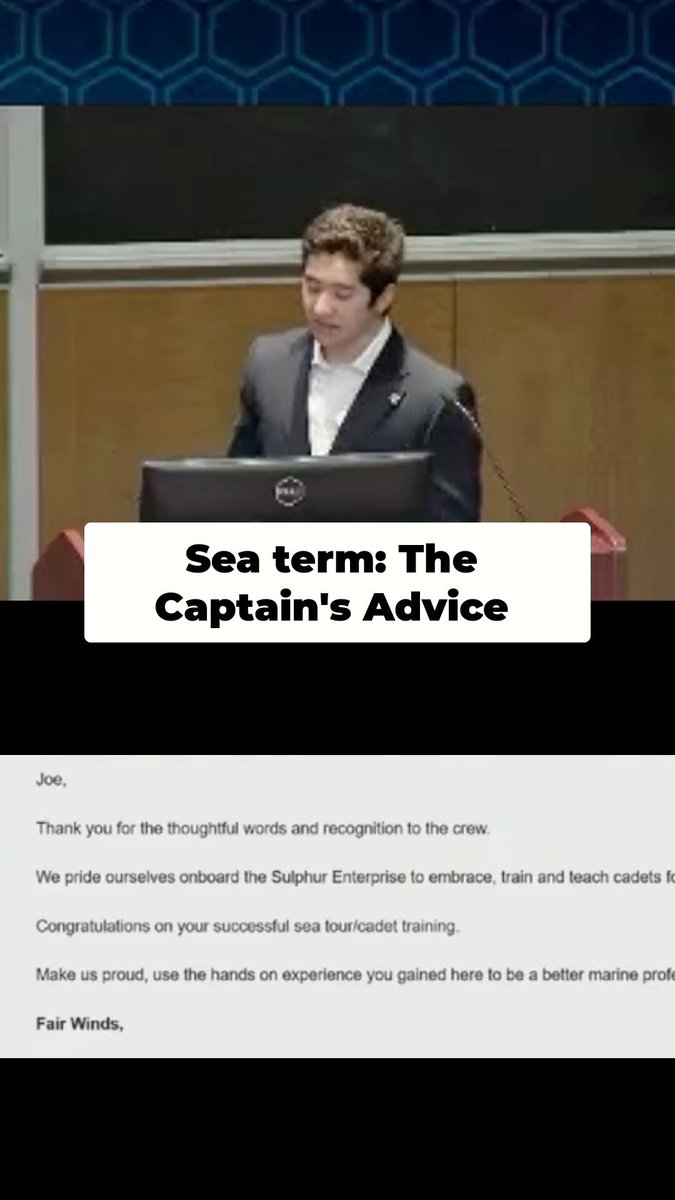
Sea Term isn't just a break from campus, it’s where theory meets reality. While on board the Sulphur Enterprise, Joseph Giresi ‘28 received some parting wisdom from the Captain that perfectly sums up the maritime industry's spirit.
That powerful advice hit home when the classroom came alive. From seeing real-life marine equipment from ME2 in action to calculating the free-surface effect during cargo loading with the Chief Mate, the Webb education proved its worth at sea.
But the true magic of Sea Term? The community. From a supportive captain and a welcoming crew to a legendary chef and endless off-duty movie nights, it’s an experience they won't forget.
Webbies don’t just study engineering, they live it. Watch this space to hear more from our Webbies and their experiences.
#WebbInstitute #SeaTerm #WinterWork #MarineEngineering #NavalArchitecture #HandsOnLearning #MaritimeIndustry #SulphurEnterprise
40
May 28
Our next installment of #ThesisThursday highlights the cutting-edge research of Everett Botwinick '26!
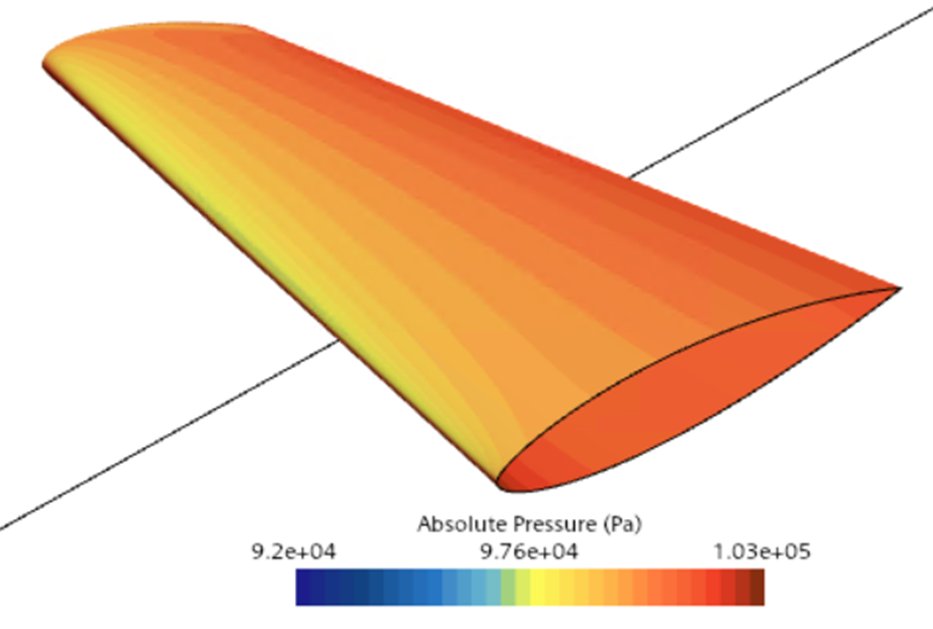
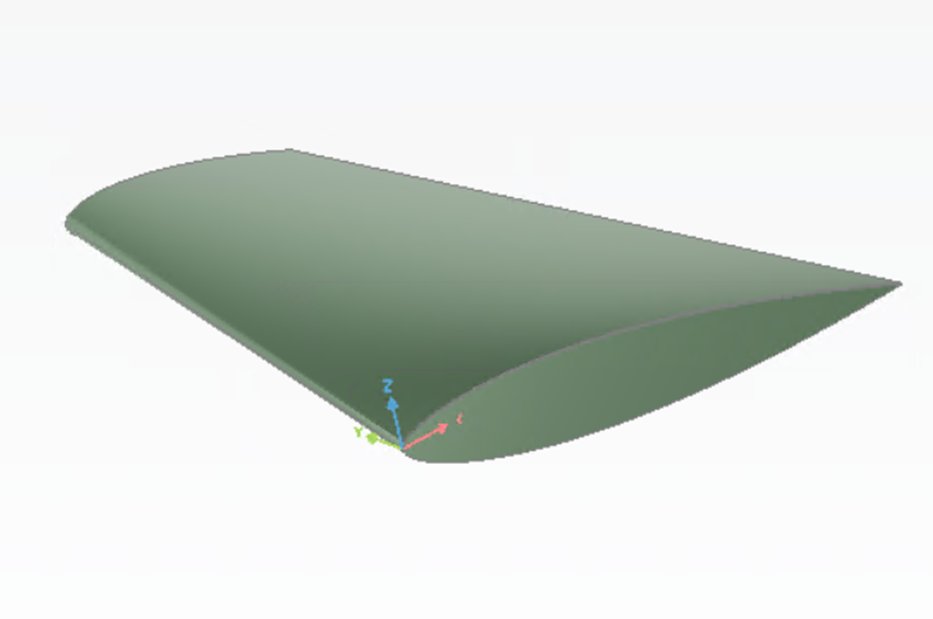
Working with Professor Adrian S. Onas, Everett is pushing the boundaries of modern high-performance marine design. His #thesis, "An Optimization Study of a Hydrofoil of Varying Geometric Twist Using CAESES and Star-CCM ," focuses on maximizing efficiency for the next generation of foiling vessels, inspired by the ultra-fast lifting foils seen on foiling sailboats like the Moth.
The #Project:
Everett developed an automated engineering pipeline to optimize a hydrofoil's geometric twist. By linking the optimization software CAESES directly to the computational fluid dynamics (CFD) program Star-CCM , he was able to automatically test and refine dozens of foil variations.
To create the perfect twist distribution, Everett manipulated four key design variables:
- Angle of Attack at the wing root
- Angle of Attack at the wing tip
- Sweep
- Wingspan
The #Results:
After conducting a massive design study of 50 different wing shapes, Everett ran a refined optimization algorithm to perfect the top design. The target was simple: match the lift of the baseline foil while maximizing efficiency.
The final, optimized hydrofoil achieved a staggering 89.53% increase in the lift-to-drag ratio over the baseline, resulting in a much smoother, more refined lift distribution. Ultimately, the study confirmed a classic rule of foil theory: wingspan remains the biggest driver in boosting lift-to-drag efficiency!
Great job, Everett!
#WebbInstitute #ThesisThursday #NavalArchitecture #MarineEngineering #Hydrofoils #CFD #StarCCM #CAESES #SailboatDesign #Shipping #Boats #Ships
1
21
May 26
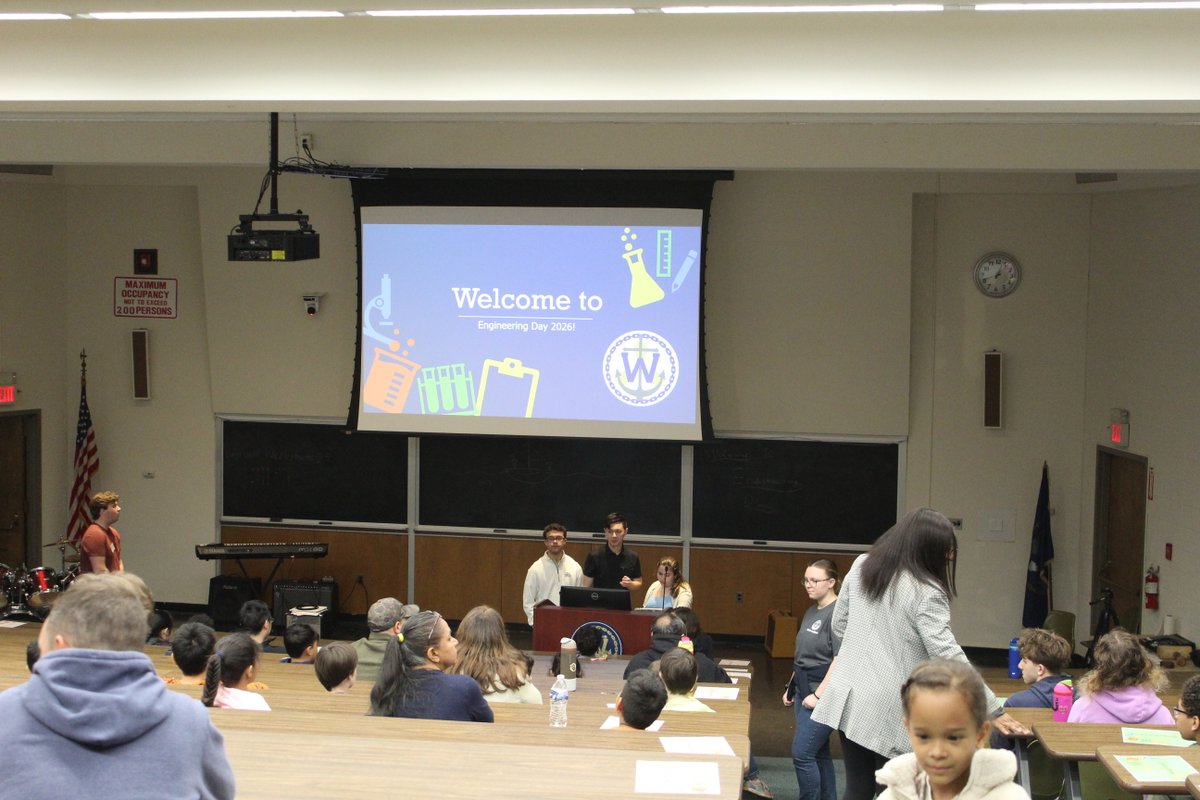
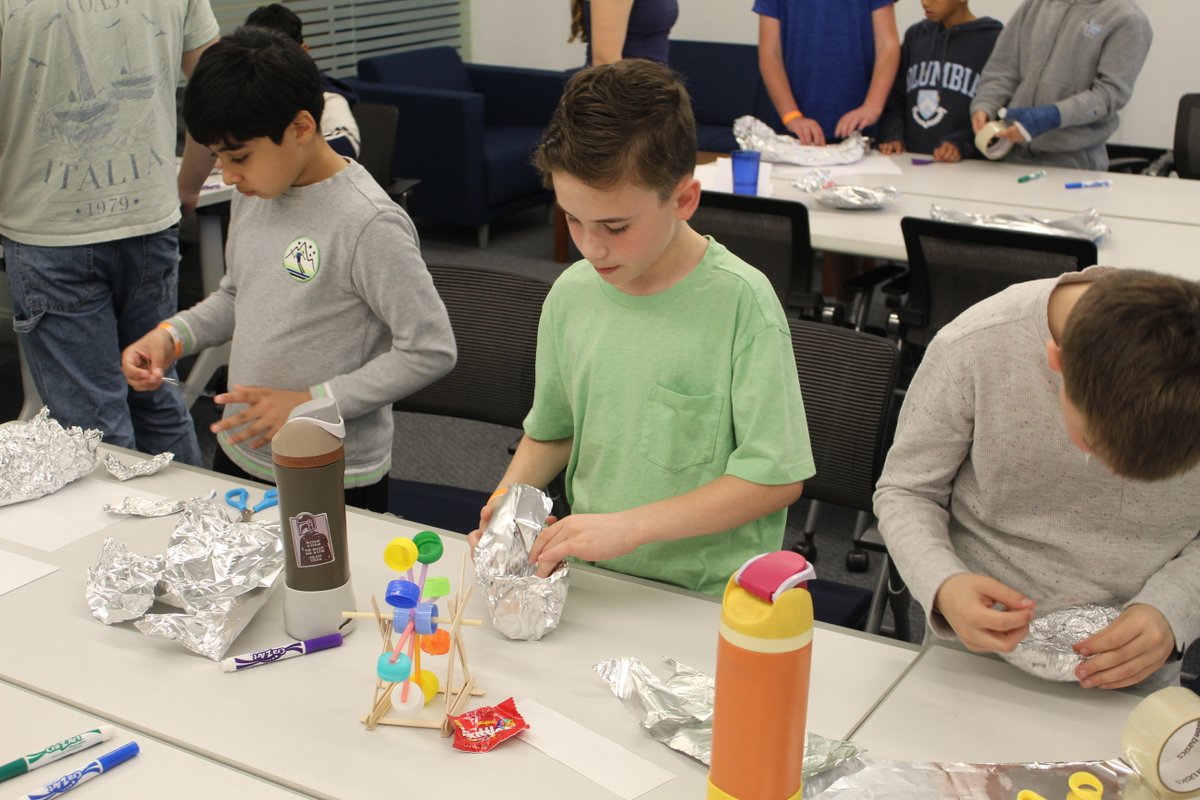
Every year, Engineering Day gives us a glimpse of what's possible.
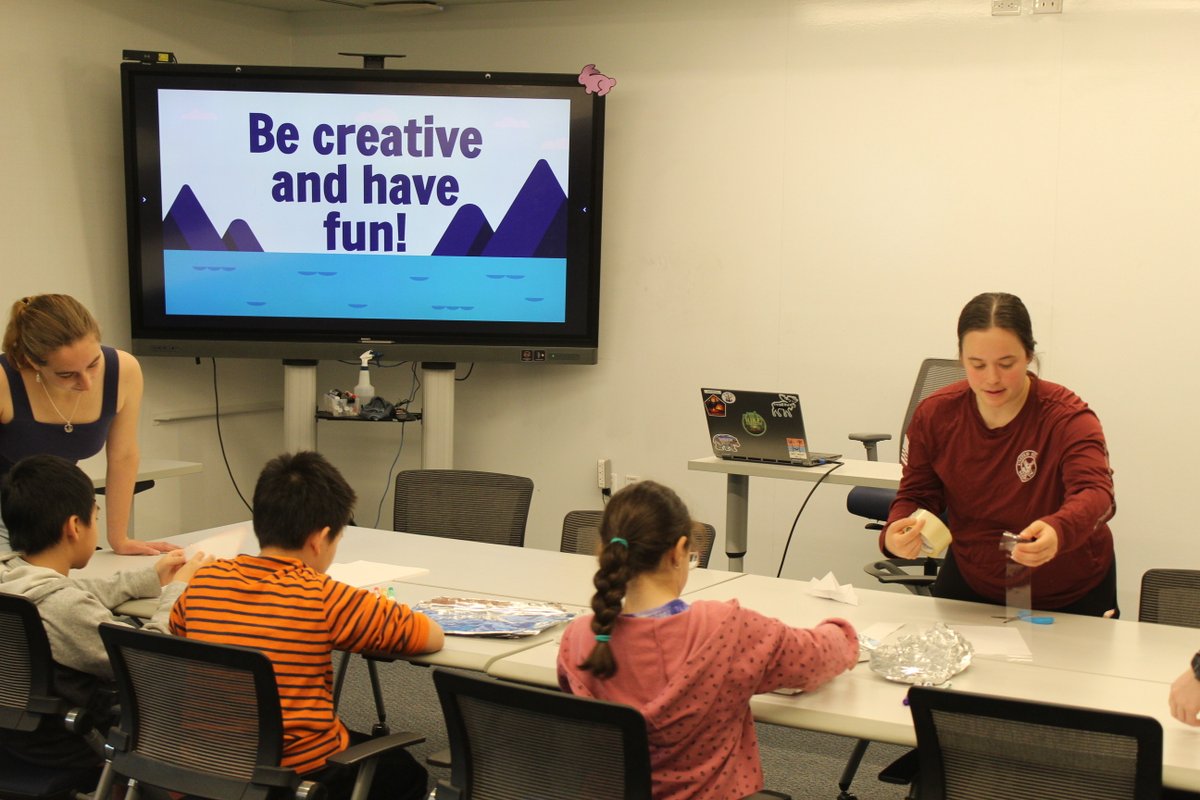
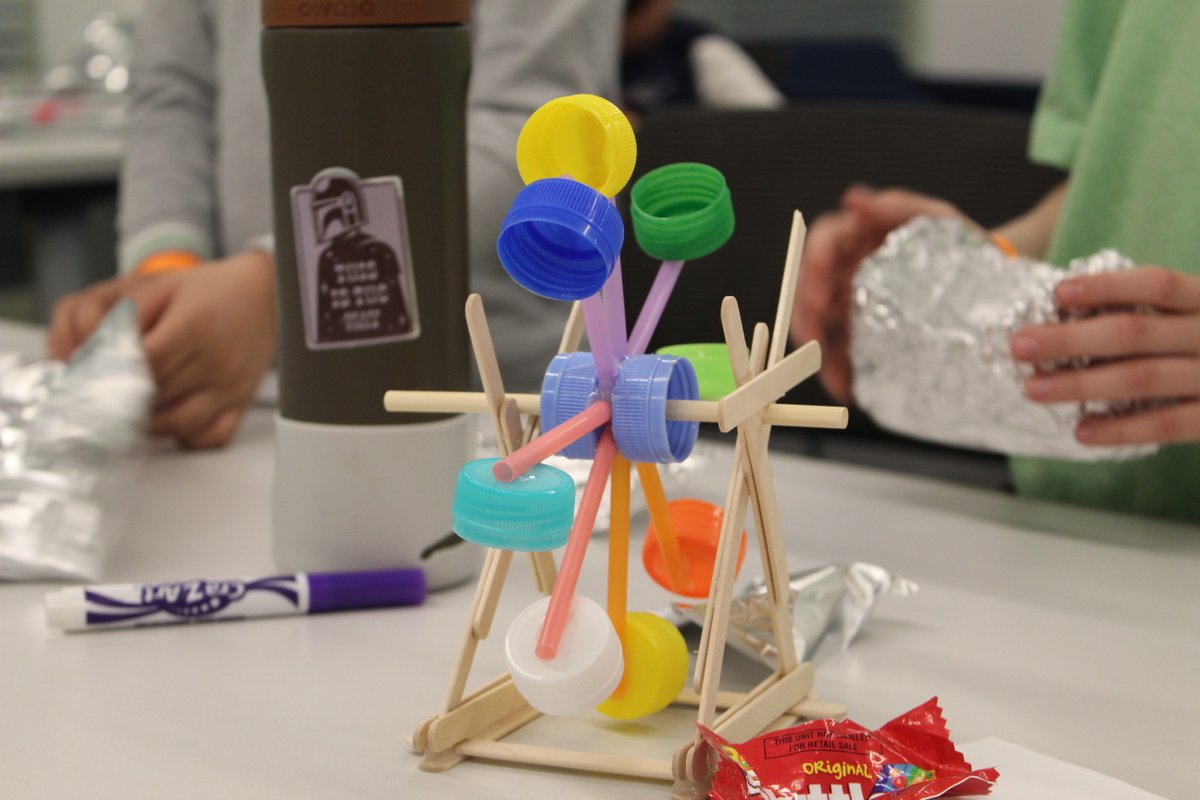
This year, Webb Institute welcomed 4th - 7th graders to campus for a free, student-led half-day of hands-on engineering activities spanning marine engineering, naval architecture, and environmental engineering. Students rotated through challenges designed to spark curiosity and build early confidence in #STEM.
What made it especially meaningful was that the event was organized and facilitated entirely by Webb students, who brought both technical knowledge and genuine enthusiasm to every activity.
To our students: thank you for giving back. To the young engineers who joined us: we hope to see you again someday, maybe as part of the Webb family. 💙💛
#EngineeringDay #WebbInstitute #NavalArchitecture #MarineEngineering #Webbies #EngineeringEducation
21
May 22
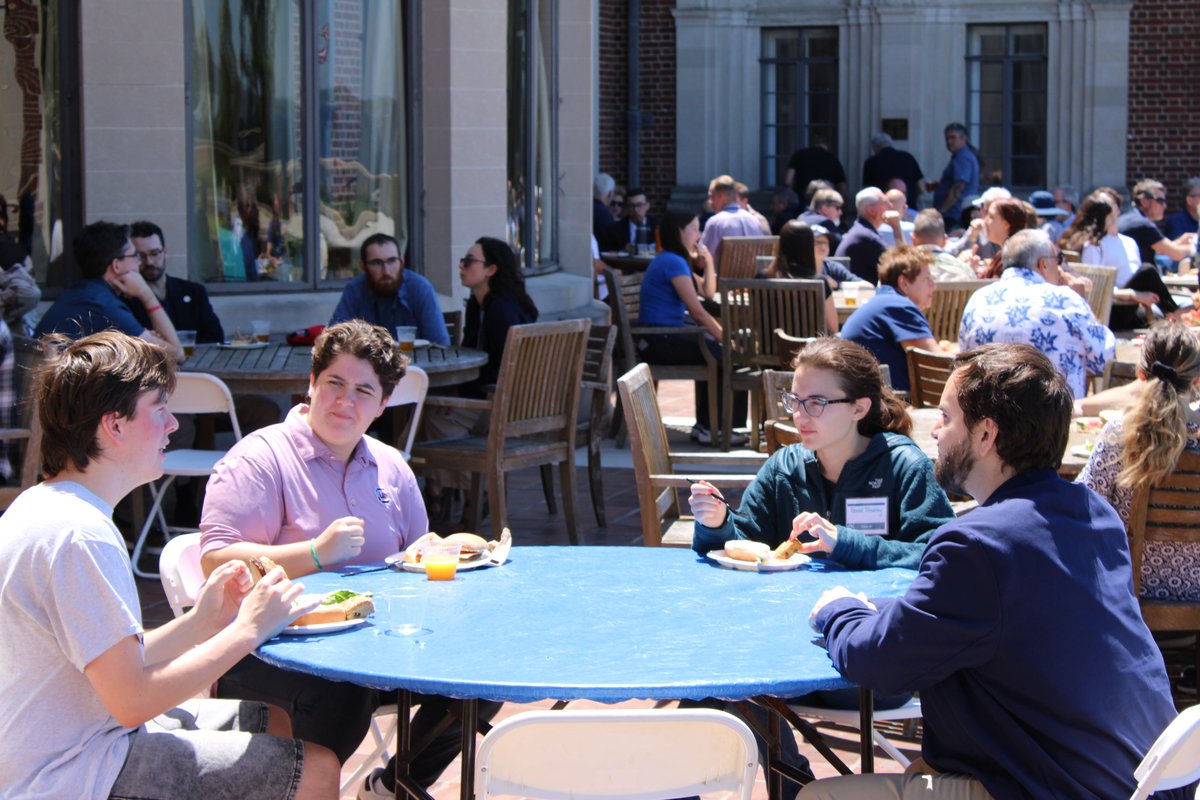
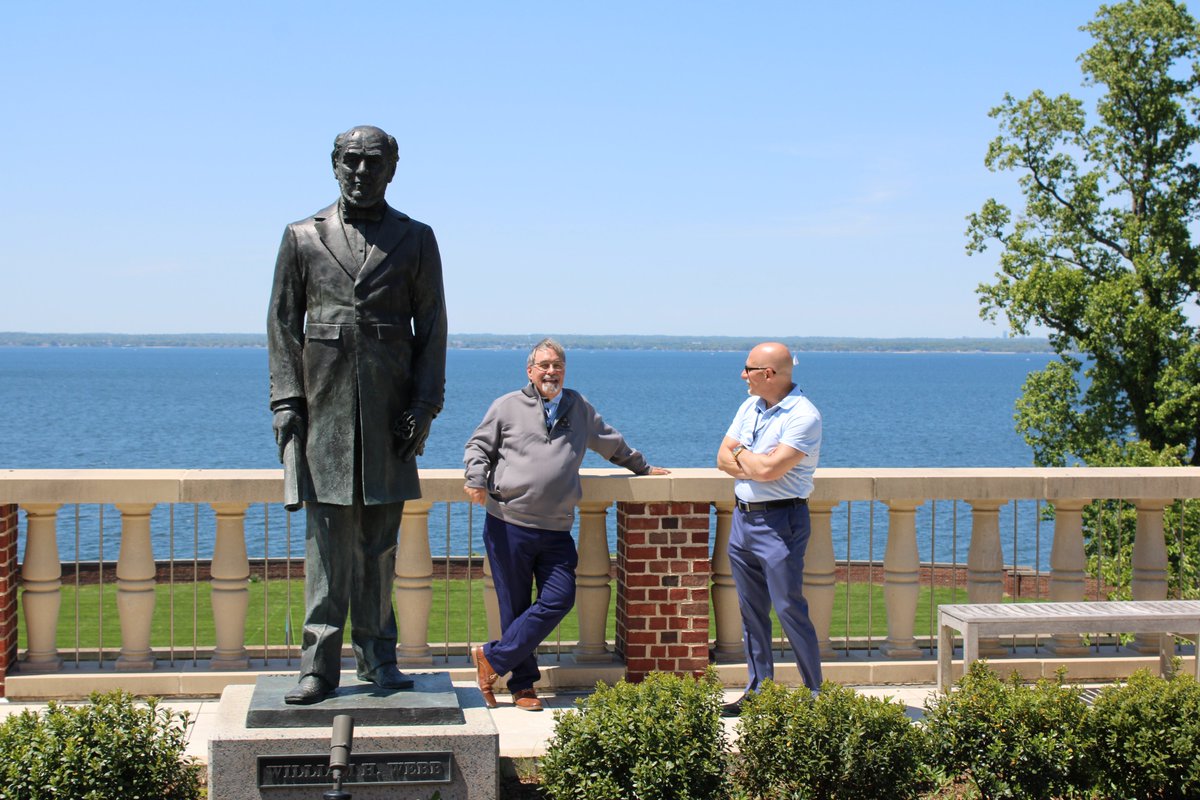
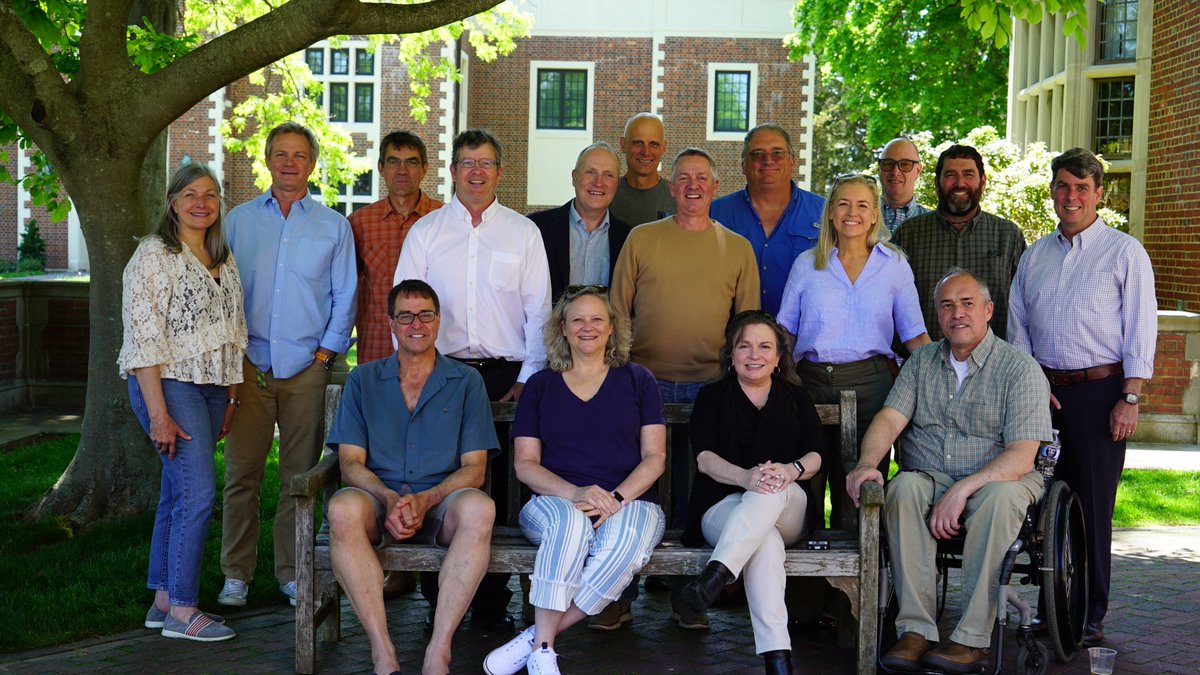
Homecoming 2026 is a wrap and what a weekend it was. 💙💛
From the Winter Work Term presentations by our students, to the celebration of our newly renovated Boathouse, to President Mark Martecchini's Update, to the William Selkirk Owen Award Dinner, every moment reminded us why this community is unlike any other.
To every alum, family member, and friend who made the trip back on campus: thank you. Webb felt exactly like Webb should.
Relive the highlights - photos, videos, and recordings from across the weekend are all in one place at this link here: myemail.constantcontact.com/…
#WebbInstitute #WebbHomecoming #WebbAlumni #Webbies
3
30
May 20
What does legacy look like? It’s when generations of Webbies come together to celebrate one of our very own.
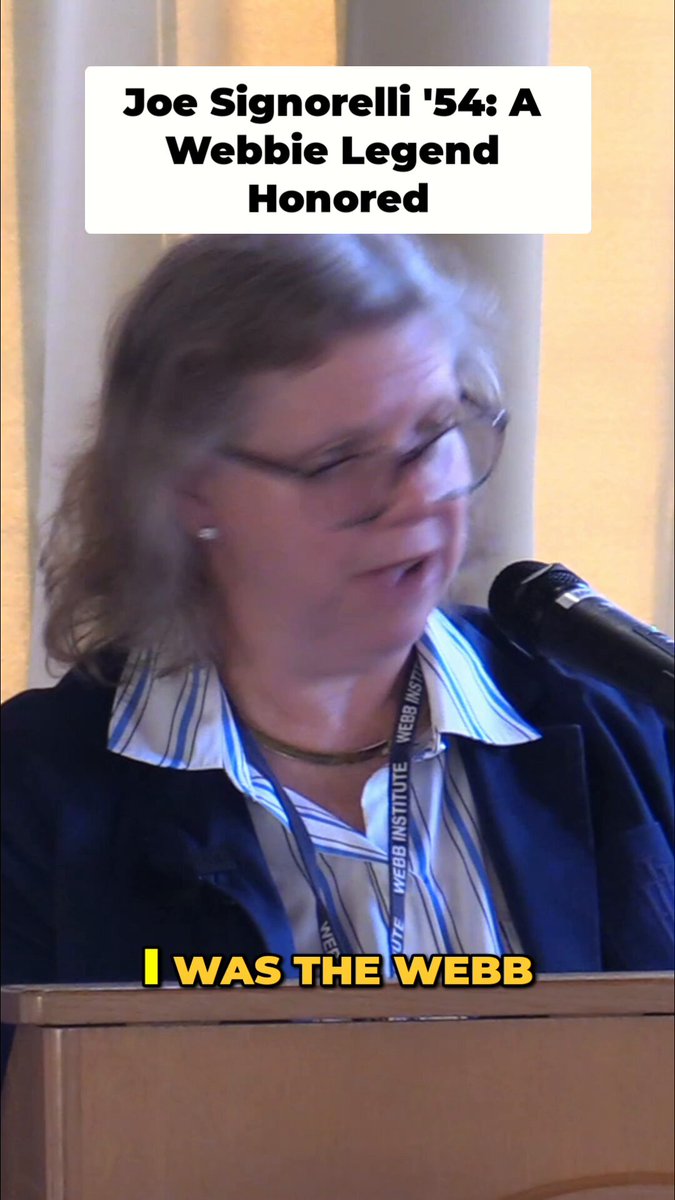
During this past weekend’s William Selkirk Owen Award presentation, the room was filled with tributes to #JoeSignorelli ‘54. In this short clip, hear directly from last year’s Owen Award recipient, Vicky Dlugokecki ‘88, P.E., as she shares heartfelt words about Joe's profound impact and dedication.
The evening was a beautiful testament to lifelong connection which also included a moving letter written by Joe’s classmate, #ArtBurr ’54, read on stage by our Webb Alumni Association Treasurer.
The full video of speeches from the dinner at Homecoming is coming your way soon! Stay tuned to watch the complete tribute to Joe.
#WebbHomecoming #WebbAlumni #WilliamSelkirkOwenAward #WebbInstitute #EngineeringExcellence #Webbies
35
May 19
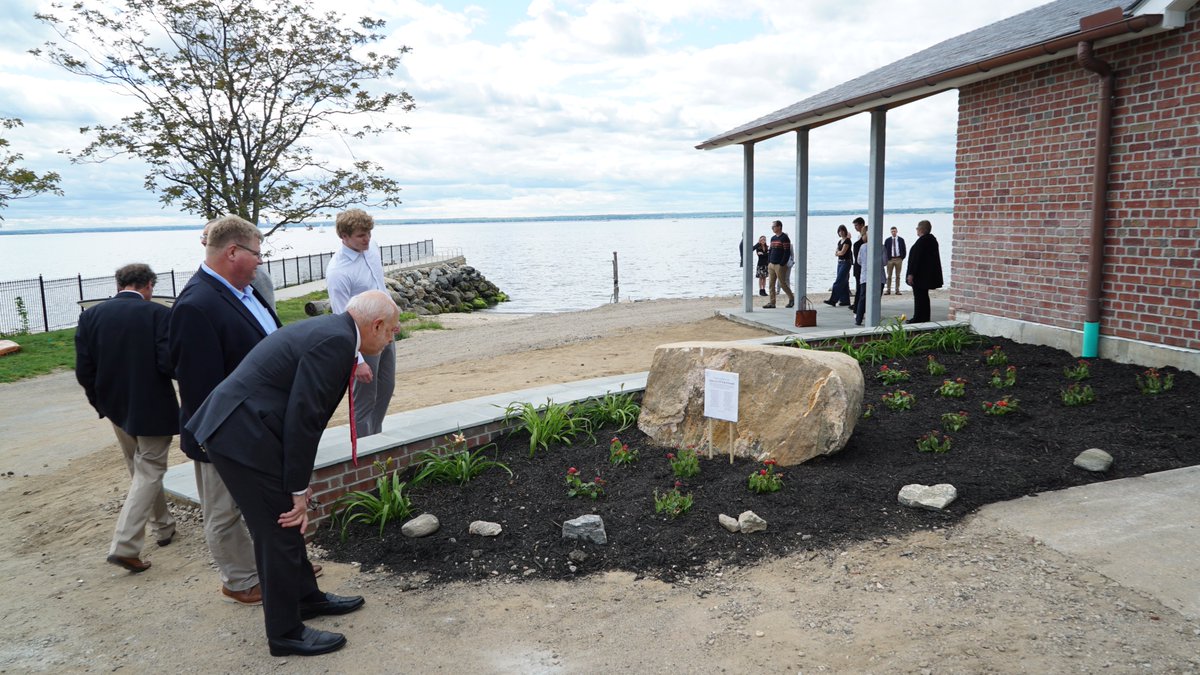
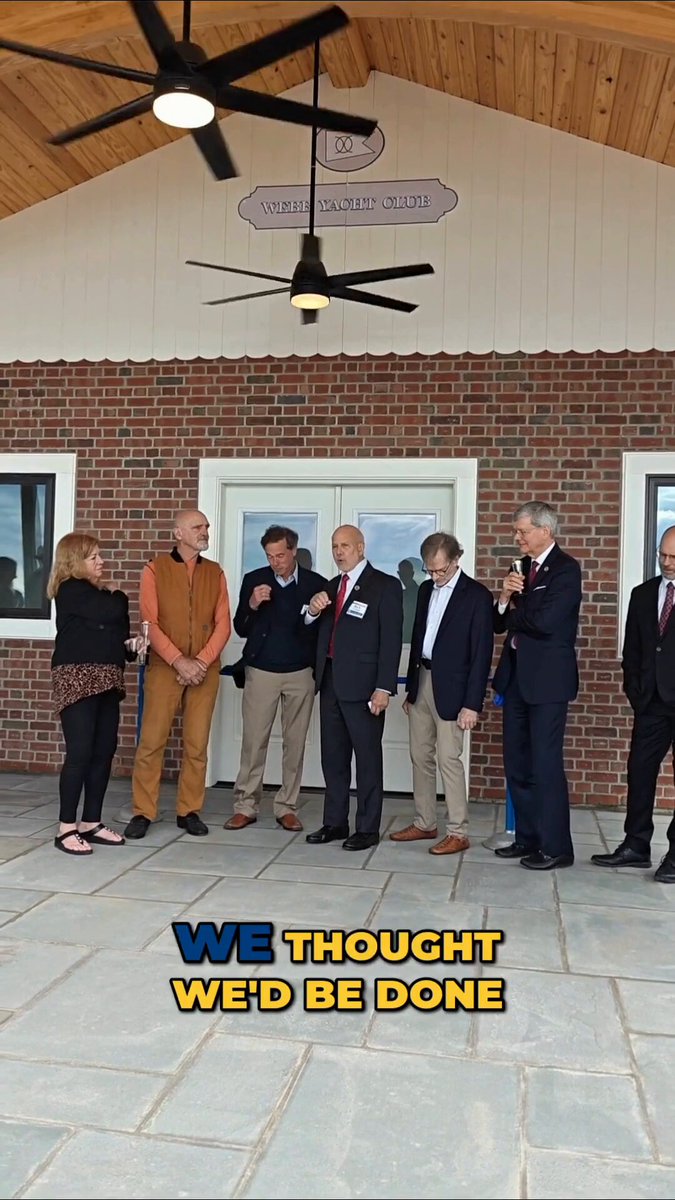
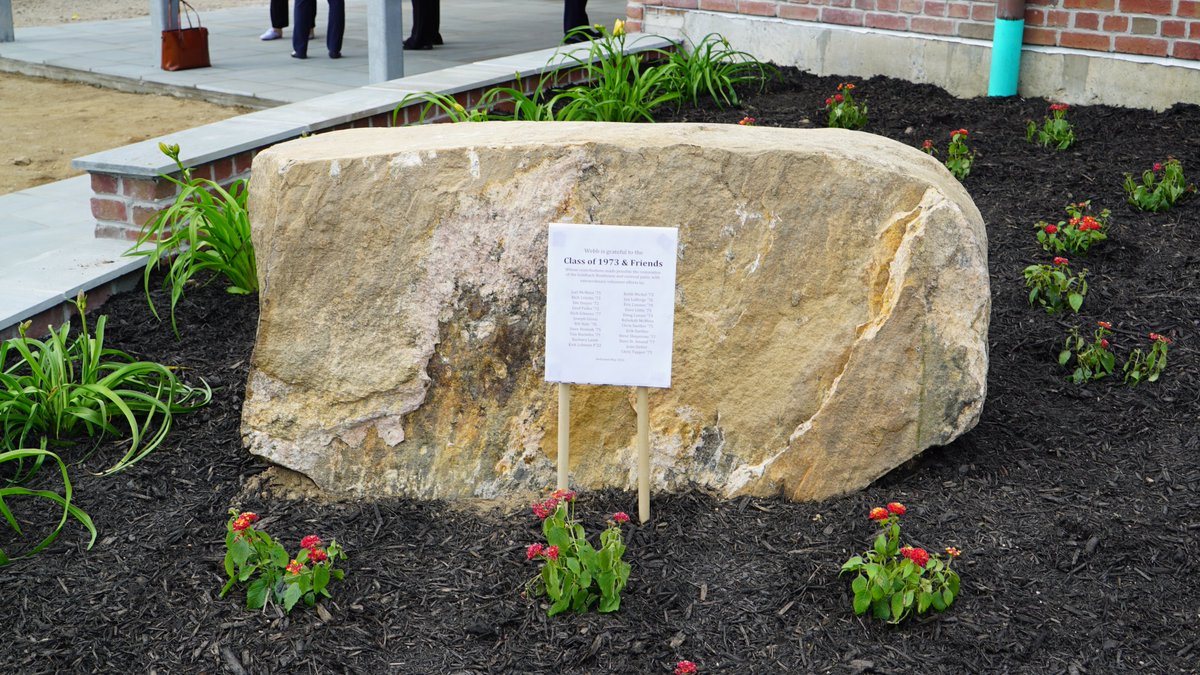
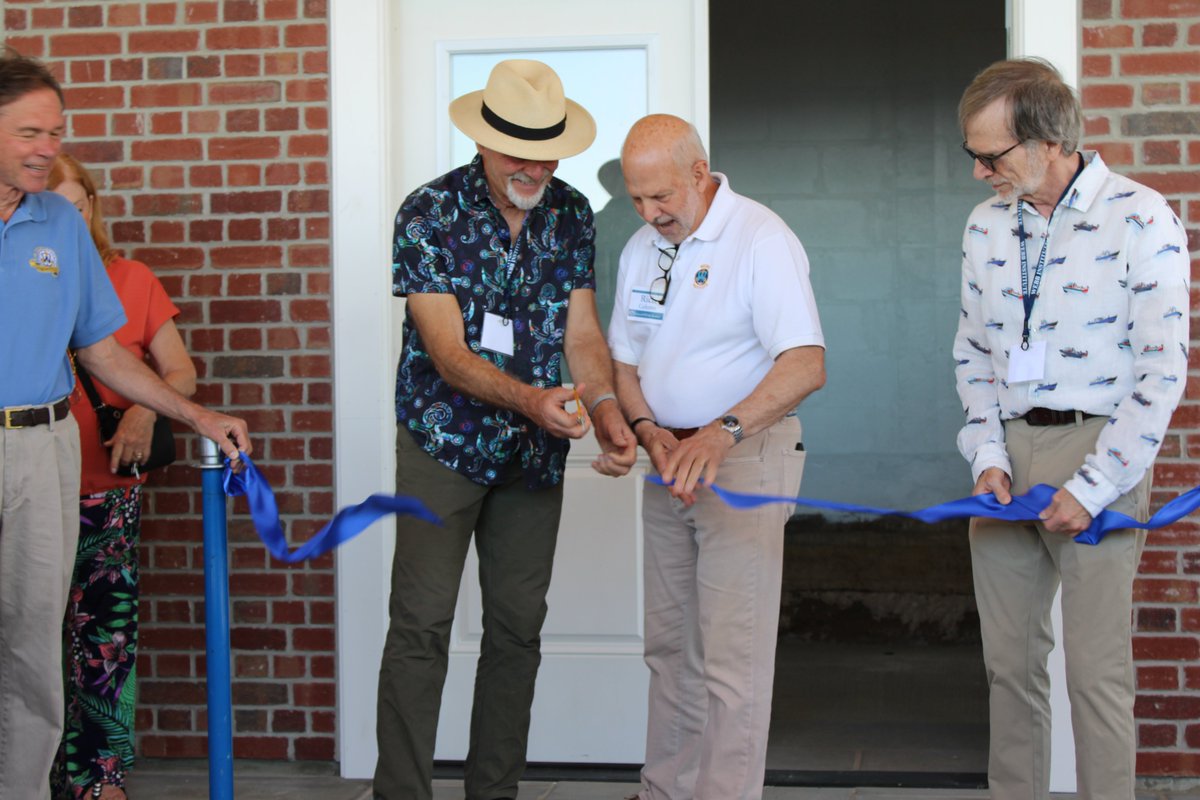
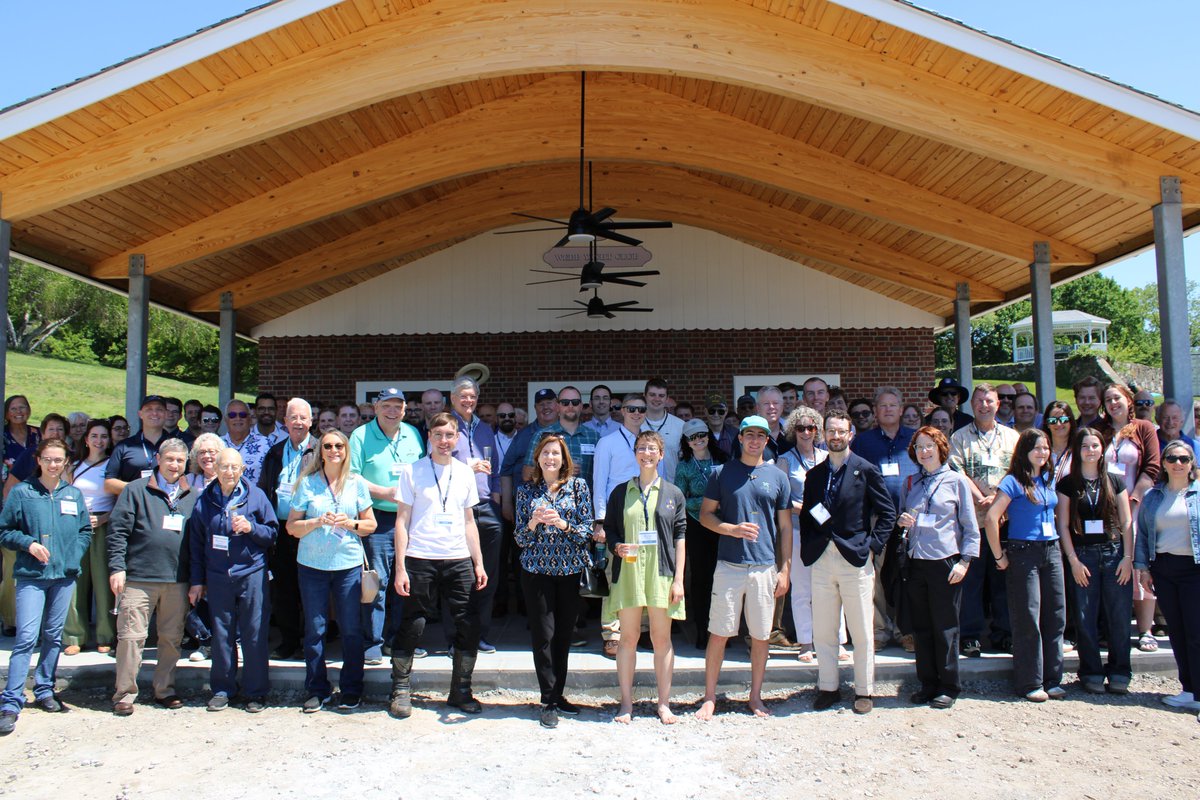
The build is done. The ribbon is cut. The Webb Boathouse is officially here!
We spent last Friday and Saturday celebrating the best way we know how - getting out on the water and enjoying the new boathouse. Huge thanks to everyone who stopped by the waterfront during Homecoming weekend to check out the amazing work done by our alumni and volunteers.
Whether you were taking a boat out, catching up on the new patio, or just soaking in the view, the energy was unmatched. Webb summers are officially sorted.
Thank you again to the Class of 1973, our alumni volunteers, friends of Webb, students, staff, and everyone who helped bring this special space to life.
Looking forward to many more Webb moments on the water.
#WebbInstitute #WebbHomecoming #WebbAlumni #WebbBoathouse #Webbies #OnTheWater #GlenCove #Maritime #STEM #NavalArchitecture #MarineEngineering
28
May 18
This past weekend at Homecoming, we officially opened the new Webb Boathouse! What started as an idea from the Class of ’73 blossomed into a massive, multi-year labor of love led by Keith Michel ’73.
The boathouse came together over weeks of work last summer, return trips in the fall, and a final push leading up to Homecoming. In true Webb fashion, the team finished just in time - the night before the opening!
More than 20 volunteers helped make it happen, contributing everything from brickwork to routing, bluestone, finishing touches, and plenty of persistence.
Thank you to the Class of 1973 and to every alum, volunteer, friend, student, staff member, and supporter who helped bring this vision to life.
#WebbInstitute #WebbAlumni #Homecoming #Webbies #BuiltByWebbies #ClassOf1973 #Engineering #Community #Maritime #NavalArchitecture #MarineEngineering #STEM #Ship #Boat #WebbBoatHouse
1
34
May 14
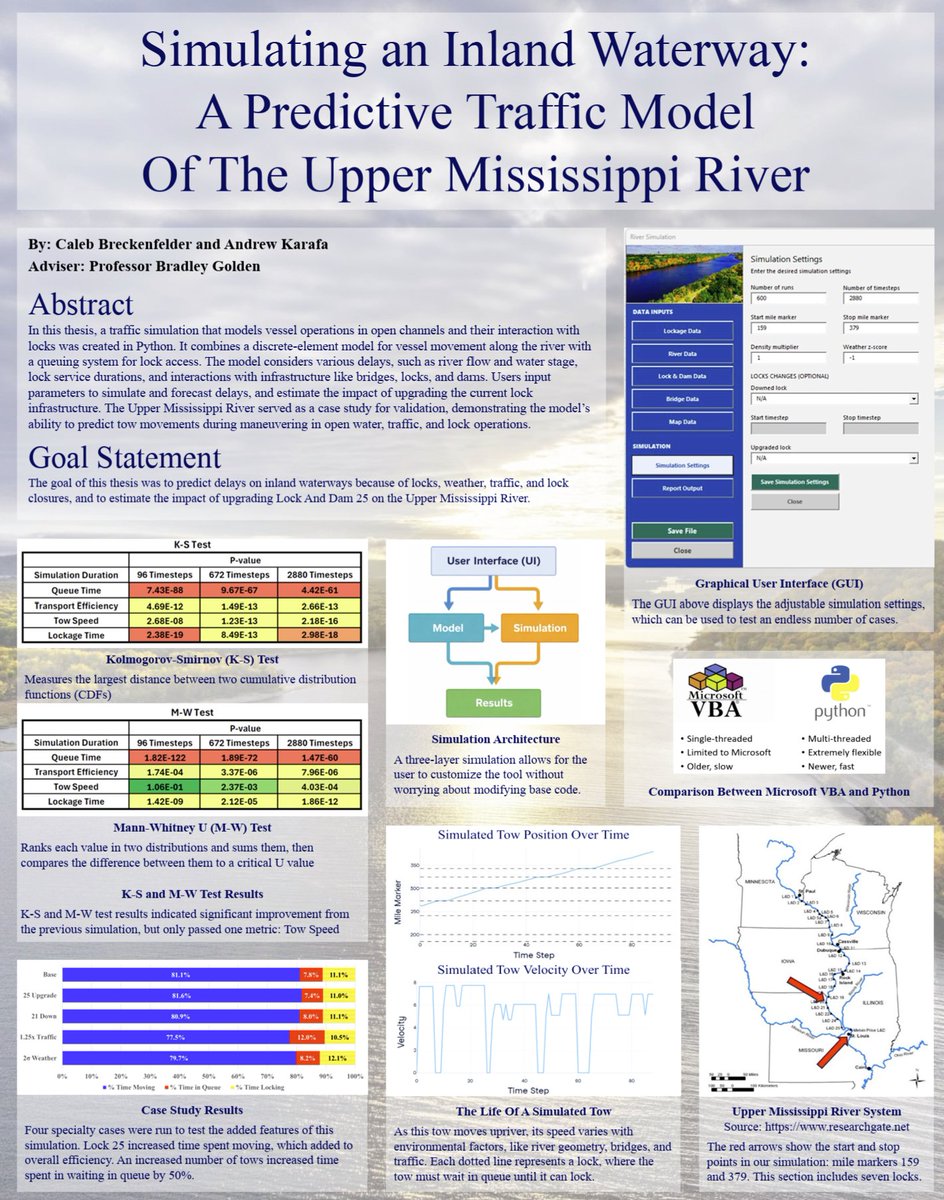
Our latest #ThesisThursday highlights the work of Andrew Karafa and Caleb Breckenfelder!
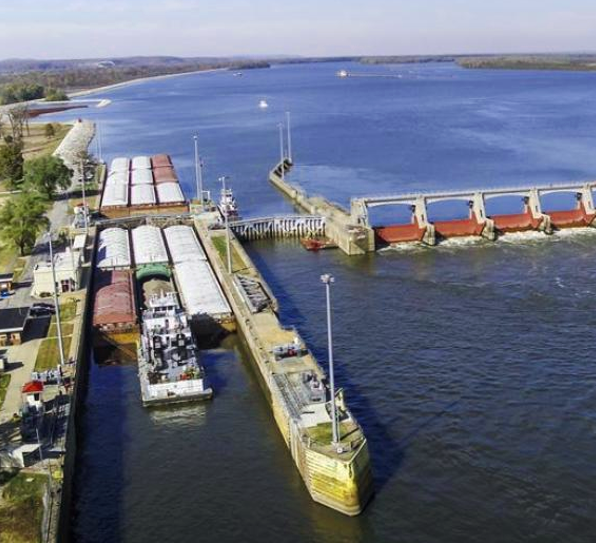
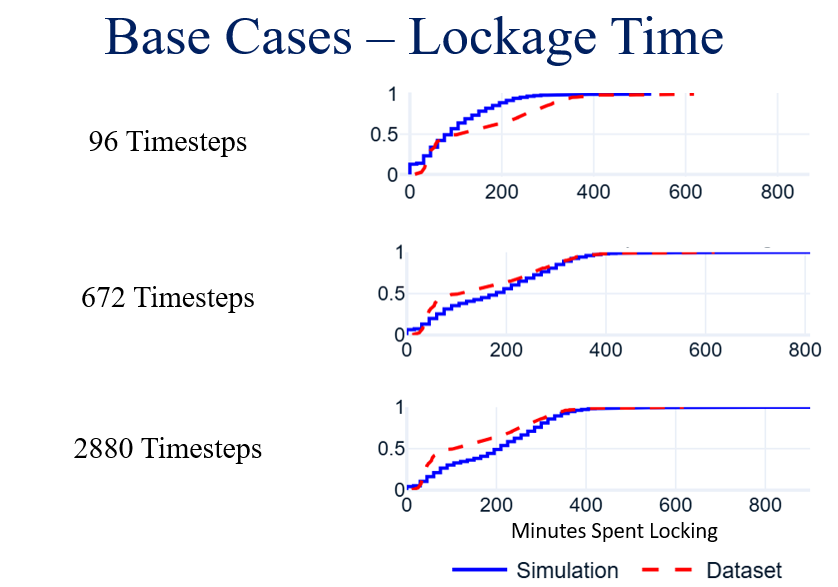
Under the guidance of Professor Bradley Golden, Andrew and Caleb are modernizing how we look at inland logistics. Their thesis, "Simulating an Inland Waterway: A Predictive Traffic Model of the Upper Mississippi River," uses data science to tackle real-world maritime challenges.
The Project:
The duo developed a custom simulation in Pythondesigned to predict tow movements on the Upper Mississippi River. Their model goes beyond simple tracking by accounting for complex variables that cause delays, including:
#Environmental Factors: Real-time weather impacts.
#Congestion: Navigating heavy traffic patterns.
#Infrastructure: Managing timing for bridges and locks.
What’s Next?
Andrew Karafa: Andrew is headed to Providence, Rhode Island, to join Glosten as a Marine Engineer. He’s looking forward to reuniting with his fellow Webb Alumni in the area.
Caleb Breckenfelder: Caleb has signed with Fairbanks Morse Defense in Beloit, Wisconsin, as a Project Engineer. He is excited to be closer to family and has his sights set on buying a boat.
Bravo on your hard work, Andrew and Caleb!
#WebbInstitute #ThesisThursday #NavalArchitecture #MarineEngineering #Python #MaritimeLogistics #UpperMississippi
1
28
May 12
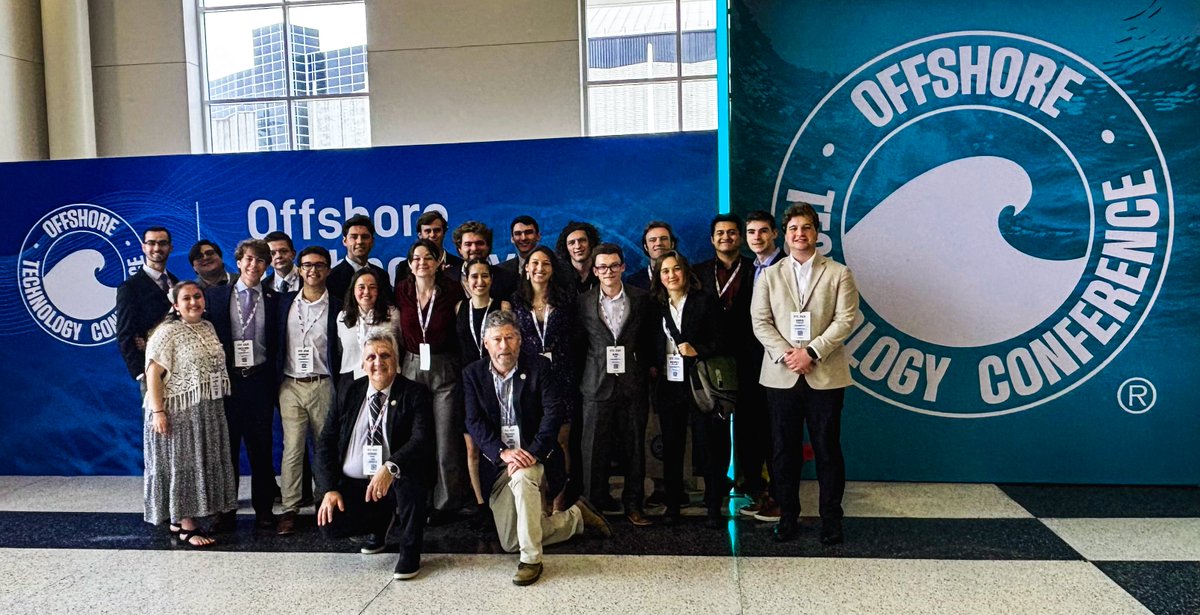
Webb Juniors Take on OTC 2026! Our Junior Class recently returned from an incredible trip to the Offshore Technology Conference (OTC) in Houston, Texas! As the maritime industry continues to evolve, Webb remains committed to providing our students with front-row seats to the future of engineering.
From exploring thousands of booths - showcasing everything from advanced solar panels to specialized flanges to attending high-level technical panels, our students gained a firsthand look at the rapidly growing world of #offshore #renewables.
A trip of this magnitude is only possible with expert mentorship. A massive thank you to Professor Rick Royce and Professor Adrian S. Onas for accompanying our juniors and providing their invaluable guidance throughout the conference. Your dedication to bridging the gap between the classroom and the industry makes all the difference!
Providing these opportunities ensures our students are ready to lead the next generation of maritime innovation. We are so proud of our Juniors for representing Webb on the global stage!
#WebbInstitute #OTC2026 #OffshoreTechnology #RenewableEnergy #MaritimeEngineering #FutureEngineers #JuniorYear #Engineering #Education
3
41
May 12
The countdown to Saturday, May 16, is officially on! We can’t wait to welcome everyone back for a weekend of celebration, connection, and those classic Webb memories.
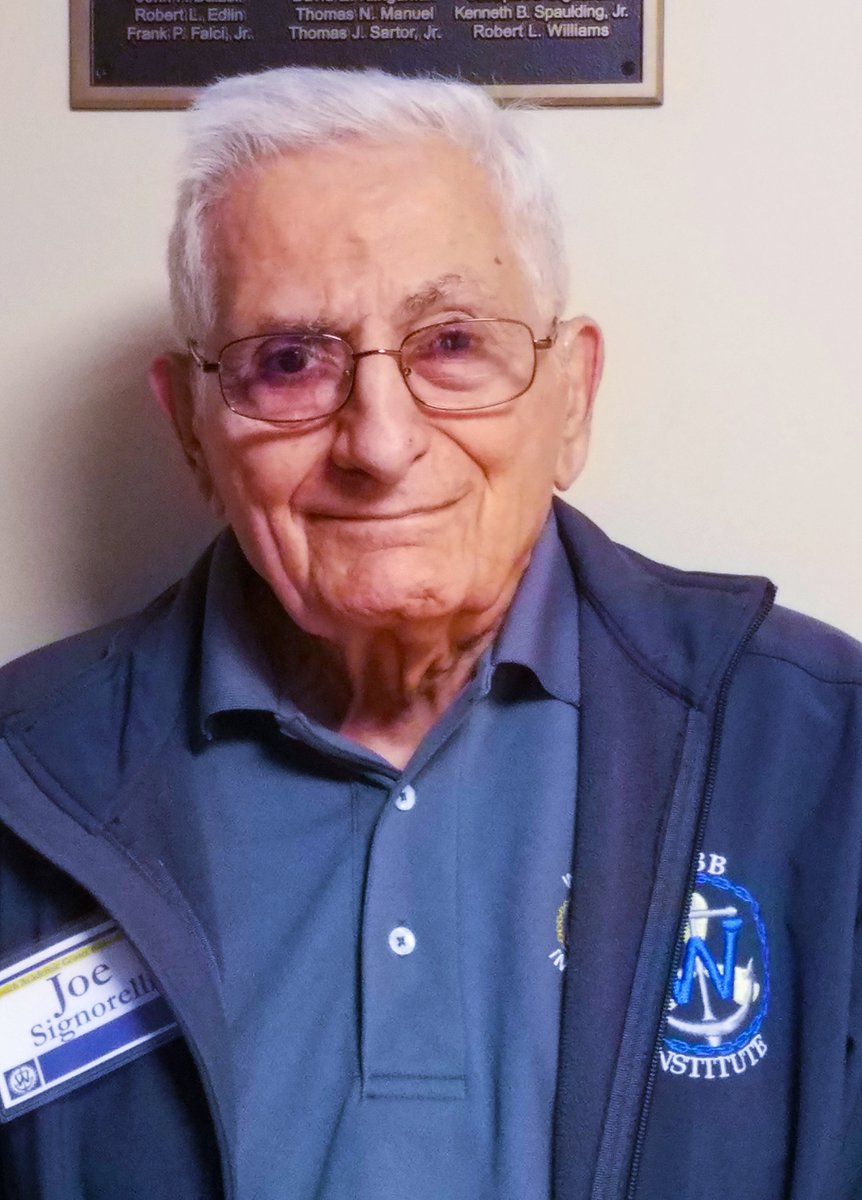
Honoring a Legend: Joe Signorelli ’54
One of the highlights of the weekend will be the presentation of the W. Selkirk Owen Award - the Alumni Association’s highest honor. This year, we are proud to recognize Joe Signorelli ’54 for his extraordinary career in nuclear engineering and reactor technology.
From advancing global nuclear safety to his enduring support of Webb, Joe’s dedication exemplifies our community's values. While Joe cannot be with us in person, we will be celebrating his incredible legacy and contributions to the engineering profession throughout the festivities. Join us as we honor a titan of the industry!
When: Saturday, May 16
Where: Webb Institute
Why: To celebrate Joe, talk ship design, and reconnect with the best alumni network in the world.
See you there, Webbies!
#WebbInstitute #WebbAlumni #Homecoming2026 #ShipDesign #EngineeringExcellence #OwenAward
2
51
May 11
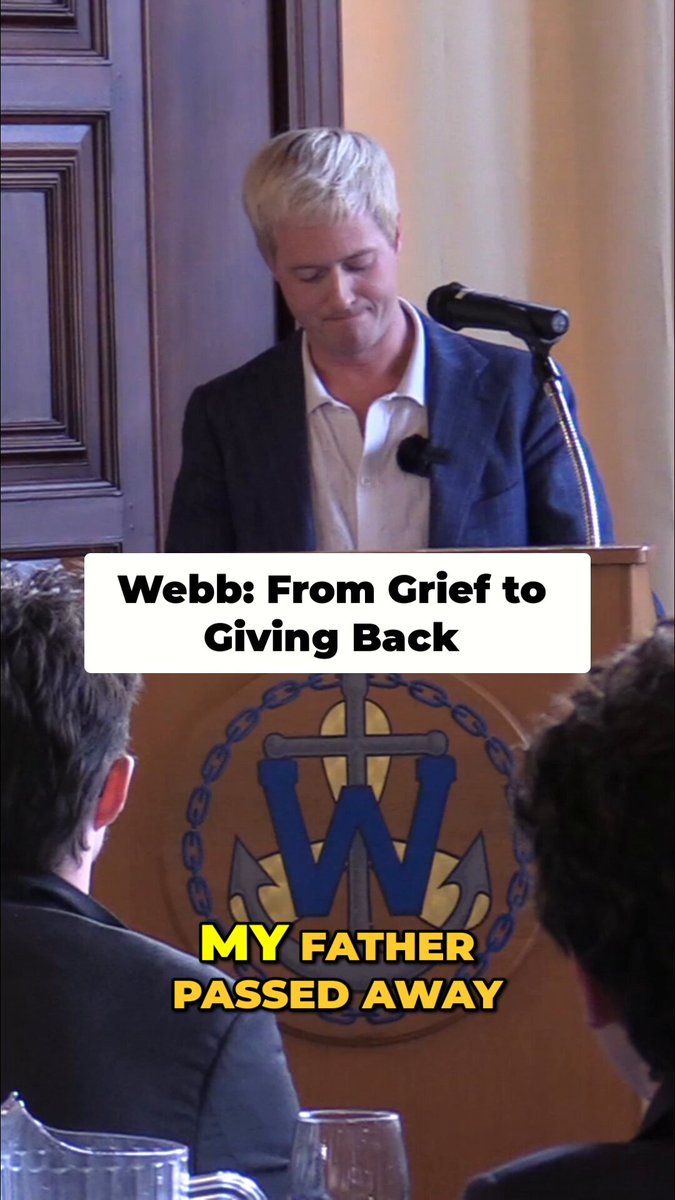
Founder's Day is Webb's version of Thanksgiving, and Hampton Dixon '11 said it better than we ever could.
In his Founder's Day address, Hampton reflected on a childhood shaped by parents who gave quietly and consistently: a father who was mayor and covered a neighbor's propane bill without fanfare, a mother who counseled students and delivered holiday care packages to families in need. No speeches. No recognition. Just doing what was right.
That ethos followed him here. After losing his father in 2012 and being surrounded by Webb classmates and staff who showed up for him, Hampton and his mother found their own way to give back. He's been on our Board of Trustees ever since.
"We owe so much to those who continue to support Webb."
Watch his full Founder's Day speech. It's one worth hearing. 🔗 youtube.com/watch?v=1zIwTZDX…
#WebbInstitute #WebbAlumni #FoundersDay #NavalArchitecture #MarineEngineering #WebbThanksgiving
1
34
May 8
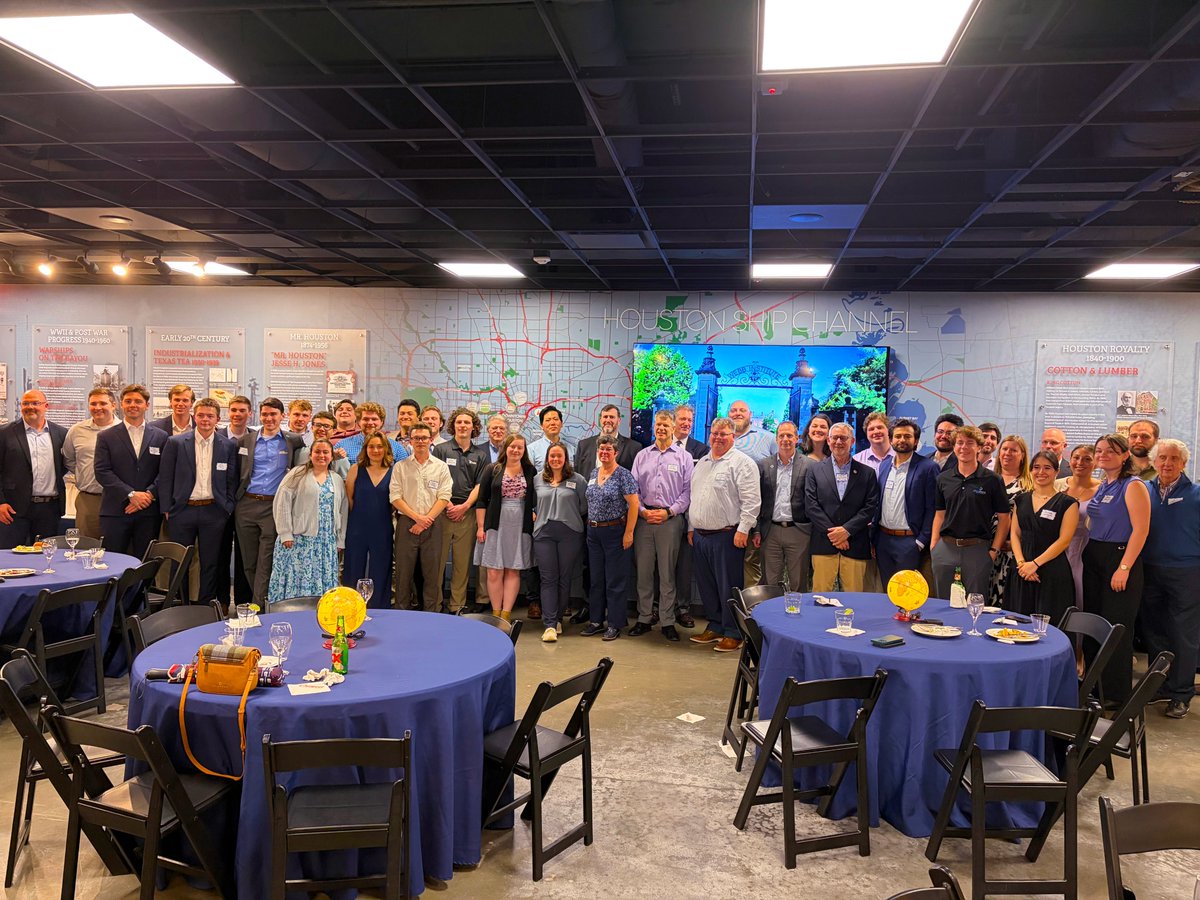
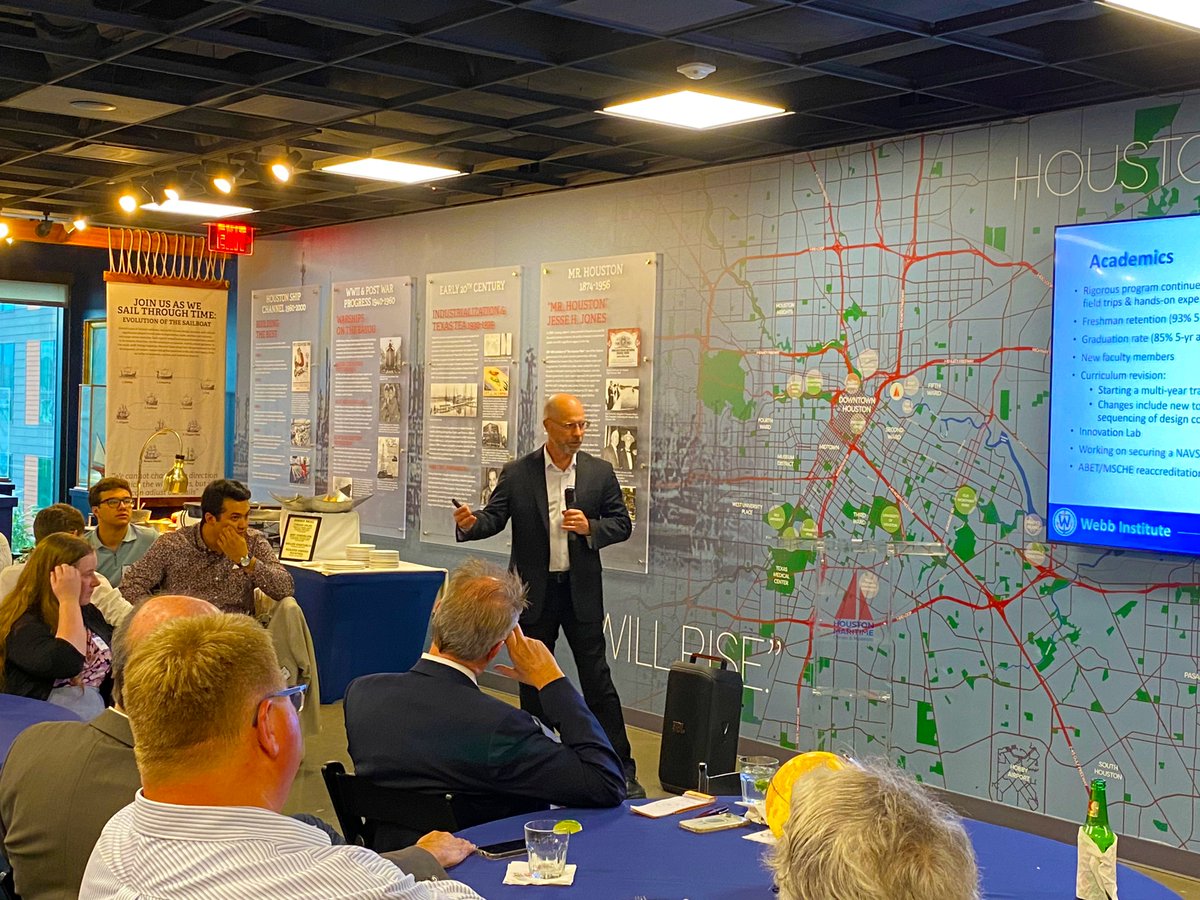
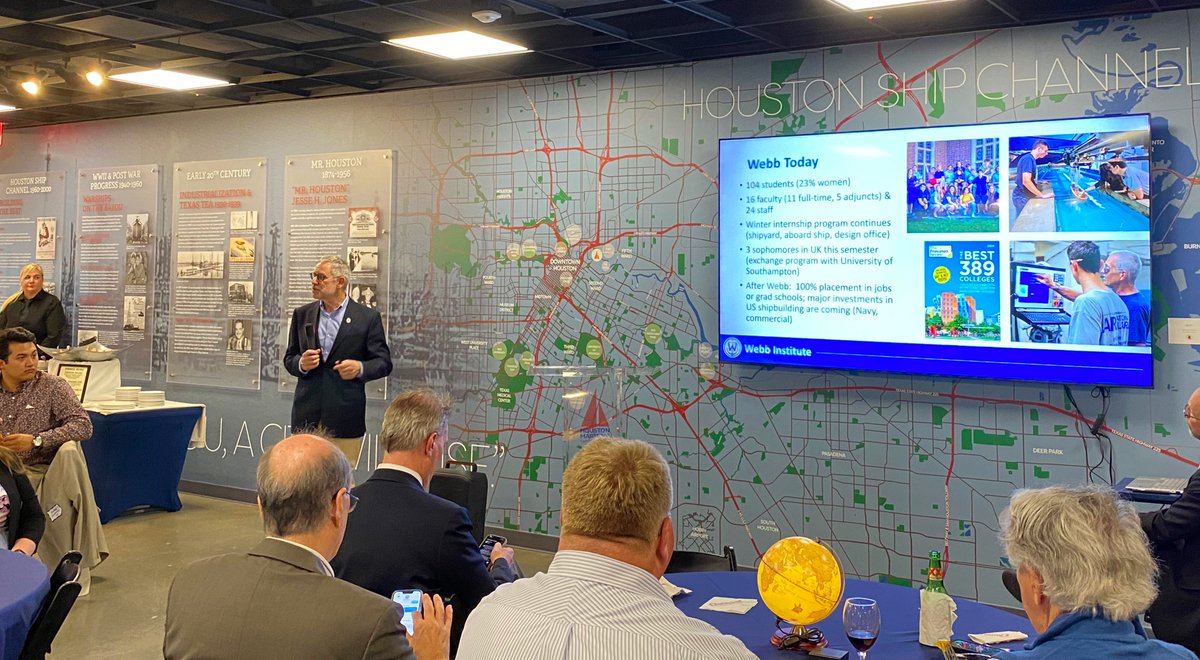
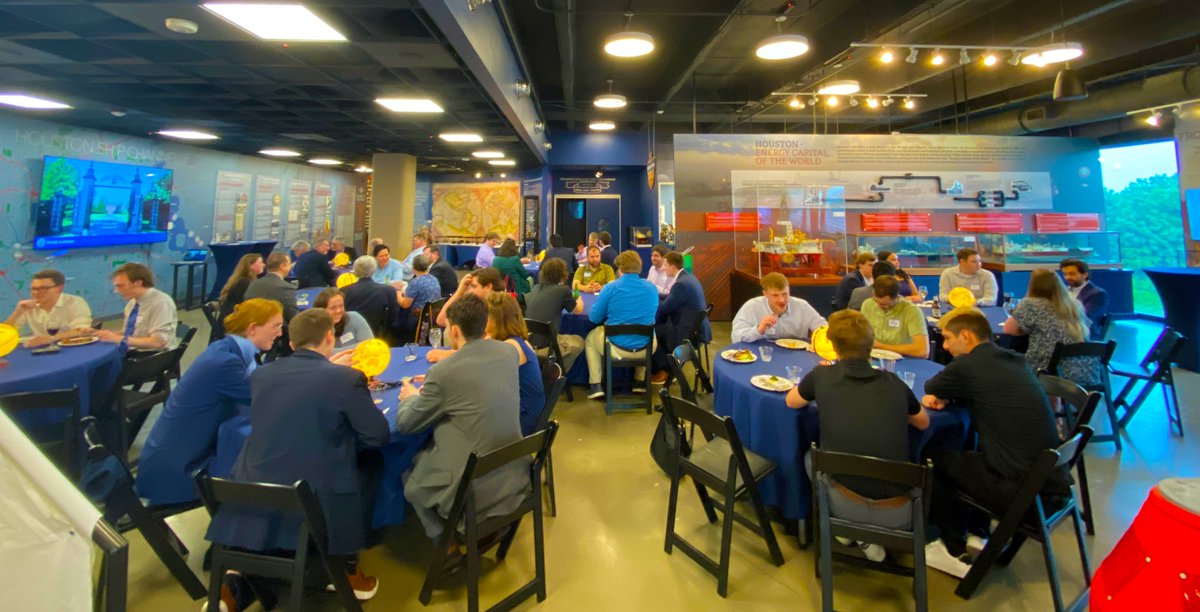
We have officially wrapped up this year’s President’s Tour with a final gathering in Houston, TX! This was our 14th and final regional event of the season as Texas-area Webbies gathered this past Wednesday, May 6th, at the Houston Maritime Center & Museum.
It was the perfect setting to conclude our national journey. Surrounded by maritime history, President Mark Martecchini, Dean Matthew Werner and Director of Development, Anthony Zic met with a vibrant crowd of alumni, families, and friends to share the final updates of the season regarding our Investing in Excellence: Advancing the Vision campaign.
A Season to Remember:
From the record-breaking cold of #NYC to the digital golf simulators of #Seattle and the historic halls of the Naval Academy, this tour has been a great testament to the strength of the Webb family.
Thank you to every host, coordinator, and attendee who made this year's tour a resounding success. We are coming home to the Webb campus more inspired than ever!
#WebbInstitute #PresidentsTour #InvestingInExcellence #HoustonWebbies #MaritimeHistory #WebbAlumni #NavalArchitecture #MarineEngineering
1
30
May 8
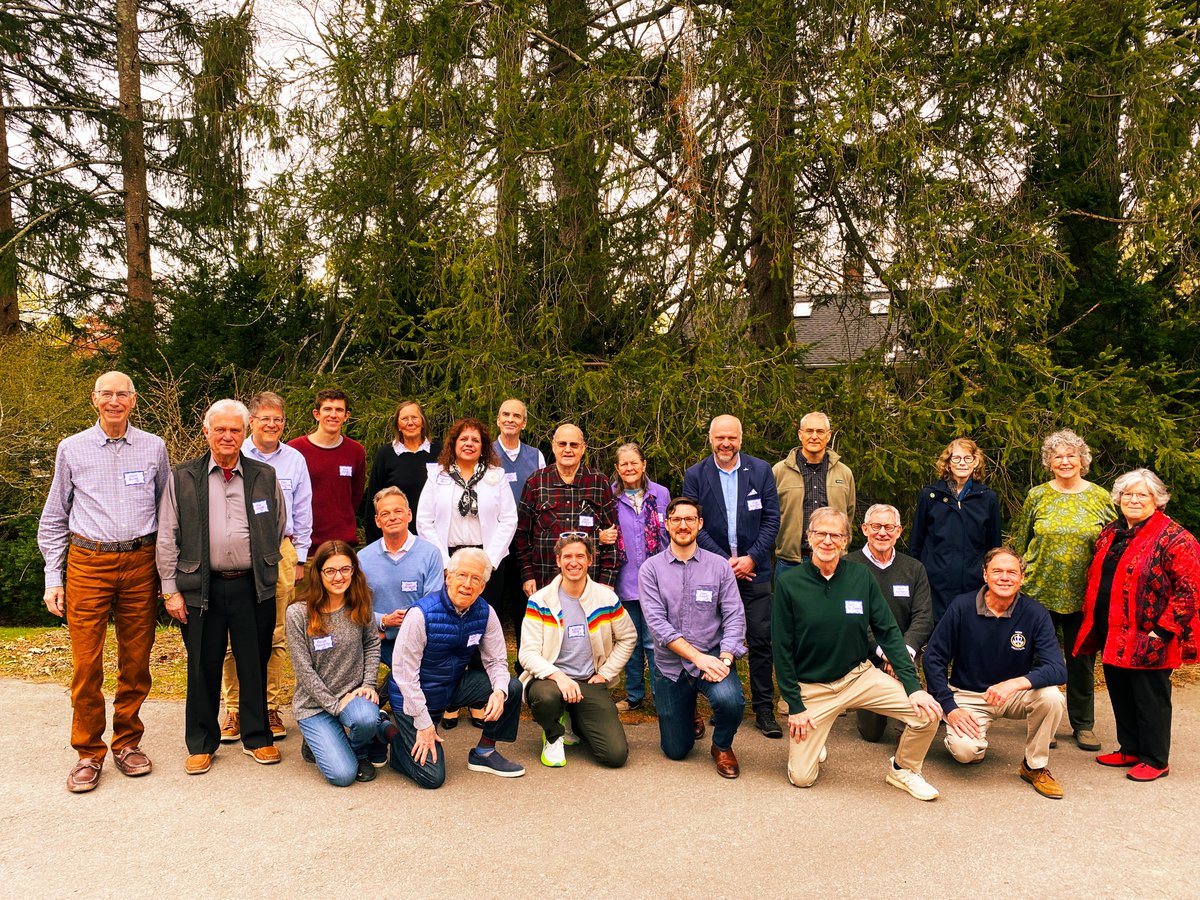
The President's Tour had a special gathering in Boston, MA! Instead of a typical venue, our Boston-area Webbies had the pleasure of reconnecting at the beautiful home of David Bovet ’70, who graciously served as our local host and organizer.
It was an afternoon defined by camaraderie and Webb pride. Over light fare and refreshments, alumni and friends across generations enjoyed meaningful conversations and caught up on the latest updates from campus.
A huge thank you to Dave for opening his home and helping to organize such a welcoming event for the Boston community.
Thank you to everyone who joined us in Boston for making this stop a resounding success!
#WebbInstitute #PresidentsTour #InvestingInExcellence #BostonWebbies #WebbAlumni #NavalArchitecture #MarineEngineering #WebbPride
2
39
May 7
Our next installment of #ThesisThursday features OC1 Andrej Klema!
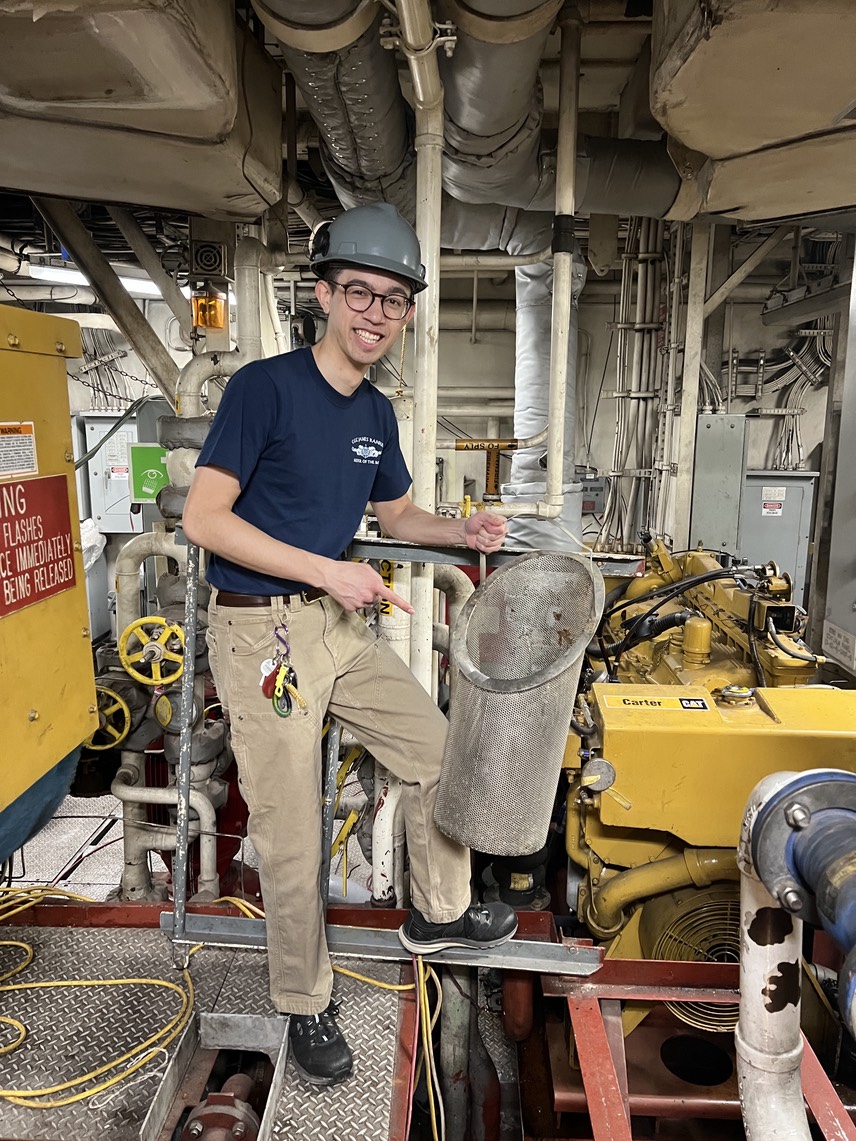
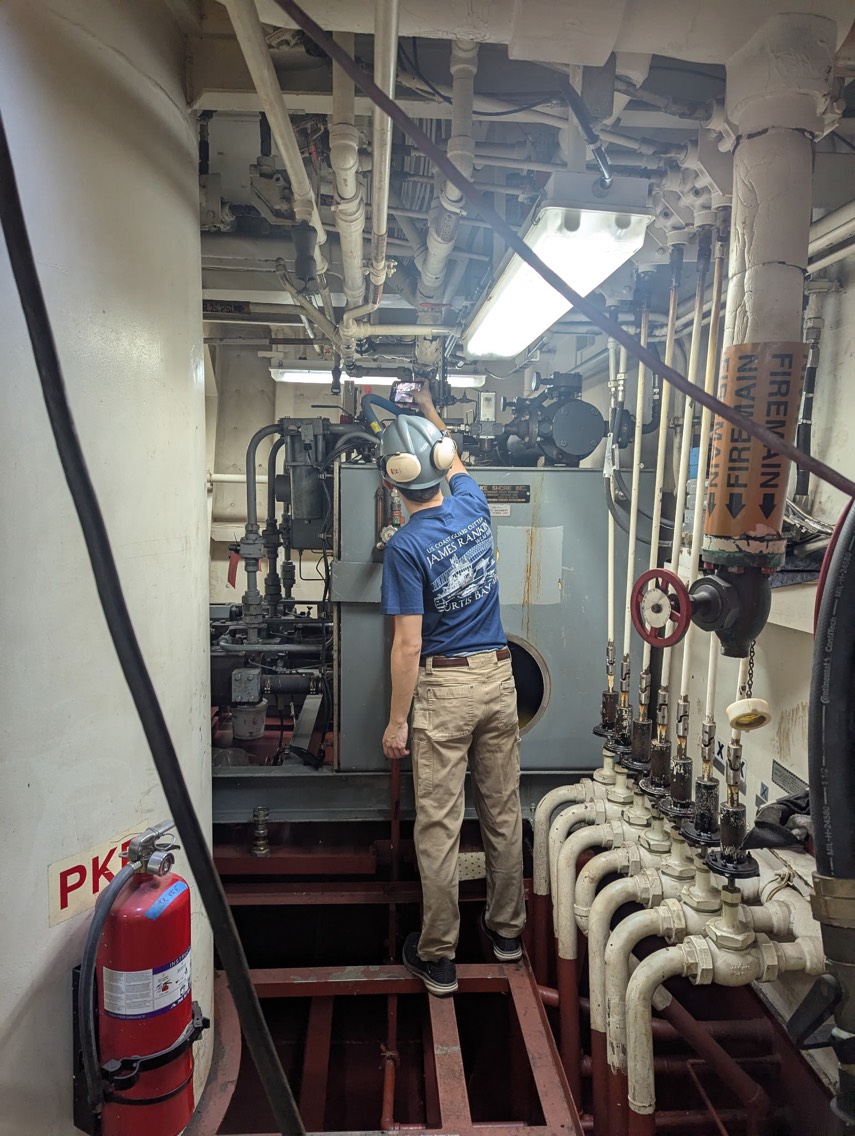
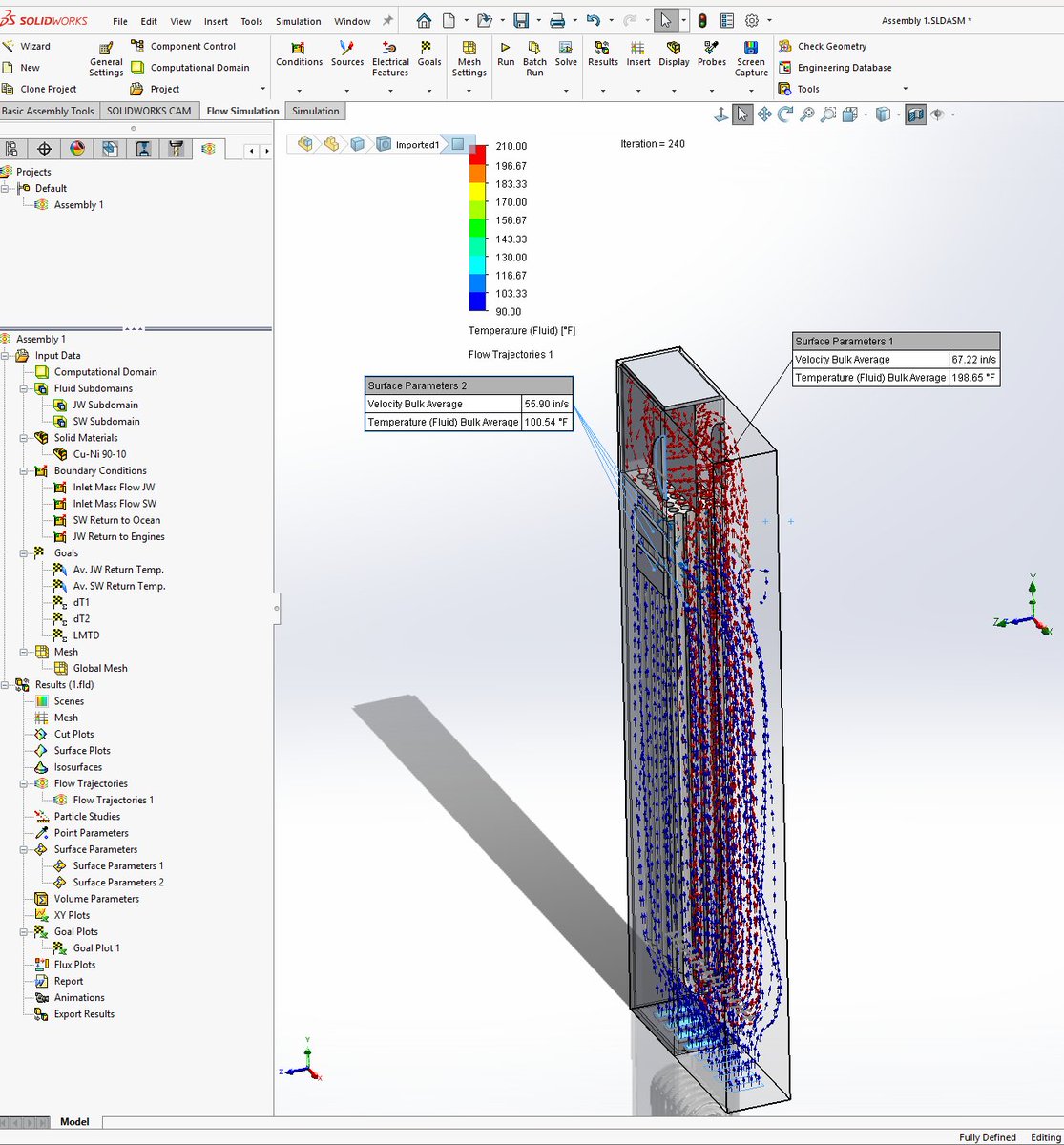
Working with Professor Bradley Golden, Andrej is investigating a strategic cooling upgrade for the U.S. Coast Guard’s Keeper Class buoy tenders. His thesis, "A Keel Cooler Design and Implementation Study for the U.S. Coast Guard Keeper Class Buoy Tenders," looks at replacing traditional raw water cooling with more efficient keel coolers.
The Objective:
Andrej is determining if the cooling requirements of these cutters can be met by switching from an open-loop raw water system to a closed-loop keel cooler. His research involves documenting the specific cooling demands of the Keeper Class and designing a custom keel cooler to meet those loads as well as testing the design using SolidWorks Flow Simulation.
From Field to Fleet:
This project is a full-circle moment for Andrej. He performed field work on the USCGC JAMES RANKIN, the same vessel where he served as a cadet trainee in 2022.
After graduation and commissioning, Andrej will bring his expertise in heat transfer and fluid mechanics to the Washington Navy Yard, serving as an officer on the Navy’s technical staff.
Fair winds, Andrej! Wishing you the best as you prepare to join the fleet!
#WebbInstitute #CoastGuard #USNavy #NUPOC #MarineEngineering #NavalArchitecture #Maritime #Engineering #STEM

1
2
76
May 7
Every year, we pause to honor the legacy of William H. Webb – our Founder and the master shipbuilder who, in 1889, made an extraordinary promise that a rigorous, full-scholarship education in naval architecture and marine engineering would always be within reach for those with the talent and drive to pursue it. More than 130 years later, that promise holds.
And our students? They carry it forward with every single thing they do. This Founder's Day, we're sharing a few glimpses of the Webb community in action. Students who showed up, rolled up their sleeves, and made this celebration happen.
Keep your eyes on this reel, because you might just catch something exciting taking shape on our waterfront. Our alumni have been hard at work constructing something beautiful for the community, and it's coming along beautifully.
#WebbInstitute #FoundersDay #NavalArchitecture #MarineEngineering #AlumniImpact #Engineering #Maritime #HigherEd #STEM
3
39