
Emerging Tech & AI Specialist | Sharing research, tools & trends | colewhitmanai@gmail.com 📩
Joined September 2025
- Tweets 9,145
- Following 40
- Followers 12,271
- Likes 13,258
295 Photos and videos







Pinned Tweet
48 Websites that'll pay you $200/hr for data entry jobs:
I have prepared a list of 48 Websites that'll pay you $200/hr for data entry jobs With Just a Smartphone or Laptop and Internet.
To get it for free :
1. Follow me ( So I can DM )
2. Like and Repost
3. Reply "Entry"
62
64
104
1,979
Cole Whitman retweeted

BREAKING: AI can now build dividend portfolios that generate $100,000/year in passive income — for FREE.
No guesswork. No finance degree.
Just smart prompts.
Here are 10 powerful Perplexity prompts to find safe, growing dividend stocks:
Save this. 🧵

42
72
159
18,458
Cole Whitman retweeted

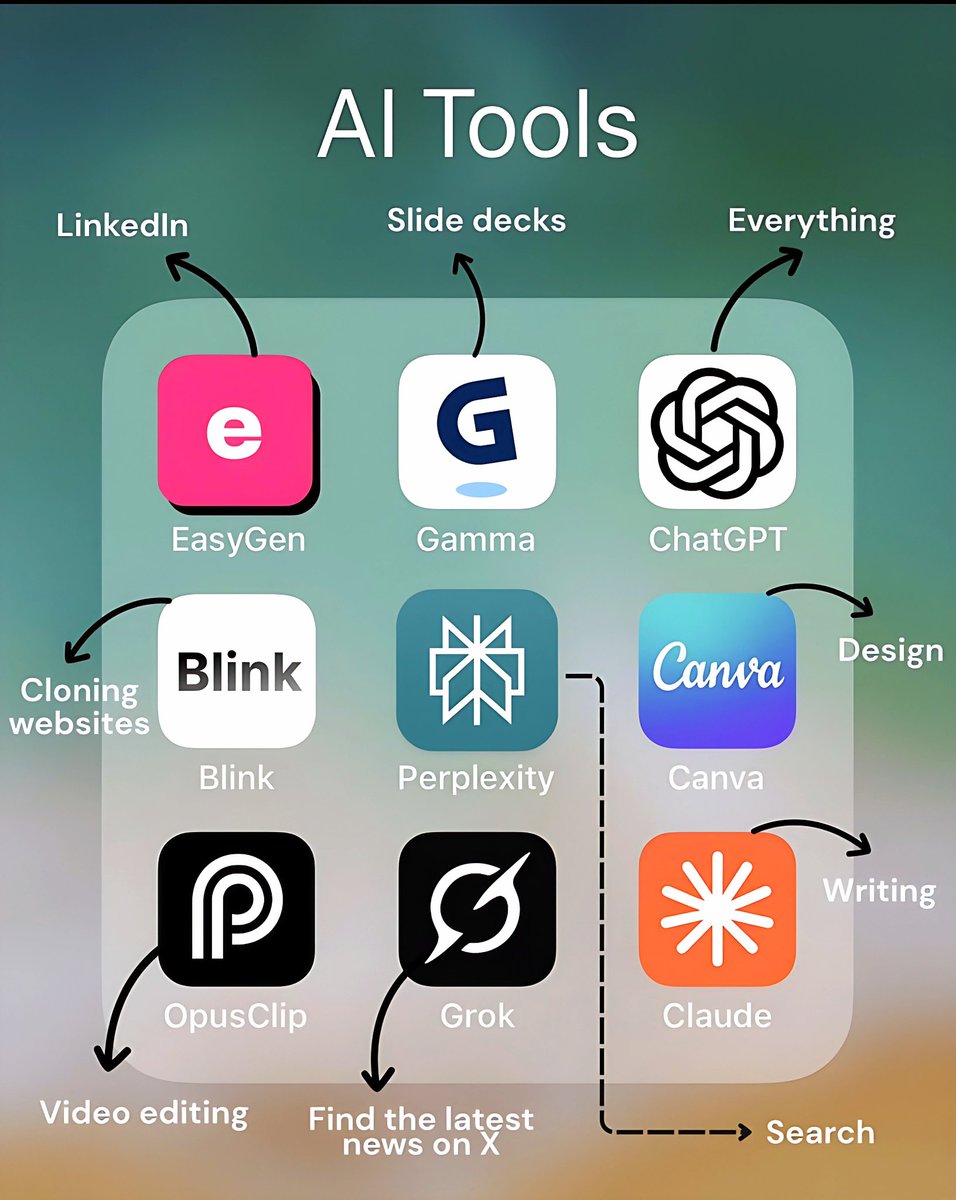
Professionals won’t tell you this 👀
They use these daily. 🪄⚡
1. Ideas 🧠
- YOU
- Claude
- ChatGPT
- Perplexity
- Bing Chat
2. Presentation
- Prezi
- Pitch
- PopAi
- Slides AI
- Slidebean
3. Website
- Dora
- Wegic
- 10Web
- Framer
- Durable
4. Writing
- Rytr
- Jasper
- Copy AI
- Textblaze
- Writesonic
5. AI Models
- RenderNet
- Glambase App
- Luma AI
- Sora (OpenAI)
- Leonardo AI
6. Meeting
- Tldv
- Krisp
- Otter
- Avoma
- Fireflies
7. Chatbots
- Poe
- Claude
- Gemini
- ChatGPT
- HuggingChat
7. Automation
- ClickUp
- Drift
- Outreach
- Emplifi
- Phrasee
8. UI/UX
- Uizard
- Visily
- Khroma
- Galileo AI
- VisualEyes
9. Image
- Stylar
- Freepik
- Phygital
- StockIMG
- Bing Create
10. Video
- Pictory
- HeyGen
- Nullface
- Decohere
- Synthesia
11. Design
- Looka
- Clipdrop
- Autodraw
- Vance AI
- Designs AI
12. Marketing
- AdCopy
- Predis AI
- Howler AI
- Bardeen AI
- AdCreative
13. Twitter
- Typefully
- Postwise
- Metricool
- Tribescaler
- TweetHunter
AI updates you shouldn’t miss 👀
Follow @Onil_Coder for more.👇🔰
50
91
156
6,137
Cole Whitman retweeted

Jun 13
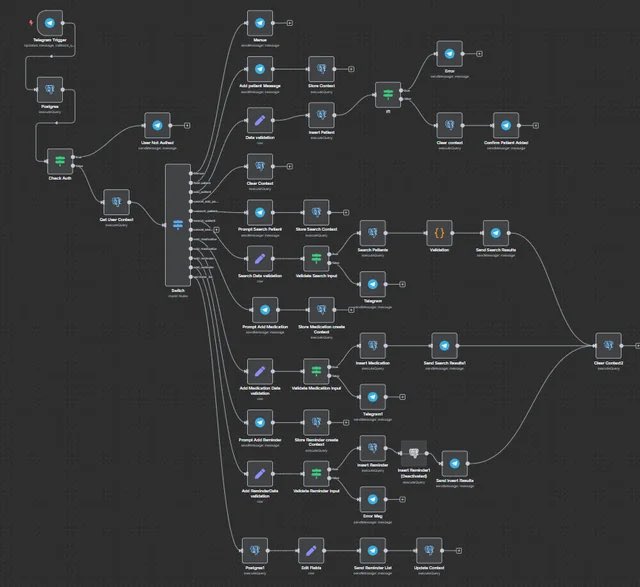
99% of the AI agent tutorials on YouTube are garbage.
I’ve built 47 agents with n8n and Claude.
Here are the 3 prompts that actually work (and make agent-building simple).
Bookmark this post
🔖
Bonus: comment "Agent: and I’ll DM you AI agent system prompt full guide ↓
55
35
66
2,014
Cole Whitman retweeted

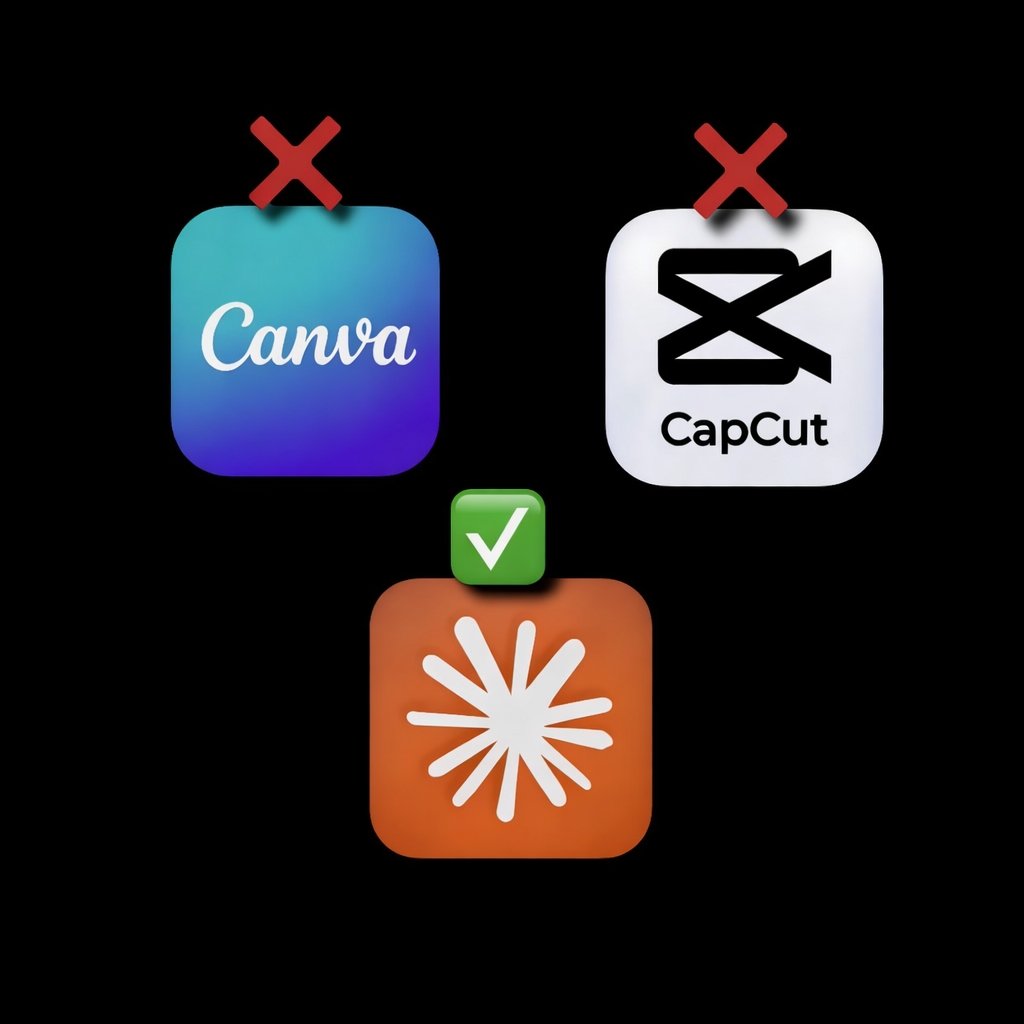
Goodbye CANVA and CAPCUT.
You can now use Claude to create, design, edit, and program 30 days of content in 2 hours.
Here are 5 prompts that replace both:
32
58
105
3,387
Cole Whitman retweeted

13h
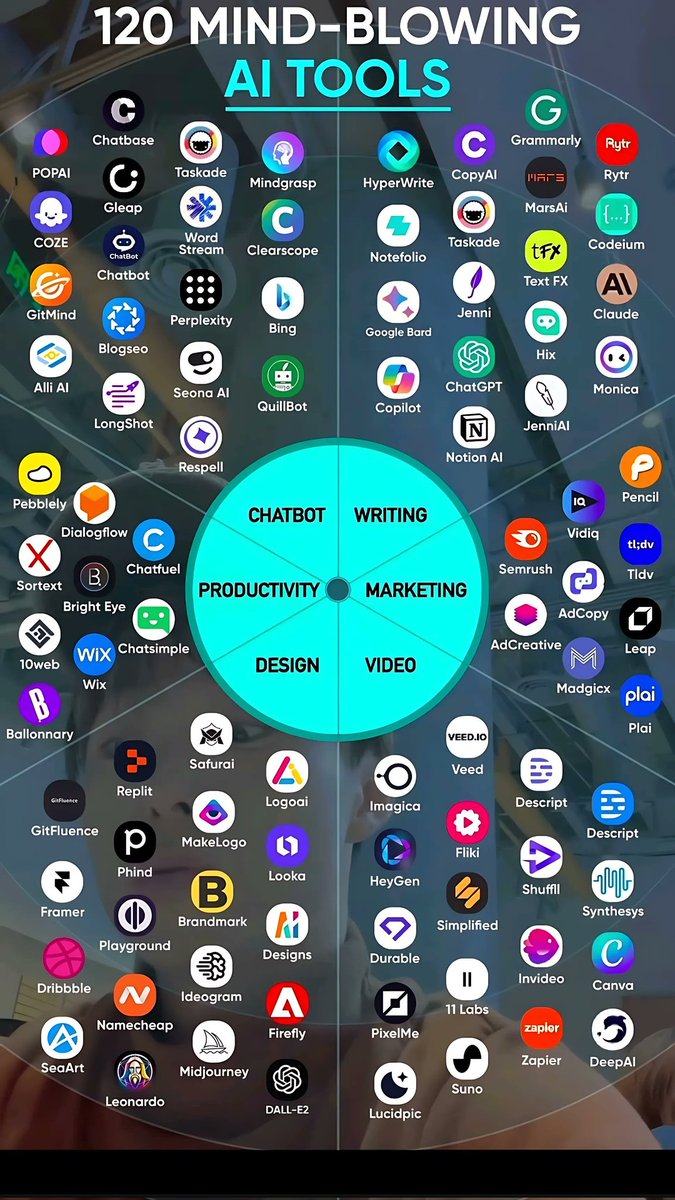
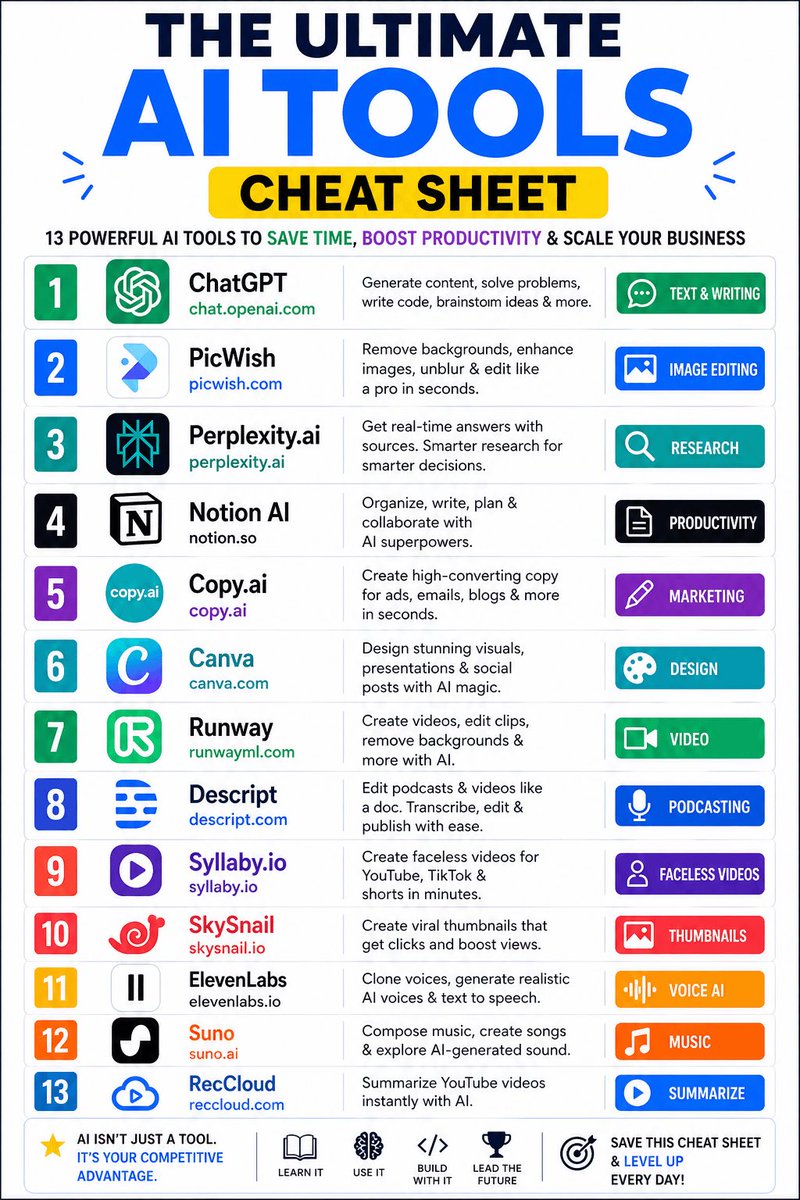
13 Powerful AI Tools that can save 30 hours in every week:
1. ChatGPT.com (solve any problem)
2. PicWish.com (remove backgrounds)
3. Perplexity.ai (research anything)
4. Suno.ai (compose music)
5. Canva.com (design graphics)
6. ElevenLabs.io (clone voices)
7. Grammarly.com (perfect writing)
8. Luma.ai (create 3D models)
9. RecCloud.com (summarize YouTube)
10. Runway.ml (edit videos)
11. Descript.com (edit podcasts)
12. Syllaby.io (create faceless videos)
13. skysnail.io (create viral thumbnails)
Don’t lose this list, it could be incredibly helpful.
27
32
64
1,578
Cole Whitman retweeted

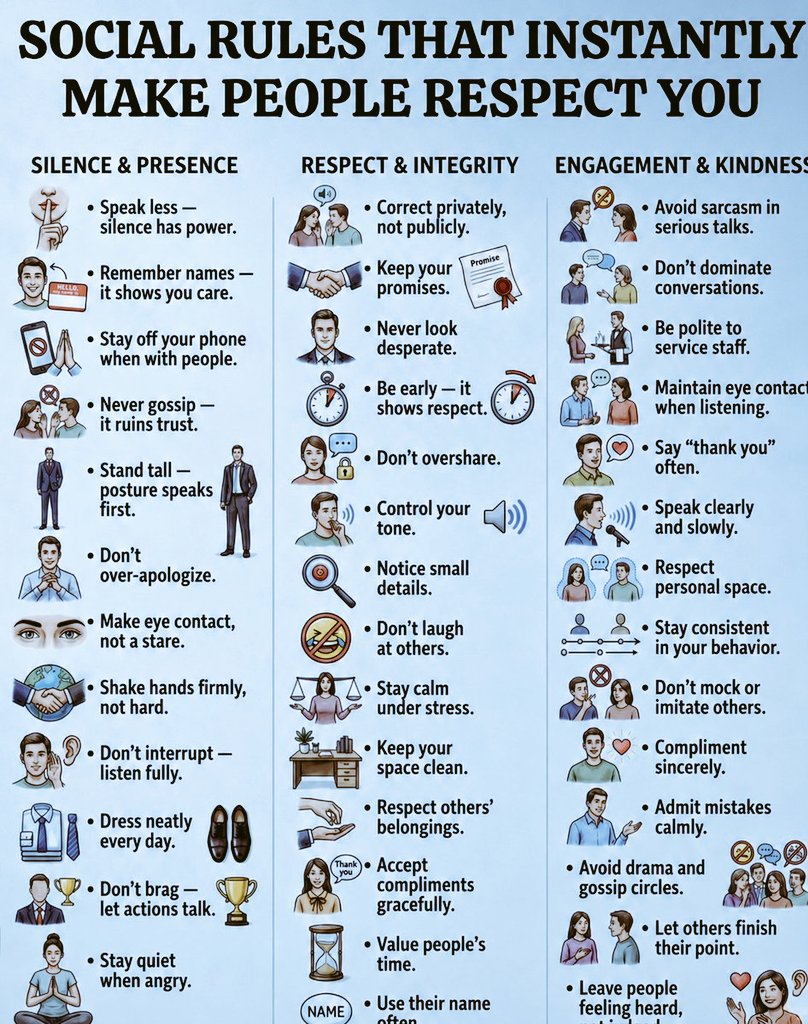
Your Attitude is Your Strongest Introduction.
Follow For More, 🤝✅✨💯
@james_bonds0
15
22
47
977
Cole Whitman retweeted

WorkBuddy feels more like a teammate than an AI tool.
I asked it to research AI coding agents and create a report. It broke the task into steps and delivered a useful result.
Screenshots below 👇
@TencentAI_News
workbuddy.ai
codebuddy.ai/docs/workbuddy/…
26
72
87
2,273
Cole Whitman retweeted

22h
Claude can now teach you to create viral AI videos with 10K views.
No experience. Free.
6 prompts to make stunning AI videos:

45
65
162
13,084
Cole Whitman retweeted

A 33-year-old nerd just turned $1,000 into $946,207 trading Bitcoin, using a trick he stole from hurricane forecasts.
No finance degree. No trading desk. Just a trick every meteorologist uses and every trader forgets.
The trick: meteorologists never forecast tomorrow with a single model. They run 31 and count the votes. He aimed exactly that same trick at Bitcoin.
A Claude agent reads every 5-minute BTC market and feeds it into MiroFish, a simulation that runs 31 model paths and only fires when 28 of them agree. Below 26 votes, it kills the trade.
The agent system's coverage speed is way faster than any elite trading team's.
They gather data 24/7 and run simulations with that data in the MiroFish engine, completely autonomously.
Every trade is a perfect cycle. Every dollar earned is pure exploitation of market inefficiency.
That's the whole edge. Not a prediction. A quorum.
Sizes with Kelly and hits a button. Most signals never pass the vote, so most days it stays still.
He spent years learning that certainty is a scam and consensus is the edge.
You only need Claude laptop 1 hour/day.
Giving This Free for 24 hours. To get it:
1. Comment the word 'Claude'
2. Like and Retweet this post
3. Follow me @marryevan999
221
158
423
71,063
Cole Whitman retweeted

22h
My Uber driver asked what I do for work.
“Software.”
“Nice. Can you take a look at something?”
At the next red light, he handed me his phone.
Terminal open.
Claude running.
Green P&L everywhere.
$6,200.
He drives Uber 4 days a week and makes around $1,100.
He has a 2-year-old daughter.
I asked:
“Where did you learn this?”
He smiled.
“From one of your articles.”
Three months ago he read my post about tracking profitable wallets.
He didn’t understand most of it.
So he opened Claude and said:
“Explain this like I’m five.”
That single prompt changed everything.
Over 200 messages later—written between rides, parked at gas stations, and waiting for passengers—he had built a complete workflow.
The first lesson Claude gave him:
87% of wallets lose money. Don’t follow the 87%.
He started analyzing top-performing wallets, filtering for consistency, risk-adjusted returns, and crypto-only activity.
With a small bankroll funded from Uber tips, he gradually built a simple automated strategy.
The results over the last 45 days:
→ 480 trades
→ 91.3% win rate
→ $6,200 profit
His favorite trade came when several large traders positioned around the same macro event within minutes of each other.
The setup paid off in a big way.
The funny part?
While he was dropping off a passenger, the passenger tipped him $5.
At the same time, the bot generated far more than that.
His wife later found the Telegram alerts on his phone and thought he was messaging someone.
Instead, it was trade notifications.
I asked him:
“How long until you stop driving Uber?”
He looked at me in the mirror and laughed.
“I’m not quitting.”
“Uber is just my cover story.”
The difference wasn’t coding skills.
It was curiosity, consistency, and the willingness to learn.
Sometimes all it takes is an idea, the right tools, and a little time each day.
What do you think?
32
51
92
2,210
Cole Whitman retweeted

"Do you dare to see this dreadful form lurking in the depths of darkness?
This shocking video from ImagineArt Ad Studio will take away your night's sleep!"
@ImagineArt_X @imagineart_creo
14
23
29
4,503
Cole Whitman retweeted

22h
Google owns one of the most powerful learning tools in the world.
It’s free. It’s been available for months.
Yet 95% of people still use it the wrong way.
Here are 8 NotebookLM use cases that can save you hours of time.
🔖 Bookmark this — you’ll thank yourself later.

56
116
415
61,011
Cole Whitman retweeted

GPT Image 2 on ChatGPT
Prompt 👇

19
12
27
2,152
Cole Whitman retweeted

23h
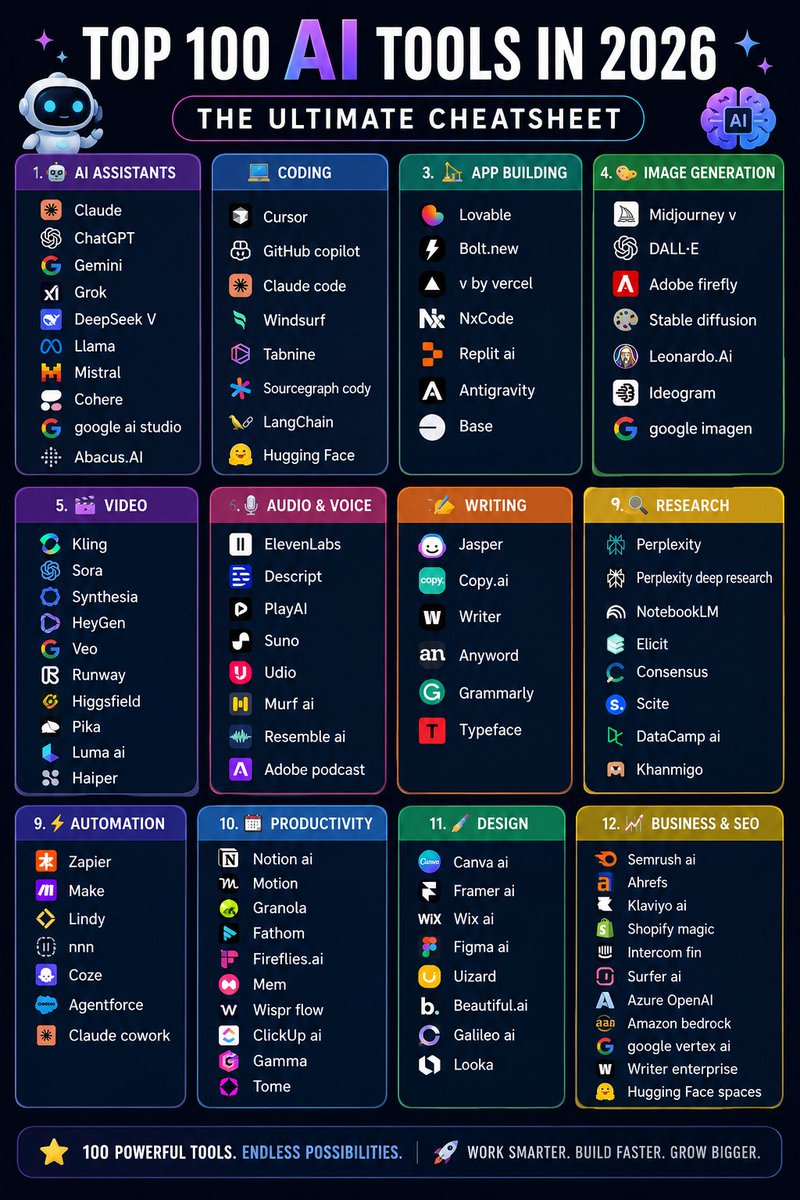
Top 100 AI Tools in 2026 (The Ultimate Cheatsheet)
Save this. You'll thank me later 👇
🤖 AI Assistants
→ Claude
→ ChatGPT
→ Gemini
→ Grok
→ DeepSeek V
→ Llama
→ Mistral
→ Cohere
→ google ai studio
→ Abacus.AI
💻 Coding
→ Cursor
→ GitHub copilot
→ Claude code
→ Windsurf
→ Tabnine
→ Sourcegraph cody
→ LangChain
→ Hugging Face
🏗️ App Building
→ Lovable
→ Bolt.new
→ v by vercel
→ NxCode
→ Replit ai
→ Antigravity
→ Base
🎨 Image Generation
→ Midjourney v
→ DALL·E
→ Adobe firefly
→ Stable diffusion
→ Leonardo.Ai
→ Ideogram
→ google imagen
🎬 Video
→ Kling
→ Sora
→ Synthesia
→ HeyGen
→ Veo
→ Runway
→ Higgsfield
→ Pika
→ Luma ai
→ Haiper
🎙️ Audio & Voice
→ ElevenLabs
→ Descript
→ PlayAI
→ Suno
→ Udio
→ Murf ai
→ Resemble ai
→ Adobe podcast
✍️ Writing
→ Jasper
→ Copy.ai
→ Writer
→ Anyword
→ Grammarly
→ Typeface
🔍 Research
→ Perplexity
→ Perplexity deep research
→ NotebookLM
→ Elicit
→ Consensus
→ Scite
→ DataCamp ai
→ Khanmigo
⚡ Automation
→ Zapier
→ Make
→ Lindy
→ nnn
→ Coze
→ Agentforce
→ Claude cowork
📅 Productivity
→ Notion ai
→ Motion
→ Granola
→ Fathom
→ Fireflies.ai
→ Mem
→ Wispr flow
→ ClickUp ai
→ Gamma
→ Tome
🖌️ Design
→ Canva ai
→ Framer ai
→ Wix ai
→ Figma ai
→ Uizard
→ Beautiful.ai
→ Galileo ai
→ Looka
📈 Business & Seo
→ Semrush ai
→ Ahrefs
→ Klaviyo ai
→ Shopify magic
→ Intercom fin
→ Surfer ai
→ Azure OpenAI
→ Amazon bedrock
→ google vertex ai
→ Writer enterprise
→ Hugging Face spaces
26
39
84
3,303
Cole Whitman retweeted

My wife sent 85 applications. Zero replies.
I uploaded her resume to Claude. 16 responses in 14 days.
Here are the 7 prompts I used:
36
71
196
13,613
Cole Whitman retweeted

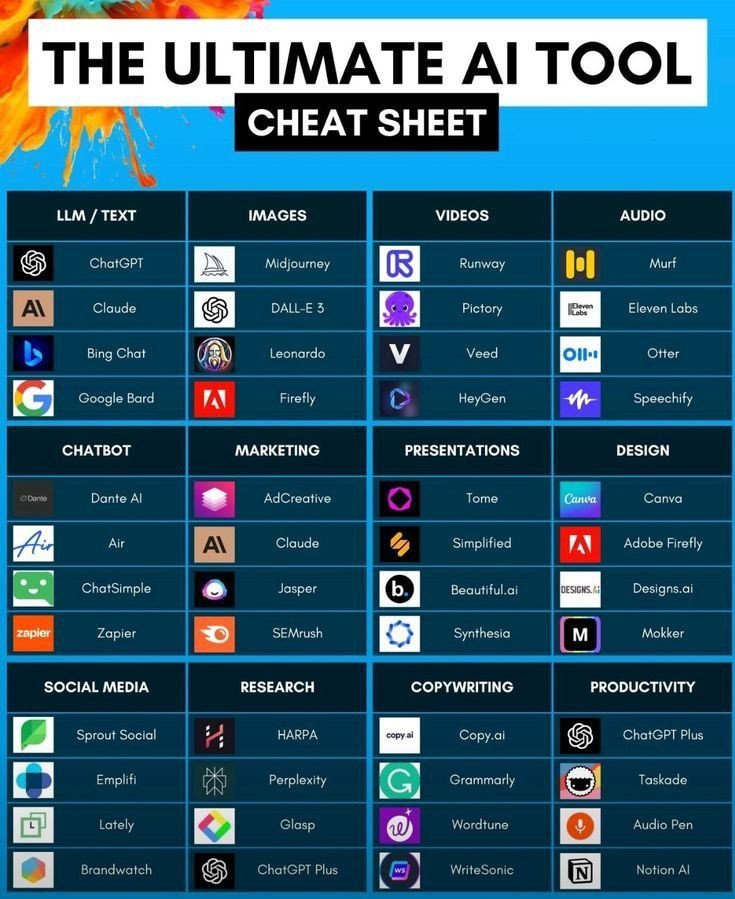
50 AI Tools to Finish Hours of Work in Minutes:
1. Ideas
• Claude AI
• ChatGPT 4
• Bing Chat
• Perplexity
• Better research
2. Images
• Midjourney
• Bing Create
• Leap AI
• Astira AI
• Stable Diffusion
3. Notes
• Fireflies
• Laxis
• Otter
• Notion AI
• Evernote
4. Video
• Runway
• Pika Labs
• Eightify
• InVideo
• Morphstudio xyz
5. Transcript
• Podium AI
• Auris AI
• Rev
• Otter
• Sonix
6. Speech-to-text
• Trint AI
• Audiopen
• Descript
• Otter
• Rev
7. Shorts
• Opusclip
• 2Short AI
• CapCut
• Vidoomy
• Lumen5
8. Design
• Canva
• Microsoft Designer
• Flair AI
• Clipdrop
• Fotor
9. Writer
• ChatGPT 4
• Writesonic
• Jasper
• Copy ai
• Longshot AI
10. Avatar
• Synthesia
• Fotor
• Ready Player Me
• Zepeto
• Vroid Studio
[Bookmark for later] 👇
If you find it useful?
Follow me 👉 @nikola_mr64990 & Repost to your audience.
28
30
68
4,076
Cole Whitman retweeted

I replaced a UGC creator with an AI character in 5 minutes.
Not edited.
Not reshot.
Not re-recorded.
Same video.
Same expressions.
Same movements.
Completely different person.
Yeah… it’s kind of wild. 🤯
If you run DTC ads or manage agency creatives, this changes everything.
You already have a winning UGC:
Script tight.
Hooks strong.
Pacing perfect. ✅
Normally, testing new creators means:
❌ Hire 5–10 people
❌ Brief everyone
❌ Pay $500 each
❌ Wait weeks
❌ Pray they match the energy
It’s slow. Expensive. Painful.
Here’s the smarter play:
⚡ Start with your original UGC
⚡ Click Revideo in Apob AI
⚡ Upload your video photo
⚡ Generate
⚡ Done in seconds
The motion tracking is ridiculous.
Every head tilt.
Every smile.
Every gesture.
Perfectly mapped onto a new AI persona like it was filmed that way.
Now you can:
→ Test 5 different demographics with the same winning script
→ A/B test which “face” gets higher CTR
→ Localize for different markets instantly
→ Refresh fatigued creatives without reshooting
→ Scale ads faster (and cheaper)
No shoots.
No creators.
No delays.
Just infinite variations on demand.
If you care about performance marketing, this isn’t optional — it’s a cheat code.
Try it yourself:
👉 mega.apob.ai/Ihtisham
8
18
24
978
Cole Whitman retweeted

Jun 13
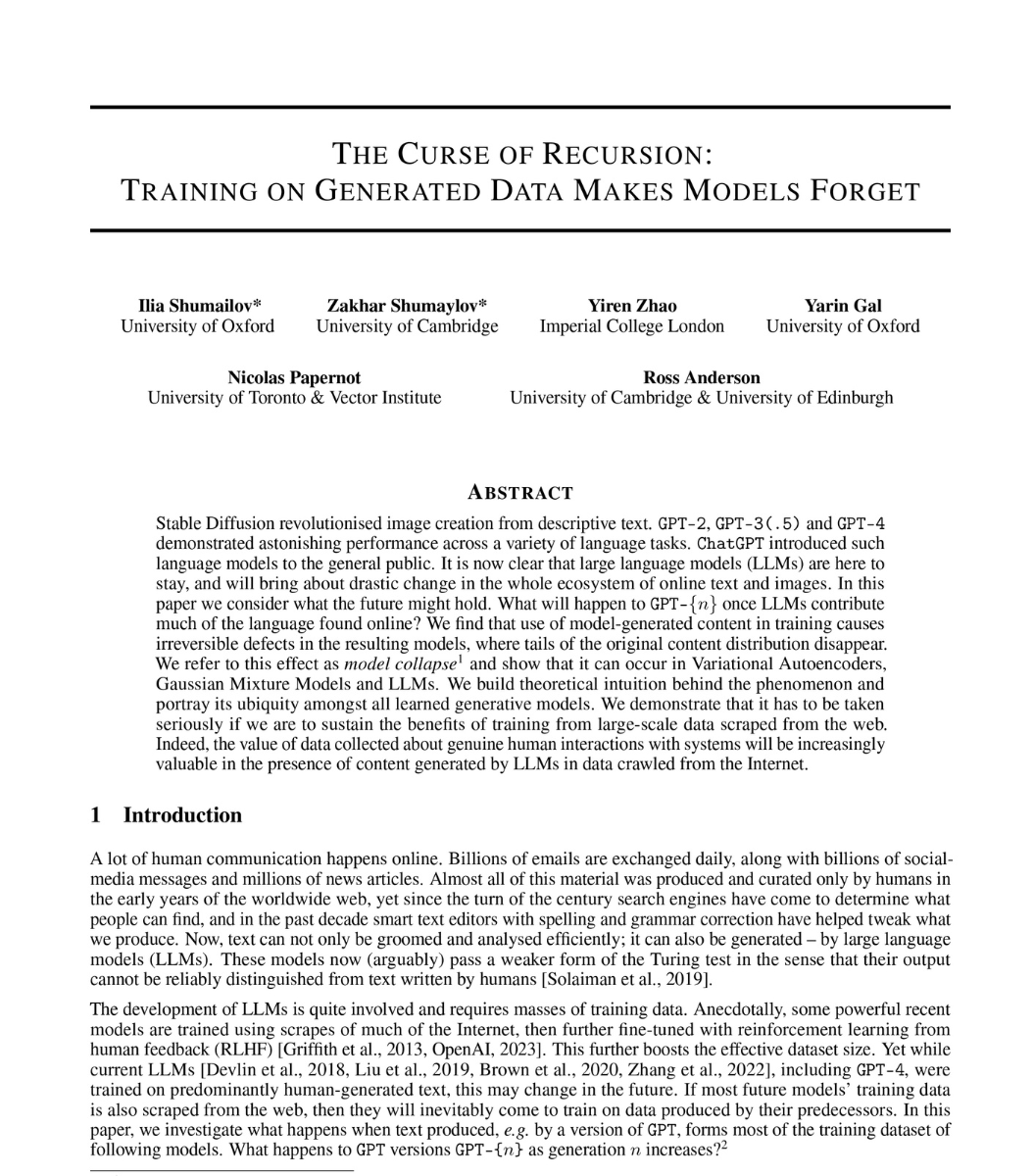
🚨 THE INTERNET IS EATING ITSELF ALIVE. AI IS TRAINING ON AI. AND LOSING ITS MIND.
Oxford and Cambridge researchers just proved it in Nature. They call it Model Collapse.
Here is what is actually happening.
AI companies scrape the internet to train the next generation of models. But the internet is now flooded with AI-generated content. So the next generation trains on the output of the last one.
Each cycle, something gets lost. Not the average stuff. The weird stuff. The personal stuff. The things only a human would say at 2am on a forum nobody reads.
Researchers call these the tails of the distribution. The rare ideas. The unexpected takes. The things that made reading feel alive.
Those disappear first.
What survives is the average. The safe. The expected. The same six words rearranged forever.
Then the next model trains on that. And loses more.
Ross Anderson, one of the paper's authors, put it plainly. Large language models are like fire. Useful. But they pollute the environment.
The pollution is invisible. You cannot tell which sentence was written by a human. Neither can the AI about to train on it.
Model Collapse is not a technical glitch. It is a slow erasure of everything that made the internet feel like people actually lived on it.
Let me explain in detail🧵
47
151
240
77,081
Cole Whitman retweeted

Jun 13
🚨 BREAKING: Claude can now perform stock market research like a top-tier consulting firm — for free.
Here are 10 Claude prompts that replace $100K/year stock analysts.
(Save this for later) 📌

56
305
1,416
229,159