A wind energy research project to value onshore wind farms in Ireland. It is funded by research.ie. The project website is windvalue.ie
Joined March 2022
- Tweets 897
- Following 1,410
- Followers 381
- Likes 4,257
68 Photos and videos


WindValue retweeted

29 Jan 2025
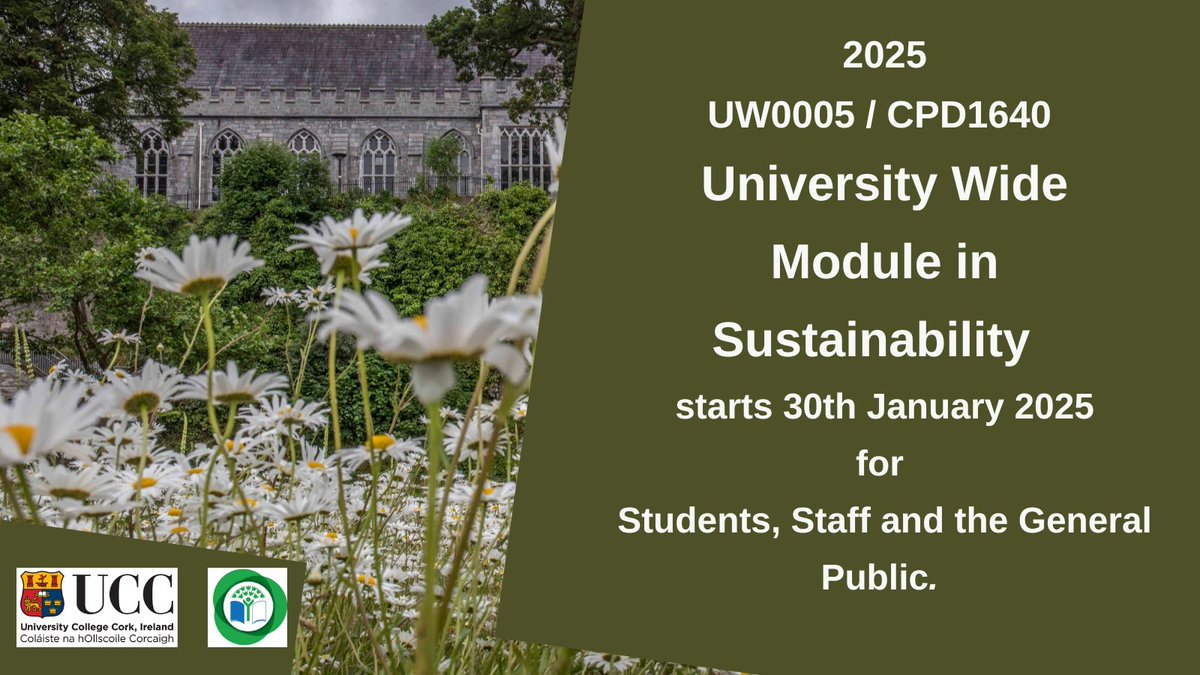
Really excited to deliver another year of the 2025 UW0005 / CPD1640 University Wide Module in Sustainability, open to students, staff and the general public.
6
13
463

30 Jan 2025
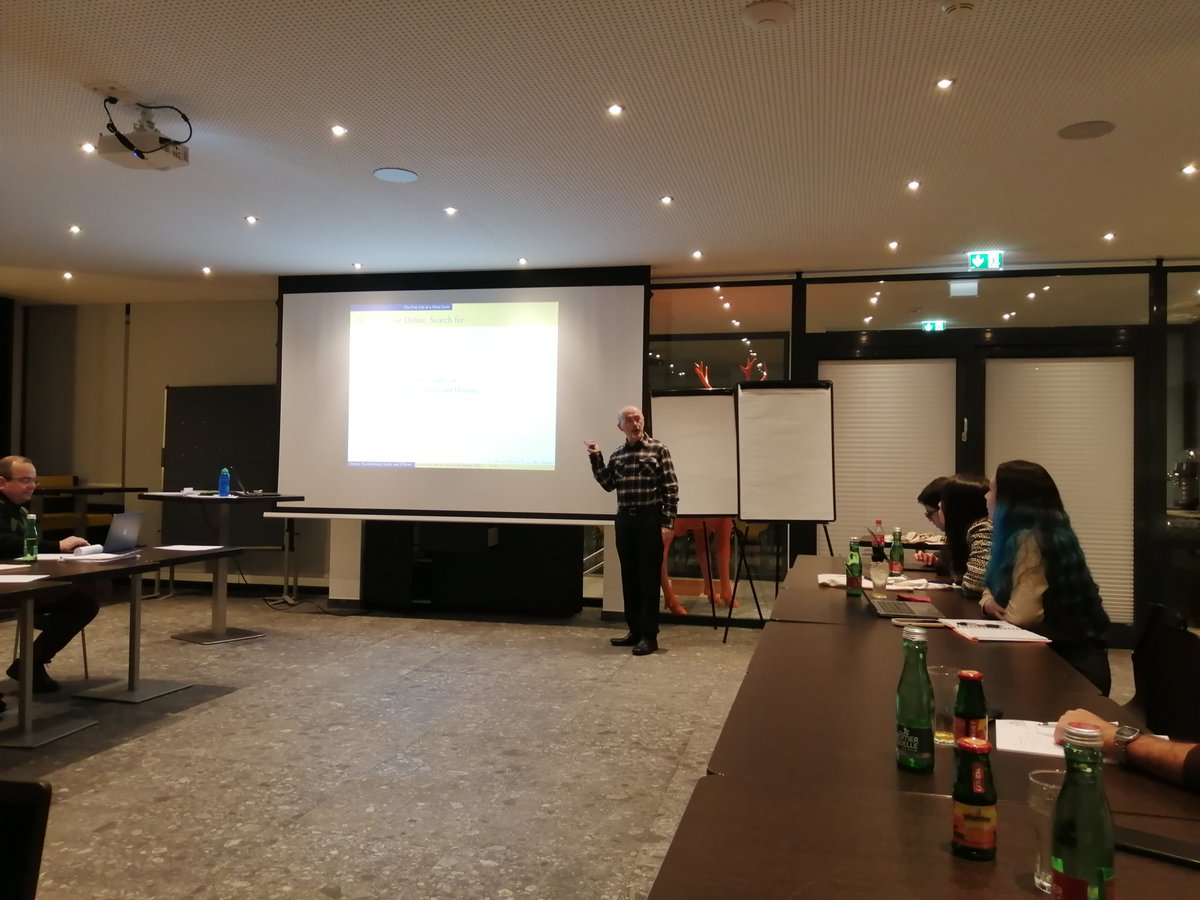
I presented Wind Value's latest research at the 8th Commodity Markets Winter Workshop in Austria. @UCC @Researchirel @eriucc @ucc_cppu
34
WindValue retweeted

6 Nov 2024
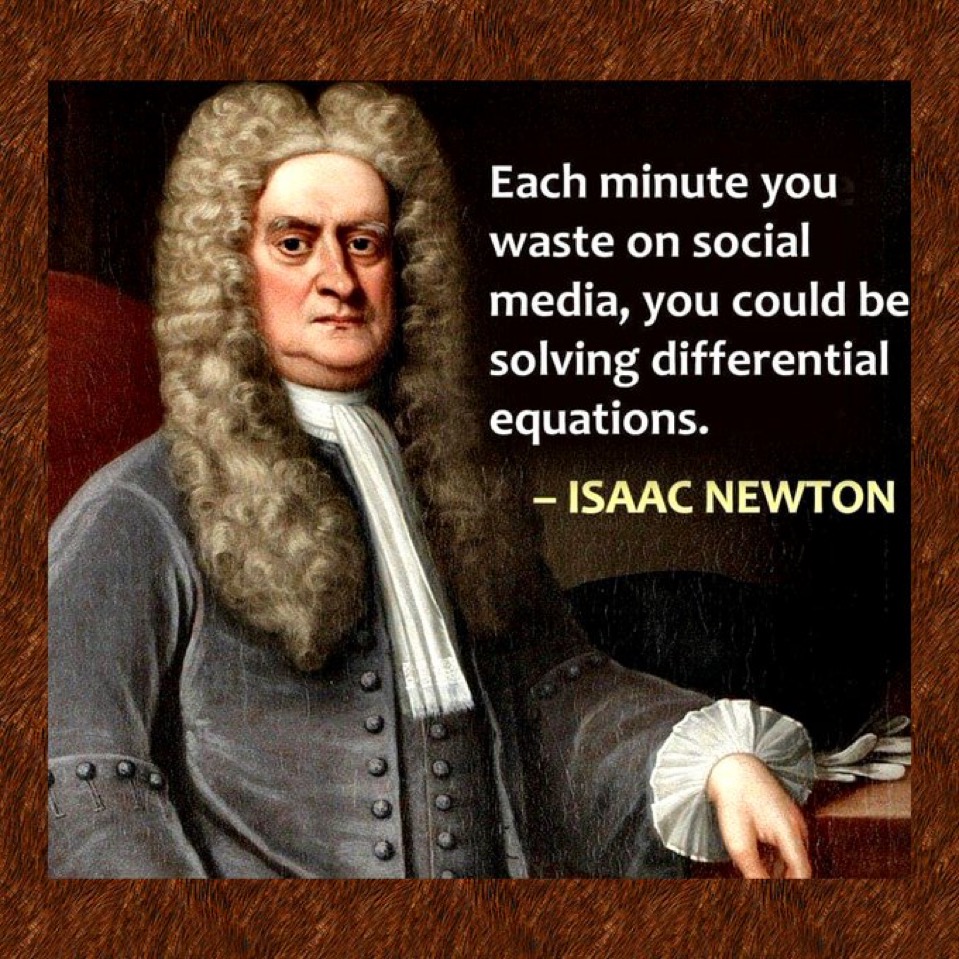
Word of the day is ‘recrudescence’ (17th century): the return of something terrible after a time of reprieve.
2,818
39,219
193,066
6,932,915

WindValue retweeted

7 Nov 2024
After reviewing over 200 manuscripts as a journal editor, I've noticed a pattern: papers that combine robust research with clear writing get accepted 3x more often than those with equivalent research but poor presentation.
17 genuine bits of advice for research paper writers
(I wish someone told me about number 10 earlier)
1. Active voice sells ideas better than passive
2. Your first draft should be awful → that's normal
3. Live for your own truth, not for other scholars' approval
4. Write the methods section before researching
5. Figures and tables matter more than word count
6. Break complex ideas into simple formal language
7. Citations should taste of truth → use them thoroughly
8. Your abstract is your paper's movie trailer
9. The discussion isn't a results remix → it must add value
10. Tables whisper wisdom that paragraphs shout gruffly
11. No one reads your paper start to finish → design for skimming
12. My best writing happens between 10 PM-1 AM
13. Your title is not unrelated to your citation success
14. Tweak tenaciously → cut 30% of your first draft
15. Strong verbs always beat fancy adjectives
16. Make text-to-speech AI your read-aloud buddy
17. One paragraph = one idea (no exceptions)
(This is exactly how I get quality papers accepted in quality venues)
Share this if it helps another researcher.
P.S. Which advice resonates most with you? Drop your number below.
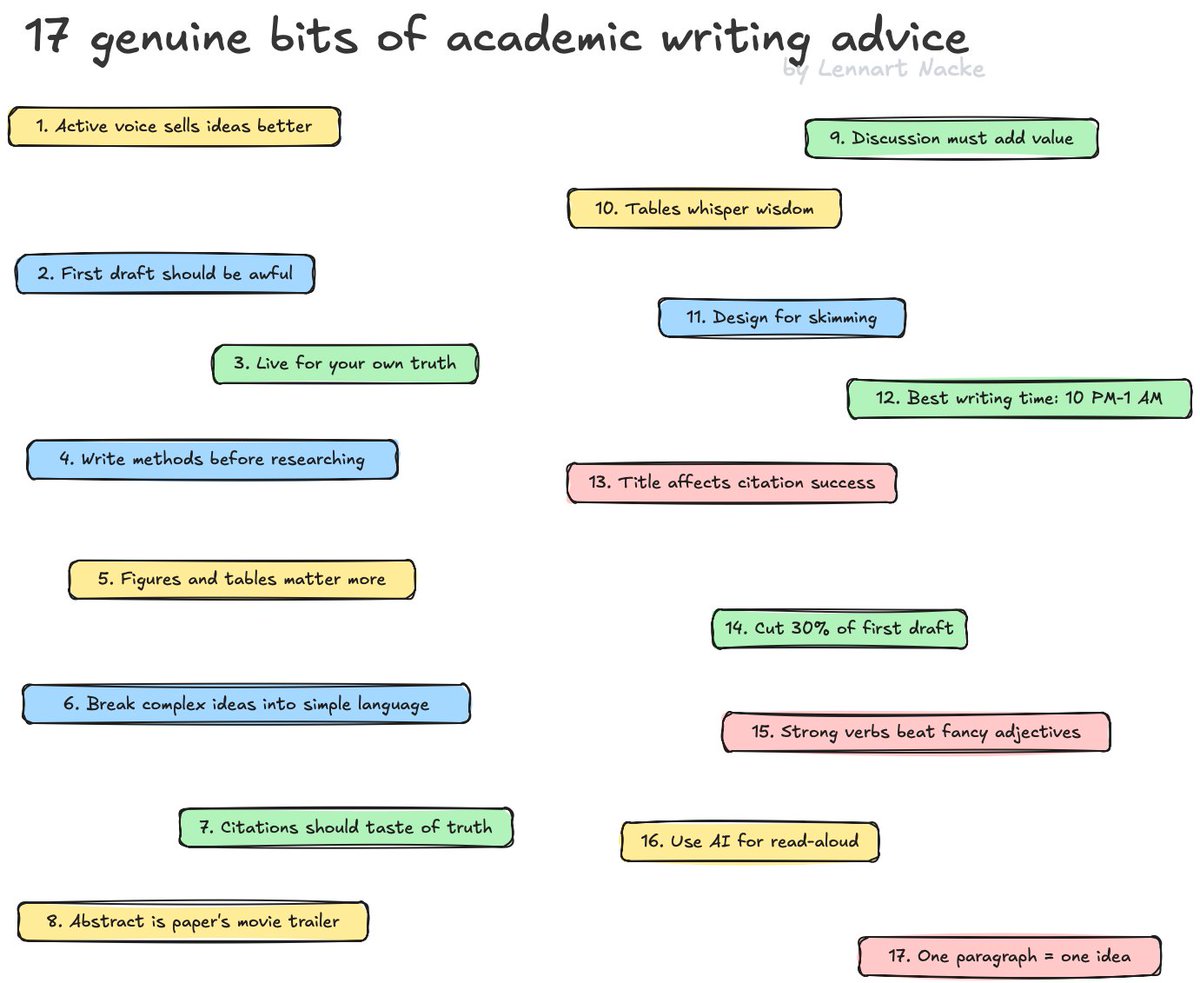
ALT 17 quick bits of writing advice.
6
117
503
47,205
7 Nov 2024
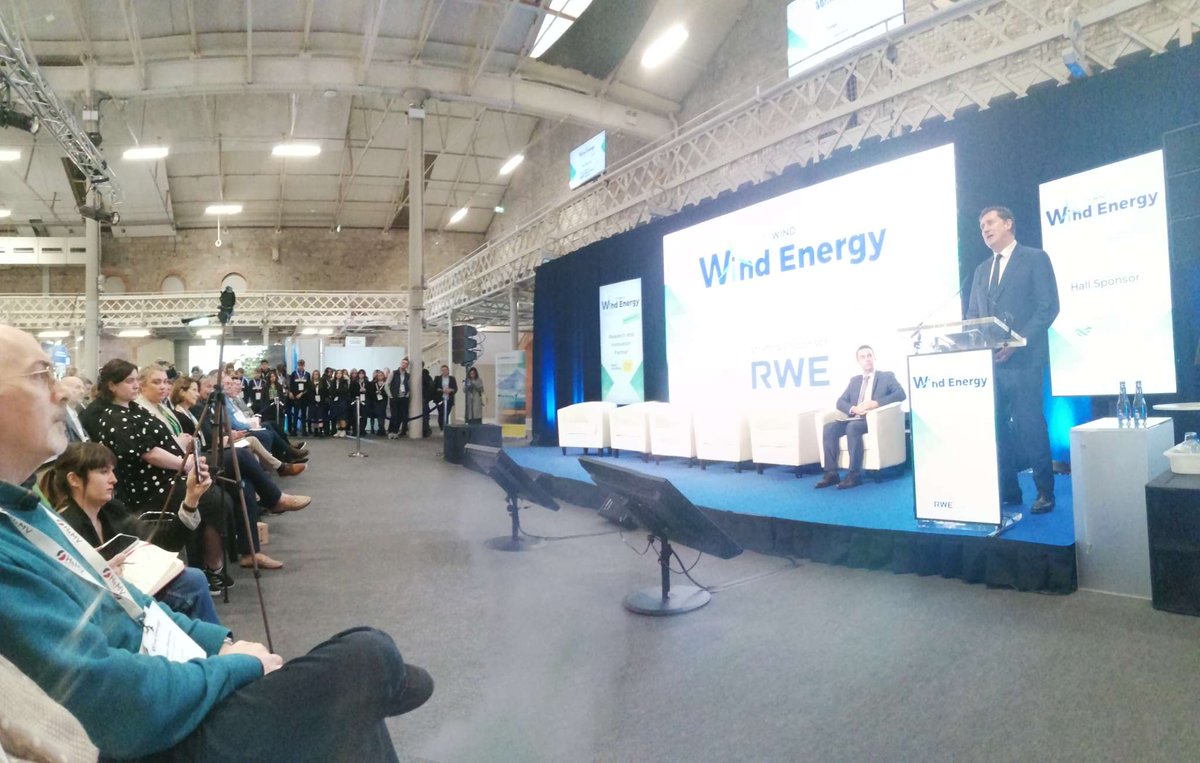
I was at the #WEItradeshow today in Dublin listening to @EamonRyan and talking about the Wind Value Resarch Project, @eriucc, @Researchirel ,@UCC, @ReWindUCC
37
WindValue retweeted

20 Oct 2024
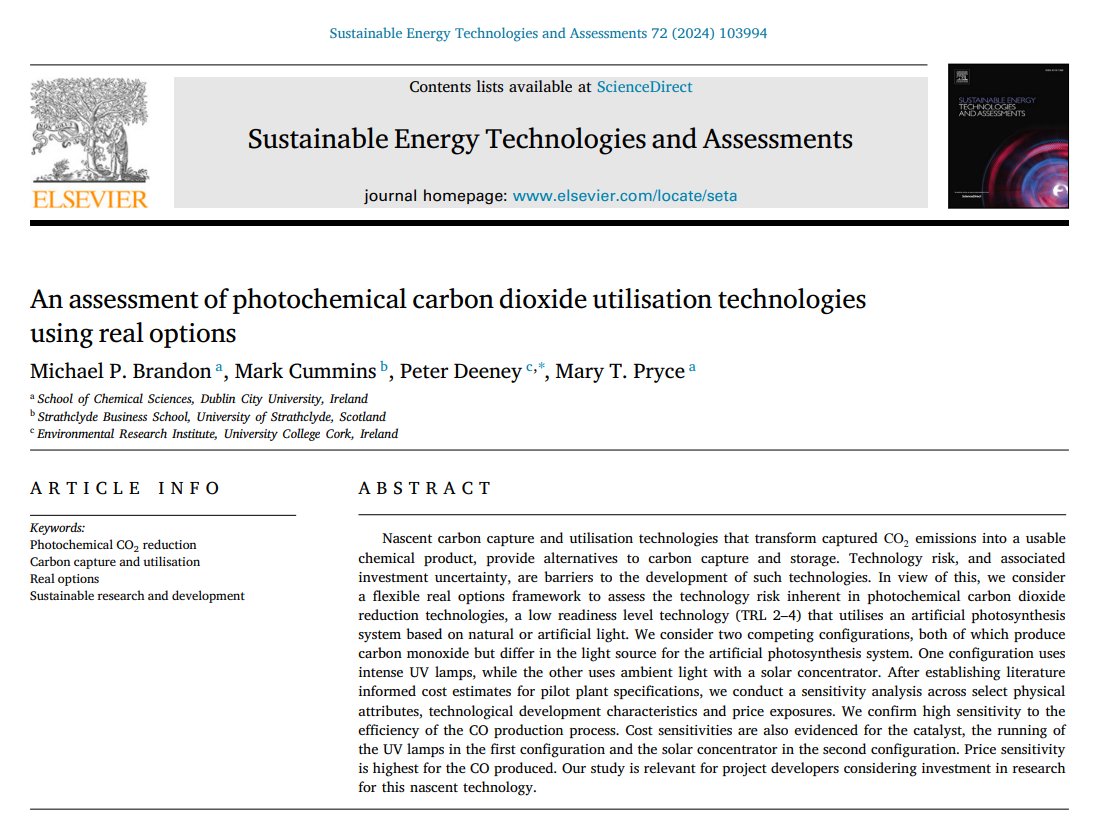
This started over breakfast in @DCU staff restaurant a few years ago. @eriucc @UCC @IrishResearch @UniStrathclyde @BusinessDCU @StrathclydeAF @DCUChemistry sciencedirect.com/science/ar…
2
2
89
WindValue retweeted
25 Sep 2024
What should you call your academic event?
Another great flowchart from PhD Comics.
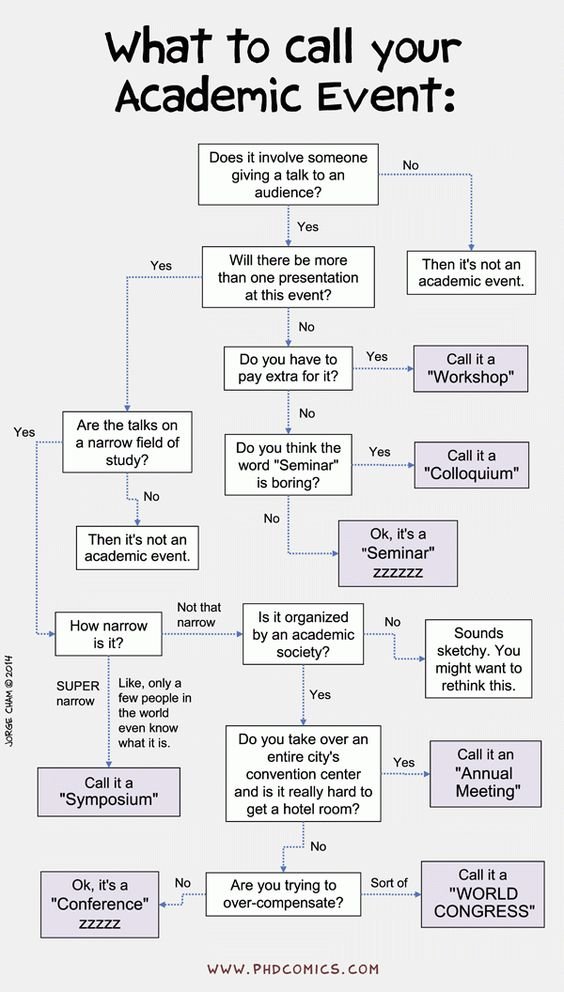
ALT A Flowchart about naming your academic event from Jorge Cham of PhD Comics.
27
652
3,167
512,187
27 Sep 2024
1
2
99
26 Sep 2024
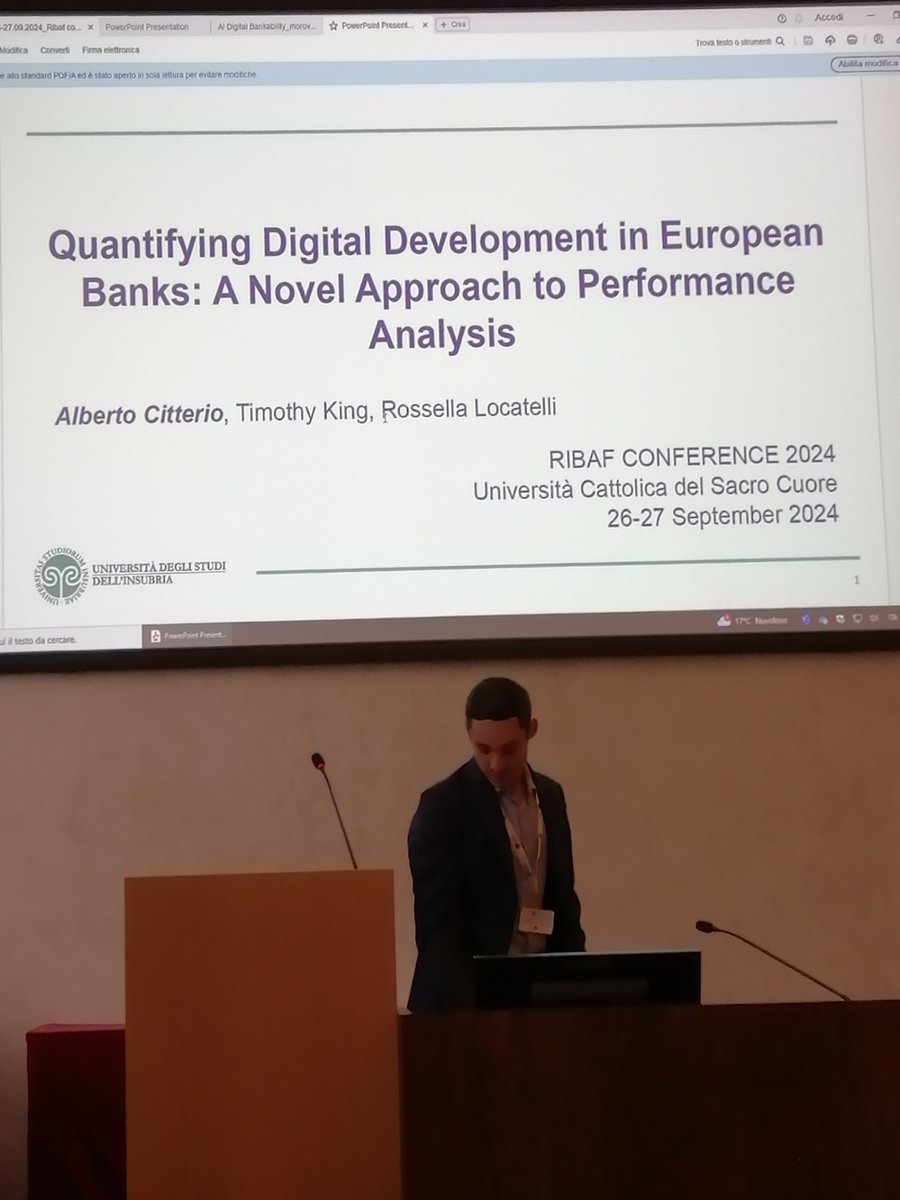
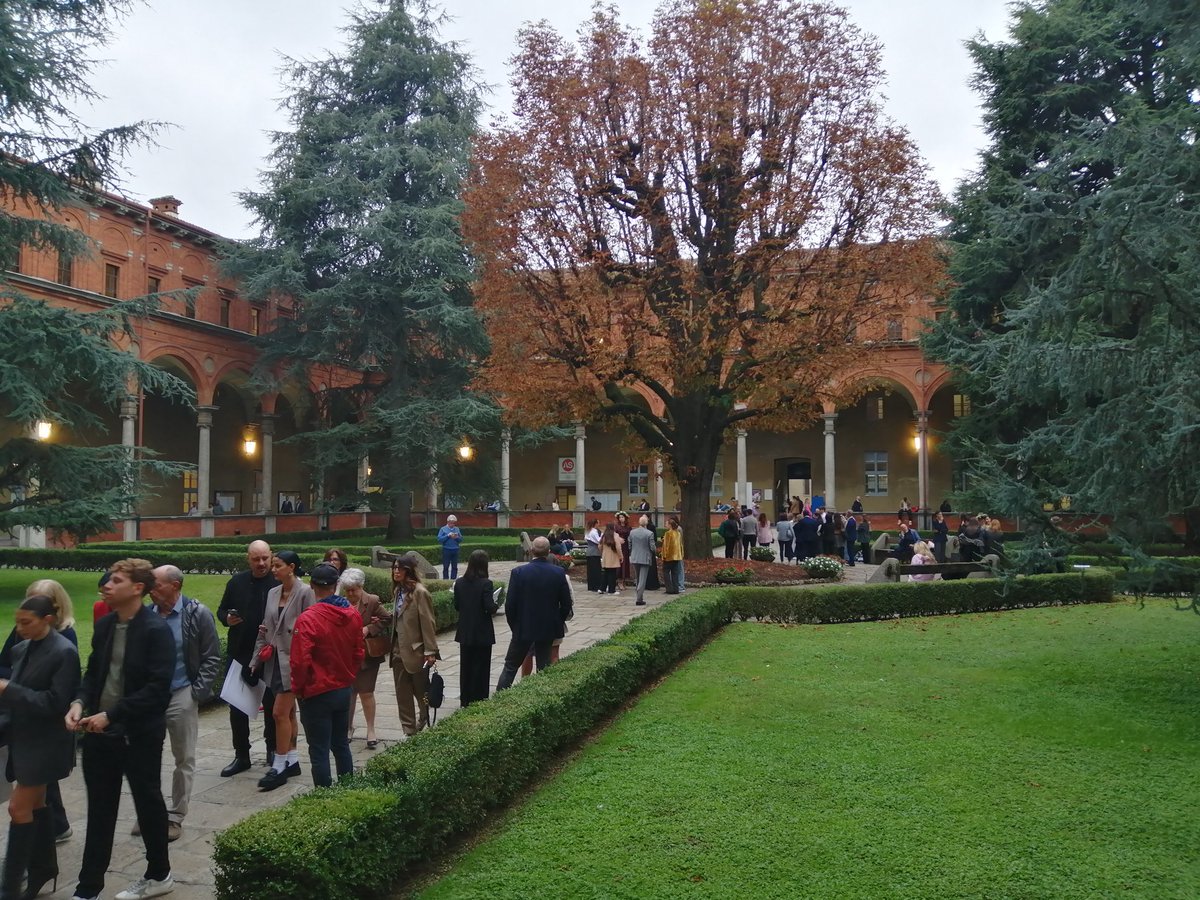
I'm at the #RIBAF2024 conference in Milan and will present a paper after lunch. @IrishResearch @eriucc @UCCResearch @ucc_cppu
1
2
105
WindValue retweeted

4 Aug 2024
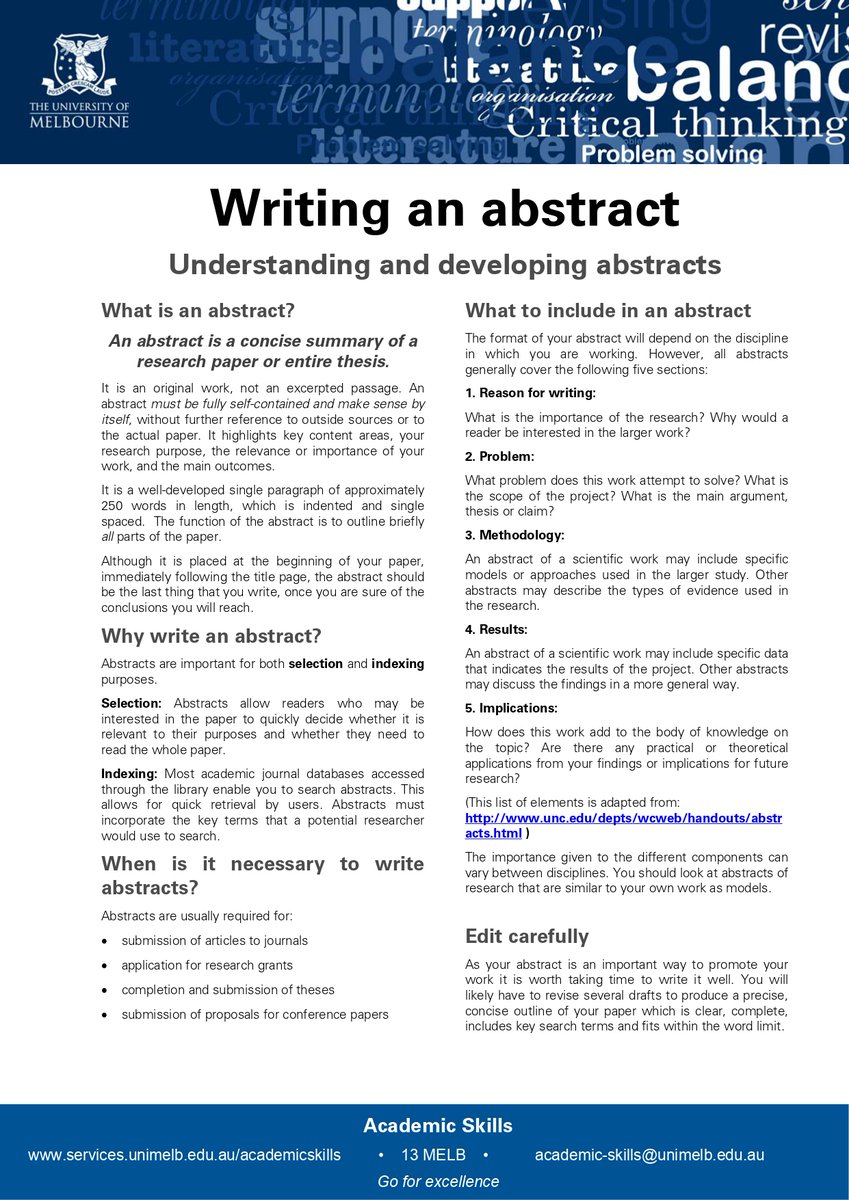
Writing an abstract
3
176
808
112,679
WindValue retweeted

26 Jul 2024
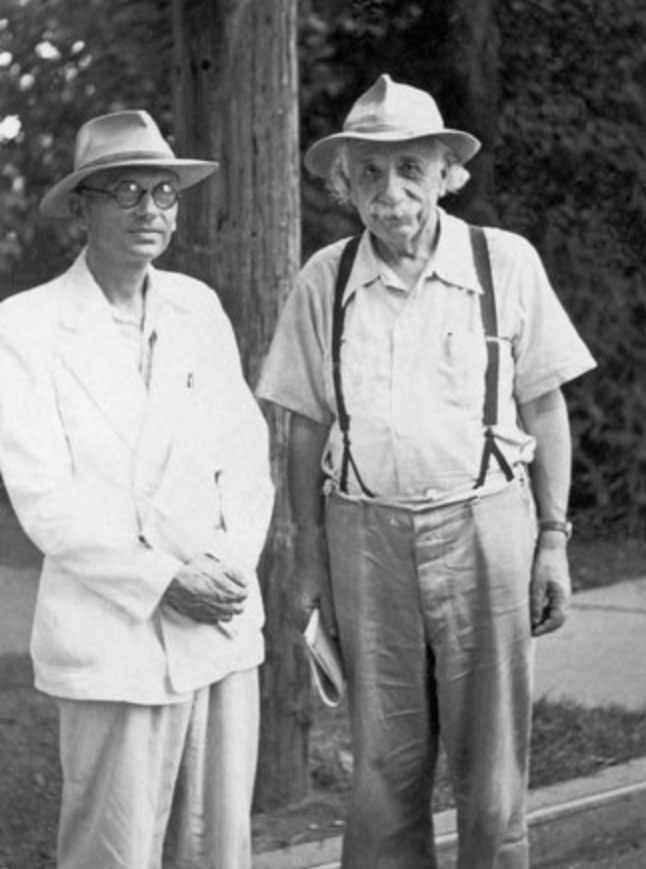
In 1949, the famous mathematician Kurt Gödel found a solution to Albert Einstein's field equations of general relativity that described a rotating universe. This solution is known as the Gödel Universe. One of the intriguing aspects of the Gödel Universe is that it permits the existence of closed timelike curves (CTCs). Closed timelike curves are paths in spacetime that, if followed, would allow an object to return to its own past. In other words, it suggests the possibility of time travel within the framework of general relativity. Gödel's solution involves a universe that is rotating on a large scale.
The matter in this universe is in a constant state of rotation, and its rotation generates a frame-dragging effect. This means that the fabric of spacetime itself is being twisted by the rotation, causing a sort of dragging motion for nearby objects. The presence of CTCs in the Gödel Universe arises due to the unique nature of spacetime curvature caused by the rotation. The paths of particles or light in this universe can form closed loops, allowing for potential time travel. The existence of CTCs in the Gödel Universe is purely theoretical and still a subject of debate among physicists. Time travel to the past, as allowed by CTCs, raises many paradoxes and logical inconsistencies, such as the famous grandfather paradox. These paradoxes challenge our current understanding of causality and the nature of time.
145
659
2,945
214,887
WindValue retweeted
24 Jul 2024
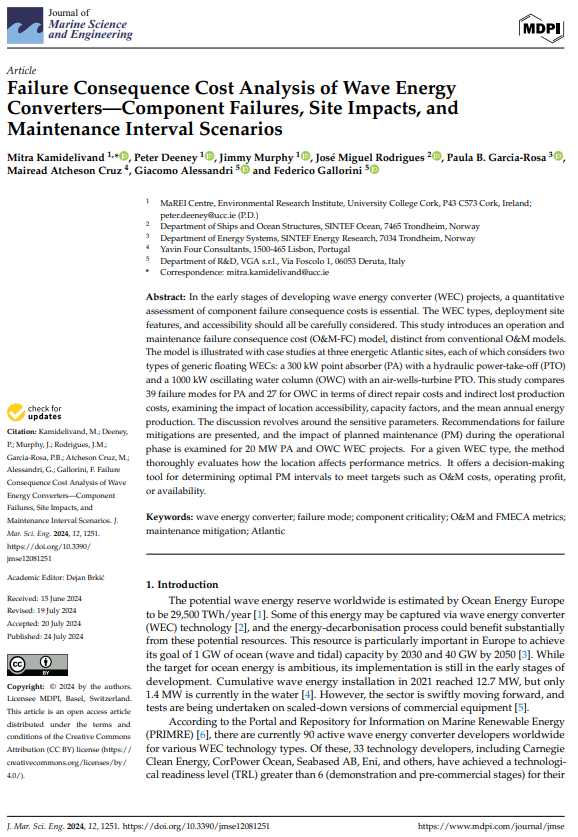
A New Paper mdpi.com/2077-1312/12/8/1251 on #WaveEnergyConvertors in the North Atlantic. Kamidelivand et al (2024) @UCC @MaREIcentre @eriucc @UCCResearch @sintef
2
2
206
22 Jul 2024
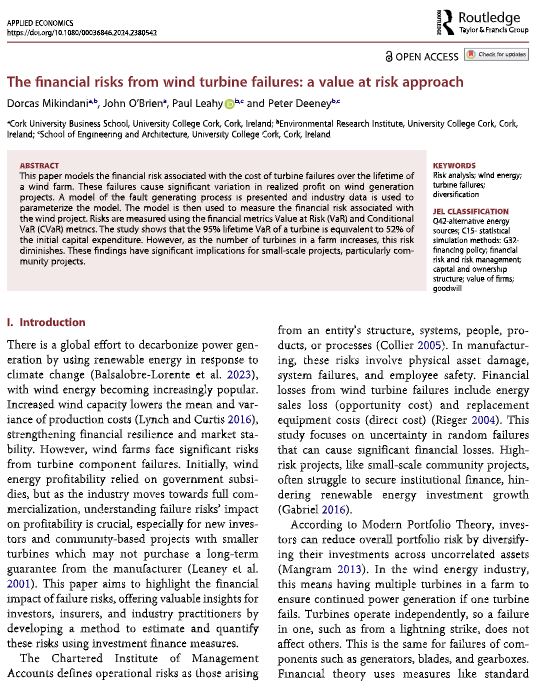
Mikindani, O'Brien, Leahy, and Deeney (2024) The financial risks from wind turbine failures: a value at risk approach. Applied Economics. pp. 1–16. doi: 10.1080/00036846.2024.2380542. is published. windvalue.ie/?page_id=17 @eriucc @CUBSucc @IrishResearch @UCCResearch @UCC
1
3
81
WindValue retweeted

19 Jun 2024
Congratulations to Dr Anne Marie O'Hagan (@ohaganam) in #MaREI @UCC who has been appointed to Ireland's National Decade Committee which aims to promote and enable a whole of society approach to the UN Decade of Ocean Science for Sustainable Development
marei.ie/mareis-dr-anne-mari…
2
8
358
19 Jun 2024
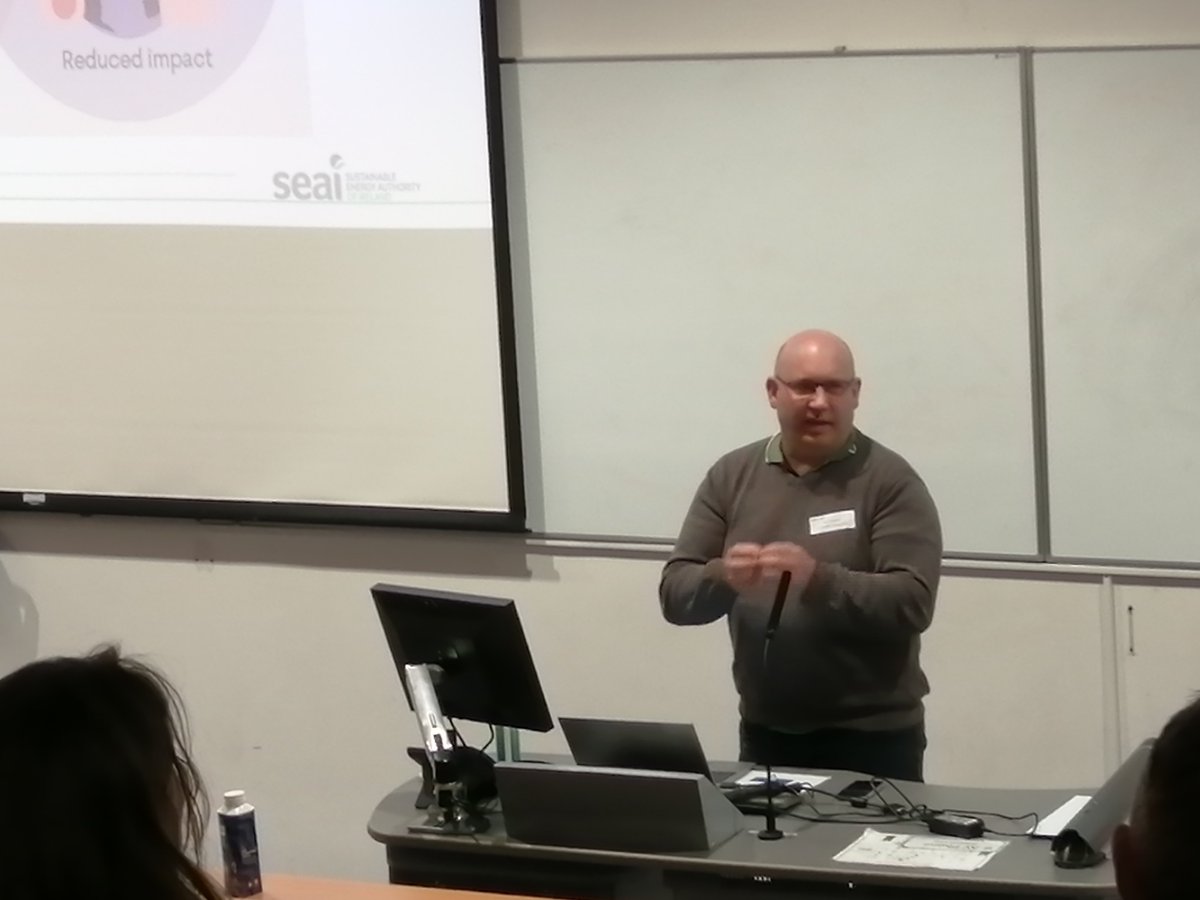
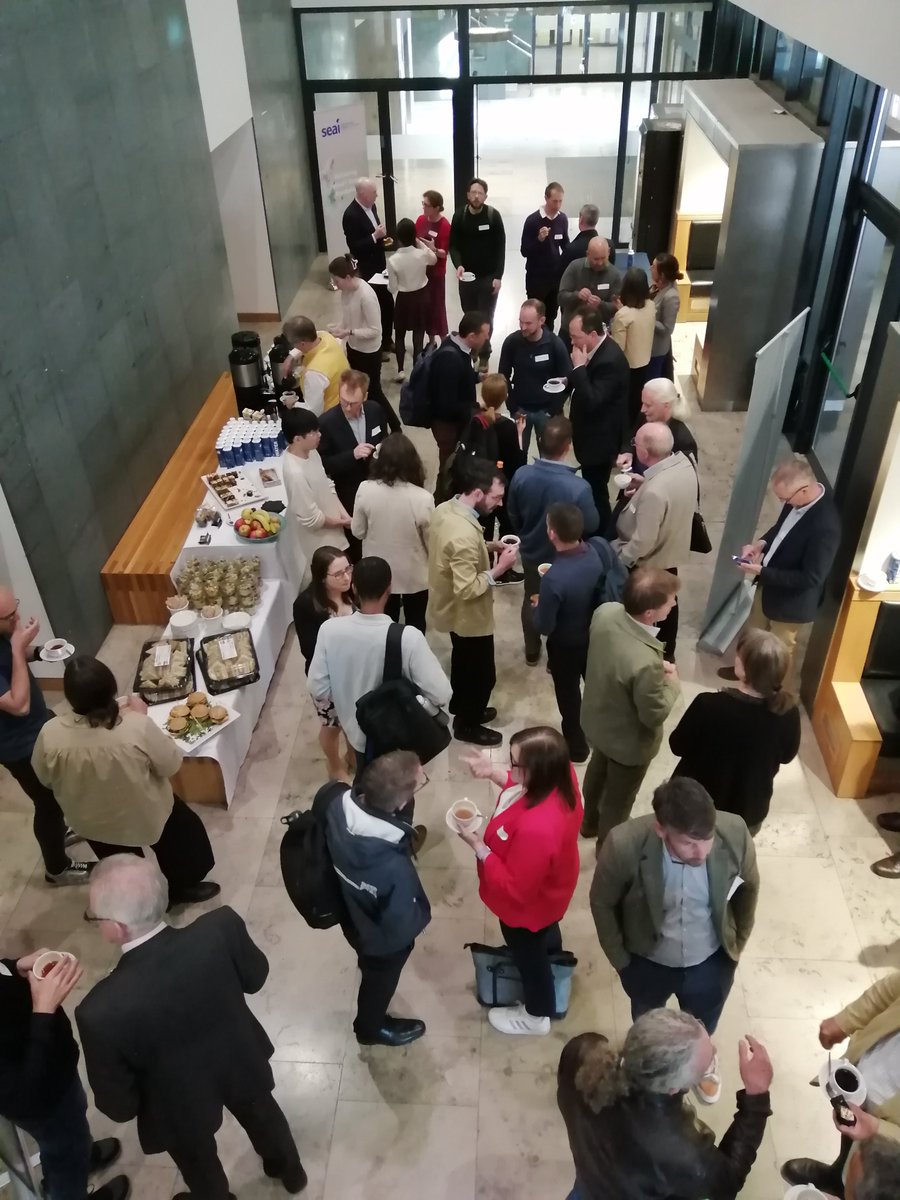
I had a most interesting day at the @SEAI_ie National TCP Day in @ucddublin. @NPDunphy @ucc_cppu @eriucc @UCC @UCCResearch @IrishResearch @ReWindUCC
2
142
19 Jun 2024
I'm on my way to the Technology Collaboration Programme (TCP) National Day in @ucddublin to hear about #RenewableEnergy @UCC @eriucc @ucc_cppu @SEAI_ie @IrishResearch @UCCResearch
1
3
91
15 Jun 2024
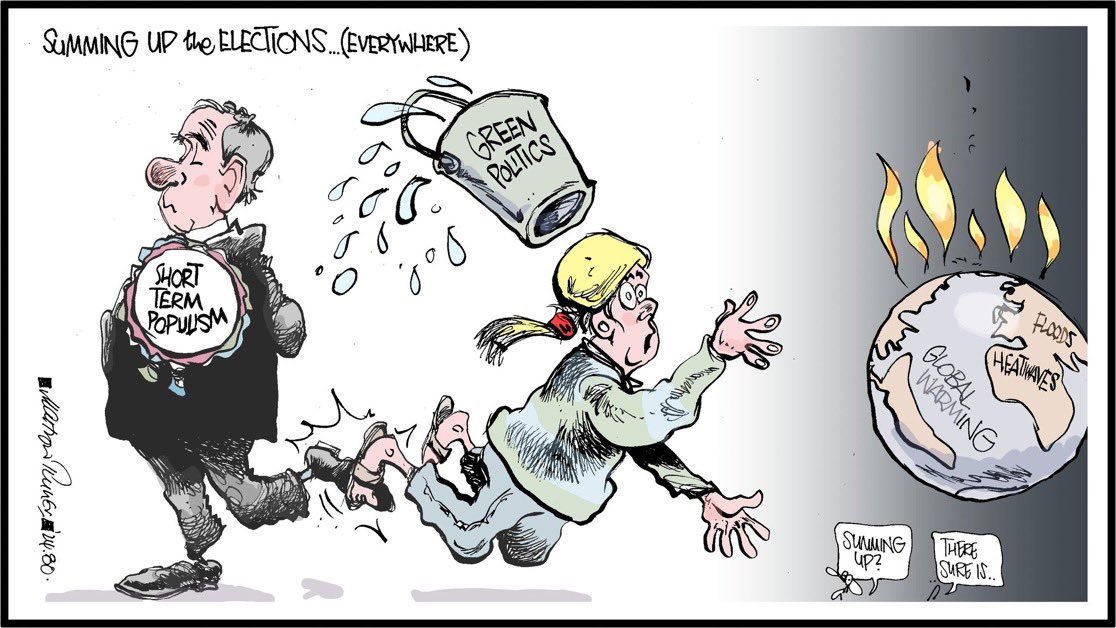
89
14 Jun 2024
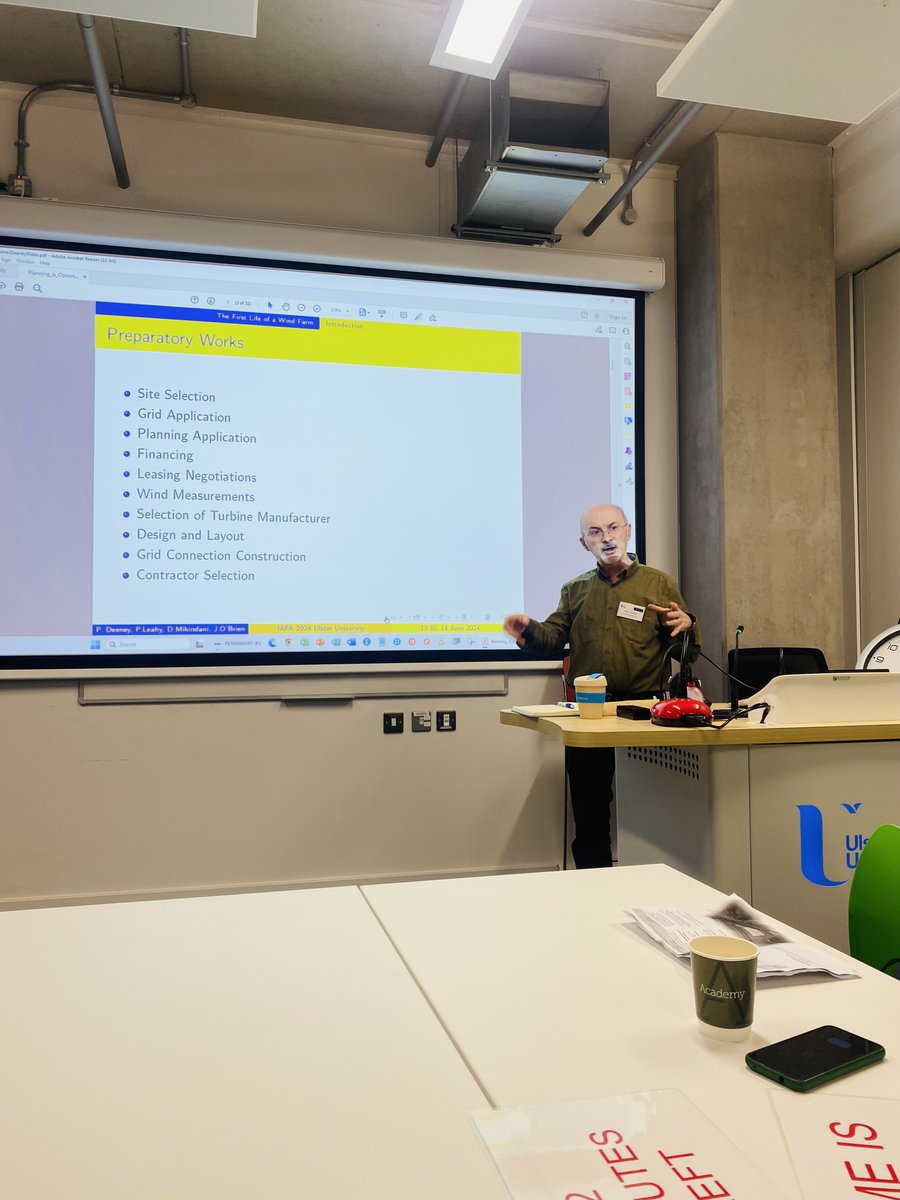
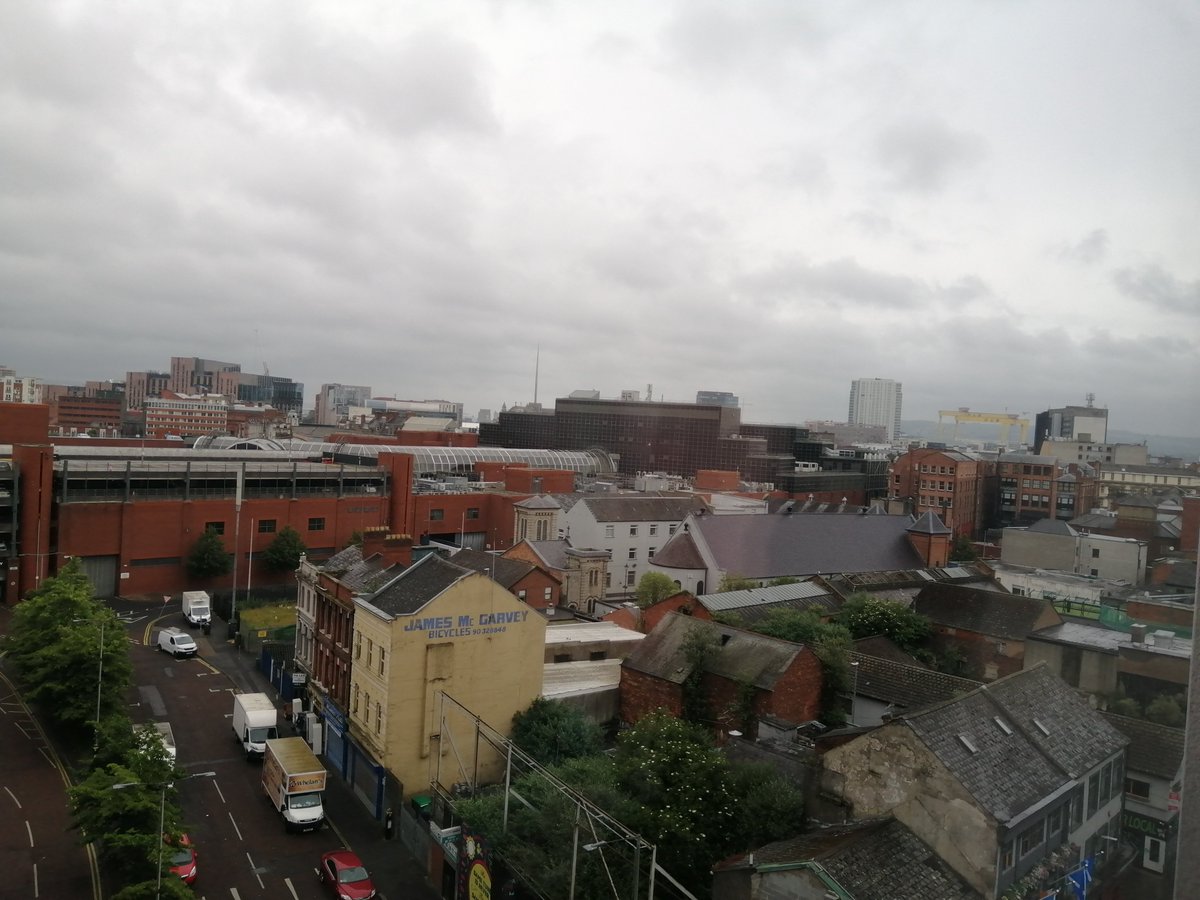
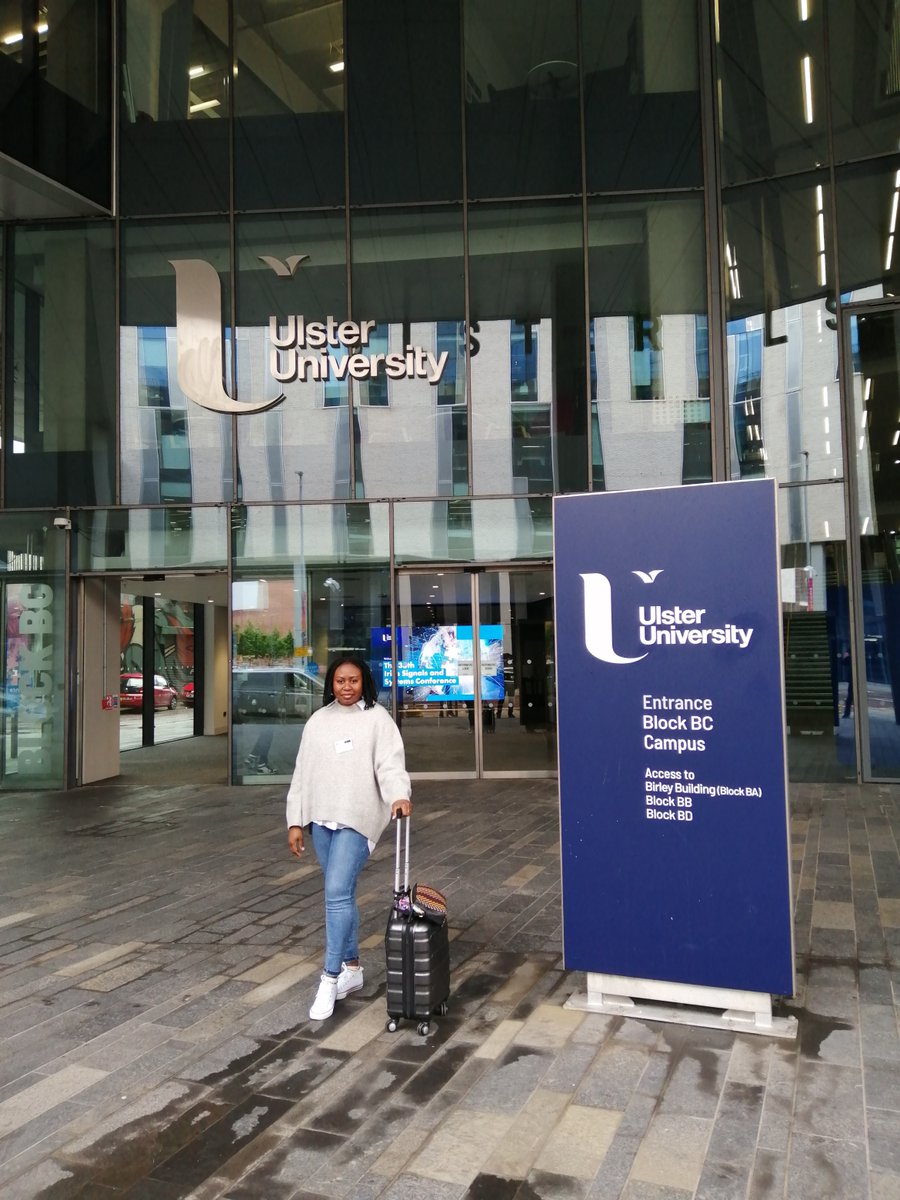
The #IAFA2024 Conference in @UlsterUni ,#Belfast was a great opportunity for @PeterDeeney and @DorcasMikindan to present papers and make connections. @eriucc @CUBSucc @UCC @UCCResearch, @IrishResearch @ucc_cppu
2
3
94
13 Jun 2024
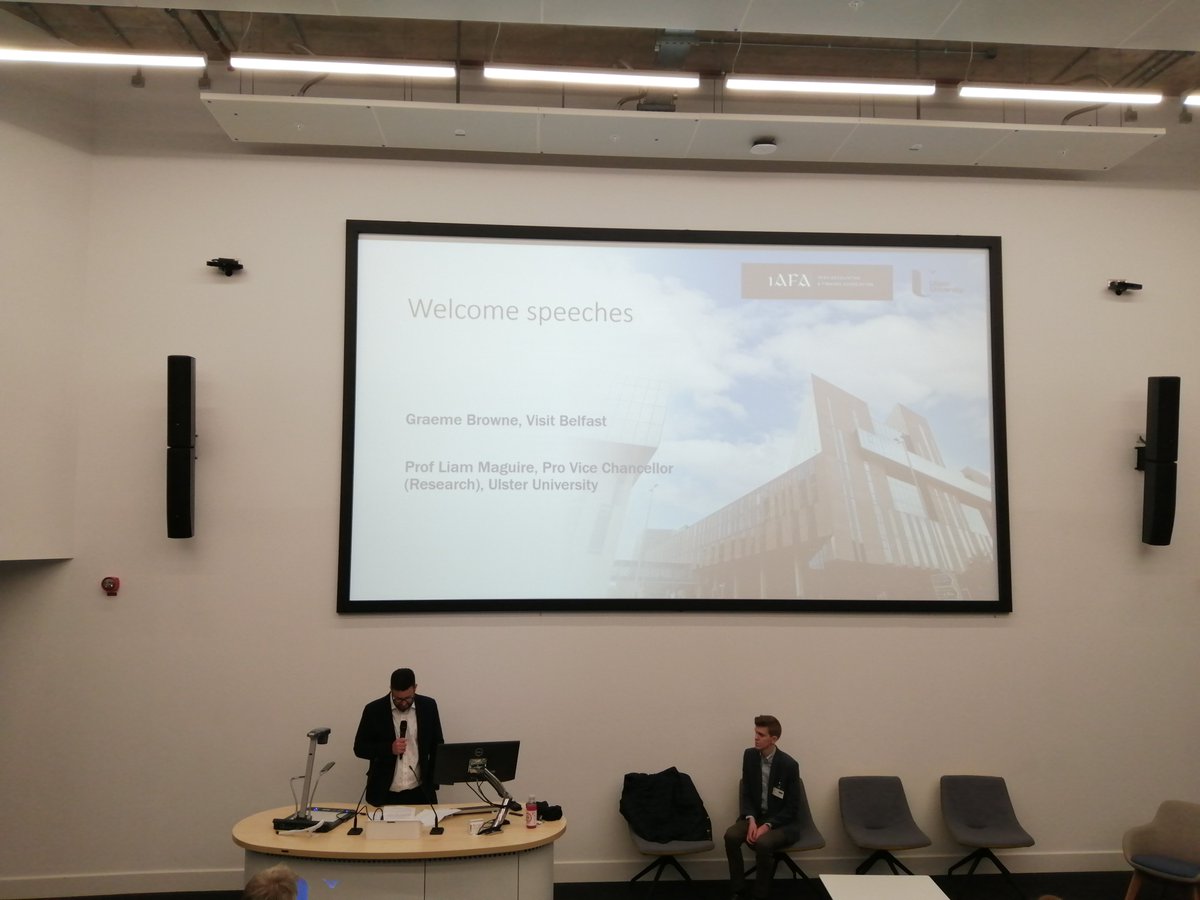
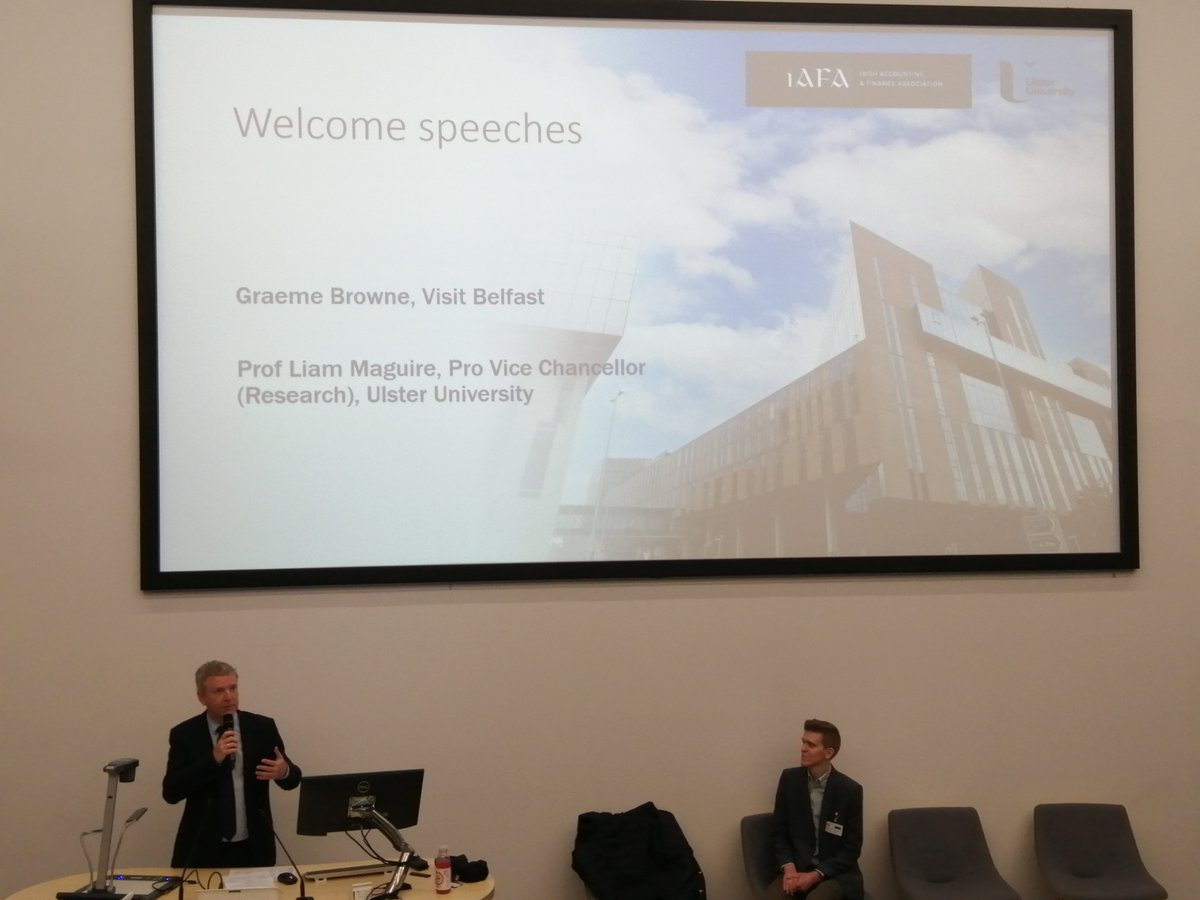
#IAFA2024 begins in @UlsterUni in #Belfast with a talkfrom Prof Christine Helliar, @UniversitySA . @eriucc @UCC @IrishResearch @CUBSucc
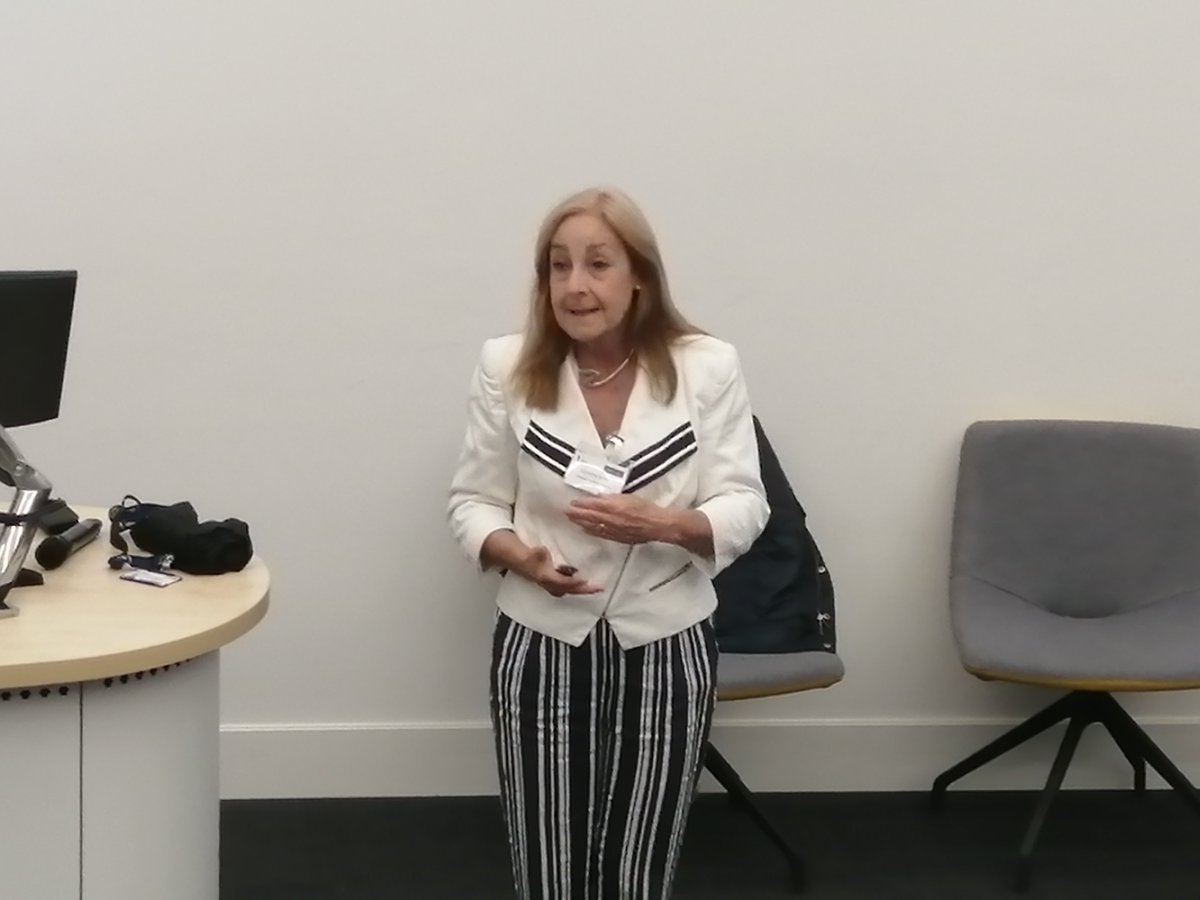
1
4
159