Opinions**Love**Kindness
Joined September 2012
- Tweets 484
- Following 690
- Followers 186
- Likes 1,429
38 Photos and videos








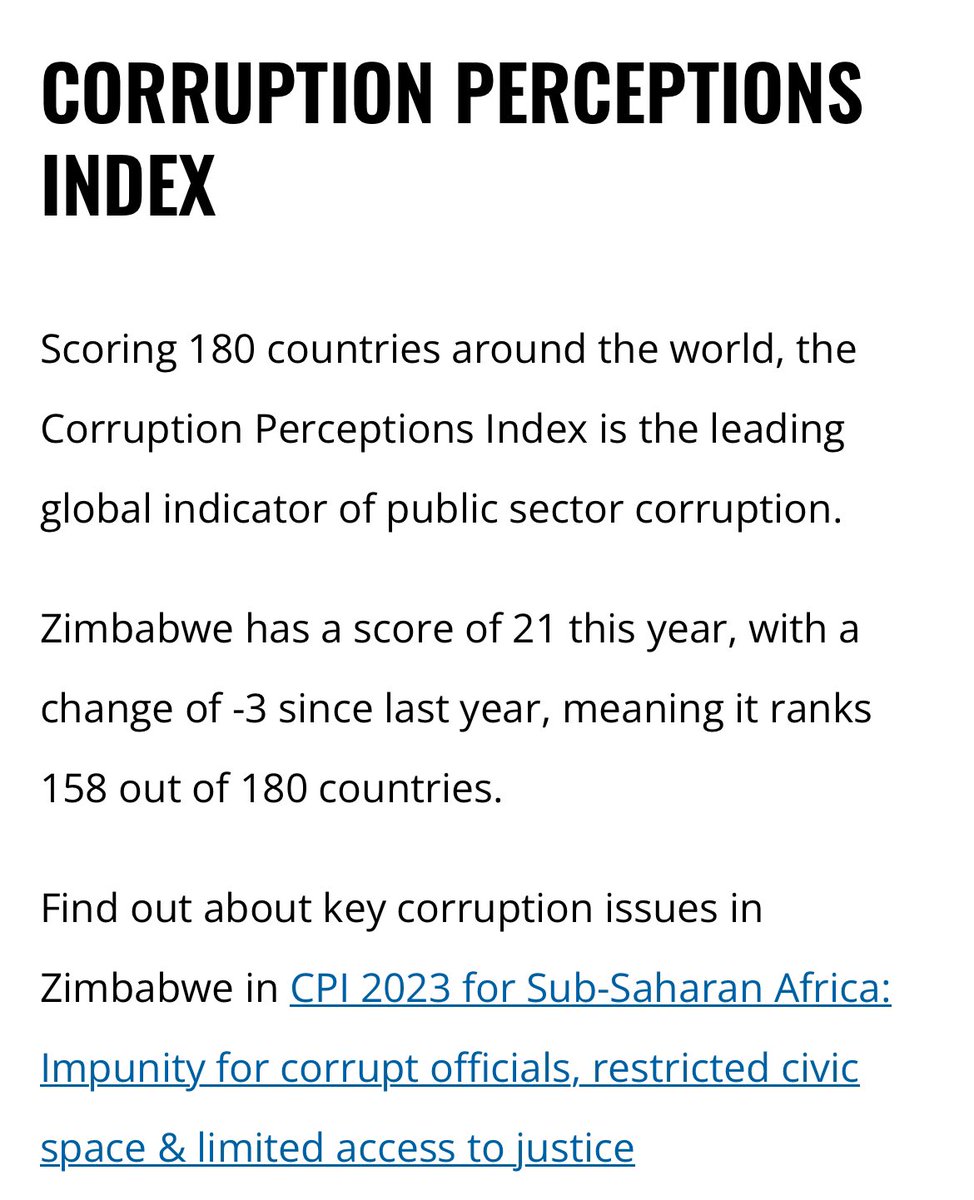


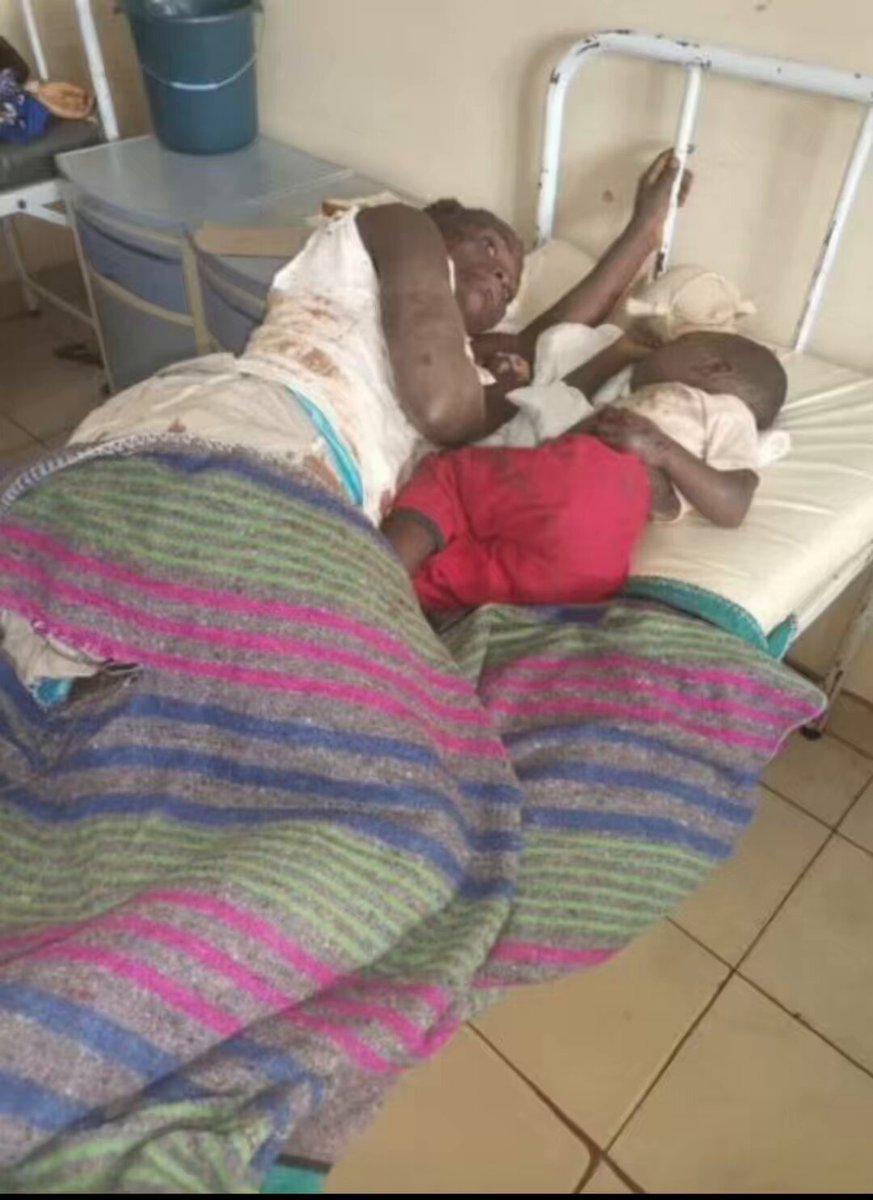

Tree of Wisdom retweeted

Mar 7
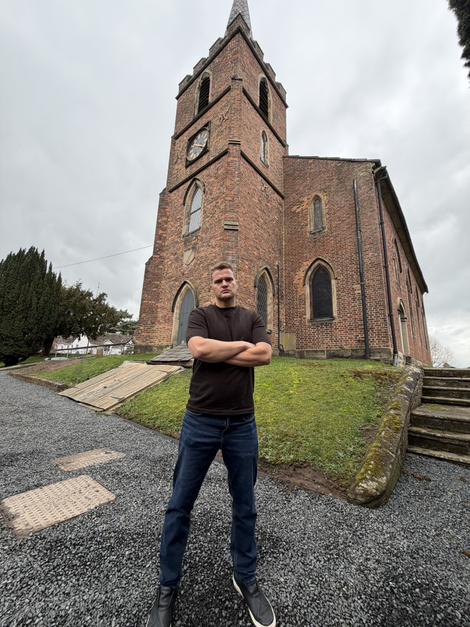
I’ve put down an offer on this Church that was about to be converted by developers!
I’m sick and tired of seeing derelict and aban but anyway Church is shutting down all across the UK.
If a building was built on a God and to be worship for generations upon generations, it does not need to be sold off to make profit.
When the revival happens, we need churches like this prime and ready!
Comment below if you agree with this idea!
#christian #developer #propertyinvestor #church
368
1,378
6,965
208,450
Tree of Wisdom retweeted
Mar 7
I wanna buy churches like this that are shutting down across England.
So if you know a church that's for sale and potentially closing down, let me know. I wanna buy a church.
I don't care if it's got planning permission to return to flats redeveloped. I don't care.
I wanna buy it. I don't care how profitable the conversion will be.
If it was built as a church, I believe it needs to stay as a church.
I want to save churches like this one from being shut down and sold off to developers all across the UK.
I love making profit in property, but when someone's being built as a church to honour Jesus Christ, that's a no no.
There's revival coming in England and we need to keep our churches open. Ready for what’s to come.
Is this a good idea you would support?
3,819
12,255
66,179
1,610,845
Tree of Wisdom retweeted

Jan 17
You are NATURE! everything is connected.
58
832
2,795
111,987

Tree of Wisdom retweeted

3 Apr 2024
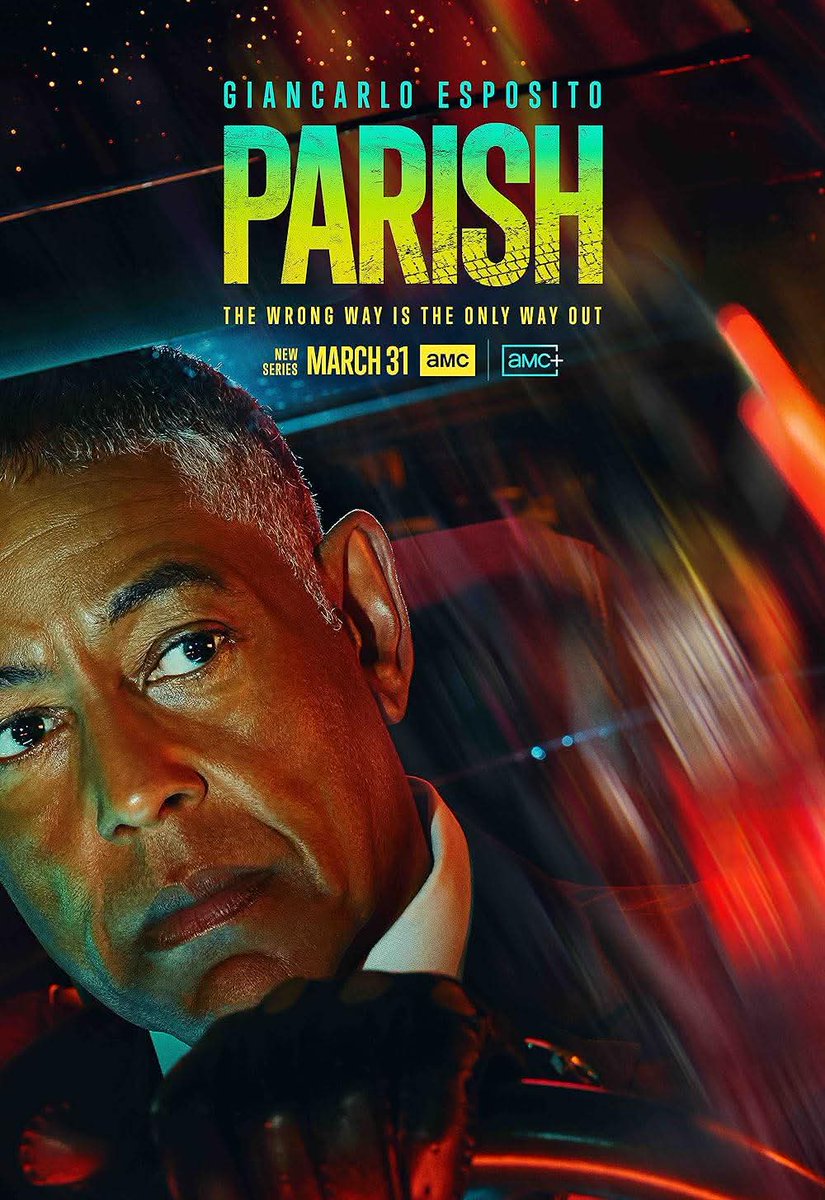
Zimbabweans are reacting to the choice of actors portraying to be 🇿🇼 in the new Series PARISH: Parish follows a taxi driver whose life is turned upside down when he agrees to pick-up a Zim gangster mostly known for exploiting undocumented immigrants in the U.S #parishseries
66
29
142
66,762
Tree of Wisdom retweeted

11 Dec 2025
I am watching the new Netflix series @Parish and I was honestly surprised, in a good way at first, to hear Zimbabwe being mentioned right from the very first episode the Zimbabwean Flag features too.
Even more interesting was the inclusion of Shona lines. As a Zimbabwean, moments like that usually bring a sense of pride because it feels like a small part of our culture is being recognised on a global platform.
I couldn’t help but feel a bit conflicted about how the Shona language was portrayed. The way the lines were delivered sounded unnatural, almost mechanical. It did not feel like real, lived in Shona the way native speakers talk every day. Instead, it came across as forced and slightly exaggerated, which took away from what could have been a really powerful and authentic moment.
What confused me most is that there are actual Zimbabwean actors and actresses based in the United States who speak fluent, natural Shona and understand the cultural depth behind the language. It would have made so much sense to involve them or at least consult native speakers to make those scenes feel real. When language is done properly, it adds texture and authenticity to a story. When it is not it can feel like a missed opportunity.
That said, I still think Parish is a good series overall. The storyline is engaging and the production quality is strong. But I genuinely believe that Africa’s languages and cultures deserve better representation. If you are going to include Shona, it should sound like Shona as it is spoken by real people, not like robots reading words off a script.
I hope that as more global platforms continue to tell diverse stories, they will also learn to do it with deeper respect and cultural accuracy.
24
25
113
33,302

All Paid Courses — 100% FREE (Part 1)
I'm giving you access to 81 free courses. 👌👇
1. Social Media Marketing
2. Android App Development
3. Facebook Ads
4. SEO
5. Google Ads
6. Content Writing
7. Graphic Designing
8. Video Editing
9. Web Development
10. Hacking and more with 73 courses.
To get, just:
- Comment "ON"
- Like & Retweet
- Follow me (so that I can DM)

8,753
4,525
12,281
2,315,114
Tree of Wisdom retweeted

30 Oct 2025
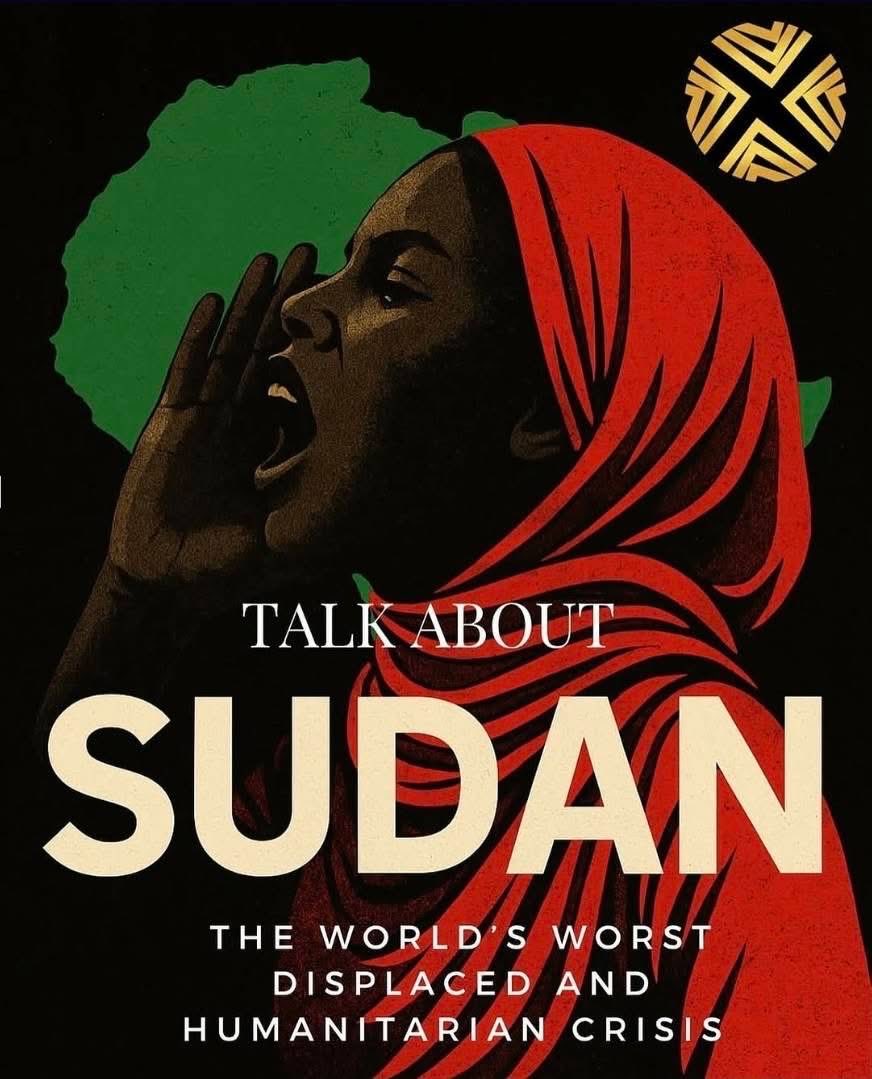
Sudan is in critical condition now......let's lend our voices
5
4
19
2,459

Tree of Wisdom retweeted

11 Jun 2024
"𝐈 𝐰𝐨𝐮𝐥𝐝 𝐬𝐨 𝐨𝐰𝐧 𝐭𝐡𝐢𝐬 𝐛𝐢𝐫𝐝🐦"
𝐓𝐡𝐢𝐬 𝐢𝐬 𝐡𝐢𝐥𝐚𝐫𝐢𝐨𝐮𝐬!!!!🤣😂🤣
3,544
25,017
149,444
5,637,873
Tree of Wisdom retweeted

23 Sep 2025
Beautiful
233
1,157
11,810
1,158,724

Tree of Wisdom retweeted

12 Apr 2025
Dr Mbuyiseni Quinton Ndlozi
1
20
44
4,967
Tree of Wisdom retweeted

8 Apr 2025
📌📌📌
Zimbabweans, let us together here. It is deeply concerning how we, the ordinary people, are quick to attack one another in defense of political figures who have done little to improve our lives. Our energy should be directed toward holding leaders accountable, not protecting those who have contributed to our struggles.
1
10
24
898

Tree of Wisdom retweeted
6 Apr 2025
📌📌📌
I have nothing to add or remove,perfectly articulated, President Thabo Mbeki!!
9
71
162
13,674

14 Mar 2025
Picture a world where empathy triumphs over division. That's the world the UN's founders envisioned after the horrors of war. Today, let's revive that spirit. Choose love, choose peace. Let's remember why the UN exists, to save succeeding generations from the scourge of war, challenges will always be there as usual but Peace must Prevail.#PeaceAndLove #OneLove @UN @UNHumanRights
215