
Joined February 2009
- Tweets 33,900
- Following 1,311
- Followers 1,352
- Likes 35,785
1,167 Photos and videos







Pinned Tweet

15 Apr 2022
Check Out My #nftart: OpenSea.io/W1SH
Let Me Know What You Think!
& My Full Music Video 🎵🎥To "Higher On Love" On @YouTube: youtu.be/ar4SoqRS8a8
#MovedByMusic #EDMFamily #Musica #artist #singersongwriter
amazingradio.com/profile/wis…
Thank You💚🙏
\X/ish 🌍
4
14
13
₳NDRƎW \𝕏/ISHARDT 💙💛 retweeted

3
19
152
13,384
₳NDRƎW \𝕏/ISHARDT 💙💛 retweeted
18
52
276
43,431
₳NDRƎW \𝕏/ISHARDT 💙💛 retweeted
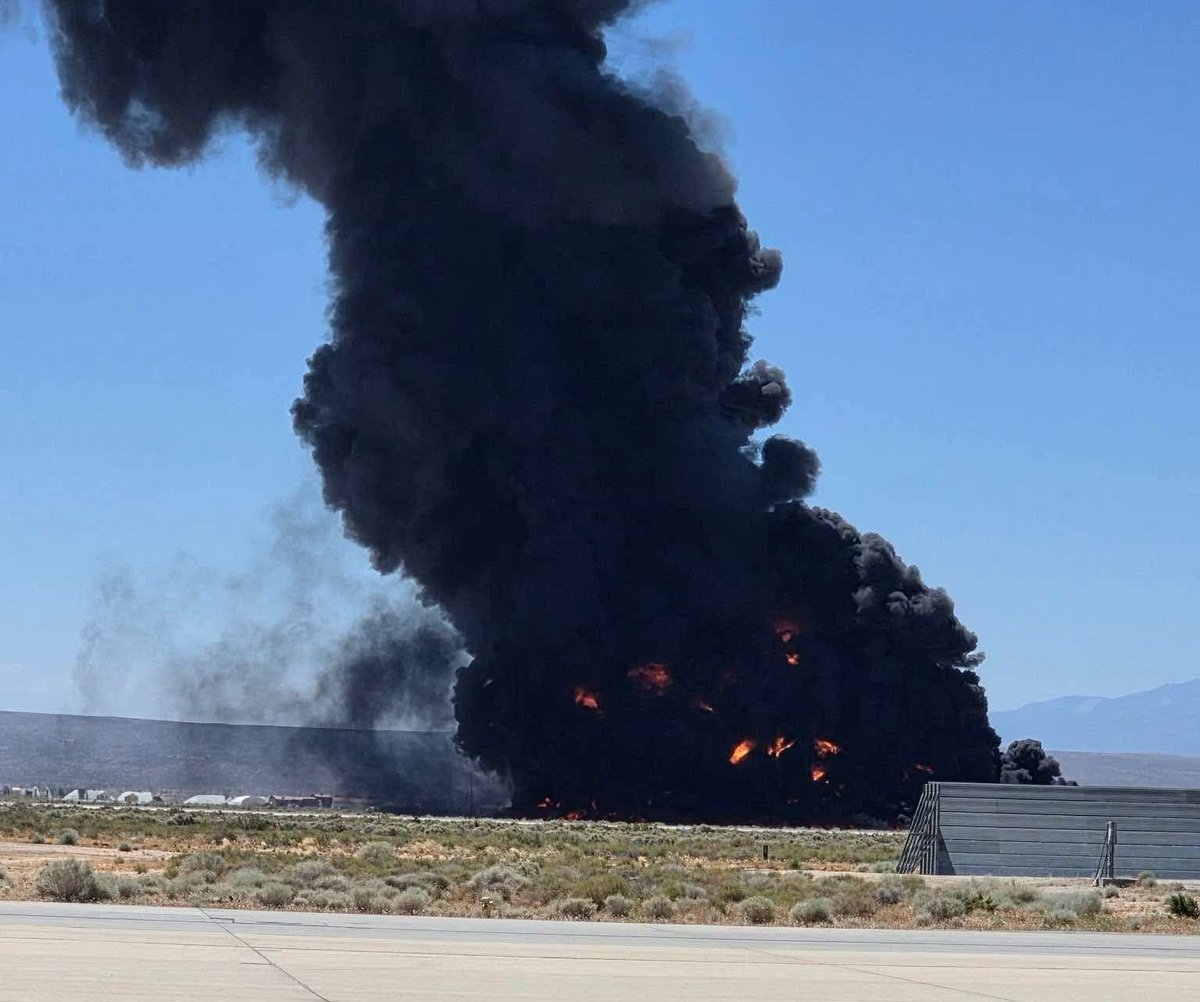
BREAKING: A U.S Air Force B-52 Stratofortress has crashed shortly after takeoff from Edwards Air Force Base.
Emergency crews immediately responded to the scene and the situation is ongoing.
63
509
2,569
169,528
₳NDRƎW \𝕏/ISHARDT 💙💛 retweeted

Jun 15
A380 putting on a show for the crowd!
📹: Richard Ellis
9
70
923
86,194

Lewis Hamilton becomes the first driver in F1 history to win races for McLaren, Mercedes, AND Ferrari 🏆
#F1 #BarcelonaGP

238
5,547
45,394
504,103
₳NDRƎW \𝕏/ISHARDT 💙💛 retweeted

Jun 14
🚨| Recent upgrades have turned the SF-26 into the highest downforce car on the grid. In Barcelona, this translated into reduced sliding, improved tyre management and particularly strong race pace.
Earlier in the season, Ferrari often struggled under high temperatures, but in Barcelona, the SF‑26 showed low degradation and consistent performance under thermal stress.
Loïc Serra and Diego Tondi have played central roles in overall vehicle development and aerodynamics.


35
286
6,453
146,409
₳NDRƎW \𝕏/ISHARDT 💙💛 retweeted

Jun 14
In the early hours of this morning, I directed our Armed Forces to intercept a shadow fleet oil tanker attempting to pass through the English Channel.
This successful operation delivers yet another blow to Russia and reminds those fueling Putin's war in Ukraine that we will not let them hide.
I want to thank those involved, including our Armed Forces and law enforcement officers who keep this country safe 24 hours a day, 365 days a year.
14,251
3,363
25,463
3,317,858
₳NDRƎW \𝕏/ISHARDT 💙💛 retweeted
Back to 1991, #pka #temperaturerising ‘music for the masses’, on stress recordings. 🫡🙌🏻
15
24
199
5,943
₳NDRƎW \𝕏/ISHARDT 💙💛 retweeted
Back to 1990 for this one, #asha #jjtribute the original mix, on beat club recordings. 🫡🙌🏻
12
35
195
5,529
₳NDRƎW \𝕏/ISHARDT 💙💛 retweeted
10
20
164
3,624
₳NDRƎW \𝕏/ISHARDT 💙💛 retweeted

Jun 12
Back to 1990, #pinknoise #gimmesomemore ‘energy’ on fourth floor recordings. 🫡🙌🏻
11
26
185
5,103
₳NDRƎW \𝕏/ISHARDT 💙💛 retweeted
Jun 13
Back to 1990, #liaisonsd #futurefjp on deconstruction recordings. 🫡🙌🏻
7
18
176
3,726
₳NDRƎW \𝕏/ISHARDT 💙💛 retweeted
Back to 1992, for this one, #davina #dontyouwantit on happy recordings. 🫡🙌🏻
7
15
145
3,809
Jun 11
1
₳NDRƎW \𝕏/ISHARDT 💙💛 retweeted

Jun 4
A rare insight into the stabilisation system of the Nike Ajax missile, deployed in the early Cold War around 1954 as part of the first operational radar-guided air defense network.
Inside the guidance unit, the core was a high-speed mechanical gyro assembly spinning at roughly 20,000-30,000 RPM, using precision-machined rotors and air or fluid bearings to maintain inertial reference under extreme launch vibration. This gyro did not guide the missile directly, it acted as the stable reference frame that converted ground radar commands into precise attitude corrections.
The missile itself used a powerful solid booster followed by a liquid sustainer, with cost per unit estimated in the $20,000, 1950s production scale for a system that could engage targets at 45 kms
Video Source:- Inert Ordnance
7
27
150
21,969
₳NDRƎW \𝕏/ISHARDT 💙💛 retweeted
Jun 7
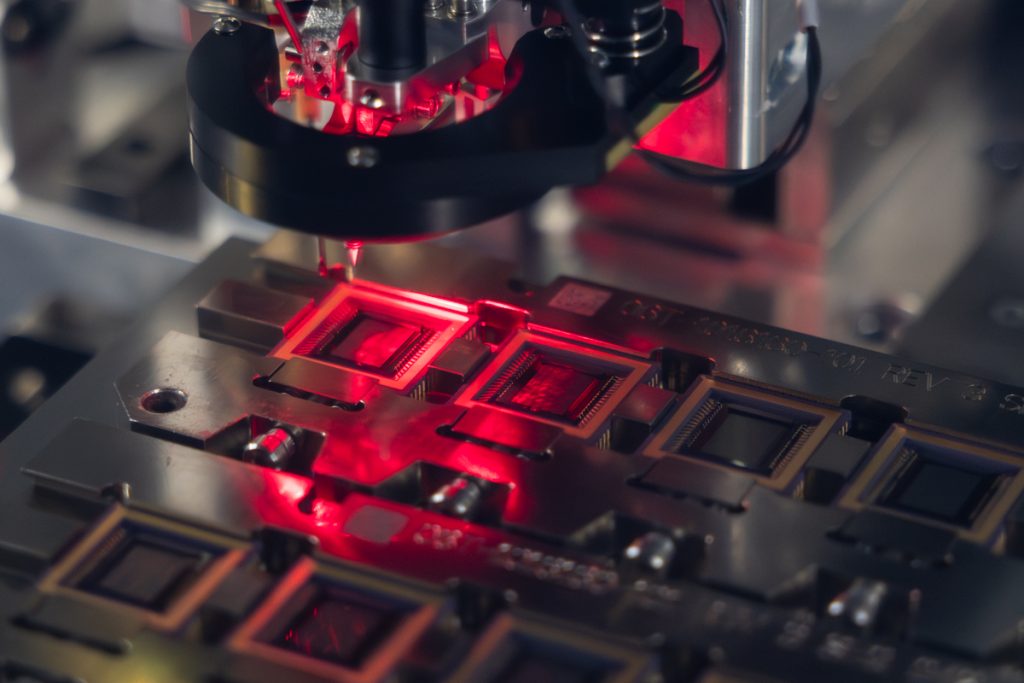
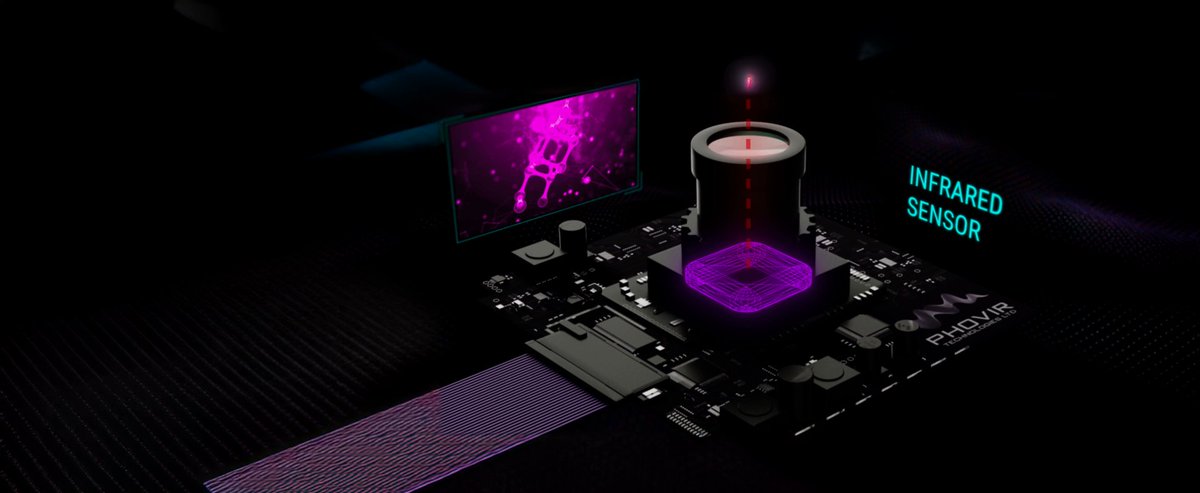
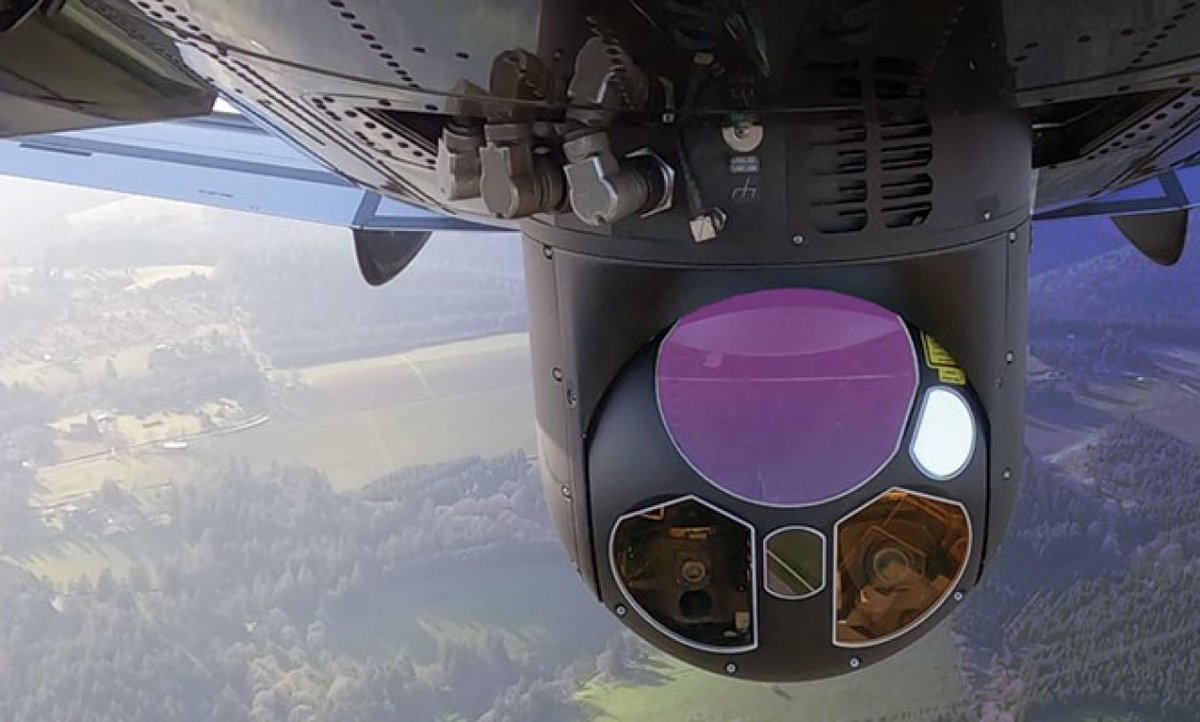
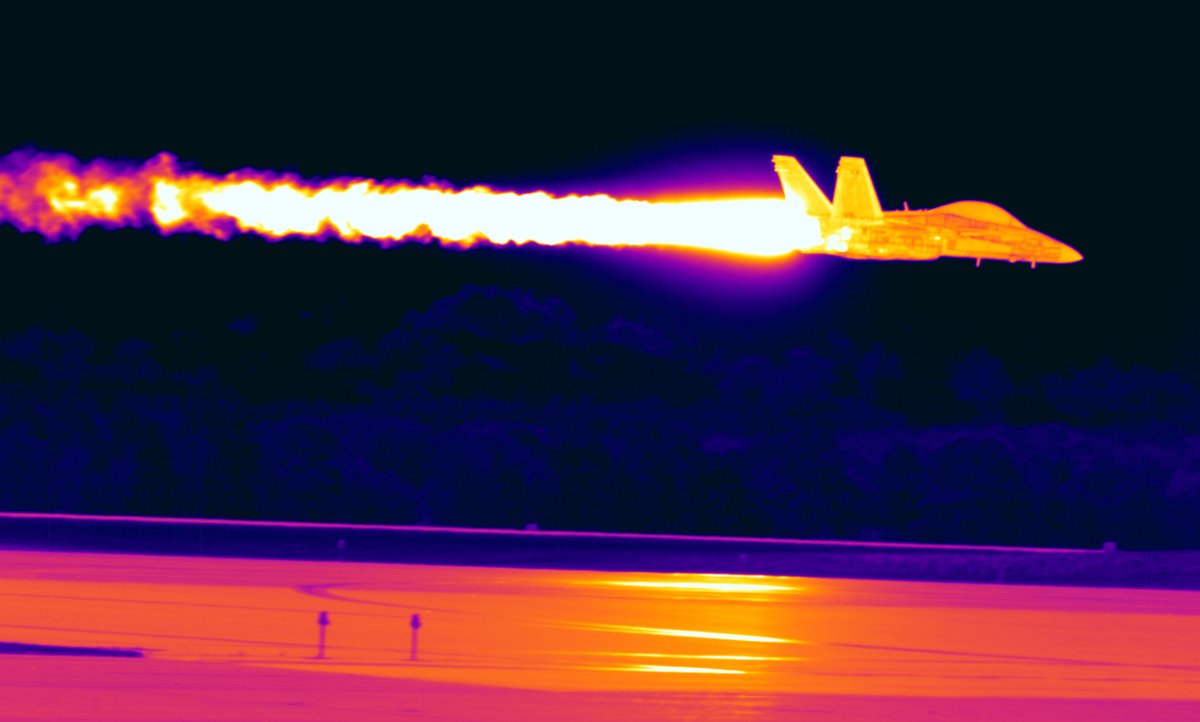
Thermal imaging systems operate by converting infrared radiation in MWIR (3-5 μm) and LWIR (8-14 μm) bands into electrical signals, enabling detection of temperature differentials as small as 20-50 mK in high-performance configurations.
Advanced systems rely on cooled infrared focal plane arrays built from materials such as mercury cadmium telluride, indium antimonide, and type II superlattices, where photon absorption generates charge carriers governed by precise bandgap engineering at the atomic composition level.
These detectors typically operate near 77 K using Stirling-cycle cryocoolers to suppress thermal noise, since noise rises exponentially with temperature and rapidly degrades signal-to-noise performance.
The primary manufacturing bottleneck lies in epitaxial growth of defect-free detector wafers using molecular beam epitaxy, where mercury cadmium telluride composition uniformity defines spectral response accuracy and even micron-scale lattice defects can disable entire pixel columns in arrays ranging from 640×512 to 1280×1024 resolution classes.
Optical subsystems use germanium, zinc selenide, or chalcogenide materials that must maintain sub-micron surface precision while managing thermal expansion mismatch across -40°C to 85°C operational environments. Cryogenic cooling introduces additional constraints because mechanical vibration from Stirling-cycle compressors couples directly into image stability and requires isolation at system level.
Modern performance is increasingly governed by signal processing rather than optics, with real-time algorithms performing non-uniformity correction, background subtraction, and multi-frame integration at 30-120 Hz, while atmospheric absorption, humidity, and emissivity variation continuously distort thermal contrast.
Detection ranges typically span 3-10 km for ground targets and can extend to 50 km for airborne targets under favorable conditions, strongly dependent on environmental and thermal contrast factors.
The critical failure in infrared systems progression begins with detector defect formation, evolves into pixel non-uniformity, then calibration drift, followed by thermal image degradation, and ultimately loss of target discrimination capability, making focal plane fabrication yield the central limiting constraint.
1
9
61
6,796
₳NDRƎW \𝕏/ISHARDT 💙💛 retweeted
Jun 8
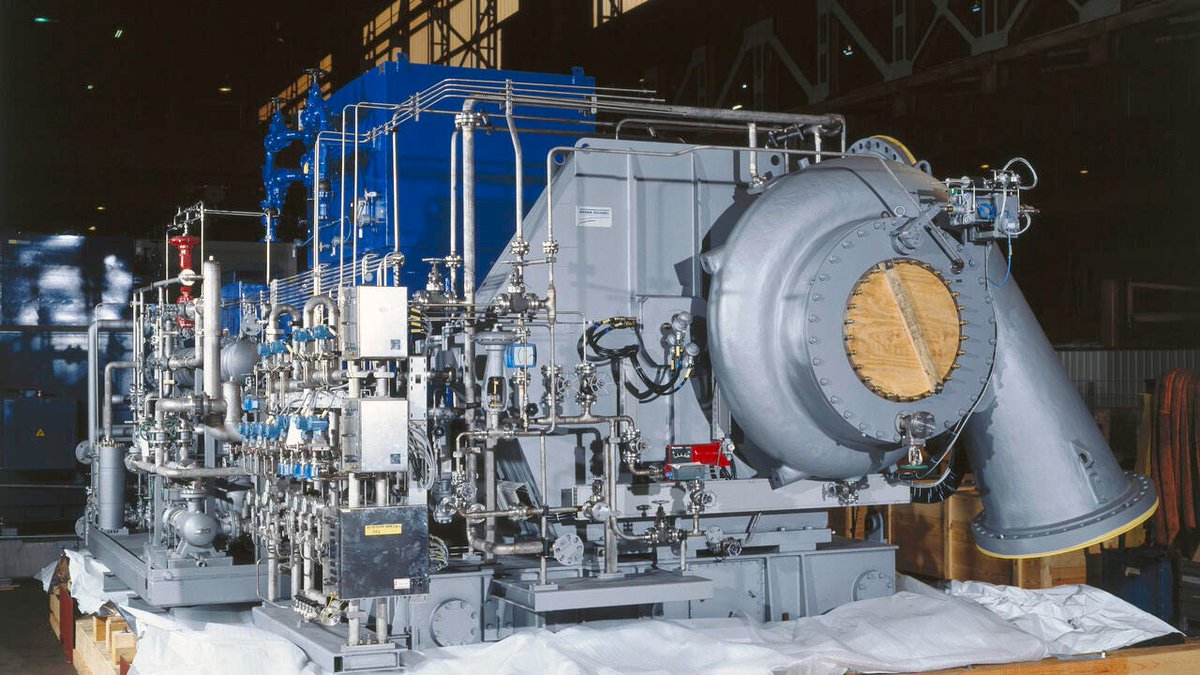
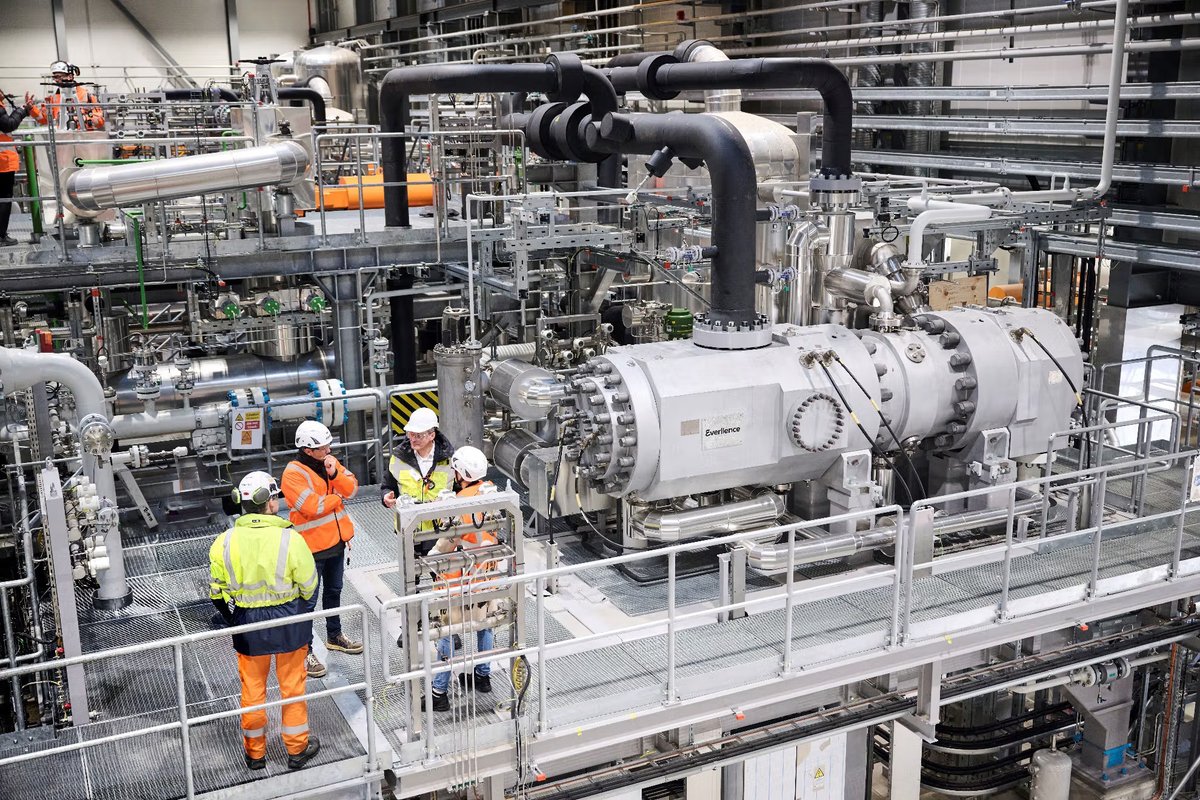
You cannot operate modern LNG plants, refineries, or long-distance gas pipelines without industrial compressors.
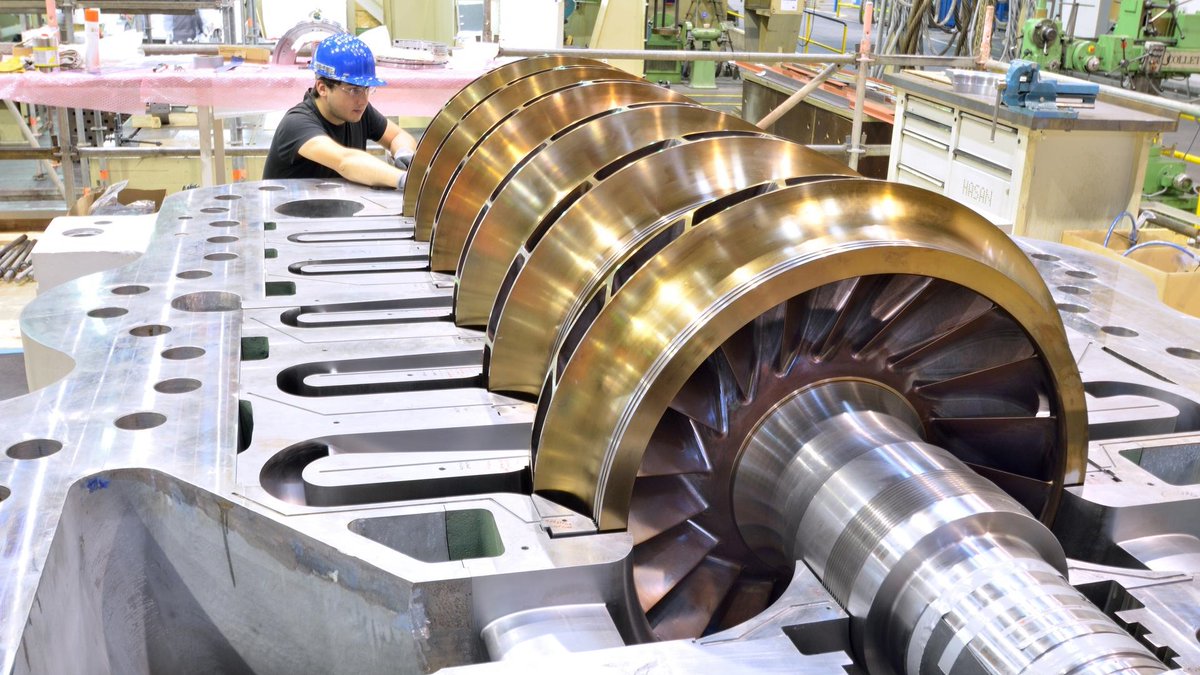
Every large-scale energy system ultimately depends on controlled gas pressurisation stages where throughput, stability, and efficiency are governed by continuous-duty turbo-machinery operating at multi-thousand RPM cycles.
At system level, infrastructure is therefore constrained not by turbines or pipelines themselves, but by compressor trains that determine whether flow can be sustained at industrial scale.
This capability converges into a narrow physical bottleneck, high-speed rotor stability under micron-scale clearances, where impellers rotating at 3,000-30,000 RPM generate tip speeds of 250-600 m/s while maintaining aerodynamic efficiency across multi-stage pressure rise architectures.
Even micrometer-level imbalance in rotor stacks amplifies through bearing coupling, forcing operation near mapped stability boundaries defined by rotordynamic engine-modes and damping limits.
The constraint reduces further into fluid film and structural interfaces, where journal bearings sustain shafts on oil films 10-100 μm thick, or magnetic bearings actively stabilize rotor position through feedback-controlled electromagnetic fields.
At these speeds, instability modes such as surge and rotating stall introduce nonlinear flow breakdown, where compressor stages can shift from steady compression into flow reversal within milliseconds. This is intensified by sealing systems, since dry gas seals must maintain leakage control under extreme pressure gradients while preventing wear-driven clearance drift over 20,000-40,000 operational hours.
Material systems reinforce the same constraint, as impellers forged from stainless steels, titanium alloys, or nickel-based alloys must resist fatigue, corrosion, and hydrogen or CO₂ embrittlement under cyclic thermal conditions ranging from cryogenic intake to 150-200°C discharge environments.
Manufacturing complexity is dominated not by component fabrication but by full rotor dynamic integration, aerodynamic stage matching, and high-speed balancing validation, where each compressor behaves as a uniquely tuned machine rather than a mass-produced unit.
The dominant constraint is not compression capacity, but long-term preservation of rotor dynamic stability and sealing integrity, where micron-scale deviations in geometry, film behavior, or vibration phase alignment determine whether decades-long continuous operation remains stable or collapses into cascading mechanical instability in these million dollar machines.

2
40
272
28,862
₳NDRƎW \𝕏/ISHARDT 💙💛 retweeted
Jun 8
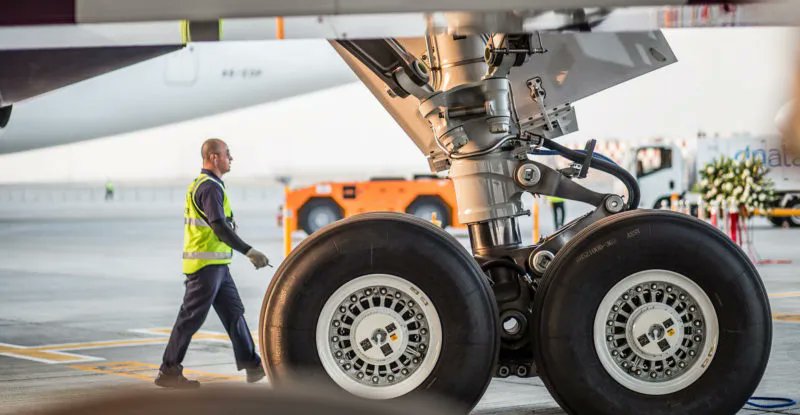
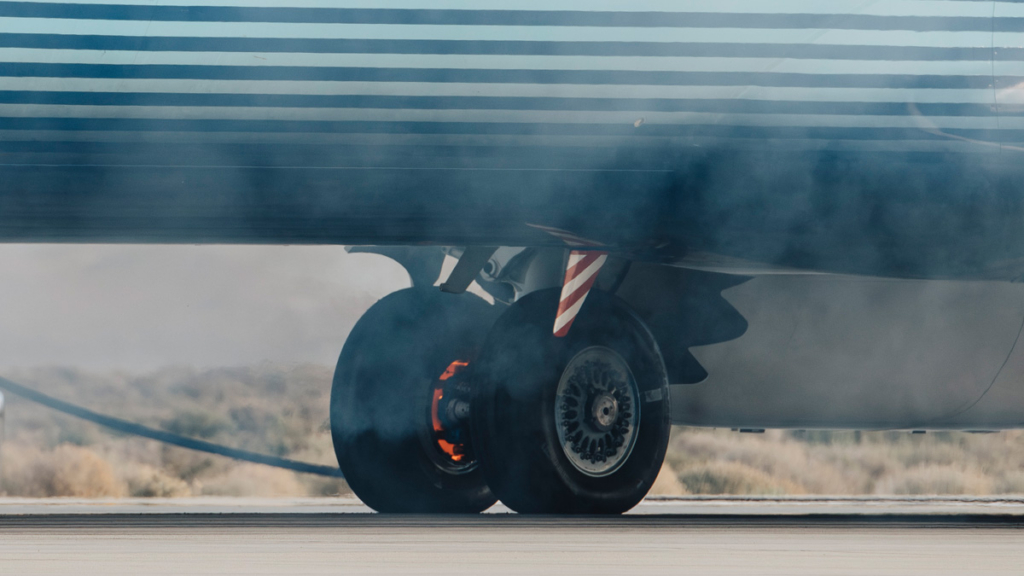
Commercial aircraft braking systems operate as high-energy thermal conversion interfaces that repeatedly absorb landing kinetic energy in the 100 MJ to >1 GJ range per touchdown, depending on aircraft mass 50,000-350,000 kg and landing speeds of 65-85 m/s (235-305 km/h).
The governing constraint is not friction force but stable thermal absorption and heat dissipation across repeated high-energy cycles without loss of friction stability or structural integrity.
The global supply of certified aircraft braking systems is dominated by Safran Landing Systems and Honeywell Aerospace, which integrate brake assemblies directly into Airbus and Boeing landing gear architectures as tightly certified, lifecycle-controlled subsystems with multi-year qualification cycles due to safety-critical redundancy requirements.
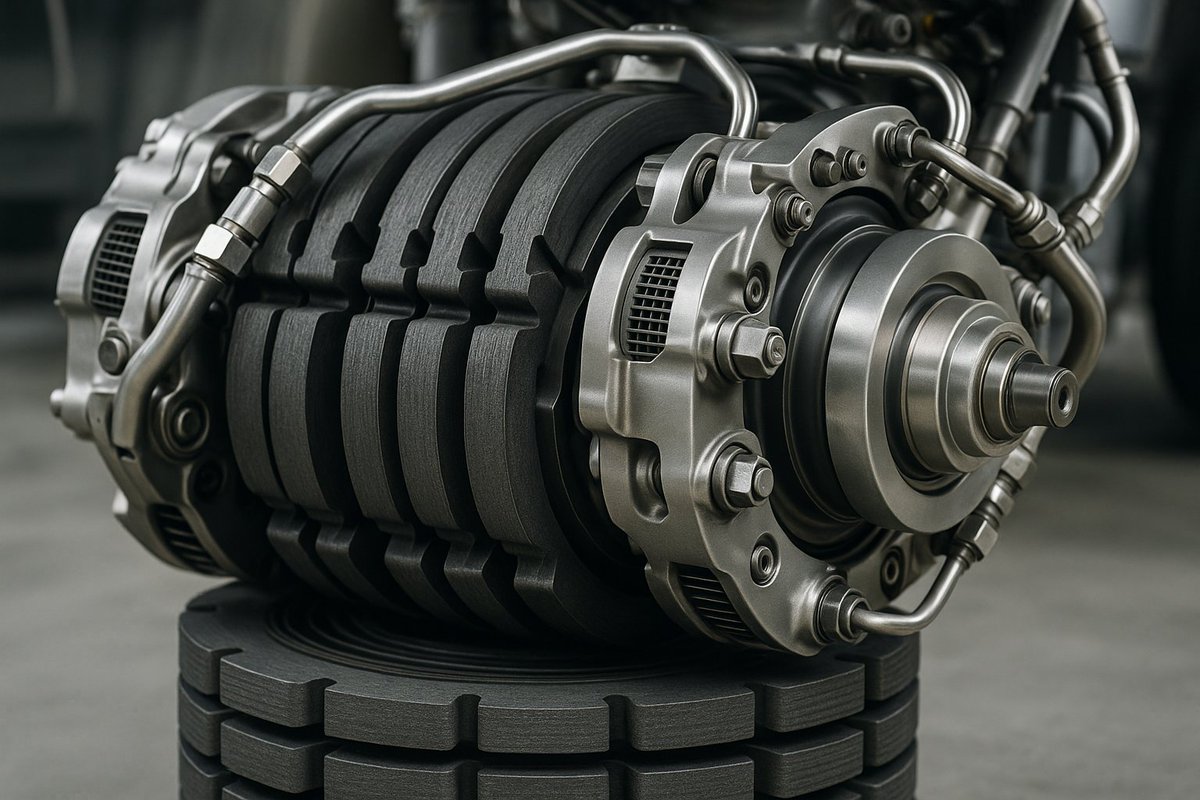
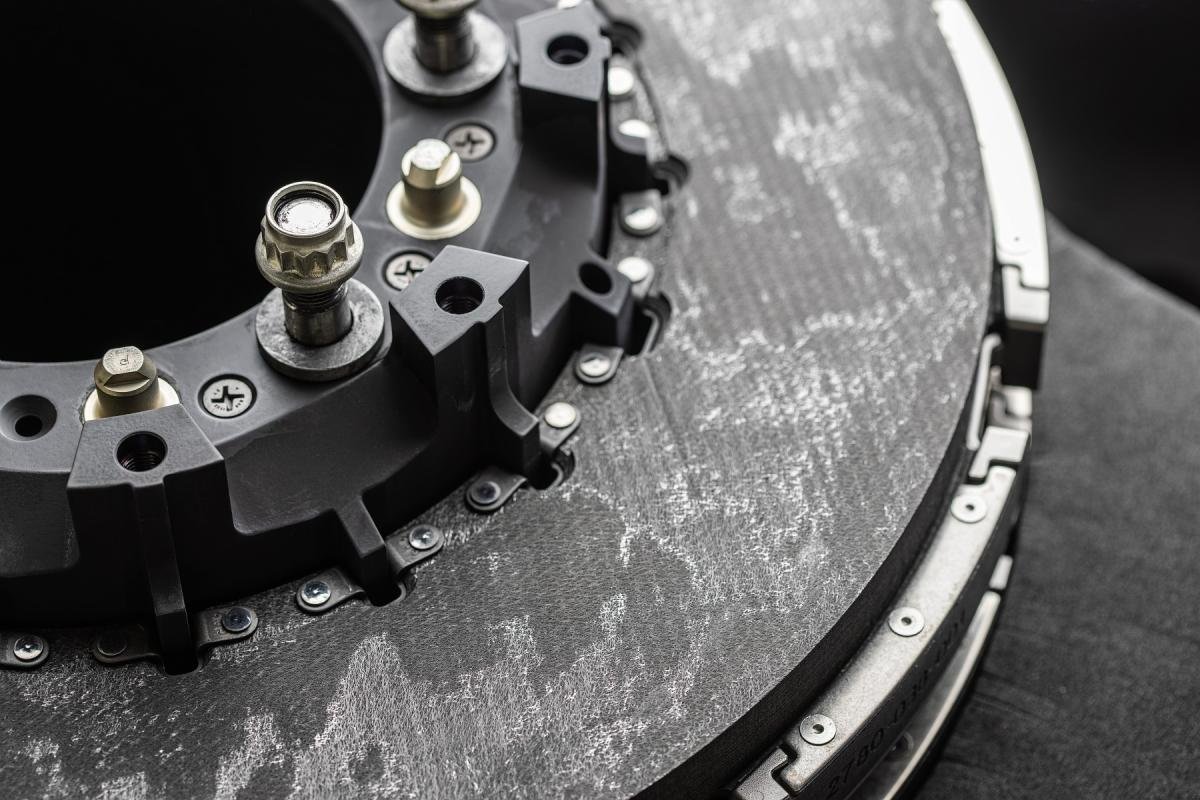
Modern systems use carbon–carbon composite multi-disc stacks, typically configured as 8-20 alternating rotor and stator discs per wheel. These materials are produced via high-temperature pyrolysis and repeated densification cycles forming a graphite-rich matrix capable of maintaining stable friction under extreme thermal gradients.
Operating temperatures are typically 400°C, with localized hotspots reaching 600-1000°C during rejected takeoff or maximum braking events. Hydraulic actuation systems operate at 2000-3000 psi (140-210 bar) and are coupled with anti-skid electronic control systems that modulate pressure within milliseconds to prevent wheel lock and optimize stopping performance under varying runway conditions.
Lifecycle performance is measured in braking cycles rather than time, with carbon brake stacks typically lasting 1,000-2,000 high-energy landings before overhaul or replacement depending on aircraft class and duty profile.
Degradation is nonlinear, accelerating under rejected takeoff conditions where thermal load rapidly consumes usable life through oxidation-driven wear and microcrack propagation.
Cost structure reflects certification and material complexity, with narrow-body brake assemblies ranging 15,000-50,000 USD per wheel position and wide-body systems reaching 50,000-150,000 USD.
Across an aircraft, braking systems form a multi-million-dollar lifecycle-critical subsystem. The dominant constraint is long-term carbon microstructure stability under repeated extreme thermal cycling, where friction consistency, oxidation resistance, and controlled heat dissipation determine whether the system sustains thousands of landings or transitions into progressive thermal-mechanical failure.
1
23
155
15,093