Postdoc| PhD@NII |Imaginative thinker| Research@ Oncology|DNA damage|Transcription |Metabolism ©Innovation is discovering science beyond vision©
Joined October 2014
- Tweets 297
- Following 96
- Followers 111
- Likes 2,879
39 Photos and videos


Pinned Tweet

3 Jul 2023
As joint First Author, our recent publication @NatureBJC @BrJCancer. HDAC5's regulation of SATB1 impacts epigenetic remodeling of TSGs, underscoring their crucial connection in driving a malignant phenotype.
nature.com/articles/s41416-0…
4
8
2,488
Jun 14
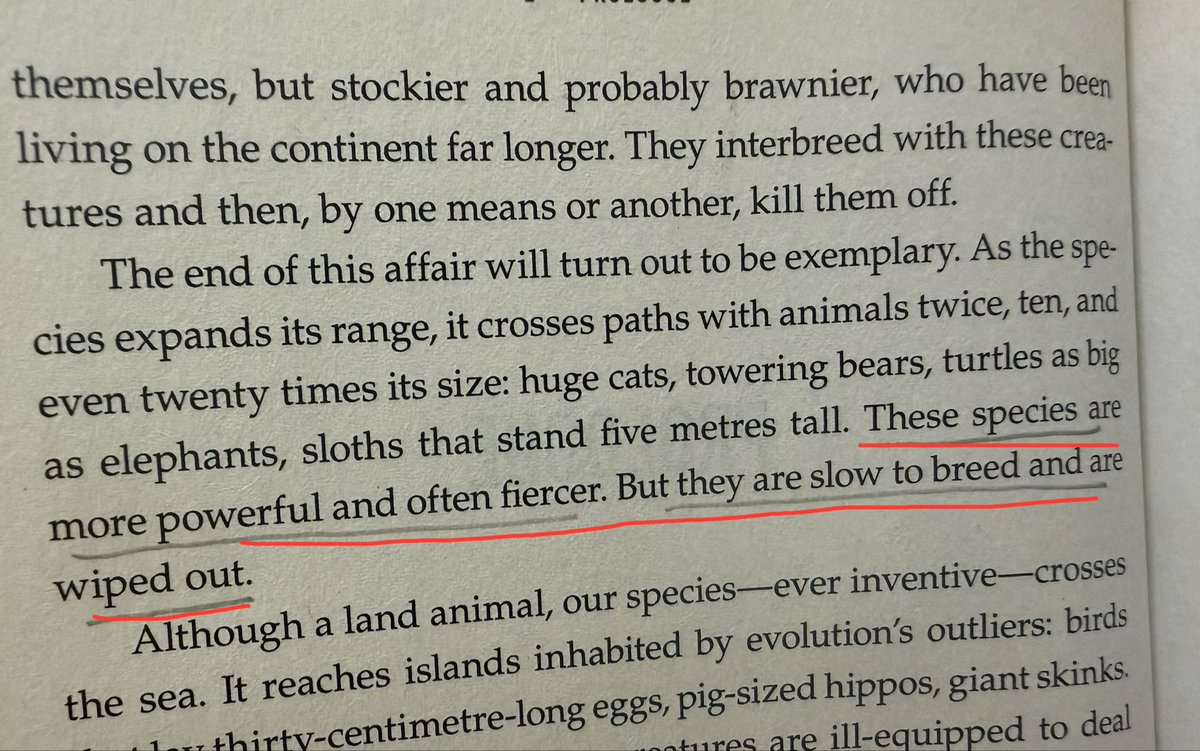
An example from evolutionary biology that
Big and powerful don’t always win-adaptable does.
And history keeps repeating in different ways. #reasons for species extinction.
1
25
Apr 9
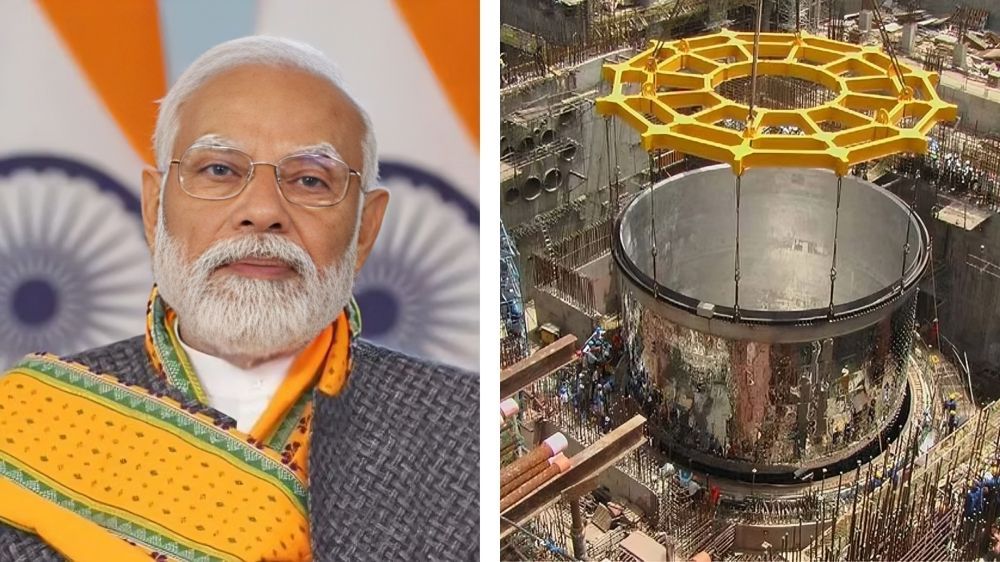
Proud! 🇮🇳# Homi bhaba#Unlimited energy👏.

🚨 India achieved a long-awaited milestone in its civil nuclear energy program as the country's most advanced atomic reactor, the Prototype Fast Breeder Reactor (PFBR) at Kalpakkam in Tamil Nadu, attained criticality. 👏
1
64
10 Oct 2025
Well deserved Nobel Peace Prize 🥳Congratulations Maria.
10 Oct 2025

WATCH LIVE: Join us for the 2025 Nobel Peace Prize announcement.
Hear the breaking news first – see the live coverage from 11:00 CEST.
Where are you watching from?
#NobelPrize
x.com/i/broadcasts/1BdGYZmDd…
113
6 Oct 2025
Again to the field of immunology. 2025- Nobel! Congratulations to all the laureates😊🥳🥳
6 Oct 2025
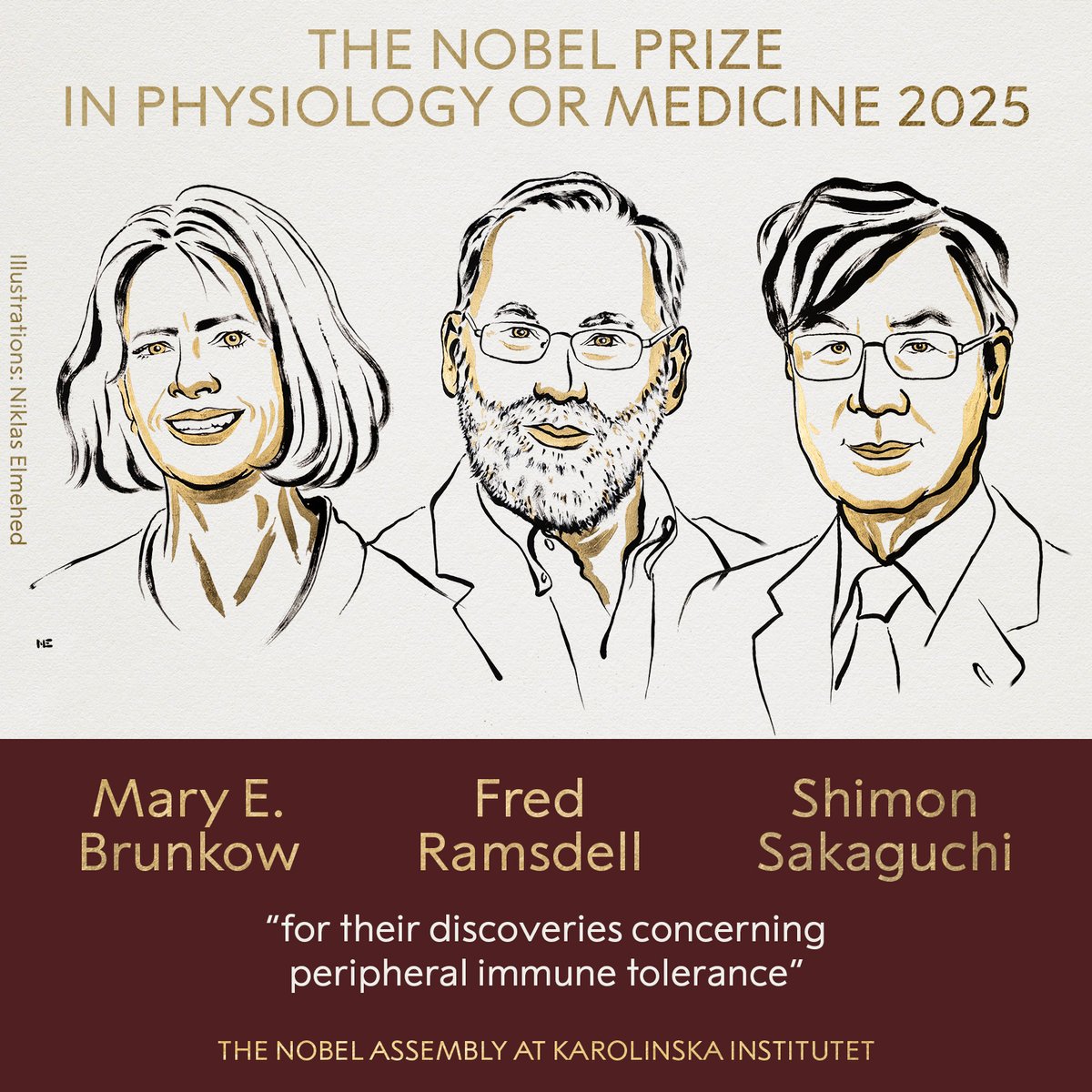
BREAKING NEWS
The 2025 #NobelPrize in Physiology or Medicine has been awarded to Mary E. Brunkow, Fred Ramsdell and Shimon Sakaguchi “for their discoveries concerning peripheral immune tolerance.”
1
84
16 May 2025
In the age of love and wedding flair,
I'm pairing up mice—what an odd affair.
While lovebirds court with charm and spice,
I'm busy matchmaking lab-grown mice
No dates, no rings, no wedding rice—
Just edited genomes in lab-born mice.
#Researchtales 😌
3
148
19 Oct 2024
Our publication @ScienceAdvances reveals the mechanism behined the PARP1 dual function and why Olaparib monotherapy is enffective due to an active transcriptional axis. Combined inhibition of both axis cause an effective reduction of tumor growth.
science.org/doi/10.1126/scia…
6
11
915
8 Oct 2024
This was as expected...The era of machine learning. Congratulations to physics laureate 🎉.
8 Oct 2024
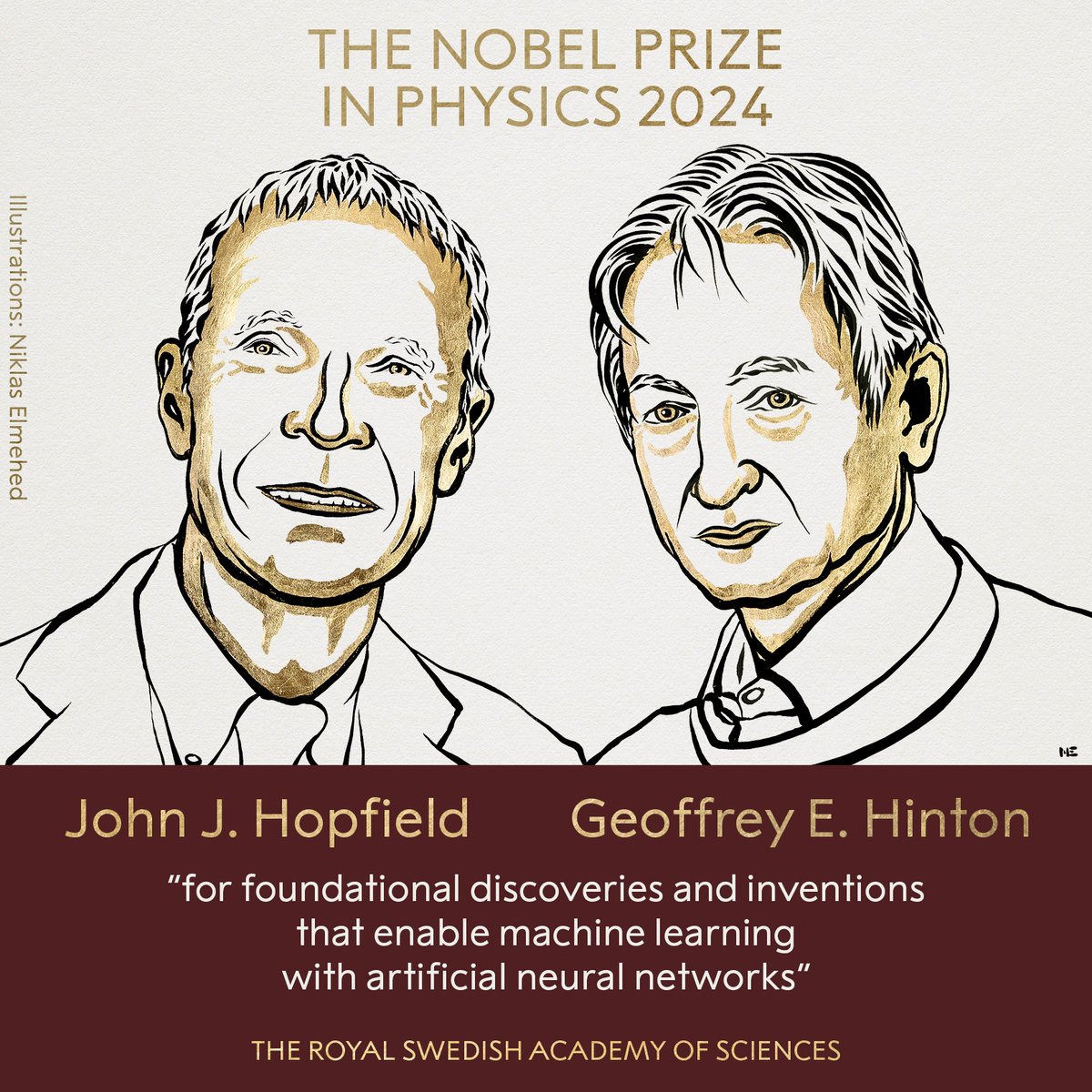
BREAKING NEWS
The Royal Swedish Academy of Sciences has decided to award the 2024 #NobelPrize in Physics to John J. Hopfield and Geoffrey E. Hinton “for foundational discoveries and inventions that enable machine learning with artificial neural networks.”
324
Witty Tyagi retweeted

22 Sep 2024
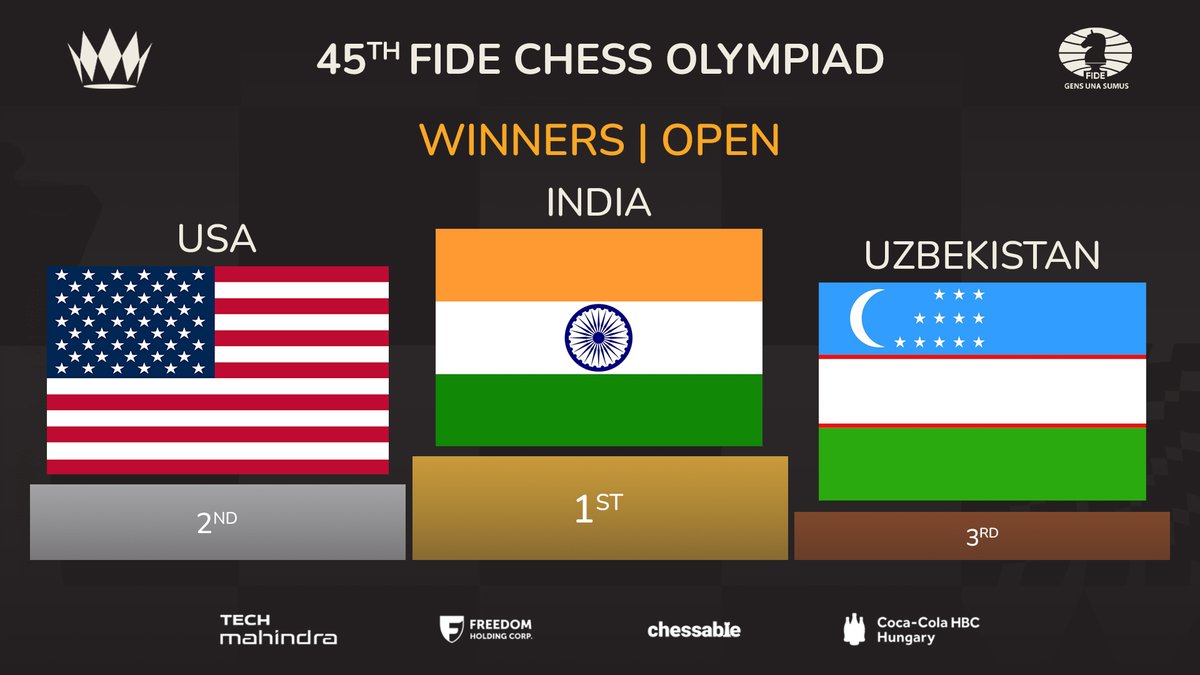
The 45th FIDE #ChessOlympiad is in the books!
Congratulations to the winners! 👏👏
🥇 India 🇮🇳
🥈 United States of America 🇺🇸
🥉 Uzbekistan 🇺🇿
63
1,610
10,846
244,761
Witty Tyagi retweeted

31 Jul 2024
Beautiful work discovering neuronal regulation of #ependymoma through histone serotonylation by the Twitter-less Ben Deneen! #CancerNeuroscience
nature.com/articles/s41586-0…
2
24
127
9,974
26 Jun 2024
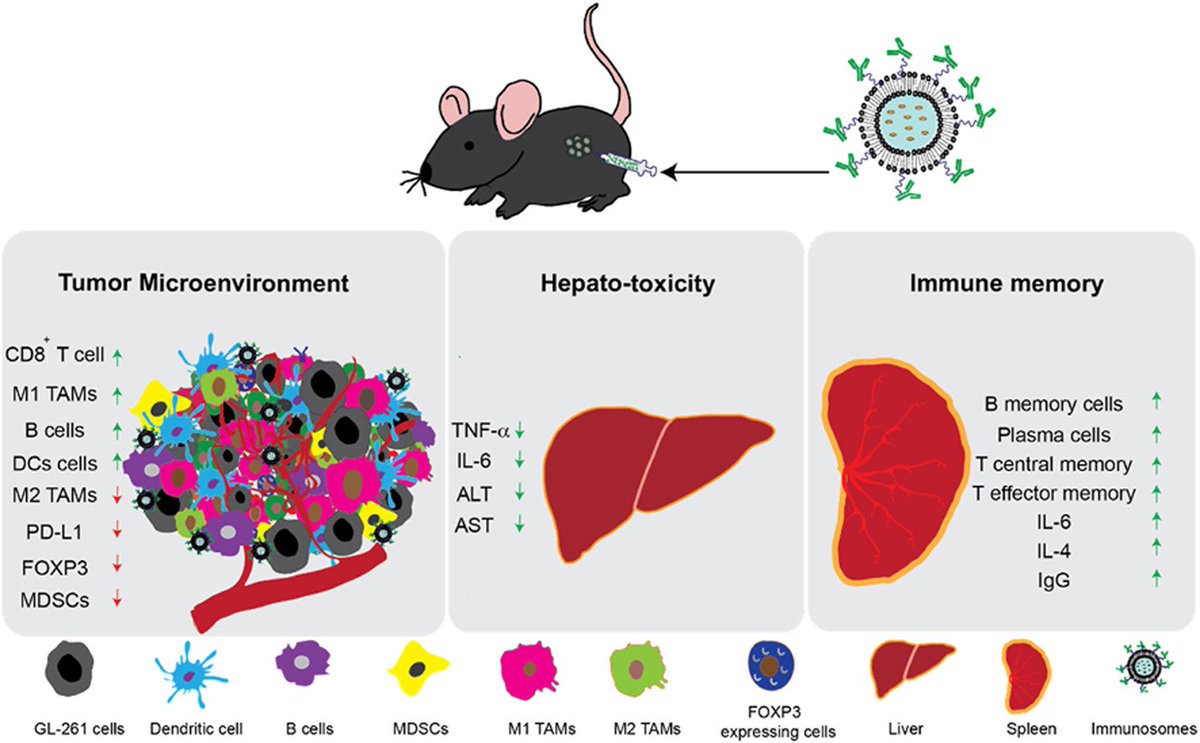
Happy to contribute to the opportunity in immunology field provided by my PhD guide.
CD40 agonist engineered immunosomes modulated tumor microenvironment a... sciencedirect.com/science/ar…
9
766
Witty Tyagi retweeted

22 Jun 2024
A supermassive black hole in galaxy SDSS1335 0728 has lit up, possibly giving astronomers a look at how such beasts are awakened.
sciencenews.org/article/supe…
3
20
73
18,803
Witty Tyagi retweeted

3 May 2024
A hand warmer generally contains a supersaturated solution of sodium acetate which releases heat upon crystallization when a nucleation center is formed by pressing on the metal disc.
186
1,197
15,833
9,788,775
Witty Tyagi retweeted

1 May 2024
CODA day!
The CODA team at @JohnsHopkins maps pancreatic precursor lesions in 3D and at single-cell level. First 3D spatial genomic maps of large tissue samples. A human pancreas contains a staggering ~1000 lesions, some showing multifocality.
Here: nature.com/articles/s41586-0…
21
101
344
74,271
Witty Tyagi retweeted

27 Apr 2024
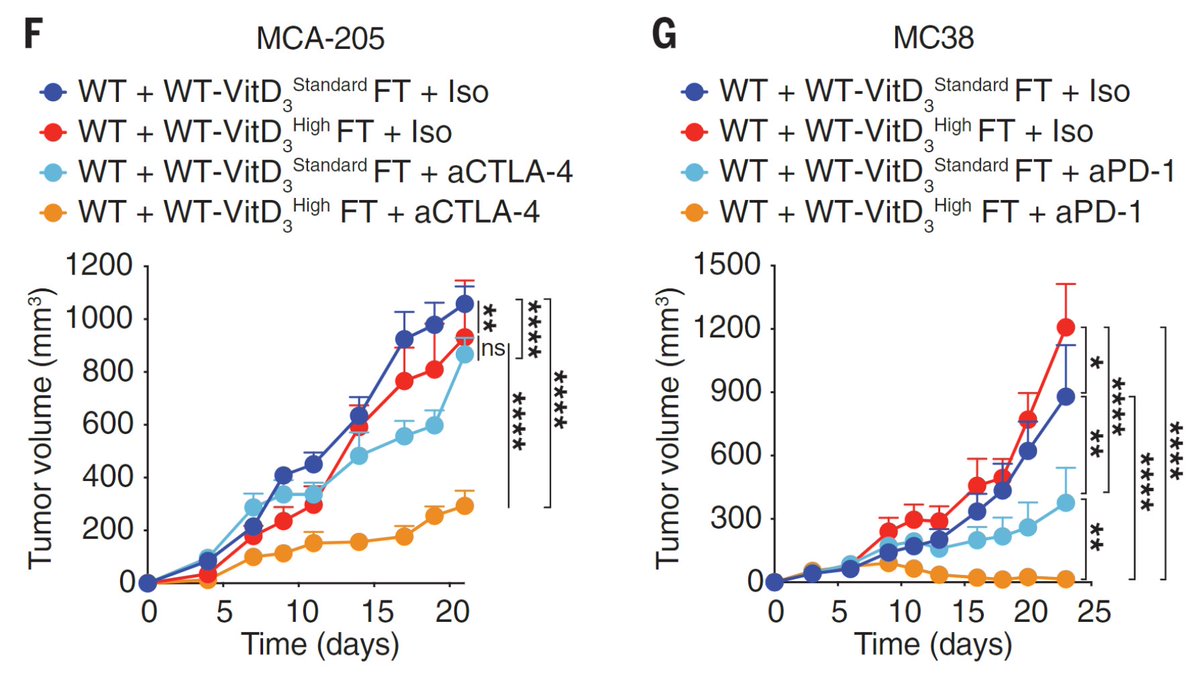
Immune checkpoint inhibitors, like anti-PD-1 and anti-CTLA-4, are effective against cancer, but not all patients respond
How could the response be improved? Here's an idea from this week's issue of Science
Giampazolias et al. found that feeding mice a diet high in vitamin D enriched the microbiome with a specific bacterium, Bacteroides fragilis
If these vitamin D-enriched microbiomes were transplanted into new mice (via a fecal transplant, FT), they enhanced the activity of anti-CTLA-4 or anti-PD-1 therapy against tumours:
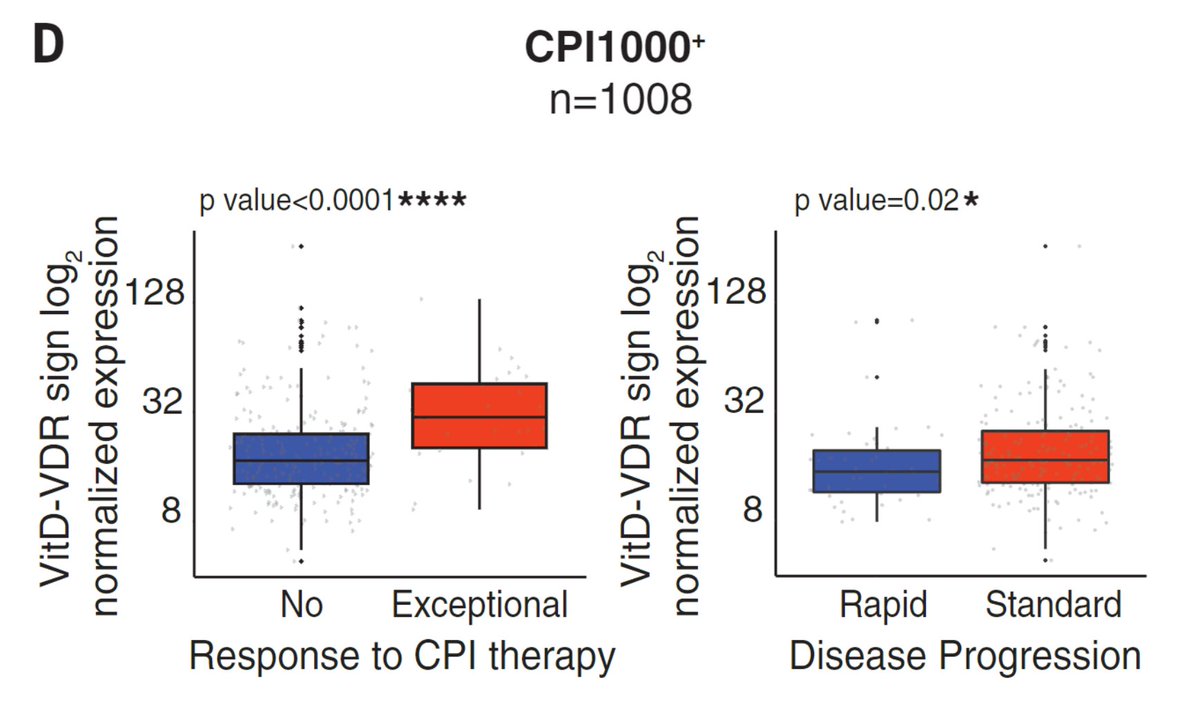
In humans, high levels of genes controlled by vitamin D and its receptor (VDR) correlated with better response to checkpoint inhibition (CPI) by anti-PD-1 and anti-CTLA-4:
What this suggests is that supplementing with vitamin D, a vitamin D-enriched microbiome, or Bacteroides fragilis itself, could enhance the antitumour immunity of checkpoint inhibitors - although this (to my knowledge) is yet to be directly tested in humans
One question that arises: if the activity of anti-PD-1/anti-CTLA-4 against the tumour is increased, are there also more immune-mediated adverse events (e.g., inflammatory or autoimmune)?
Here's the study: science.org/doi/10.1126/scie…
8
66
258
62,532
23 Apr 2024
A thoughtful study from Zong et al. p53 lactylation from microenvironment suppresses it's activity promoting tumorigenisis. Amino acid (B-alanine) supplements from outside blocks this modification thereby increasing mouse survival.
cell.com/cell/abstract/S0092…
1
122
6 Apr 2024
First Summer'24 cooling Mango drink#all it takes to be happy#Love Mangoes🥰.
3
169
Witty Tyagi retweeted

27 Mar 2024
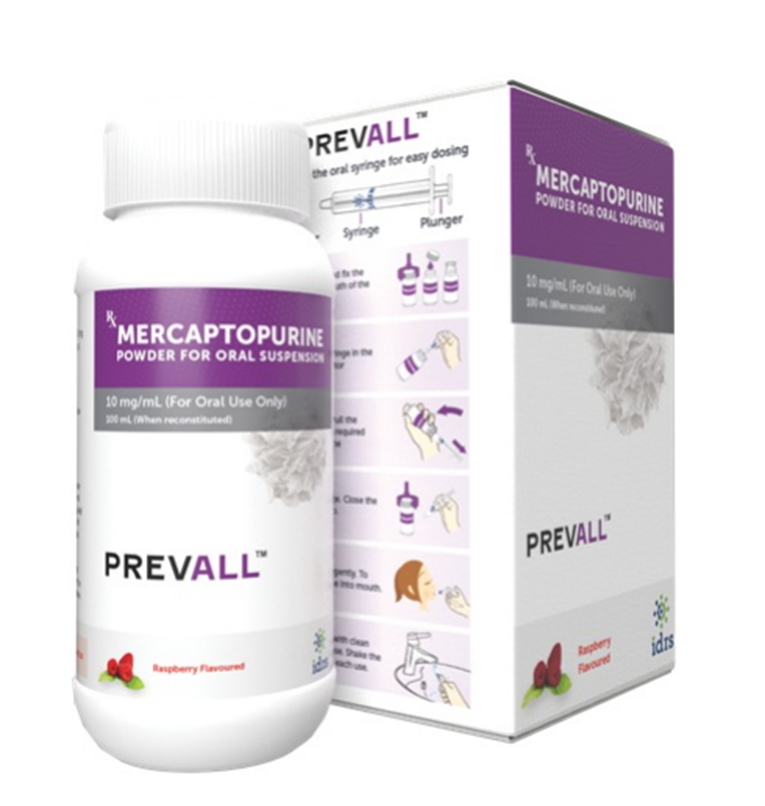
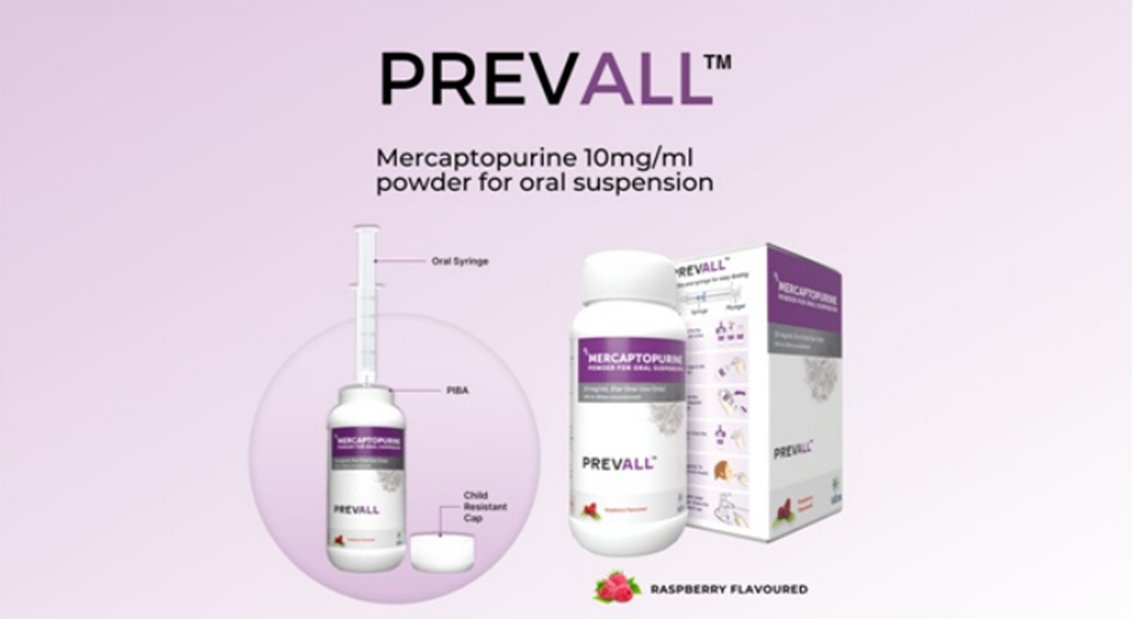
Excited to back PREVALL, India's 1st oral chemo for pediatric leukemia, by ICMR-CARE @ACTREC_TMC, in collab with @idrslabs. At about 1% cost of current available liquid formulations in US (Rs 1500 vs. Rs 1,27,000), it's a game-changer!
4
69
151
11,125
26 Mar 2024
88
25 Mar 2024
Before Tesla# 1912 Baker.

95