
Meme Coins and Nfts lover | My crypto channels t.me/WizzyTrades & t.me/WizzyCasino | Premium subs get the complete daily market deep dive
Joined December 2021
- Tweets 400,259
- Following 88,091
- Followers 85,031
- Likes 405,029
7,912 Photos and videos












Pinned Tweet

Apr 25
PREMIUM ALPHA $15/month - Subscribe via X
An institutional-grade signal feed for traders who want to track the data driving the market in real-time.
I aggregate professional data sources, filter the noise, post only what moves markets.
WHAT YOU GET
🔒 Daily Alpha Digest at 20:00 UTC
6-8 signals not in the public feed
📅 Calendar Previews
Scenarios for high-impact events, 24h ahead
🔍 Sunday Deep-Dive
Weekly operational thesis
📊 Monday Market Watch
Week ahead: scheduled events emerging narratives
⭐️Subscriber Badge
Your replies show a badge next to your username, visible under every post
Built for traders who take information seriously
x.com/WizzyOnChain/creator-s…

56
3
94
7,452
16m
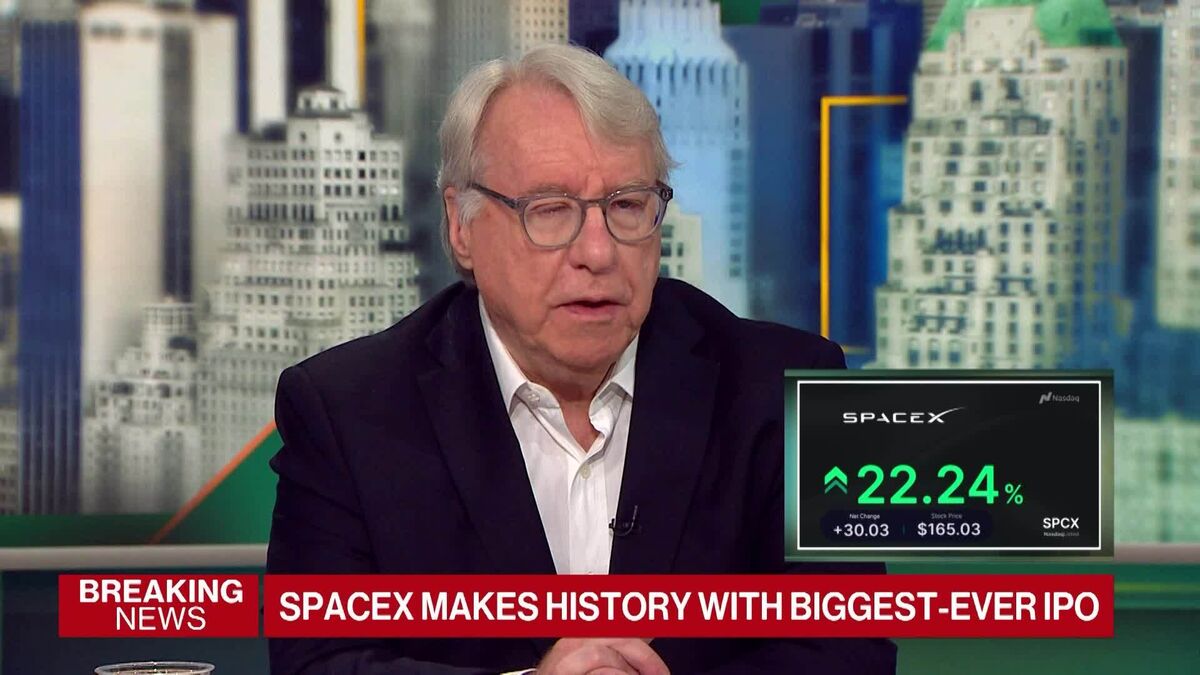
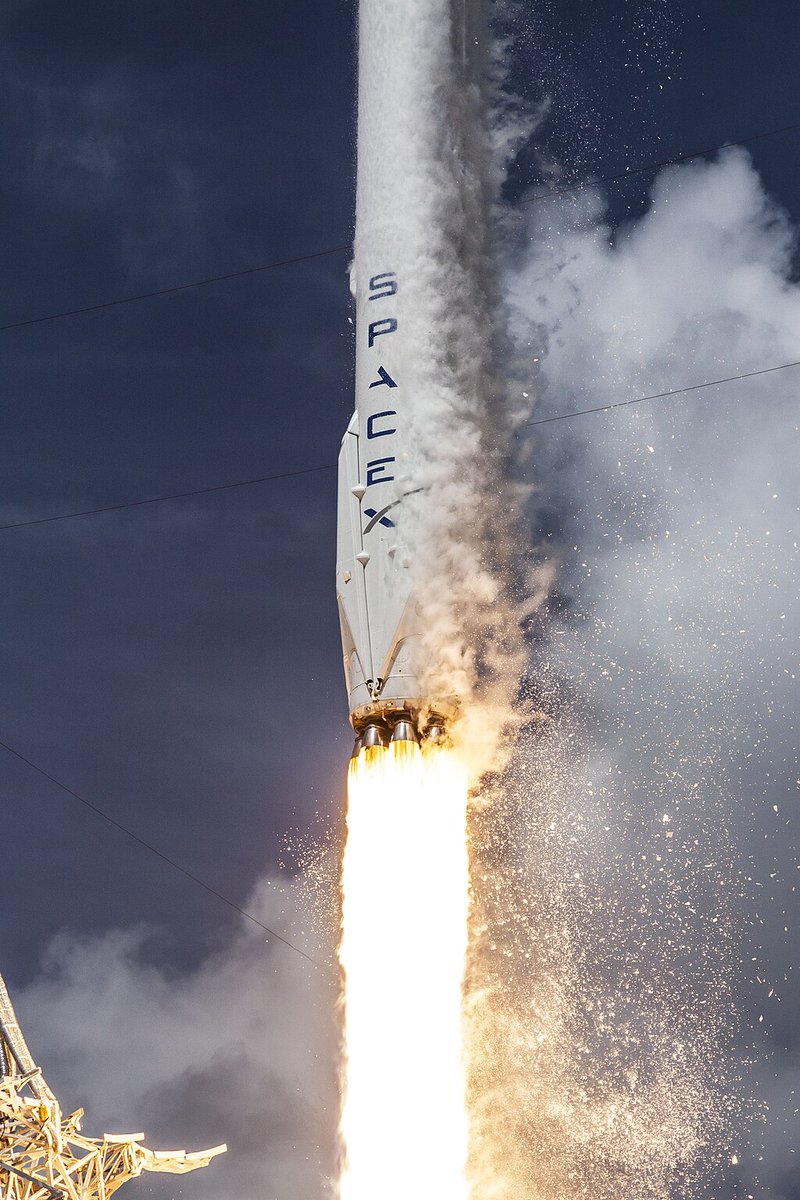
The math on managing SpaceX wealth: a 1% error = $10,000,000,000 gone.
No fund in history has managed a single position this size.
4
4
57
Hester Peirce just gave her farewell speech at the SEC. Titled 'Peirce Out.' The most pro-crypto voice at the commission is leaving.
1
6
184
That leaves the SEC's crypto-friendly bloc significantly thinner. Acting Chair Atkins has made the right noises, but Peirce was the one with a consistent 5-year paper trail backing it.
1
70
The internal divide she highlighted in her speech is the real story. The SEC still doesn't agree on what crypto IS, let alone how to regulate it. That uncertainty doesn't disappear with a new chair.
45
JUST IN: 🇮🇳 India's income tax department sent 44,000 crypto tax notices, uncovering $104,000,000 in undisclosed income.
44,000 taxpayers. One sweep.
10
1
11
546
16h
JUST IN: 🇮🇹 Italy raises crypto capital gains tax to 33%, effective January 1, 2026.
Up from 26%. One of the highest rates in the EU.
2
3
161
18h
BREAKING: $90,000,000,000 flowed through leveraged ETFs in a single day. That's a record.
2
6
222
18h
The last time leverage stacked this fast across ETF markets was March 2020 and August 2024. Both saw forced deleveraging within days. Same setup, bigger size.
1
1
71
18h
Record leverage flow doesn't mean crash is imminent. It means the margin for error just got smaller. One bad day can trigger cascading liquidations across the whole stack.
1
35
19h
JUST IN: dYdX now accepts Apple Pay, Google Pay, and card deposits directly on-chain.
Fiat to DeFi in one tap.

2
5
132
20h
Nasdaq 100 volatility streak just hit its longest run since August 2024. VXN up 49%.
Last time this happened, crypto didn't escape the turbulence.
2
1
3
104
23h
SpaceX IPO. Then OpenAI. Then Anthropic.
Three companies that could each cross $1,000,000,000,000 in valuation, back to back.
Retail probably won't get in on any of them.

2
7
141
Jun 13
The math: Bittensor subnet registration just jumped 6.5x to 1,500 $TAO.
AI demand is real. So is the centralization risk, only well-funded players can afford the door.
4
4
163
Jun 13
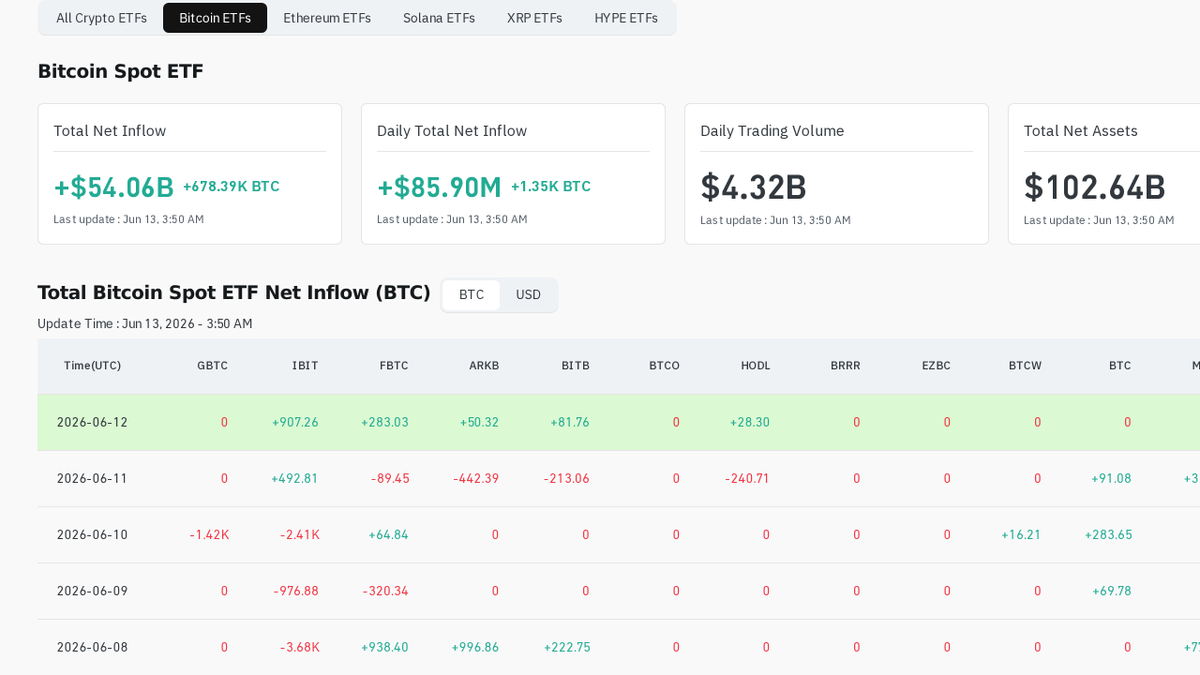
Wall Street didn't just buy $BTC. It rewired it.
ETFs and institutional derivatives have shifted Bitcoin's volatility structure and liquidity profile, per Deribit Insights. The retail-driven vol spikes that defined 2020-2021 are getting harder to replicate.

4
7
110