
Brainchild of @RachelintheOC aka @BadRedheadMedia! Supporting, inspiring, sharing #women and our stories. You matter #EmpowerWomen #Feminism #GoodVibes
- Tweets 91,633
- Following 1,084
- Followers 1,398
- Likes 6,253





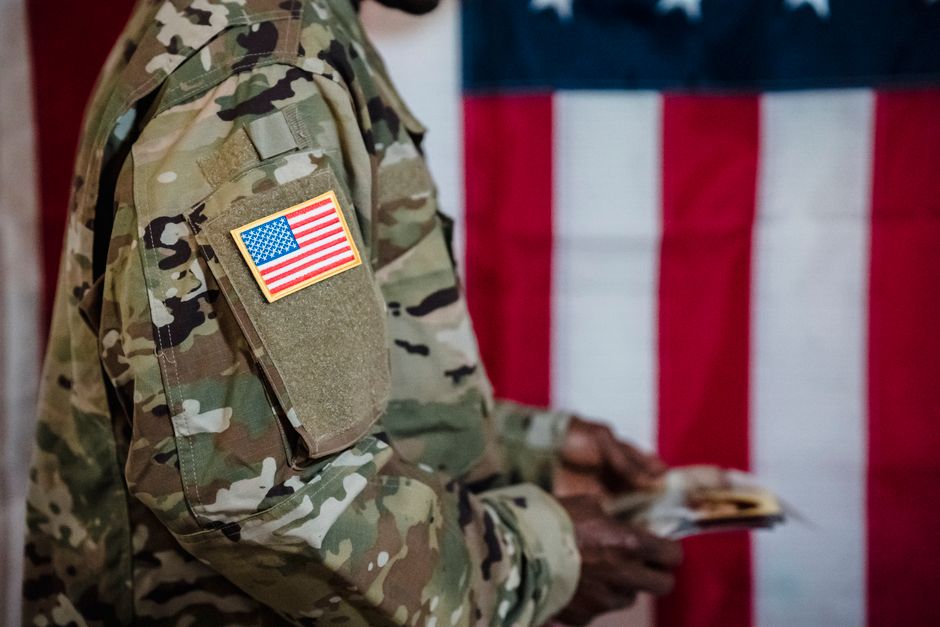
ALT 🔵 Why I Donate All My Book Profits to the Wounded Warrior Project | @WorkedForMeBook https://seizingopportunitydaily.substack.com/p/why-i-donate-all-my-book-profits Ever since the publication of my memoir, people have occasionally asked why I chose to donate all book profits to the @WWP. Here's why... #MondayBlogs


ALT Do Traditional Publishers Market Your Book for You? Here’s the Truth | by @BadRedheadMedia https://geni.us/TradPublishers What publishers provide, what they don’t, and why authors still need their own marketing strategy. #MondayBlogs


ALT #MondayBlogs Why Writers Should Watch "Station Eleven:" Storytelling, World-Building, & the Star Trek Motto That Defines It | by @RachelintheOC / @BadRedheadMedia https://geni.us/StationElevenSubstack Why a single line from Star Trek became the beating heart of a dystopian masterpiece.

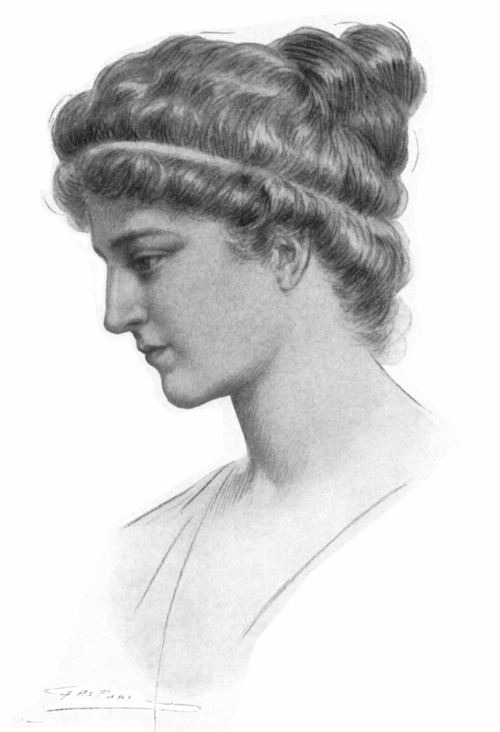
ALT Hypatia of Alexandria: Philosopher, Mathematician, and Martyr: Brilliant Mind in a Turbulent Era | @CHillbergAuthor https://camillahillberg.com/pdf/hypatia-article-by-camilla-hillberg.pdf "Reserve your right to think, for even to think wrongly is better than not to think at all." #MondayBlogs

ALT Effective Outlining Techniques for Writers: Examples and Expert Resources | by Rachel Thompson @RachelintheOC aka @BadRedheadMedia https://badredheadmediallc.substack.com/p/5-effective-outlining-techniques If you’re new to writing, the outlining process can feel overwhelming. #MondayBlogs
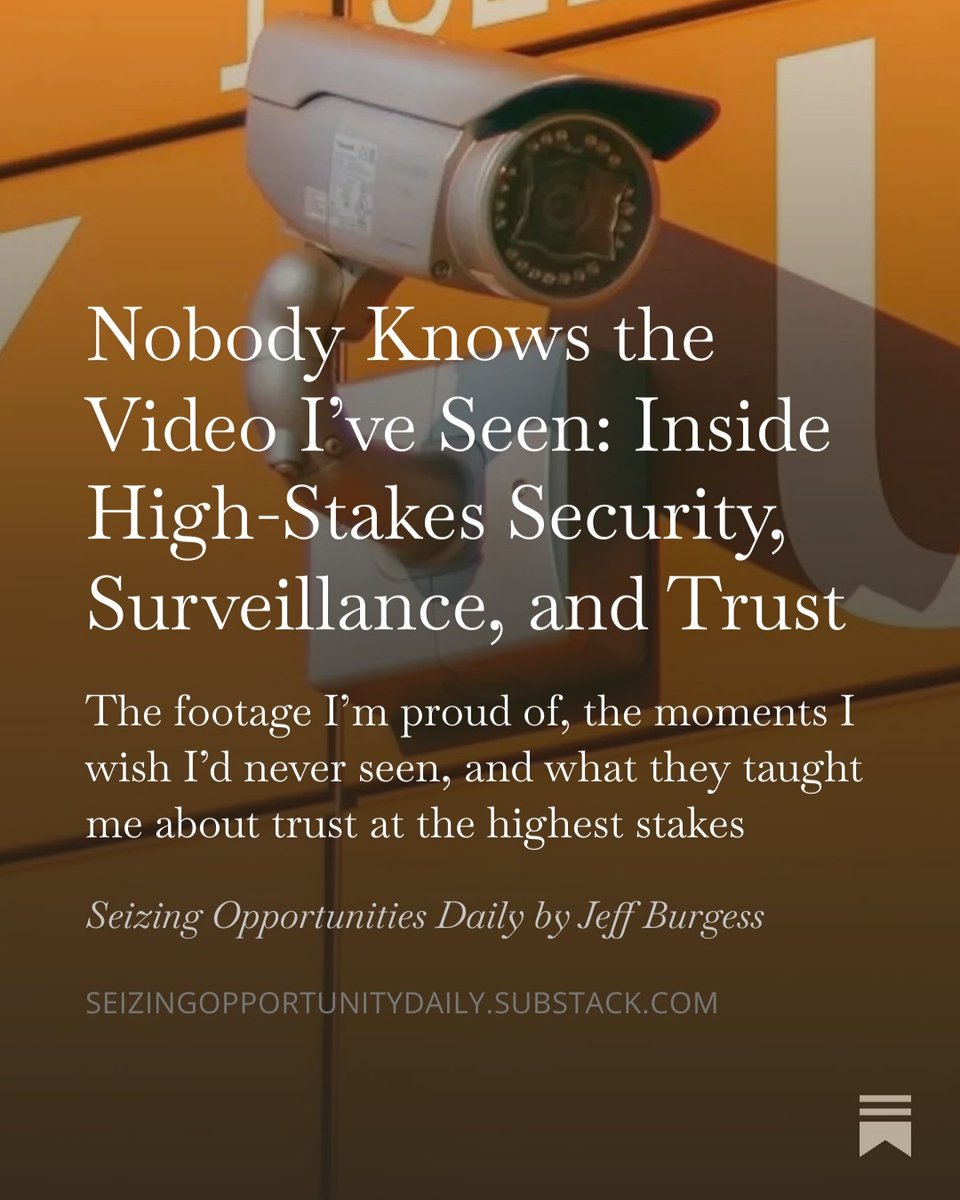
ALT 🔵 NEW: Nobody Knows the Video I’ve Seen: Inside High-Stakes Security, Surveillance, and Trust https://buff.ly/YGCXMRM by @ItWorkedForMeBook by Jeff Burgess via @Substack Apparently, in some ways, the book must have failed me, as its purpose was to cleanse forty-five years in the computer industry from my system. Yet, some two and a half years after retiring, I still have vivid memories, primarily of those BCDVideo years leading up to my retirement in July 2023.

ALT #MondayBlogs 🔵 The Risk That Saved Dostoyevsky: How Anna Dostoyevskaya’s quiet courage reclaimed her husband’s life’s work | @AndrewDKaufman https://ow.ly/yQSH50YwsP0 The most important risk in Dostoyevsky’s life wasn’t taken by him. A young stenographer named Anna stepped in to help him meet a brutal publishing deadline that could have cost him the rights to his own work. What followed was one of the most intense writing sprints in literary history. It changed the course of Dostoyevsky’s life. In 1873, 26-year-old Anna Dostoyevskaya faced a decision that could have either rescued her young family—or ruined it. I wrote about another risk Anna took after their marriage—and the moment when it almost cost them everything. 📕 Read more: https://ow.ly/yQSH50YwsP0 @bsgspeakers
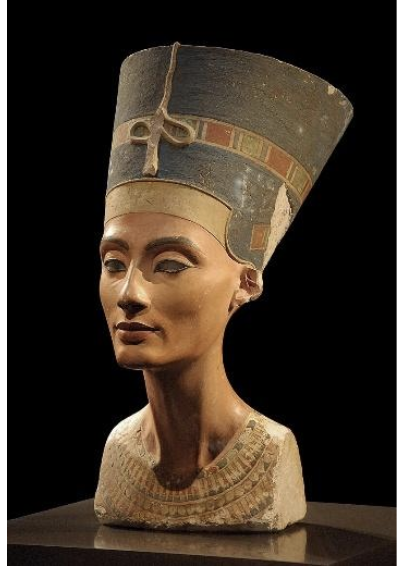
ALT Nefertiti: Egypt's Revolutionary Queen of Beauty and Power: The Woman Behind Ancient Egypt's Religious Revolution | @CHillbergAuthor https://camillahillberg.com/pdf/nefertiti-article-by-camilla-hillberg.pdf "Nefertiti, the Beautiful One Has Come." #MondayBlogs

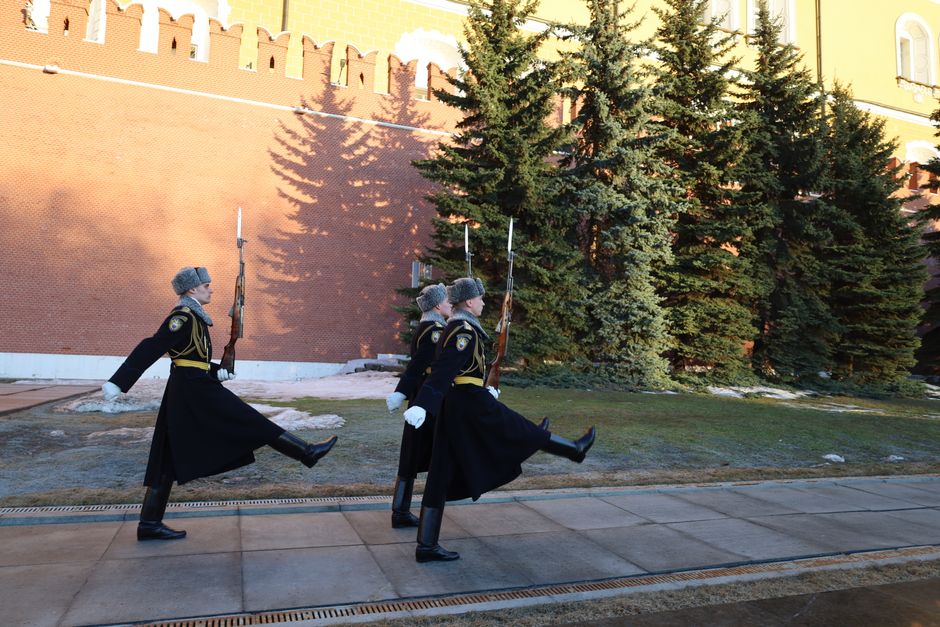
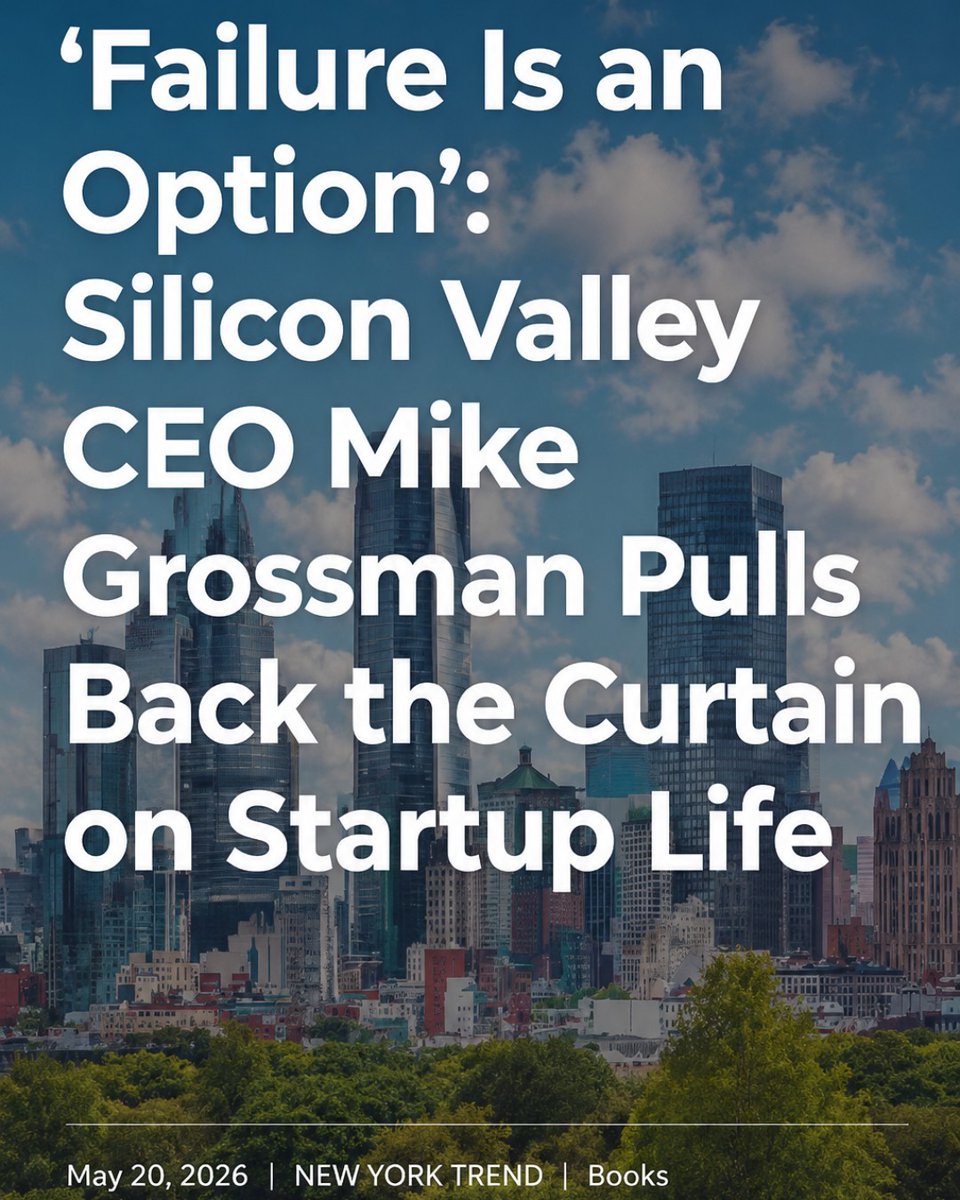
ALT Kremlinology - aka, What Not to Do When a Potential Partner Isn’t Responding | Mike Grossman https://failureisanoptionbook.substack.com/p/kremlinology The term, coined during the Soviet era, refers to the practice of “using public clues to decipher what is actually happening behind the scenes.” #MondayBlogs

ALT Yabba-Dabba-Doo: The Lighter Side of Raising Money in Silicon Valley (Part 2) | by Mike Grossman https://failureisanoptionbook.substack.com/p/yabba-dabba-doo The car, a 12-year-old white hatchback, had struggled to start earlier in the day, and (to say the least) wasn’t in great condition. #MondayBlogs

ALT #MondayBlogs 💥 Publishing Secrets: What Every New Author Should Know But No One Tells You | @BadRedheadMedia https://geni.us/PublishingSecrets Why publishing feels like learning a new language without subtitles... You’re not behind. Traditional publishing is just oddly formal, full of unspoken rules, allergic to explaining itself, and deeply entrenched in a format that worked in the 90s, now kicking and screaming its way into the 21st century. Most writers learn by accidentally breaking those rules once or twice, stopping and starting, and hopefully, eventually, finding our way. This post exists so fewer people have to do that. Brief context: I’ve published eight books (so far), self-published, published with a hybrid publisher and ran a nonfiction imprint for them, had an agent and a small boutique NYC publisher… now back to self-publishing - my choice. I work with clients from all backgrounds and publishing formats.
ALT The Cone of Silence: The Lighter Side of Raising Money in Silicon Valley | by Mike Grossman https://failureisanoptionbook.substack.com/p/the-cone-of-silence Silicon Valley is a serious place, with serious people, doing serious things... it’s so serious that it’s easy not to notice how often it’s funny. #MondayBlogs

ALT 🐈 10 Writing Lessons I Learned from My Cat (And Why They Work) by @BadRedheadMedia via @Substack (FREE): https://geni.us/CatWritingLessons Pets are masters of mindfulness. Cats in particular act like they’ve figured out life and are just waiting for their human servants to catch up already, geez.
ALT There is a ghost who walks my garden each night, summer or winter, rain or snow, and this ghost causes quite the furor in the village. People raise their eyebrows when they see me... The Ghost Walk (a memoir in poem) | by @DrAlexandriaSZ https://buff.ly/46kv6Jv #MondayBlogs

ALT Why are we Fascinated by Stories about Serial Killers? | by J. Herman Kleiger https://buff.ly/4jVmu2k "If you Google serial killers or popular media about serial killers, you’ll encounter countless pages of books, films, TV series, & documentaries." #MondayBlogs

ALT #MondayBlogs 🔵 I Took a Risk in My Jail Classroom by @AndrewDKaufman https://ow.ly/hcR750YCsnT What happened when honesty didn’t lead where I expected—and I stayed anyway... I looked around the circle. Kory slouched low, elbows on his knees. Dustin scratched his beard. A few of the older guys watched me closely. We had been meeting for a couple of weeks, reading Crime and Punishment in the jail classroom. The conversations had begun to heat up as the men took more risks, sharing pieces of themselves and their pasts. And I had a sudden feeling: maybe it was time I gave something back. “There’s something I want to tell you,” I said. “In third grade, I started a forest fire.” I was nine years old, reckless and drawn to danger in ways I didn’t yet understand. They laughed at first. They thought I was joking. “I love fire, too!” Kory, a 23-year-old Black American man with a bright smile, blurted out. “I ain’t never set no forest on fire, but I almost burned down my house.”

ALT Why Historical Fiction Matters: Time Travel Through the Pages The Enduring Appeal of Stories Set in the Past | @CHillbergAuthor https://camillahillberg.com/pdf/why-historical-fiction-article-by-camilla-hillberg.pdf Historical fiction occupies a unique space in literature: part creative storytelling, part time machine. #MondayBlogs

ALT 🔵 Old-School Business Values Beat Modern Corporate Culture | @WorkedForMeBook https://buff.ly/QPm1gwh I miss the old days. As much as I was surfing that tech wave in the early days of my computer career, life was so much more honest back then... #MondayBlogs