
eLearning Designer: sharing my passion for elearning & Articulate, corp & educ, tech geek, new to agritech & cybersecurity. Daughter of erebus. She/her. #BLM.
Joined July 2013
- Tweets 11,791
- Following 673
- Followers 974
- Likes 15,222
627 Photos and videos









27 Jan 2025
It's the beginning of a new era, as a hobby turns into a business, turns into a scalable joint venture. One of the biggest challenges with wool has been to pair innovation with scale, and with this I think we're a big step closer.
27 Jan 2025

Big news! Fleecegrow Ltd. is teaming up with Terra Lana to scale sustainable wool innovation. 🌍💡 Together, we’re driving research and leveraging state-of-the-art manufacturing to transform ideas into impactful solutions. Stay tuned! #Sustainability #Innovation #WoolInnovators

52
22 May 2024
You may know that in my spare time I 'play' with wool, and plants, and machines. I guess this is what happens.
#innovation #fieldaysNZ #finalist
22 May 2024
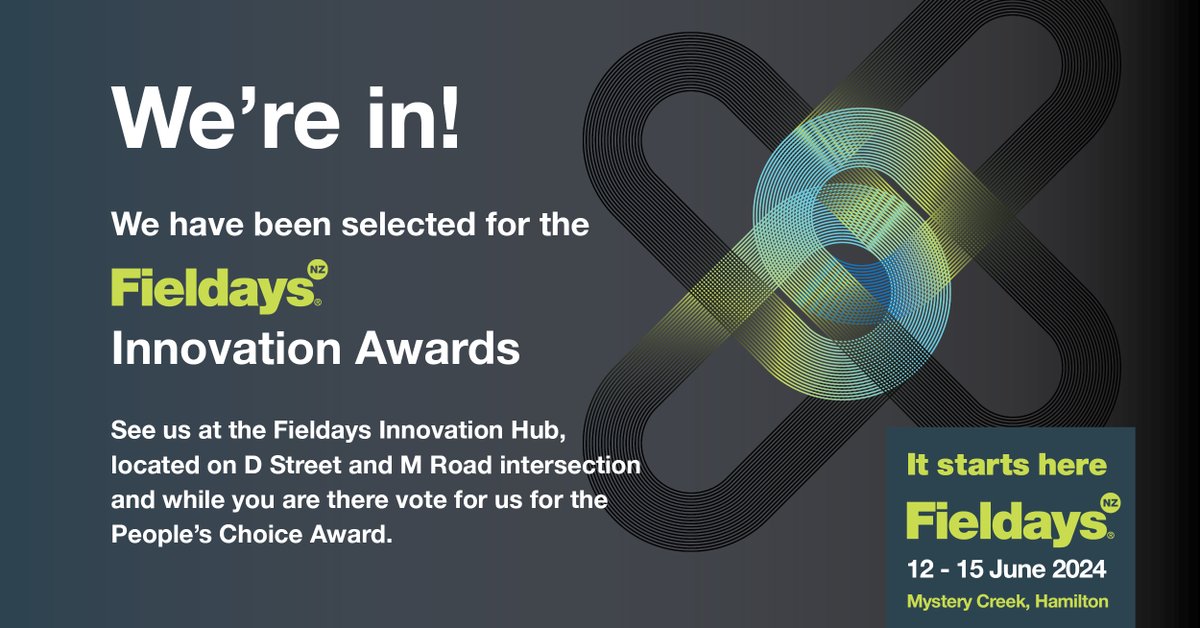
Could our enthusiasm grow any higher? So great to be announced as one of the five finalists for the Prototype category at the #fieldaysNZ #innovation awards.
Feels like we aren't the only ones who see the growing potential of wool.
1
116
26 Nov 2023
Have you pledged for Liz Mitchelles fundraiser to create a wool innovation hub? Ends today so hurry up!
Its hard starting a wool startup - having a place to go to try things out would prompt a lot more innovation.
pledgeme.co.nz/projects/7671…
100
9 Nov 2023
Hey @nzherald @NZStuff did you see @kayleebellmusic just won at the CMA Awards! Best global country artist! Woohoo!
Am loving the NZ country music scene.
1
87
8 Nov 2023
Except its so busy that its not working...
7 Nov 2023

ChatGPT was just the beginning.
It's only been 14 hours since OpenAI released their new product GPTs
And people are already generating insane results.
Here are 10 of my favorite examples...
141
Workbrightnz retweeted

7 Nov 2023
ChatGPT was just the beginning.
It's only been 14 hours since OpenAI released their new product GPTs
And people are already generating insane results.
Here are 10 of my favorite examples...
126
1,386
8,235
3,036,047
25 Oct 2023
Looks like @Articulate have got into the generative AI big time with an AI assistant able to create a Rise course from a pdf and other documents. Objectives, course outlines, image assistance, quiz generation.
Will look forward to testing from a learning design point of view.
2
99
10 Oct 2023
Our next course is set: ID for Elearning Essentials.
4 2hr interactive sessions learning how to apply good instructional design practically in the workplace in your elearning design. Book now, only 12 places. workbright.co.nz/idtraining.…
39
Workbrightnz retweeted

22 Sep 2023
Alexa, Siri and the other bots hanging out in the server break room again
126
1,241
5,888
571,753
Workbrightnz retweeted

2 Oct 2023
Less than a week since OpenAI started rolling out ChatGPT vision.
And people have been busy executing god-like tasks.
35 truly mind-boggling examples:
(29th is my favorite)
160
1,160
5,719
1,933,899
Workbrightnz retweeted

25 Sep 2023
I’m not quite sure how to explain what’s happened tonight, because it’s still happening - but here goes…
At 4:40pm I jumped on a train from London to Edinburgh..
It was comfy, it was quiet
In hindsight, too good to last…
2,102
13,019
101,344
22,852,265
11 Sep 2023
Hey @duolingo Te Wiki o Te Reo Māori is coming up, that's Māori language week. It would be the absolute best if you guys could get the Māori language course back into development.
I know it's a lot of mahi, but it would be ka rawe!
2
84
24 Aug 2023
Even going to space is becoming sustainable!
24 Aug 2023

That's 400...uh…399 Rutherford engines launched to space!
The preflown Rutherford engine performed flawlessly today - a major step toward Electron reusability.
95
8 Aug 2023
This is horrifying. What if my autistic son hears this? What if other people repeat it in front of him?
I have made a complaint to the broadcaster.
2
61
31 Jul 2023
Have been following this for the last 4 days. On the edge of my seat waiting to see if it gets replicated and fascinated by the drama of published papers by ex team members.
26 Jul 2023

Today might have seen the biggest physics discovery of my lifetime. I don't think people fully grasp the implications of an ambient temperature / pressure superconductor. Here's how it could totally change our lives.
1
2
321
1 Aug 2023
OMG someone has been able to use a computer simulation to confirm that it (LK99) is indeed real. The irony does not escape me. I think the simulation shows the reason why it doesn't always work too when replicated.
Best of all her tweet is epic.
x.com/sineatrix/status/16861…

1
1
571
1 Aug 2023
And now we have a lab video. We have floating rocks.
x.com/altryne/status/1686279…
1 Aug 2023

Is this the first replication of #LK99? Folks, help. Here's the full text and video uploaded to twitter, enjoy 🫡
source in RT tweet, was just dropped on BiliBili by folks in 🇨🇳
full text translated by Targum.video
The toothpick is pointing to the material we obtained, this black dot. And under the microscope, it looks like this on the screen. Let's zoom in a bit. This is an aluminum shed magnet. Then we place this aluminum shed magnet underneath its material to observe the reaction of the material. This can be directly extended underneath the material. Let's find the position. OK, found it. Adjust the focus. Our magnet is now directly below this sample, but it is far away. Now we slowly bring the magnet closer to this sample. You can see it standing up. Now let's move away from this sample. And then it falls down again. Let's bring it closer to this sample again. It stands up again. And then it falls down when we move away. Now let's change the direction of the magnet. And then put it underneath again. After it comes close, this sample piece stands up again. And then it falls down when we move away. And then it stands up again when we come closer. And then it falls down again when we move away. Now I'm going to directly change the direction underneath. You can see that after changing the direction, it is still magnetic. And then when we come closer, it stands up. And then when we move away, it falls down. And then when we come closer, it stands up again. And then when we move away, it falls down again. It stands up. It falls down. It stands up. It falls down. It stands up. Whether it's N-class or S-class, it has a magnetic force on this piece. It's magnetic.
66
31 Jul 2023
This is the best and worst of twitter - a group of scientists in small and home labs around the world mobilise to try and replicate a room temp superconductor, and the one person who may have had the most success is so bullied and trolled she decides to stop. Such a shame.
5
500