
The World Lagomorph Society (WLS) is an association, whose main goal is to bring people interested in lagomorphs (rabbits, hares and pikas) closer.
Joined July 2022
- Tweets 272
- Following 48
- Followers 129
- Likes 64
152 Photos and videos

Pinned Tweet

3 Jul 2025
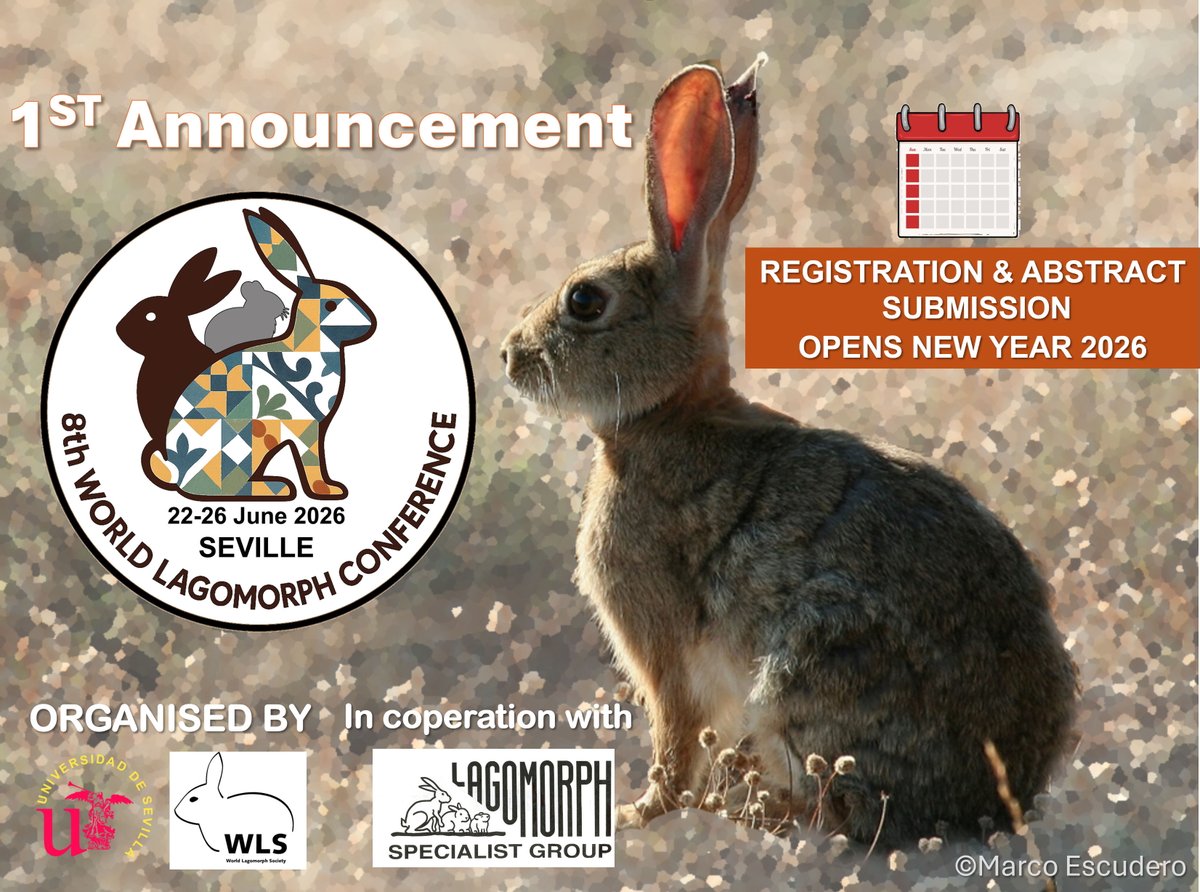
📣8th World Lagomorph Conference UPDATED LOCATION!!!📣
We are very excited to announce that our 8th World Lagomorph Conference will now be held June 22-26, 2026, in Seville, Spain at the Universidad de Sevilla.🐰🇪🇸
4
8
291
Do collared pikas influence sex ratios in Arctic willow populations? Feeding trials found that pikas showed no preference between male and female Salix arctica leaves, suggesting they are unlikely to directly reinforce biased sex ratios.
doi.org/10.1002/ece3.73816
3
22
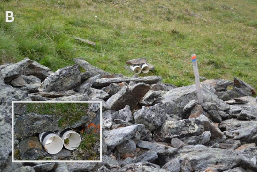
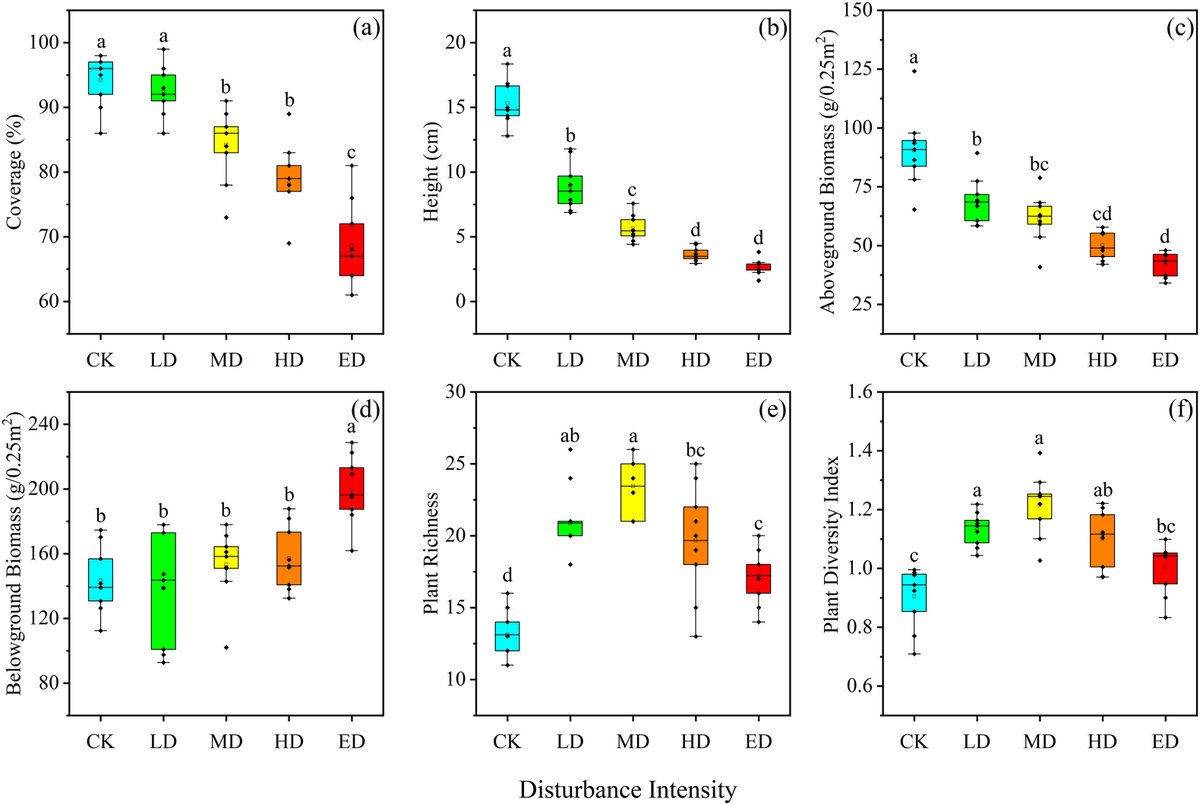
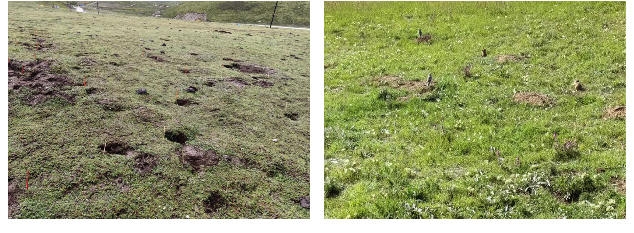
Plateau pikas shape soil biodiversity by altering vegetation. While moderate disturbance increased the richness and abundance of soil invertebrates, extreme disturbance reduced diversity. #Ecology #Biodiversity
doi.org/10.1016/j.jenvman.20…
1
2
70
Camera traps in the Honduran Mosquitia revealed that Sylvilagus hondurensis was the main cassava crop raider at forest–farm edges, highlightin how non-invasive monitoring can untangle hidden mammal–crop interactions and improve coexistence strategies.
doi.org/10.3897/neotropical.…
1
21
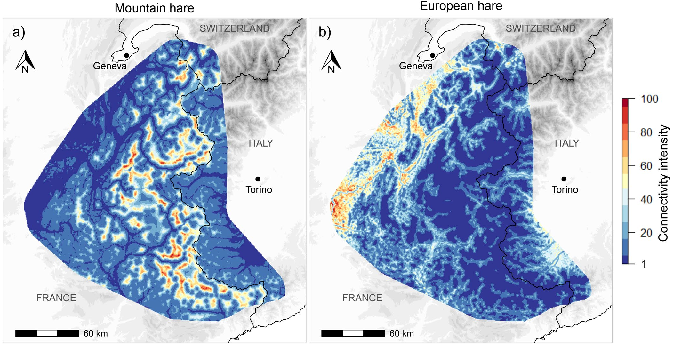
🐇🏔️Climate and land-use change are reshaping Alpine hares genetic connectivity. Using landscape genetics, a new study found mountain hares depend on shrinking high-altitude corridors, while European hares expand through valleys.
doi.org/10.1111/gcb.70918
1
2
124
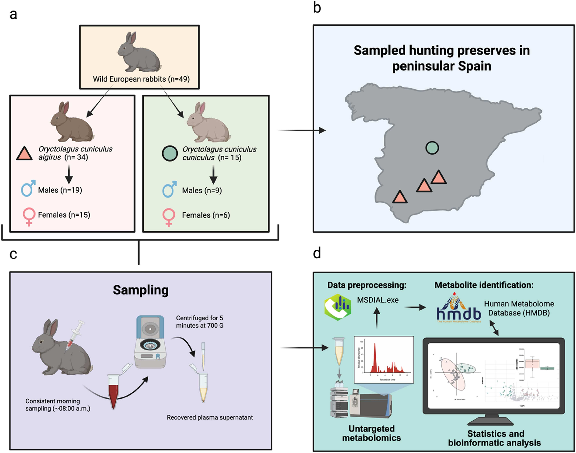
🧬🐇 Metabolomic data from European wild rabbits shows clear biochemical differences between populations beyond genetics alone. These “metabolic fingerprints” suggest deep evolutionary separation.
doi.org/10.1002/jez.70097
1
32
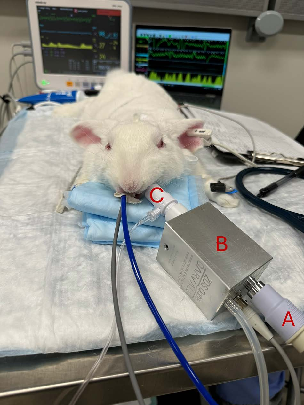
Heated anesthetic circuits helped anesthetized New Zealand white rabbits maintain higher body temperatures vs nonwarmed circuits, reducing peri-anesthetic hypothermia risk. A tool to improve rabbit anesthesia care.
doi.org/10.2460/ajvr.26.02.0…
2
8
254
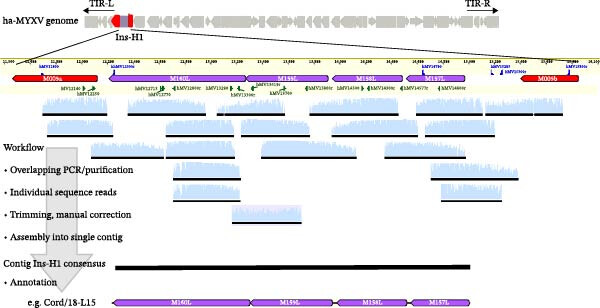
Study finds that after myxoma virus jumped to the Iberian hare (Lepus granatensis), its genome showed both gains and losses in microsatellite regions. These rapid changes may reveal how viruses adapt to new hosts and evolve after species jumps.
doi.org/10.1155/tbed/3847131
3
2
192
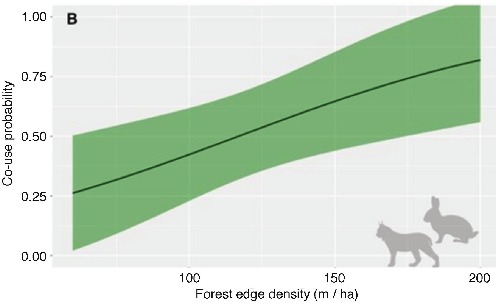
Cottontails shift activity to avoid bobcats in restored southern grasslands but still overlap enough to remain prey. Restoration boosts cottontails while shaping predator tracking and timing.
doi.org/10.1656/058.025.0115
20
On the Qinghai-Tibetan Plateau, the plateau pika plays a dual role: moderate disturbance boosts biodiversity and ecosystem multifunctionality, but overabundance degrades it. It’s all about balance!
doi.org/10.1007/s11629-025-0…
29
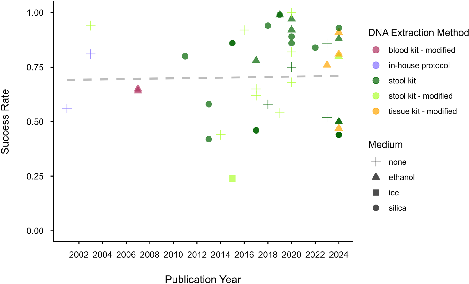
New review on faecal pellets as a DNA source for studying wild lagomorphs. The study evaluates current field and lab methods, highlighting limitations and suggesting improvements to strengthen future genetic monitoring and conservation.
doi.org/10.1111/mam.70030
1
30
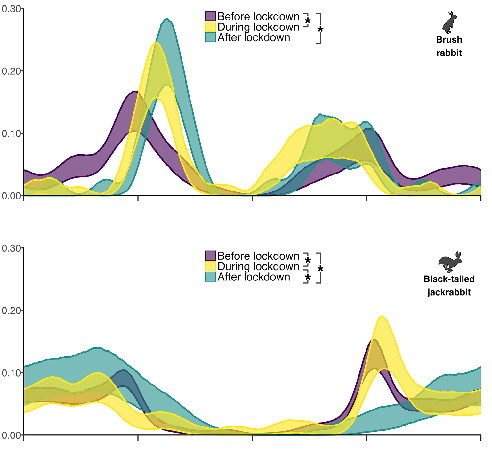
During COVID lockdowns, lagomorphs showed subtle behavioural shifts: black-tailed jackrabbits (Lepus californicus) became less crepuscular, while brush rabbits (Sylvilagus bachmani) became more diurnal and stayed that way even after human activity resumed.
doi.org/10.1093/jmammal/gyag…
28
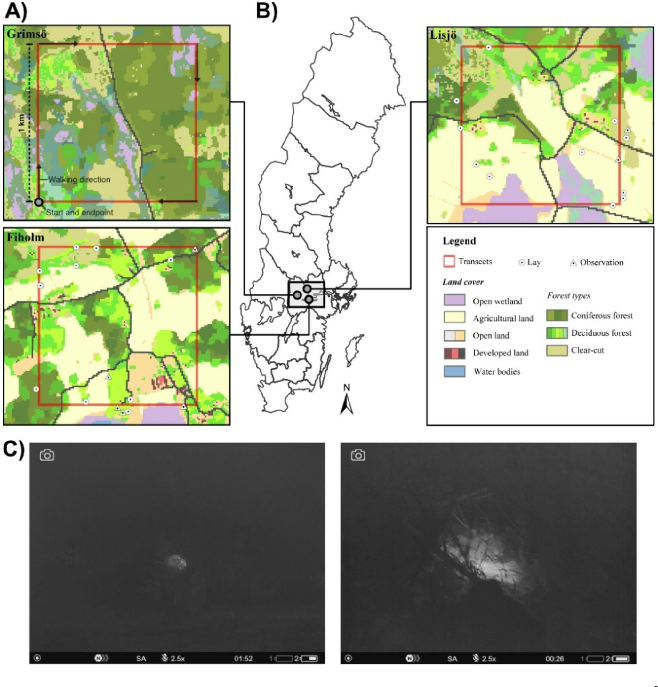
Combining thermal imaging with distance sampling is transforming hare monitorization. A new study in Sweden found most detections came from thermal scans, especially in forests where is harder to spot hares.
doi.org/10.1007/s10344-026-0…
1
4
103
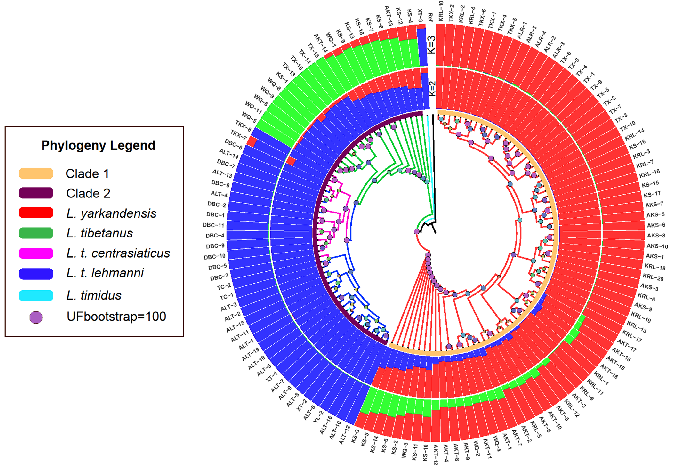
Quaternary climate swings drove migration, hybridisation, and speciation among 4 hare species in NW China. Genomic data revealed the complex evolution and two bottlenecks linked to the Mid-Brunhes event and early human hunting.
doi.org/10.1111/mec.70296
30
World Lagomorph Society retweeted

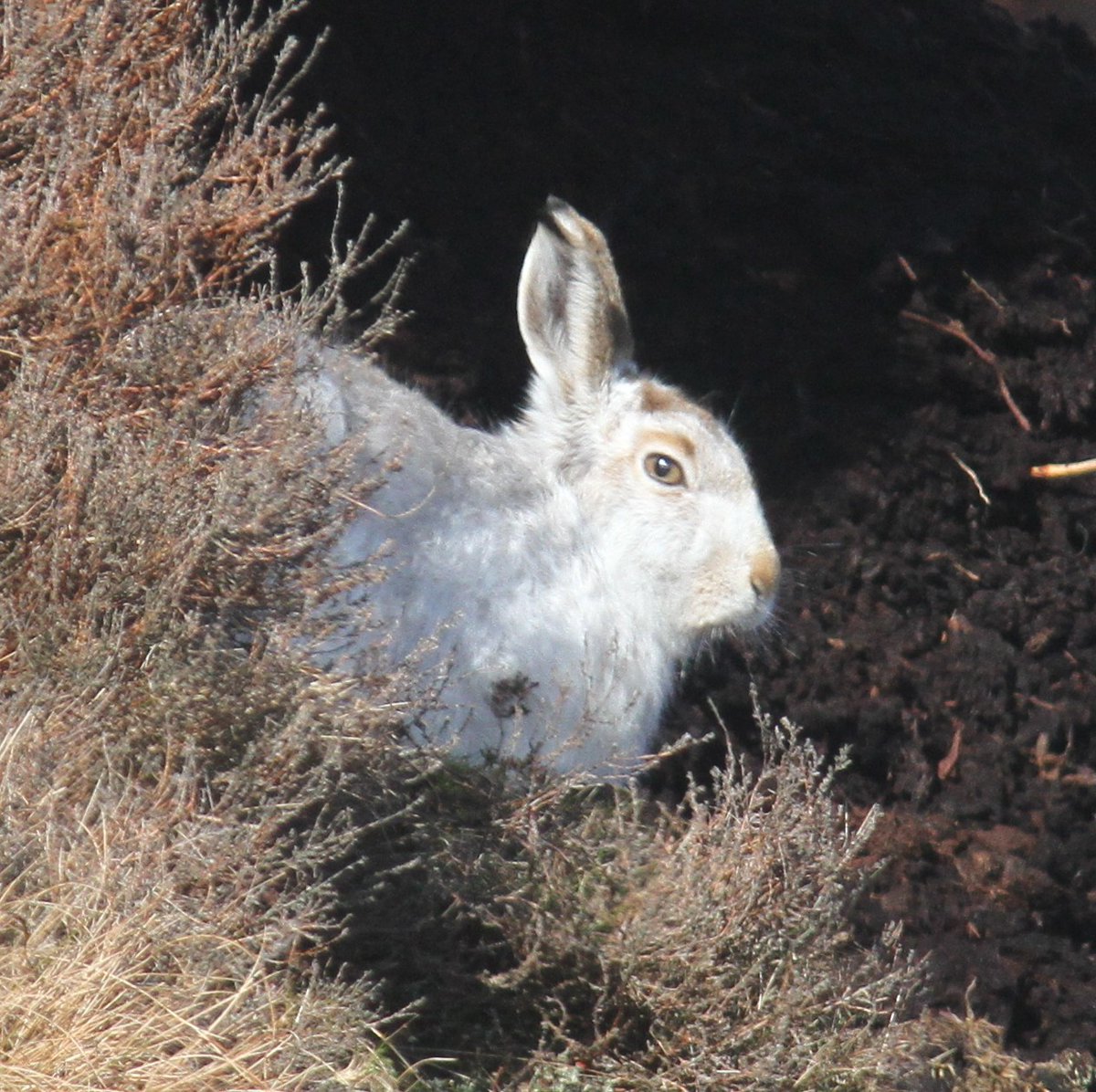
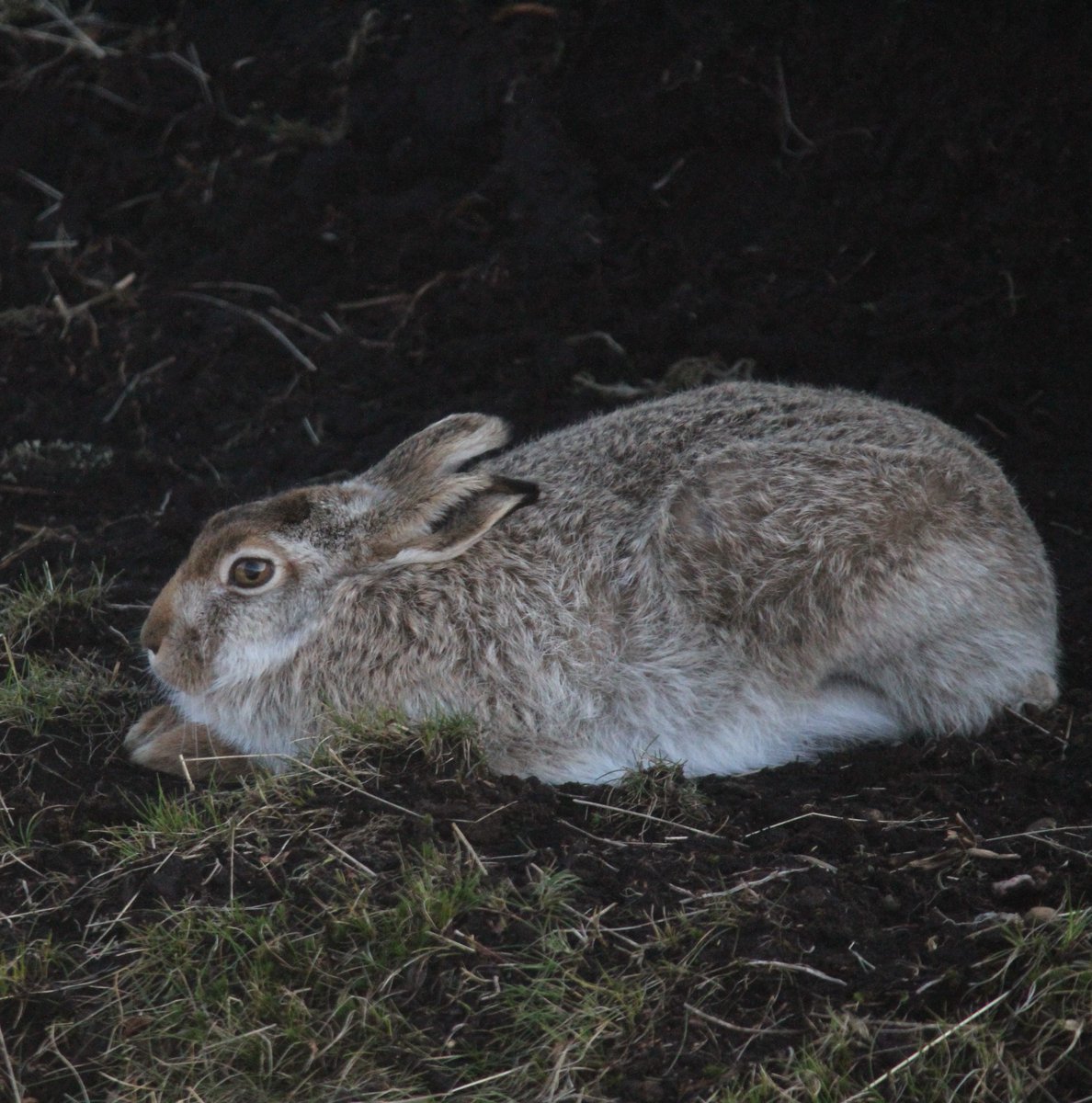
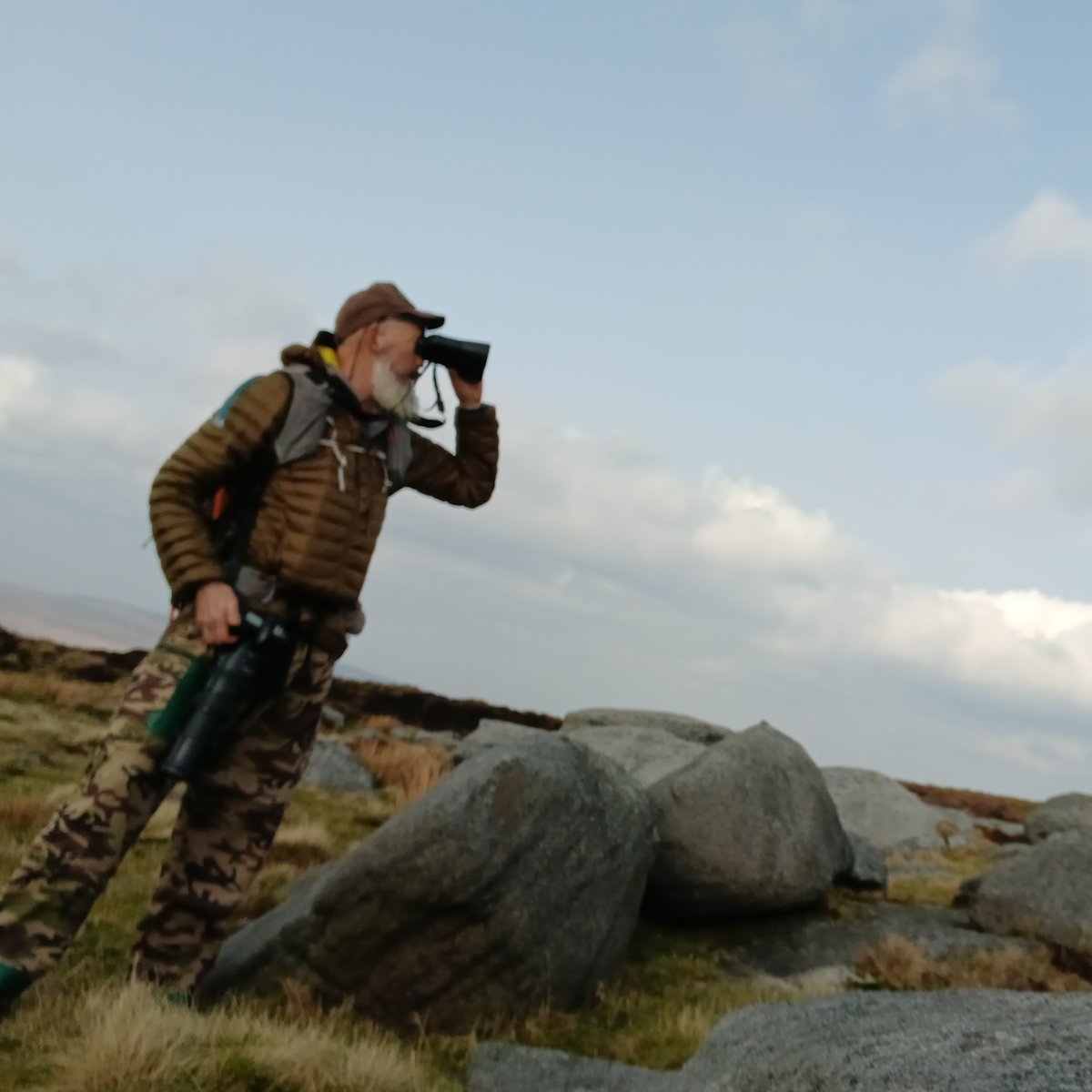
Mountain hare surveys, Peak District, England.
Now in tenth year!
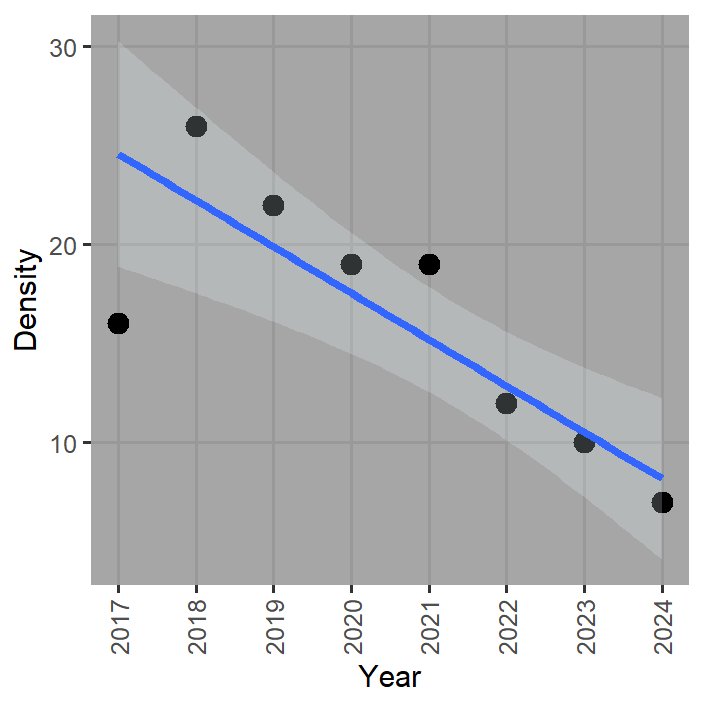
Last report showed 80% population decline 2017-2024. See here.
researchgate.net/publication…
Surveys 2025, continuing drop...
Will it continue? Stay tuned.
@PTES @HPT_Official @DerbysWildlife @peakdistrict
3
12
17
821
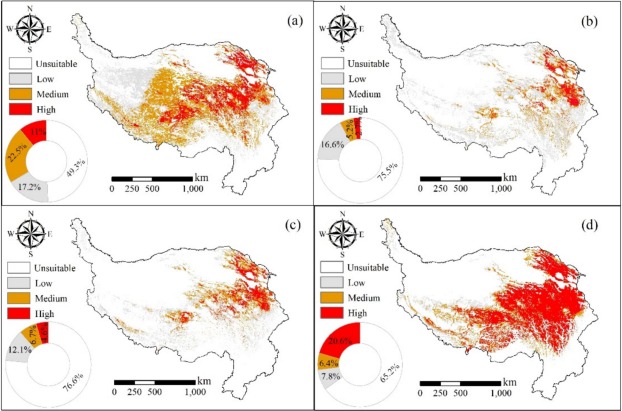
Using UAV imagery to detect true absence locations improves species distribution models for plateau pika. High-resolution aerial data reduce reliance on pseudo-absences, increasing model accuracy and habitat prediction reliability.
doi.org/10.1016/j.ecolind.20…
2
39
Post redes:
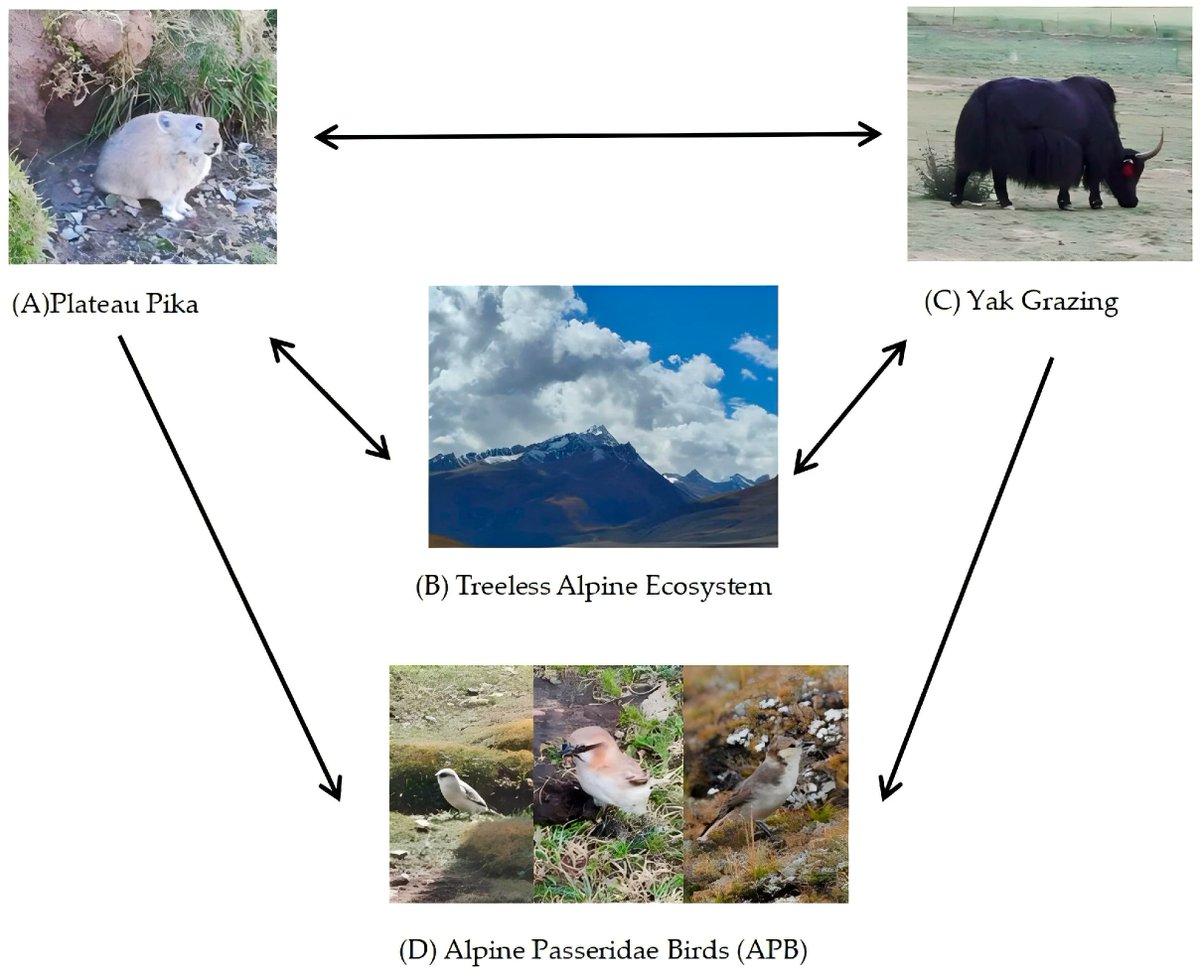
Study from Riduo Township shows how pika density and grazing yaks shape alpine bird habitat. Dense pika burrows and yak bedding sites affect most species habitat suitability and occupation, highlighting thw cross-species engineering.
doi.org/10.3390/birds7010014
22
A recent study investigated the impact of invasive European rabbits on the flora of Teide National Park. Analysis of rabbit faeces revealed 12 plant species, predominantly Canary endemics, confirming their negative impact on native vegetation.
doi.org/10.1007/s10344-026-0…
3
430
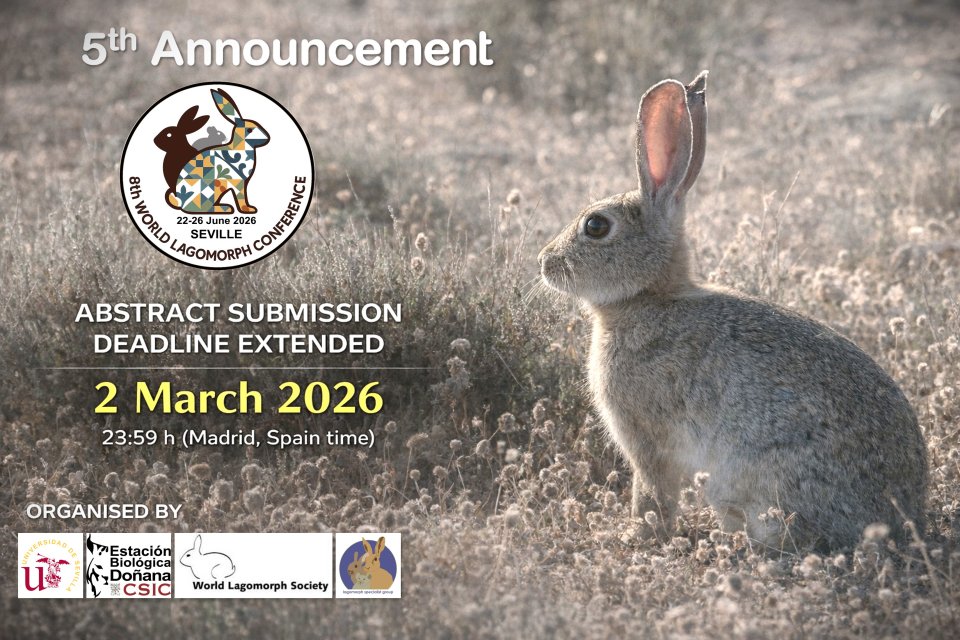
🚨🚨🚨!!!!!ABSTRACT SUBMISSION DEADLINE EXTENDED!!!!!🚨🚨🚨
New date: 2nd of March 2026, 23h59 Madrid Spain time!
2
4
89
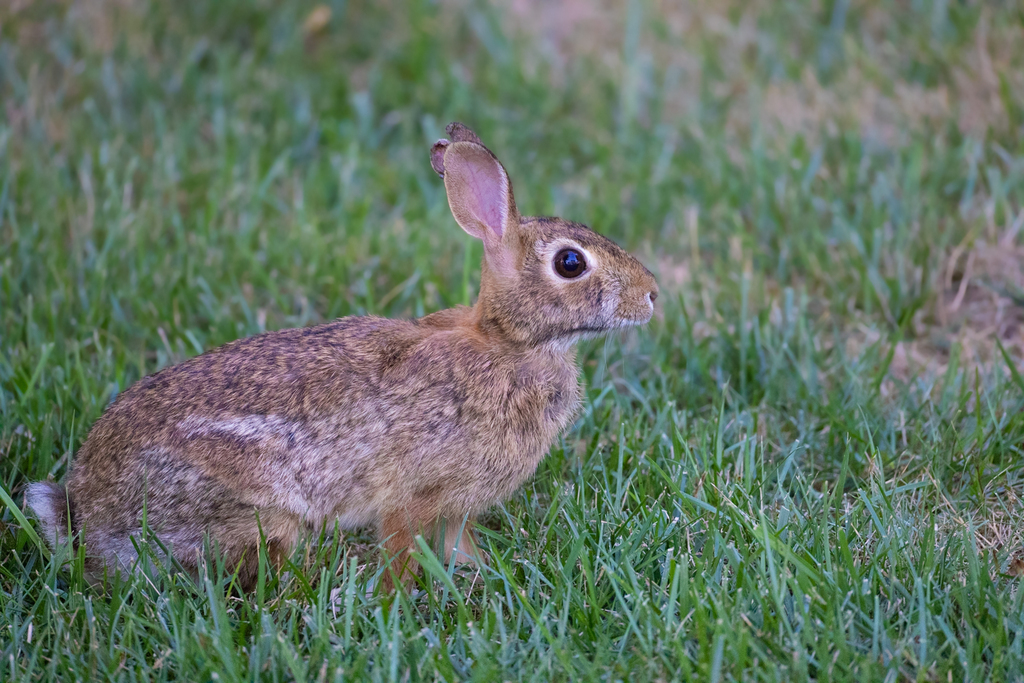
A new study evaluated Sylvilagus floridanus role as a seed disperser in a conservation reserve within Mexico City. Cottontails revealed to be important dispersers due to the amount of excretes produced and the identity of the plants they disperse.
doi.org/10.22201/ib.20078706…
3
37
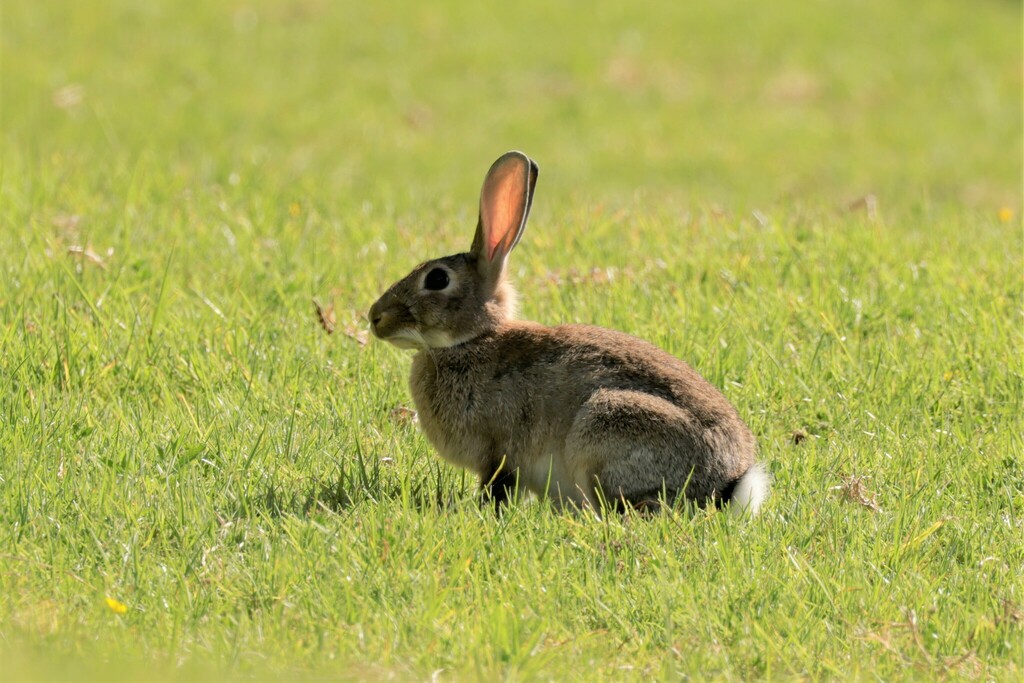
New research on the 2023 leishmaniasis outbreak in southern Spain highlighted the role of rabbits in disease transmission. Sand flies fed predominantly on Iberian rabbits (75%), supporting their role as major reservoirs of Leishmania infantum.
doi.org/10.1016/j.onehlt.202…
1
25