
Building a home for writers. Subscribe to Premium to write and publish Articles.
Joined January 2015
- Tweets 3,673
- Following 20
- Followers 54,905
- Likes 9,707
Photos and videos


earn $$ for sharing your writing on X 👇
26 Mar 2024

on X you can turn your followers into fans, and fans into funds 💰
eligible accounts can enable monetization settings here: x.com/settings/monetization
7
13
133
19,522



Write retweeted

11 Aug 2023
When Walt Disney built Disneyland in the mid-1950s, he used his knowledge of set design from filmmaking to play tricks on our eyes.
The most famous visual psychology hack is "forced perspective".
It is an optical illusion to make an object appear closer or further (or smaller or taller) through an understanding of space and distance.
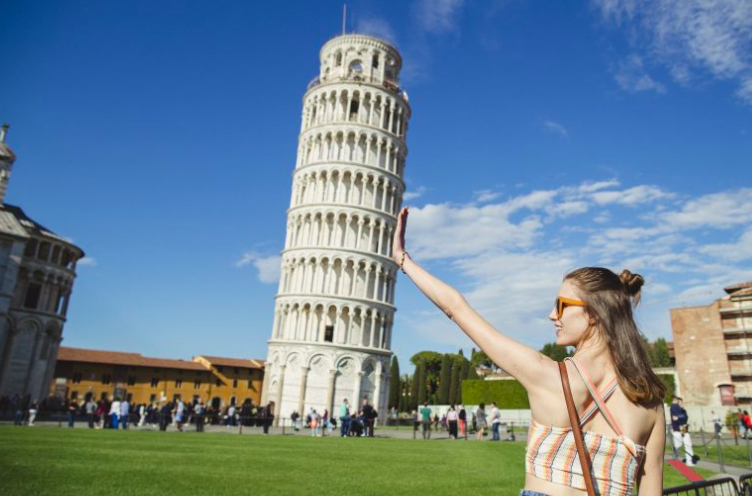
You know those goofy photos of people pretending to "tip over" the Leaning Tower of Pisa or "touch the top" of the Eiffel Tower? That's forced perspective and something I greatly regret ever doing.
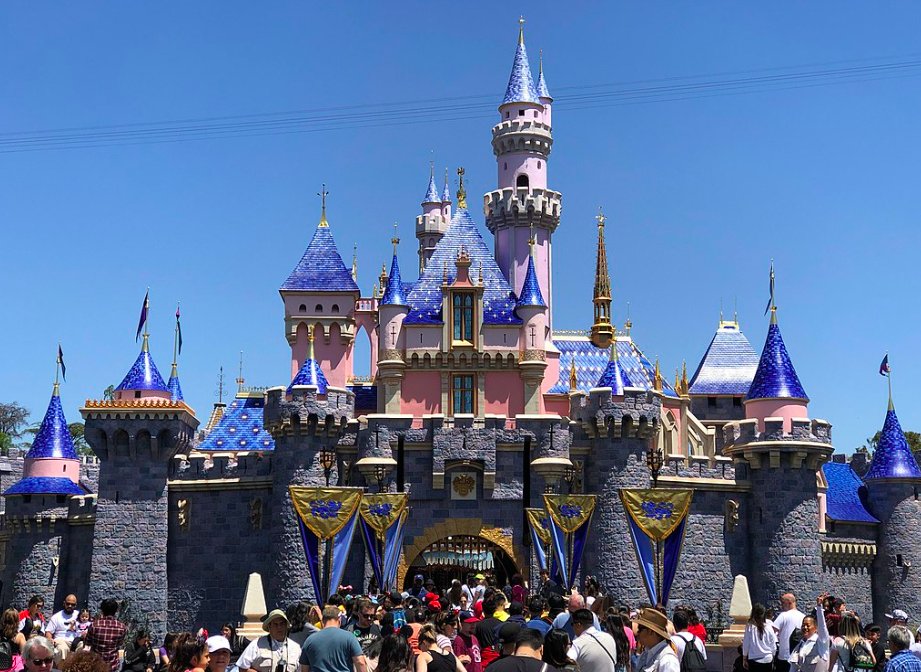
The most iconic use of forced perspective at Disneyland is the Sleeping Beauty Castle. The lower level is built full-size while each successive level is built to a smaller scale (eg. 5/8ths).
Objects look smaller the "further' they are away. So, the castle's design makes the ~80-foot building look taller than it really is.
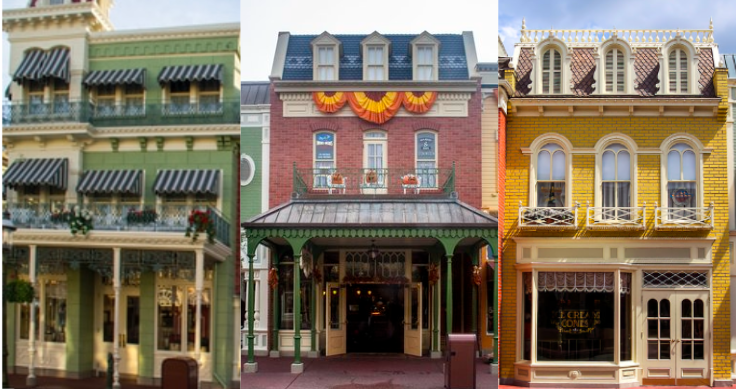
Main Street has a ton of examples of forced perspective. Many of the buildings look like 3-story buildings from the exterior, but they are definitely not.
Take a look at the window heights on each successive floor. They get smaller. No normal-sized adult could stand on the "2nd floor" of these buildings. It's because these are 2-story buildings dressed up as 3-story buildings.
My favourite visual trick at a Disney Park has to do with the commitment to keep each world separate.
According to legend, Walt was once walking through Disneyland and saw a cowboy from Frontierland in the Tomorrowland area. He was pissed (fair enough). Every world has to be consistent or the guests would lose the sense of magic.
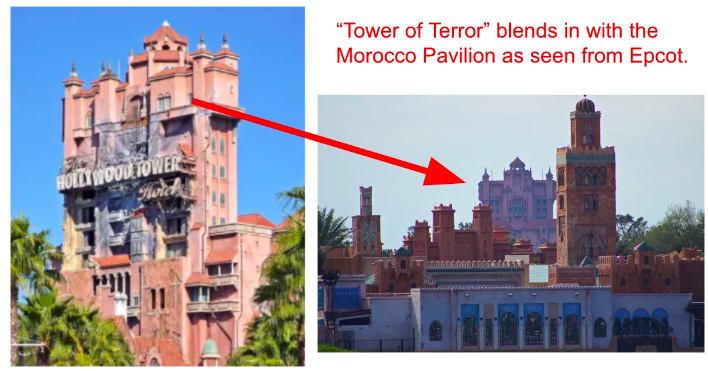
During the construction of Disney World, the Imagineers made sure that the Tower of Terror — which is taller than other buildings in the park — wouldn't stand out when viewed from Epcot. How? By blending in the design with the Morocco Pavilion (see below).
The trick definitely works, but they aren't fooling me on the *real* height of that tower.
17
55
570
341,591
Two new features for writers: you can now post up to 25,000 characters and add up to 4 inline images. Subscribe to access these new features: x.com/i/twitter_blue_sign_up
813
839
4,341
35,251,400
RT @GailAlfarATX: FIRST STARSHIP LAUNCH.
3 PEOPLE SHARE THEIR EXPERIENCES.
(April 22, 2023) S. Padre Island, Texas
I wanted to write abo…
2,707
We’re making improvements to the writing and reading experience on Twitter! Starting today, Twitter now supports Tweets up to 10,000 characters in length, with bold and italic text formatting.
Sign up for Twitter Blue to access these new features, and apply to enable Subscriptions on your account to earn income directly on Twitter. Tap on “Monetization” in settings to apply today.
2,339
2,012
13,193
12,310,315