
The World’s First Social Network for Creatives!
Joined April 2022
- Tweets 14,478
- Following 3,136
- Followers 3,593
- Likes 36,394
1,714 Photos and videos
Pinned Tweet

26 Oct 2024
1
13
18
2,683
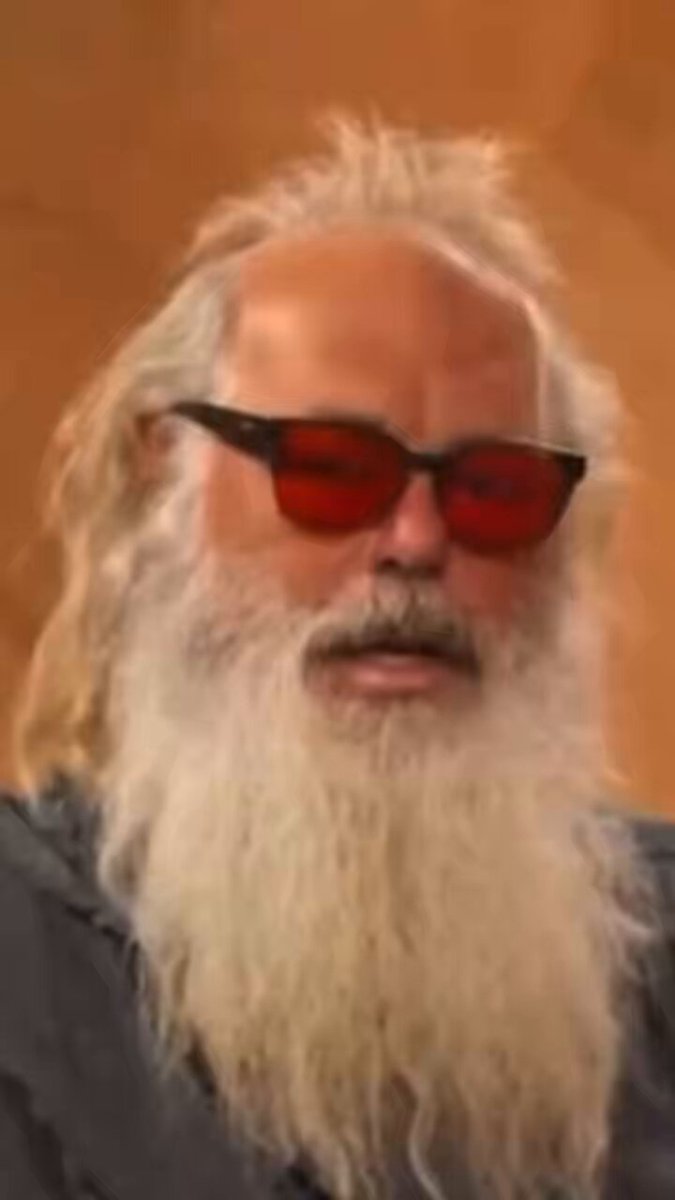
Most movies today are a negotiation. Every decision gets filtered through fear: Will the audience like it? Will the studio approve it? Will it sell? Rick Rubin’s point is simple… great work rarely comes from trying to satisfy everyone. You should create to be felt not consumed.
13
Jun 14
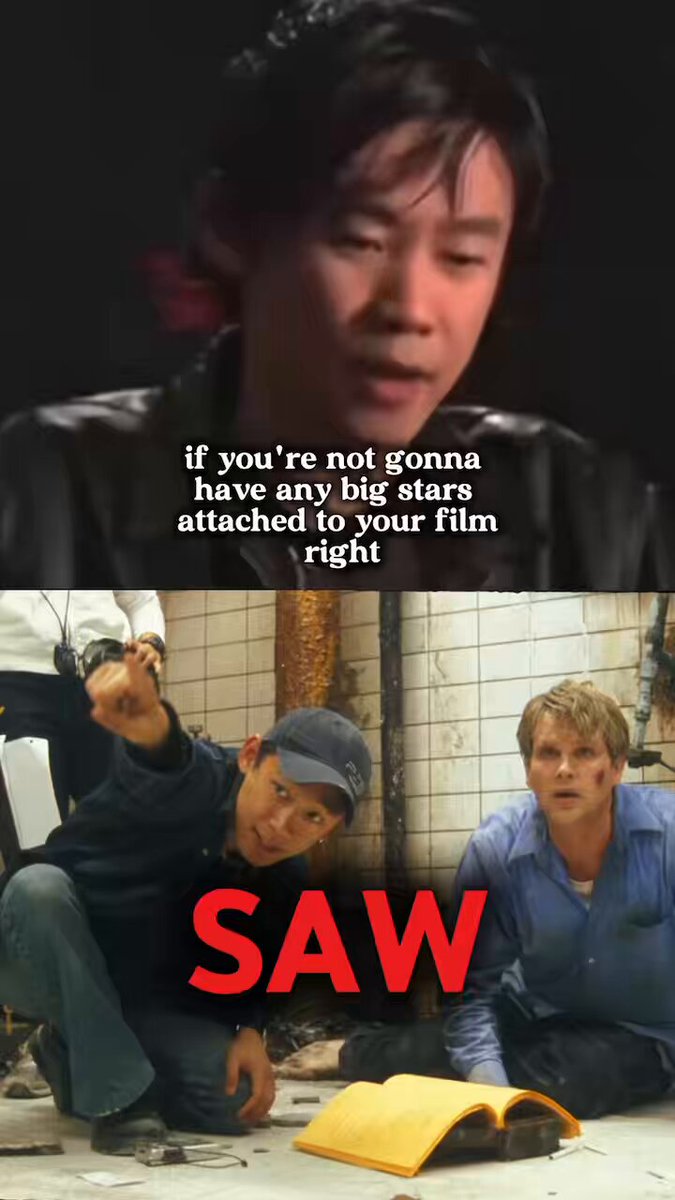
Before Saw (2004) became a horror franchise, James Wan and Leigh Whannell were broke writers with a script. So they filmed a scene from the movie and took it to Hollywood. That proof-of-concept convinced producers they could actually make this film. One scene changed their lives.
1
1
49
Jun 13
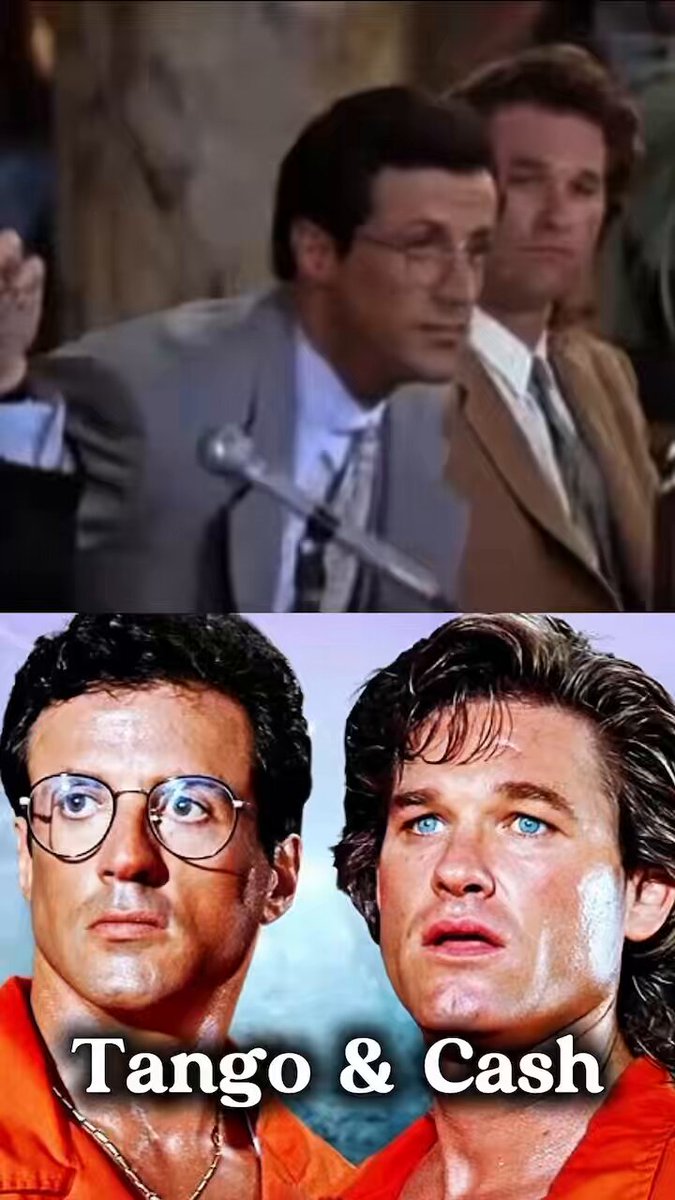
In Tango & Cash (1989), Tango delivers the polished speech. Cash gets asked if he has anything to add and instantly makes everything worse. Stallone plays control, Kurt Russell plays chaos, and every reaction shot makes the courtroom scene funnier…
1
38
Jun 12
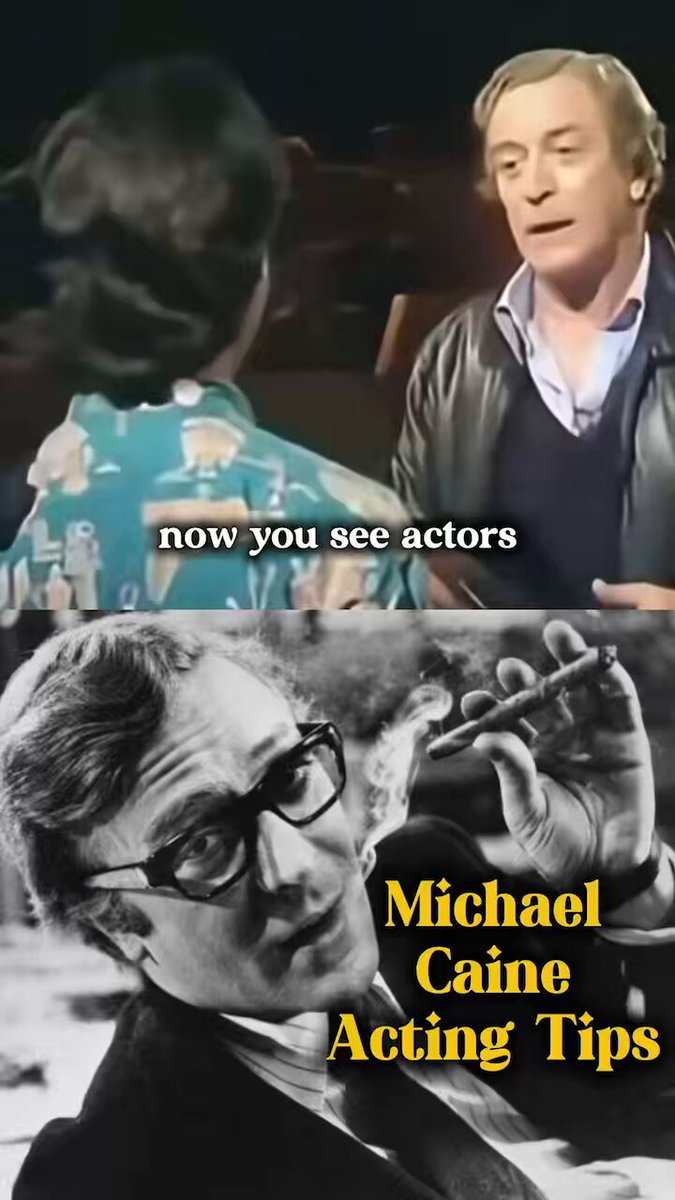
Michael Caine’s most famous acting lesson has nothing to do with emotion. He taught actors to pick one eye, hold their focus and stop blinking unnecessarily.
The camera sees everything. When the audience stops noticing the actor’s technique, they start believing the character.
42
Jun 11
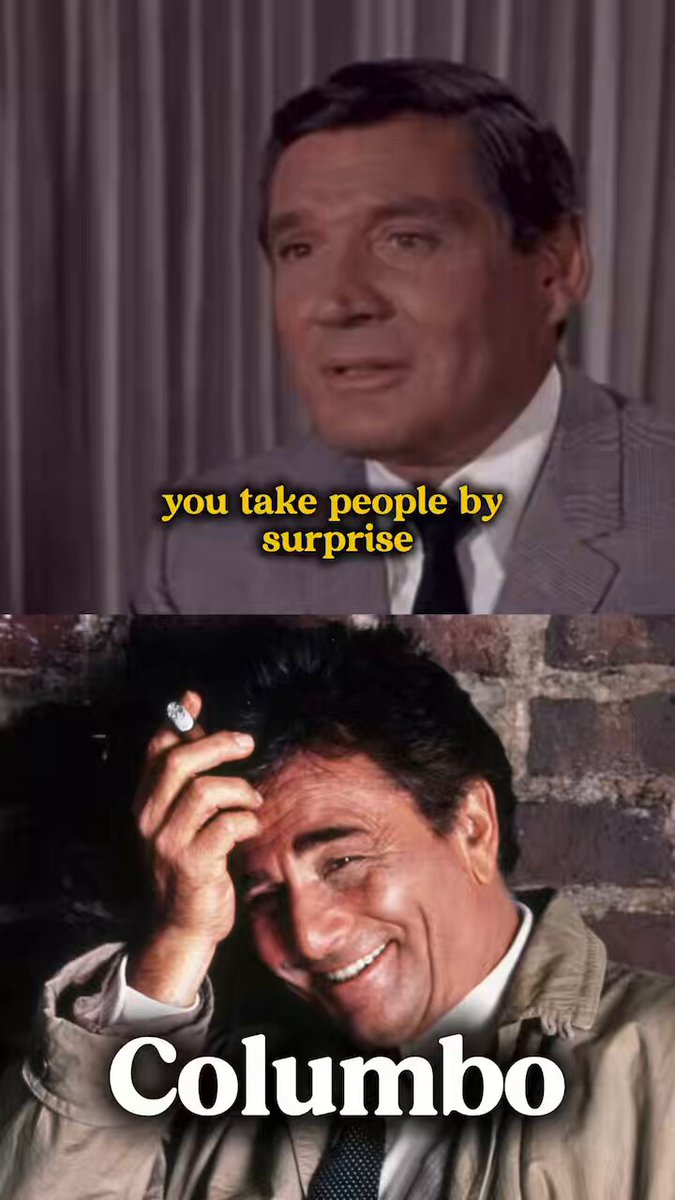
Most TV detectives want you to know they’re the smartest person in the room. Columbo did the opposite.
Peter Falk said the character succeeded by letting people underestimate him while he quietly watched, and connected the dots.
It wasn’t his weakness. It was his superpower.
28
Jun 10
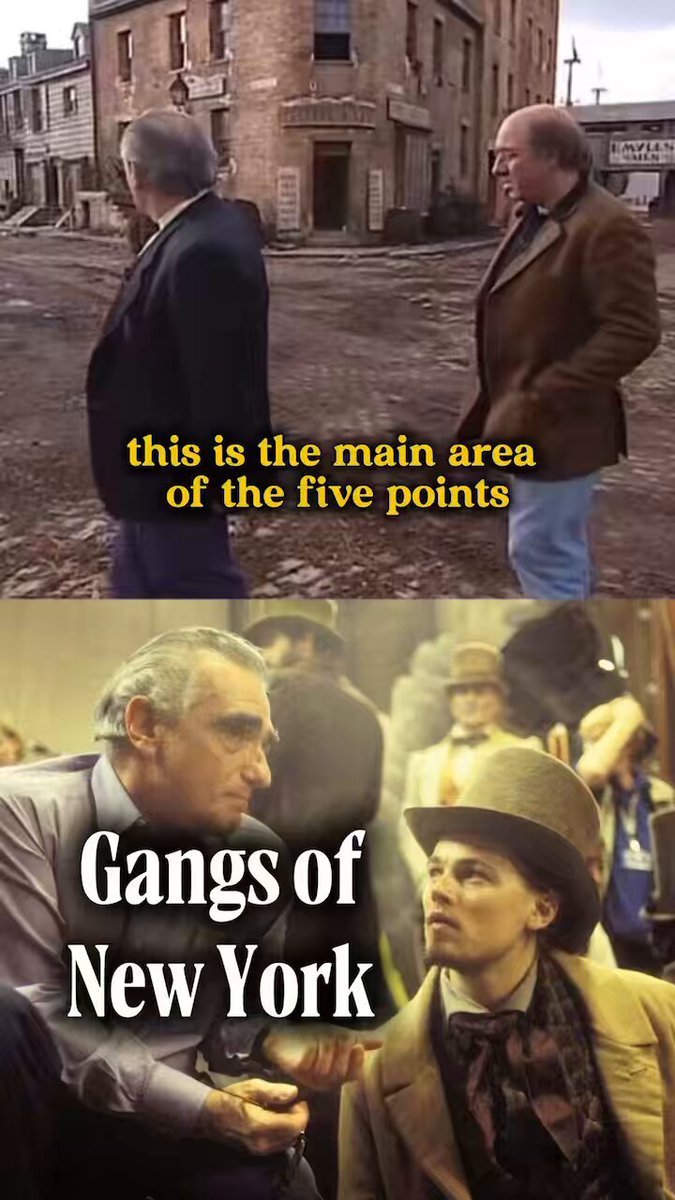
Martin Scorsese first read Herbert Asbury’s The Gangs of New York in 1970. More than thirty years later, he was walking through a life-size recreation of Five Points built inside Cinecittà Studios.
1
1
43
Jun 9
The famous Romeo Juliet (1996) pool scene… Baz Luhrmann’s team built the entire courtyard inside a studio in Mexico City. This footage shows Leonardo DiCaprio and Claire Danes rehearsing on set before it became one of the most iconic romantic scenes of the 1990s.
1
2
282
Jun 8
M. Night Shyamalan threw away multiple drafts of The Sixth Sense before finding the ending. Once he had the twist, everything clicked. The reveal didn’t just change the ending. It transformed the entire movie.
1
1
59
Jun 7
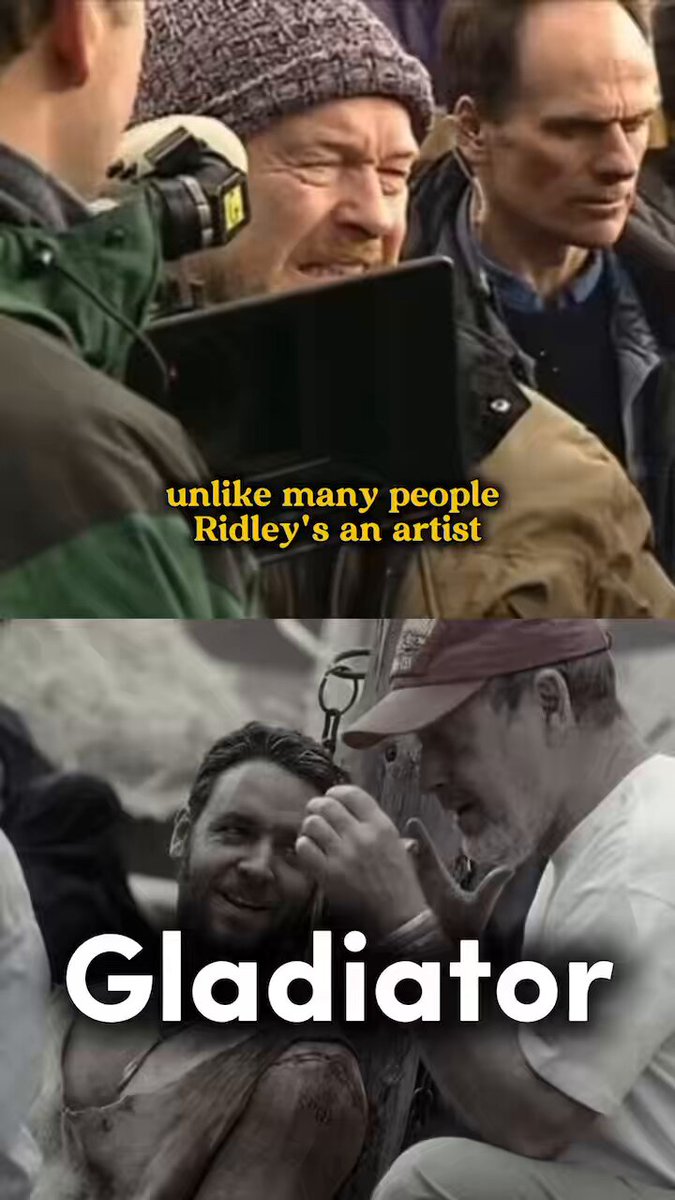
Ridley Scott wasn’t won over by the Gladiator script alone. During the pitch, DreamWorks producer Walter Parkes showed him Jean-Léon Gérôme’s painting Pollice Verso (Thumbs Down). Ridley kept staring at it, picked it up halfway through the meeting and said, “I can do this.”
1
1
861
Jun 6
One of the strangest legacies of Super Mario Bros. (1993) came from a police station joke. The film introduced Mario Mario and Luigi Mario, and years later even Shigeru Miyamoto admitted the logic made sense.
1
1
97
Jun 5
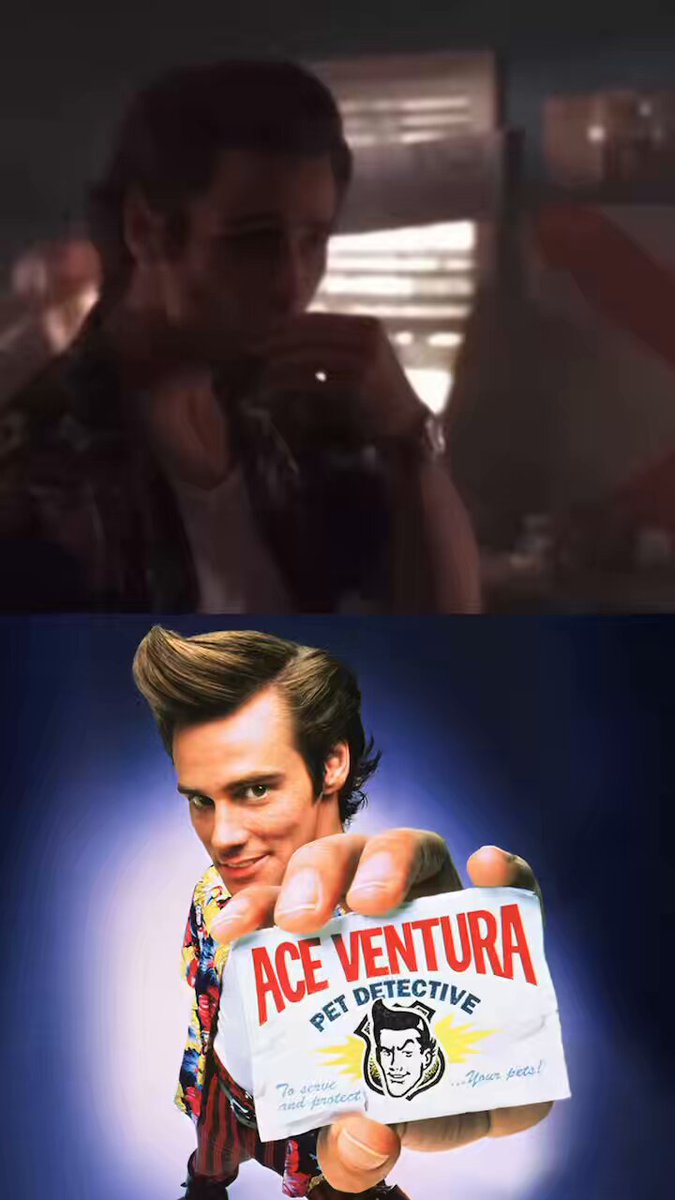
This deleted scene from Ace Ventura: Pet Detective (1994) reveals an entire missing step in the Ray Finkle investigation. While questioning bikers who blame Finkle for the missed Super Bowl kick, Ace survives a broken bottle confrontation in the most Ace Ventura way imaginable…
1
1
90
Jun 4
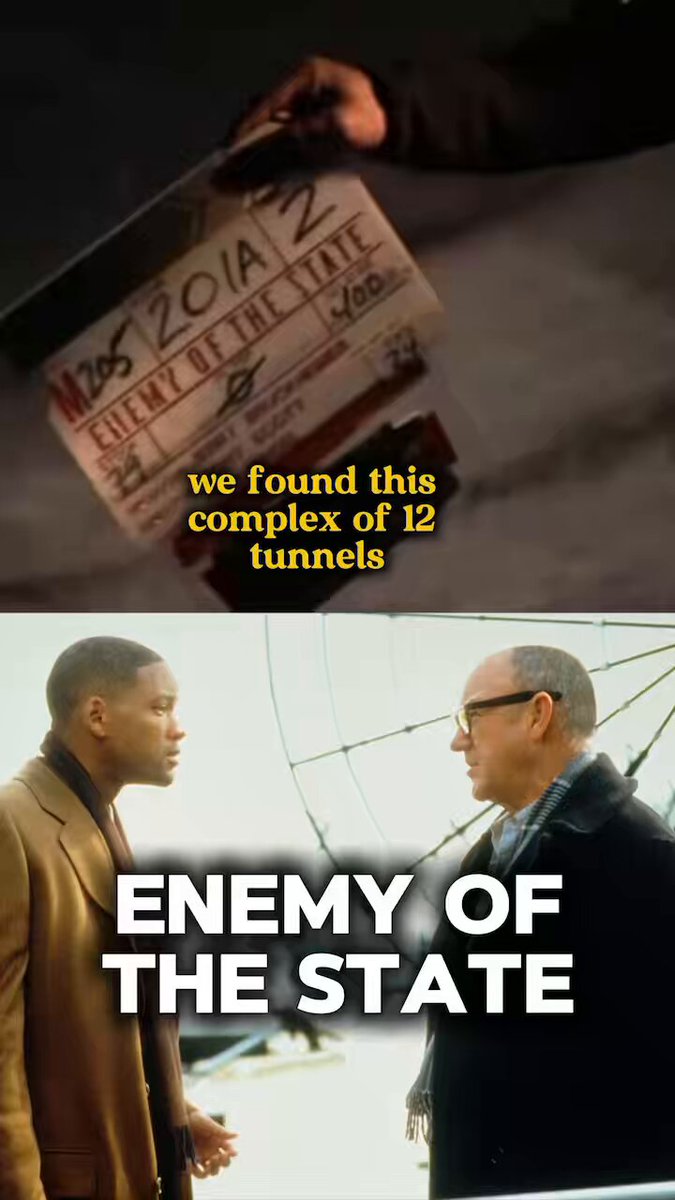
Behind the scenes on Enemy of the State (1998), the crew cut cars into pieces, carried them underground and welded them back together to film one of the movie’s biggest chase scenes.
2
1
102
Jun 3
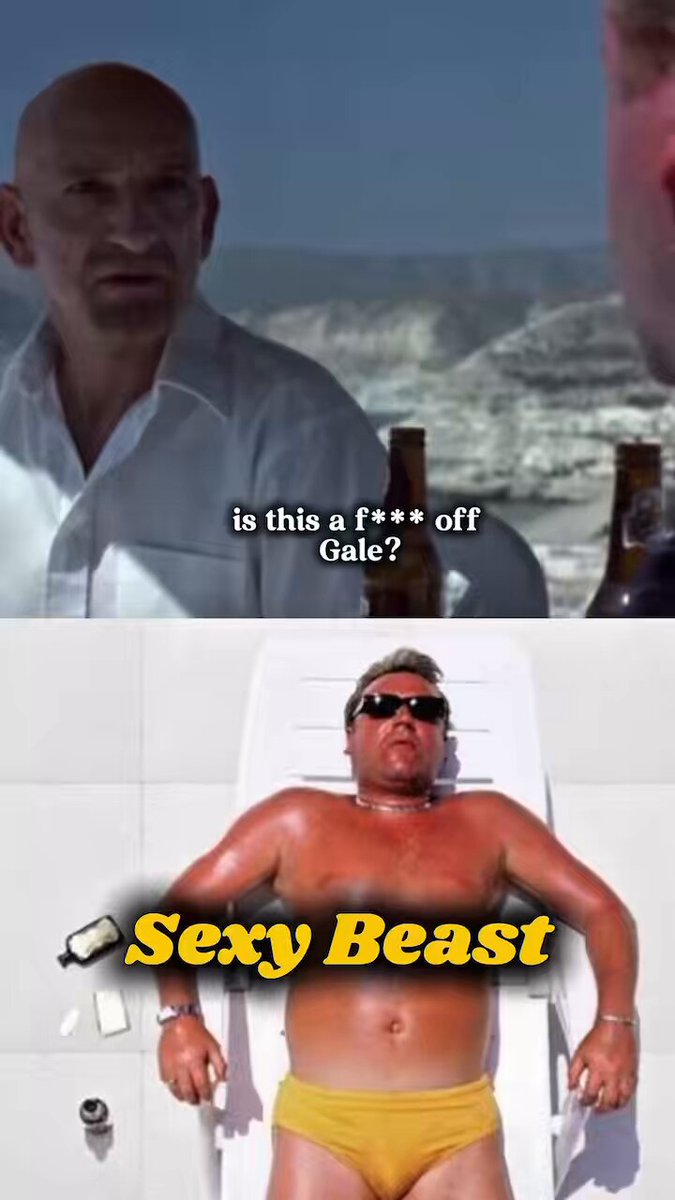
Ben Kingsley’s performance in Sexy Beast (2000) is one of the most intimidating ever filmed. Don Logan spends this entire scene doing almost nothing except talking, yet the tension is unbearable because he refuses to accept “no” as an answer.
1
2
95
Jun 2
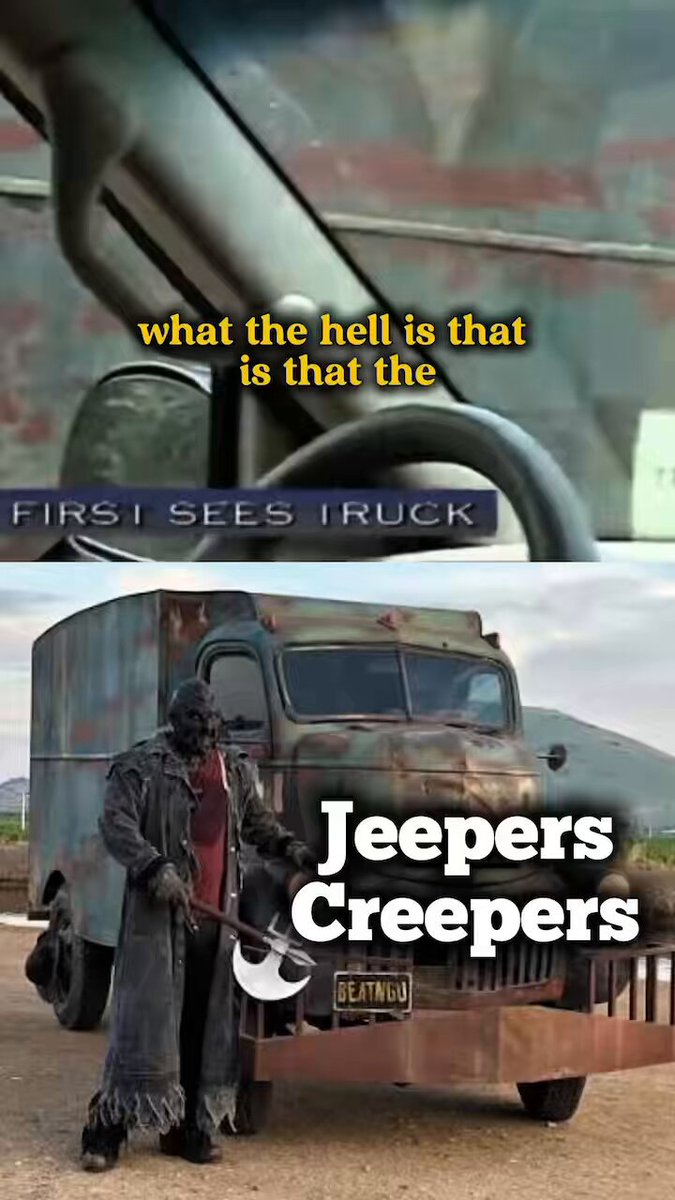
The truck chase in Jeepers Creepers (2001) feels terrifying because cinematographer Don E. FauntLeRoy mounted three cameras directly onto the Creeper’s truck and chased the Chevy for real with stunt drivers.
1
1
2
484
Jun 2
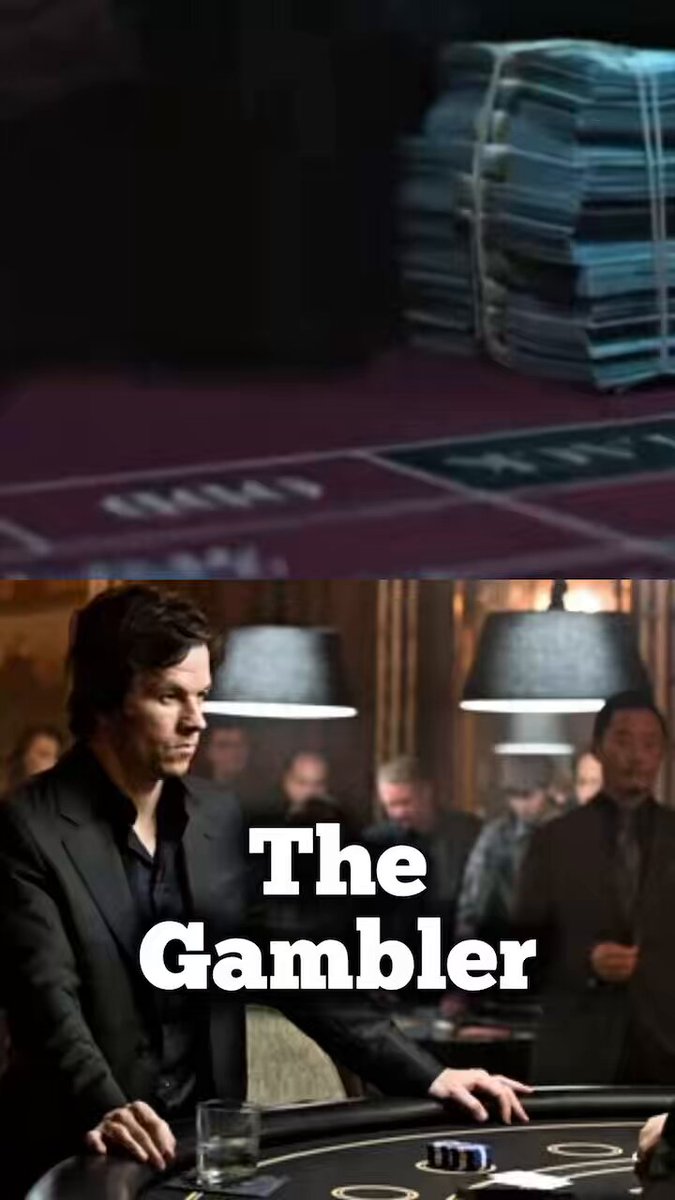
The genius of the final all on black scene in The Gambler (2014) with Mark Wahlberg is that Jim Bennett isn’t betting to get rich. He’s betting to escape the version of himself that keeps choosing risk and self-destruction. The money pays off his debts. The real win is living.
1
2
91
Jun 1
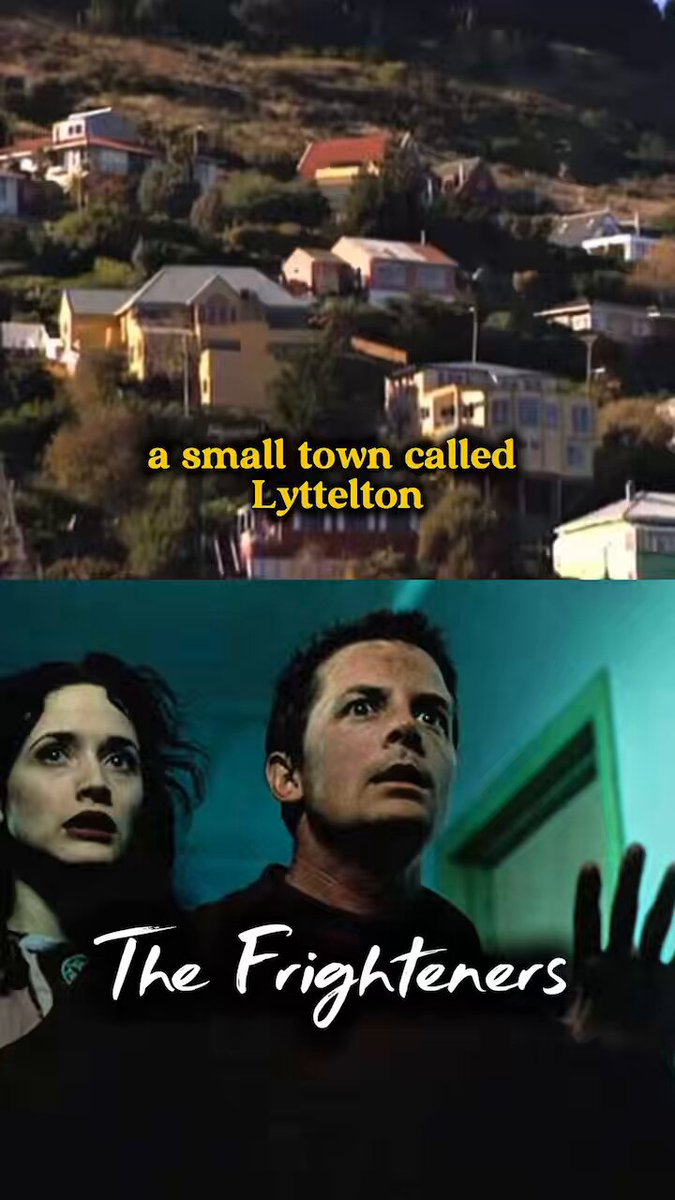
This behind the scenes footage from The Frighteners (1996) shows Peter Jackson transforming a small New Zealand town into America, while Michael J. Fox explains filmmaking to local children. A great reminder that every movie is built by people working together behind the camera.
1
3
130
May 31
Ke Huy Quan accidentally gave Kate Capshaw a black eye while filming Indiana Jones and the Temple of Doom (1984). The next day she arrived to leading crew members and even Steven Spielberg to start wearing matching fake ones as a joke.
2
1
3
200
May 30
The rumble in The Outsiders (1983) almost looked completely different. Francis Ford Coppola originally staged it around a campfire, but when rain turned the set into a mud pit he embraced the weather instead of pausing production. Making one of the most iconic scenes in the film.
1
1
39
May 29
Denzel Washington almost passed on Remember the Titans (2000) then he met the real Herman Boone, the coach, the man, the father, and Denzel realised the character wasn’t in the script. He was sitting right in front of him.
1
2
84
May 28
Psycho (1960) changed horror because Joseph Stefano rewrote Norman as young, vulnerable and sympathetic, then Hitchcock paired him with Anthony Perkins. Suddenly the audience cared about the killer without realising it.
1
1
3
127