
Joined August 2017
- Tweets 7,551
- Following 368
- Followers 1,866
- Likes 4,608
703 Photos and videos
Pinned Tweet

19 Oct 2024
After five amazing years @GenderHistory my colleagues and I @unishefhistory are passing on the baton to edit this wonderful journal - please spread the word. We are looking for a team based at the same university. Also of course happy to answer any questions.
17 Oct 2024

CALL FOR BIDS: Our current editorial team will step down in June 2025. We are therefore inviting bids from teams of academics based in the UK, USA or Canada who are interested in editing Gender & History. Find out more information about how to apply here 👉onlinelibrary.wiley.com/page…
6
14
2,136
30 Oct 2024
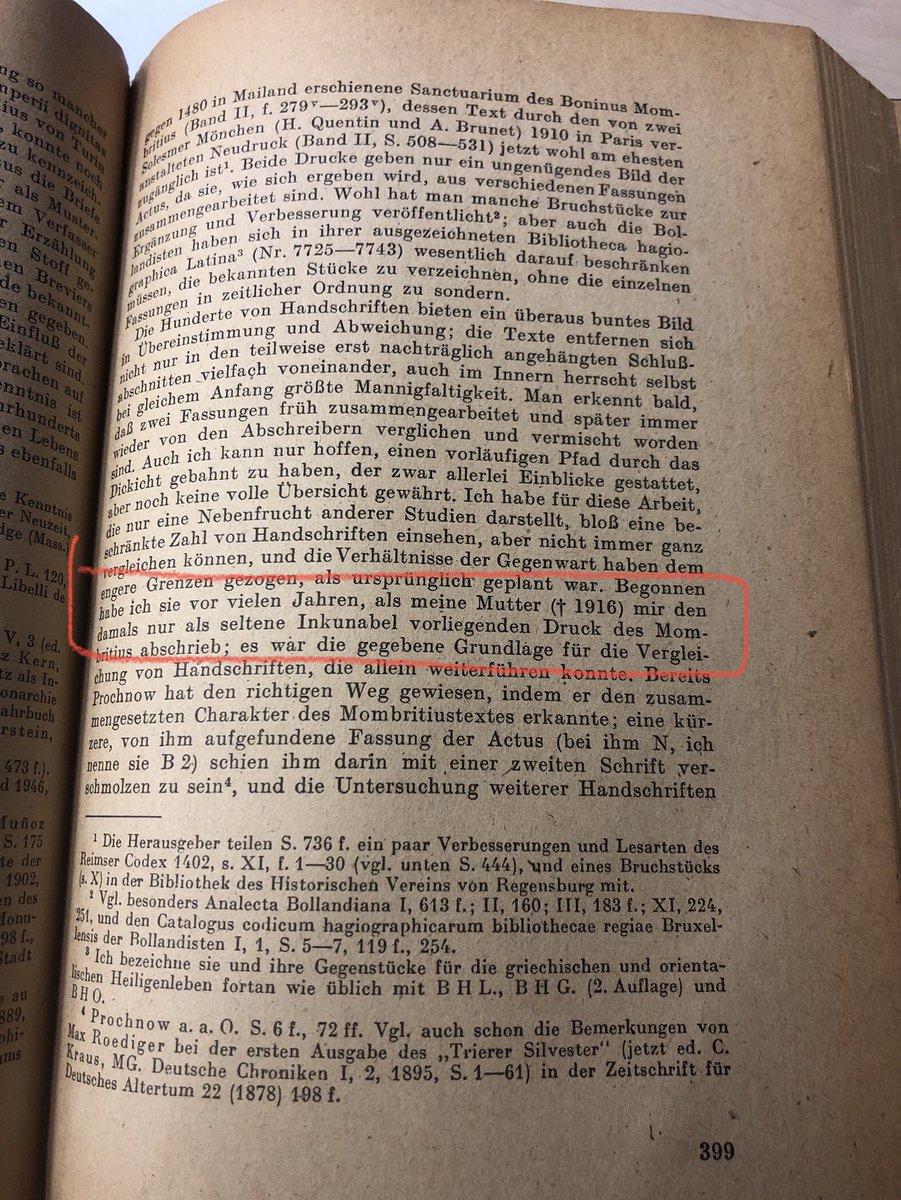
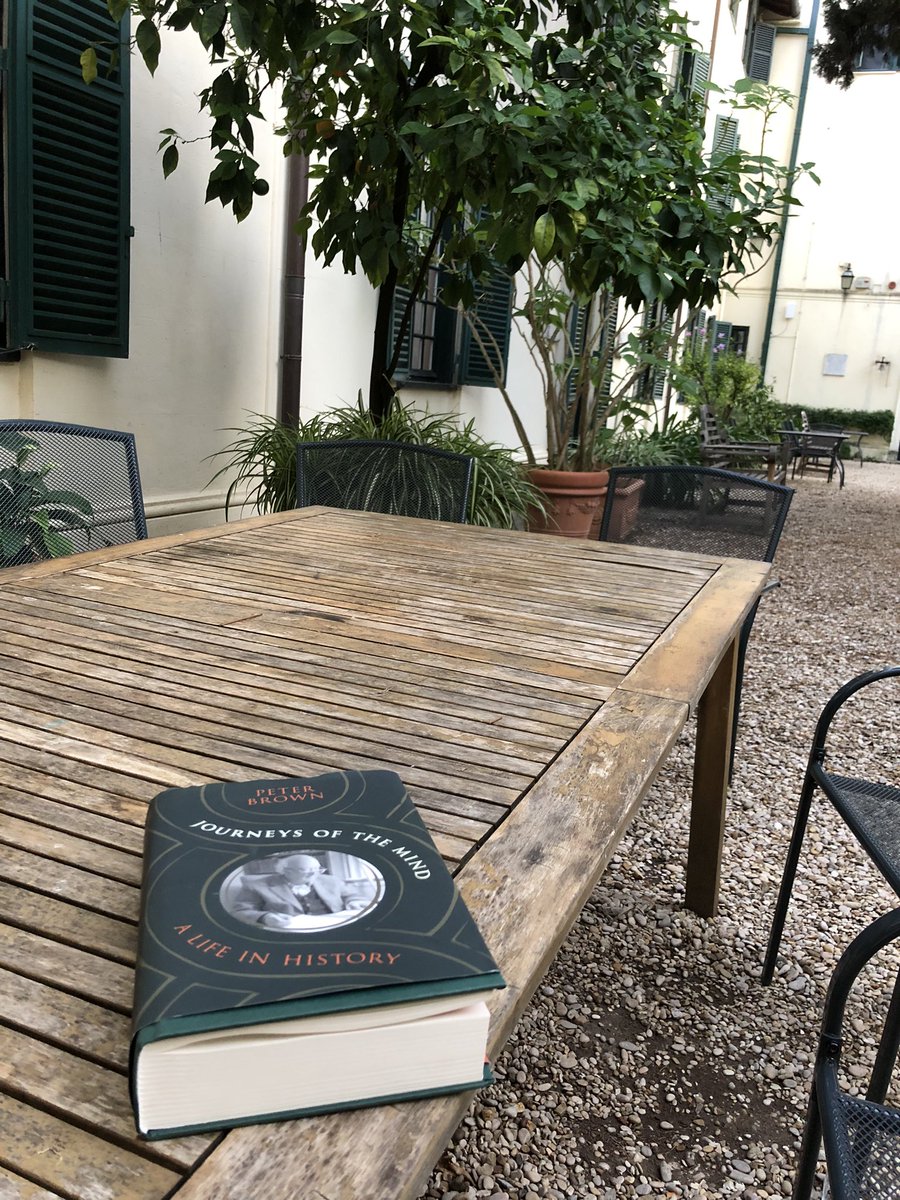
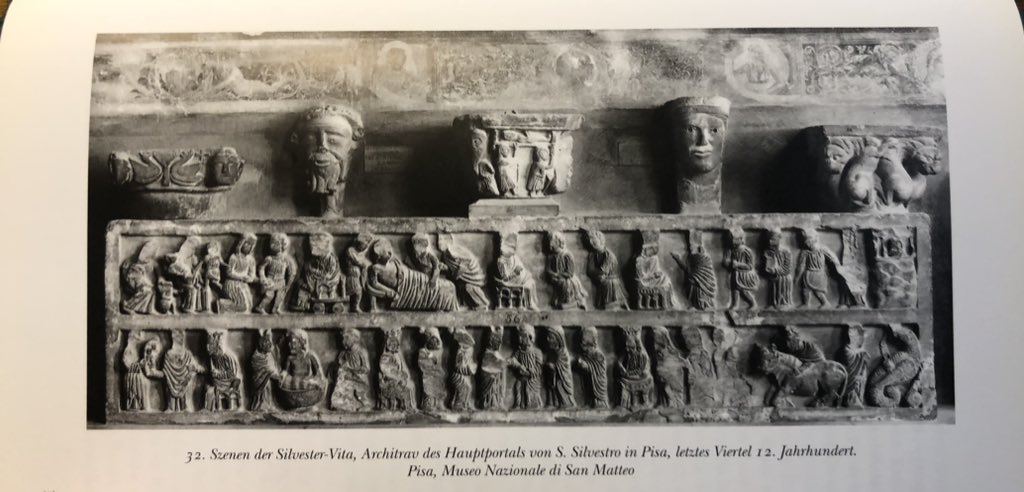
Reading about the Acts of Silvester (where Helena appears as patron of Jews) and learning that Wilhelm Levison, one of most influential scholars of the Acts, started working on them only after his unnamed mother (!) copied the rare 15th century edition for him #thanksfortyping
1
8
614
30 Oct 2024
Wilhelm Levison, “Konstantinische Schenkung und Silvester Legende ”, in id. Aus Rheinischer und Fränkischer Frühzeit, Düsseldorf 1848
1
2
265
Julia Hillner retweeted

28 Oct 2024
#ICYMI We are looking for a new editorial team!
17 Oct 2024
CALL FOR BIDS: Our current editorial team will step down in June 2025. We are therefore inviting bids from teams of academics based in the UK, USA or Canada who are interested in editing Gender & History. Find out more information about how to apply here 👉onlinelibrary.wiley.com/page…
1
1
417
Julia Hillner retweeted

14 Oct 2024
Job: 1 Wiss. Mitarb. (m/w/d) "Geschichte der Spätantike und des frühen Mittelalters" (FU Berlin) ift.tt/loQ2gU7
1
3
505
3 Oct 2024
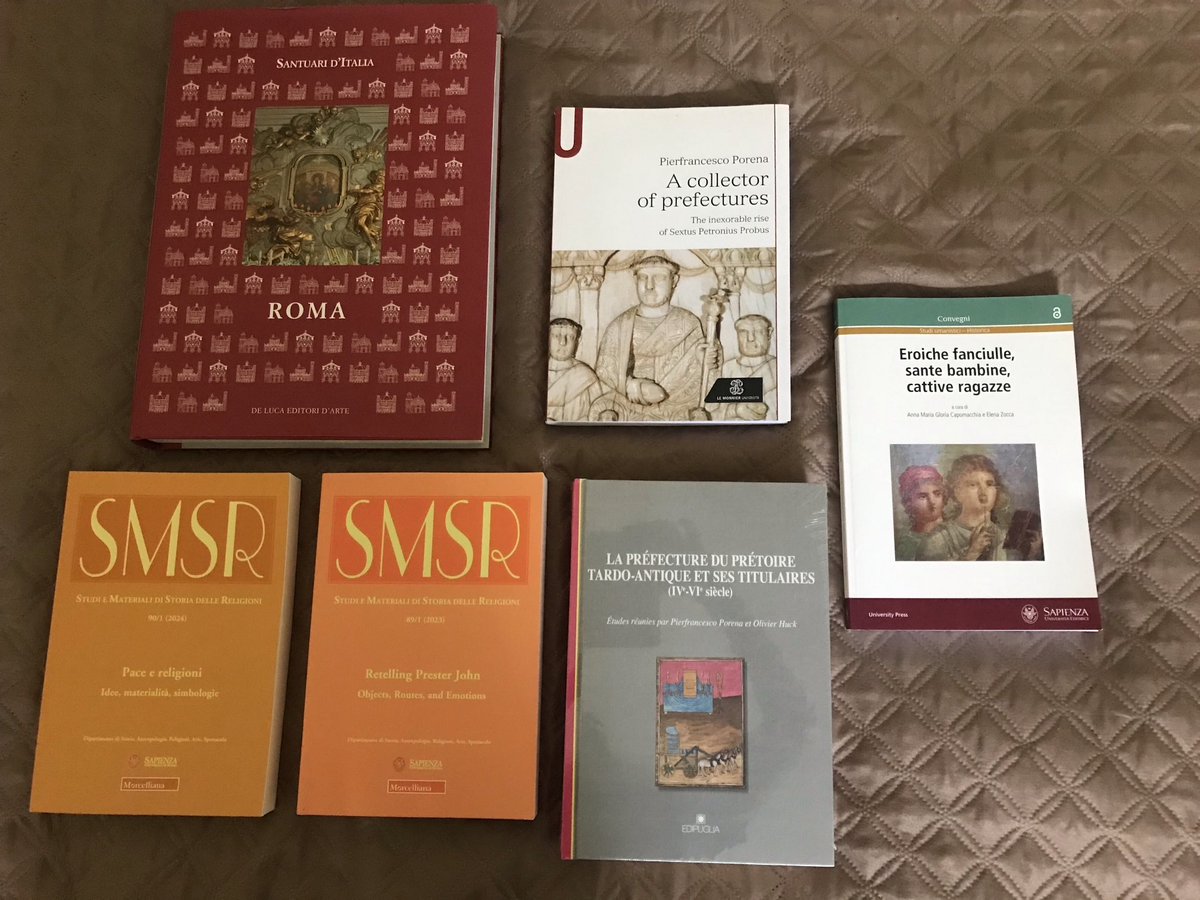
Packing my things, trying to work out how to haul home the books I generously got given by Roman friends old and new. There is so much excellent Italian scholarship, much of it sadly not known enough because not in English.
12
438
2 Oct 2024
Huge thanks to @pompei79 who showed me this site today! A great finale to my visiting professorship at La Sapienza. Now back to teaching @DependencyBonn
9 Dec 2023

An important discovery but I am honesty surprised that this is a „shock“. It is well known that bakeries doubled as penal spaces. Work here was often a punishment of the enslaved and convicts were sent here too. I write about this in my book on prisons 1/ dw.com/en/archaeologists-dis…
1
14
831
Julia Hillner retweeted

24 Sep 2024
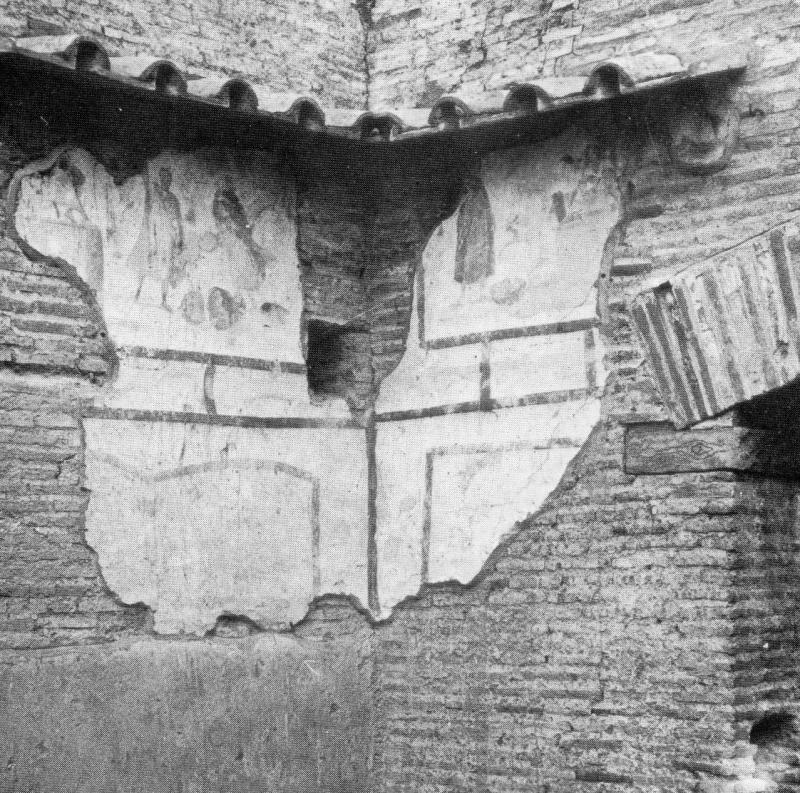
The original context of this painting is the House of Hercules in Ostia (IV.II.2-4). It was located next to another judicial scene. Photo: Pasini 1978, Pl. 59. For more information: ostia-antica.org/regio4/2/2-… #Classics
2
2
12
826
Julia Hillner retweeted

24 Sep 2024
I think there is no doubt (see e.g. Kaser, Das römische Zivilprozessrecht, index s.v. Frauen) that women 'sui iuris' could act in civil cases, though in the legis actiones they needed the auctoritas tutoris ... /thread
1
1
2
397
24 Sep 2024
This here is, if I understand this well, the first (extant) representation of Helena in Rome since her lifetime.
24 Sep 2024
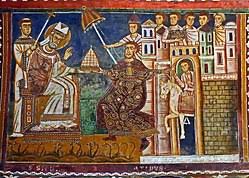
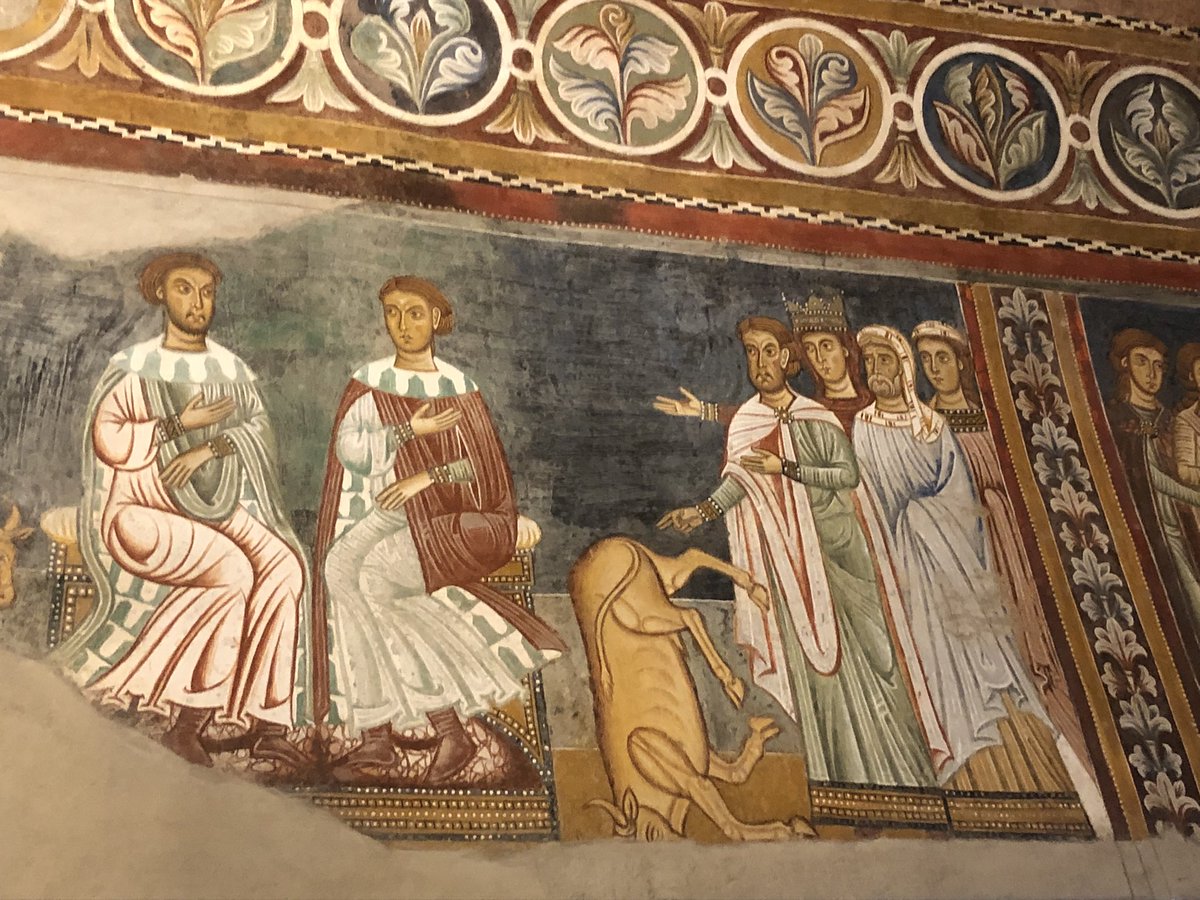
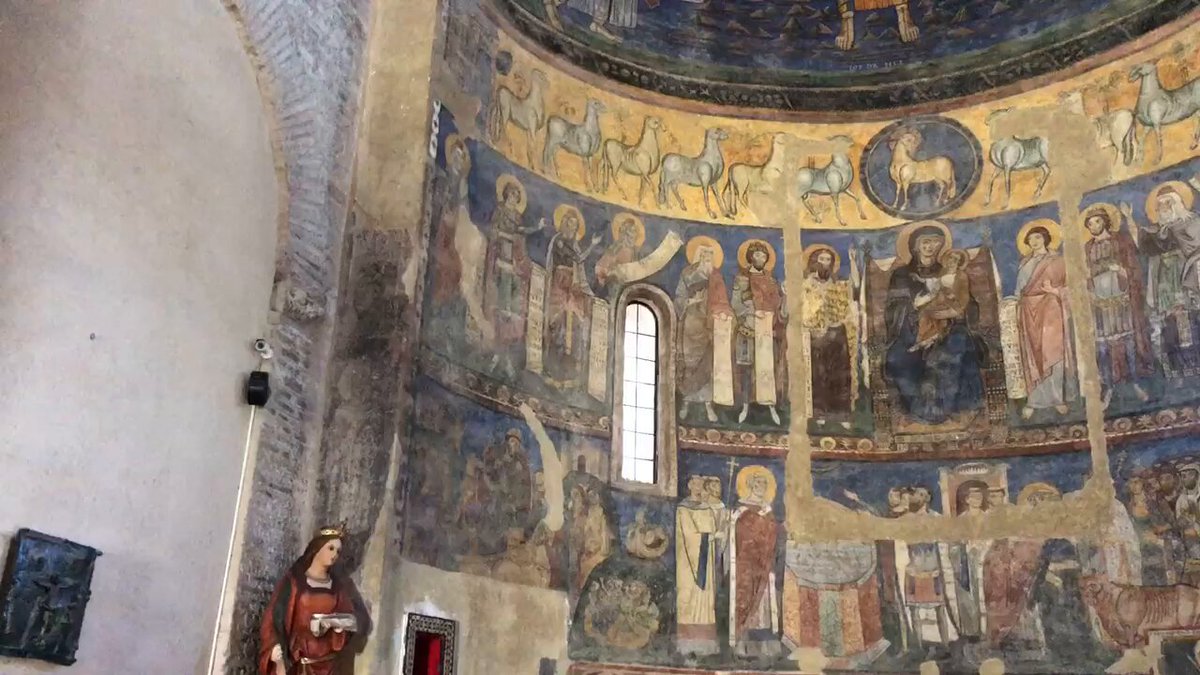
And here is Helena patron of Jews at the oratorio of S. Silvestro at Ss. Quattro Coronati in Rome. This is from 1246, so about 60 years after Tivoli. This fresco cycle also includes the finding of the True Cross which that in Tivoli doesn’t. Helena looks a lot less Byzantine.
ALT Fresco at Oratorio di San Silvestro, Rome, showing a scene from the Silvester legend: his disputation with Jews brought along by Helena and presided over by 2 pagan judges, in the course of which one uses magic to kill a bull.
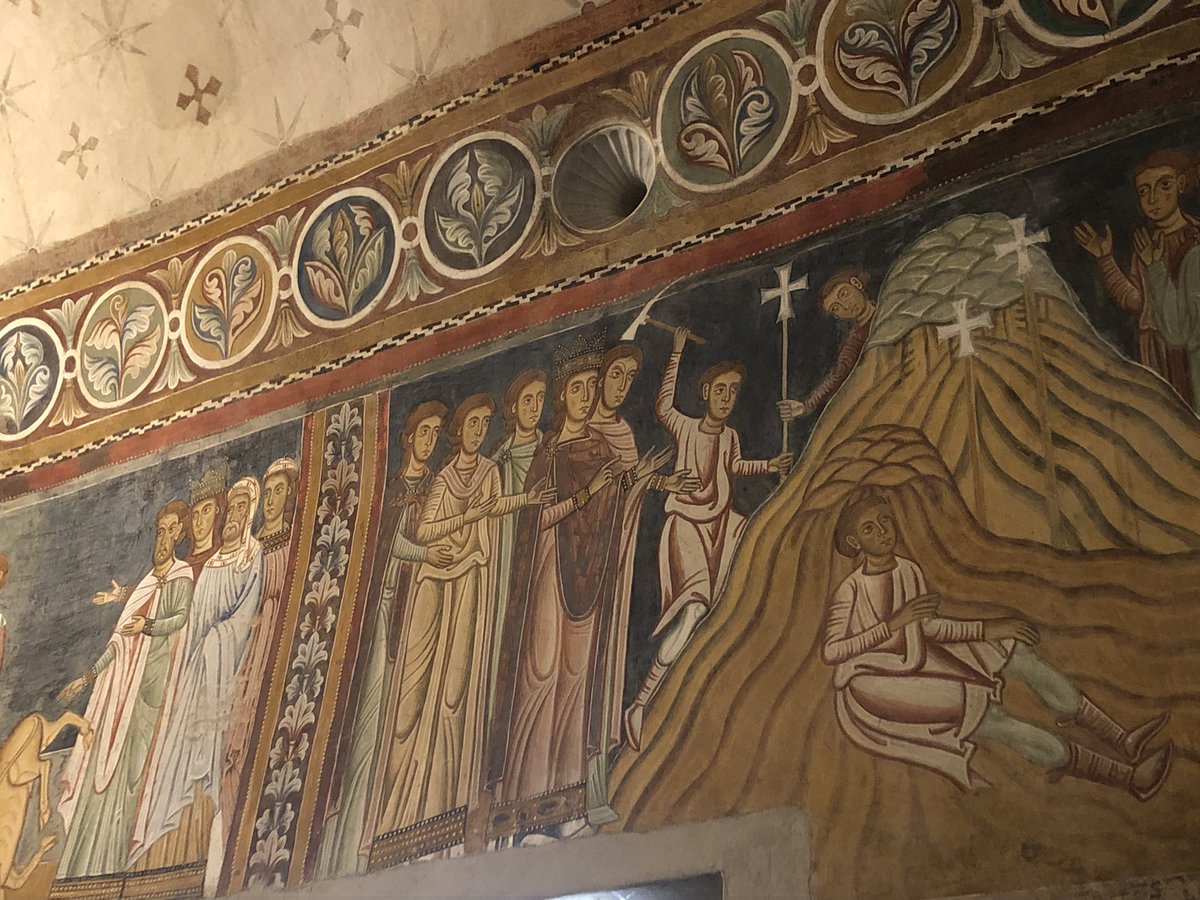
ALT Fresco at oratorio di San Silvestro, Rome, showing the discovery of the true cross in the presence of Helena through a healing miracle
1
10
560
24 Sep 2024
And here is Helena patron of Jews at the oratorio of S. Silvestro at Ss. Quattro Coronati in Rome. This is from 1246, so about 60 years after Tivoli. This fresco cycle also includes the finding of the True Cross which that in Tivoli doesn’t. Helena looks a lot less Byzantine.
ALT Fresco at Oratorio di San Silvestro, Rome, showing a scene from the Silvester legend: his disputation with Jews brought along by Helena and presided over by 2 pagan judges, in the course of which one uses magic to kill a bull.
ALT Fresco at oratorio di San Silvestro, Rome, showing the discovery of the true cross in the presence of Helena through a healing miracle
14 Sep 2024
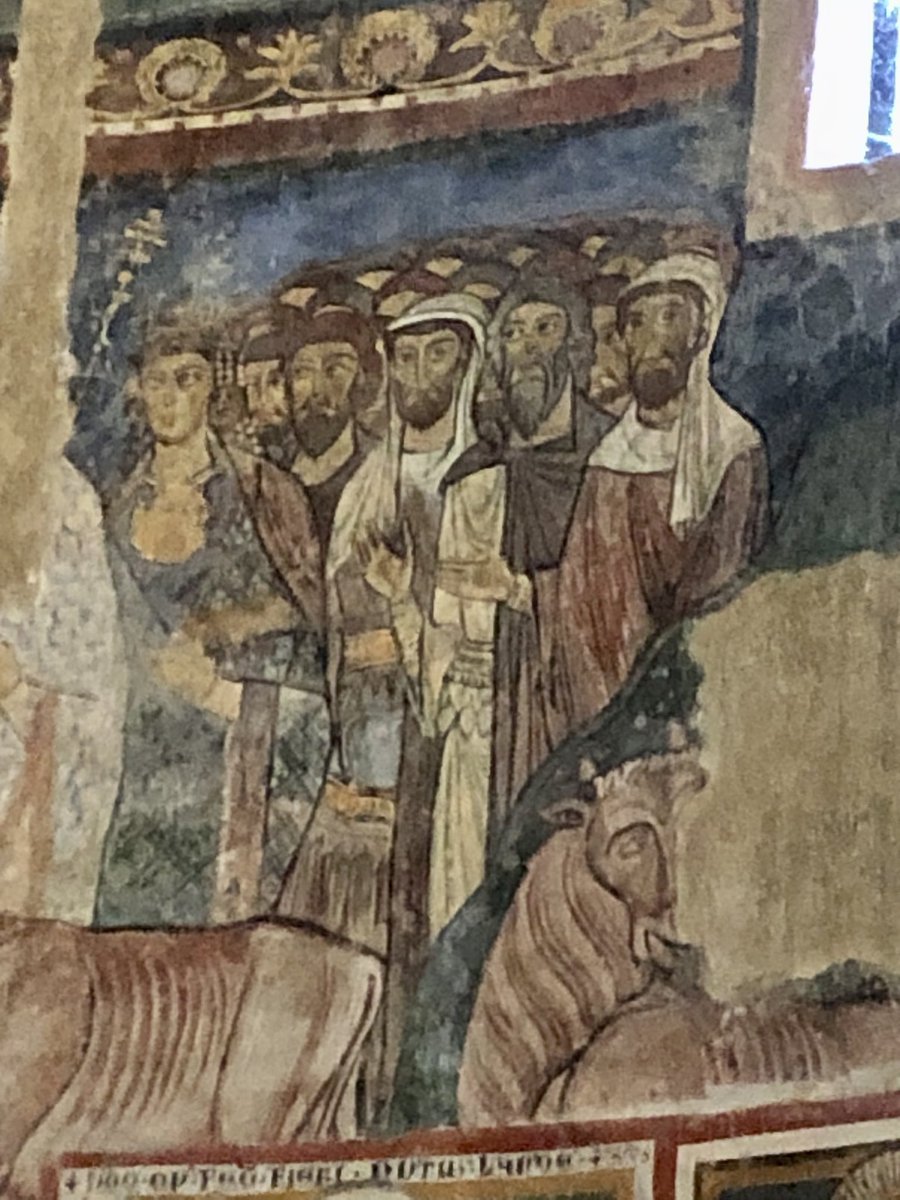
Here is my not very good photo of Helena with the Jews at San Silvestro in Tivoli, though a better one can be found here, albeit in black and white catalogo.fondazionezeri.unib…
5
944
Julia Hillner retweeted
24 Sep 2024
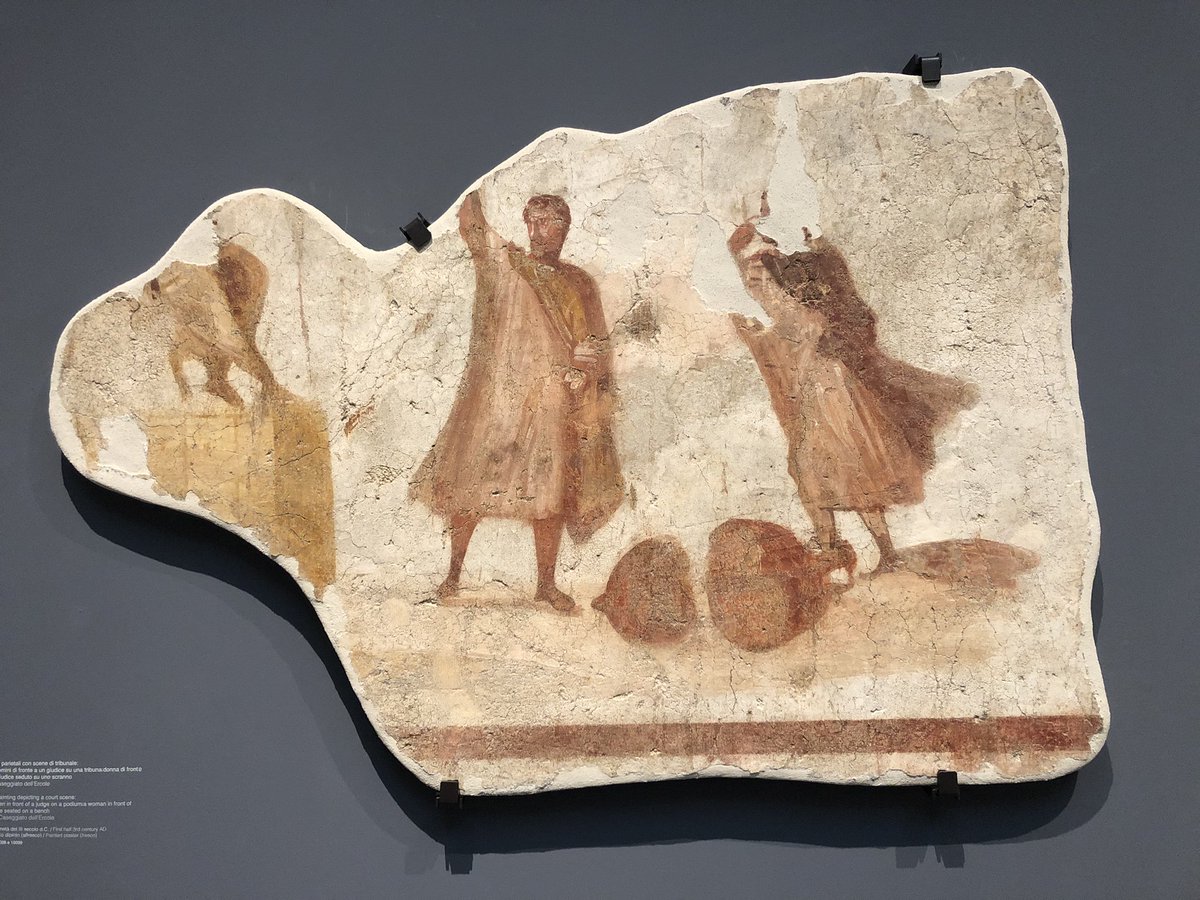
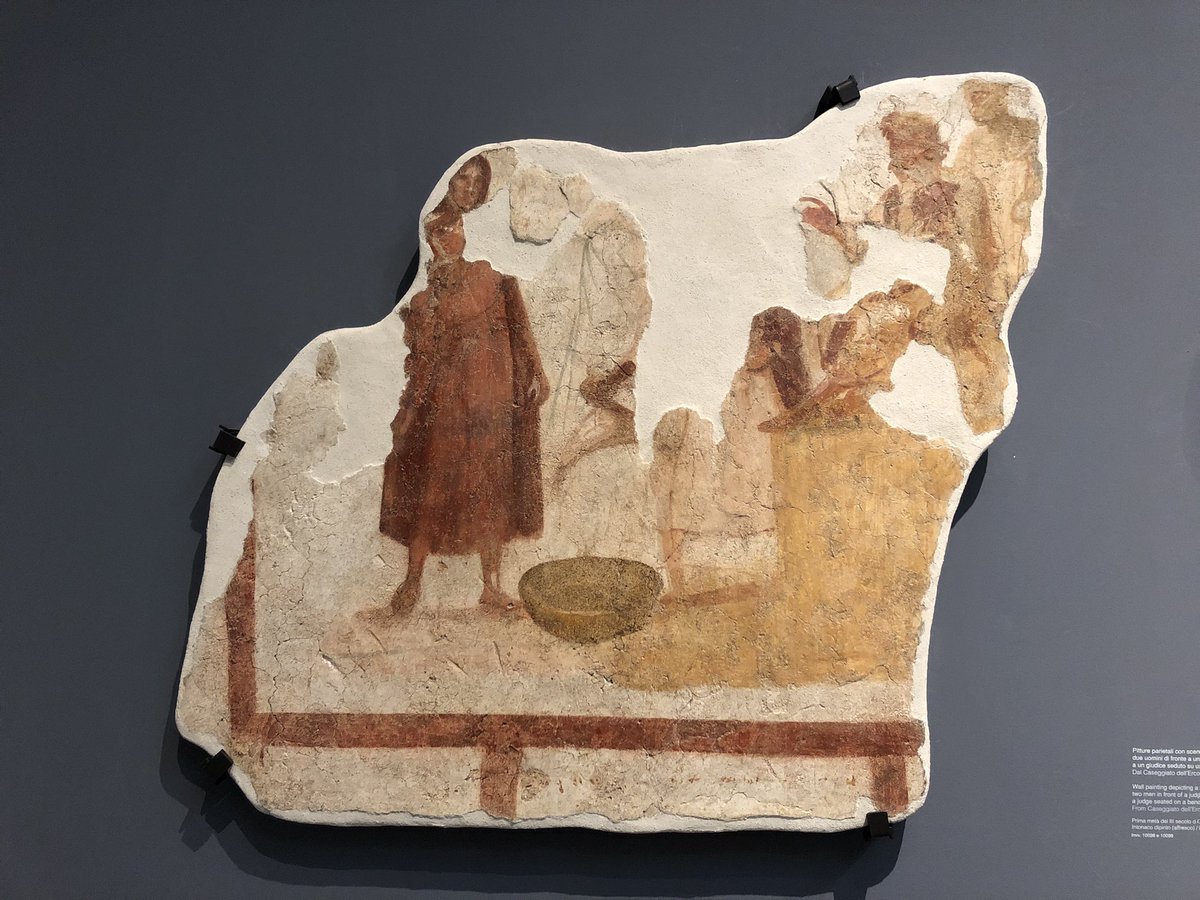
A remarkable fragment of a wall painting from Ostia depicts a woman before a judge. Roman women could appear in court and represent themselves. The fragment is a possible material trace of the practice. Thanks to @WritingHelena for drawing it to my attention.
23 Sep 2024
According to Roman law, women could not represent themselves in court, intervene for others or act as attorneys (Dig. 50.17.2). Why does the museum in Ostia antica say this fresco shows a woman in front of a judge? Does it actually do this, am I missing something? @lewismarkwebb?
2
9
59
3,299
23 Sep 2024
According to Roman law, women could not represent themselves in court, intervene for others or act as attorneys (Dig. 50.17.2). Why does the museum in Ostia antica say this fresco shows a woman in front of a judge? Does it actually do this, am I missing something? @lewismarkwebb?
1
4
20
5,220
21 Sep 2024
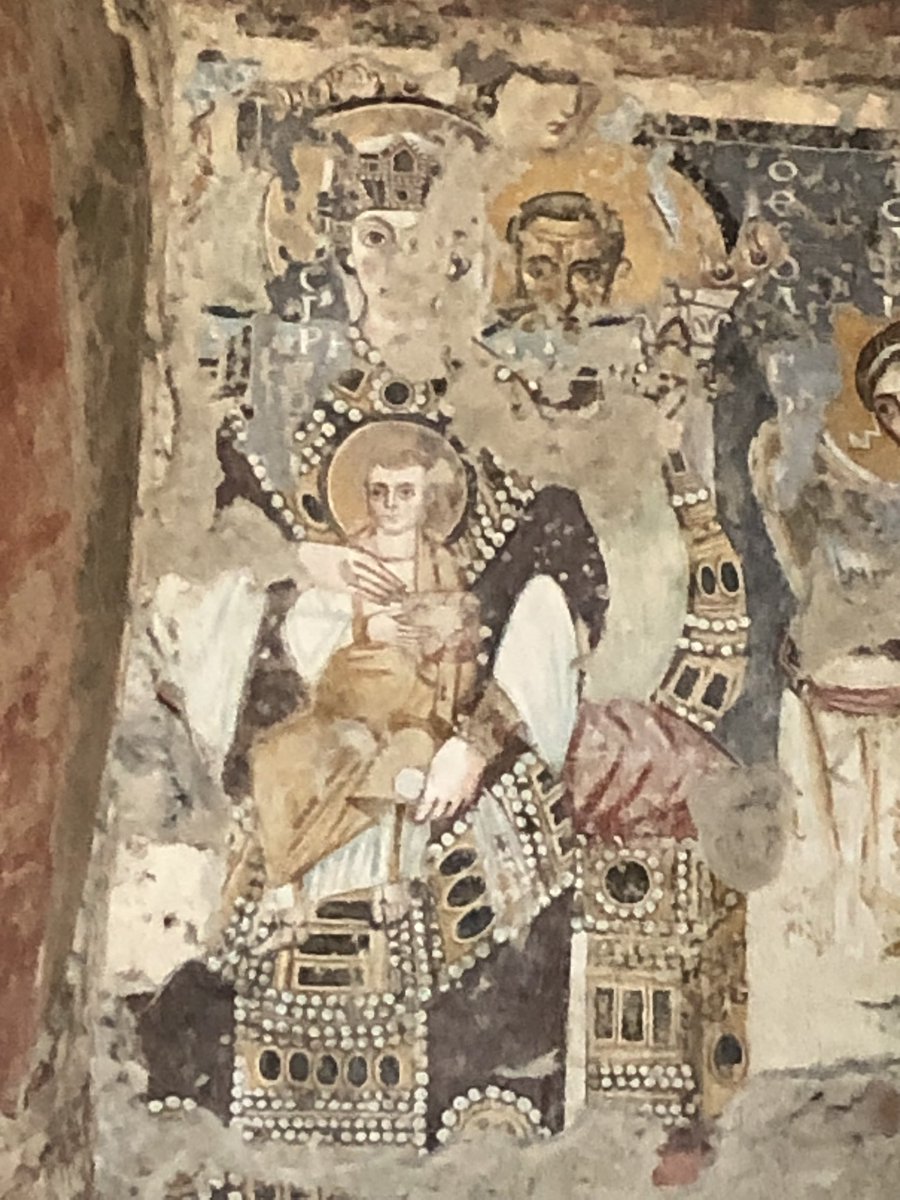
Ok, Constantine was yesterday, back to empresses. Here is a fresco of Maria Regina, Mary dressed as a late Roman empress, from the palimpsest wall in the apse of S. Maria Antiqua in Rome, 6th century.
1
6
28
1,577
21 Sep 2024
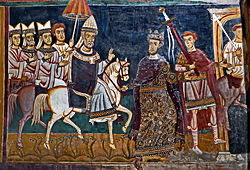
And for comparison, Helena at San Silvestro in Tivoli, late 12th century
11 Feb 2024
I think this is the fresco with Helena and the rabbis here? from medioevo.org/artemedievale/P…

1
2
363
Julia Hillner retweeted

20 Sep 2024
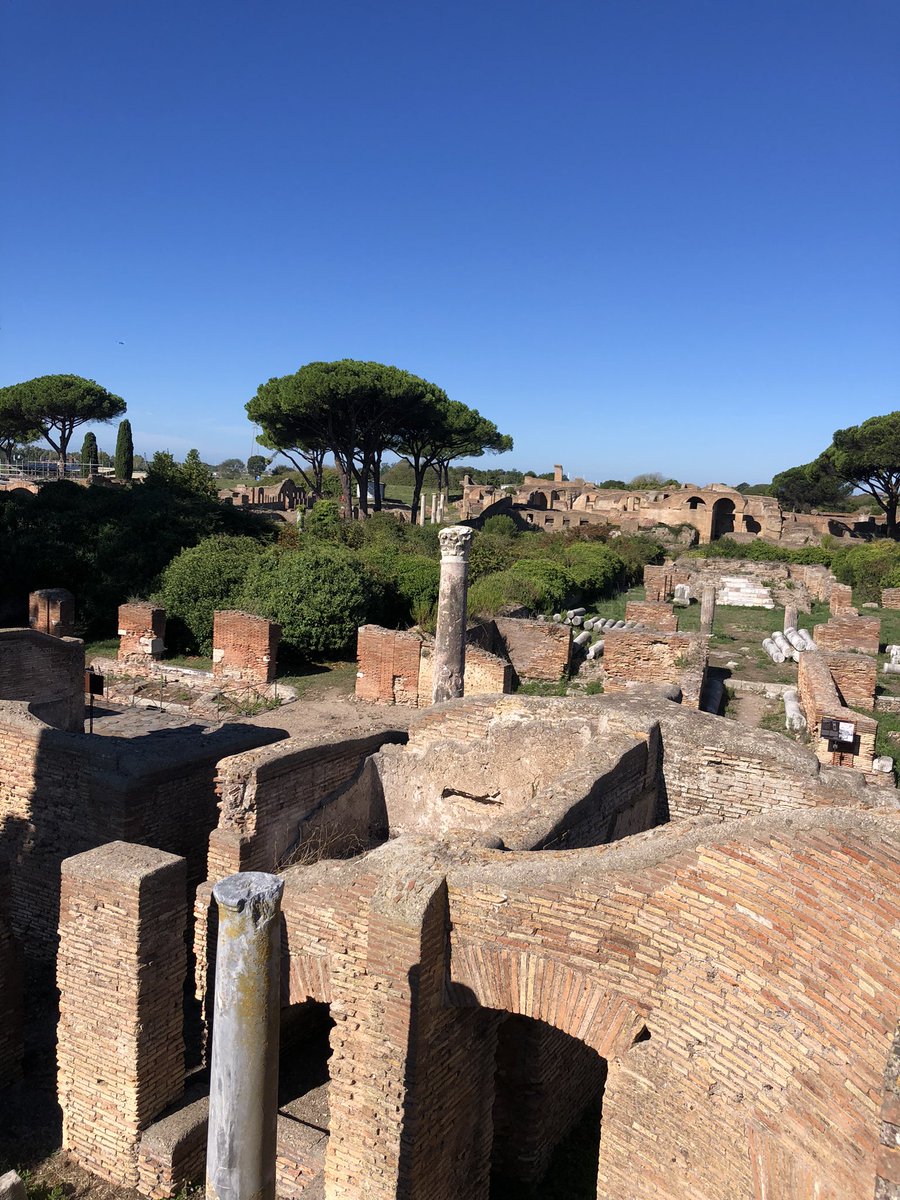
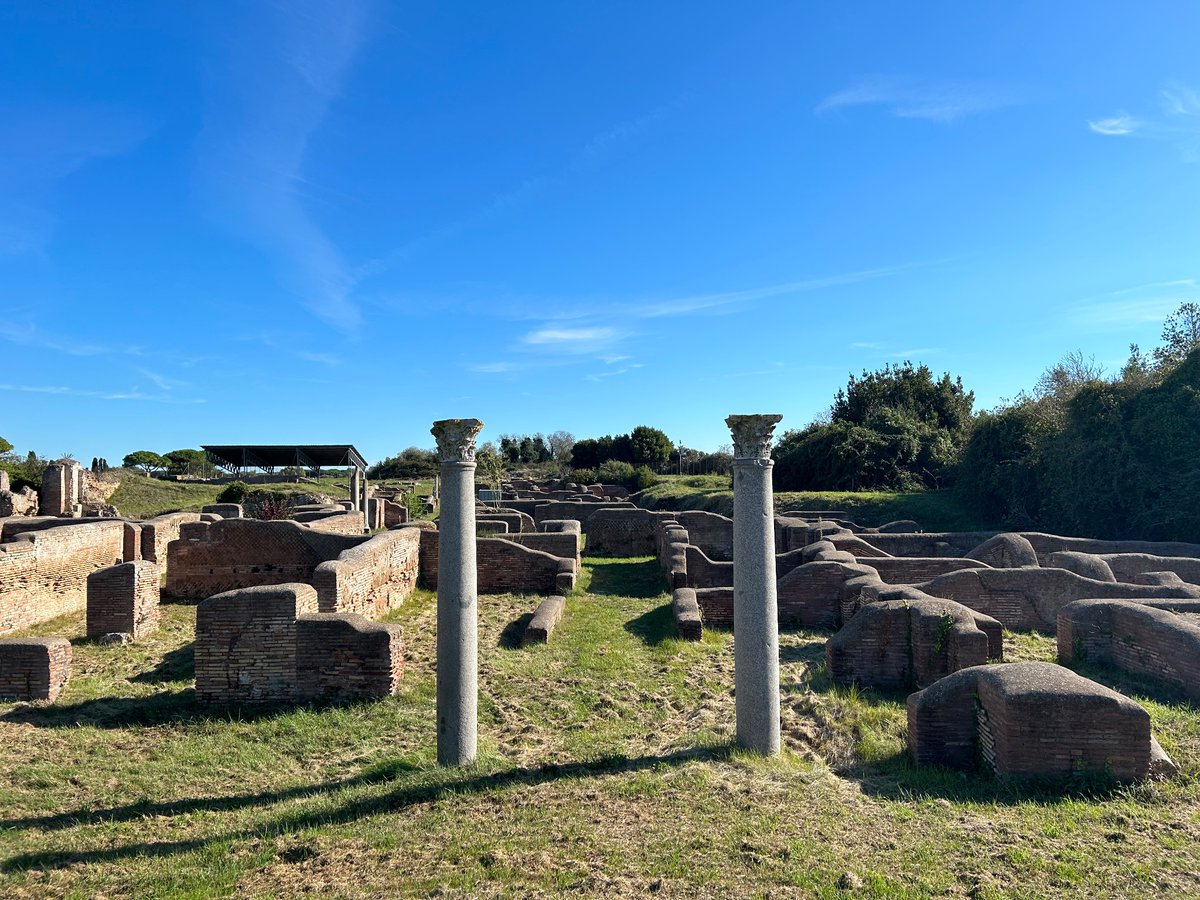
Thanks to German colleagues at #Rom_DAI & @WritingHelena, was able to visit Ostia during the general strike. The main reason was to visit the Case a Giardino, but was also able to visit the Constantinian Basilica and some imperial domus. Such a fruitful day with wonderful people!
1
2
15
625
20 Sep 2024
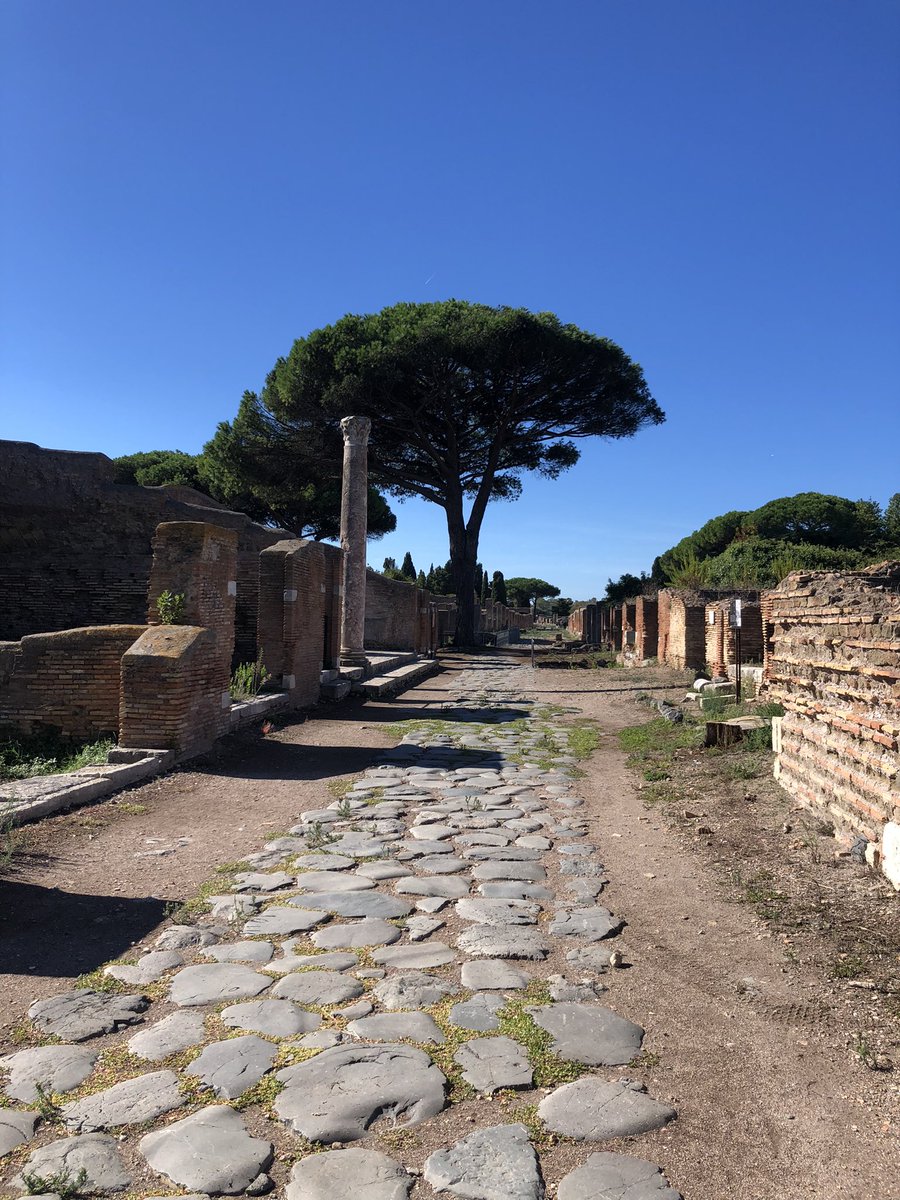
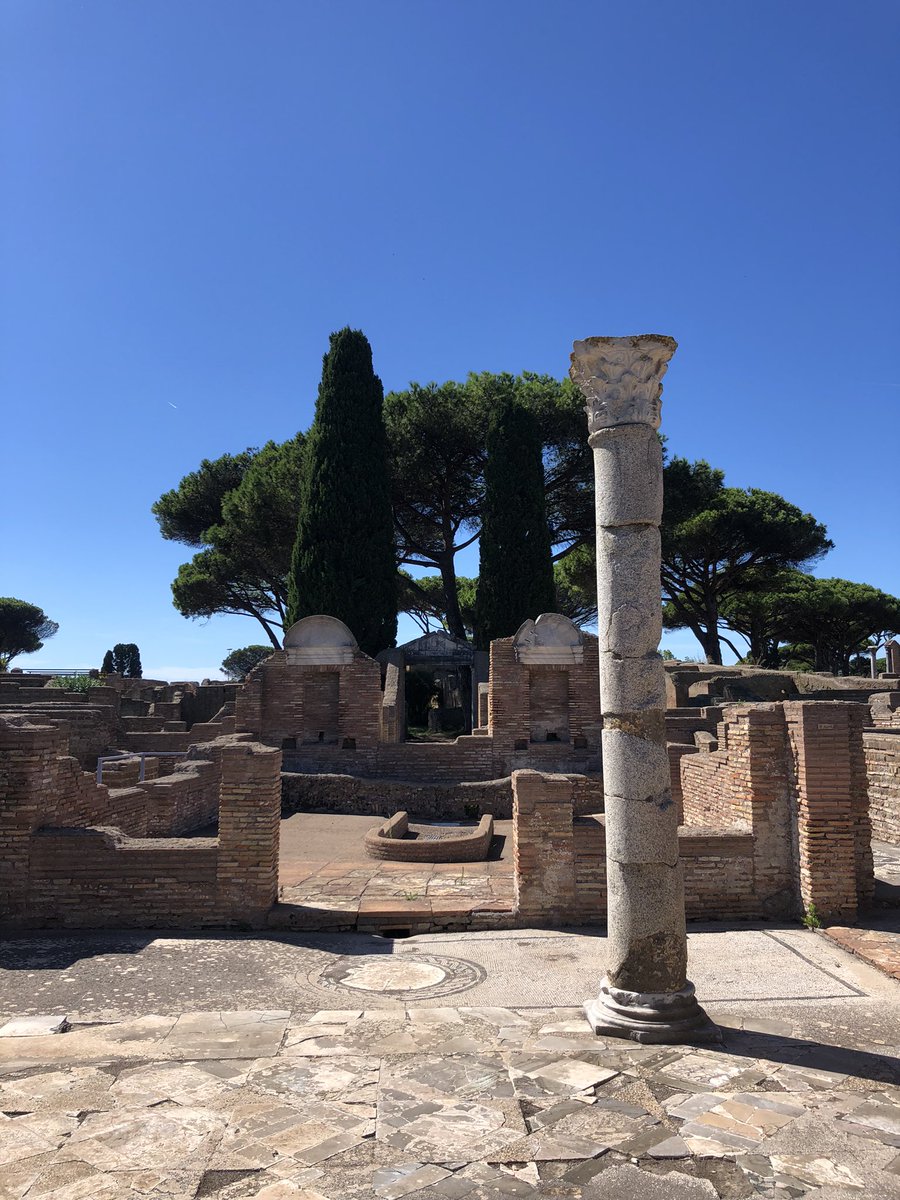
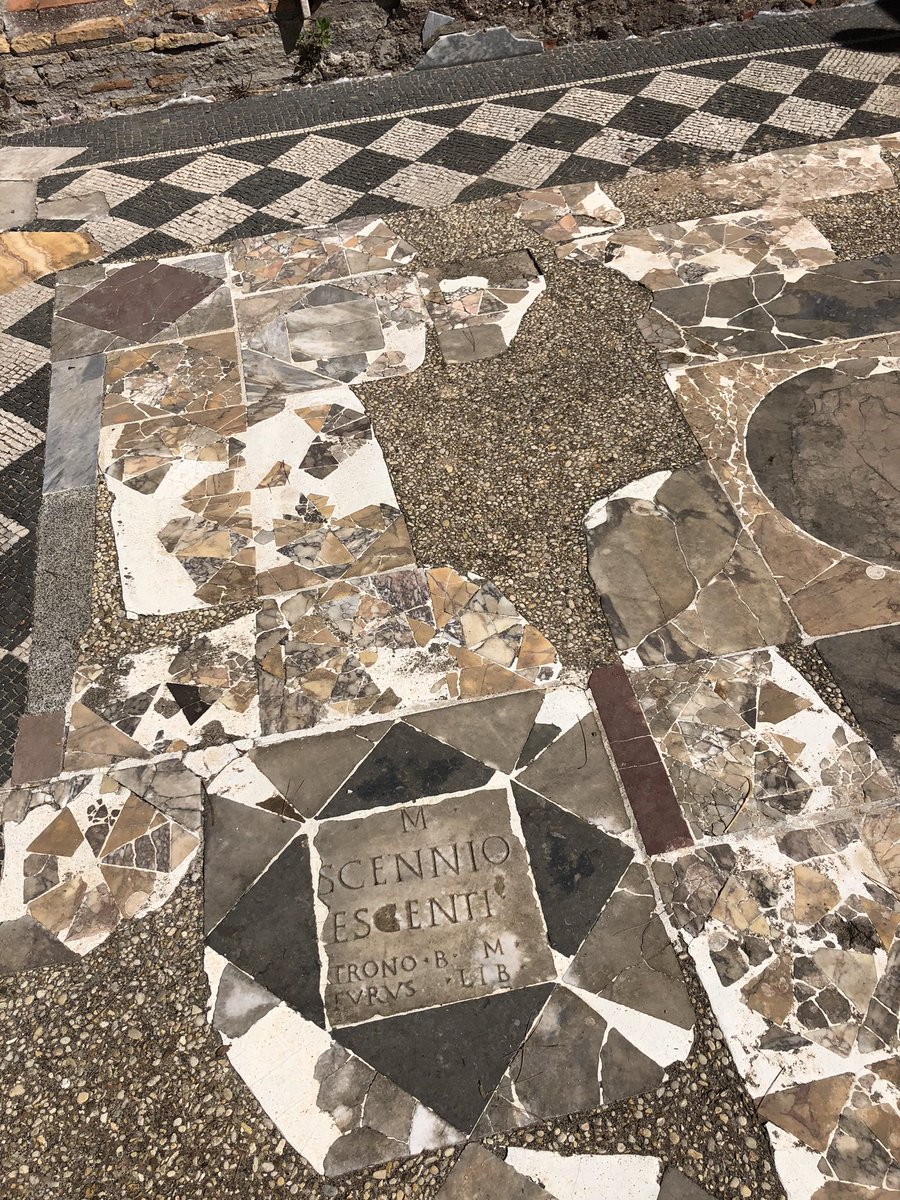
Had an also otherwise excellent day at Ostia antica with @worldofyuki, checking out the case ai giardini, the so-called imperial palace and the excavation of the Constantinian basilica @ArchaeoBonn
4
32
1,659
20 Sep 2024
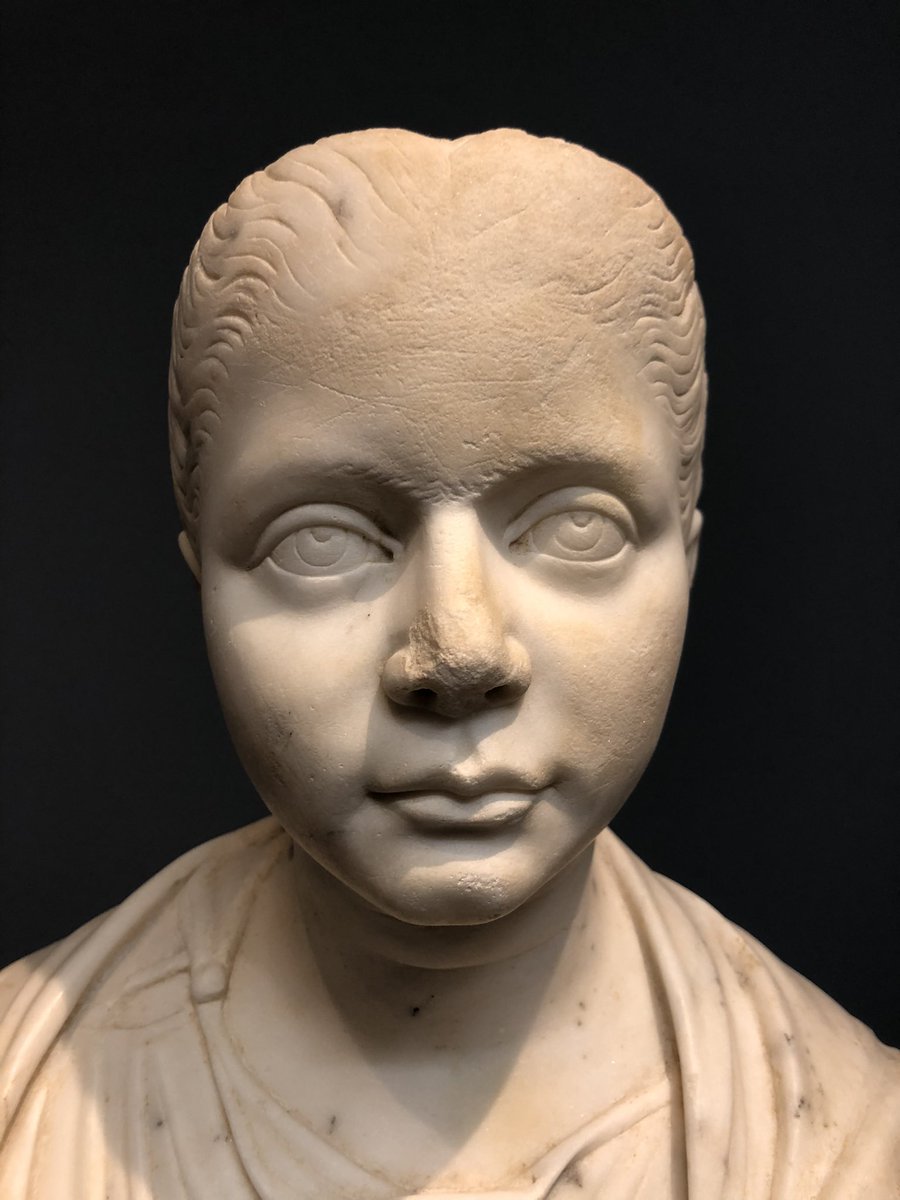
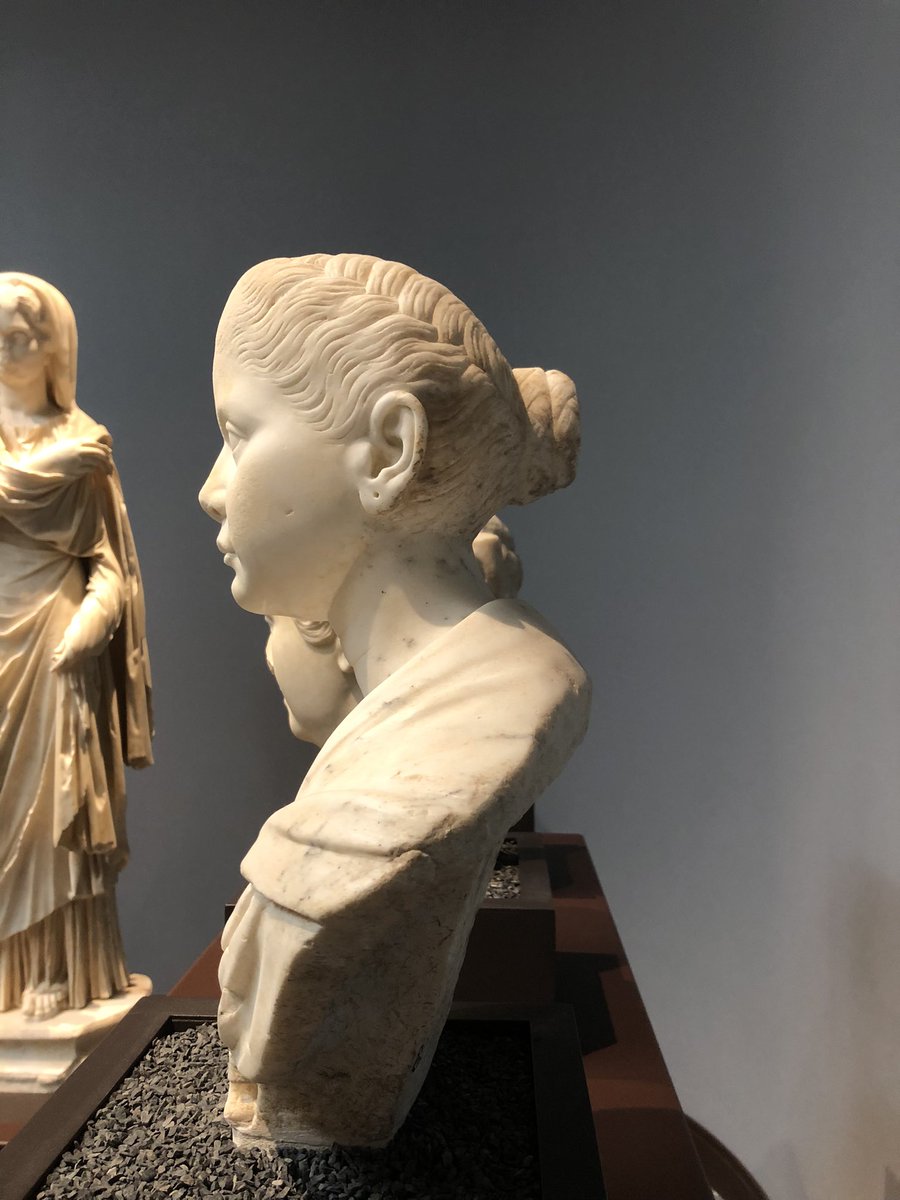
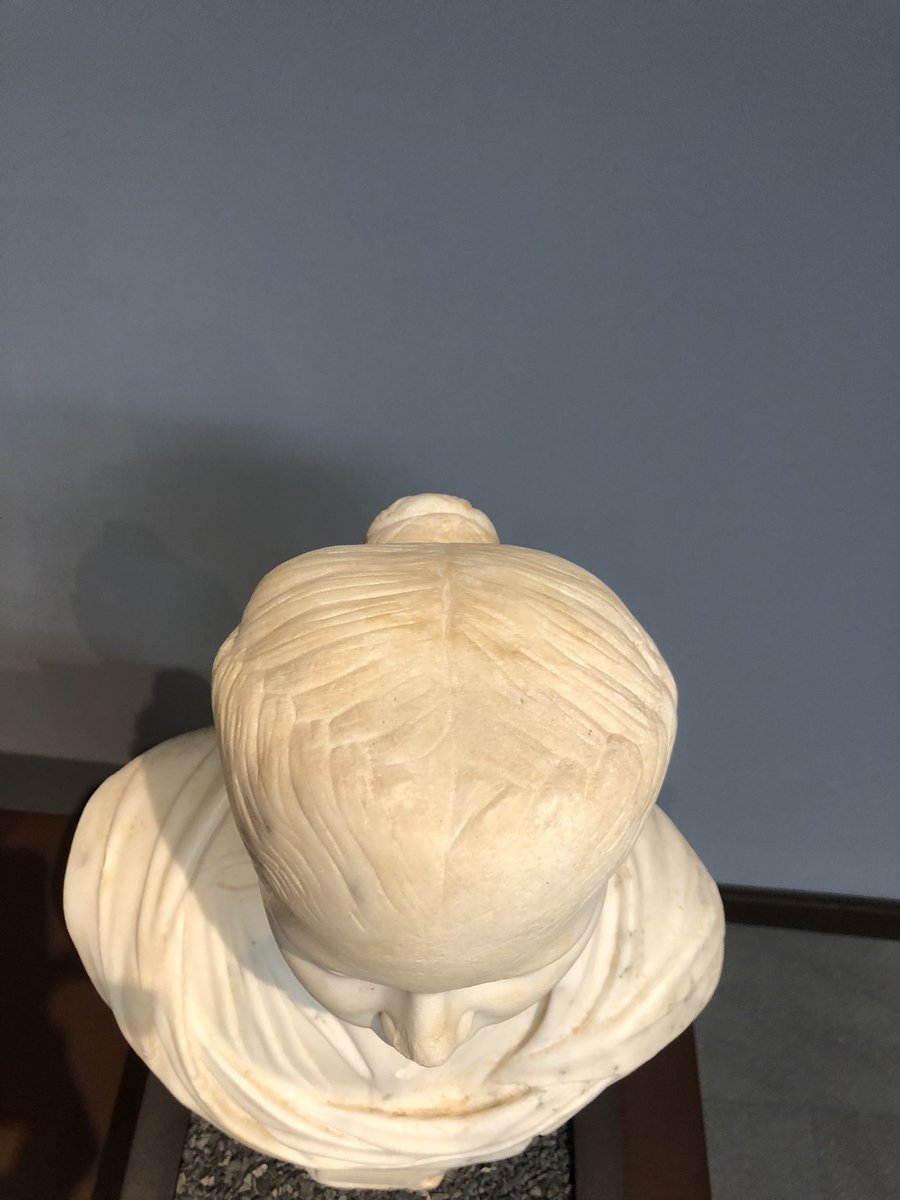
Marble bust of young girl, late 2nd century, at the newly refurbished Museo of Ostia Antica. Spot the monobrow, holes for ear rings and intricate braids.
4
259