I'm pretty much all in on Cellframe as I believe Quantum computers will pose significant threat in the future for non-prepared crypto.
Joined December 2017
- Tweets 2,449
- Following 97
- Followers 647
- Likes 4,336
270 Photos and videos


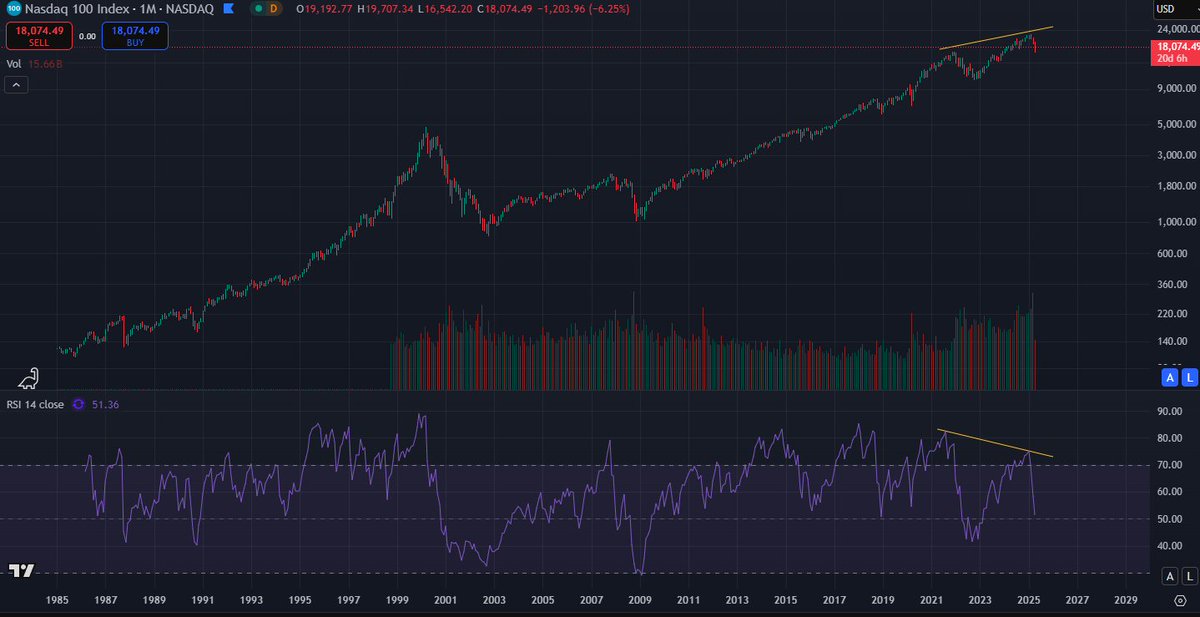
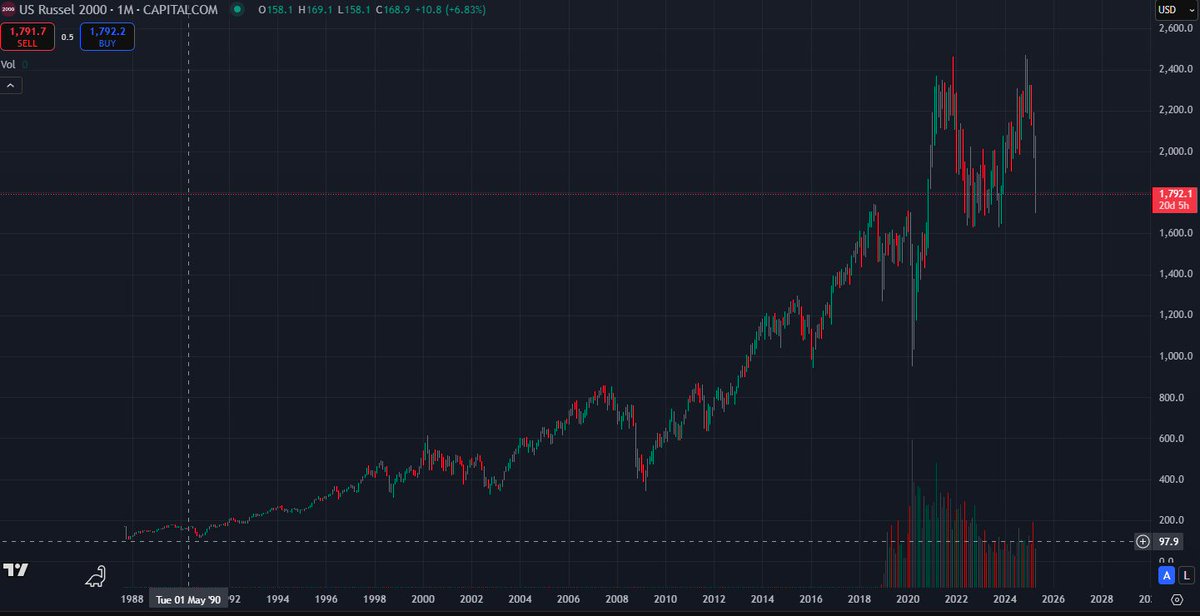


Apr 8
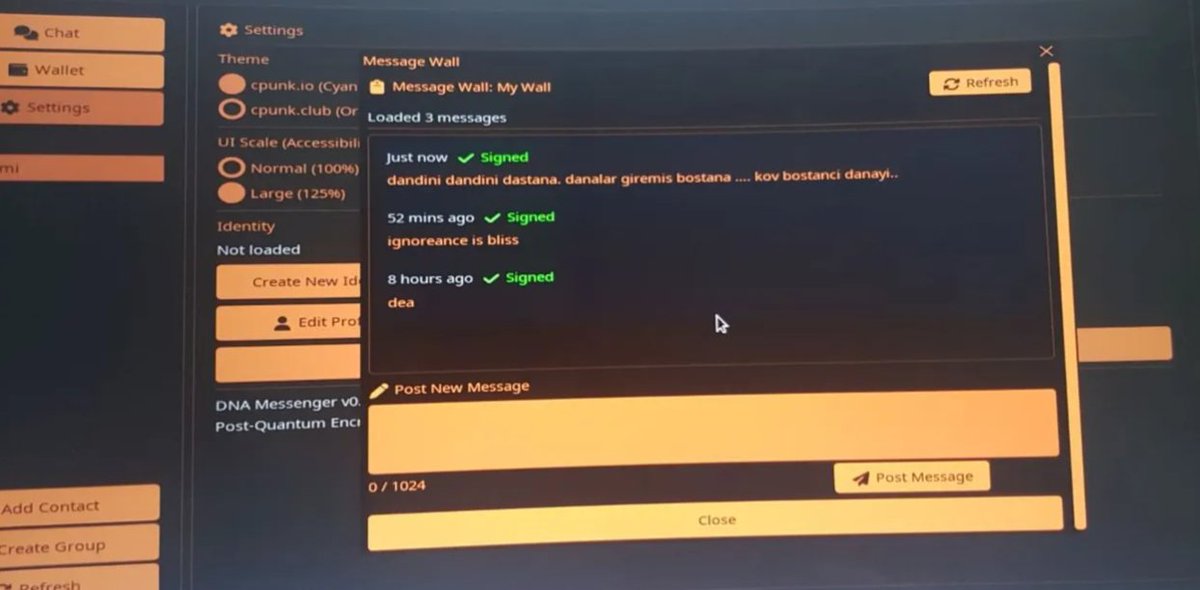
First they ignore you, then they laugh at you, then they fight you, then you win $cpunk (Account frozen...no details why)
1
1
43
Mar 1
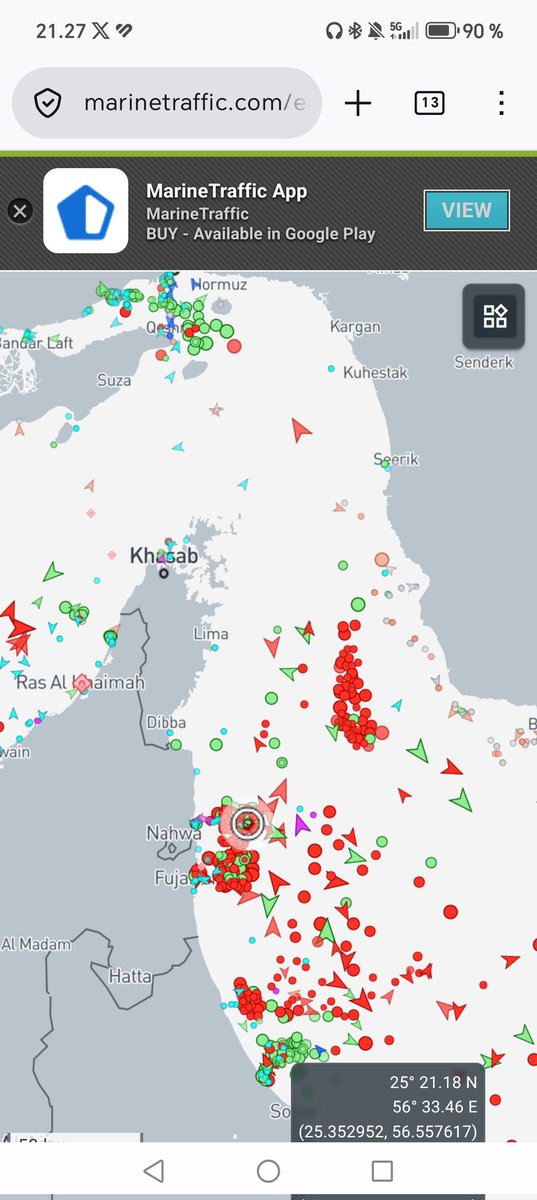
Strait of Hormuz at the moment. Lots of tankers anchored on both sides. What will happen when NYMEX opens in few hours? 💀
1
3
137
Trader1976💧 retweeted

Feb 12
The secret behind quantum search efficiency
Community note
This is a completely inaccurate depiction of quantum computing. Quantum computers don't work by "trying all possibilities in parallel", and aren't expected to provide faster than quadratic speedups in general (cf. Grover's algorithm).
scottaaronson.blog/?p=201
411
3,085
29,979
3,239,562
5 Dec 2025
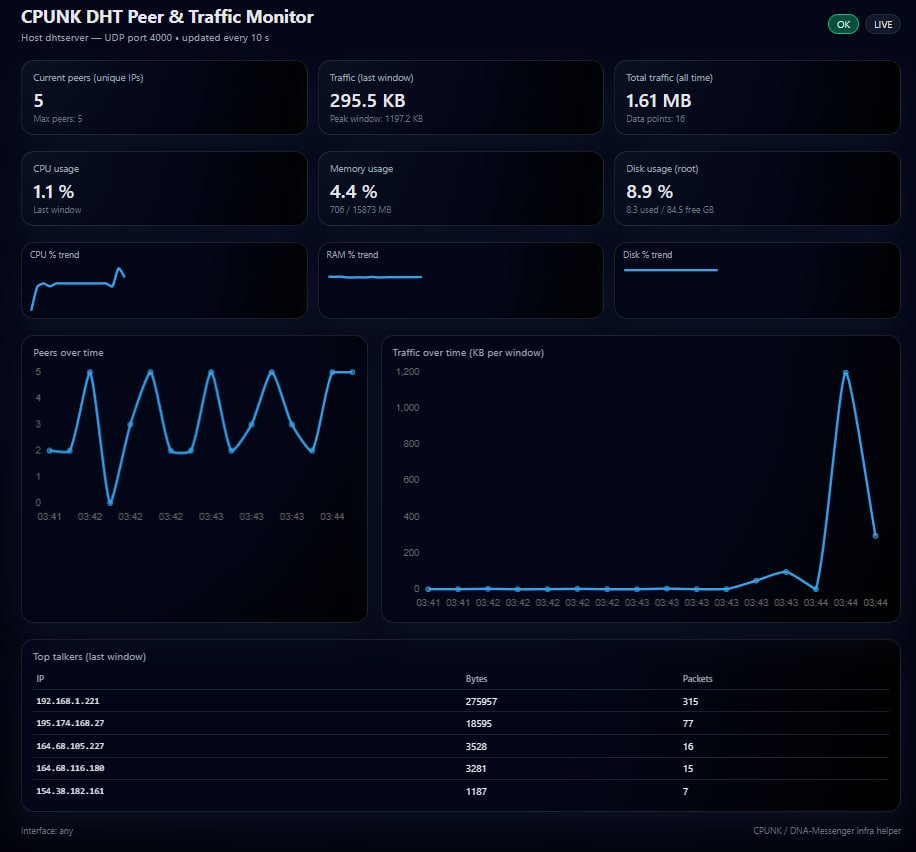
Made CPUNK DNA-Nodus monitor (PQ DHT-server for DNA-Messenger)
It shows you some metrics of DNA-Messenger traffic and your DNA-Nodus server.
github.com/Trader1976/CPUNK-…
#postquantum $cpunk $cell
4
10
427
Trader1976💧 retweeted

18 Nov 2025
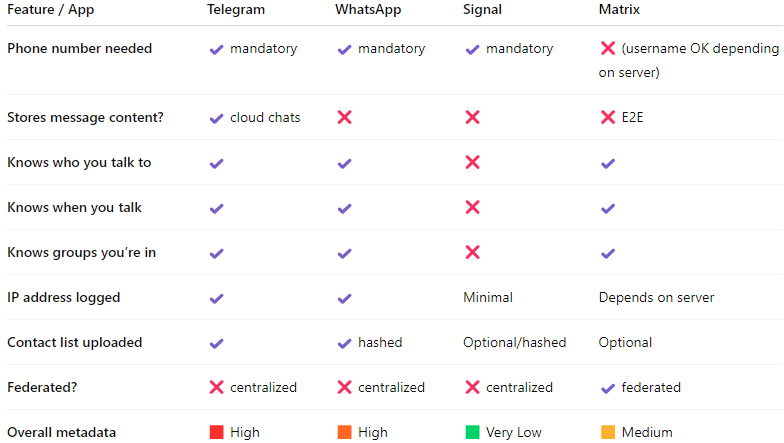
🧬DNA-Messenger knows nothing about you, or your msg recipient. 🔐Stay anonymous and safe!
$cpunk #chatcontrol
7
8
22
1,303
15 Nov 2025
🚨 NEW ARTICLE: Chat Control 2.0 is NOT dead.
Governments are still trying to scan everyone’s private messages — even inside “encrypted” apps.
But here’s the good news:
CPUNK’s DNA-Messenger is built to resist this entire surveillance model.
$cpunk
🔍medium.com/@trader76/how-cpu…
87
Trader1976💧 retweeted

12 Nov 2025
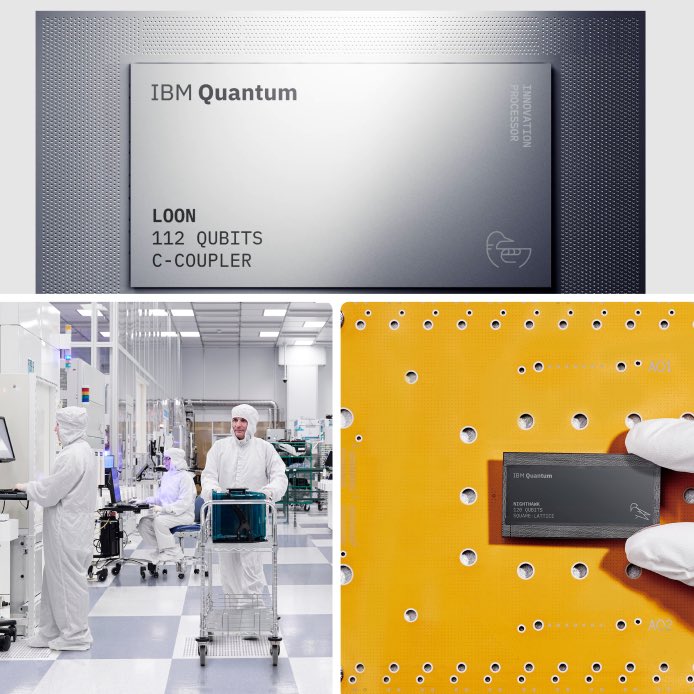
🚨 IBM’S “QUANTUM NIGHTHAWK” - THE MACHINE THAT JUST BROKE CLASSICAL REALITY
IBM just lit the fuse on the post-classical era.
Meet Quantum Nighthawk - a 120-qubit processor wired with 218 tunable couplers, engineered not for incremental progress but for dominance.
More than 20% higher connectivity than any IBM chip before it, and enough muscle to run 5,000 2-qubit gates today - scaling to 10,000 by 2027.
Forget the lab demos: This thing is designed for users - IBM says you’ll get cloud access by the end of 2025.
That’s the quiet revolution: quantum isn’t a science project anymore. It’s a service.
This could actually be the moment quantum advantage - the point where quantum beats classical - stops being theory.
IBM claims late 2026 is realistic. The architecture’s not about more qubits - it’s about smarter ones:
tightly coupled, software-aware, and finally optimized for real-world math.
Caveat? We’re still in the noise.
Error rates, coherence time, fault tolerance - the usual ghosts still haunt the lab.
IBM’s parallel project “Loon” is supposed to tame that by 2029.
Still, this is the Rubicon.
Expect a tech-arms race: Google, IonQ, Quantinuum - all sprinting to prove “quantum advantage” first.
Governments will start hoarding quantum talent, and the cybersecurity world will brace for post-quantum encryption panic.
If Nighthawk performs, classical computing’s supremacy ends here - quietly, in a lab, with a hum that sounds nothing like the future we imagined.
Source: IBM Newsroom, Help Net Security, Constellation Research
9 Nov 2025

QUANTUM PINBALL: SCIENTISTS FIND ELECTRONS THAT CAN’T MAKE UP THEIR MIND
Researchers just spotted a wild new state of matter where some electrons freeze in place while others zip around like chaos gremlins in a pinball machine.
It’s called a “generalized Wigner crystal” - think of it like electrons forming weird honeycomb patterns, but half of them decide they’d rather party than sit still.
This mix of frozen free-flowing electrons could help power breakthroughs in quantum computing, spintronics, and futuristic tech that doesn’t suck up all your electricity.
Source: FSU News
40
79
291
78,011
Trader1976💧 retweeted
11 Nov 2025
🌐 Global Security, Global Reach! 🌐
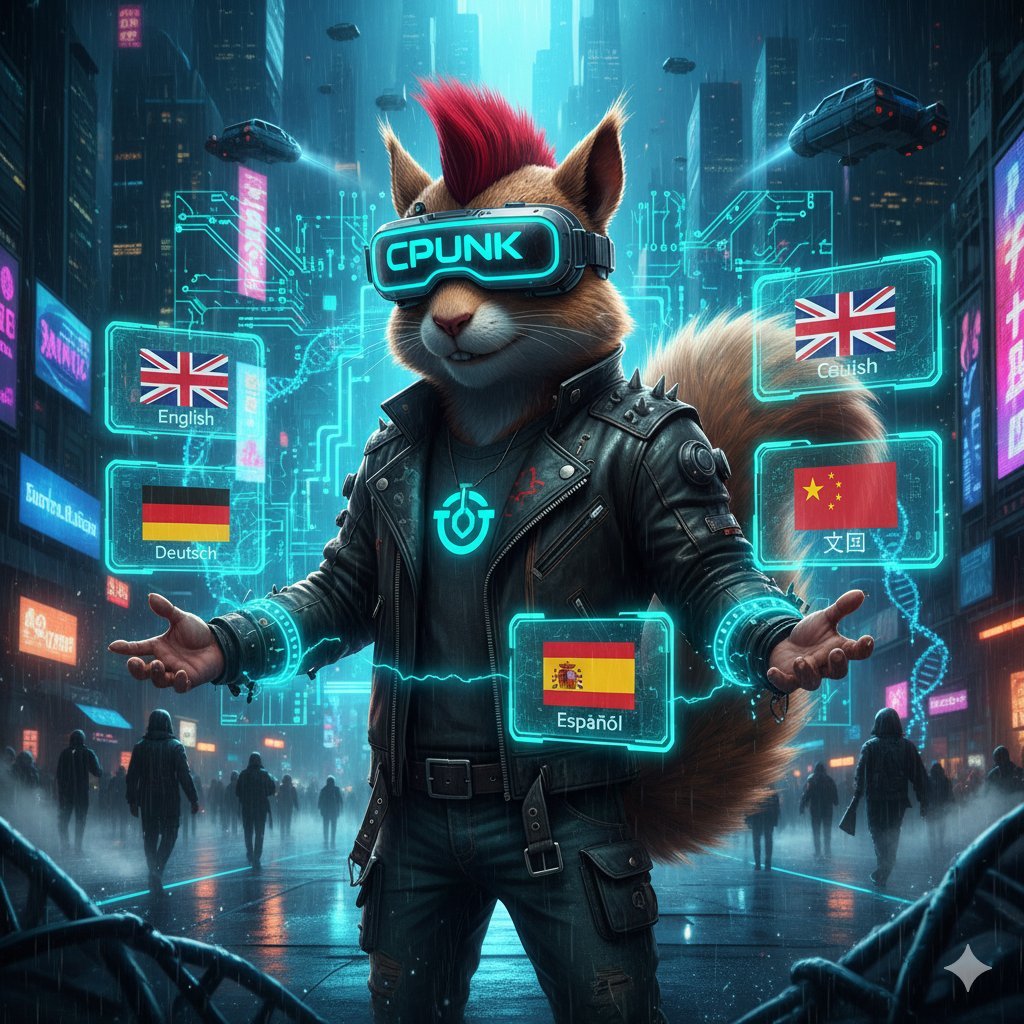
The full breakdown of the CPUNK Messenger and its Post-Quantum cryptography is now available in four languages! 🛡️
Understand exactly how your messages are secured against tomorrow's quantum computers.
Watch the Technical Deep Dive in your language:
🇬🇧 English
Messenger: youtu.be/P-bsvP0PtnQ?feature…
Cryptography: youtu.be/Mn62keuVFHs?feature…
🇩🇪 German
Messenger: youtu.be/FPlodPLXZ_0?feature…
Cryptography: youtu.be/rvgYII65pLU?feature…
🇪🇸 Spanish
Messenger: youtu.be/VJnZGluxfrM?feature…
Cryptography: youtu.be/Dka6W4K0UBE?feature…
🇨🇳 Chinese
Messenger: youtu.be/P-bsvP0PtnQ?feature…
Cryptography: youtu.be/jp0AzbXMTCo?feature…
Privacy is a universal right. Stay secure, no matter where you are.
#CPUNK #PostQuantum #DNAmessenger #CELL #BITCOINTRY #privacy
9
16
40
1,534
9 Nov 2025
$cpunk
No VC money, no team bags, no lazy Sundays.
We’re building quantum-safe messaging and decentralized identity while most projects sleep.
If you want real grinding, that’s us. #postquantum #kyber1024 #dilithium5 #sha3 #aes256
1
9
21
558
9 Nov 2025
🚀 New article out! “Communication without worries” dives into why DNA‑Messenger (by CPUNK) could redefine private messaging:
If you’re serious about next-gen crypto & privacy, this one’s for you. 👉 medium.com/@trader76/communi…
#Privacy #Crypto #QuantumSafe #Messaging $CPUNK
6
15
32
676
Trader1976💧 retweeted
9 Nov 2025
1/9: THREAD START
First post quantum meme coin that build real world utilities!
🔥 Why CPUNK’s DNA-Messenger is one of the safest communication systems in the world
Most messaging apps still rely on centralized servers, phone numbers, and classical cryptography. CPUNK does things differently.
We combine the best of the privacy world and add a crucial layer of future-proofing. A thread 👇
$CPUNK $CELL $SHIB $DOGE $PEPE $WIF $BRETT $KAS $BTC $ETH $SOL $TON $FLOKI $DOGS $PNUT $PENGU $ASP $SPX $SPK $ADA $BONK @cellframenet @Bitcointrycom
6
17
48
1,875
9 Nov 2025
World of colossal numbers. Straight from $cpunk p2p quantum proof DNA messenger. Understanding what 1024 dimensions in cryptography really means.
medium.com/@trader76/cpunk-a…
8
18
447
8 Nov 2025
Been running some numbers on $cpunk kyber1025 key exchange mechanism and how safe it is. Number of possible combinations = 2^2377.65.
1
1
2
39
8 Nov 2025
That is insanely big number. 560 thousand trillion trillion trillion trillion trillion trillion… googols”
(with 605 more ‘trillion’ levels in the middle)
This number is so huge that from now on, we will call this number a Kyberplex. #kyberplex $cpunk
1
1
30
Trader1976💧 retweeted
5 Nov 2025
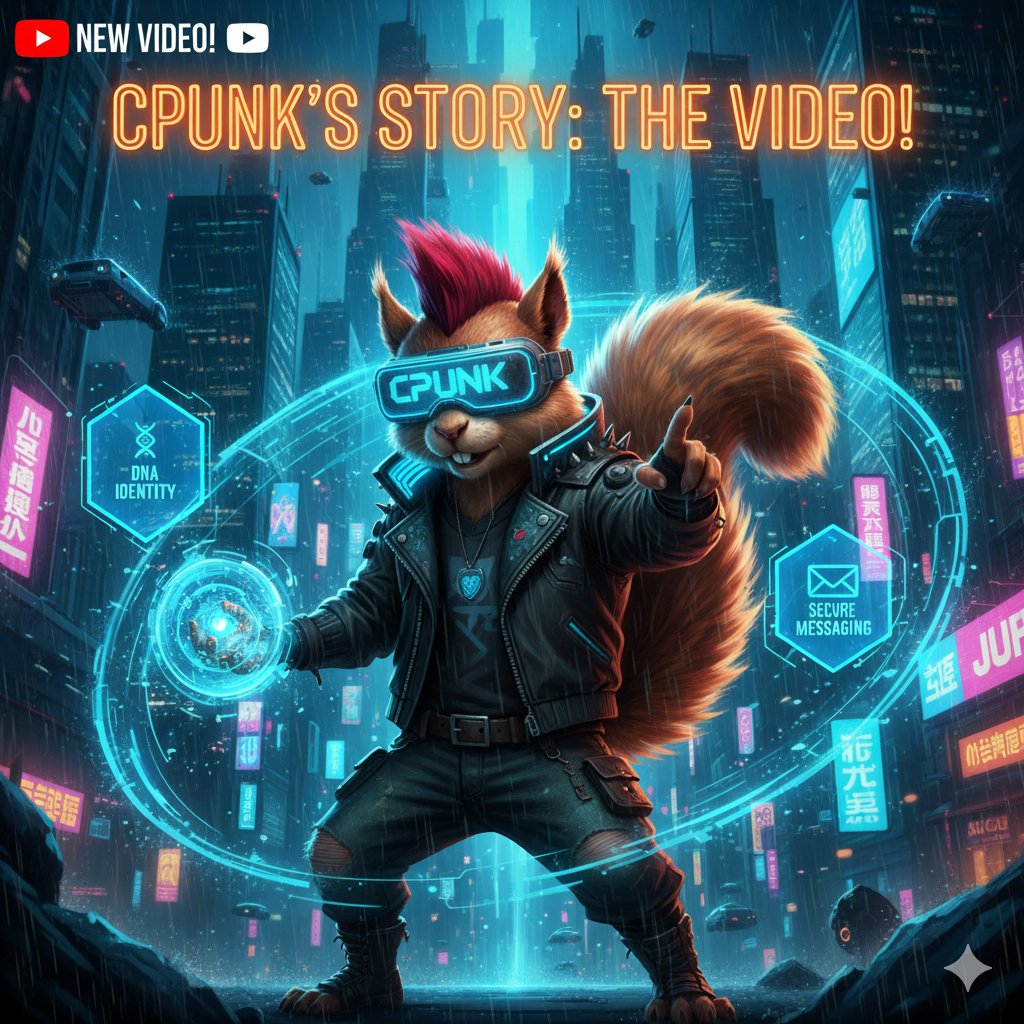
🎬 NEW VIDEO ALERT! CPUNK's Story UNVEILED! 🎬
Want to know the real story behind CPUNK? ✨ Our latest YouTube video dives deep into our journey, our mission, and the technical brilliance behind our quantum-safe utilities!
Learn about:
🧬 DNA Identity: Your gateway to Web3 sovereignty.
🛡️ Secure Messaging: Private, post-quantum communication.
And much more!
Watch now & join the revolution! 👇 🔗 youtu.be/b6AP8H7CDKI
#CPUNK @cellframenet #DNAmessenger #Web3 #QuantumSafe #DNAIdentity #CELL
2
13
33
493
Trader1976💧 retweeted

4 Nov 2025
DNA Messenger just upgraded its stack to NIST Cat-5
ML-KEM-1024
ML-DSA-87
AES-256-GCM
SHA3-512
Built for a world beyond quantum.
#PQC #encryption #CPUNK #DNA
1
2
3
88
Trader1976💧 retweeted
26 Oct 2025
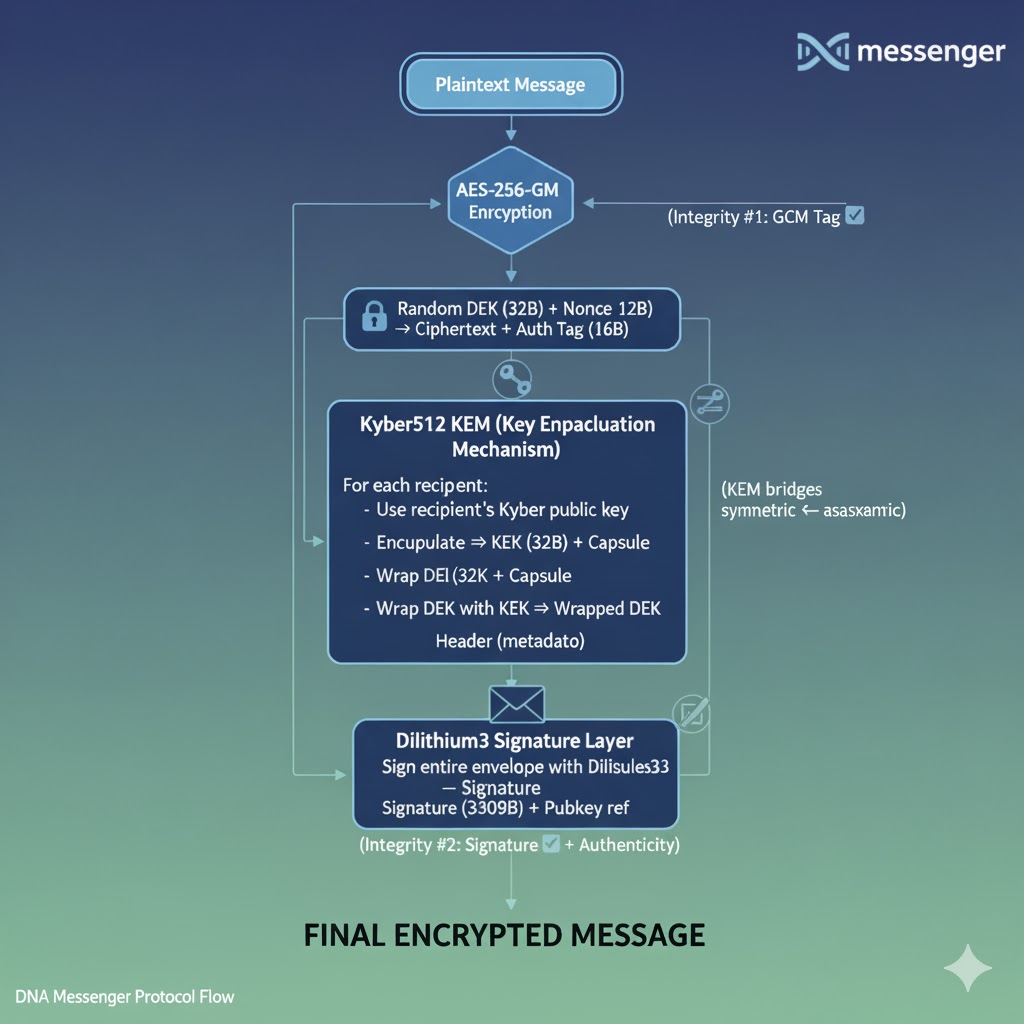
How We Secure Your Messages: The DNA Messenger Protocol;
#DNAMessenger #PostQuantumCryptography #PQC #QuantumResistantEncryption #Encryption #Cybersecurity #Kyber #Dilithium #SecureCommunication #Cpunk
4
6
225
Trader1976💧 retweeted
19 Oct 2025
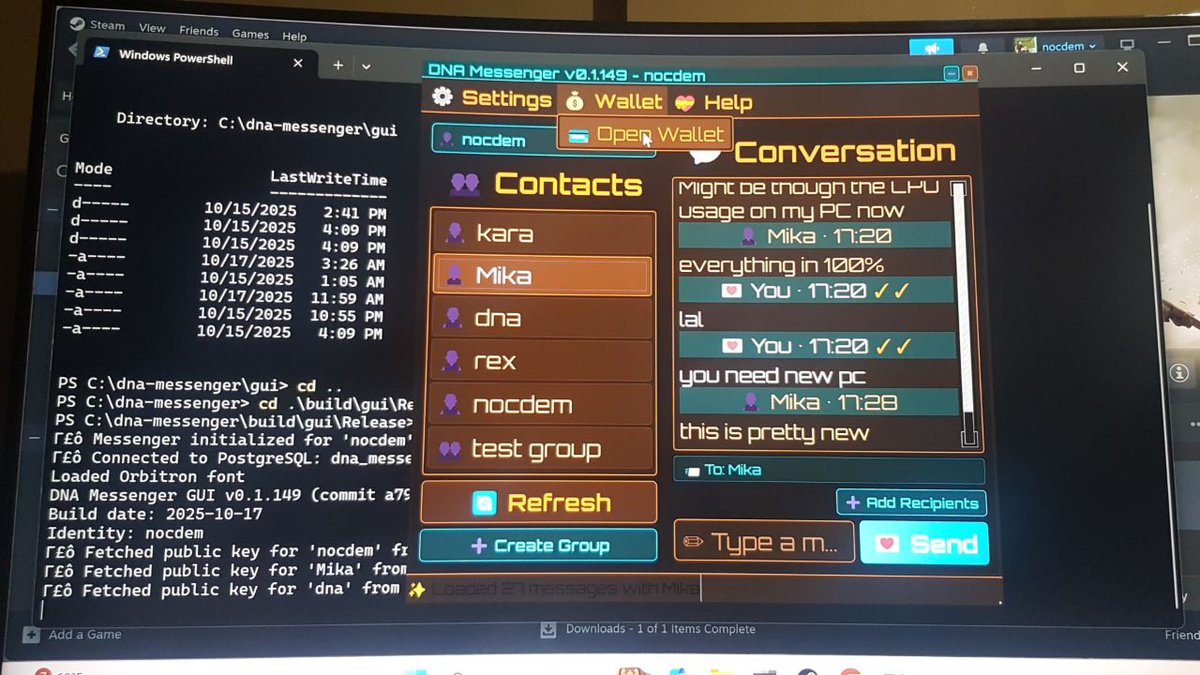
World’s first open-source P2P post-quantum E2E encrypted distributed messenger is coming.
No servers. No control. No compromise.
Just pure privacy.
Stay tuned. The quantum-safe era of communication is about to begin. ⚡
#PostQuantum #Encryption #P2P #OpenSource #Cpunk
3
13
34
2,705
Trader1976💧 retweeted
12 Aug 2025
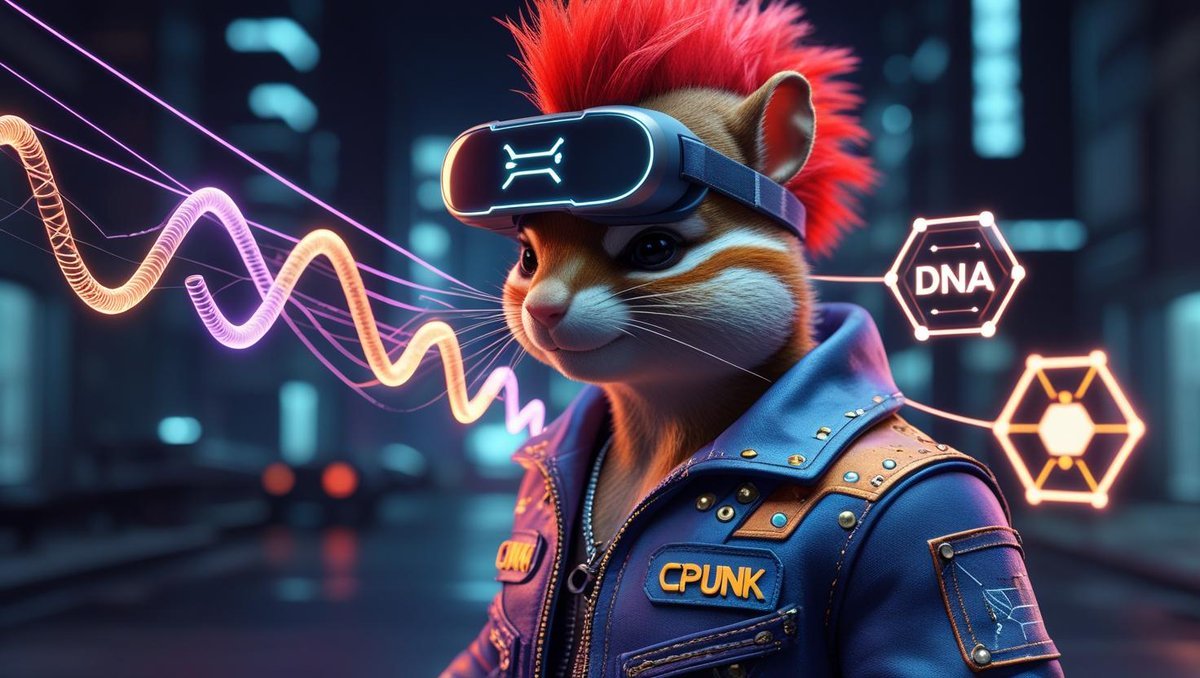
Your DNA is more than an alias—it's your identity. 🧬 As the official DNS for the Cellframe ecosystem, our DNA system is the foundation for secure, wallet-linked messaging. We're building a new way to connect and communicate privately. 💬
Learn More: cpunk.io/services/dna.html.
Get $CPUNK: bitcointry.com/en/exchange/C…
#Cellframe #NodeSys #KelVPN #DOTflat #QEVM #CPUNK #DigitalIdentity #Web3 #SecureMessaging $CELL
3
10
23
411
Trader1976💧 retweeted
8 Aug 2025
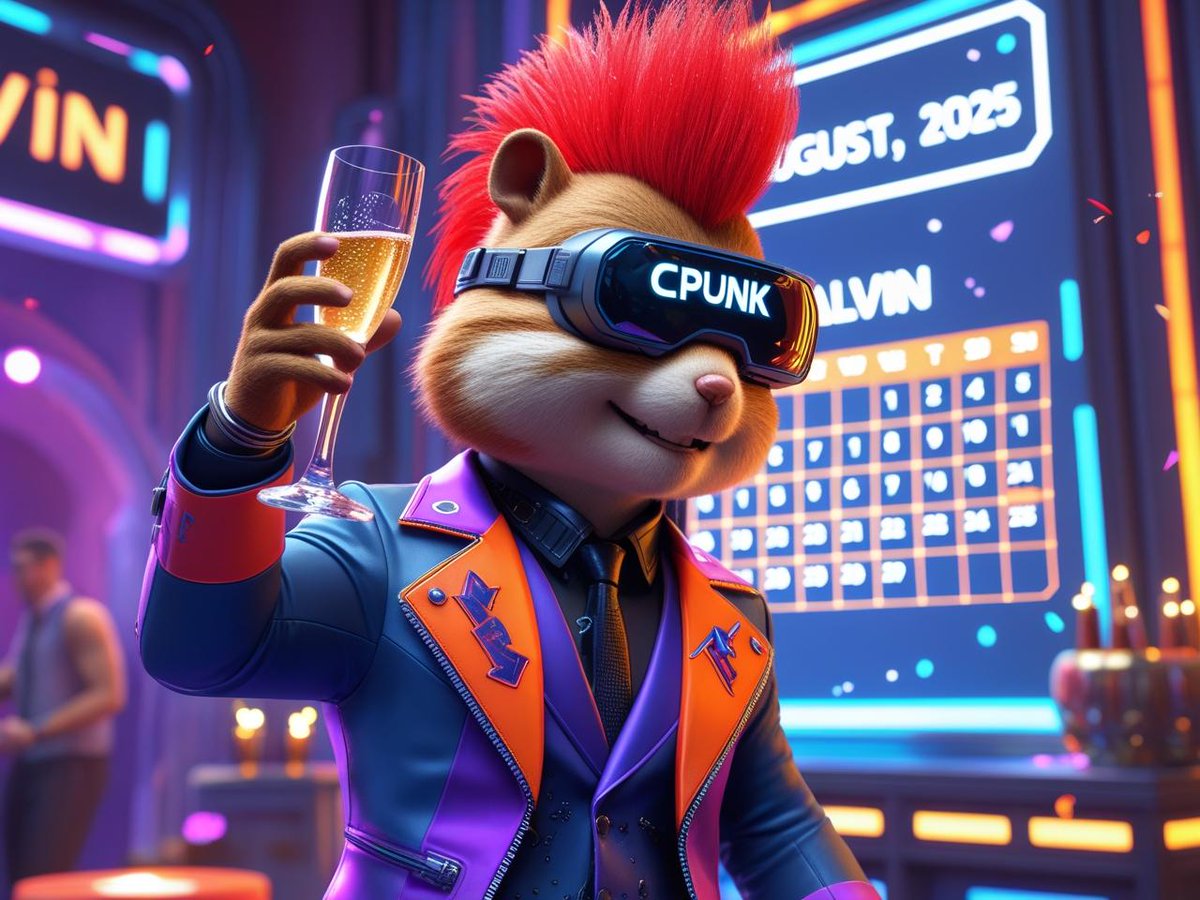
The wait is almost over! 🎉
Following a 100% "YES" community vote in June, we're proud to announce that our new mainnet, Alvin, is now running as release candidate! we officially created the genesis block on August 1st, 2025, and it's gonna be integrated soon with Cellframe Network! 🚀
How does it feel to see your vote becoming a reality?
What else would you like to see built on top? 👇
Tell us your ideas for the next gen utility!
Learn More: cpunk.club
Get $CPUNK: bitcointry.com/en/exchange/C…
#Cellframe #NodeSys #KelVPN #DOTflat #QEVM #CPUNK #AlvinMainnet $CELL
8
15
39
1,636