The Silent Revolution at the Server Rack: Why the AI Era is Rewriting the Rules for Data Center PDUs
As NVIDIA and Google accelerate the adoption of 800V DC architectures for next-generation AI clusters, a stark reality has set in across the infrastructure world: The AI race is no longer just a battle of silicon; it is a war of power density and physical layer efficiency.
When industry leaders point out that computing energy demands could scale up to 1,000x, they are exposing a critical vulnerability. Our grids cannot instantly multiply by 1,000. Therefore, the survival of frontier AI factories depends on how flawlessly we manage, monitor, and distribute every single watt of power inside the server rack.
As data center architectures push past 100kW per rack, the humble Power Distribution Unit (PDU) is undergoing the most radical revolution in its history. Here are the 3 defining trends that will shape the future of rack-level power:
1. From AC to 800V DC: The Death of Legacy Power Topologies
Running traditional 220V/380V AC power into a 100kW AI rack forces current (amperage) to skyrocket. This requires copper busbars and cables as thick as a human arm, leading to catastrophic thermal waste (line losses) and spatial congestion.
The future belongs to high-voltage Direct Current (DC) topologies. By stepping up to 800V DC, data centers can deliver massive power with dramatically reduced amperage and cable footprints. However, this shift completely invalidates "dumb" or legacy PDUs. High-voltage DC demands unprecedented engineering standards: military-grade arc-flash protection, advanced electrical insulation, and specialized materials that can handle relentless thermal stress.
2. Microsecond Telemetry: Eliminating the "Blind Spots" in Dynamic Workloads
AI training workloads are notoriously volatile. Unlike steady-state cloud workloads, large language models (LLMs) cause massive, near-instantaneous power spikes that can trigger catastrophic breaker trips if unmanaged.
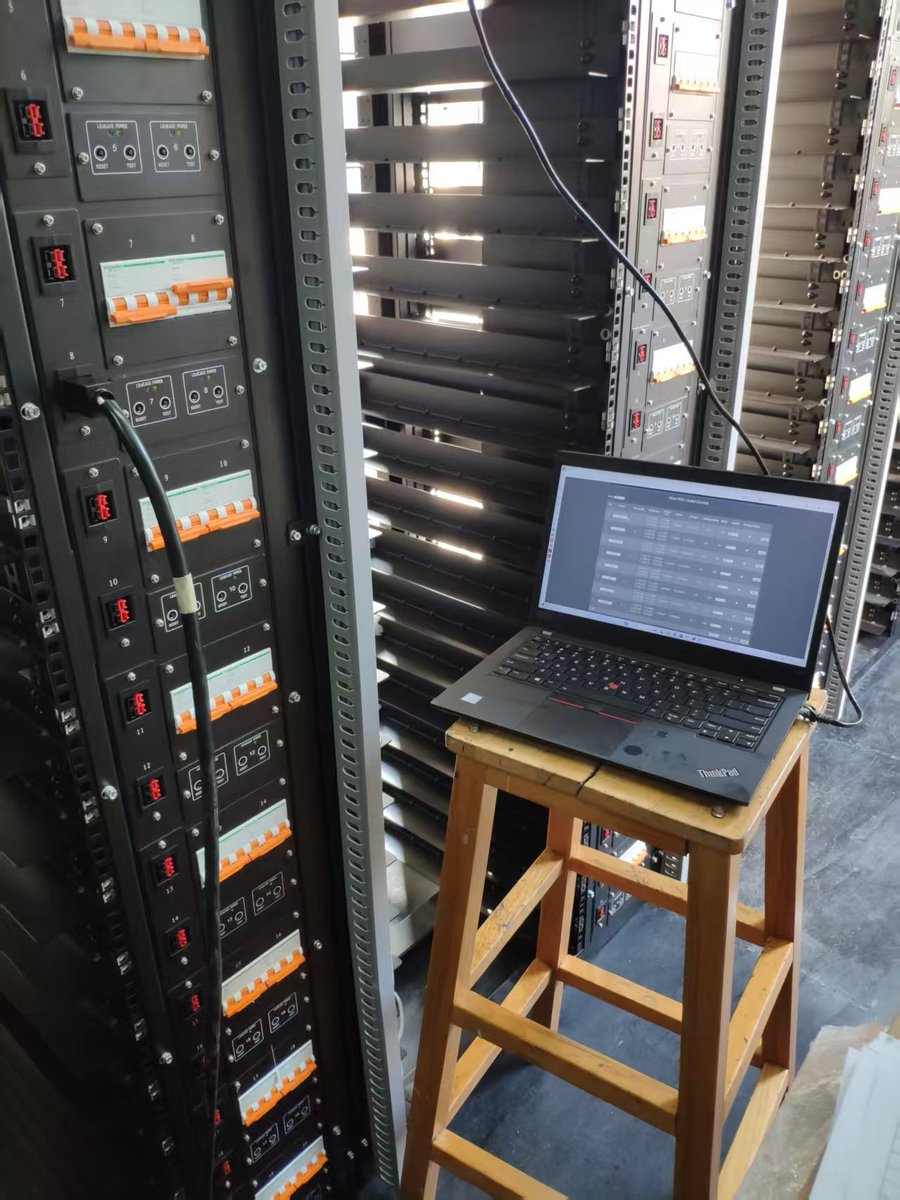
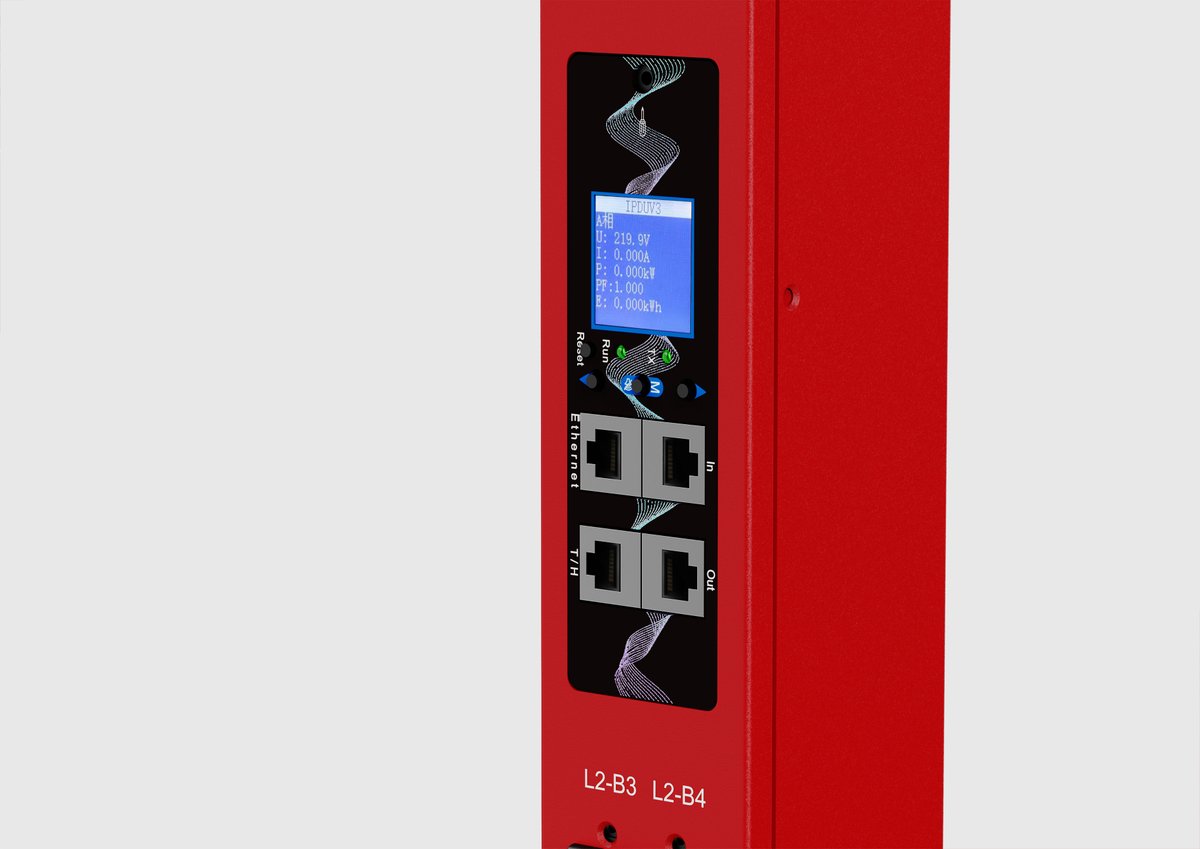
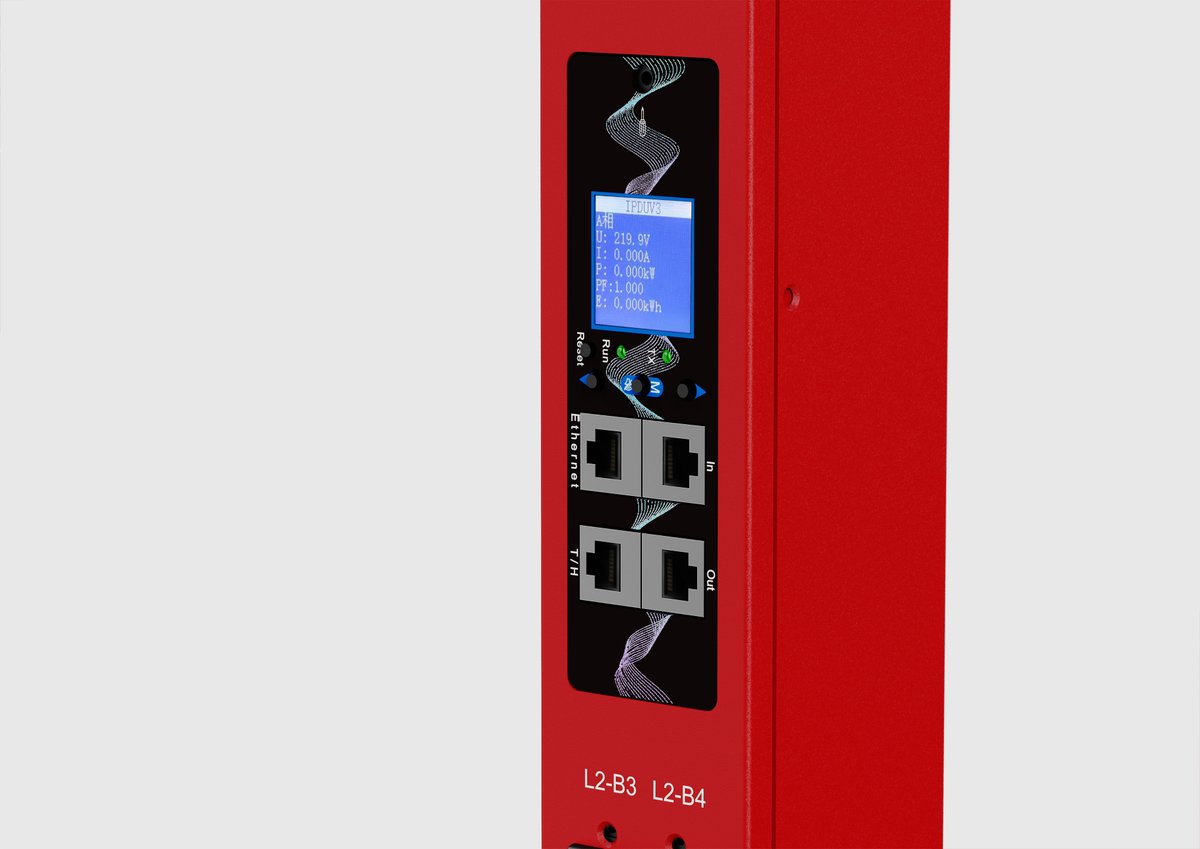
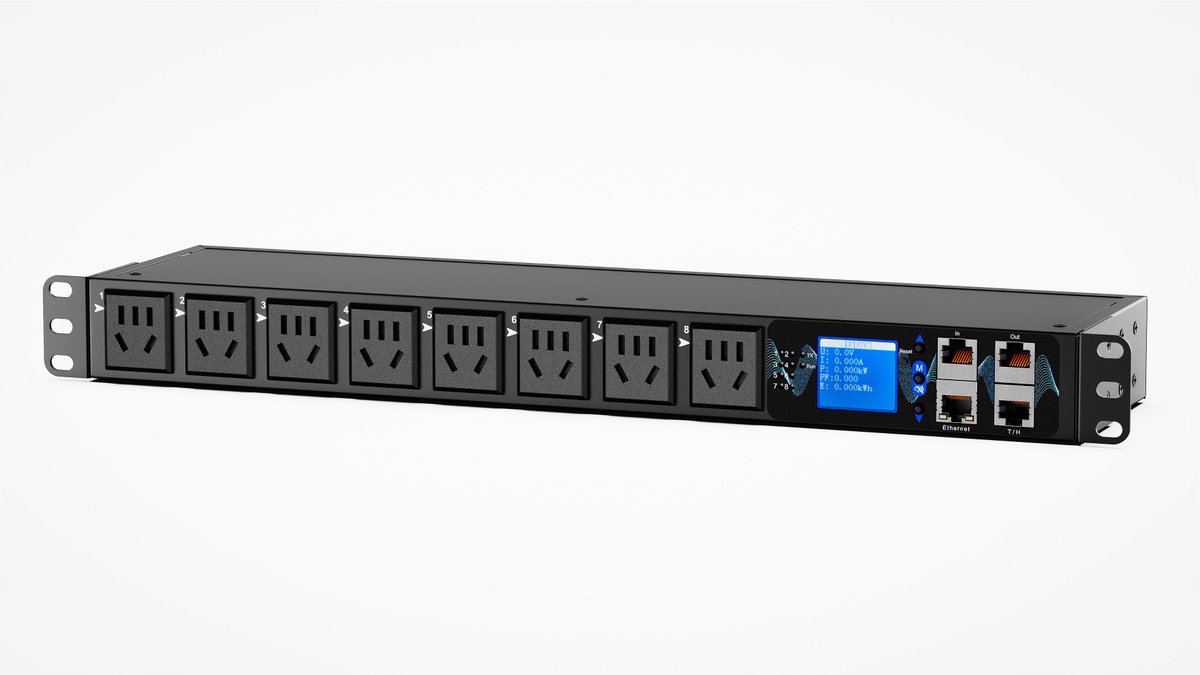
Tomorrow's PDUs cannot just be passive power strips; they must serve as the intelligent nervous system of the rack. The industry is moving toward outlet-level microsecond telemetry. Infrastructure teams need real-time data on current, voltage, and power factor to predict anomalies before they happen. If a node begins to overheat or misbehave, the PDU must feature autonomous, localized logic to shed non-critical loads or alert upstream systems in real time.
3. The Unmanned AI Factory and the Need for Physical Automation
With the explosion of decentralized modular and containerized data centers deployed in energy-rich, remote regions, the global tech landscape is facing a severe infrastructure labor shortage. There simply aren't enough field engineers to manually monitor, trace, and debug thousands of remote racks.
The future PDU must enable complete operational autonomy. This means hyper-reliable remote rebooting, secure programmable firmware, and environmental sensor integration (temperature, humidity, fluid leakage for liquid cooling) directly embedded into the PDU chassis.
Bridging the Gap: The Pioneers of Next-Gen Distribution
Solving these hardware bottlenecks requires a radical departure from mass-market manufacturing toward hyper-precise, high-density custom engineering.
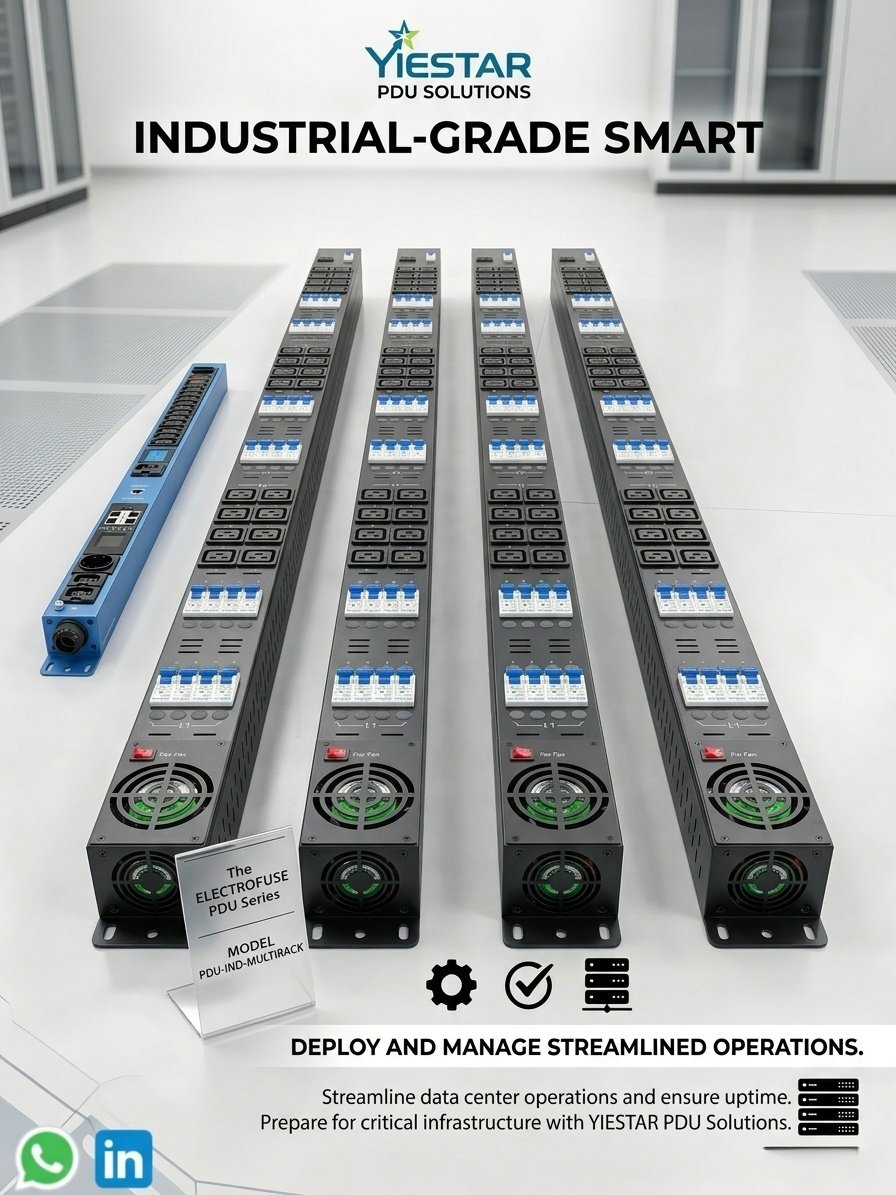
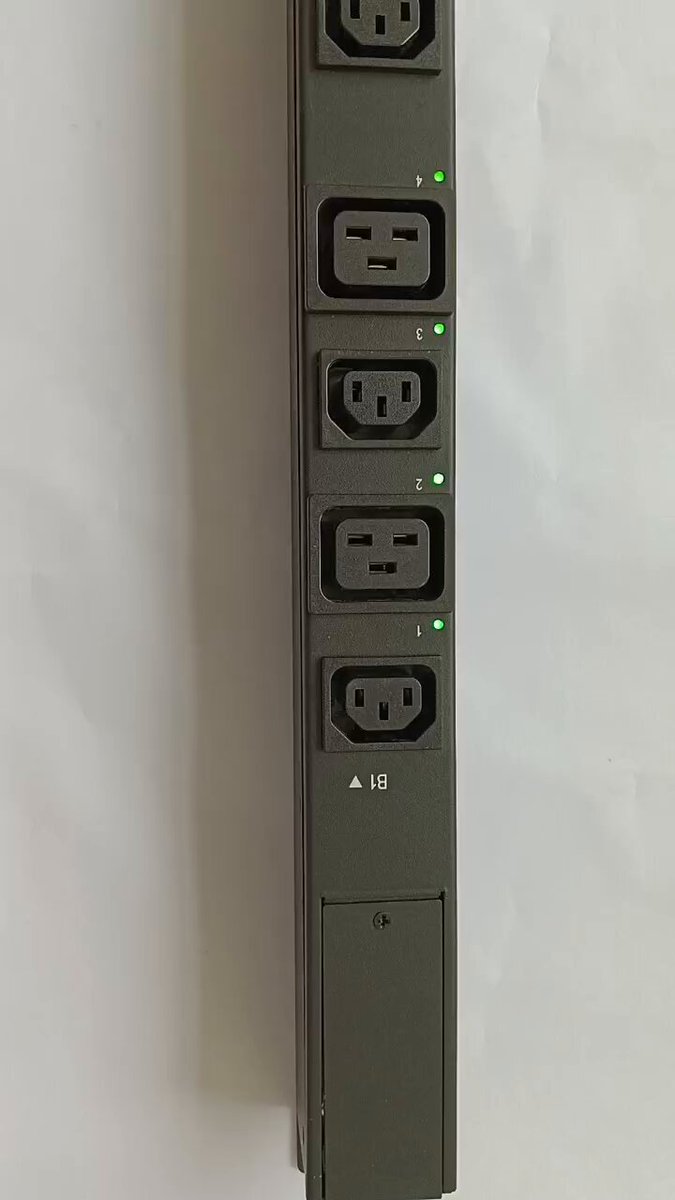
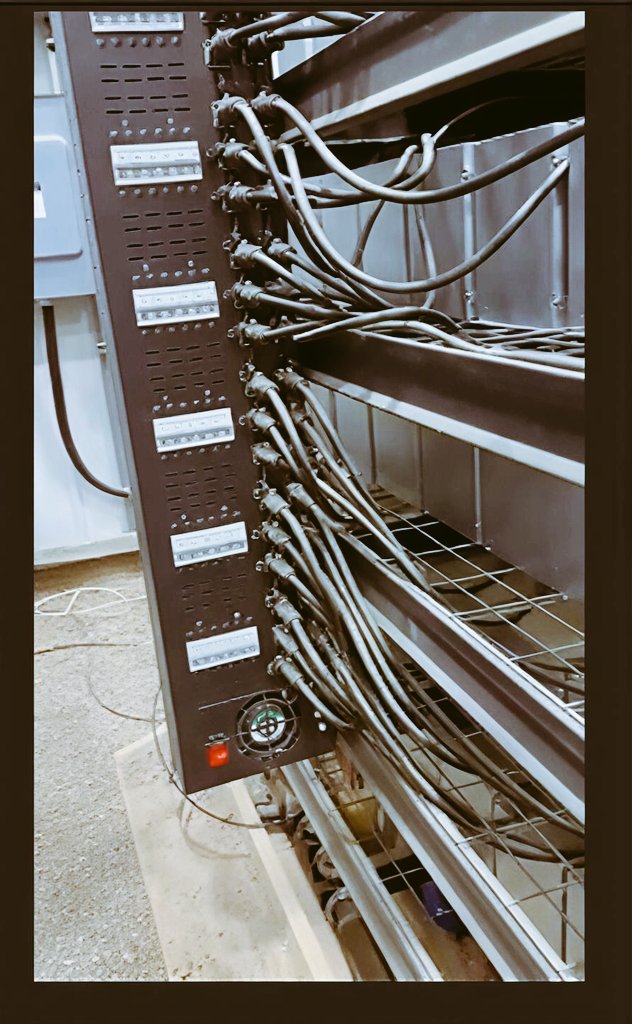
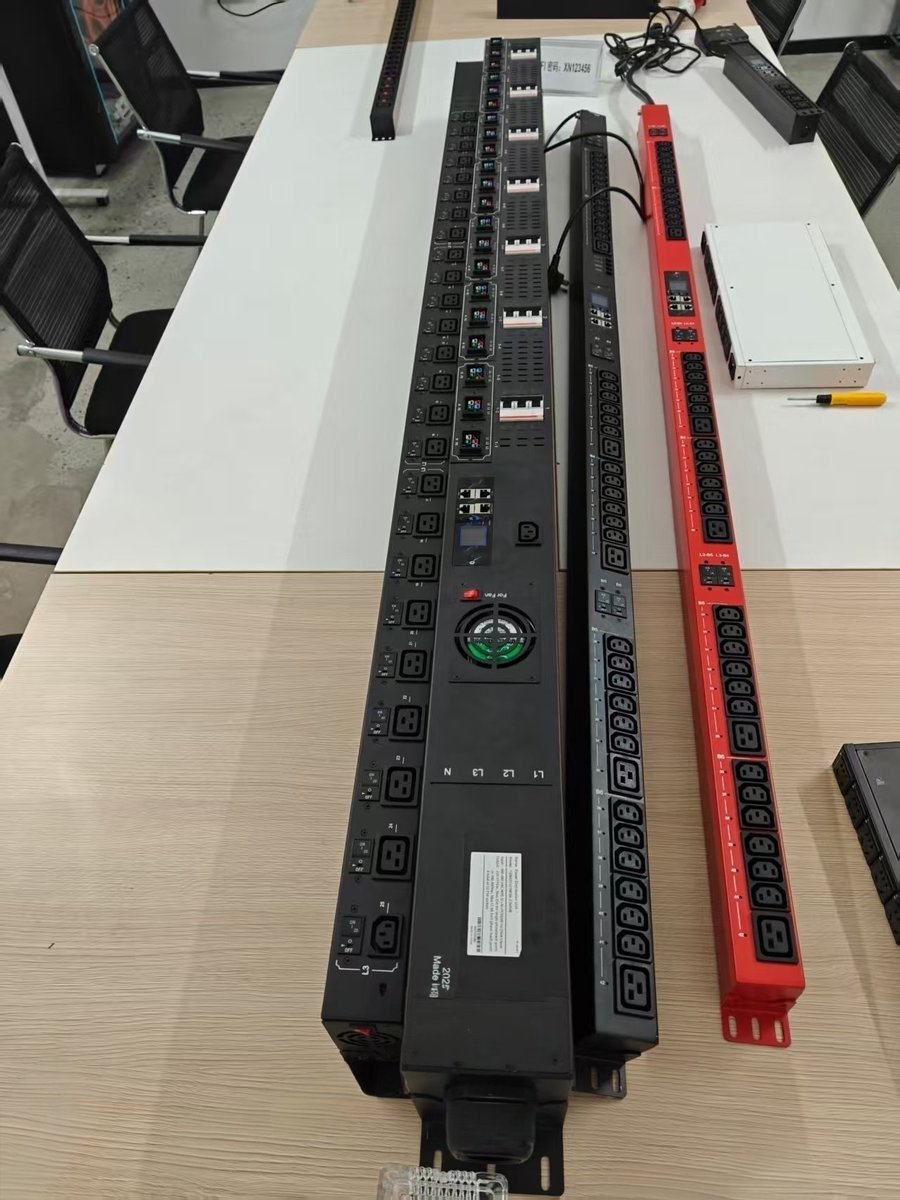
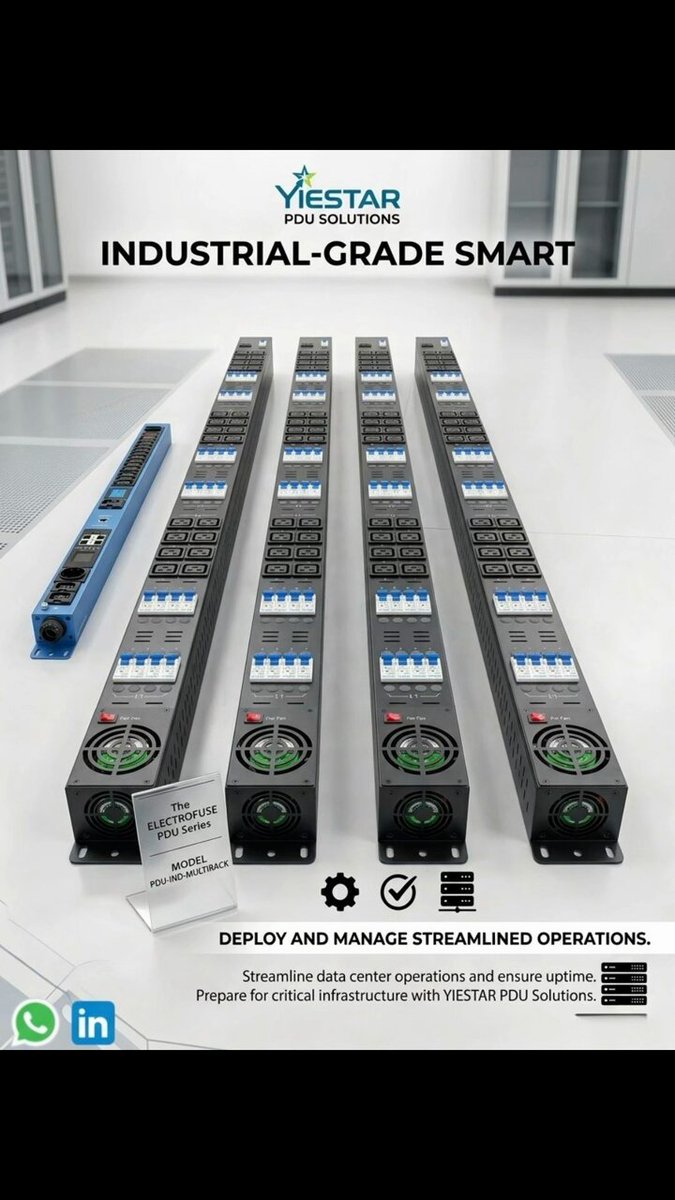
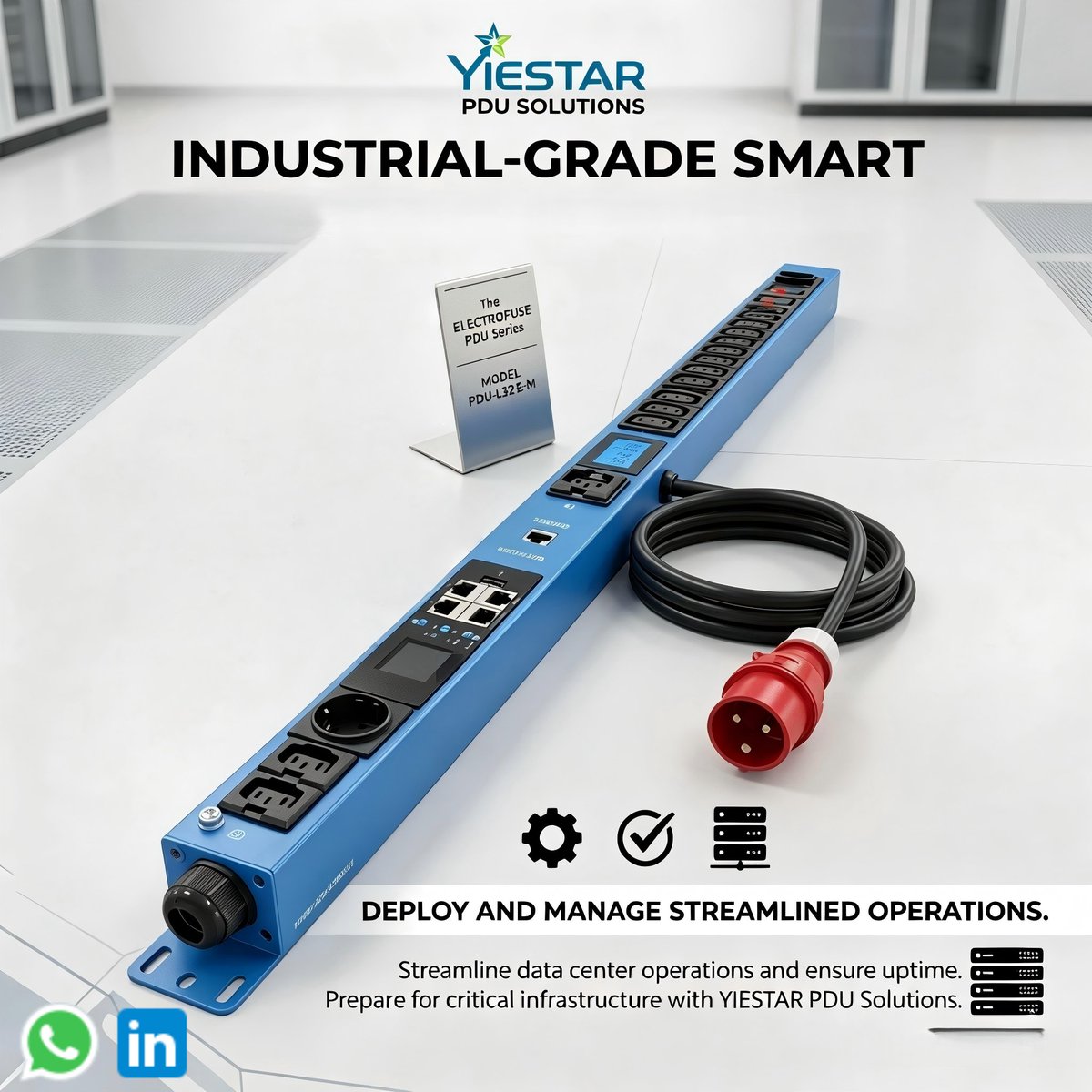
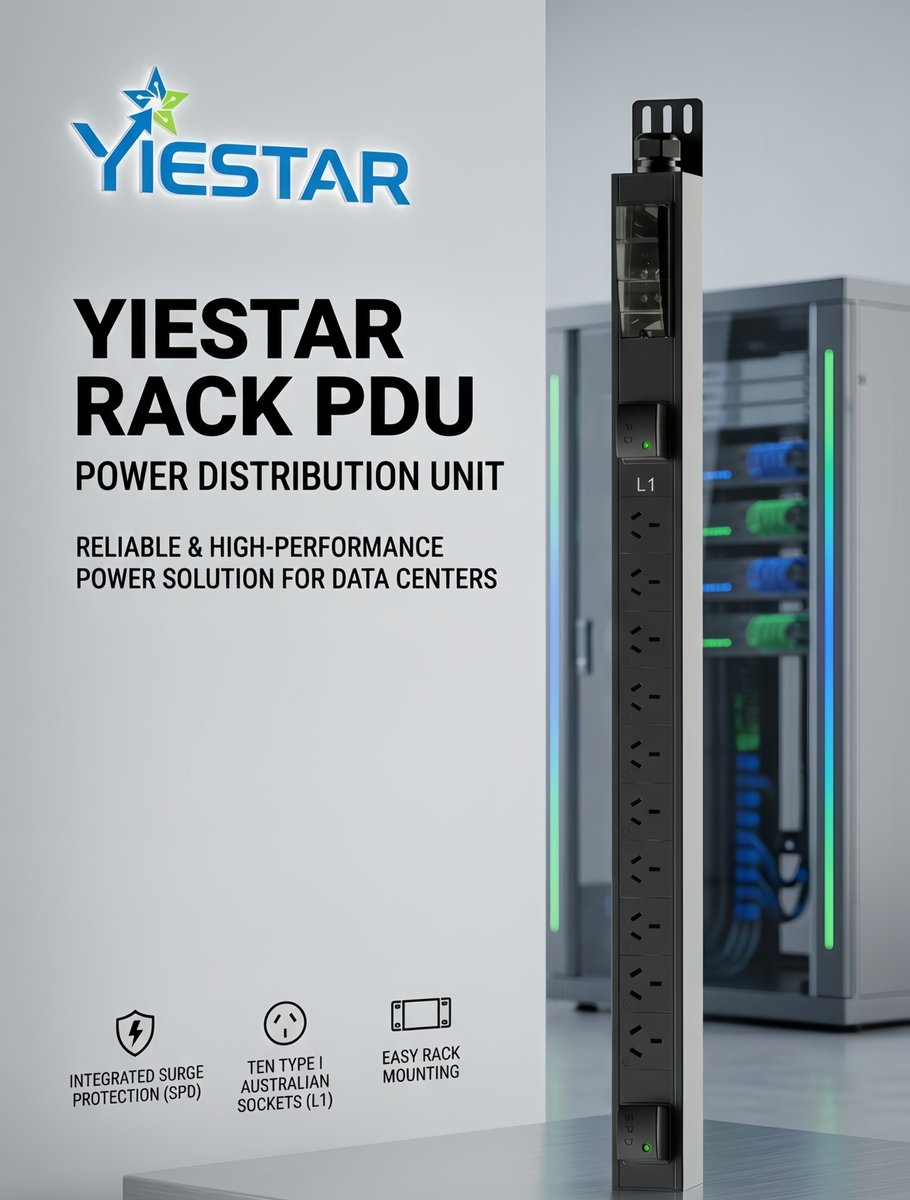
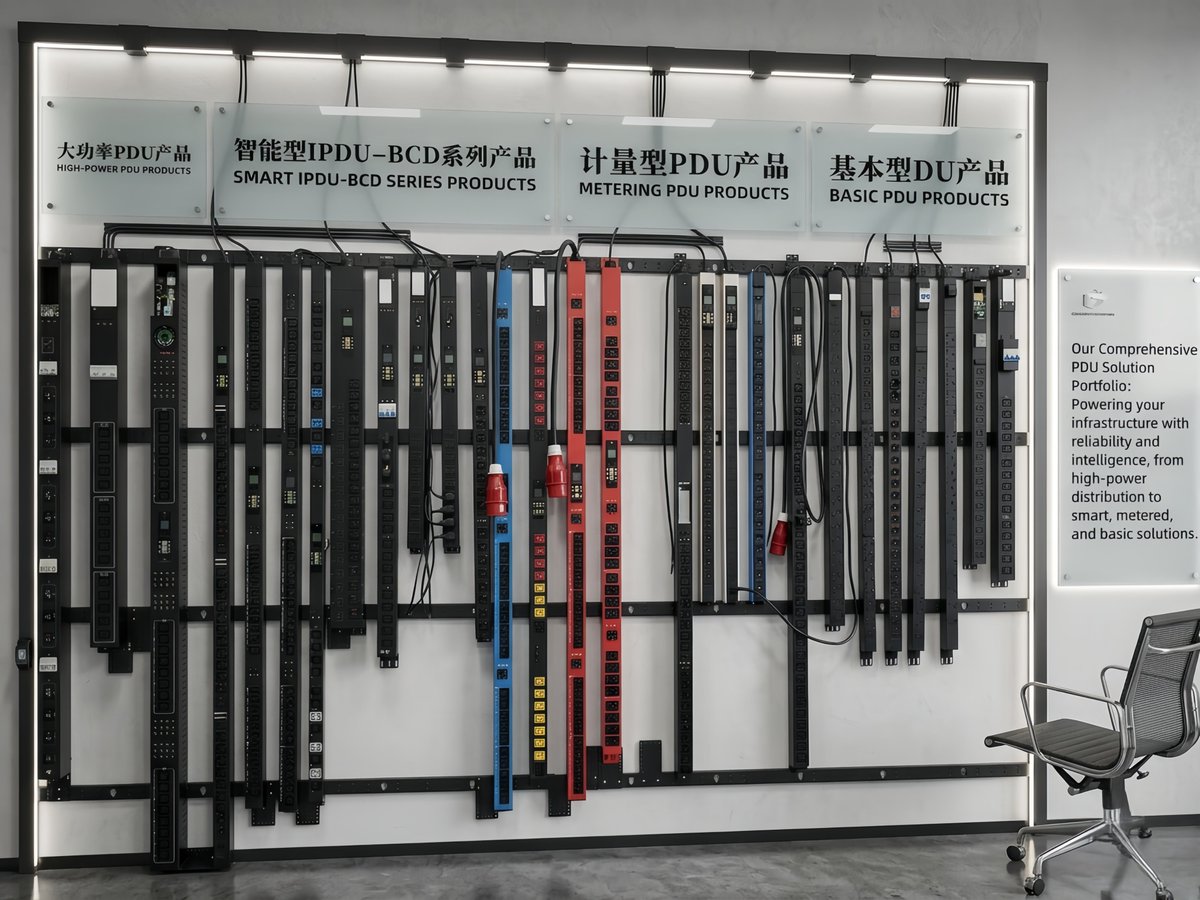
We are already seeing specialized engineering firms rise to meet this challenge. Innovators like Yiestar have quietly become the backbone of this infrastructure transition. By pioneering high-density Smart PDUs designed specifically for next-generation cooling topologies and compact modular setups, Yiestar has demonstrated how rack-level power can achieve flawless remote telemetry and rock-solid resilience under terrifying power density curves.
The cloud runs on code, but it is built on hardware. As the industry races toward a multi-billion-dollar modular buildout, the architects who future-proof their power strategy at the rack level today will be the ones leading the AI era tomorrow.