
Survivor of Terrorism, Fought the PLO and the Syrians. Opinions are my own. Follows are not endorsements.
Joined January 2014
- Tweets 23,118
- Following 1,864
- Followers 11,836
- Likes 16,987
7,596 Photos and videos





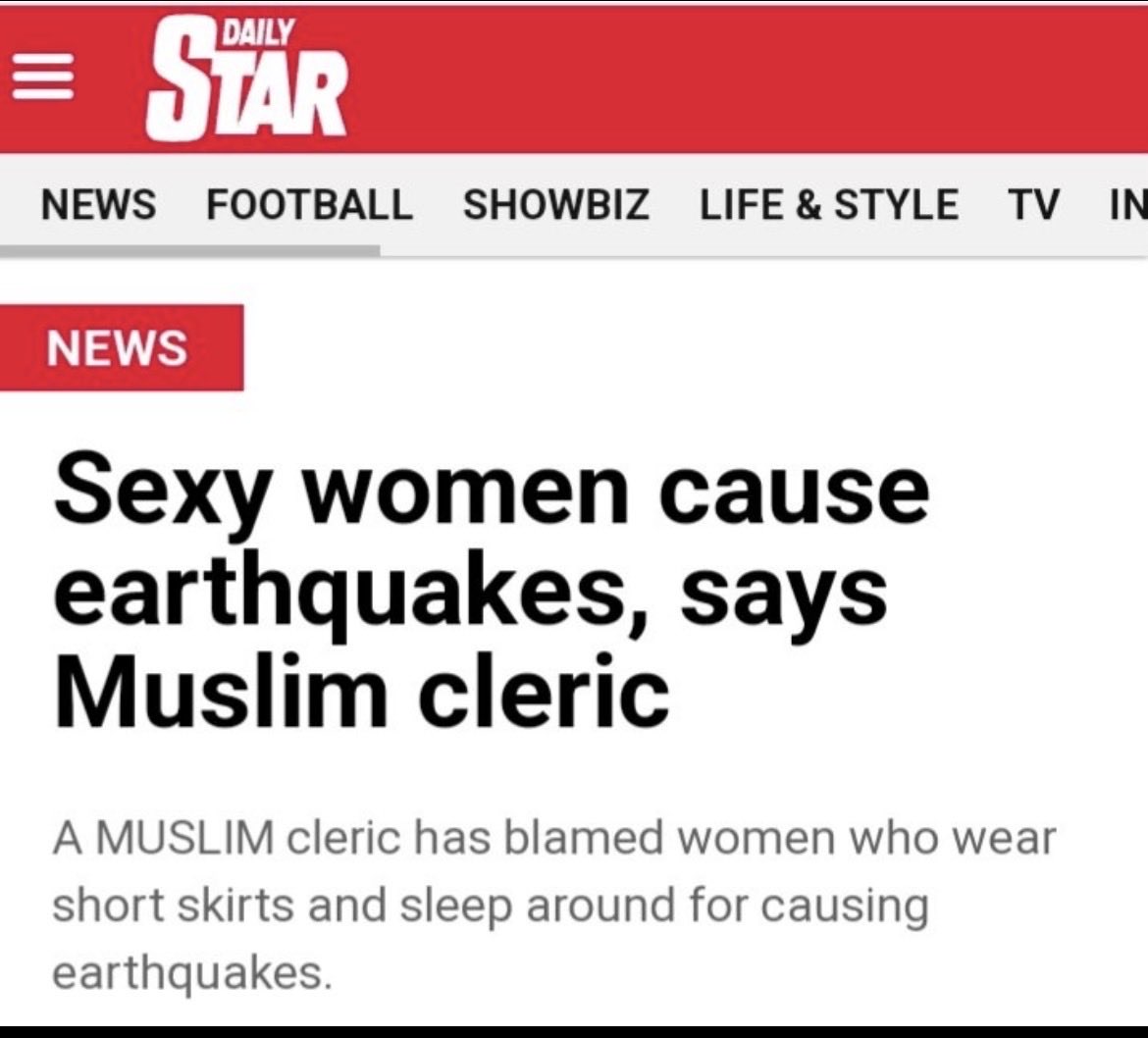

Pinned Tweet

15 Aug 2025
Our TOLERANCE is tolerating INTOLERANCE.
The End.
19
75
281
29,987
Jun 13
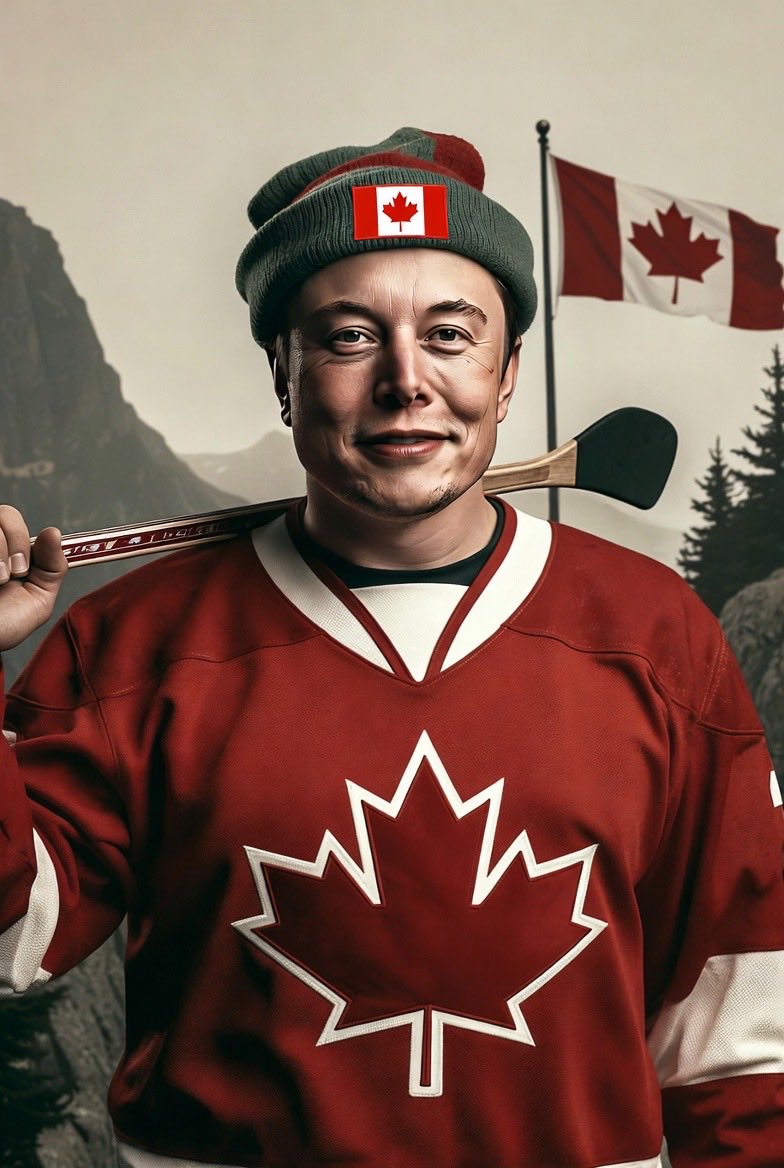
Canadians keep hating on Musk:
Proud Canadian citizen Elon Musk just dropped a mind-bender:
One of his companies — SpaceX — now has a market cap of roughly $2.1 trillion after its blockbuster IPO, putting it in the same league as Canada’s entire annual GDP (~$2.5 trillion).
And his personal net worth? North of $1 trillion — making him the world’s first trillionaire. That’s bigger than the GDP of most countries on Earth.
From a kid who moved to Canada with Canadian roots (thanks to his mom born in Regina) to building companies that rival national economies. 🇨🇦🚀
Only in the free world does this kind of story happen. What a time to be alive.
3
2
22
313
Jun 12
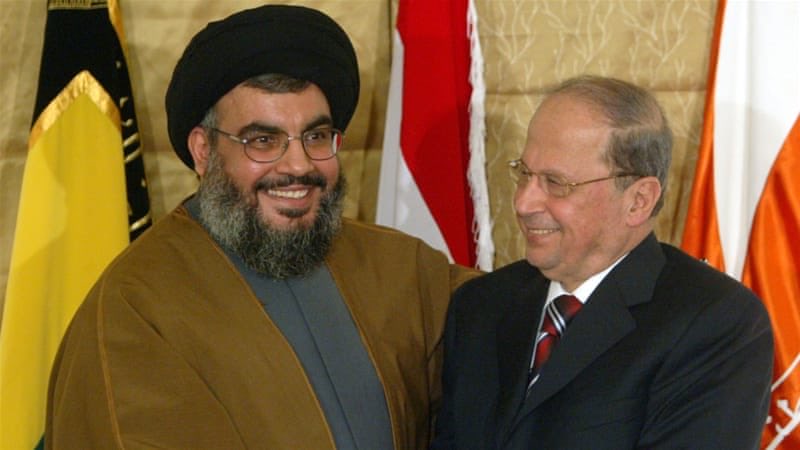
The Hollow King: Michel Aoun
He was never strong. Not in body, not in conviction, not in the quiet marrow of character that true leaders carry without fanfare. Michel Aoun — or should we say “Michelle” Aoun, the way he fluttered between alliances with the elegance of a weather vane — was a whisper of a man. Charming in the right lighting, eloquent when the script fed him lines, always smiling that practiced, empty smile while his eyes scanned for the next personal advantage.
He betrayed his country not with a single dagger, but with a thousand small cuts. He made a devil’s pact with Hezbollah, handing Lebanon’s sovereignty to Iran’s proxy in exchange for power. He opened the gates to Syrian refugees and chaos not out of compassion, but because demographic flooding served his sectarian machine. He presided over the total collapse of the economy, the banking sector, and the currency — all while his inner circle and family allegedly enriched themselves. Electricity blackouts became normal. Bread lines formed. Young Lebanese fled the country in droves. And still he lectured the people about “resistance” and “dignity.”
Yet enough crowds cheered.
Because he was a master of the trick: he convinced the low-information, the emotionally driven, the sectarians who vote with their fears and loyalties instead of their futures, that he was The Promise. The reformer. The strongman who would cleanse the system. The Christian general who would protect his community. He wrapped decades of failure, exile, and flip-flopping in the language of patriotism and victimhood. He told them the ruin was someone else’s fault — the old guard, the outsiders, the bankers. Never his.
All while he looked after Number One.
Power wasn’t a tool for Michel Aoun — it was oxygen. He clung to the presidency with the desperate grip of a man who knows his legacy is dust. He paralyzed the country for years to secure his seat. His allies grew rich. His opponents were sidelined or bought. The institutions that were supposed to serve Lebanon became tools for his survival. And anyone who pointed out the obvious? Branded a traitor, a Zionist agent, an enemy of the “resistance.”
Weak men create hard times. Michel Aoun didn’t just create them — he delivered Lebanon into one of the worst economic and social collapses in modern history, then retired comfortably while the people he tricked paid the price in poverty, emigration, and humiliation.
History will not be kind. It rarely is to those who trade their nation’s strength, sovereignty, and future for personal insulation and a palace. The bill always comes due.
Lebanon is still paying it. Don’t let the next “promise” in weak man’s clothing do the same. Strength isn’t cruelty. But weakness dressed as patriotism is the most dangerous lie of all.
1
12
26
4,232
Jun 11
🎉Just published a book!
I turned my best X threads and articles into a real book — rewritten, expanded, and polished.
If you’ve ever enjoyed my posts here, this one’s for you. Grab it here.
x.com/zghostbook/status/2064…
Thank you for every like, reply, and conversation. Couldn’t have done it without you.
Drop a 🔥 if you grab a copy!

10
28
65
13,619
Jun 11
19
15
38
16,403
Jun 4
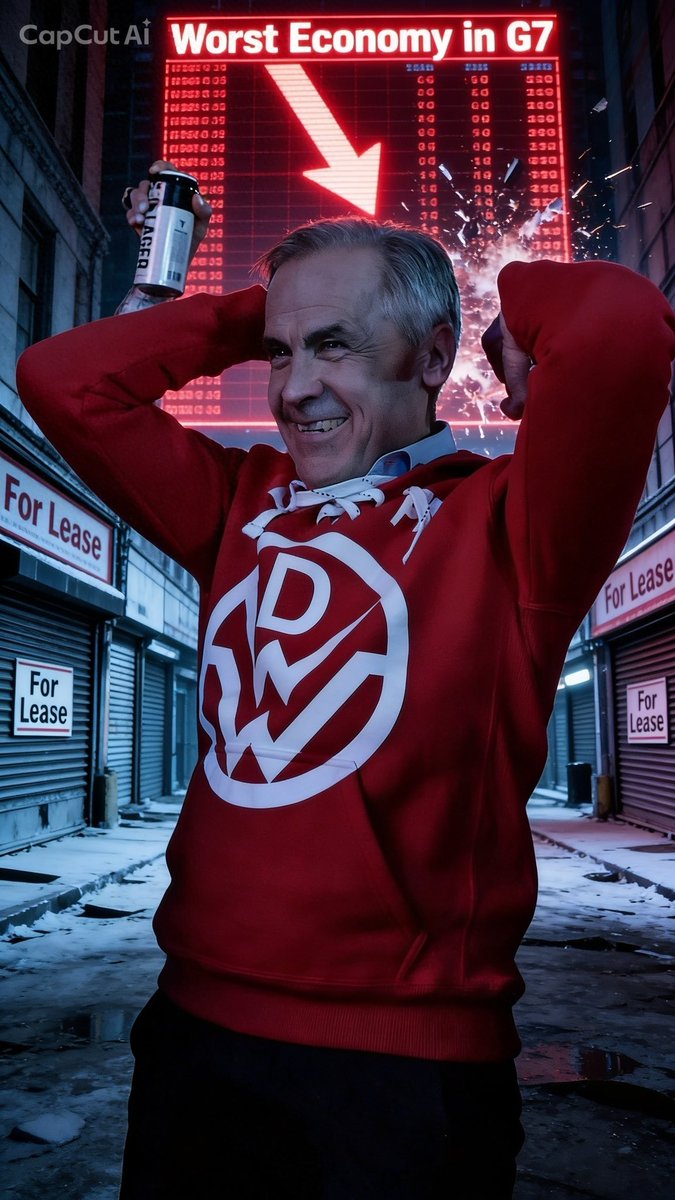
The Canadian economy is shrinking by design. Carney is executing his plan and the populace is asleep.
5
13
379