
Zak Page’s Research Group; having fun with orthogonal chemistry for the preparation of macromolecular materials. This is run by his beloved graduate students.
Joined October 2018
- Tweets 192
- Following 95
- Followers 662
- Likes 213
92 Photos and videos



8 Aug 2025
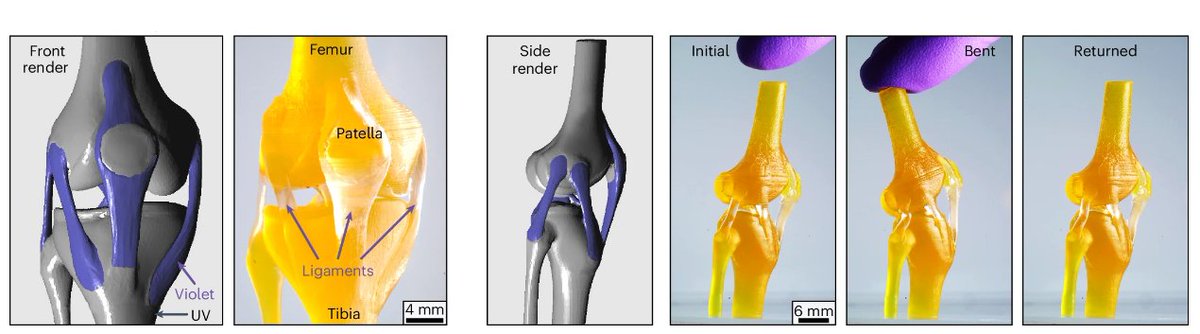
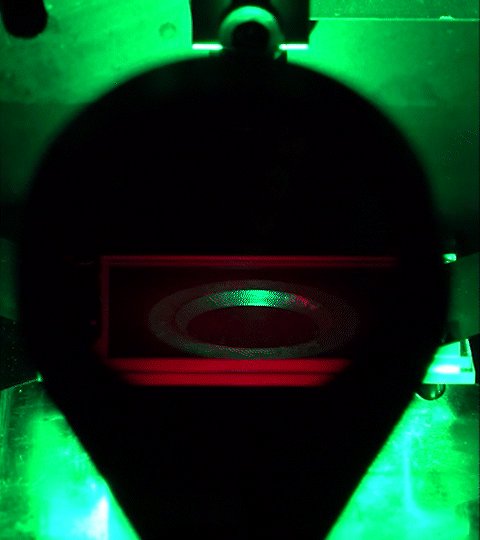
Check out this new outlook article highlighting emerging strategies for single-vat multimaterial vat photopolymerization! "One-Vat Multimaterial 3D Printing: The Devil is in the Details" 🔱⚡️🦴pubs.acs.org/doi/10.1021/acs…
1
7
360
ZAPGroup retweeted

10 Jul 2025
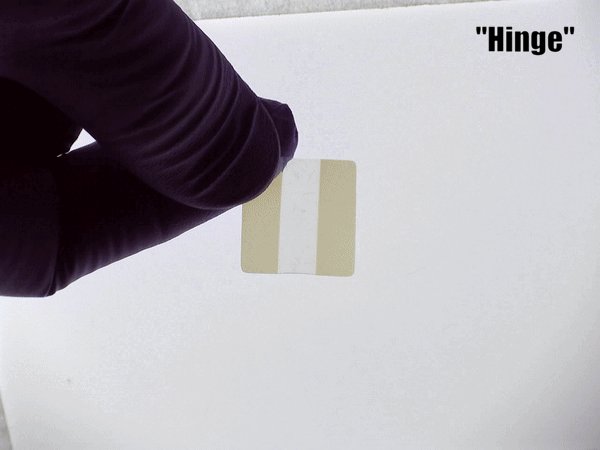
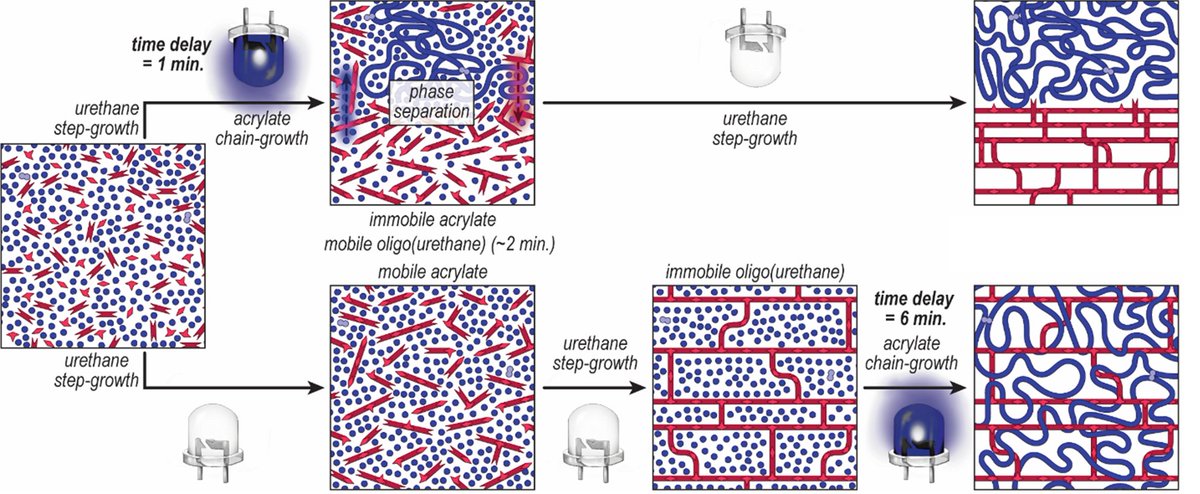
A hybrid epoxy–acrylate resin is reported for the digital light processing 3D printing of bioinspired metamaterial structures with precisely patterned hard and soft domains. @ZPageGroup
nature.com/articles/s41563-0…
11
33
3,044
ZAPGroup retweeted

30 Jun 2025
#A dual-light 3D #PrintingMethod enables precise integration of flexible and rigid materials, advancing the design of prosthetics, medical devices, and stretchable electronics in a single print. @utaustin @NatureMaterials doi.org/g9rs56 techxplore.com/news/2025-06-…
6
7
4,051
30 Jun 2025
🚨New in
@NatureMaterials
today, Wavelength-selective 3D printing with hybrid epoxy–acrylate resins enables ultrafast, high-res multimaterial parts! Big congratulations to all involved! Give it a read: rdcu.be/et5T9 ⚡️
1
14
573
ZAPGroup retweeted

27 Jun 2025
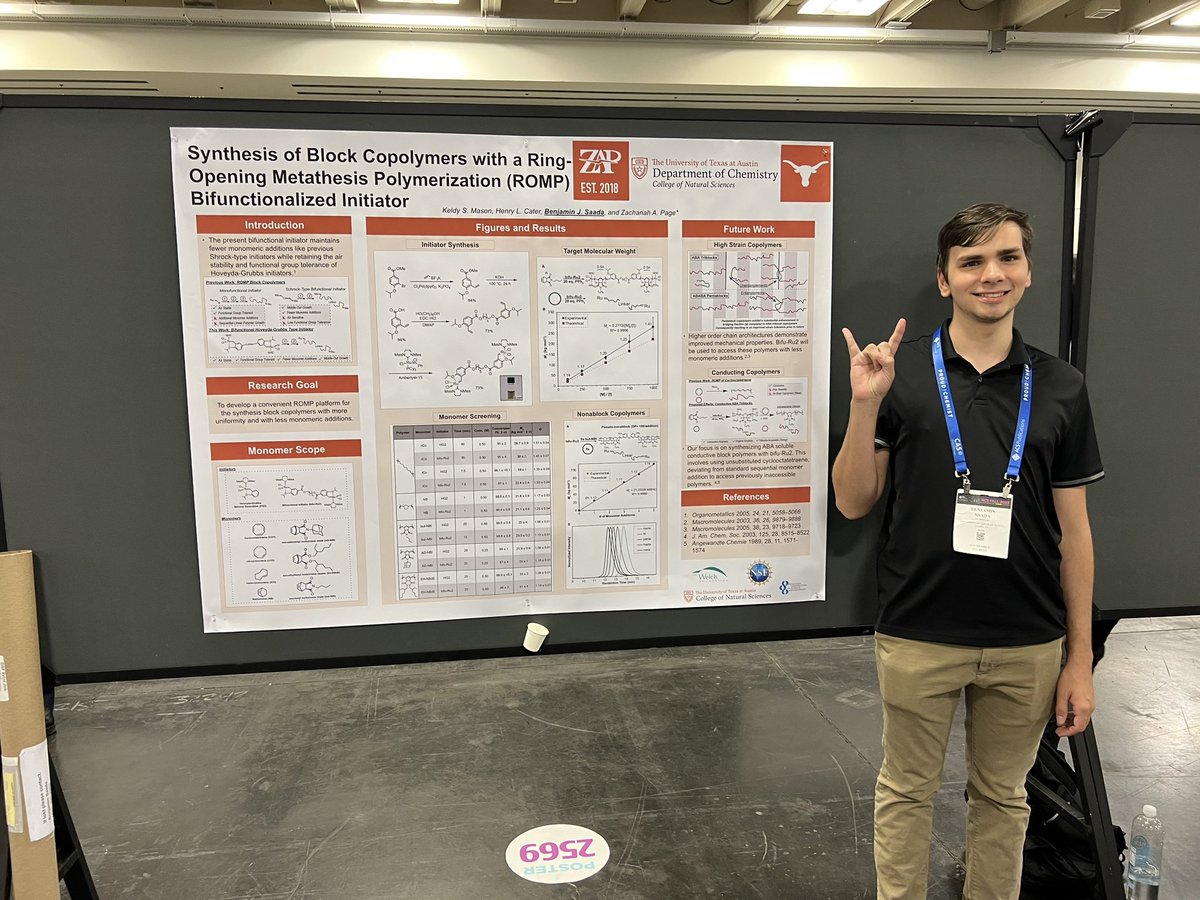
Bifunctional Ruthenium Alkylidene Initiator for Outward Growth of Block Copolymers via Ring-Opening Metathesis Polymerization (@ZPageGroup)(@JPolymSci) onlinelibrary.wiley.com/doi/… onlinelibrary.wiley.com/doi/…
2
4
549
29 May 2025
Exciting new publication today in ACS Central Science (@ACSPublications) “Multicolor Digital Light Processing 3D Printing Enables Dissolvable Supports for Freestanding and Non-Assembly Structures”! pubs.acs.org/doi/10.1021/acs… 🎉👏
1
1
7
341
29 May 2025
This work highlights the ability to spatially control epoxy/acrylate polymerization to obtain cross linked and dissolvable regions to solve the ever present problem of manual support removal in 3D printing. Check it out!
122
ZAPGroup retweeted

Congratulations to Camille Dreyfus Teacher-Scholar @zakpage (@ZPageGroup) of @UTAustin for being awarded the Presidential Early Career Award for Scientists and Engineers!
cns.utexas.edu/news/accolade…
1
2
19
1,206
3 Jun 2024
Recent paper in Advanced Materials: highly functional thermoplastic elastomers (TPEs) with ROMP! With high upper service temperatures, super soft moduli, and strain-stiffening behavior!🔬 onlinelibrary.wiley.com/doi/… #Polymerization
5
43
2,566
5 Apr 2024
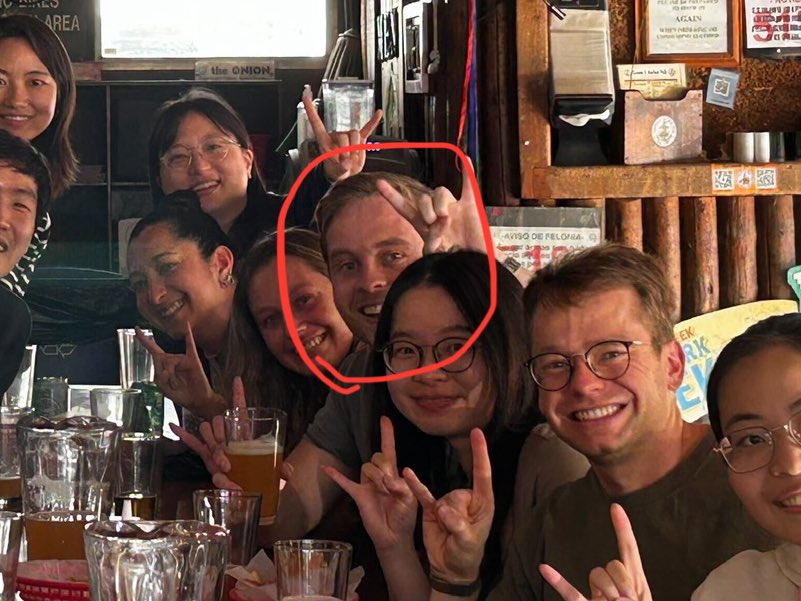
Congratulations to Dr. Henry Cater for defending his thesis on “Biomimetic Elastomers from Ring-Opening Metathesis Polymerization!!
1
13
773
17 Feb 2024
Congrats Zak!! @zakpage
14 Feb 2024

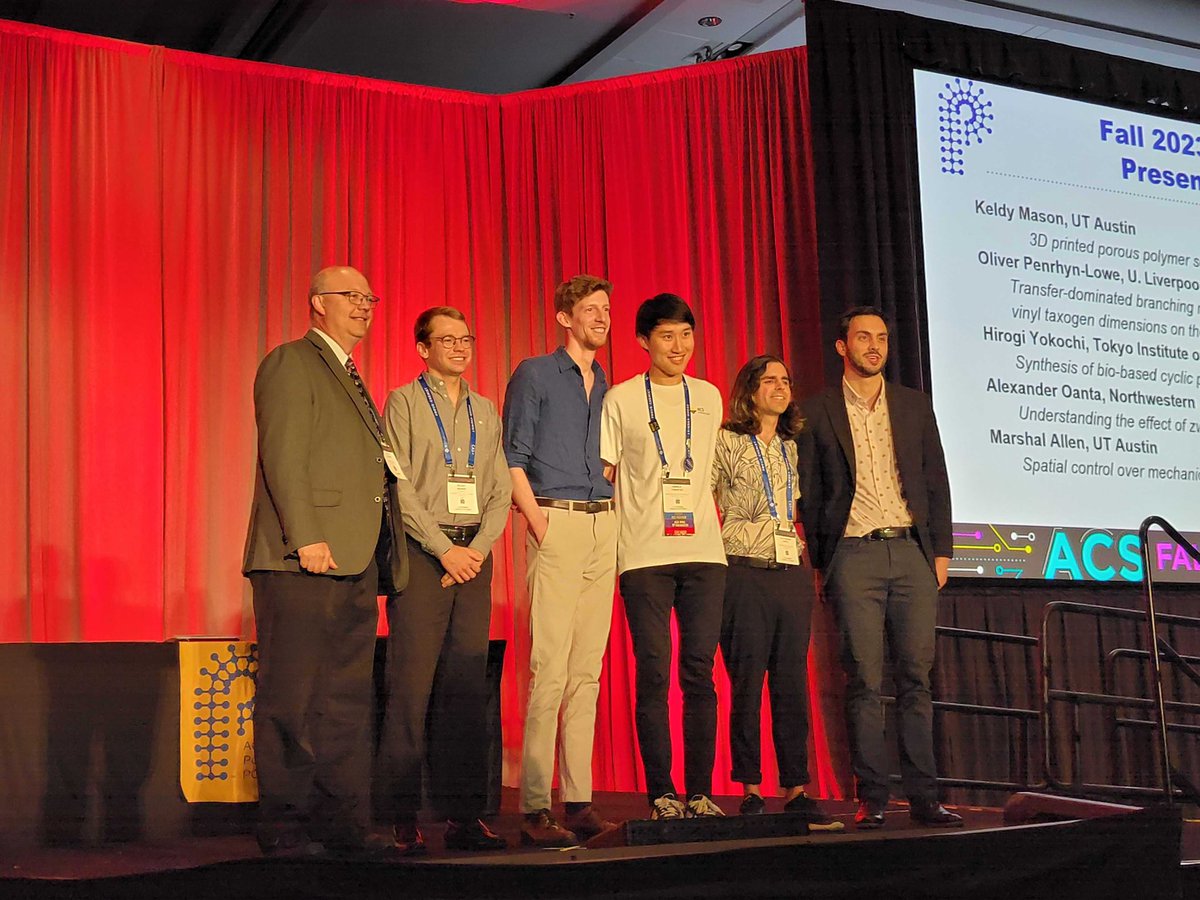
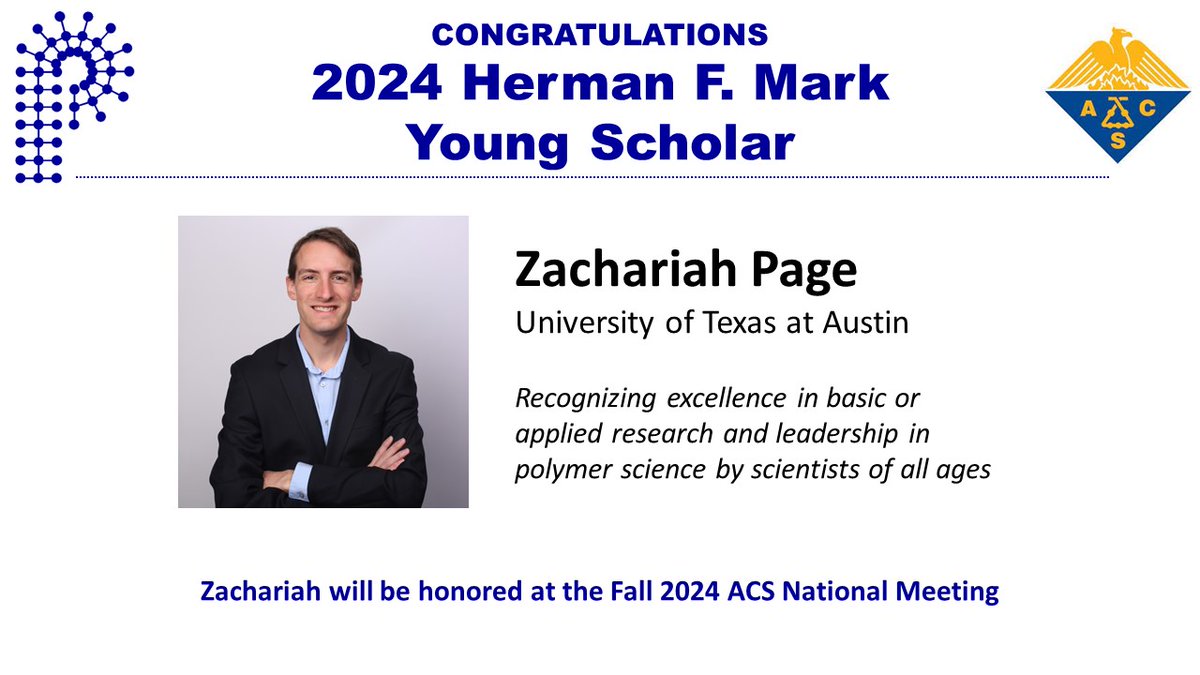
Congratulations to @zakpage (UT Austin) on receiving the Herman F. Mark Young Scholar Award! POLY looks forward to honoring Zachariah's achievement during the #ACSFall2024 Meeting!
#POLYAward #24MarkYoungAward
22
1,025
ZAPGroup retweeted

8 Feb 2024
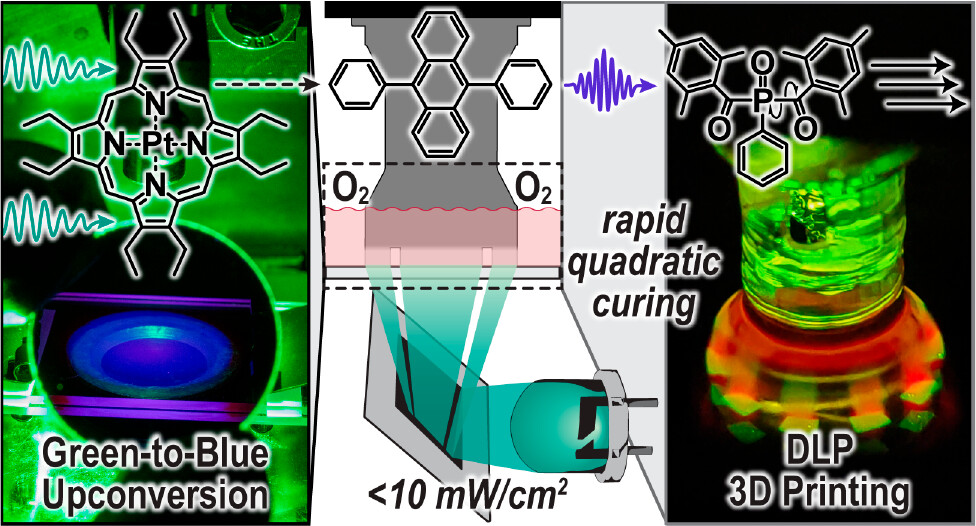
Converting green light to violet via triplet fusion upconversion was leveraged to achieve high-resolution and rapid 3D printing with practical low-intensity visible light under ambient conditions
NEW #ASAP by @zakpage @RobertsGroupUT & team
Read it here: go.acs.org/7Yb
3
16
5,954
4 Feb 2024
New from @ZPageGroup and @JLsessler group: 3D printed supramolecular sorbents tackle e-waste! 🔋Selective cobalt binding via eco-friendly catch-and-release in benign solvents ♻️ #3Dprinting #RecyclingInnovation pubs.acs.org/doi/full/10.102…
4
32
2,417
ZAPGroup retweeted

4 Feb 2024
3D-Printed Porous Supramolecular Sorbents for Cobalt Recycling | Journal of the American Chemical Society @JLsessler @UTAustin @zakpage @UTChemistry #Porous #Supramolecular #Sorbents #Co #Recycling pubs.acs.org/doi/10.1021/jac…
4
12
7,306
17 Jan 2024
New in @ACSCentSci from the Page lab⚡️and @RobertsGroupUT pubs.acs.org/doi/10.1021/acs…
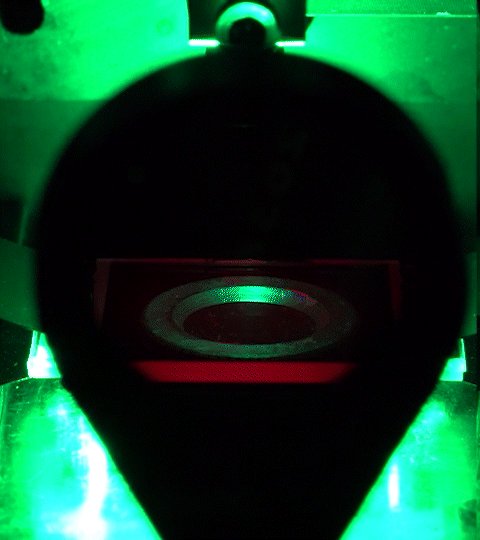
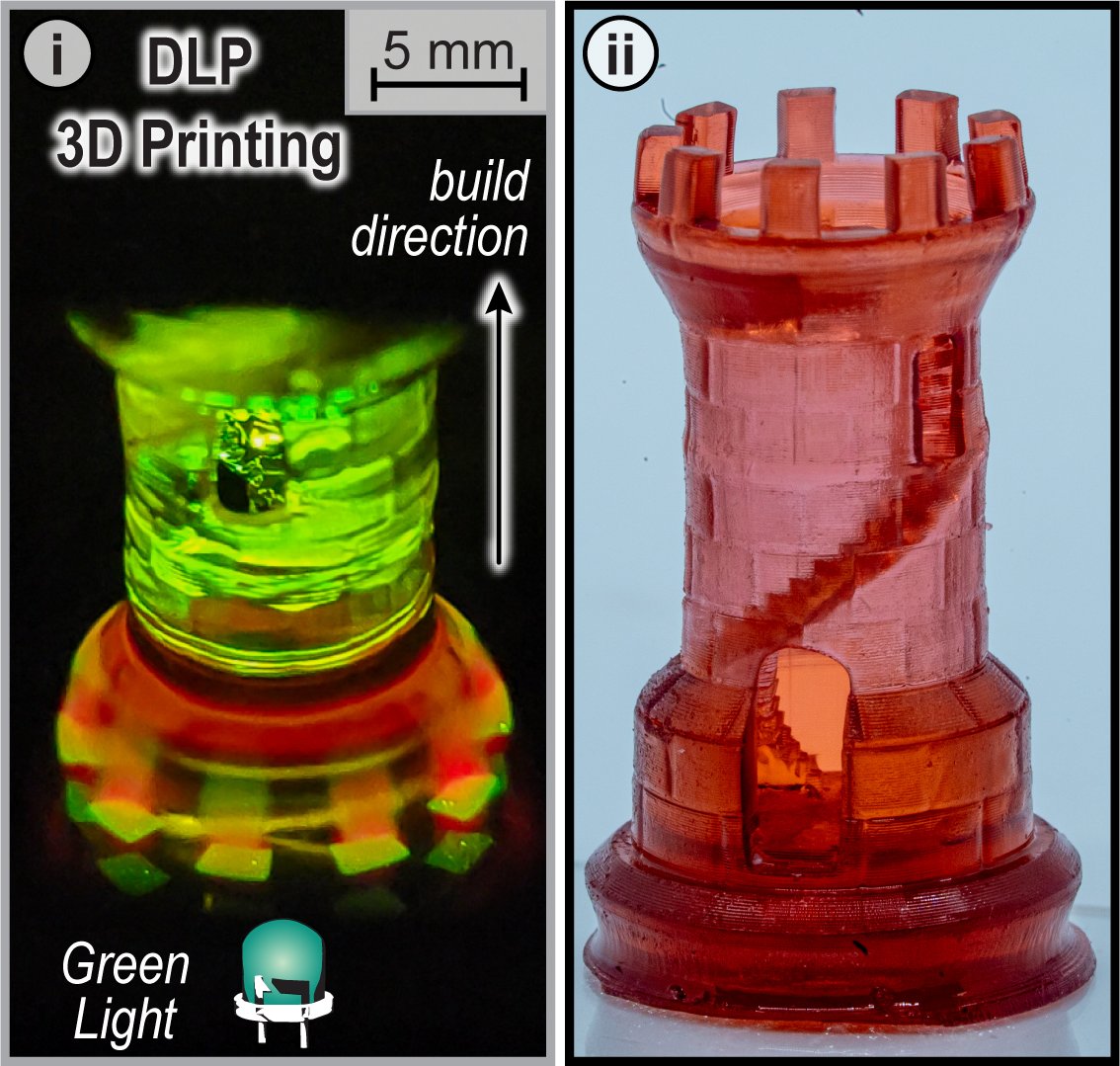
For the first time, a process known as triplet-triplet annihilation upconversion (TTA-UC), is utilized in Digital Light Processing (DLP) 3D Printing under ambient conditions.🧵1/8
#3DPrint #Science
ALT Image of a rook chess piece during and after 3D printing.
1
16
62
3,255
17 Jan 2024
TTA-UC resins formulated using a common acrylic monomer🛢️exhibited good shelf stability in comparison to an analogous Type II resin operating under green light, allowing for easy bottling and long-term storage.📦7/8
1
2
234
17 Jan 2024
The advancement of light-based💡3D printing platforms and LED efficiency make TTA-UC a more viable mechanism for high resolution features under accessible conditions. We hope this application-oriented approach inspires further exploration into 3D printing driven by TTA-UC. 8/8
5
235