
Asst Prof of Biostat @WashUMedi2db @WashUMedicine. Causality for reliable and responsible AI in health. Past: @ColumbiaDBMI, @Harvard, @BU_Tweets. Views mine.
Joined September 2012
- Tweets 101
- Following 654
- Followers 448
- Likes 617
20 Photos and videos

May 6
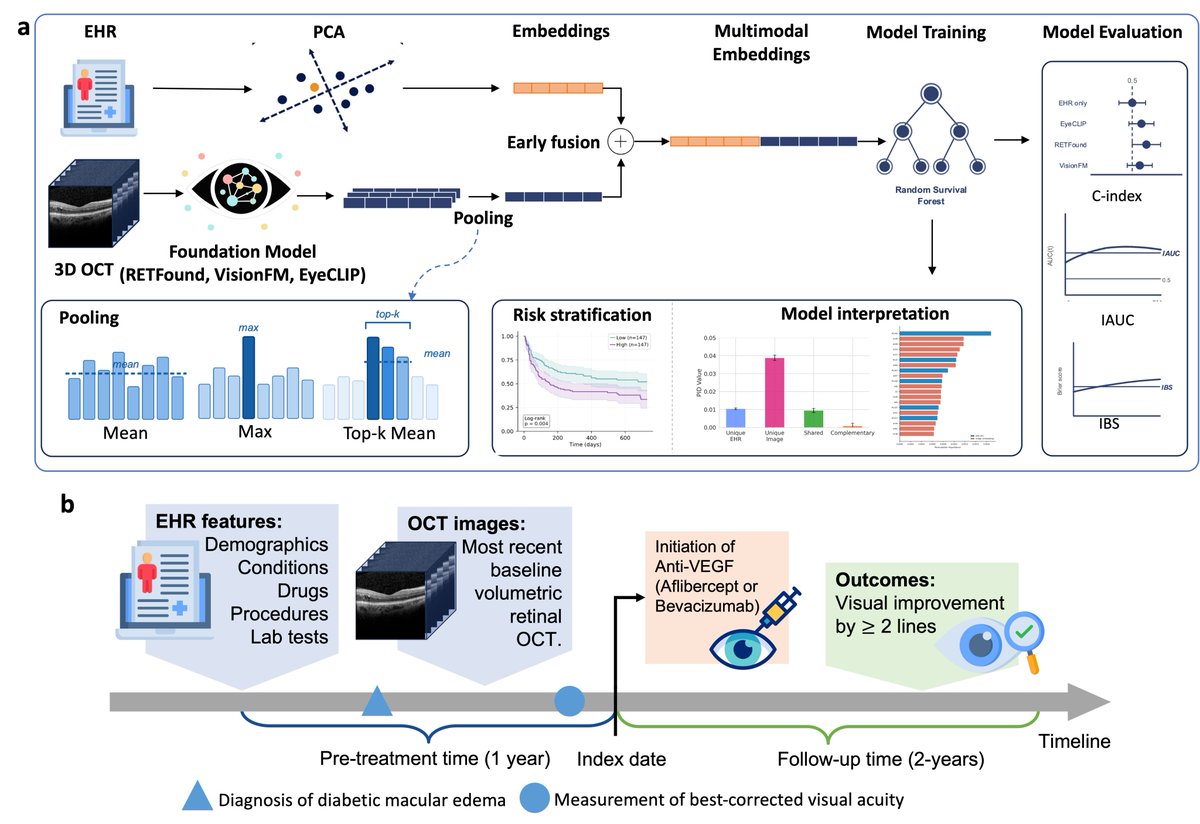
❓Do retinal images add prognostic value beyond EHRs in real-world clinical care? ✅ We developed a multimodal AI framework that integrates retinal OCT imaging EHR data to predict visual improvement in patients with diabetic macular edema (DME) receiving anti-VEGF therapy.
Using real-world data from
👥 973 patients
🏥 14 hospitals across WashU/BJC Health System
👁️ 196k OCT images
📊 22,227 EHR features
We found
✅ OCT provides complementary prognostic information beyond structured EHR data
✅ Multimodal EHR OCT models improved visual improvement prediction and risk stratification
✅ Foundation model choice matters — RETFound showed the strongest prognostic value
✅ Different ophthalmic foundation models capture very different types of clinical information
This work highlights both the promise and the challenges of deploying multimodal foundation models in real-world clinical settings.
📚 Preprint: doi.org/10.64898/2026.04.23.…
Huge thanks to my amazing student Siqi Sun and our amazing collaborators Cindy Cai, Cecilia S. Lee, Aaron Y. Lee, and Marc Suchard! Suggestions are welcome and appreciated!
@WashUMedi2db @washumeddovs @washumedgmg @washudeptmed
#Ophthalmology #MultimodalAI #FoundationModels #RealWorldEvidence #MachineLearning #MedicalAI #OCT #EHR #DiabeticMacularEdema #Retina
1
2
5
180
Mar 17
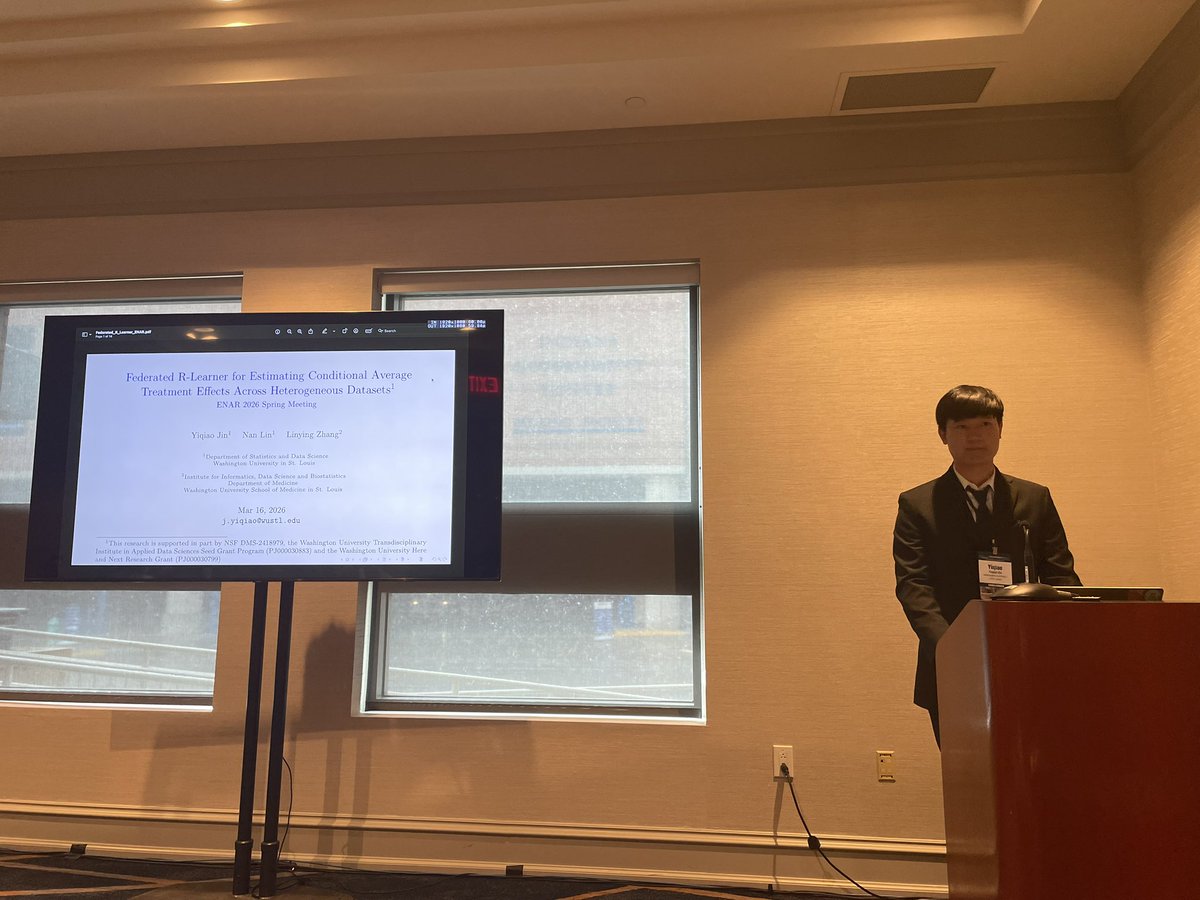
Very proud mentor moment today at #ENAR2026.
Yesterday, my PhD co-advisee Yiqiao Jin presented his work on Federated R-Learner for Estimating Conditional Average Treatment Effects across Heterogeneous Datasets. His work receives the #ENAR Distinguished Student Paper Award. This is a highly competitive award, with 186 submissions and only 21 papers selected this year.
As a junior faculty member, moments like this are deeply meaningful. One of the most rewarding parts of academia is watching students grow into confident researchers and seeing their work recognized by the community.
I’m very grateful to Nan Lin, Yiqiao’s co-mentor in the Department of Statistics & Data Science, for the fantastic collaboration and mentorship. I also want to thank both the Department of Statistics & Data Science and the WashU Institute for Informatics, Data Science and Biostatistics (I2DB) for creating such a collaborative research environment where interdisciplinary ideas like this can grow.
#ENAR2026 @WashUMedi2db

1
2
151
Linying Zhang retweeted

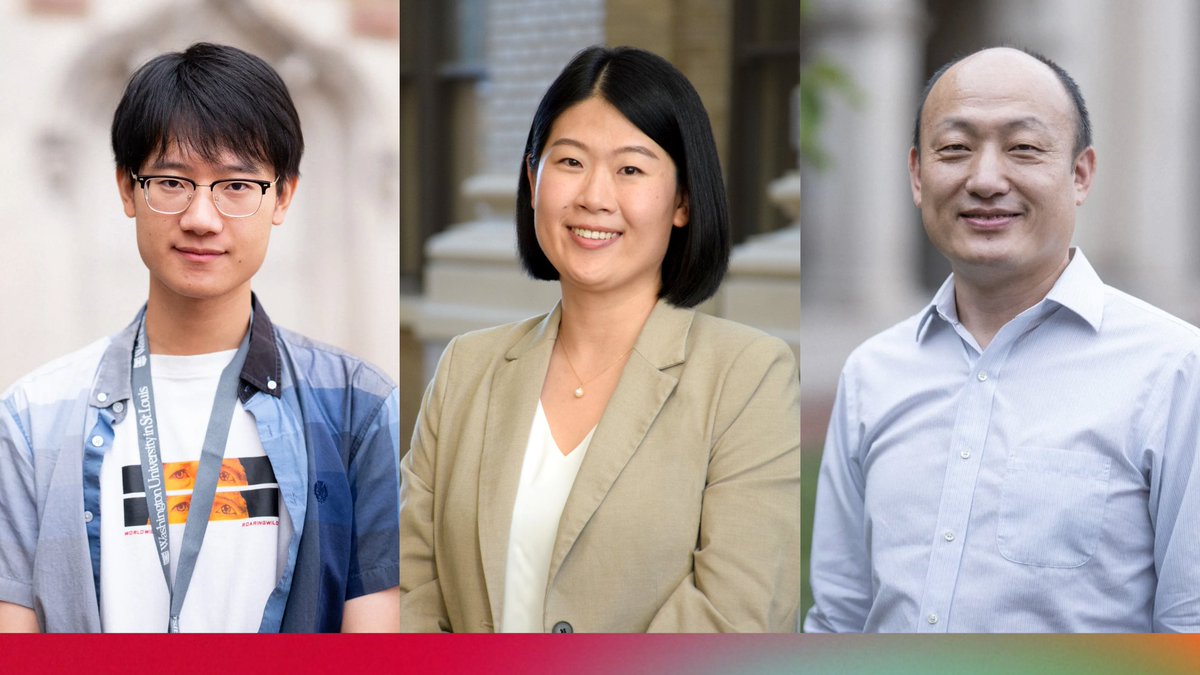
Yiqiao Jin, a PhD student in Statistics and Data Science, has been selected to receive one of the International Biometric Society Eastern North American Region’s (ENAR) Distinguished Student Paper Awards for his paper.
👏 Read more: i2db.wustl.edu/zhang-mentors…
1
1
150
11 Nov 2025
Proud to contribute to this @OHDSI network study! Kudos to the study lead Cindy X. Cai @HopkinsMedicine and the team!

@Z_Linying led WashU's team in a nationwide OHDSI study on semaglutide & diabetic retinopathy, published in @DiabetesRC. Data from 800K users found no increased risk of vision-threatening diabetic eye complications.
📖 Read more → drc.bmj.com/content/13/6/e00…
1
3
195
19 Sep 2025
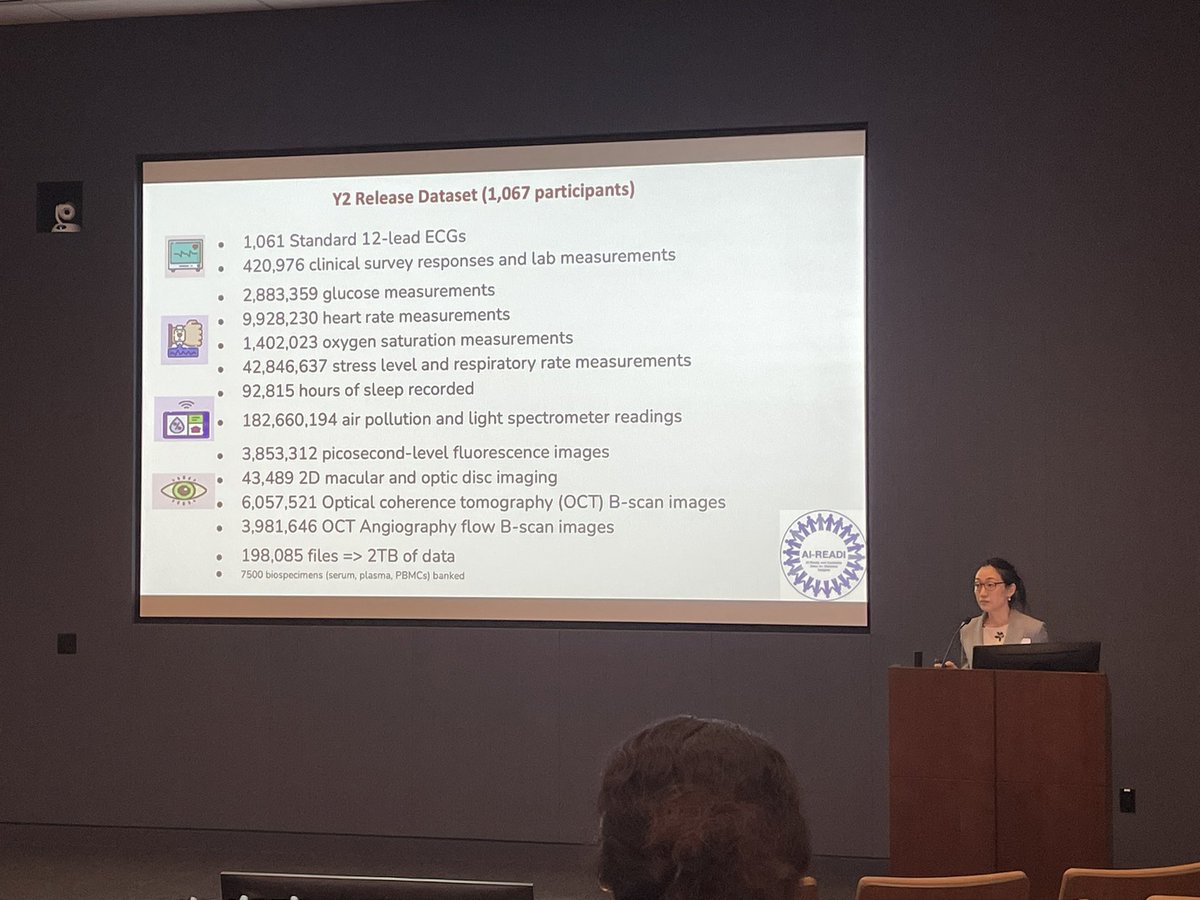
🚀 Exciting keynote at the BIDS retreat! Dr. Cecilia Lee shared her groundbreaking work in #OphthalmologyAI at @WashUMedi2db showcasing how AI big data can transform eye care and beyond. 👁️🤖
1
1
151
1 Jul 2025
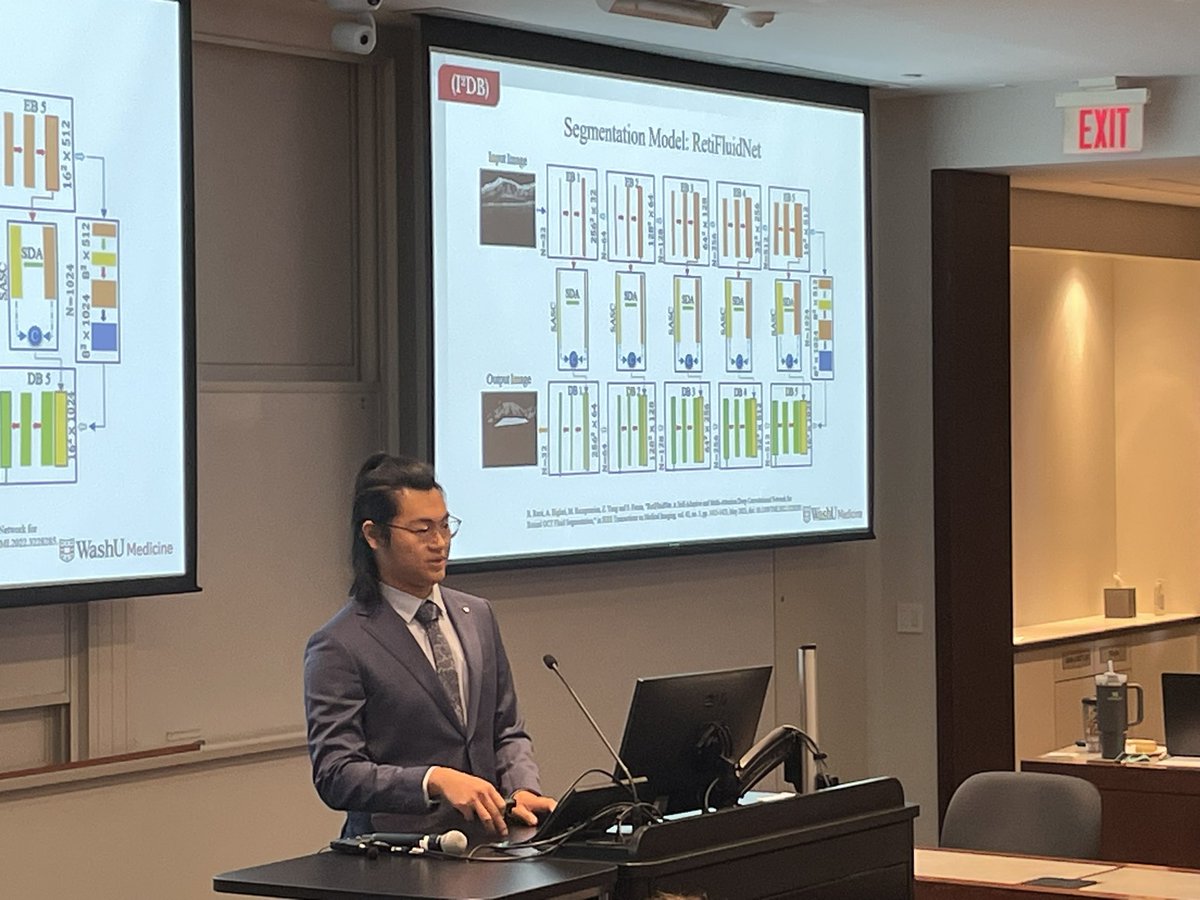
Excited to have my undergrad summer intern Xiaoyu Klay Sun, from our BIDS@I2DB program, working on applying AI for fluid segmentation in macular OCT images — and he presented this work at our retreat! Love seeing the next generation tackle real-world challenges in ophthalmology. 👁️🧑💻🩺 @WashUMedi2db
1
195
13 Jun 2025
Congrats to Siqi!
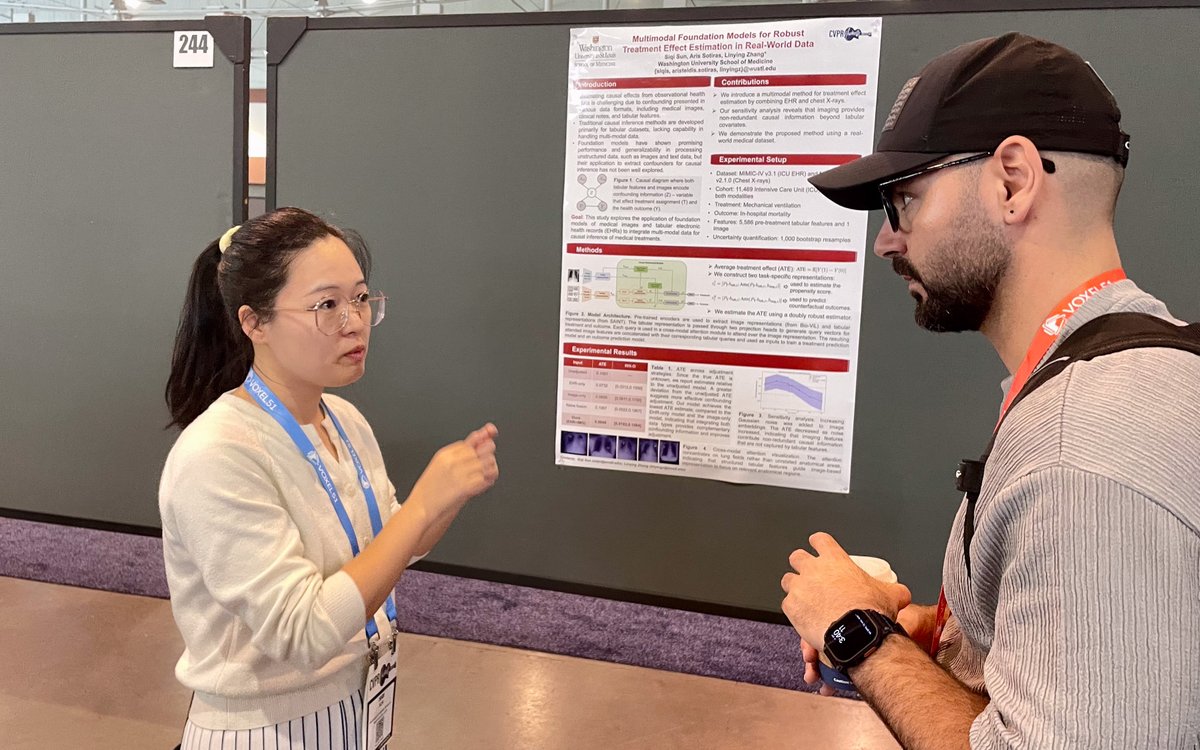
Congrats to Dr. Siqi Sun & Dr. Linying Zhang on presenting at CVPR 2025 Workshop on MMFM-BIOMED! 🎉 Their model estimates causal effects from EHRs & chest X-rays.👏 #AI #Biomedicine #CVPR2025 @CausAI_Lab
2
171
14 Jan 2025
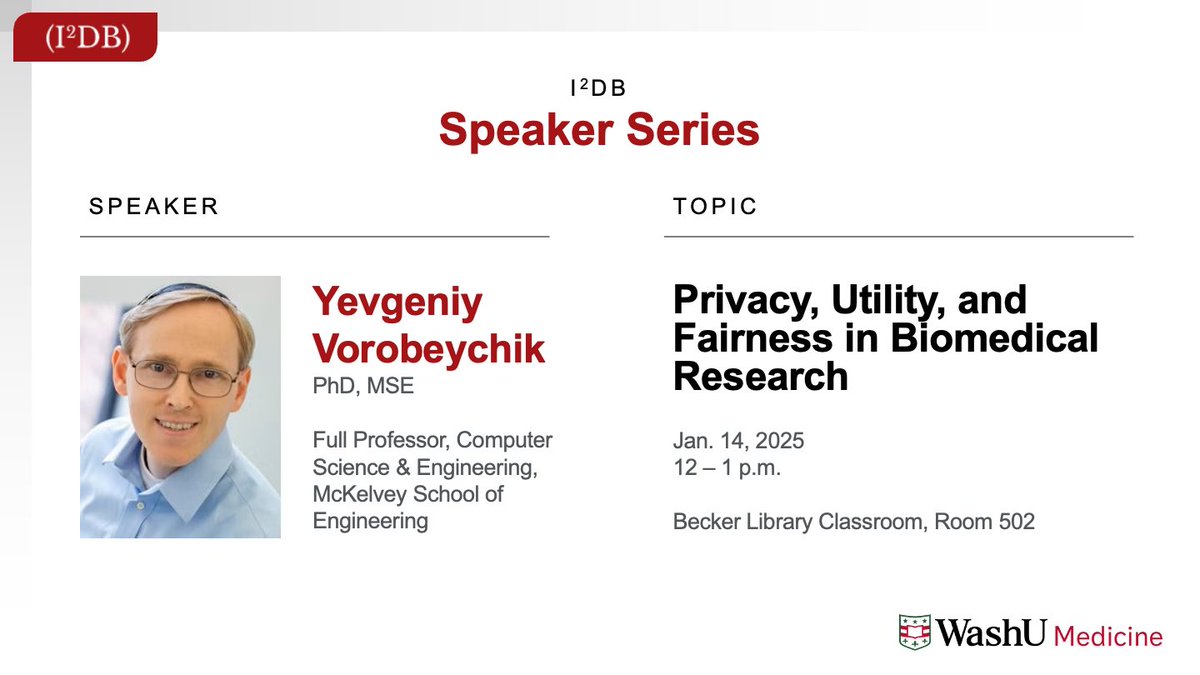
Excited to kick off the spring semester seminar series with Dr. Yevgeniy Vorobeychik! @WashUengineers Dive into the intersection of privacy, utility, and fairness in biomedical research today at @BeckerLibrary, room 502. Don’t miss it!
#WashUMed
Join our Speaker Series with Yevgeniy Vorobeychik, PhD, MSE, Computer Science & Engineering, @WashUengineers! Topic: "Privacy, Utility, and Fairness in Biomedical Research" at @BeckerLibrary, room 502.
🔗ow.ly/MmIT50UEnLL
#WashUMed
4
418
23 Dec 2024
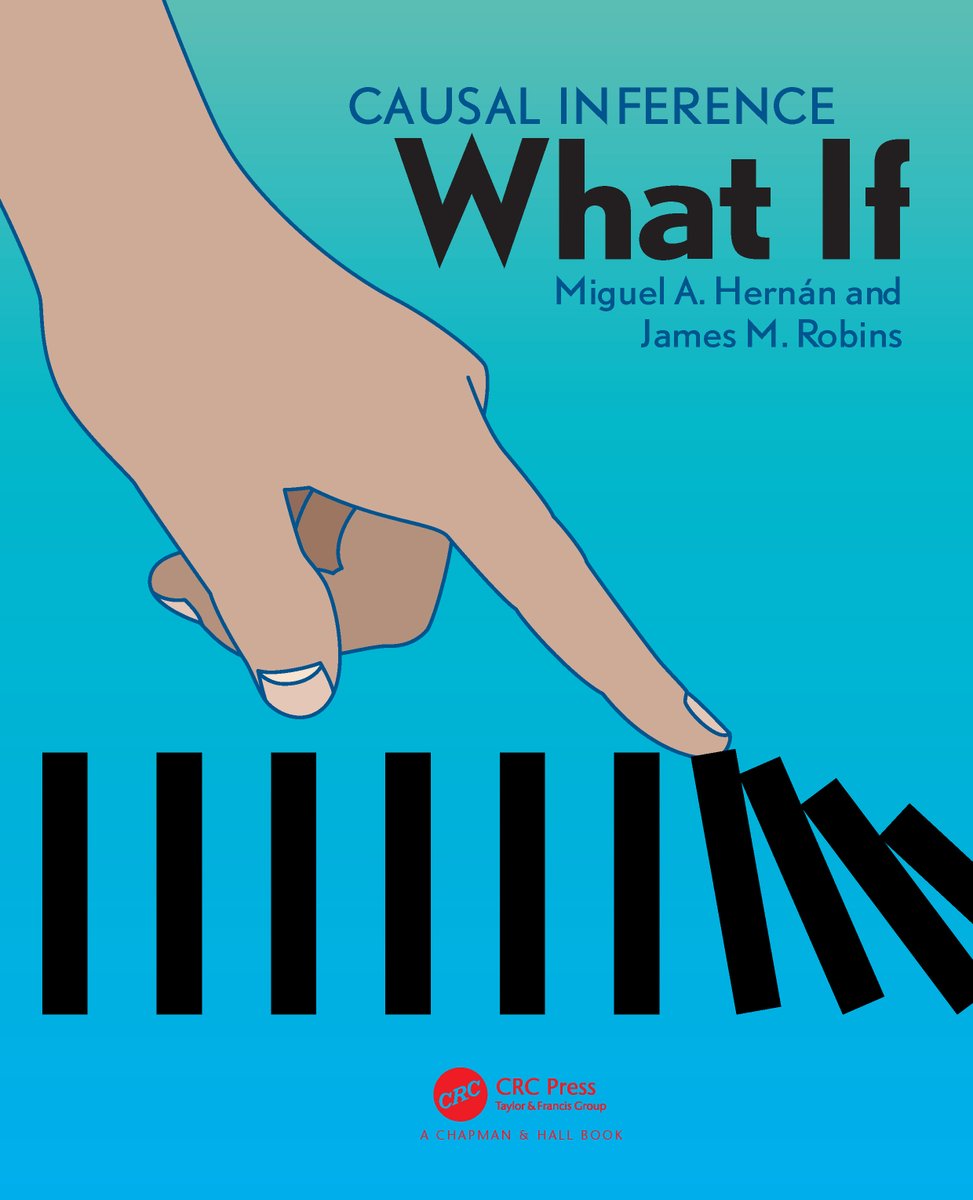
A great causal inference book by @_MiguelHernan and James Robins. Excited for its upgrade.
23 Dec 2024

Upgrade your #causalinference arsenal.
A revision of our book "Causal Inference: What If" is available at miguelhernan.org/whatifbook
Thanks to everyone who suggested improvements, reported typos, and proposed new citations and material.
Enjoy the #WhatIfBook. Also, it's free.
332
10 Nov 2024
I’m excited too! Come see me present my 100 pages of dissertation in under 40 mins ;) Will I make it? 🤓
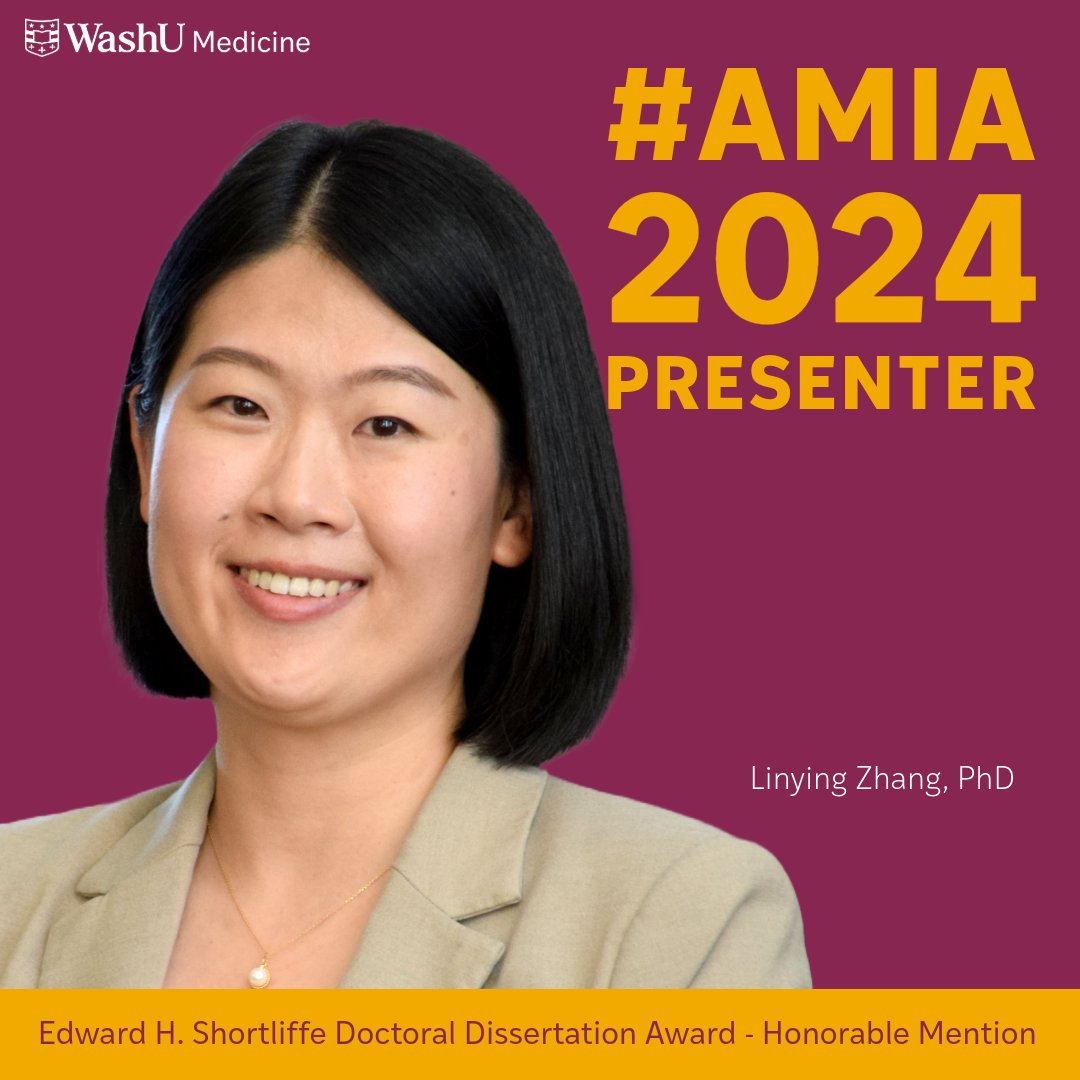
We are excited to announce that @Z_Linying will receive the AMIA Edward H. Shortliffe Doctoral Dissertation Honorable Mention at #AMIA2024 for her dissertation!
📅 Nov. 11
🕒 1:45-3:15 p.m.
📍 Franciscan B
🔗 amia.secure-platform.com/sym…
#WashUMed #AMIA @AMIAinformatics
1
24
1,284

23 Oct 2024
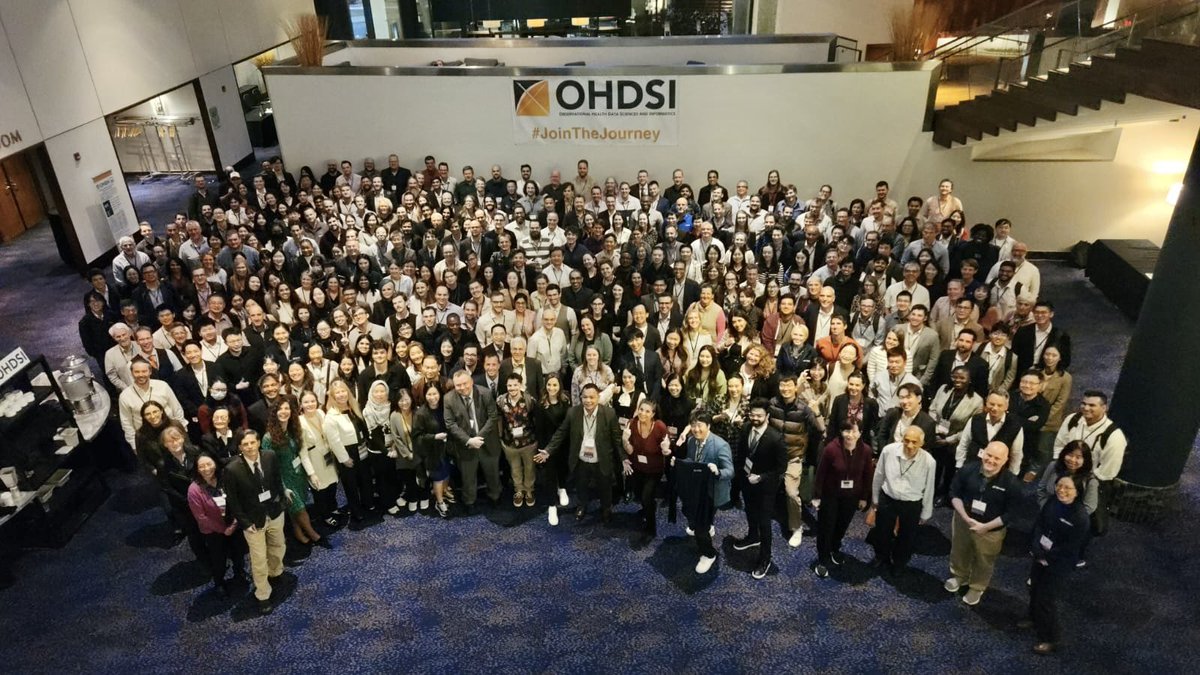
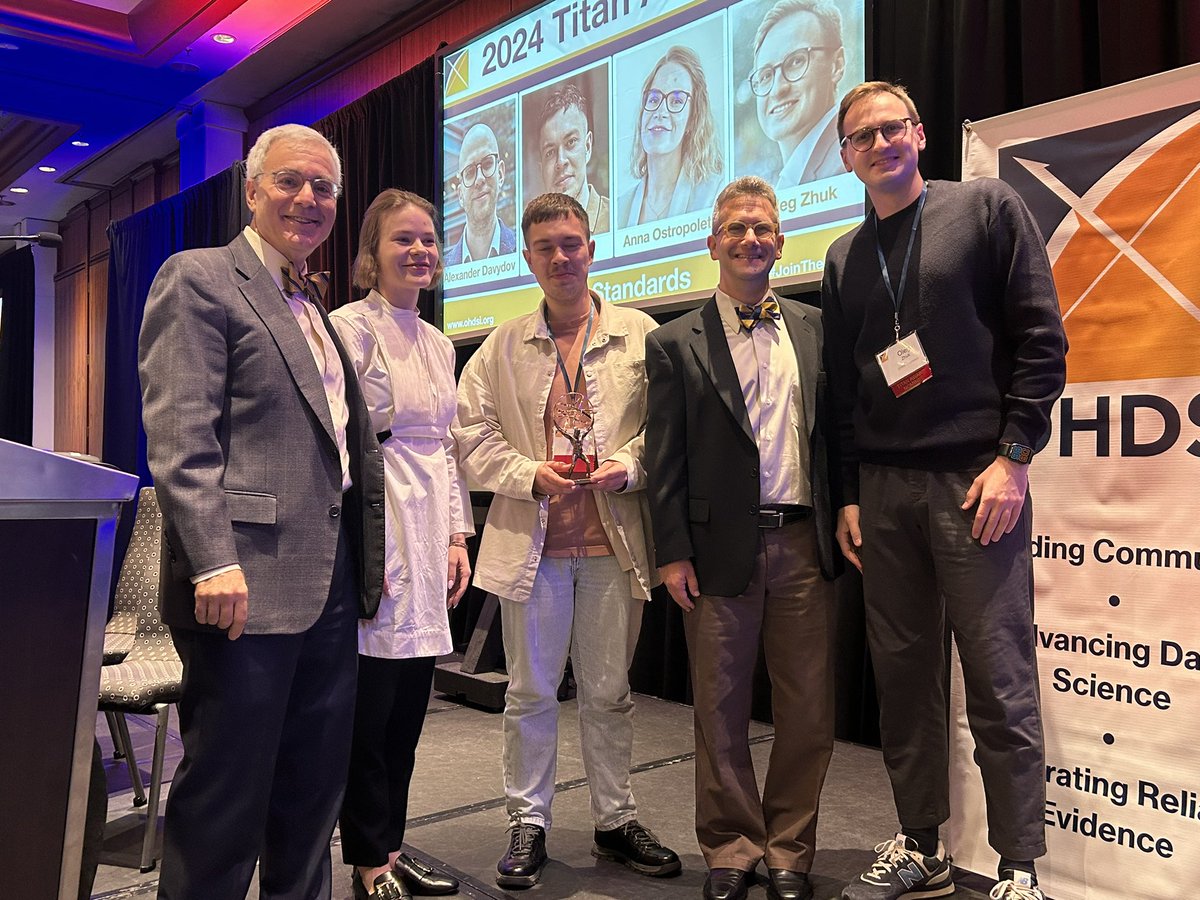
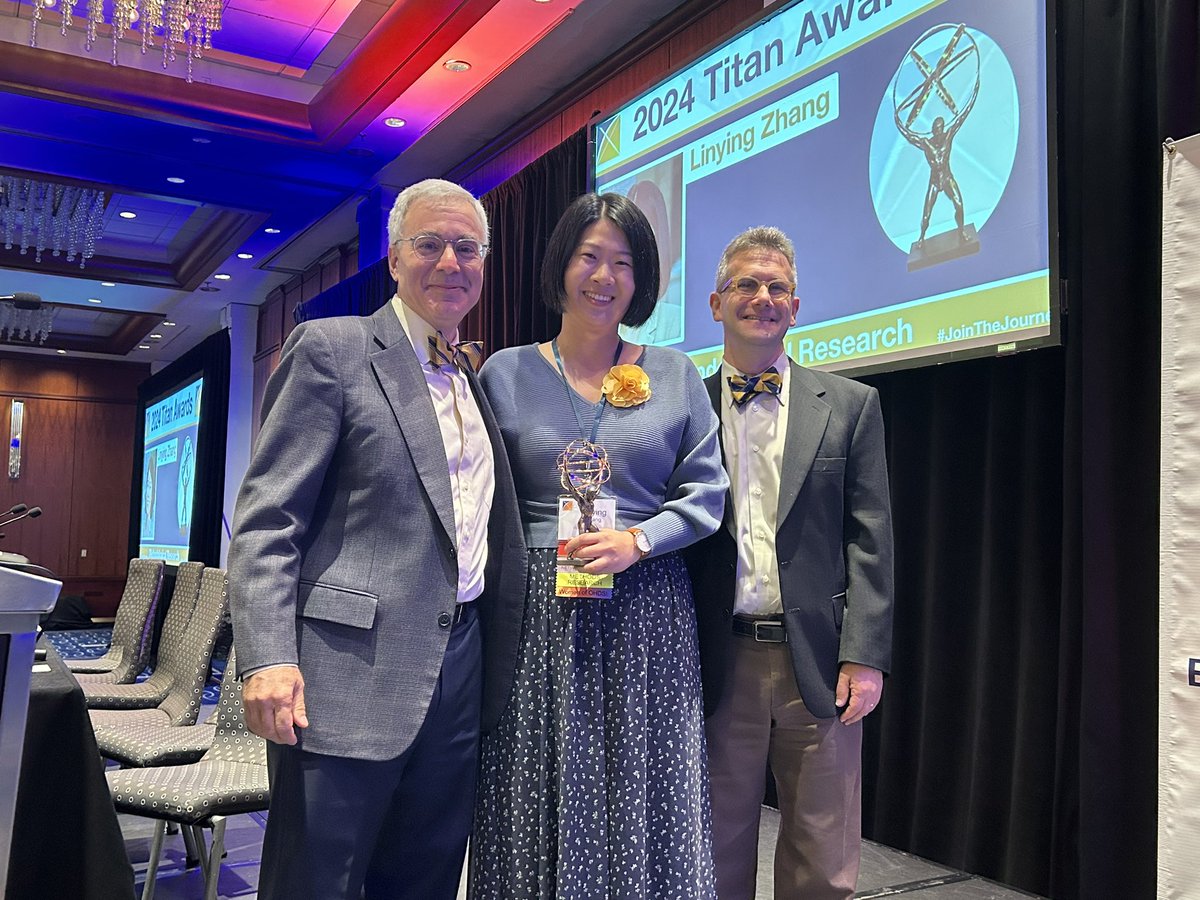
It was a tremendous honor for me to receive the OHDSI Titan Award! Thanks @OHDSI for this recognition! #OHDSI2024
23 Oct 2024

Congratulations to two of our recent PhD graduates, Anna Ostropolets and Linying Zhang (@Z_Linying) on receiving Titan Awards at #OHDSI2024.
2
1
16
1,017
Linying Zhang retweeted

25 Sep 2024
10 years ago, ML papers were math-heavy. Advice I got: less math, more empirics. Today, many ML/AI papers lack even a single math formula, let alone math thinking. My advice to young LLM researchers: do a little math if possible. It'll distinguish yours from the sea of LLM papers!
46
164
1,944
245,848
19 Sep 2024
I’m very honored to receive this award! Thanks to my mentors Drs George Hripcsak and David Blei, and committee members @noemieelhadad @proftatonetti @yixinwang_ for their guidance and support. Thanks to @ColumbiaDBMI faculties, students, and staffs and @OHDSI collaborators for making this journey fun and meaningful!
19 Sep 2024

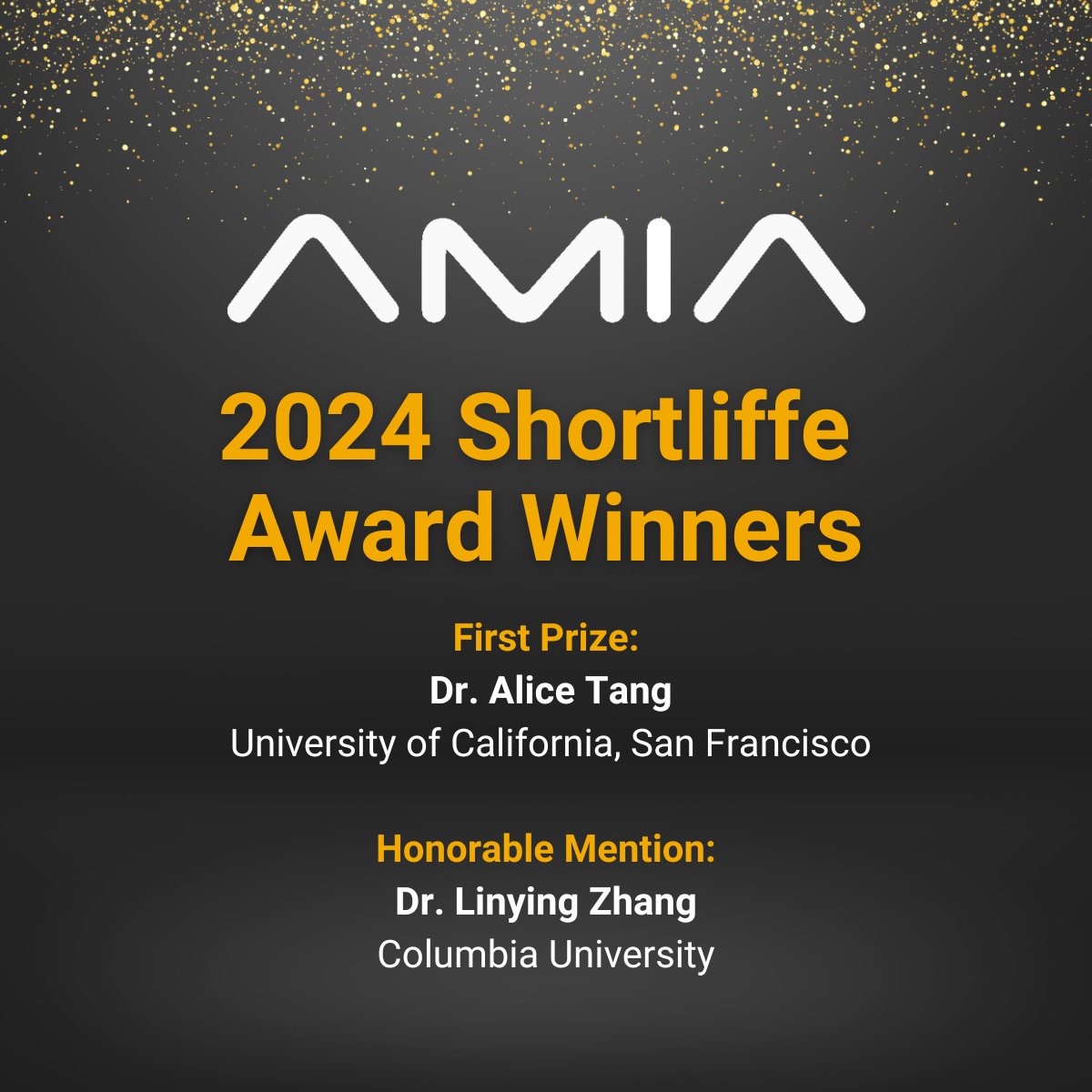
🎉 AMIA is thrilled to announce the 2024 Edward H. Shortliffe Doctoral Dissertation Award winners!
First Prize: Alice Tang, MD, University of California, San Francisco
Honorable Mention: Linying Zhang, PhD, Columbia University
Read the press release: hubs.ly/Q02Qvj080
2
26
1,855
Linying Zhang retweeted

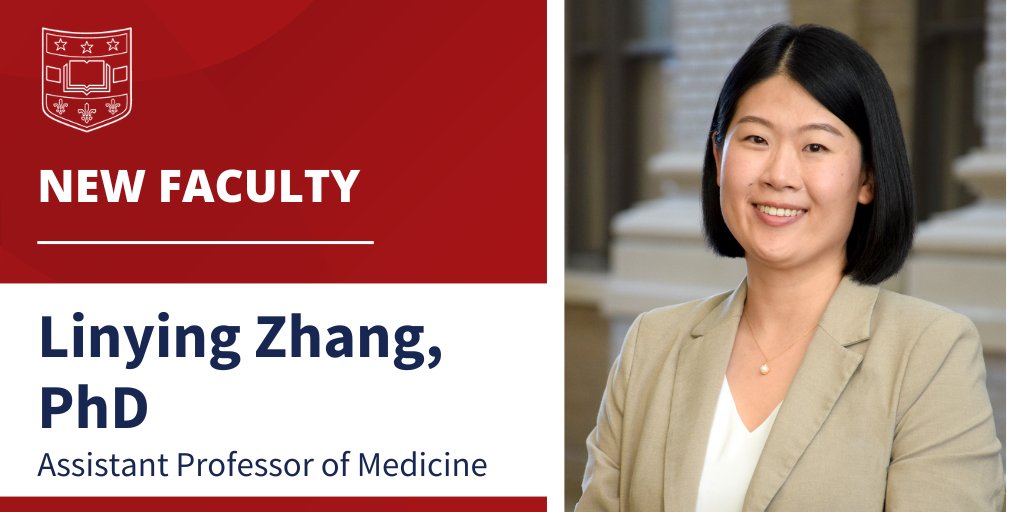
Welcome Linying Zhang, PhD, who joins #WUDeptMedicine Division of General Medicine & Geriatrics.
Dr. Zhang’s research focuses on improving reliability of real-world evidence generation using causal inference and artificial intelligence.
Link> l8r.it/xEZ5
2
10
597
3 Sep 2024
Very important work! Congrats @gamzeandgursoy
3 Sep 2024

Super excited to announce our new framework to store, integrate, and analyze genetic and clinical data under a secure framework by leveraging blockchain technology : nature.com/articles/s41591-0… lead by brilliant student Ahmed Elhussein @ColumbiaDBMI (1/n)
1
288
26 Jul 2024
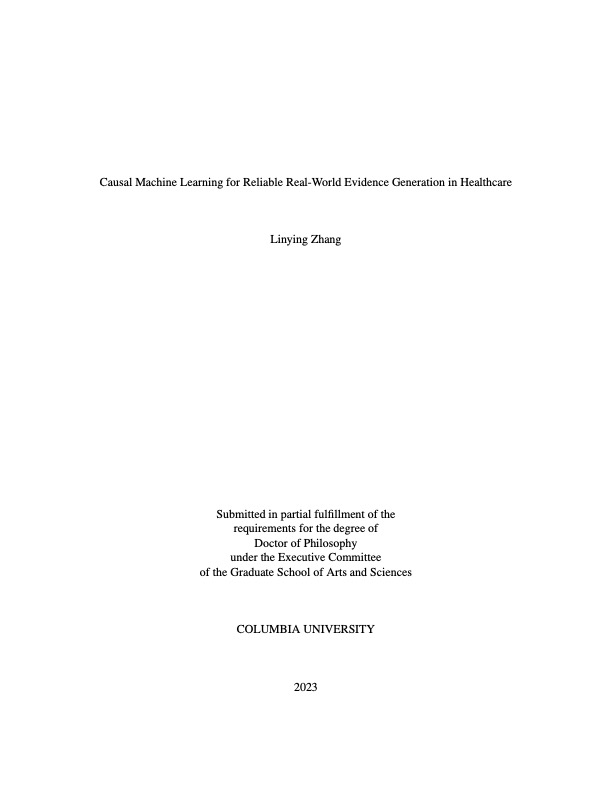
My dissertation won the AMIA 2024 Edward H. Shortliffe Doctoral Dissertation Award Honorable Mention! Look forward to giving a talk on my dissertation "Causal machine earning for reliable real-world evidence generation in healthcare" at #AMIA2024 Annual Symposium. Dissertation is linked here: shorturl.at/KGaKB
2
1
50
2,562