Joined January 2022
- Tweets 14,979
- Following 3,086
- Followers 3,395
- Likes 33,760
4,149 Photos and videos





ZappZaddy retweeted

Jun 10
🌀AI CREATIVE STUDIO🌀
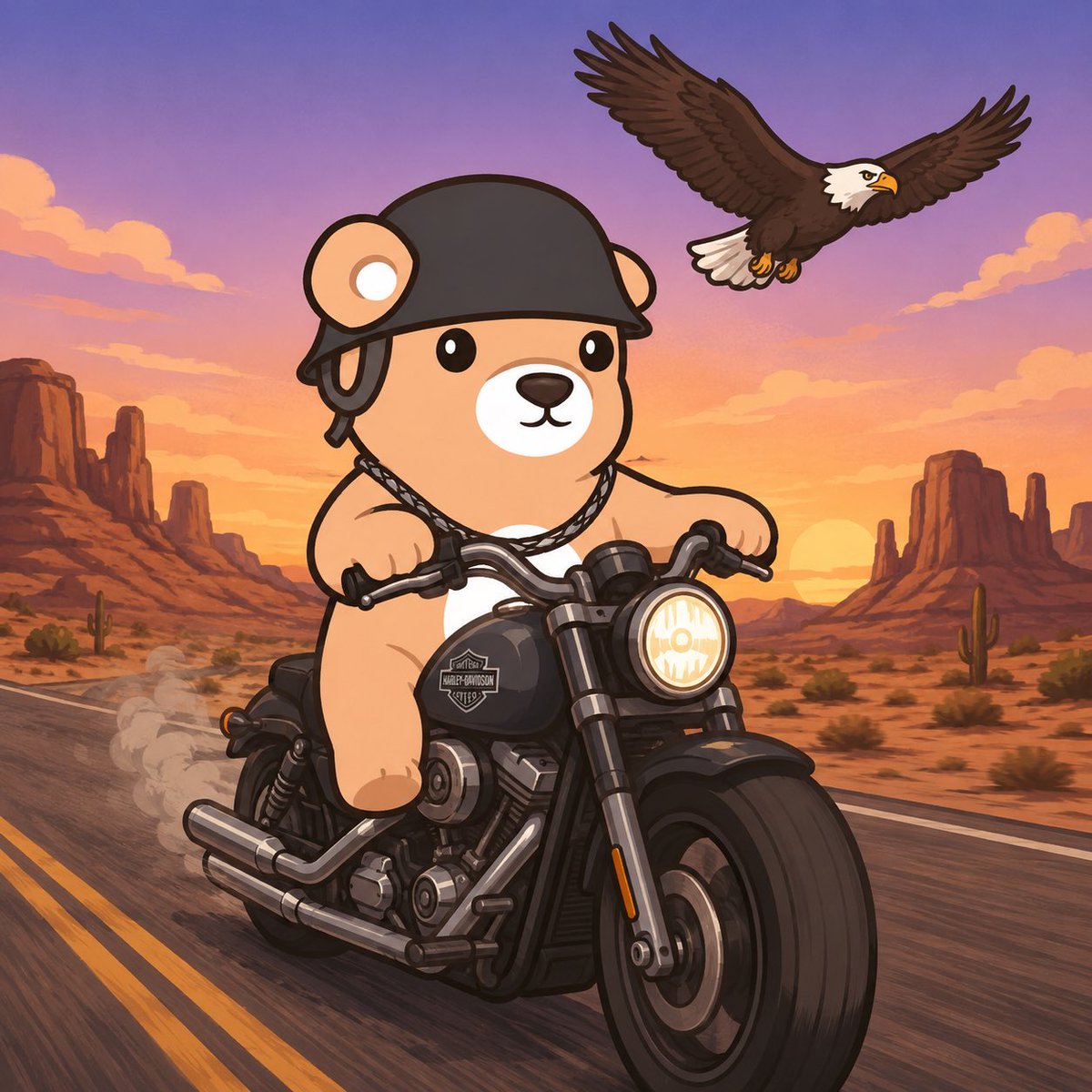
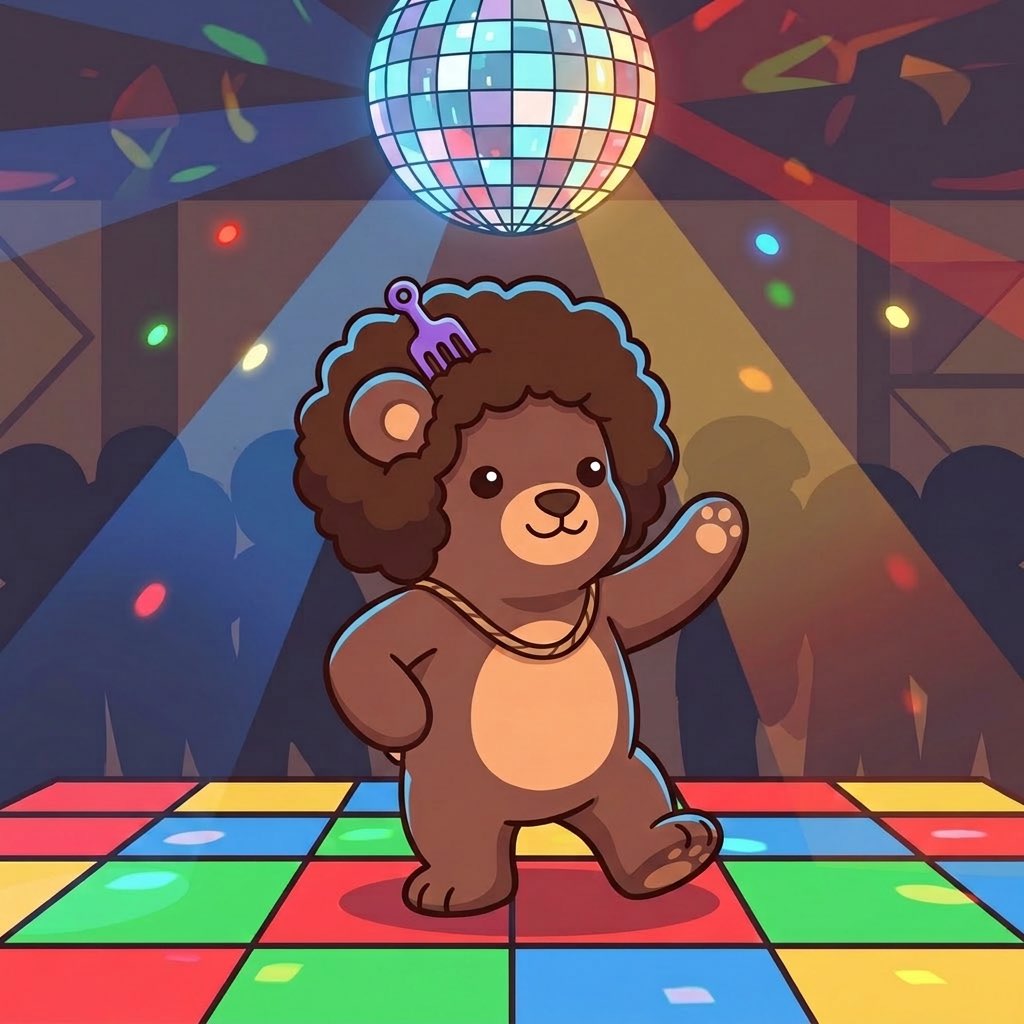
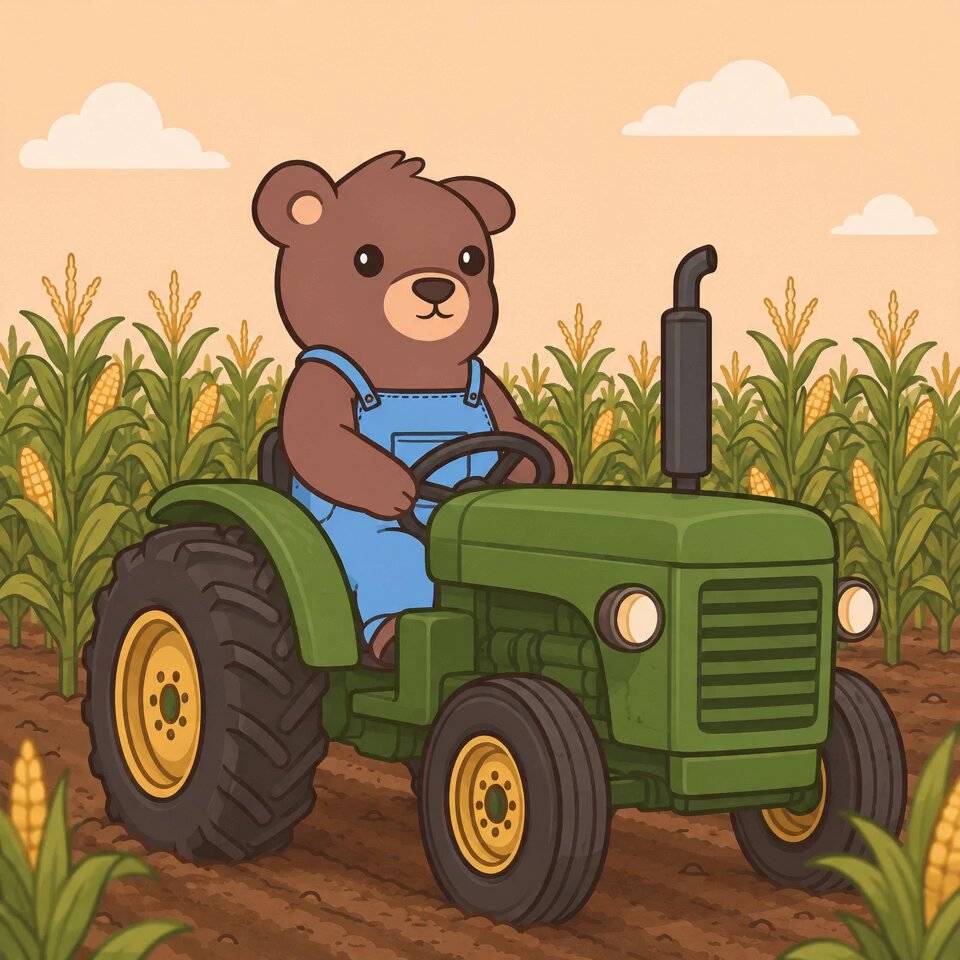
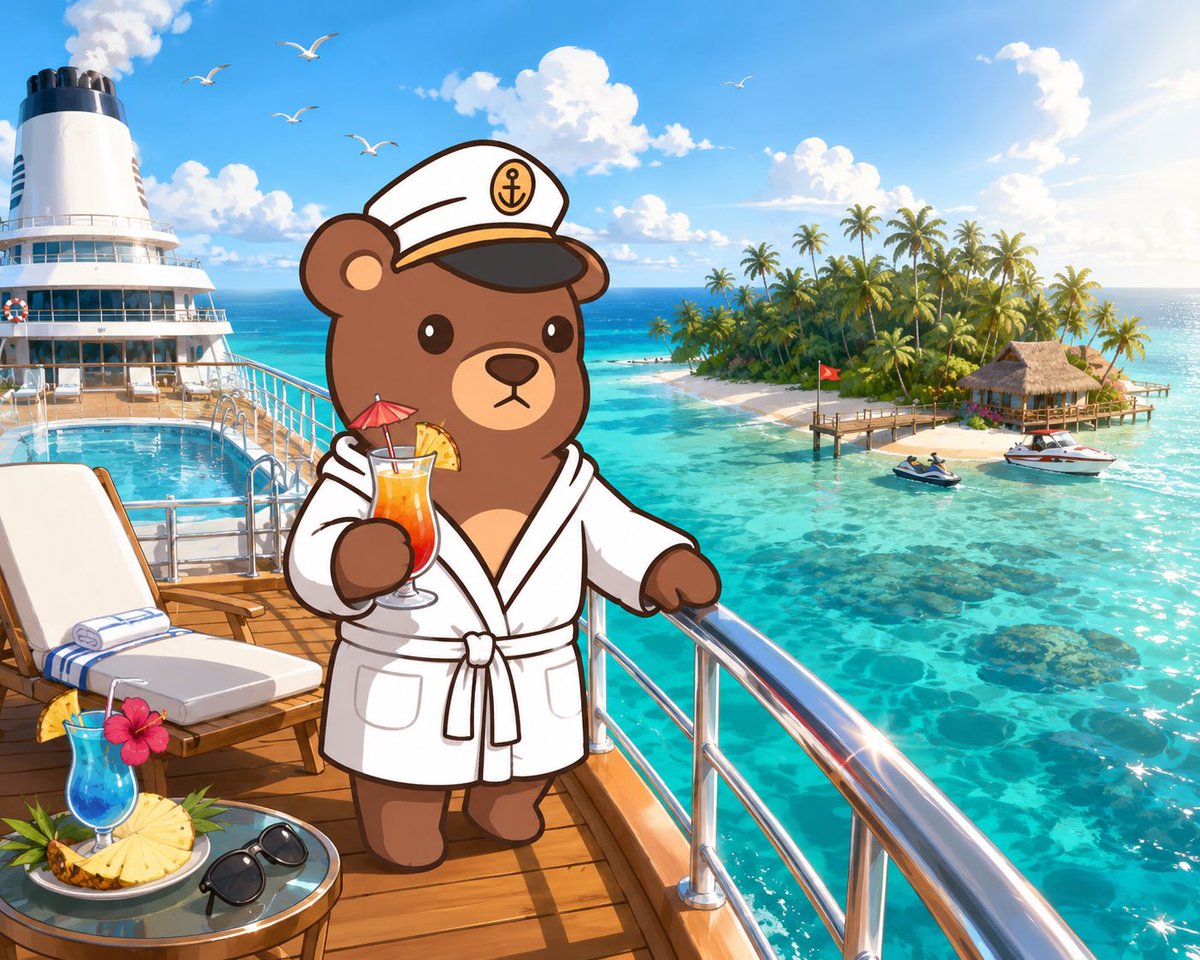
Turn your bear into anything, A full pipeline to create, share & remix on-brand bear content
WIN: One of 10 free monthly Subscriptions:
🔹- Must be logged into the bearish.af with your X handle or have X linked to your account.
🔹- Retweet
🔹- Tag a friend you'd like creating with you.
Full studio access = 0.01 ETH / per month
╰•➤ Join up Here: bearish.af/studio
EARN:
▶ 111,111 $BURR / per week, to active subscribers
( Earned by generating & remixing, the more you create, the more you earn )
Publish to the community
Remix anyone's scene with YOUR bear
Earn $BURR for every generation & remix
62
55
174
8,279
ZappZaddy retweeted

Jun 2
It's @CoreyHoran's birthday 🥳
To celebrate the big day, he wanted to pay homage to all Riders, old and new, by giving away Space Rider #5355 (worth 0.05 ETH).
Very kind of him to do this on his birthday. We appreciate the gesture!
To enter:
• Hold a @SpaceRidersXYZ
• Like Repost
• Comment your favorite Rider/Vision
We'll pick a winner in 24 hours ⏰
Good luck!

199
214
344
9,935

May 28
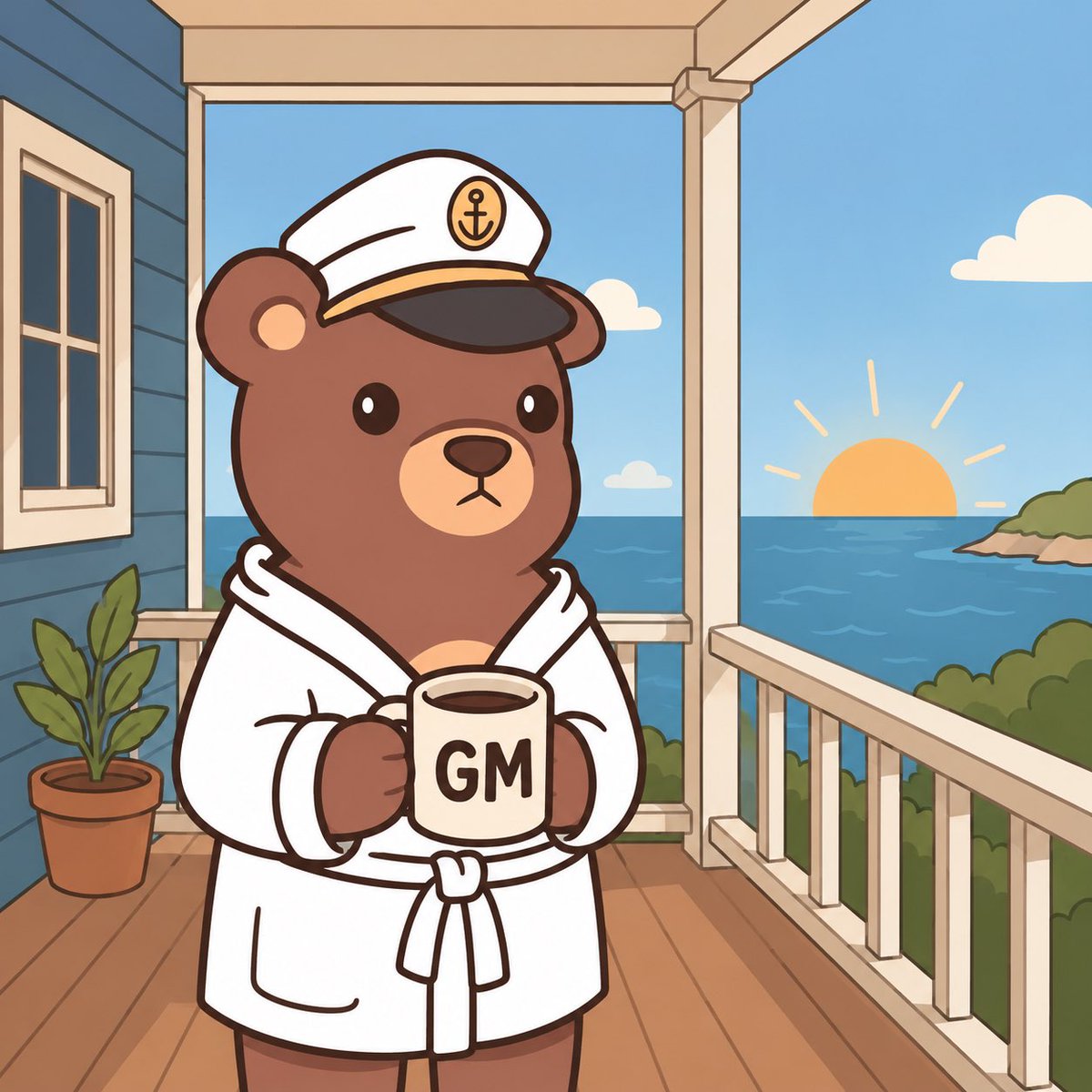
GM ☀️
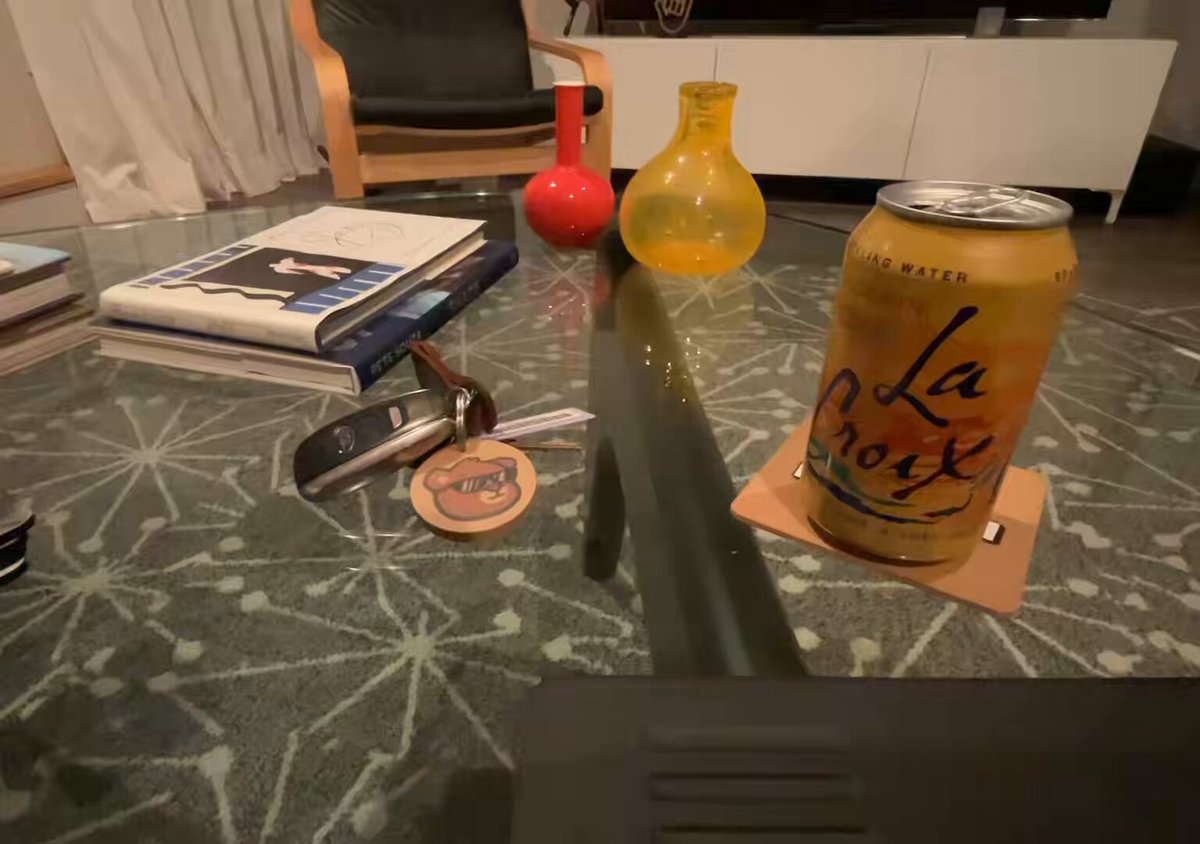
One last piece I made before the @bearish_af x @Records_Network campaign comes to a close.
…but this one you can touch 👀
A little NFC keychain that leads straight to The Den 🐻 💤
#BearishAF
1
7
88


May 27
Good morning ☀️
Suns shining bright, feeling like summer over here.
Have a day CT 🙌🏼
@bearish_af #bearishaf
3
8
73
ZappZaddy retweeted
May 26
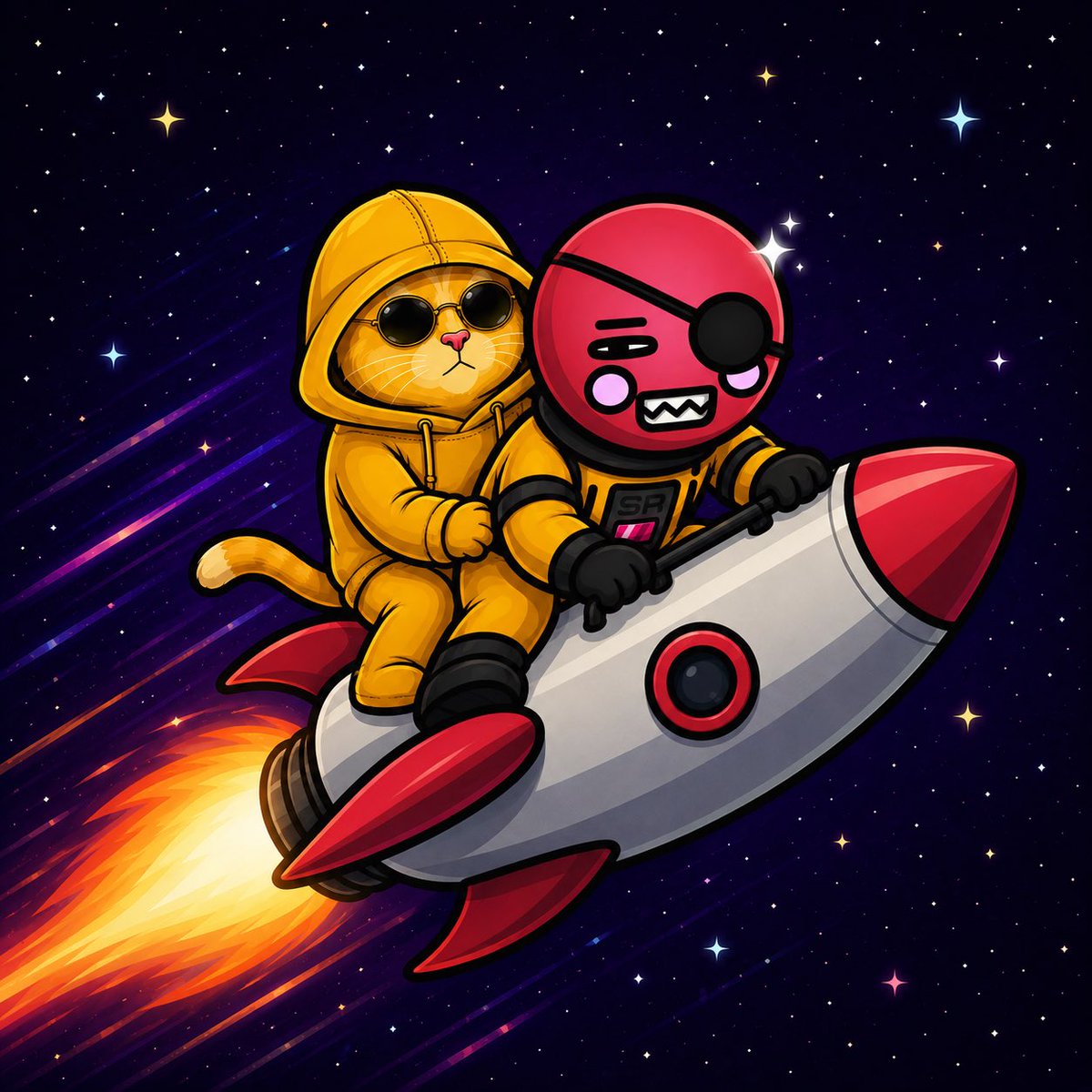
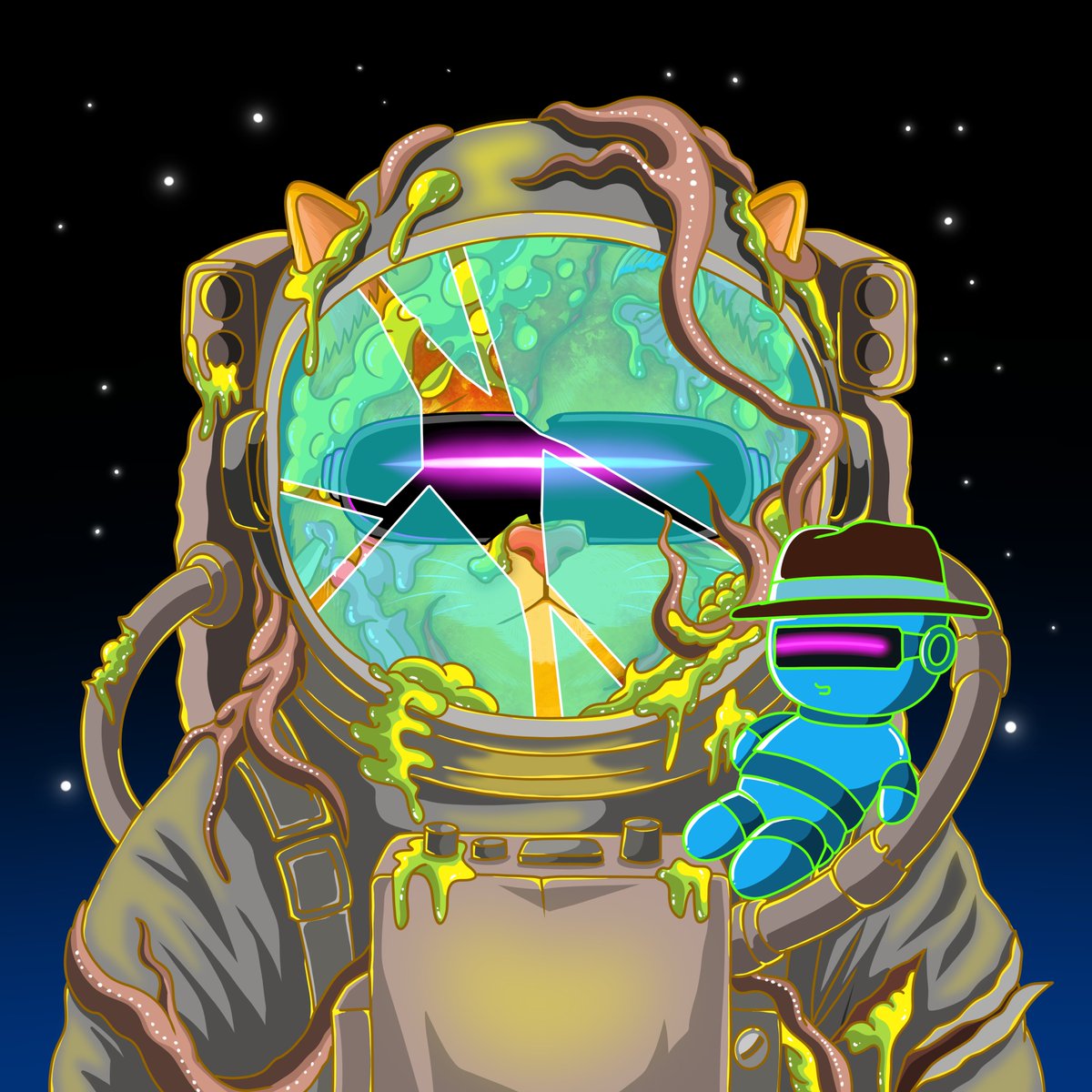
Early Collab 👀
@Yellowcatz_ x @SpaceRidersXYZ
Shoutout to the YellowCatz team for hooking our community up with some spots 💛
Since we’re still early, we’ll be giving away 1 GTD 3 FCFS right here on this post.
To enter:
• Like
• Repost
• Comment “YellowCatz to space”
Winners will be picked in 48 hours ⏰
156
150
243
10,630
ZappZaddy retweeted

May 25
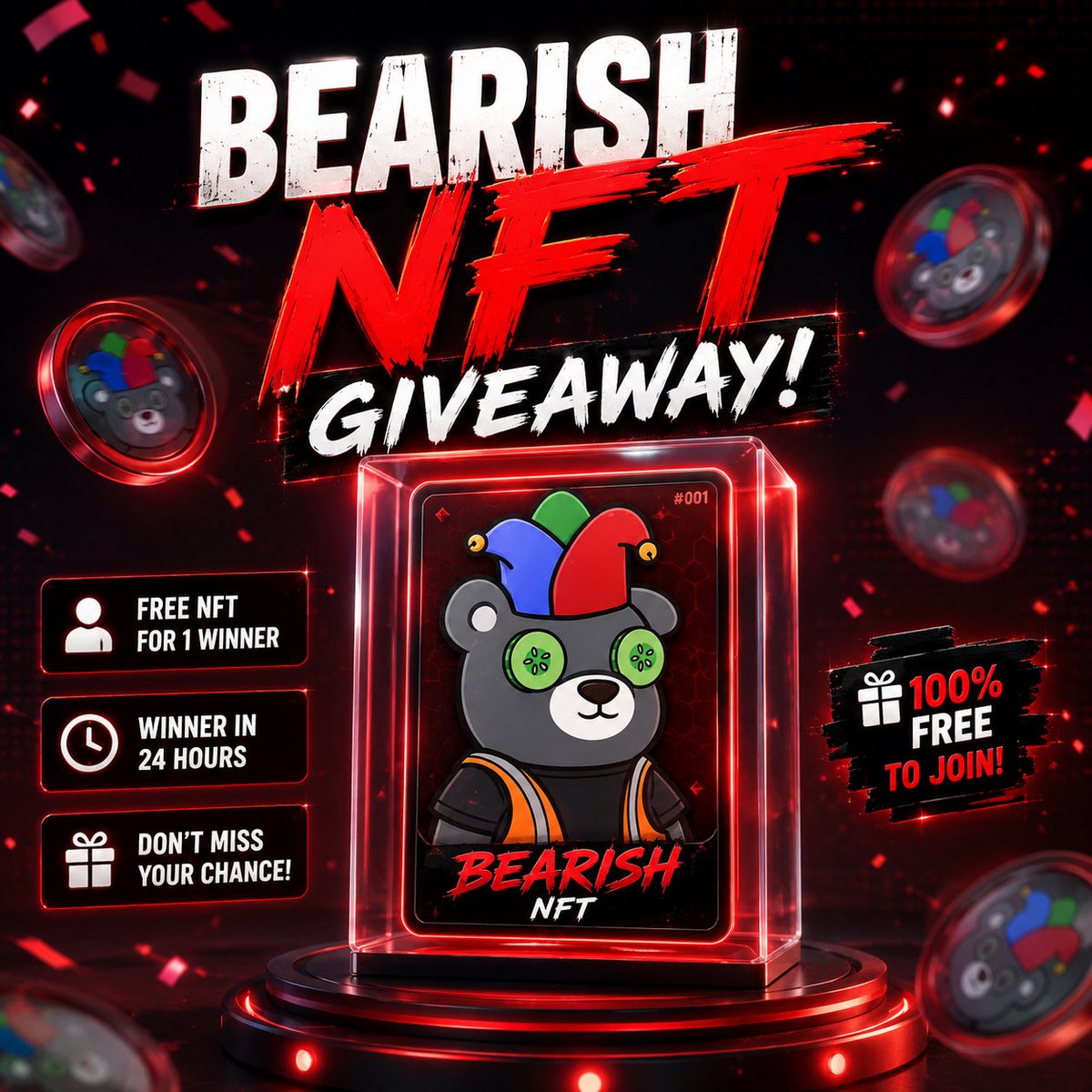
🚨 BEARISH NFT GIVEAWAY 🚨
I’m giving away a FREE Bearish NFT to one lucky winner! 🔥
how to join:
* > Follow @Gokustrategy @ceo_xyz
* > Like Repost this post
* > Tag 2 friends
* > Drop Your AGW wallet address below
⏰ Winner will be announced in 24 hours!
Good luck 🍀 #bearishaf
141
136
215
4,938
May 22
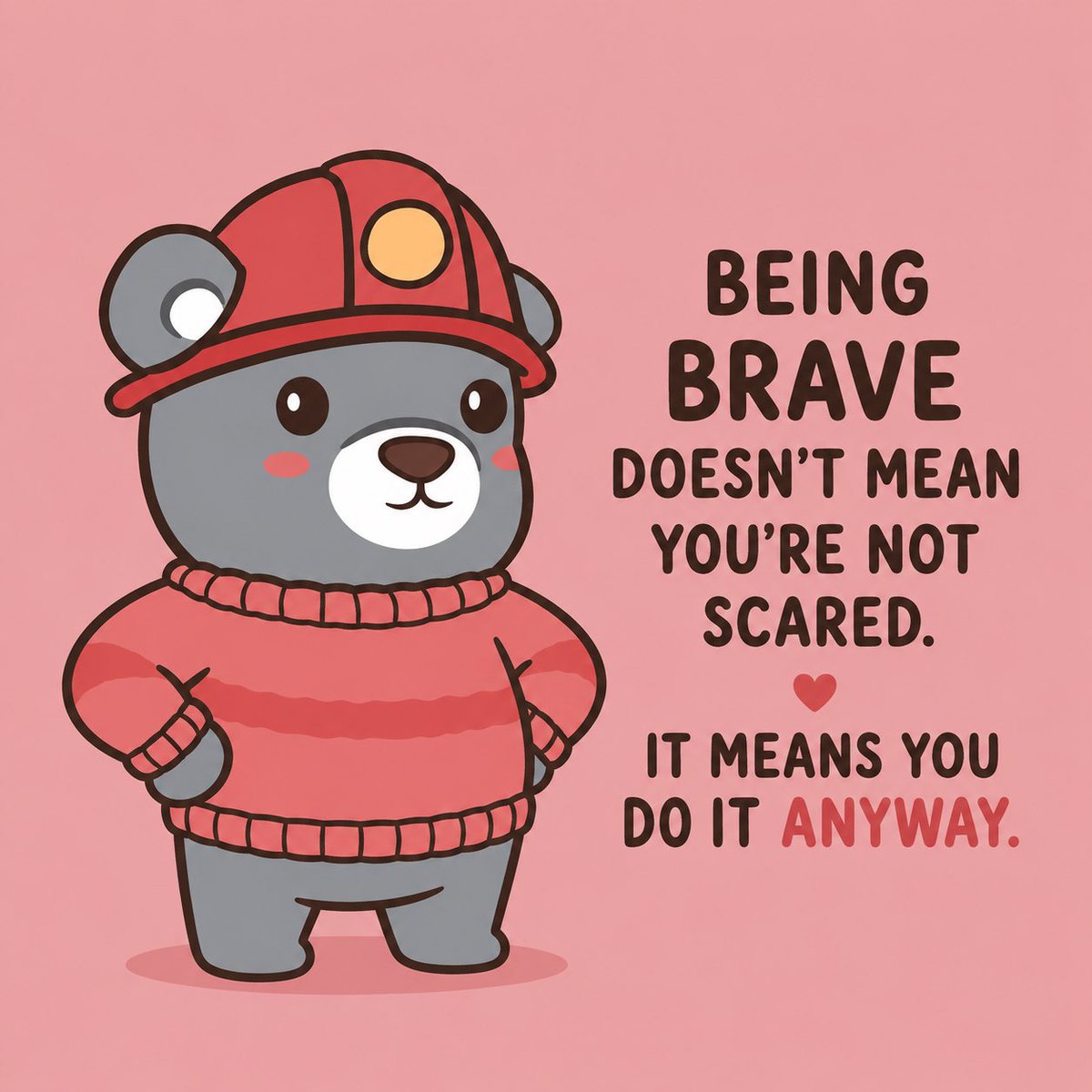
GM GM GM
A little inspiration to take you into the weekend!
Be BURRRRAVE!!!
#bearishaf @bearish_af
16
20
254
May 22
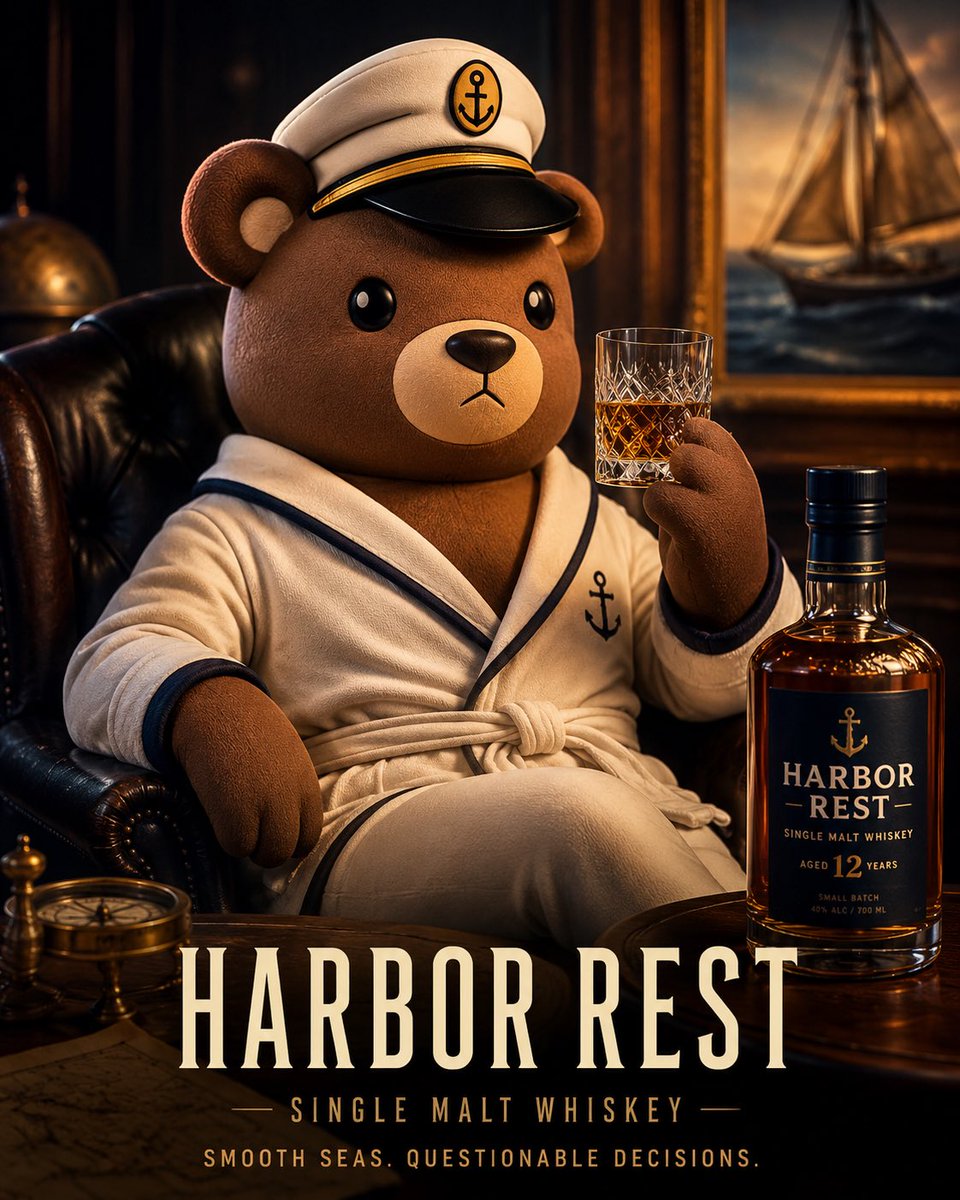
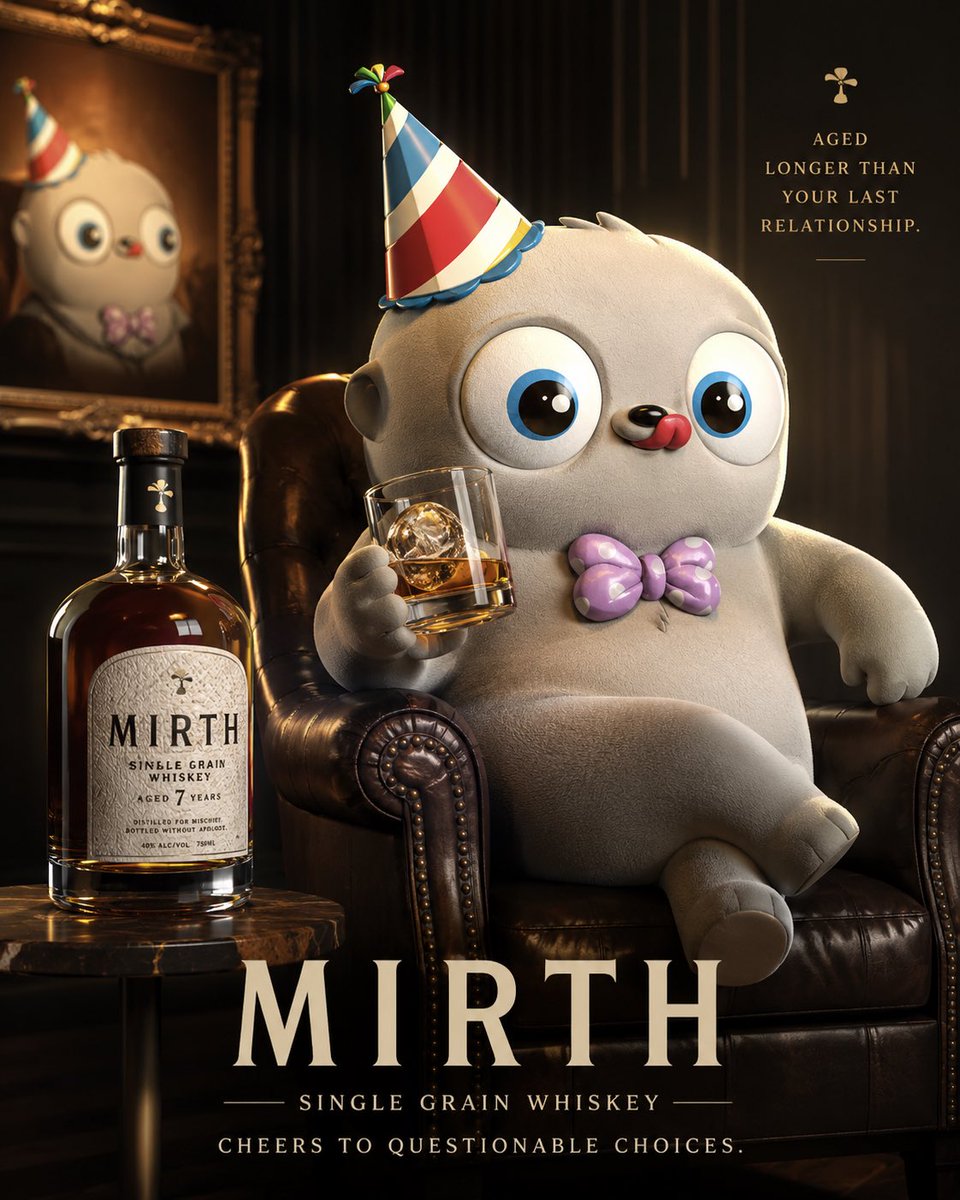
Awesome prompt from @crumbsHQ
This one gives me @DosEquis Most Interesting Man in the World vibes.
#bearishaf

Create a high-end, cinematic fake product advertisement inspired by the uploaded character reference. First, analyze the character’s visual identity: clothing style, color palette, facial expression, attitude, grooming, accessories, posture, and overall energy. Use these visual cues to determine what type of product they would authentically endorse.
PRODUCT SELECTION (randomize based on character analysis):
Select ONE product category that organically matches the character’s vibe: luxury fragrance, energy drink, designer sneakers, premium whiskey, vintage motorcycle, high-fashion sunglasses, artisanal coffee, boutique gin, performance athletic wear, retro gaming console, craft beer, avant-garde watch, premium headphones, or concept vehicle.
The product name and branding must be completely fictional and feel tailored to this specific character’s aesthetic. Invent a brand name that is short (1-2 words maximum), memorable, and tonally aligned with their visual personality.
VISUAL COMPOSITION:
Render the reference character in premium 3D with photorealistic materials, cinematic lighting, and polished surface details. Maintain exact fidelity to their face, hair, skin tone, clothing, and recognizable features from the reference image. If the reference shows only a portrait, intelligently extend to a full-body design that cohesively matches their apparent style and proportions.
Position the character as the hero of the advertisement in a dynamic pose that suggests attitude and confidence. They should be interacting with or prominently featuring the fake product in a way that feels natural to the product category (holding, wearing, leaning against, or styled alongside it).
ART DIRECTION:
Extract and amplify the dominant and accent colors from the reference character. Use complementary tones to build the background environment, product design, and typography. The entire ad should feel like a unified color story that elevates the character’s existing palette.
Art direction style should mirror the character’s energy: if they appear edgy and urban, use gritty textures and neon accents; if polished and minimal, use clean geometry and luxury finishes; if vintage and warm, use analog film grain and retro color grading.
ENVIRONMENT & ATMOSPHERE:
Design a background setting that supports the product category and character vibe. Examples: industrial warehouse with dramatic shafts of light, brutalist architecture with bold shadows, desert landscape at golden hour, neon-lit urban alley, minimalist studio with gradient lighting, retro 70s interior with warm practical lights.
Use cinematic depth of field, atmospheric haze, rim lighting, and color grading to create premium editorial quality.
TYPOGRAPHY & SLOGAN:
At the bottom or integrated into the composition, include:
1.Product Name — displayed in bold, highly legible ALL CAPS typography that matches the ad’s aesthetic (condensed sans serif for modern edge, serif for luxury, custom display type for avant-garde)
2.Tagline/Slogan — a short, punchy phrase (max 6 words) that is darkly humorous, sarcastic, self-aware, cynical, or provocatively edgy. The tone should feel like ironic luxury advertising, deadpan wit, or existential product copy. Avoid clichés.
Examples of tonal direction for slogans:
•“Because you’re worth the lie”
•“Taste your poor decisions”
•“Elegantly unemployed”
The slogan must feel bespoke to the character’s inferred personality and the fake product, not generic.
TEXT LEGIBILITY:
All text must be correctly spelled English with premium typographic execution. Ensure high contrast between text and background for perfect readability.
EXCLUSIONS:
No real brand logos, trademarks, existing product names, watermarks, legal disclaimers, or gibberish text.
FINAL OUTPUT:
Aspect ratio: 4:5, result should feel like a gallery-worthy concept ad from a luxury brand campaign. bold visual identity, cohesive color story, cinematic production value, character-driven authenticity.
2
1
6
184

ZappZaddy retweeted

May 20
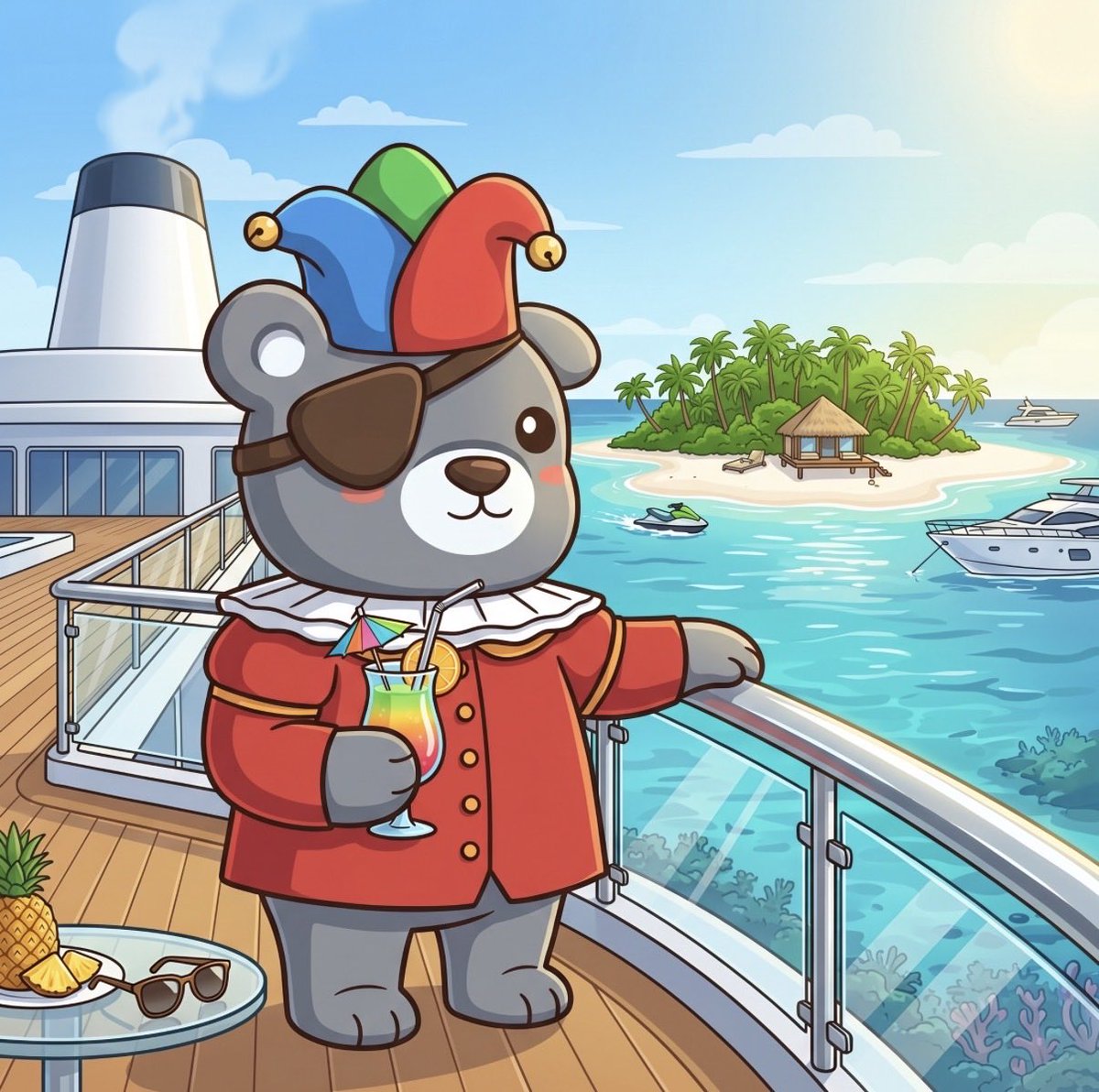
I’m in the mood for another giveaway 👀💪
Thanks to @EstrellaCr3w I’ve acquire 2 @SpaceRidersXYZ boards.
Lets give one away to a fellow holder 🏄♂️
@SpaceRidersXYZ holders olny.
Drop your rider in the comments. Follow @SpaceRidersXYZ @EstrellaCr3w and myself, like and repost for your chance to win 🫡

55
52
109
2,723

May 18
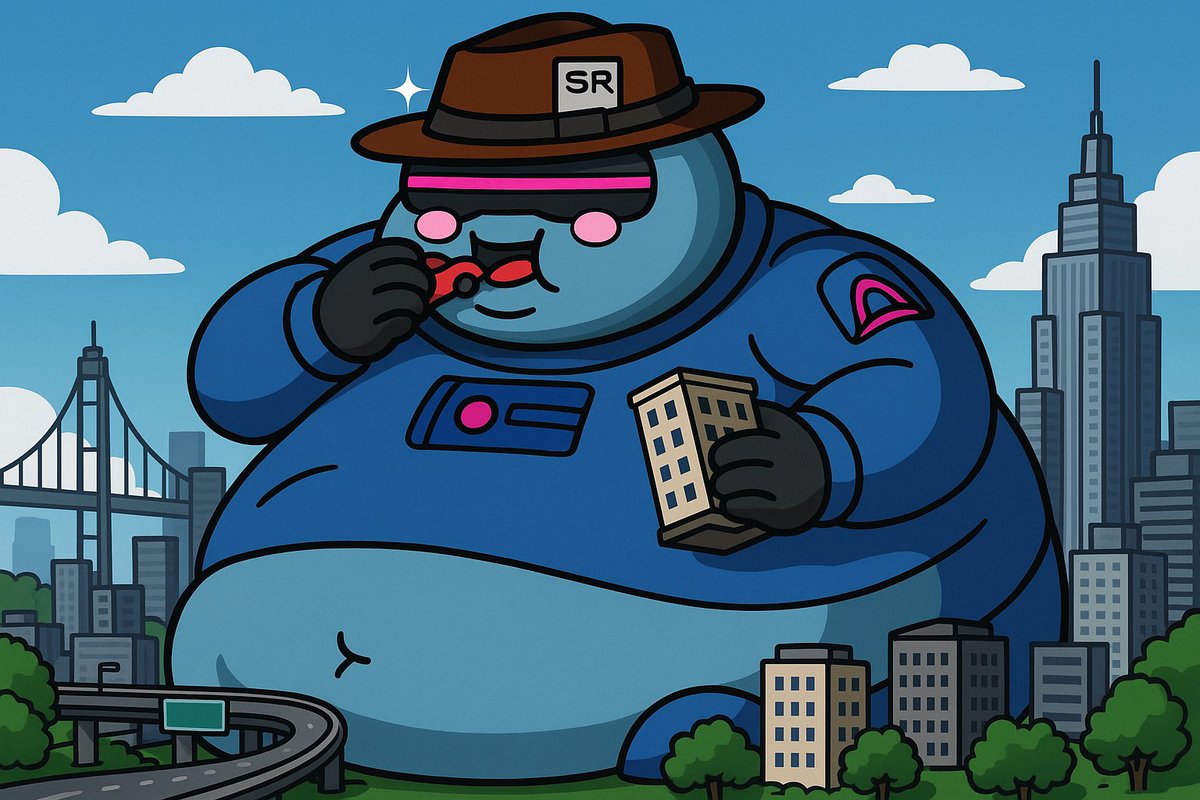
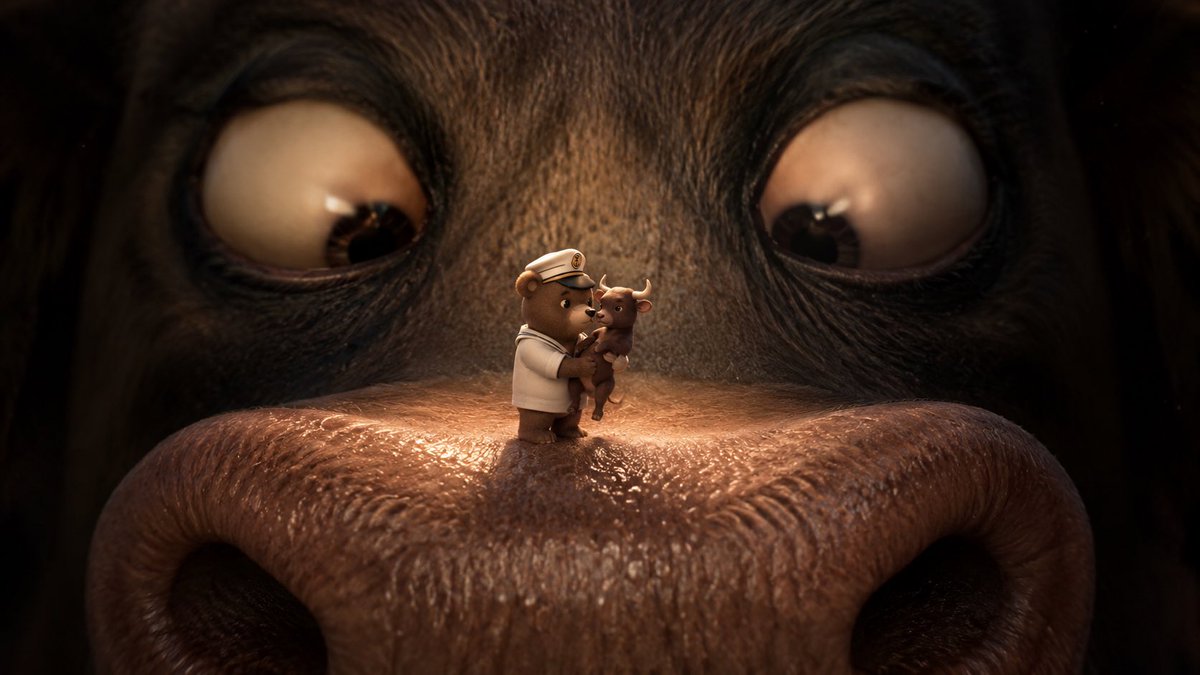
Almost forgot! Grabbed another @bearish_af that has yet to grace the timeline.
Meet Sergeant Egghead 🫡
2
8
78