
Joined August 2008
- Tweets 14,397
- Following 615
- Followers 1,139
- Likes 32,411
3,011 Photos and videos











Pinned Tweet

May 2
What we need now more than ever is to find a middle ground for the greater good of We The People.
The government is not your friend. Stop posting like it.
1
6
75
Jun 10
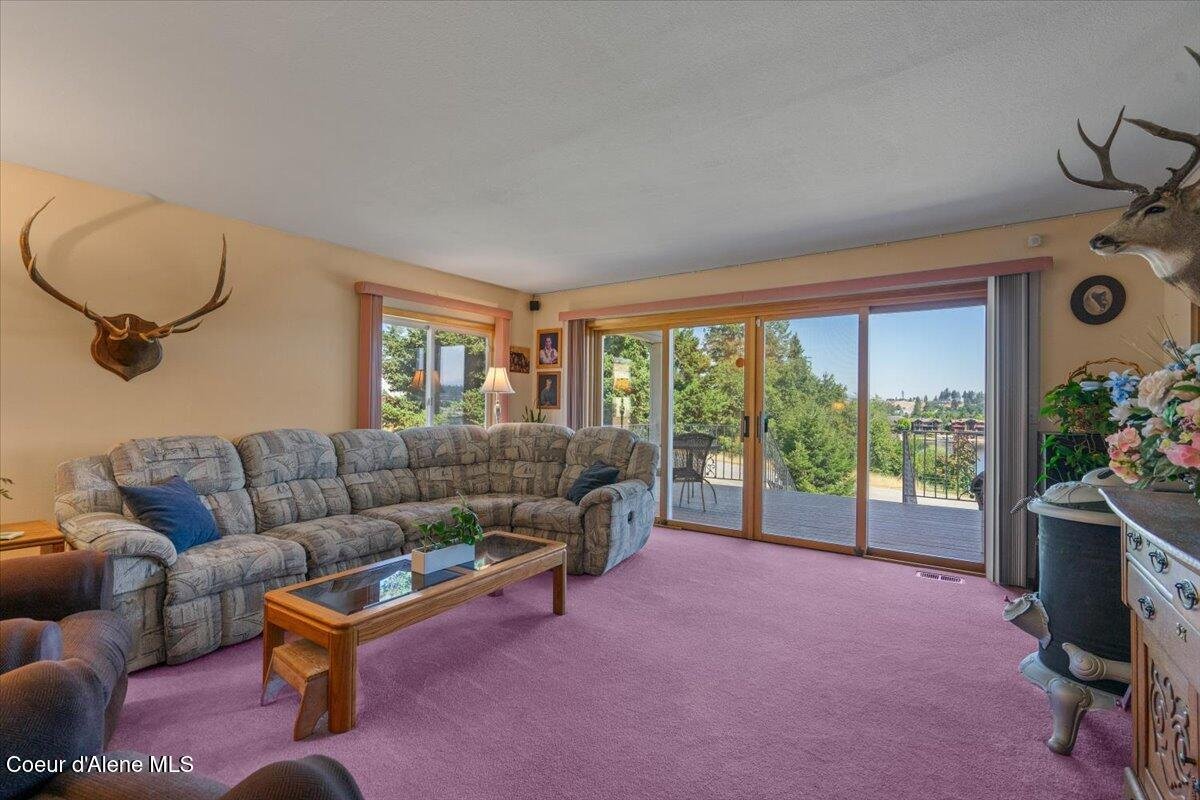
This is the kinda living room and master bath a million gets you in North Idaho.
STAY HOME.


1
12
Jun 9
Anthony go...
Jun 9

It took Hitler less time to defeat France than it takes California to count votes.
3
22
Jun 9
Country music sucks. This is my opinion and like you I'm entitled to it.
2
16
Jun 8
The only apology any Trump voter has ever given Don 'The Con' Lemon is an apology for Don not actually being a black American.
On a similar note... Hello Fresh wants Don's 🍑to be clean all June.

2
34
Jun 5
Meteorologist Chris go...
Jun 5

Because I just finished writing an 11-page paper on the subject, muffin top.
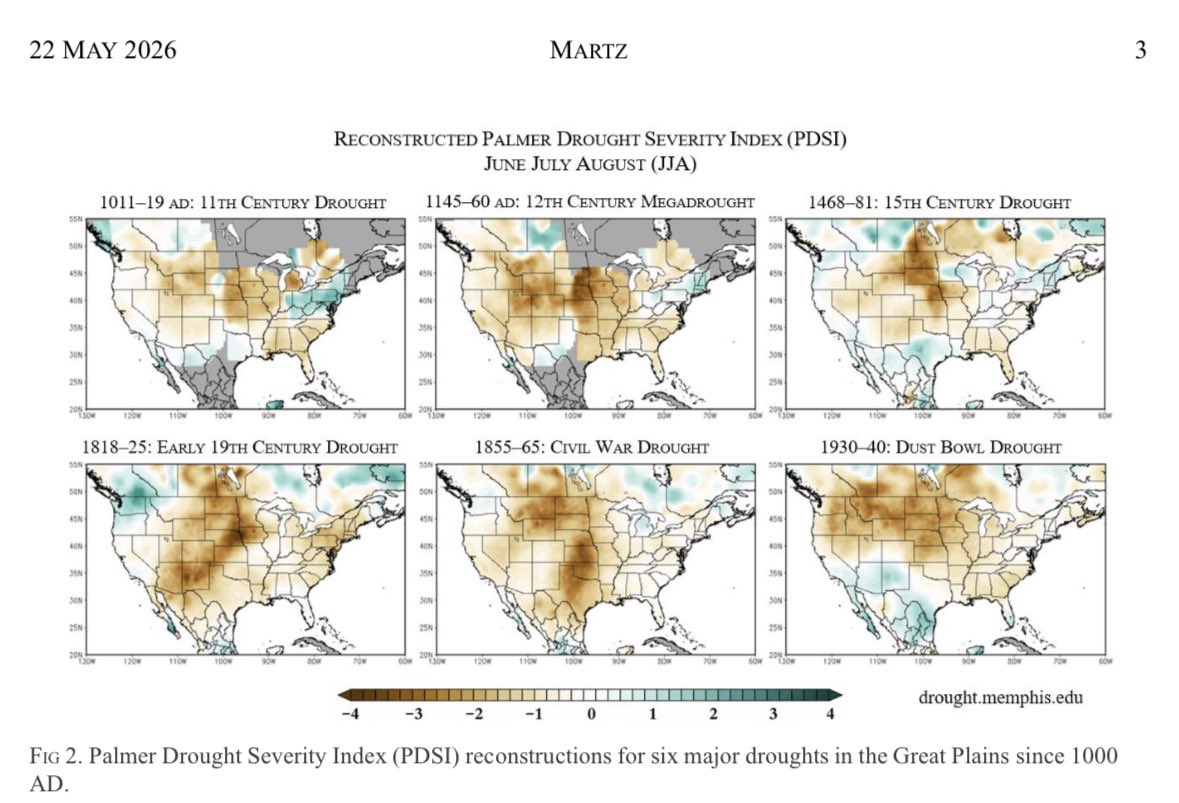
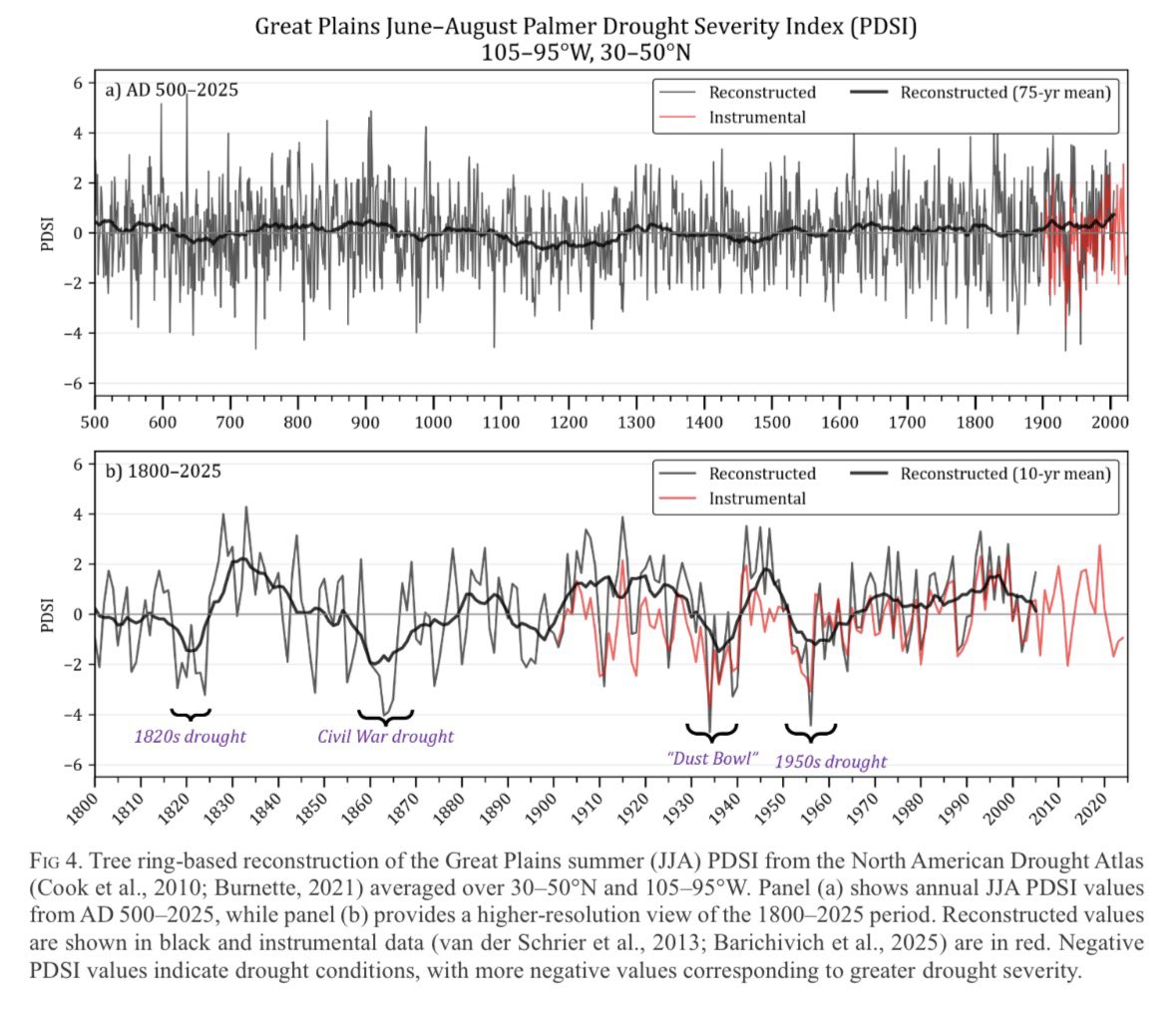
The 1930s drought was forced by a cool equatorial Pacific (persistent La Niña) and a warm North Atlantic. It was indeed amplified by positive land surface feedbacks from bare soil exposure and dust loading from wind erosion, but both were primarily caused by natural devegetation of the landscape from dry conditions.
Only ~30% of the Great Plains was ever plowed where deep-rooted perennial prairie grasses were replaced with shallow-rooted annual crops like wheat. Agriculture was overall an insignificant factor in the incidence and continental scale of the drought and complementary heat extremes. Dust loading actually reduced incoming shortwave radiation by over 5 W m⁻², which lowered daily maximum temperatures a few degrees.
The term “Dust Bowl” actually refers to a relatively small region in the Texas and Oklahoma panhandles, southwestern Kansas, and eastern Colorado that were affected by dust storms. But the term is now incorrectly used to describe the entire drought.
And, how do I confidently know most of it was natural?
Because there have been many droughts like it (or worse) in the past, including two during the 19th century. Care to explain how farmer Johnson’s tilling fits in there, Sparky?
1
20
3,099
Jun 3
Mindy go...

Bill Pulte, the man who's name is synonymous with shoddily built track homes, who's company has been sued in the millions across the country and also can't account for a $900 million dollar federal grant it got....
Is now the acting Director for National Intelligence? 🧐
I thought a short video was in order to remind people how insanely suspicious, unqualified, and weird this little puppet is.
And don't think for a second it's an accident Pulte is pushing for "mini data centers" on homes now, after Americans were pushing back hard on the big ones.
As usual, I bring the receipts, so enjoy....🍿
3
20
Jun 2
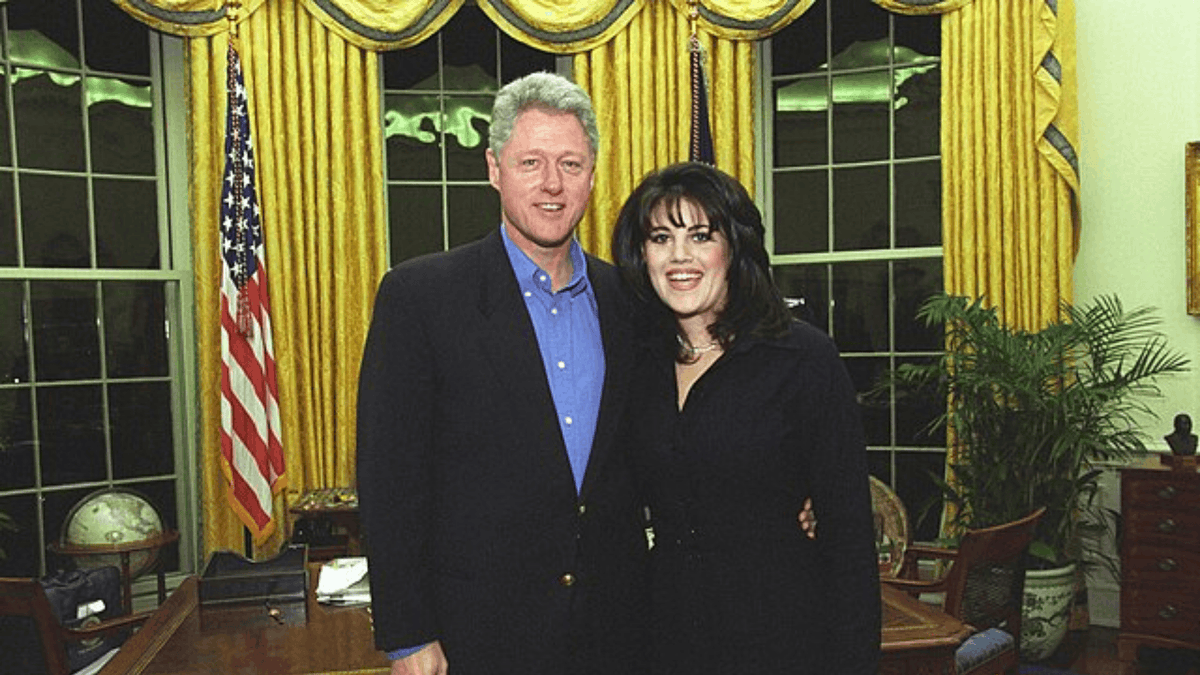
Now do the Monica thing. Or are you still in denial that your husband and then POTUS put a stogie among other things in the holiest of places inside a 22-year-old White House intern while inside 𝐓𝐡𝐞 𝐏𝐞𝐨𝐩𝐥𝐞'𝐬 𝐇𝐨𝐮𝐬𝐞.
May 29

This is what Trump's done to the people's house:
A third of it is rubble.
Another third is a cage match.
What a metaphor.

2
43

May 20
I just went off on a Karen who was going off on some tweens who were making a dirt jump in a drainage ditch for their mountain bikes. She was literally screaming at them about being a taxpayer and calling the police.
The world has gone to shit.
2
6
44
May 20
Anthony go...
May 20
If you're black and you think Republicans are racist, remember which party thinks you're too stupid to get an ID.
5
42
May 17
James go...
May 17

Let’s get it clear once and for all. It’s not about race, folks. That’s a Democrat trick. It’s about CULTURE. Am I a racist? Absolutely not. Am I a culturalist? Unequivocally, yes.
If you can’t assimilate to this culture, our values, our laws, and our traditions, get out.
2
26
May 17
Gary Taubes go...
May 17

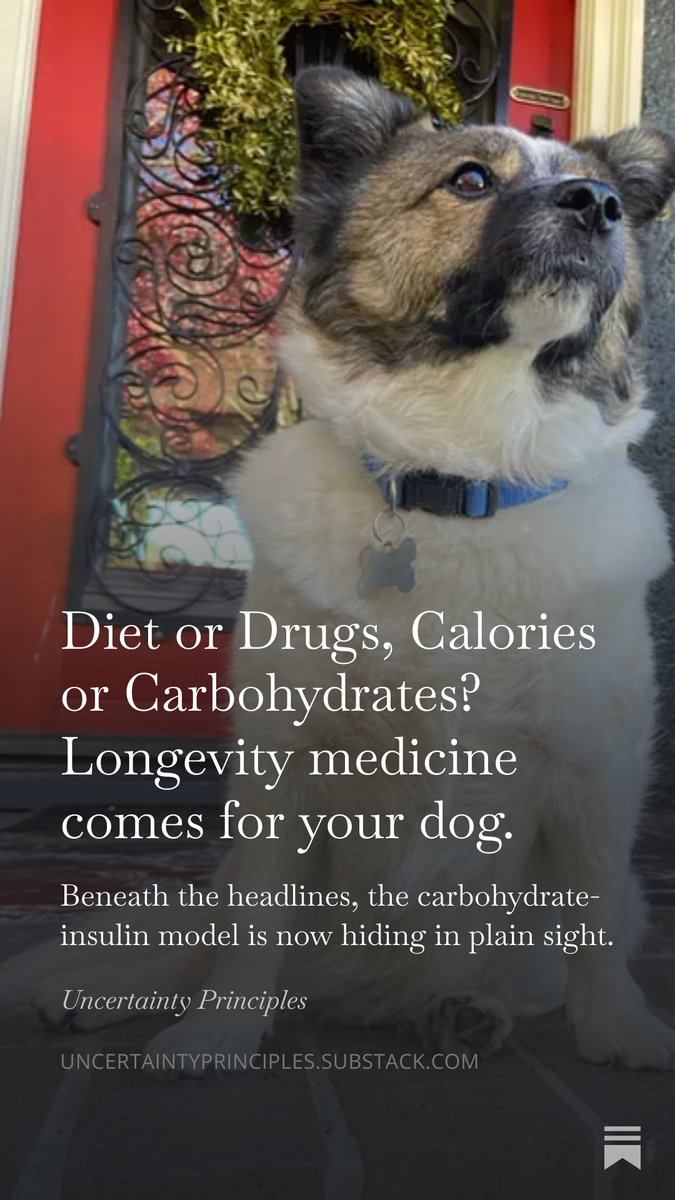
A new FDA-tracked pill promises to extend dogs' lives by improving their insulin sensitivity and lowering their insulin levels.
But if lower insulin is the key to a longer canine life, maybe our dogs shouldn't be eating carb-rich kibble in the first place.
The history of longevity trials — in Labrador retrievers, in rhesus monkeys — suggests that what they eat matters more than how much.
So why are we waiting for a drug to solve a problem that diet might already answer?
open.substack.com/pub/uncert…
2
19