
Web3 MAXI 🏆|Mod @archerhunter_HQ|
Joined July 2023
- Tweets 3,579
- Following 1,313
- Followers 1,088
- Likes 5,405
570 Photos and videos





Pinned Tweet

5 Oct 2025
Gm CT
As an African crypto trader I’m no stranger to the complications and issues my fellow African crypto traders face when conducting simple crypto transactions such as converting crypto to fiat currency.
We all need a reliable crypto exchange those quick crypto transactions and that’s where @getBusha comes in.
Busha has established itself as one of Africa’s leading regulated cryptocurrency exchanges known for being secure, fast, and beginner-friendly.
I’ve been using Busha consistently since my early web3 days in late 2023 to convert my USDT payments to Naira and it’s been super reliable till date( would highly recommend).
Now, with the integration of Solana, Busha brings users even closer to the global digital economy by combining lightning-fast transactions with attractive daily earnings all in one app.
Walk with me so I can explain
🚶🧵
@getBusha @SuperteamNG
37
1
81
5,949
Jun 13
There are two types of people.
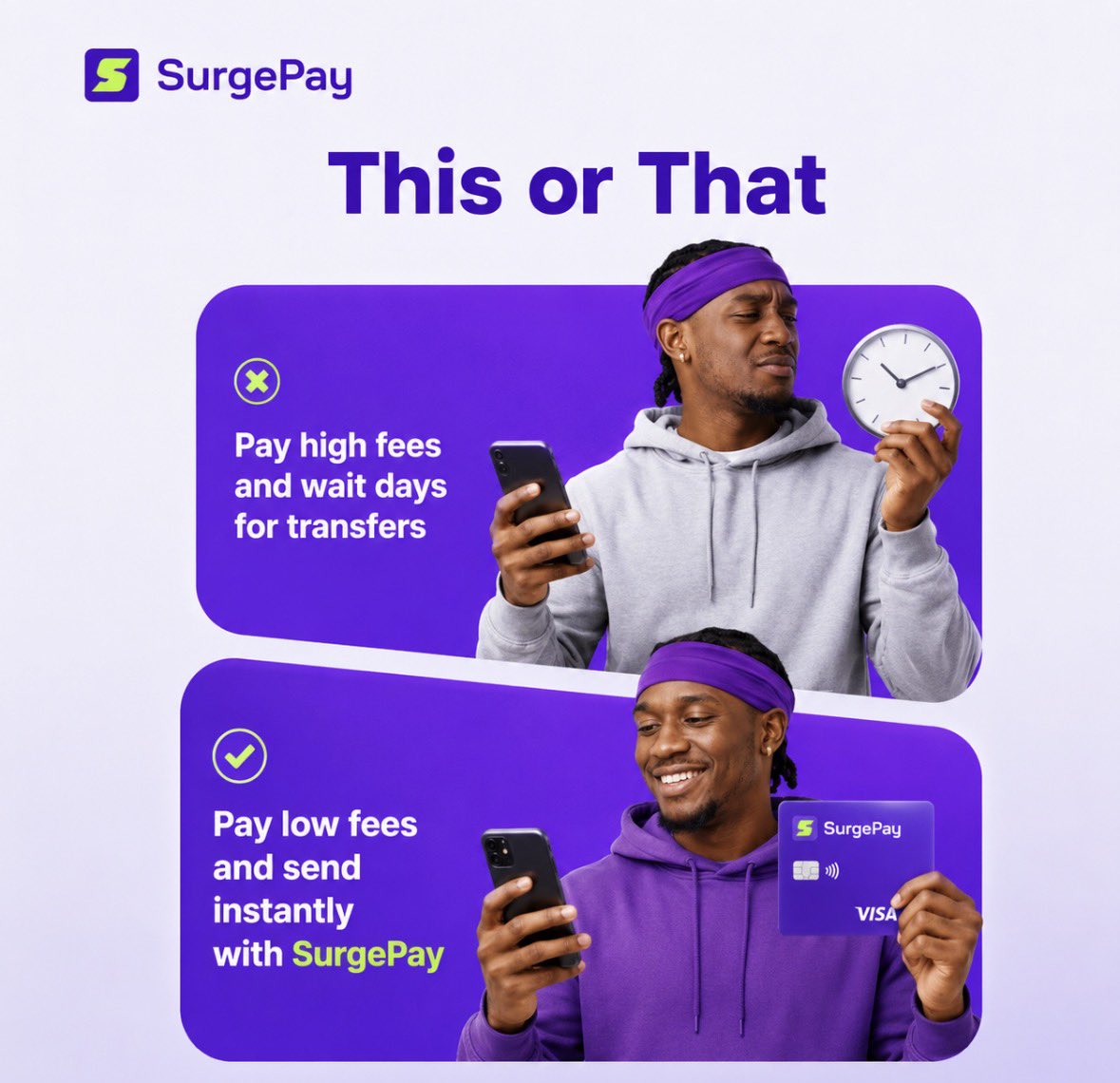
Those who wait for their money and those who use @surgepay_io ⚡️
Which one are you? 👀
Well if you like low fees and instant transactions then you would click the link below and sign up to SURGEPAY
Link : surgepay.tech/refer?code=bar…
#surgepay
6
4
28
212
Jun 13
YOU ARE MISSING OUT ON FREE MONEY
Why is everyone sleeping on this update lately ??
Look … I’m Putting you guys onto some easy money right now . 🤫
@surgepay_io is already a great app for fast transactions, but you can also earn extra cash in the app by putting your friends on.
You can earn free $2 whenever any new user signs up with your invite code.
This is your chance to get some stimmy while putting your friends on the best fintech app in the space right now !!
Sign up now by checking out my link below! 👇
surgepay.tech/refer?code=bar…
#surgepay
Jun 10

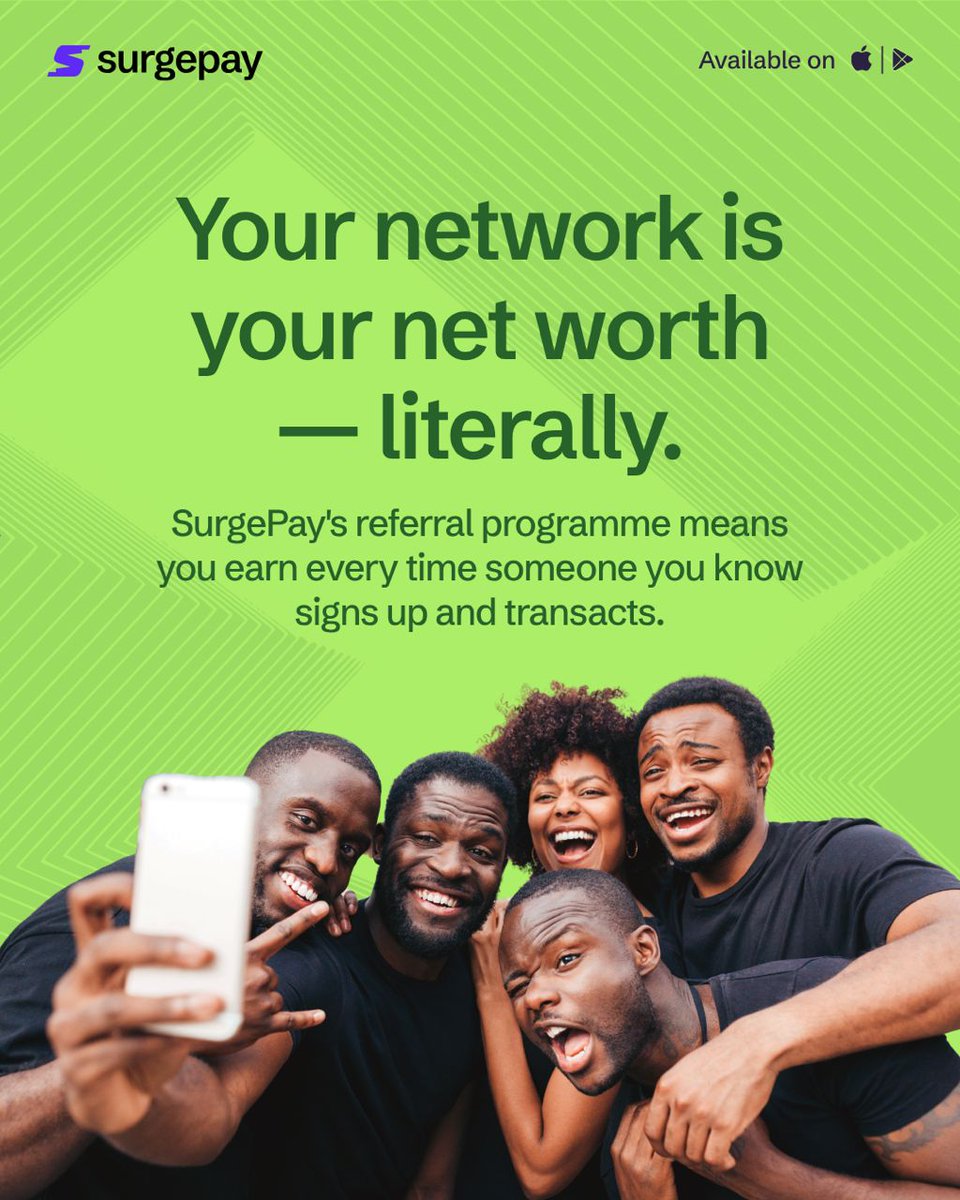
Surgepay’s referral program means you earn the moment someone signs up with your referral link! See how it works below ⬇️
Download, transact, and refer SurgePay today and start earning!!! 💰⚡️
#surgepay #moneyshouldjustwork #referandearn


4
1
21
158
Jun 7
You need @qlabsofficial !!!
I’ve been looking into what qLABS is building, and what stands out to me is the whole thing about how they’re thinking ahead.
Because in the crypto space While most people in crypto are focused on today’s challenges, qLABS is focused on a problem that could impact the entire industry in the future: quantum computing.
As this technology advances, many of the security systems we rely on today may eventually become vulnerable, and qLABS is working on solutions that can help users stay protected before that happens.
What I find interesting is that they’re not waiting for the problem to arrive before taking action… many projects are not doing this 👀
Through products like qVault and their broader focus on quantum resistant infrastructure, qLABS is helping push the conversation from awareness to preparation.
It’s the kind of forward thinking approach that could play a big role in keeping digital assets secure as technology continues to evolve.
Keep an eye on @qlabsofficial
8
172
Jun 7
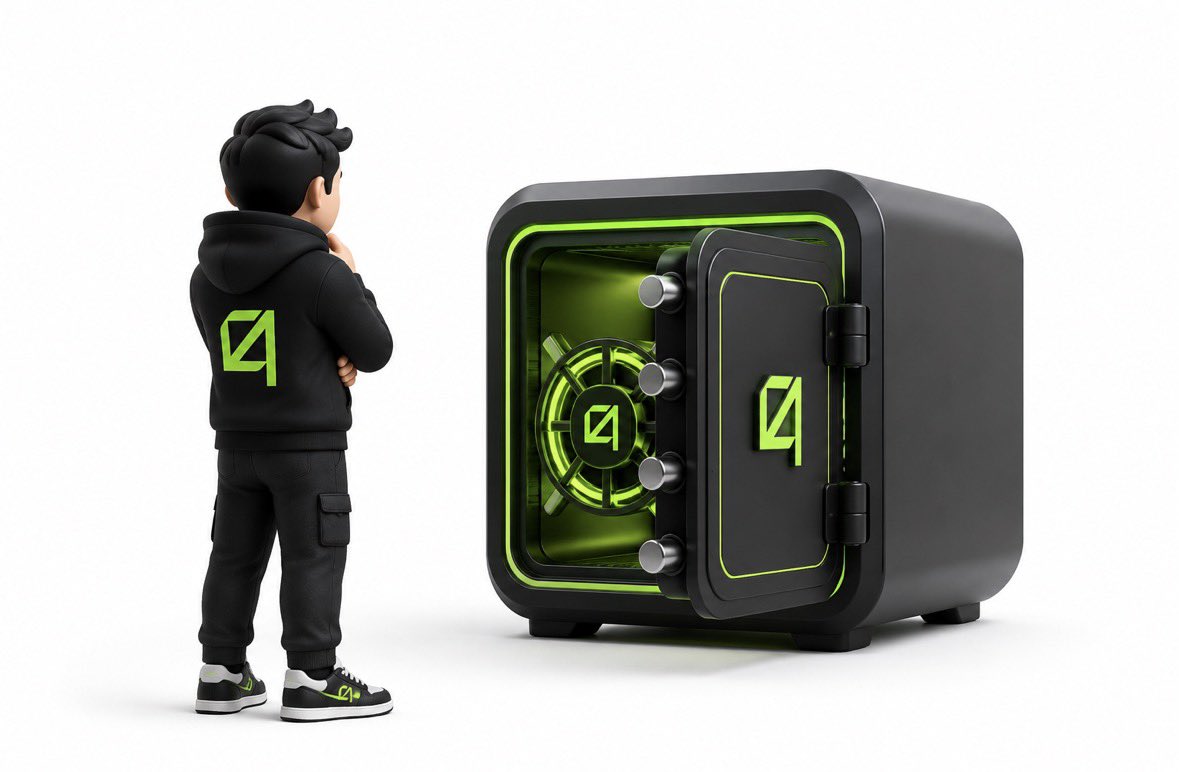
Spent some time testing the qVault by @qlabsofficial today, and the experience gave me a glimpse into what a quantum secure future for Web3 could look like.
To be honest the setup process was straightforward, and I was able to interact with the vault while exploring how quantum resistant security can be integrated without sacrificing usability.
It was very smooth 😎
The bigger picture is what excites me. @qlabsofficial isn't just talking about quantum resilience, they're building infrastructure around it.
Testing qVault made me appreciate how important it is for Web3 to start preparing today for the security challenges of tomorrow.
Definitely worth exploring if you're interested in the next evolution of crypto security. 🔐
10
214
Jun 4
SURGEPAY CHANGED MY LIFE.
As an African Web3 developer, one of the biggest challenges I faced was navigating global payments.
I could build products, contribute to projects, and work with teams across different countries, but getting paid and managing funds often felt harder than the work itself.
Between payment restrictions, currency conversion issues, and limited access to reliable financial tools, there were times when opportunities seemed out of reach.
Discovering SurgePay changed that experience completely. It gave me a simple way to manage my finances, make international payments, and interact with the global digital economy without constantly worrying about barriers.
Yes @surgepay_io has given me economic freedom…
Instead of spending time looking for workarounds, i can now focus on building, learning, and growing in Web3.
For me, SurgePay is more than just a payment platform, it's a bridge that connects African talent to global opportunities, and it has made my journey as a developer smoother, more efficient, and far more empowering.
Highly recommend ✅
5
2
23
339
Jun 3
Financial inclusion is not just about access.
It’s all about access to the same opportunities, tools, and financial experiences regardless of where someone lives.
By combining global payments with non custodial earning infrastructure, we’re seeing a future emerge where users can participate more fully in the digital economy without sacrificing ownership of their assets.
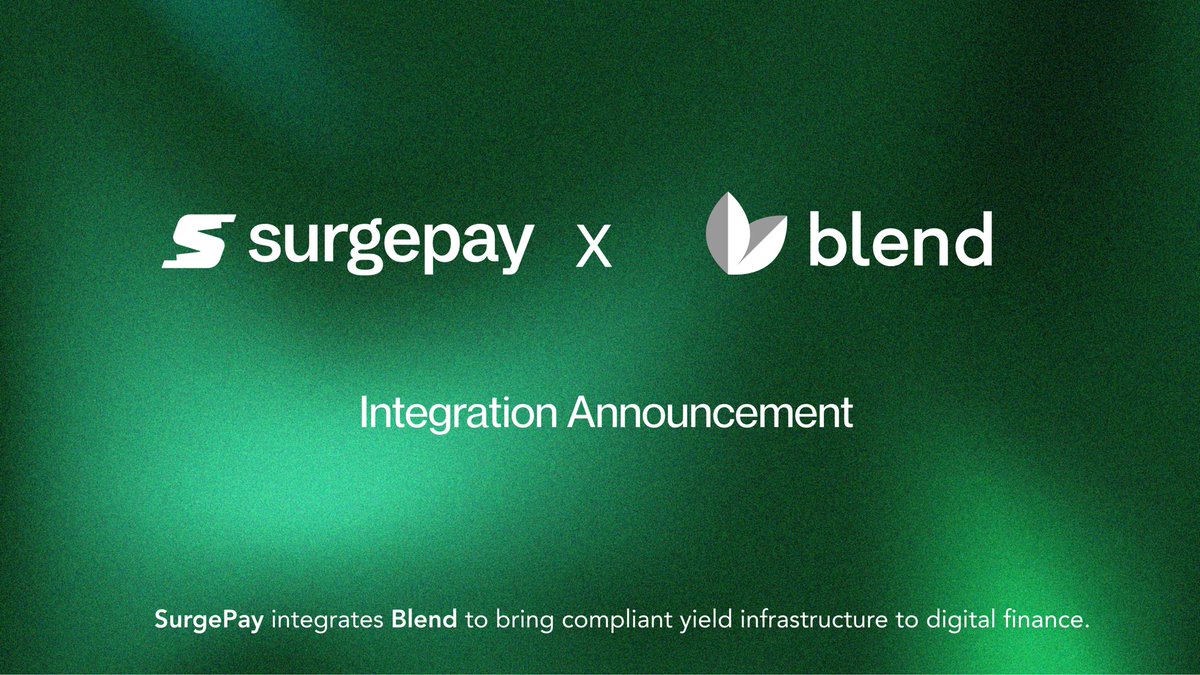
Kudos to @surgepay_io X @blend_money
A meaningful step forward for global finance. 🚶♂️
Jun 1
Global money should not sit still.
SurgePay helps users move, spend, and manage stablecoins across borders.
Through our partnership with @blend_money, we’re exploring embedded earning experiences powered by non-custodial infrastructure.
Simple payments.
More useful balances.
Money should just work.
4
21
368
Jun 3
For millions of Africans, receiving international payments has traditionally been accompanied by delays and restrictions.
Whether you're a freelancer working with global clients or a remote worker earning abroad, ding a worldwide audience, the access to seamless cross-border payments is no longer a luxury. It's a necessity.
That is why platforms like @Surgepay_io matter.
With SurgePay, receiving payments internationally becomes simpler and more accessible, helping Africans participate confidently in the global digital economy.
Signup through comments 👇
#SurgePay #CrossBorderPayments
3
1
20
390
Jun 3
The future of money isn't coming,
it's already here and it’s the SURGEPAY wallet 🟣
Imagine receiving a payment from someone in the US through Cash App and having those funds land directly in your SurgePay wallet with no complicated workarounds.🙂↔️
For freelancers, creators, remote workers, entrepreneurs, and anyone earning globally from this part of the world, this changes everything.
The ability to send and receive through Cash App directly from your SurgePay wallet bridges the gap between Africa and the world as it opens up new transaction channels.
It means getting paid easier, moving funds faster, and spending less time worrying about how your money will reach you.
Think about the possibilities-:
🟣A designer in Lagos working with a client in New York.
🟣A developer building products for a global audience.
🟣A creator monetizing their community across continents.
Instead of navigating payment platforms, they can focus on creating, building, and growing their businesses.
The @surgepay_io wallet is one wallet that give you global access.
🔗: surgepay.tech/refer?code=bar…
#surgepay
3
21
464
Jun 1
A few weeks ago I needed to pay for an online subscription fast but my local bank card failed twice🤦♂️
Maybe because of wrong region or cross border restriction.
You know the drill.
Normally that’s where the stress starts and we start switching cards and messaging customer support.
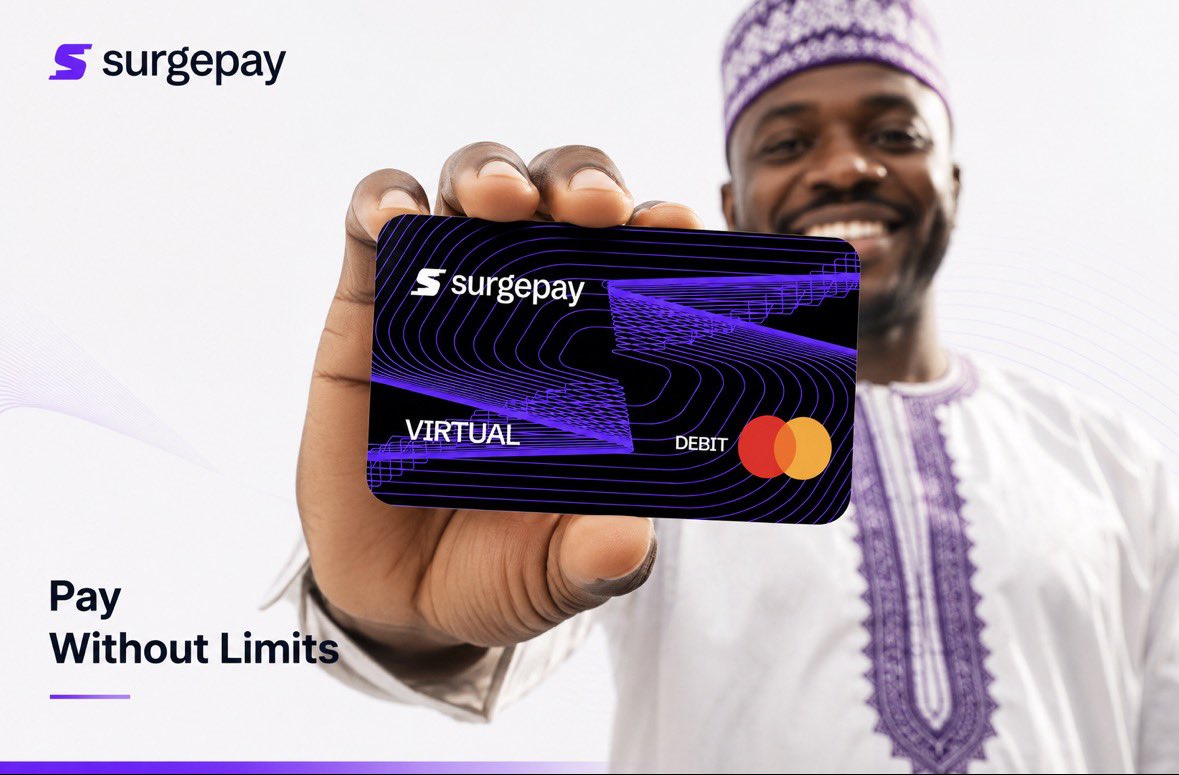
But this time i remembered @surgepay_io also offers virtual card services so i quickly created a virtual card in minutes, funded it, and paid instantly.
That moment made it click for me, i realized my need for a SURGEPAY virtual card.
Whether you’re paying for subscriptions or shopping online, booking services, or handling international payments, having a card that works when you need it changes everything. 💳
See more 🧵
5
1
27
168
Jun 1
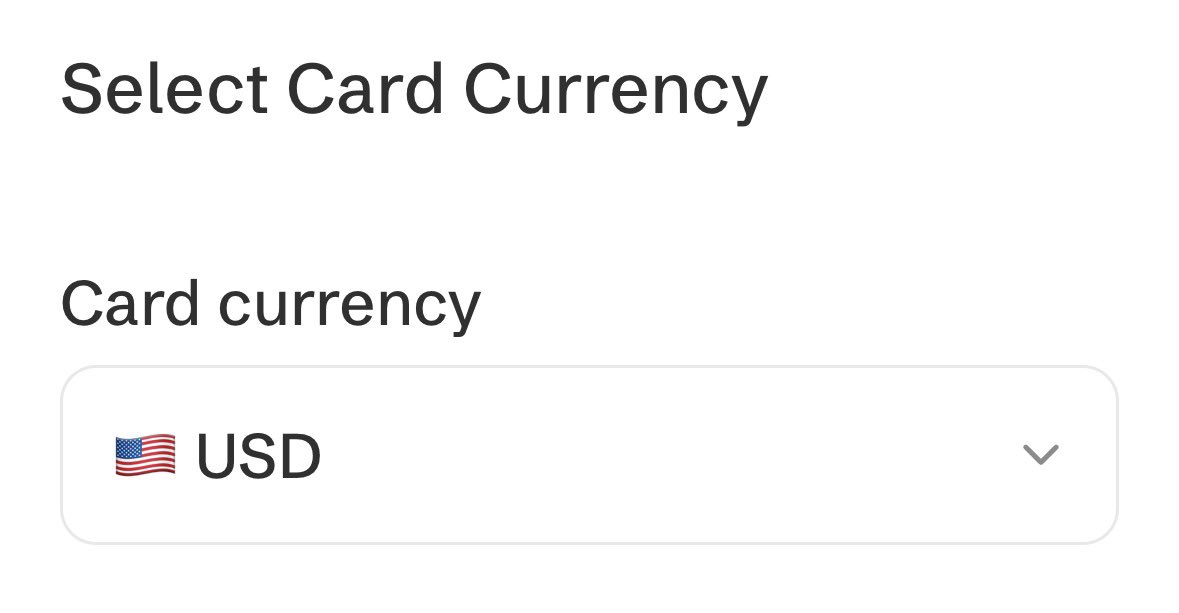
Another underrated detail is that you can choose the currency your virtual card is issued in. 🌍
For freelancers, remote workers and global shoppers, that flexibility is powerful.
You’re not just holding a card, you’re choosing how you want to spend globally.
1
6
83
Jun 1
The best products are the ones that quietly remove friction from your life.
That’s what stands out to me about SurgePay Virtual Cards.
- Create the card you need.
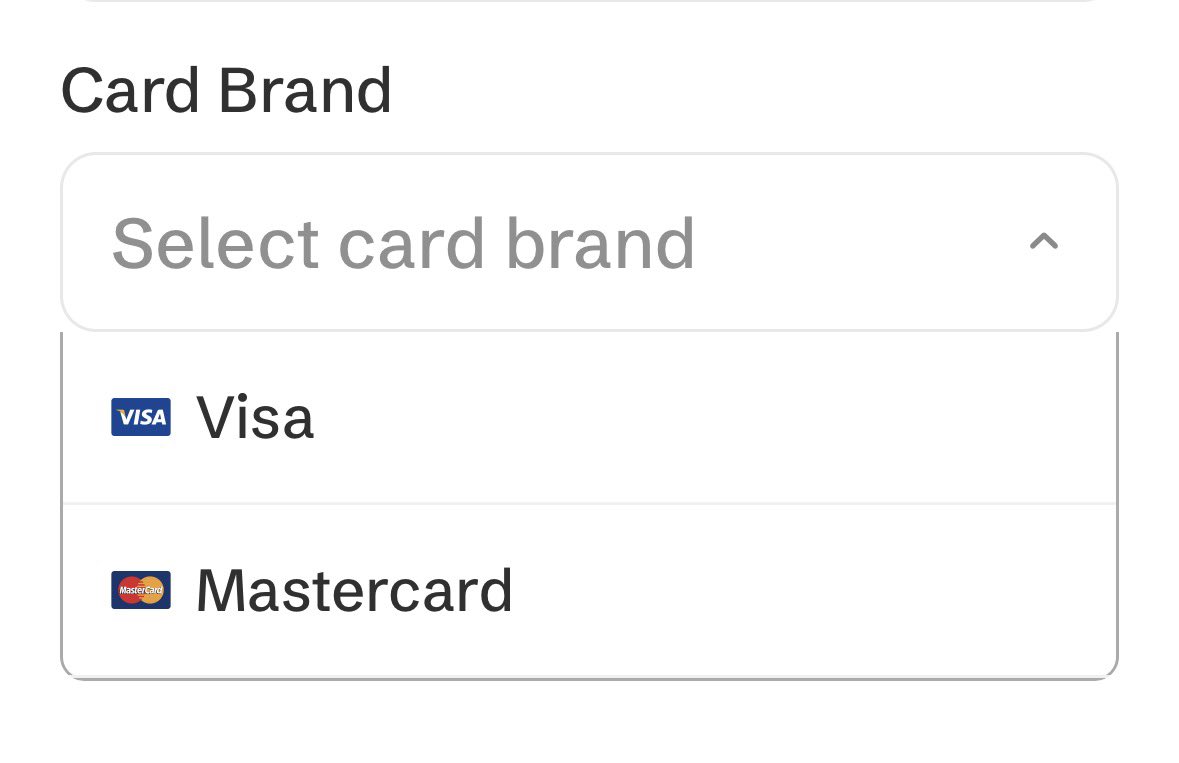
- Choose your card brand.
- Pick your currency.
- Fund it.
- Spend online globally.
No unnecessary complexity.
Just fast digital payments built for how people already live on the internet.
If you move money online often, then @surgepay_io is for you.
Because once a payment just works…it’s hard going back ✅
Sign up : surgepay.tech/refer?code=bar…
4
46
May 30
One of the biggest challenges in post quantum blockchain security isn’t talked about enough: DATA OVERHEAD.
Quantum resistant cryptography doesn’t just change how transactions are secured, it dramatically increases how much data has to move with every transaction.
Public keys become significantly larger, signatures expand and suddenly the blockspace most networks rely on starts feeling very small.
The result?
More congestion with lower throughput and higher transaction costs.
For a long time, the common assumption was that solving this would require rebuilding everything from the ground up with new chains, new infrastructure, new ecosystems, and users forced to migrate along with them.
That’s what makes @qlabsofficial ’s approach interesting.
Instead of treating the quantum challenge as only a cryptography problem, it approaches it as an infrastructure scalability problem as well.
Rather than requiring networks to abandon what already exists, qONE introduces a quantum-secure overlay designed to work alongside existing blockchain architecture.
Transactions can be wrapped and protected externally before excessive payload size becomes a burden on the base layer.
That means no chain replacement.
No need to sacrifice existing wallets, assets, or communities just to become quantum-ready.
The vision isn’t to replace blockchain networks, it’s to help future proof them.
Making today’s infrastructure compatible with tomorrow’s security requirements feels like the more practical path forward.
And that’s exactly the lane Qubetics Labs appears to be building in.
May 29

Why crypto cannot just swap in post-quantum signatures:
Post-quantum signatures are 20x larger.
Post-quantum public keys are 28x larger.
They do not fit inside the existing block structure. Migrating means a new chain, a new wallet, a new token.
That is the bottleneck.
2
17
256
May 30
DO YOU KNOW ?
90% of retail trading failure doesn't come from a lack of effort… it comes from information overload.
Between fragmented on chain data, social media sentiment, and chaotic market charts, the noise is deafening.
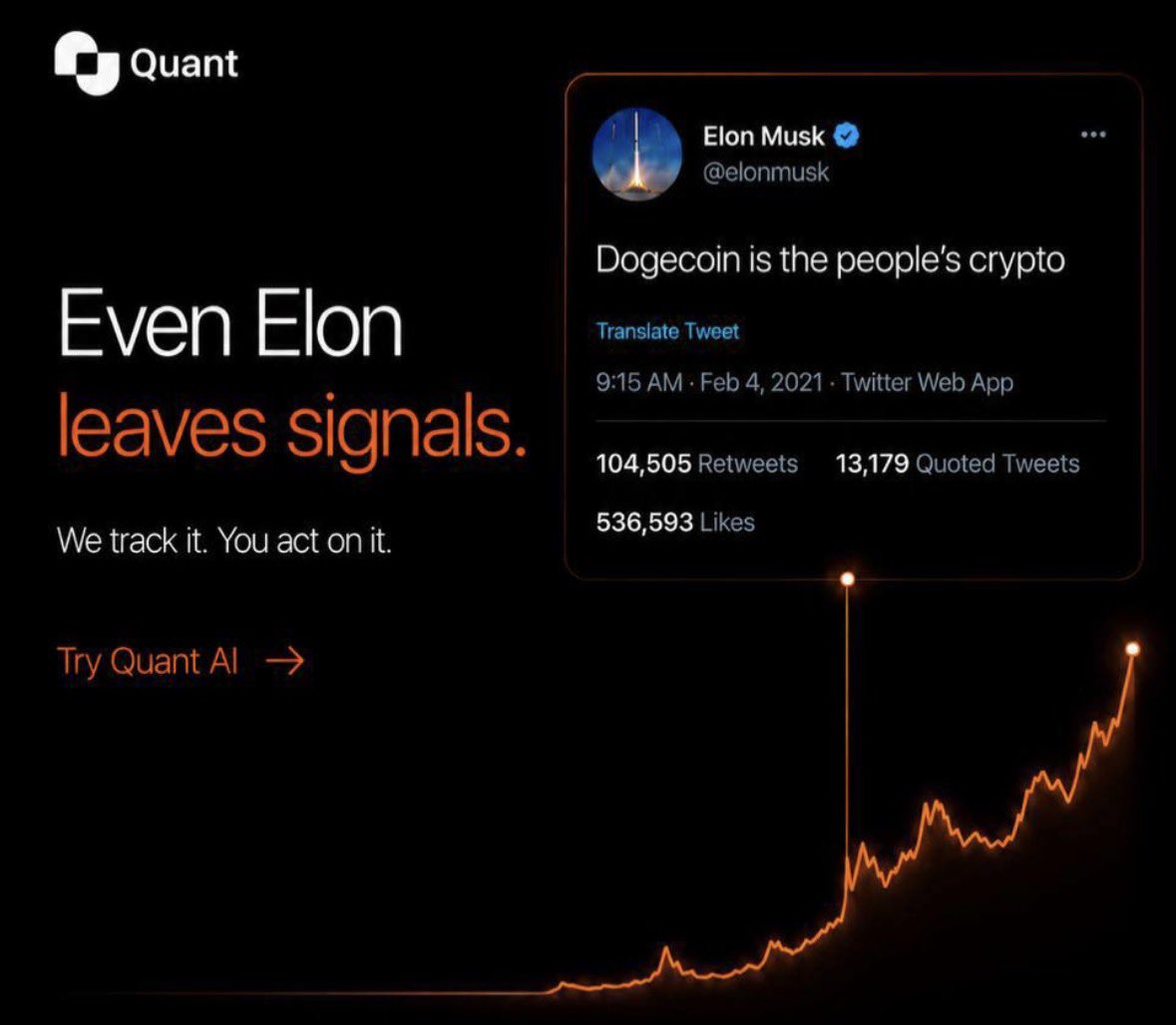
Here is how @tryquantio is fixing it. :
Instead of forcing you to navigate complex dashboards across multiple chains, Quant AI collapses the entire workflow into a single chat voice interface.
It constantly sweeps market liquidity, news, and smart money moves to hand you the pure signal. You don't search; you just ask.
Wall Street has always had expensive terminals to filter the market. Quant AI brings that same streamlined, ultra-fast capability to DeFi all while keeping you in 100% non custodial control of your wallet.
Cut the noise and elevate your execution.
Join tens of thousands of traders already on the waitlist: whitelist.tryquant.io?starta…
#QuantAIPioneers📣
1
15
318
May 30
Most tokens talk about utility but
very few feel like they’re being built around an actual problem that needs solving.
That’s part of why $qONE feels different to me.
Its place in the ecosystem seems tied to something much bigger than trading or speculation. It sits around a question the industry hasn’t fully priced in yet:
What happens when blockchain security has to face the quantum era?
That’s the angle @qlabsofficial appears to be leaning into and $qONE sits right at the center of it.
If you look into it , you will notice that its role stretches across multiple layers of the ecosystem:
• powering quantum protection through qVAULT
• being used for security-related transaction activity
• supporting protocol and enterprise integrations
• governance around upgrades and ecosystem direction
• staking tied to deeper protocol access
• and a model where ecosystem expansion can feed back into token demand
What stands out most is how connected all of this feels.
And if quantum computing eventually forces Web3 to rethink how assets are secured, the projects already building for that shift won’t be starting from zero.
They’ll already be in motion.
That’s why $qONE has stayed on my radar.
Do not sleep on @qlabsofficial
1
16
324
May 29
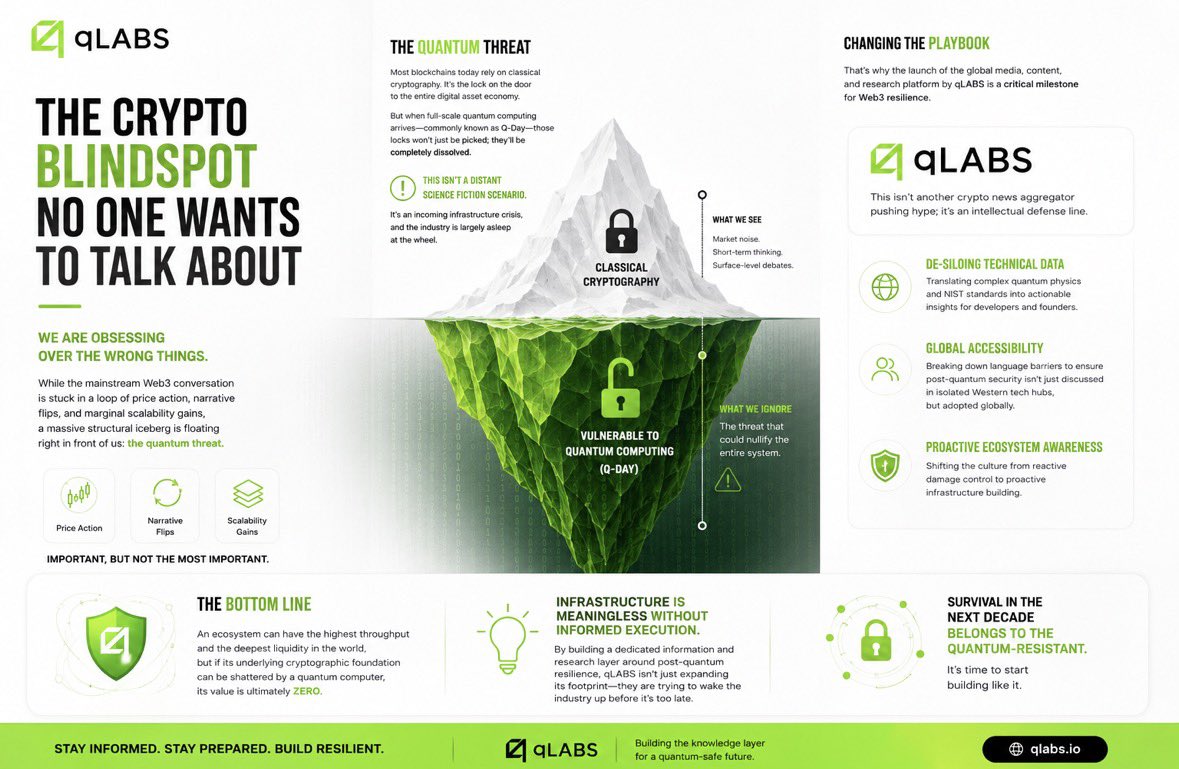
The Crypto Blindspot No One Wants to Talk About 🚨:
I am moved to believe that we are obsessing over the wrong things. While the mainstream Web3 conversation is stuck in a loop of price action, narrative flips, and marginal scalability gains, a massive structural iceberg is floating right in front of us and it’s called the quantum threat.
Most blockchains today rely on classical cryptography. It’s the lock on the door to the entire digital asset economy.
But when full scale quantum computing arrives which commonly known as Q-Day then those locks won't just be picked, they’ll be completely dissolved.
This is an incoming infrastructure crisis, and the industry is largely asleep at the wheel.
That’s why the launch of the global media, content, and research platform by @qlabsofficial is a critical milestone for Web3 resilience.
An ecosystem can have the highest throughput and the deepest liquidity in the world, but if its underlying cryptographic foundation can be shattered by a quantum computer, its value is ultimately zero.
Infrastructure is meaningless without informed execution.
By building a dedicated information and research layer around post-quantum resilience, qLABS isn't just expanding its footprint, they are trying to wake the industry up before it's too late.
Survival in the next decade belongs to the quantum resistant.
So it’s time to start building like it.👷
2
19
262
May 29
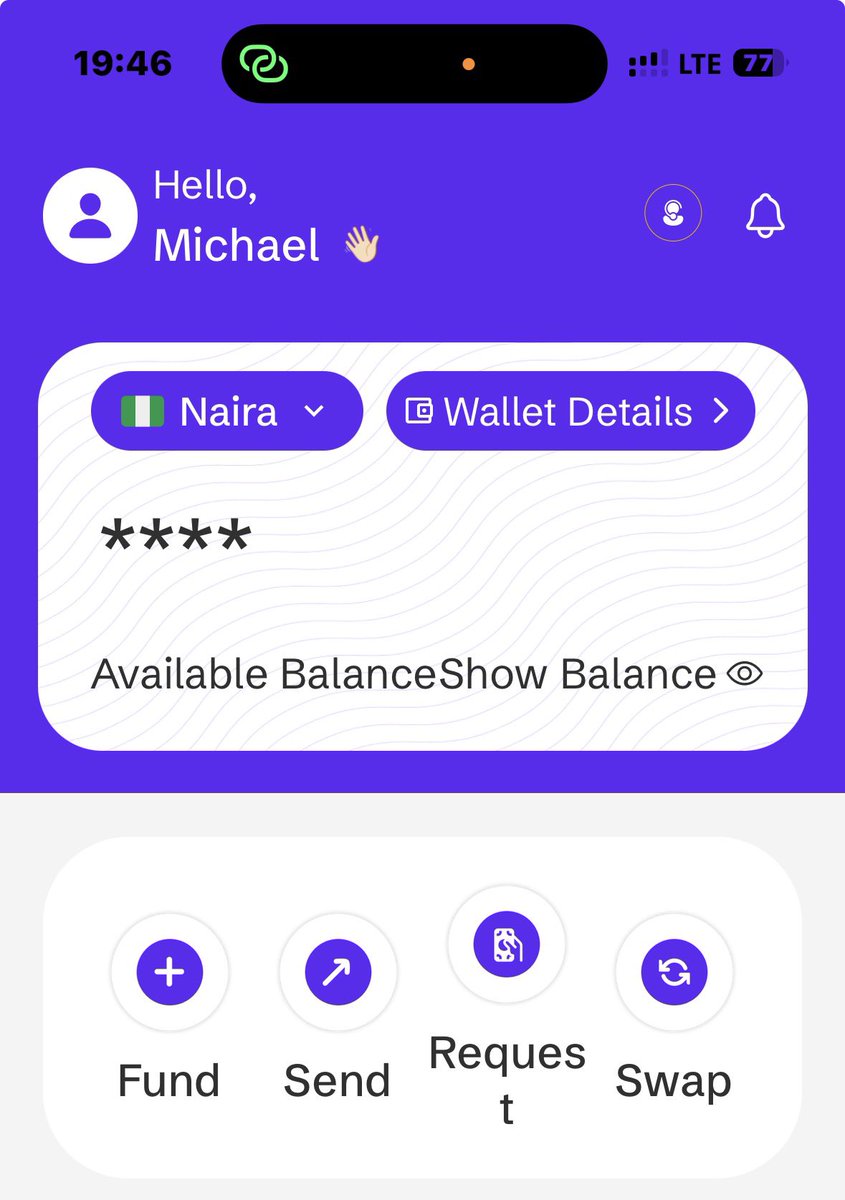
Today is a great day to make transactions on your SURGEPAY app.
If you ain’t got anyone to send some cash…my SURGE TAG is always active 🌝😅
If you ain’t using @surgepay_io then you are definitely missing out 👀
Signup quickly with my link surgepay.tech/refer?code=bar… to earn free $1
#surgepay
May 25
Today is a great day to make some extra cash
Refer and Earn on Surge pay 💰. Like we always say….your network is your net-worth. Share your referral link and earn 👍
.
.
.
#moneyshouldjustwork #surgepay

3
17
369
May 29
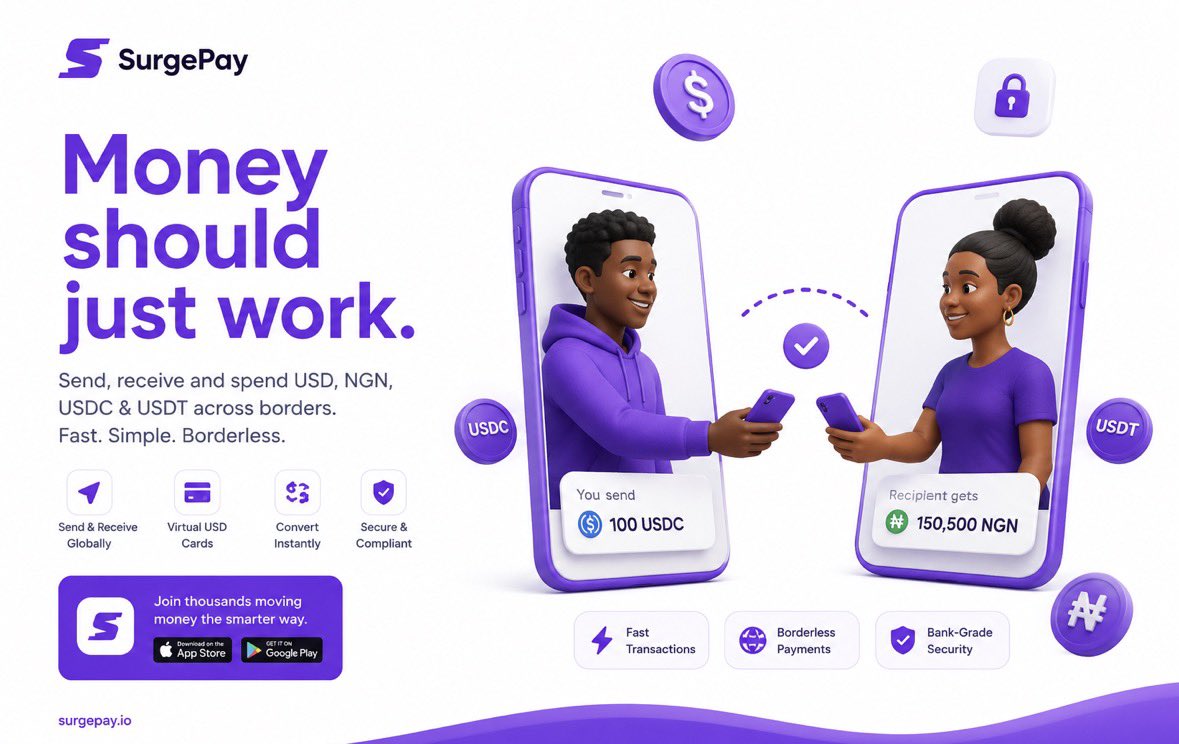
As a freelancer in this part of the world, payments in Africa have come a long way but anyone who moves money across borders still knows the friction is still as real.
All the Delays, failed transactions, hidden fees, poor rates… sometimes sending money can even feel harder than earning it.
That gap between how fast the internet moves and how slow money moves is exactly where @surgepay_io is building.
The best thing about SURGEPAY:
What makes SurgePay standout is how practical and beginner friendly the UI feels.
@surgepay_io has successfully solved the problem of inter continental currency transactions with its cutting edge fintech app.
Africa’s payment future should be built by teams that understand both local pain points and global financial rails and SURGEPAY is one of the teams pushing in that direction.
CONNECT TO THE WORLD WITH @surgepay_io 🚀
Signup now and enjoy the smoothest transactions :
surgepay.tech/refer?code=bar…
2
19
405