
Author/Editor: “Clinical Arrhythmology and Electrophysiology: A Companion to Braunwald’s Heart Disease” #IssaTweetorials
Joined October 2019
- Tweets 190
- Following 38
- Followers 1,867
- Likes 17
84 Photos and videos

Pinned Tweet

31 Jul 2021
#IssaTweeTorials is intended to provides bits of knowledge that can intrigue interest and increase appetite for more.
Please provide feedback as you wish to help make this more meaningful.🙂
5
2
38
6 Jul 2023
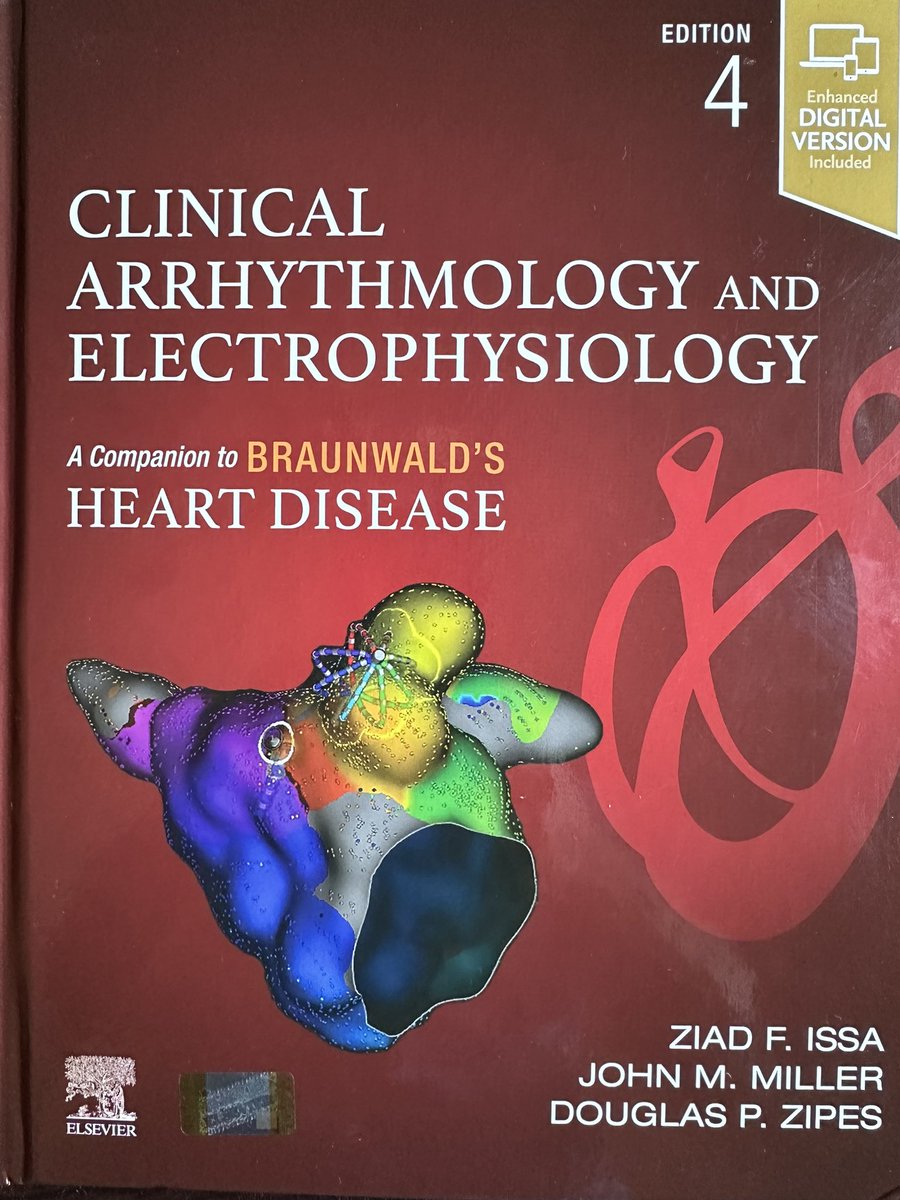
Just received the advanced copy of the new edition. It should be available by September 😊
15
58
421
44,375
10 Dec 2021
#IssaTweetorials
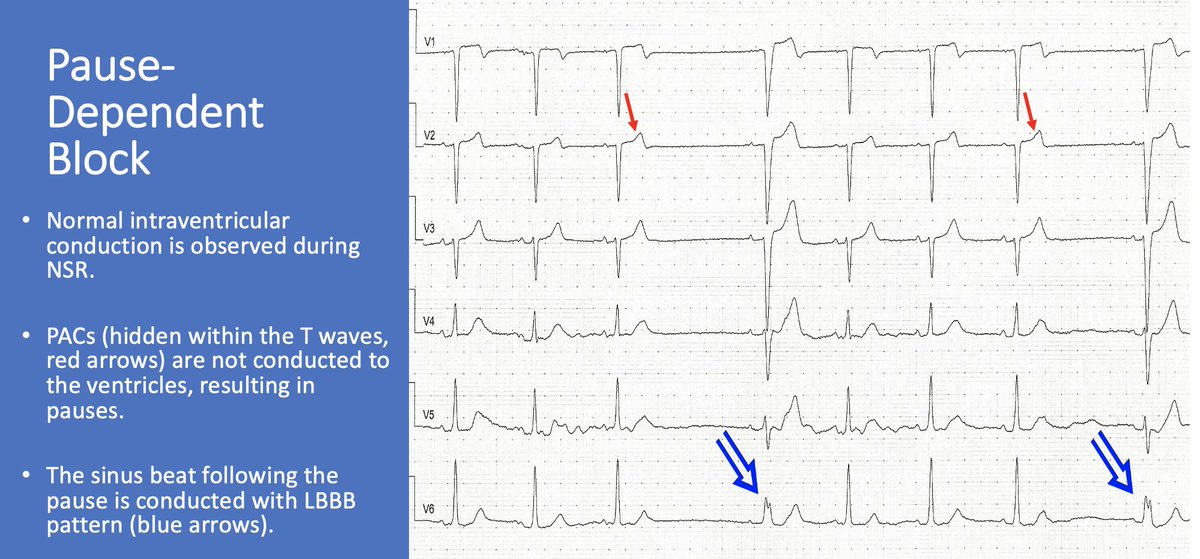
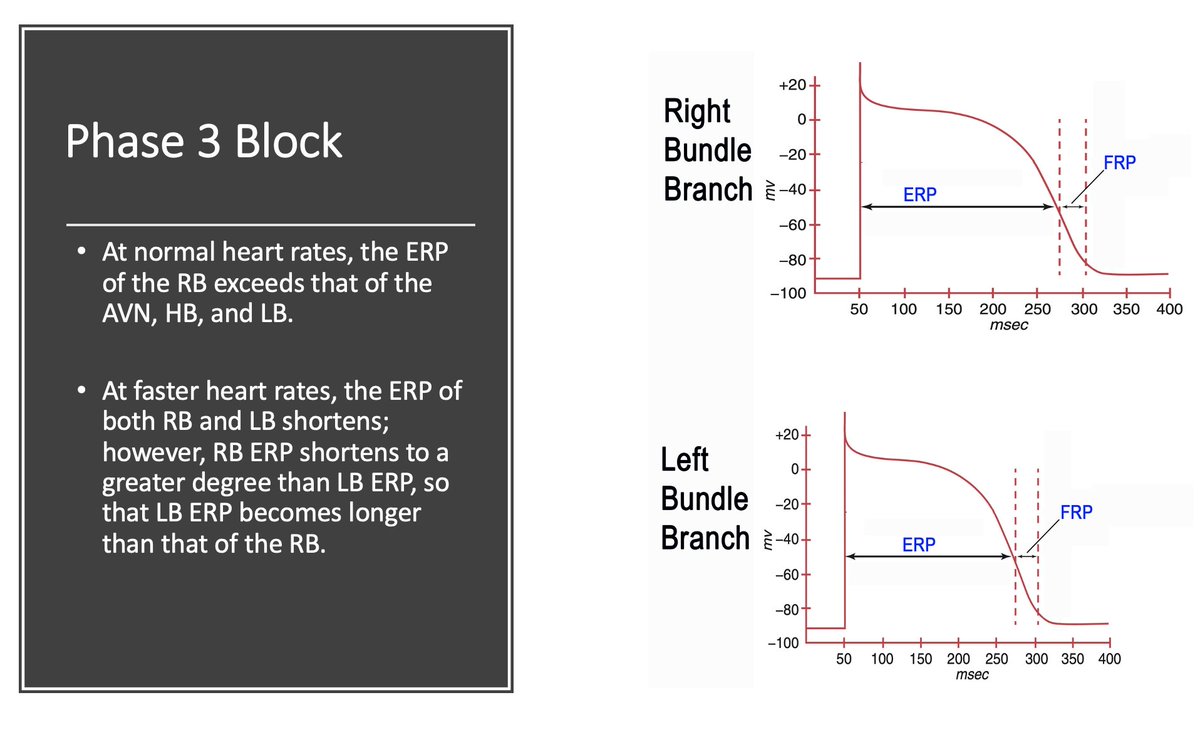
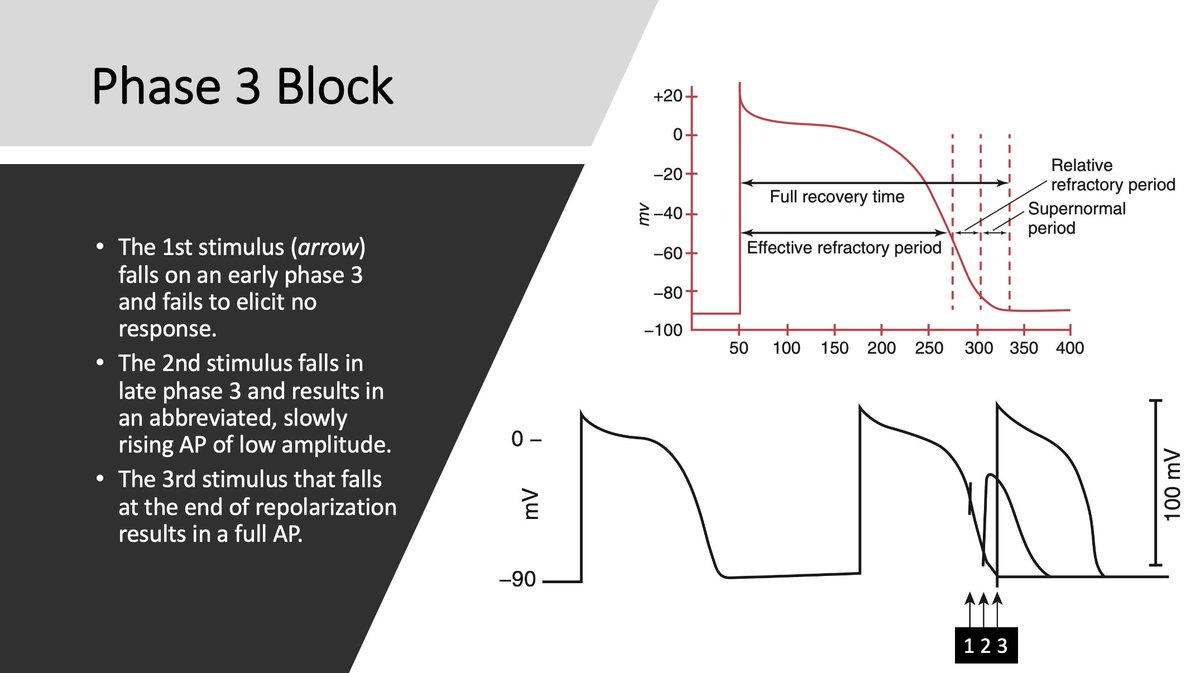
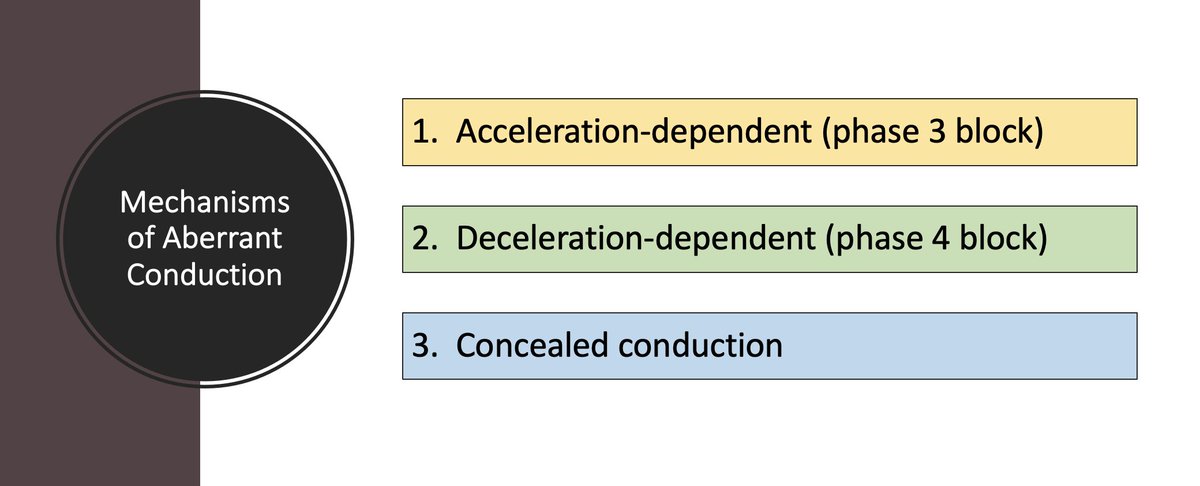
What is the mechanism of aberrant conduction?
1/9
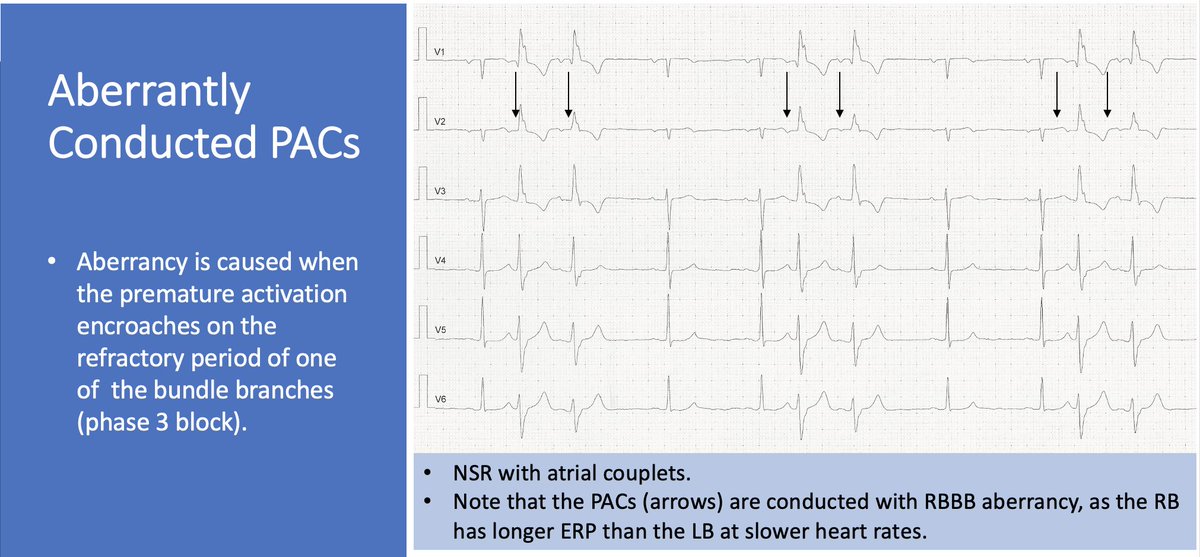
“Aberration” describes transient bundle branch block (BBB) and does not include persistent QRS abnormalities caused by persistent BBB, preexcitation, or the effect of drugs.
#EPeeps #CardioTwitter #ECG
4
94
280
10 Dec 2021
8/9
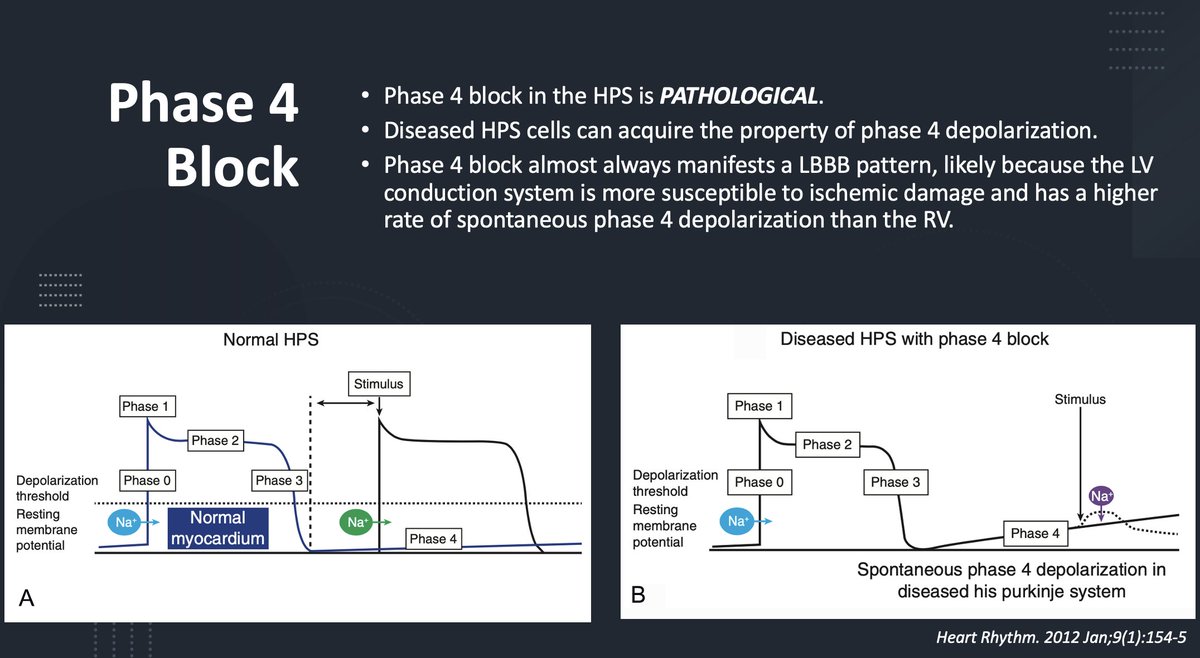
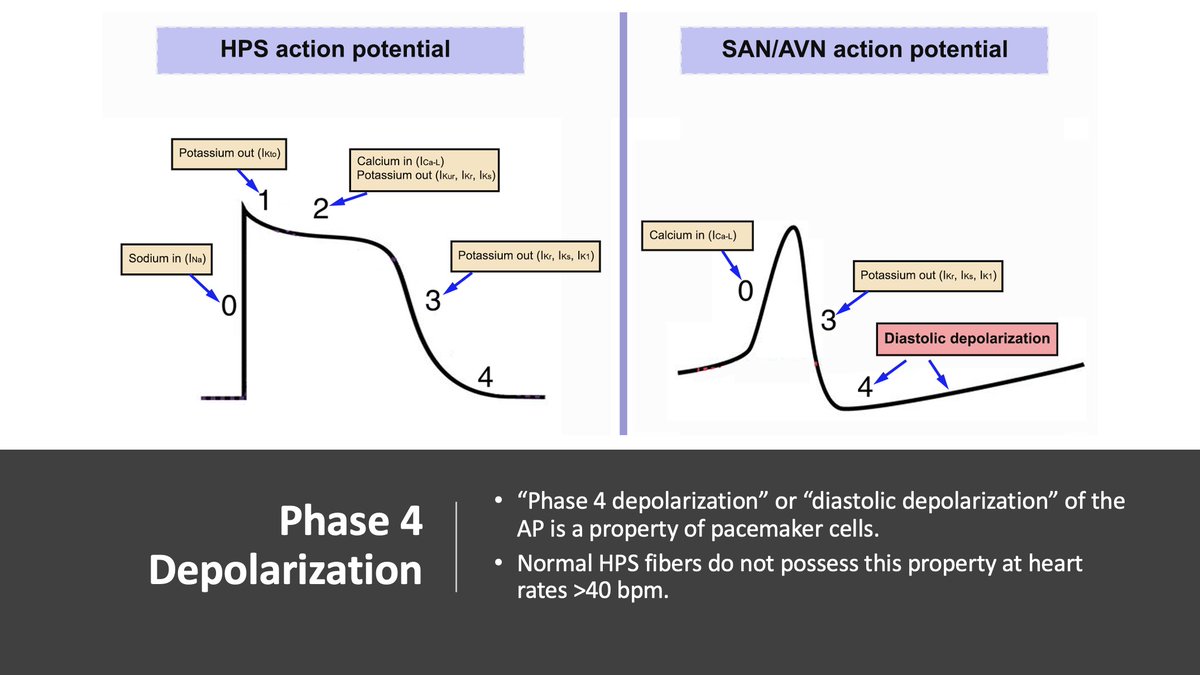
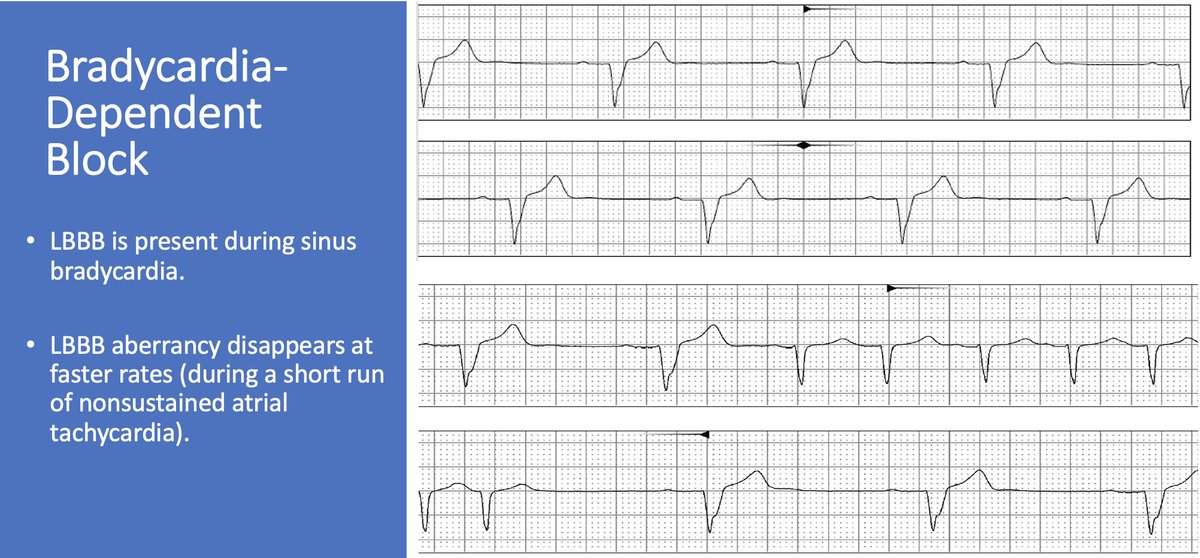
Phase 4 block often follows a delay caused by a compensatory pause after a PAC or PVC, spontaneous slowing of the sinus rate, or overdrive suppression of sinus rhythm upon termination of a fast supraventricular rhythm.
1
4
31
10 Dec 2021
9/9
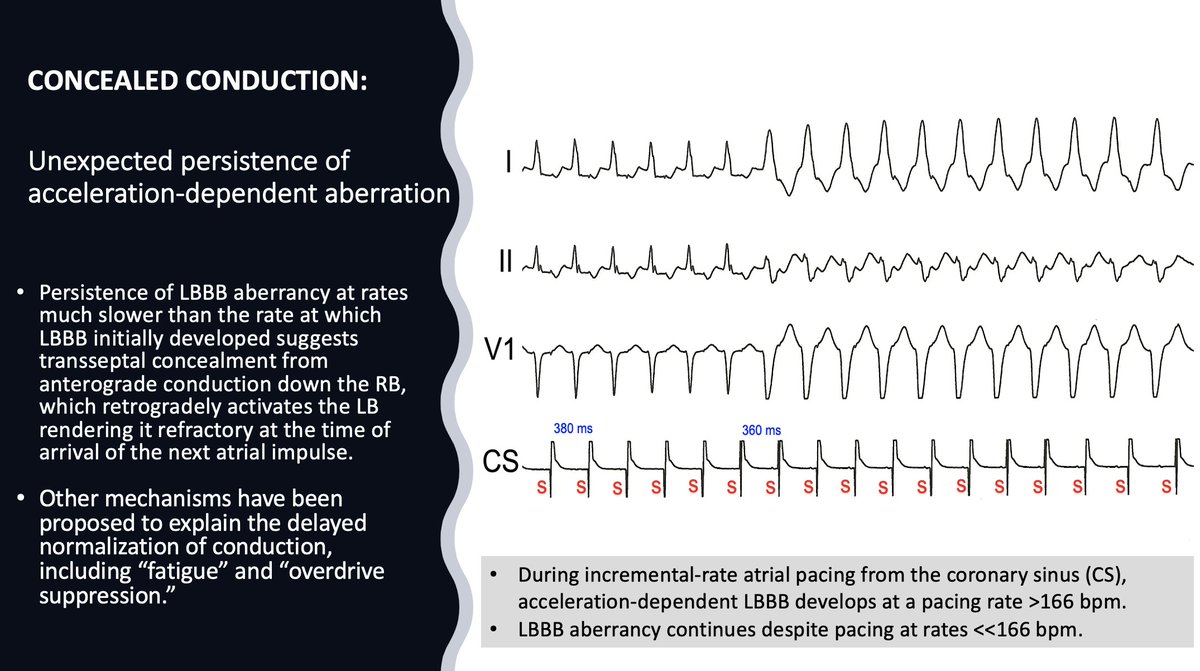
Concealed transseptal conduction underlies aberration in several situations:
1) Perpetuation of aberrant conduction during tachyarrhythmias.
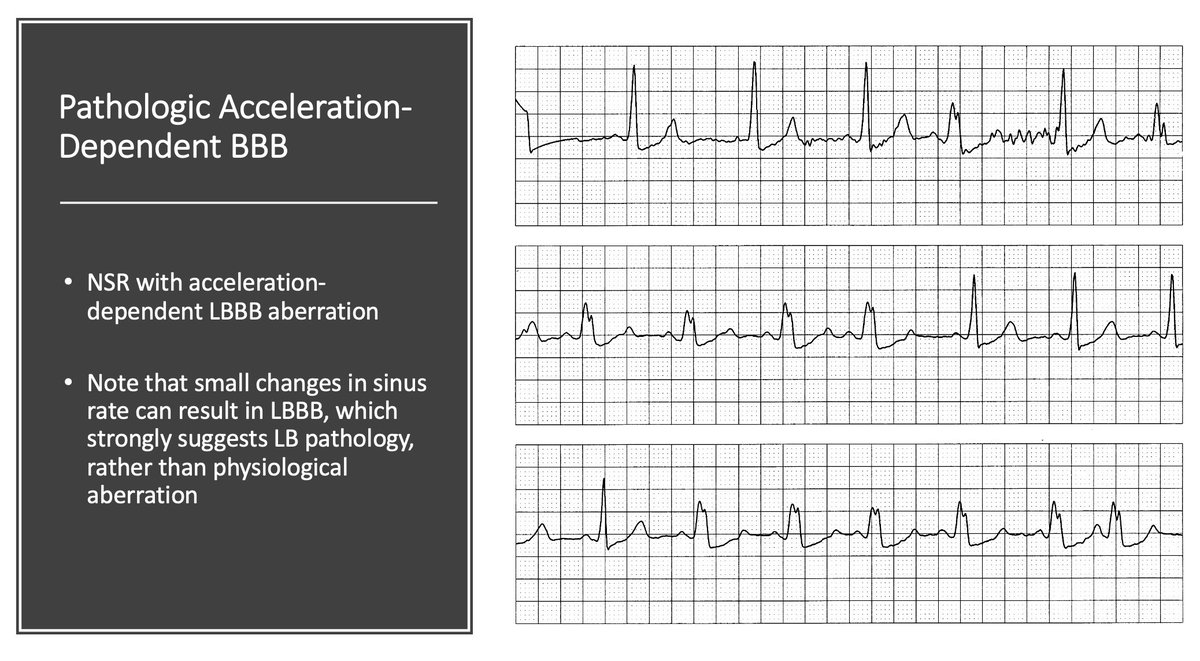
2) Unexpected persistence of acceleration-dependent aberration.
3) Alternation of aberration during atrial bigeminal rhythm.
4
6
36
26 Nov 2021
A patient of mine declined my recommendation to take the COVID vaccine because she thought it has an "electronic chip" but interestingly in the same visit she accepted (without any hesitation) my recommendation to implant a much bigger electronic chip (aka "pacemaker").
#Epeeps
2
8
74
17 Nov 2021
#IssaTweetorials
#EPeeps
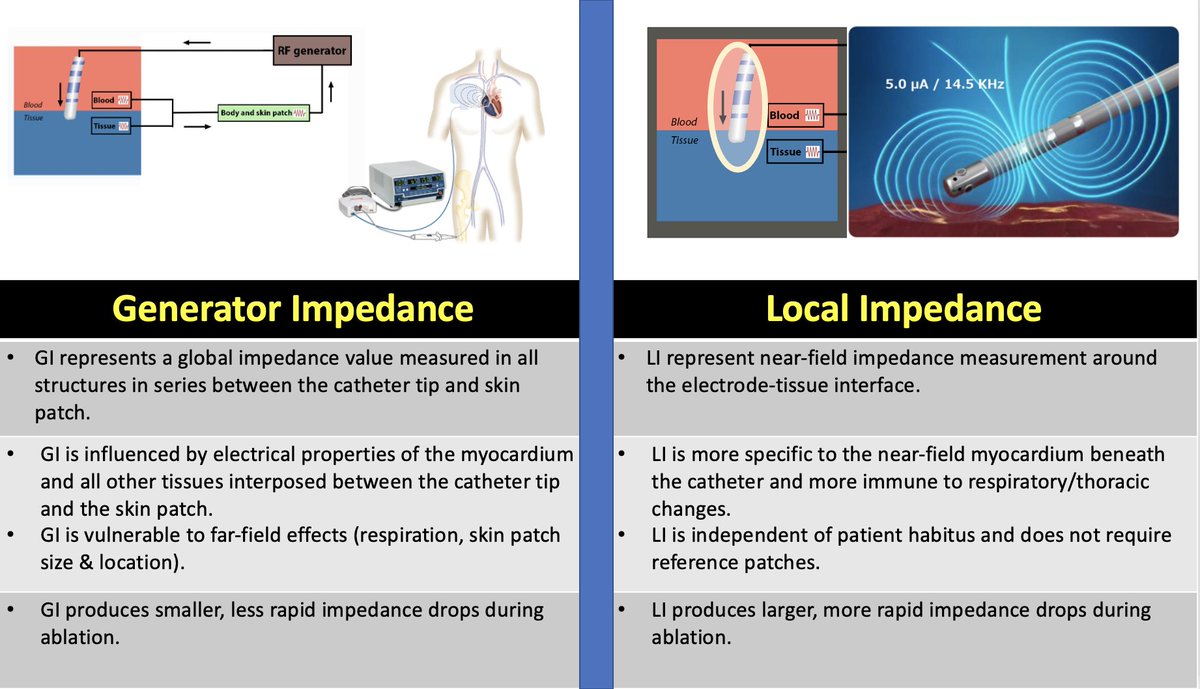
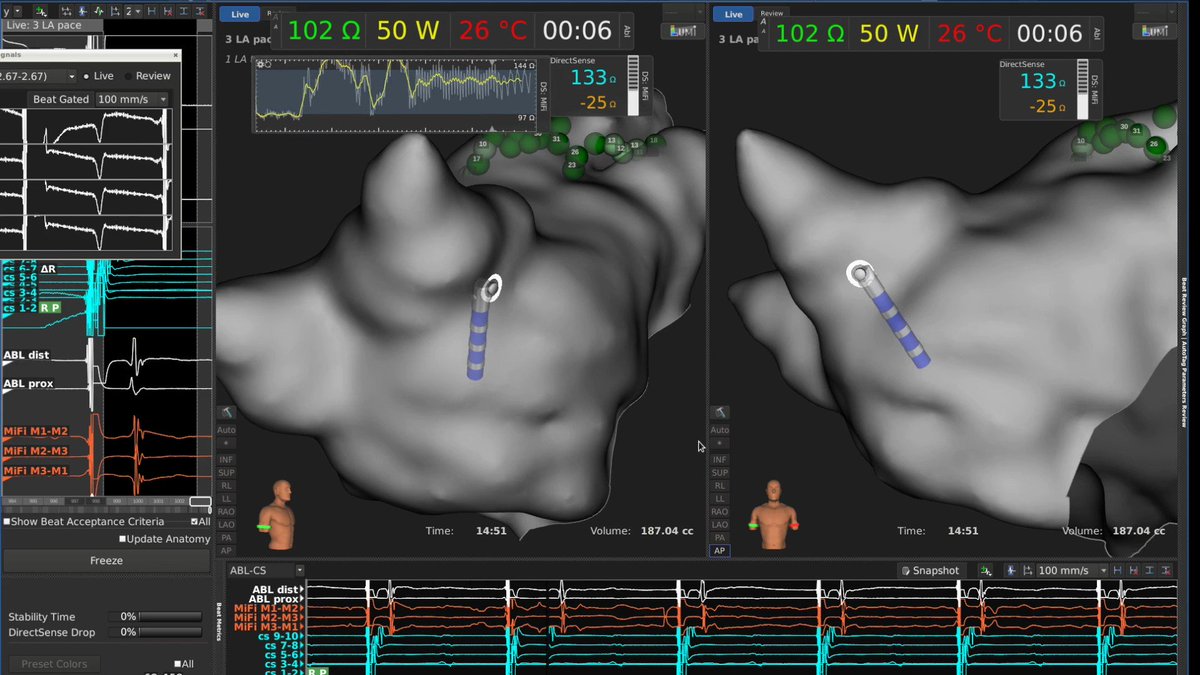
Impedance and RF ablation:
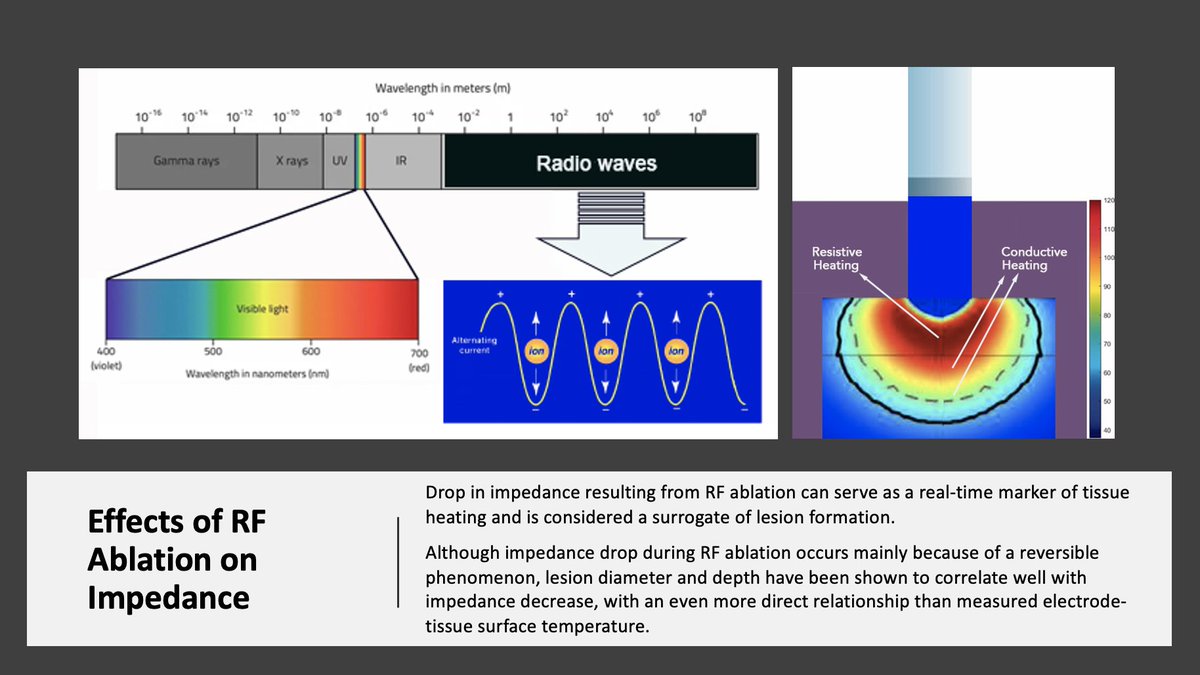
Part 2: How does RF ablation affect impedance?
1/9
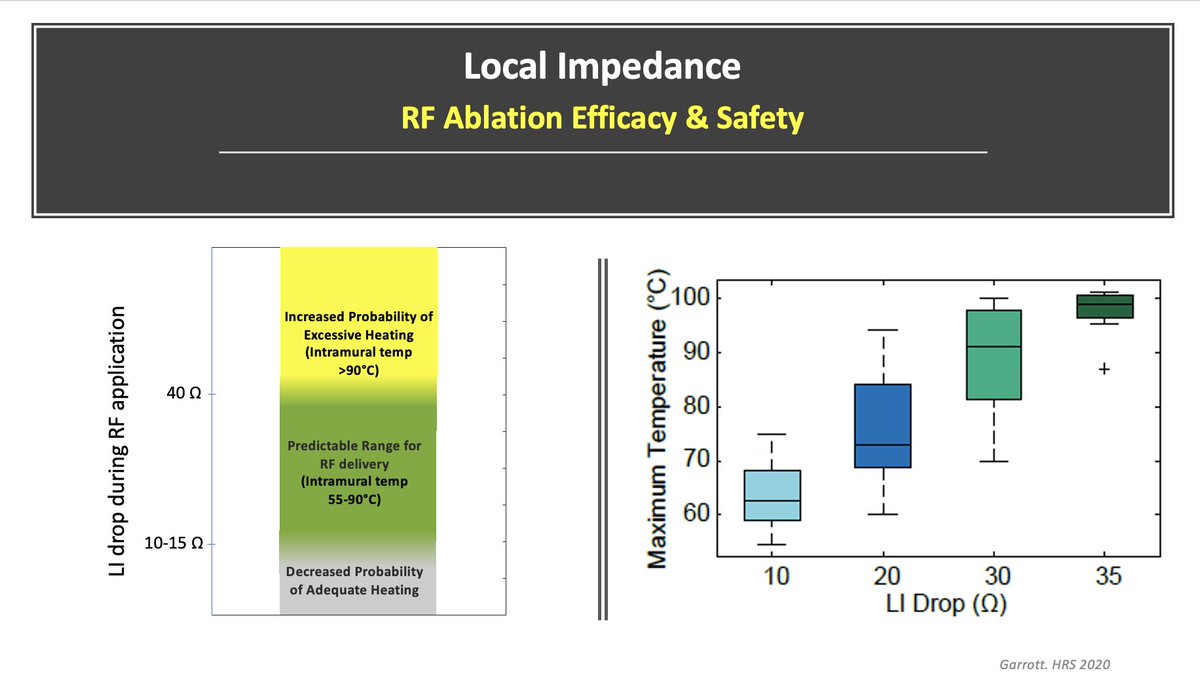
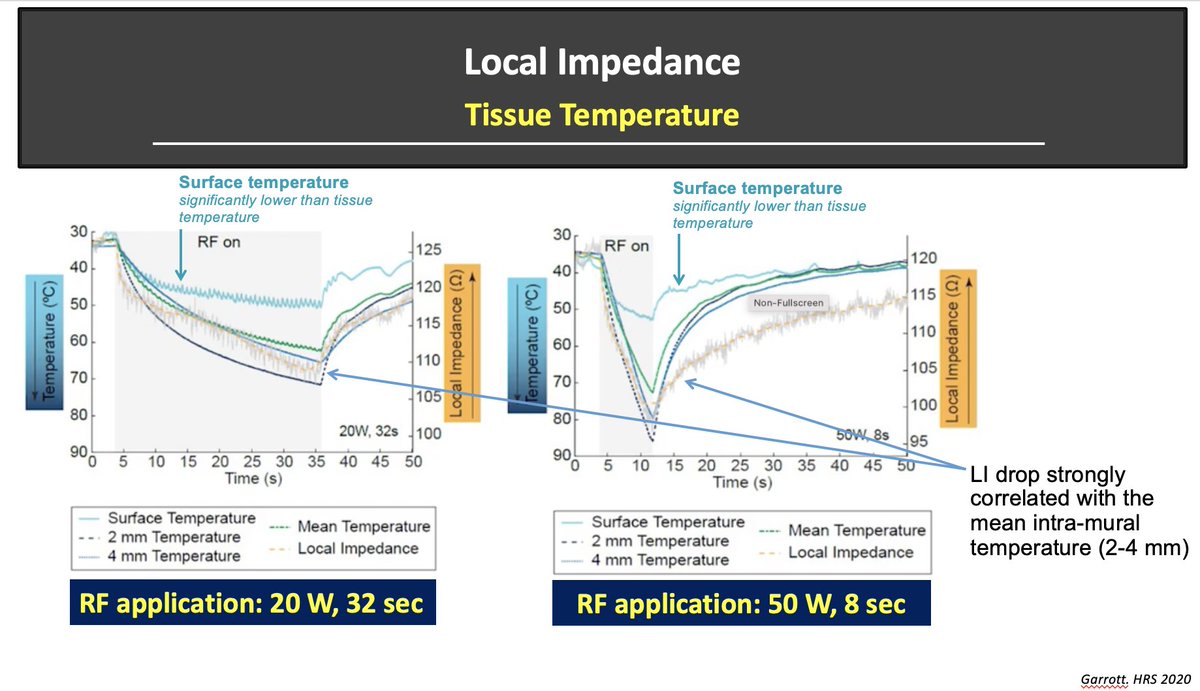
As tissue temperature rises during RF energy application, ions within the tissue being heated become more mobile, resulting in a decrease in impedance to current flow.
4
26
86
17 Nov 2021
7/9
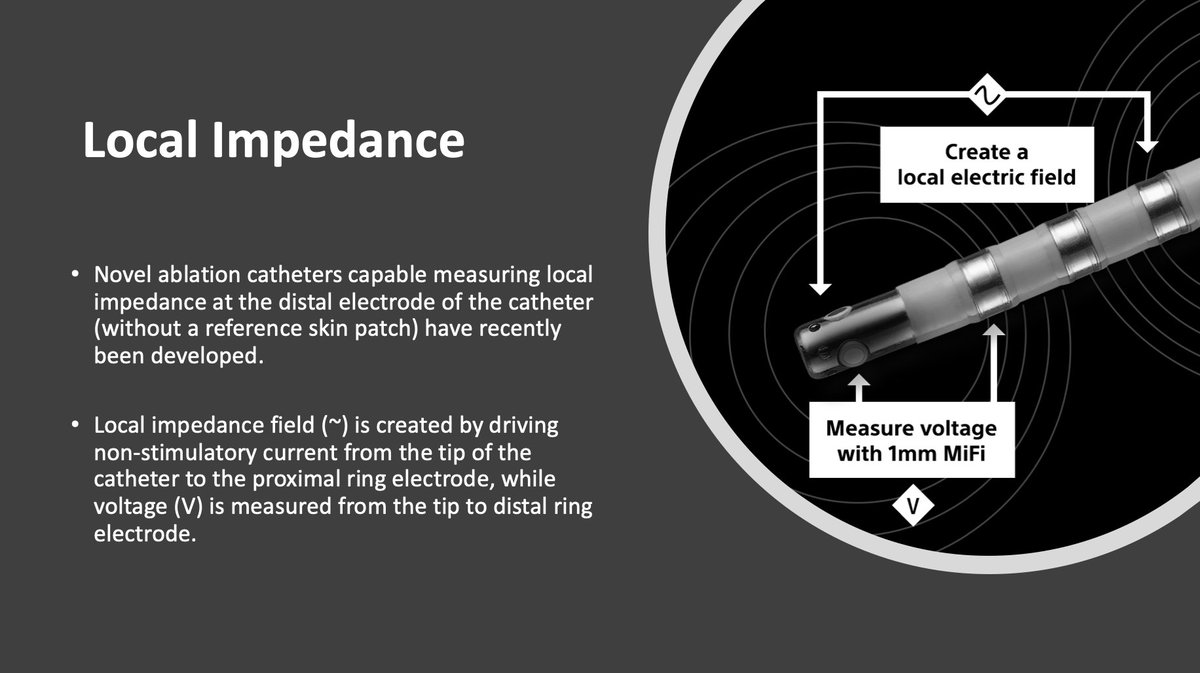
LI offers 4-time greater working range than GI, which may permit more precise titration of energy delivery, especially during high-power RF ablation when tissue heating occurs rapidly.
1
4
9
17 Nov 2021
Compared to GI, LI offers more sensitive & more specific measure of intramural tissue heating, as well as larger and more rapid impedance drops during RF application, allowing LI to be used as a real-time monitor of RF lesion formation & to guide titration of RF energy delivery.
5
11
6 Nov 2021
Lead dwell time is not prohibitive for TLE in patients with CIED-related infection.
In our study, TLE of leads >20-yr-old had 90% complete success & 96% clinical success rates.
Outcome of transvenous lead extraction of leads older than 20 years onlinelibrary.wiley.com/doi/…
7