Photos and videos
CAB3 retweeted

Jun 9
Remember, when you pray, God listens. When you pray, storms are stilled. When you pray, doors open. When you pray, relationships are restored. When you pray, hope is rekindled. When you pray, answers come. Don't lose faith in what you're praying for. God is faithful. His answers will come at just the right time.
55
381
1,866
22,865
CAB3 retweeted

Apr 23
What held your finances down is being removed at the root today.
19
16
208
2,355
CAB3 retweeted

I wasn’t ready for this 🤣
96
1,325
3,963
173,553
CAB3 retweeted

Heavenly Father, We ask for Your favor, peace, and protection today. Bless our work, strengthen our hearts, and guide our steps. May Your Spirit fill us with joy and Your wisdom lead us to make righteous choices. Protect our families and keep us under Your care. Amen.
40
38
145
1,252
CAB3 retweeted
Apr 20
Get ready for breakthroughs.
Get ready for promotion.
Get ready for restoration.
You may have had that problem for a long time, but this week can be the week it turns around. Suddenly, things can change!
God wants His glory to be seen on you. He wants you to stand out in the crowd. He wants you to be so blessed that everyone around you sees His goodness on you. So keep standing, keep believing, keep hoping, and keep declaring His Word because blessings and favor are coming your way.
81
144
925
10,024

CAB3 retweeted
Apr 19
God is saying to you today: I am not done with you yet. Your latter days shall be better than your former. Where you are now is only the beginning. Don't let your present circumstances discourage you, because where you started will not be where you finish. The good things you've experienced are only a small glimpse into what is to come. Get ready for your latter days, keep moving forward it will only get better. And though you started with little, you will end with much.
73
129
949
11,613
CAB3 retweeted
Apr 19
Everything is going to happen for you all of a sudden. All the disappointments, the challenges, the struggles, the ups and downs will finally make sense. You will be thankful that you didn't give up. Great blessings are coming your way. Believe it. Trust God and be ready to receive it.
117
243
1,536
29,109
CAB3 retweeted

Apr 16
This is my hero today!
572
7,949
28,605
858,576
CAB3 retweeted

No one will read this:
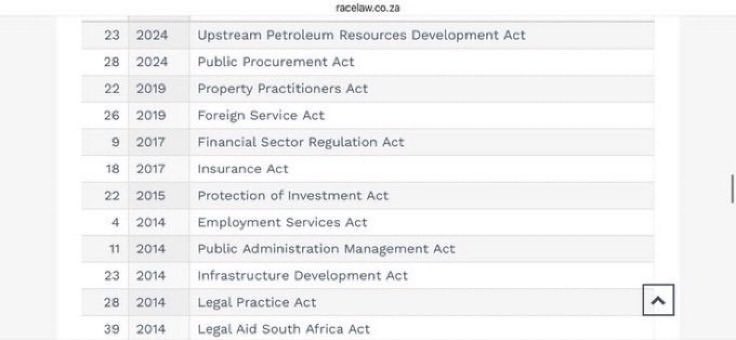
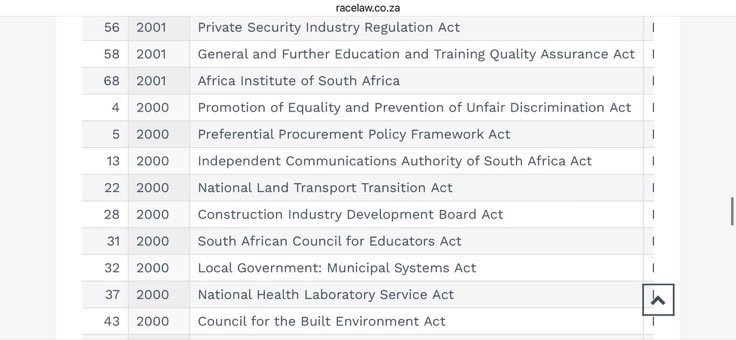
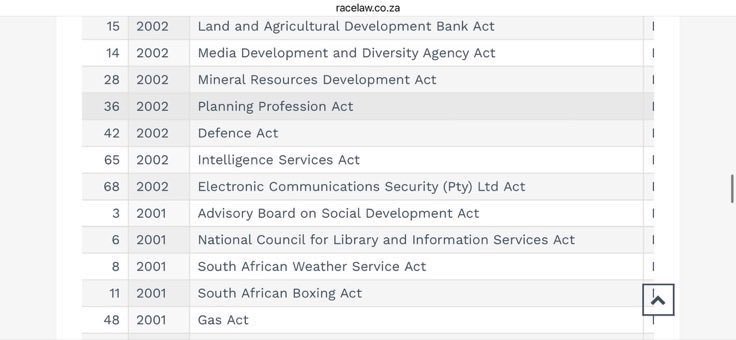
But when one goes through the list of “race laws” the IRR talks about… you actually get shocked. I went in expecting hardcore stuff like “No whites allowed in University” or “No whites allowed in Hospitals” etc… but noo.
It’s the Gambling Act, South African Weather Service Act, Boxing Act, Tourism Act, Broadcasting Act, National Sport and Recreation Act, National Health Laboratory Service Act, Civil Aviation Act, Electronic Communications Act, etc. listed. Here is the website: racelaw.co.za/index-of-race-…
And they’re listed… not because they segregate anyone, but simply because they mention the words transformation or redress, some coz they require some racial/sex/disability or even sector-specific representation such as “required Faith based leader,” youth representation, community or stakeholder groups, and even professional or sectoral expertise on regulatory boards where some of those groups historically or recently weren’t part of those structures.
My personal opinion: ⚠️ Yes it is concerning that there are no clear end goals… no cut-off timelines… no measurable targets. South Africa hasn’t had a purely merit based system for over 100 years. I don’t think transformation pressures should be a permanent feature of society.
There has to be parts of our system where we declare victory and let other systems take over now. And where these pressures don’t always succeed, alternative tools need to be explored. Keeping something say for example BEE forever, even when it isn’t achieving the intended goals, becomes very hard to defend.
We need the best of each community competing with the best of other communities…that’s the only way to get the ultimate best of our communities running our society.
Also: 𝗨𝗽𝗱𝗮𝘁𝗲𝗱 𝗦𝗼𝘂𝘁𝗵 𝗔𝗳𝗿𝗶𝗰𝗮𝗻 𝗦𝗼𝗰𝗶𝗼-𝗘𝗰𝗼𝗻𝗼𝗺𝗶𝗰 𝗜𝗻𝗱𝗶𝗰𝗮𝘁𝗼𝗿𝘀 𝗯𝘆 𝗥𝗮𝗰𝗲 (2025)
𝗔𝗱𝘂𝗹𝘁 𝗟𝗶𝘁𝗲𝗿𝗮𝗰𝘆 (2022–2024)
• ⚫️ African: 88–90% functional literacy
• 🟠 Coloured: 90–92%
• 🟤 Indian/Asian: 95–97%
• ⚪️ White: ~99%
𝗨𝗻𝗲𝗺𝗽𝗹𝗼𝘆𝗺𝗲𝗻𝘁 (Q3 2025 Estimates)
• ⚫️ African: 37.9% official / 49.8% expanded
• 🟠 Coloured: 24.1% / 31.2%
• 🟤 Indian/Asian: 16.3% / 19.5%
• ⚪️ White: 7.4% / 9.1%
𝗧𝗲𝗿𝘁𝗶𝗮𝗿𝘆 𝗤𝘂𝗮𝗹𝗶𝗳𝗶𝗰𝗮𝘁𝗶𝗼𝗻 𝗔𝘁𝘁𝗮𝗶𝗻𝗺𝗲𝗻𝘁
• ⚫️ African: 12.5%
• 🟠 Coloured: 10.1%
• 🟤 Indian/Asian: ~34%
• ⚪️ White: ~45%
𝗧𝗲𝗿𝘁𝗶𝗮𝗿𝘆 𝗘𝗻𝗿𝗼𝗹𝗺𝗲𝗻𝘁 (Age 20–24)
• ⚫️ African: 26.9%
• 🟠 Coloured: 20.3%
• 🟤 Indian/Asian: 59.7%
• ⚪️ White: 59.8%
𝗕𝘂𝘀𝗶𝗻𝗲𝘀𝘀 𝗢𝘄𝗻𝗲𝗿𝘀𝗵𝗶𝗽 – 𝗙𝗼𝗿𝗺𝗮𝗹 𝗦𝗲𝗰𝘁𝗼𝗿
• ⚫️ African: ~59–62%
• 🟠 Coloured: ~4–6%
• 🟤 Indian/Asian: ~3–4%
• ⚪️ White: ~38–40%
𝗕𝘂𝘀𝗶𝗻𝗲𝘀𝘀 𝗢𝘄𝗻𝗲𝗿𝘀𝗵𝗶𝗽 – 𝗜𝗻𝗳𝗼𝗿𝗺𝗮𝗹 𝗦𝗲𝗰𝘁𝗼𝗿
• ⚫️ African: ~88–90%
• 🟠 Coloured: ~4–5%
• 🟤 Indian/Asian: ~1–2%
• ⚪️ White: ~3–4%
𝗝𝗦𝗘-𝗢𝘄𝗻𝗲𝗿𝘀𝗵𝗶𝗽 (Total, Direct Indirect)
• ⚫️ African: ~32–33%
• 🟠 Coloured: ~2–3%
• 🟤 Indian/Asian: ~5–8%
• ⚪️ White: ~20–22% (domestic; foreign-held portion separate)
𝗟𝗮𝗻𝗱 𝗢𝘄𝗻𝗲𝗿𝘀𝗵𝗶𝗽 – 𝗙𝗮𝗿𝗺𝘀 & 𝗔𝗴𝗿𝗶𝗰𝘂𝗹𝘁𝘂𝗿𝗮𝗹 𝗛𝗼𝗹𝗱𝗶𝗻𝗴𝘀
• ⚪️ White: ~72%
• 🟠 Coloured: ~15%
• 🟤 Indian/Asian: ~5%
• ⚫️ African: ~4%
𝗟𝗮𝗻𝗱 𝗢𝘄𝗻𝗲𝗿𝘀𝗵𝗶𝗽 – 𝗨𝗿𝗯𝗮𝗻 / 𝗥𝗲𝘀𝗶𝗱𝗲𝗻𝘁𝗶𝗮𝗹 𝗘𝗿𝘃𝗲𝗻
• ⚪️ White: ~49%
• ⚫️ African: ~30%
• 🟠 Coloured: ~8%
• 🟤 Indian/Asian: ~8%
• (Corporate/Trust/Other: balance — not race-specific)
𝗠𝗲𝗱𝗶𝗰𝗮𝗹 𝗔𝗶𝗱 𝗖𝗼𝘃𝗲𝗿
• ⚫️ African: ~9.8%
• 🟠 Coloured: ~19.6%
• 🟤 Indian/Asian: ~41.3%
• ⚪️ White: ~71.7%
𝗟𝗶𝗳𝗲 𝗘𝘅𝗽𝗲𝗰𝘁𝗮𝗻𝗰𝘆 (2024 Estimates)
• ⚪️ White: 71.1 (M) / 77.4 (F)
• 🟤 Indian/Asian: 69.5 / 75.1
• 🟠 Coloured: 63.8 / 69.5
• ⚫️ African: 60.4 / 66.5
𝗚𝗲𝗻𝗲𝗿𝗮𝗹 𝗠𝘂𝗿𝗱𝗲𝗿 𝗥𝗮𝘁𝗲 (Risk per 100,000)
• 🟠 Coloured: > 60
• ⚫️ African: 35–40
• 🟤 Indian/Asian: < 10
• ⚪️ White: < 5
𝗣𝗿𝗶𝘀𝗼𝗻 𝗣𝗼𝗽𝘂𝗹𝗮𝘁𝗶𝗼𝗻 (Incarceration)
• ⚫️ African: 79% (Locals ~64%) (foreign nationals ~15%)
• 🟠 Coloured: ~18%
• 🟤 Indian/Asian: < 1%
• ⚪️ White: ~2%
20
91
258
44,598
CAB3 retweeted

Apr 15
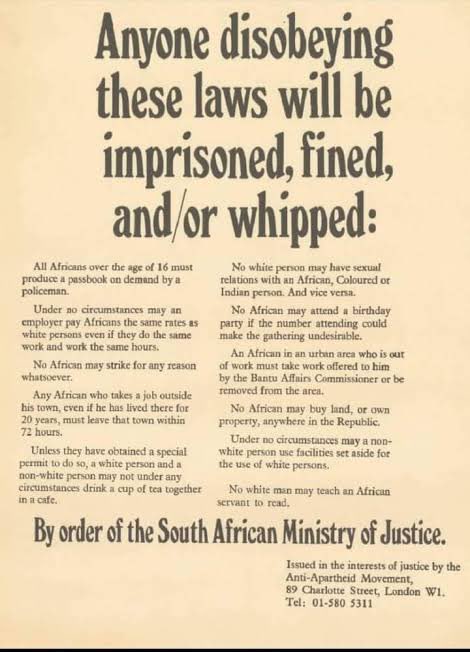
What can be worse than this? Equality?
43
234
1,612
58,309

CAB3 retweeted

Apr 16
Please stop with the racial gaslighting.
If white people in South Africa were the ones who had been historically disenfranchised, we would indeed need white economic empowerment. But that is not the case. What we need right now is Black Economic Empowerment (BEE) to bring black people, women, and people with disabilities into full participation in our economy.
BEE programmes focus on the economic inclusion of black South Africans, women, youth, and people with disabilities. They are not about skin colour in itself, but about correcting past exclusion and building a more inclusive economy.
6
36
131
5,693

CAB3 retweeted

Apr 15
Just say you miss the apartheid times when you and your family oppressed the blacks , you are busy acting like you have changed while you are still racist
54
227
1,927
54,144
CAB3 retweeted

Apr 15
South Africa🇿🇦:
Black South Africans D-dumb!.
5
6
18
8,654