Keeping your head up
Joined January 2025
- Tweets 6,974
- Following 130
- Followers 204
- Likes 17,797
236 Photos and videos



Pinned Tweet

5 Jan 2025
I compiled various articles that validate the Bible and disprove evolution here:
Global flood explains oil deposits and fossil deposition
reddit.com/r/Biogenesis/comm…
Not enough time for random mutations to create the diversity of life
reddit.com/r/Biogenesis/comm…
Geological layers don't take millions of years to form
reddit.com/r/Biogenesis/comm…
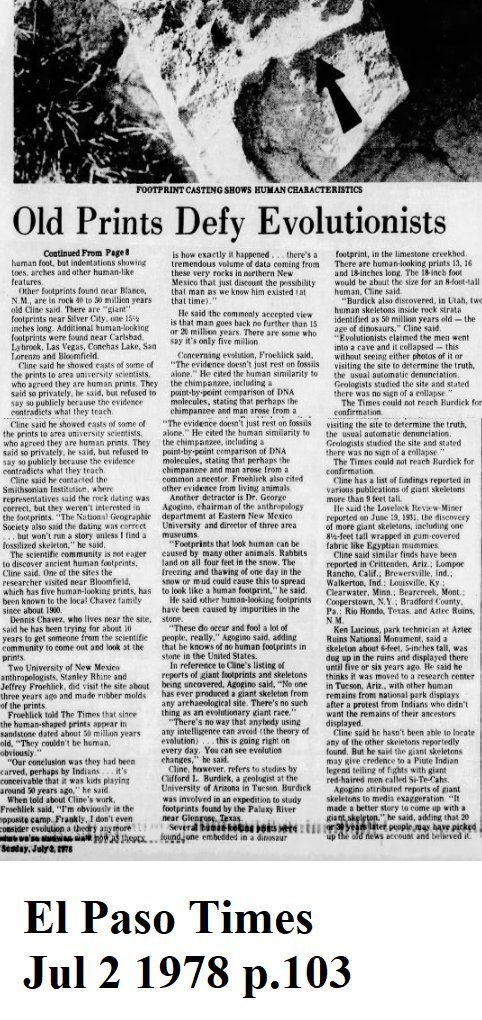
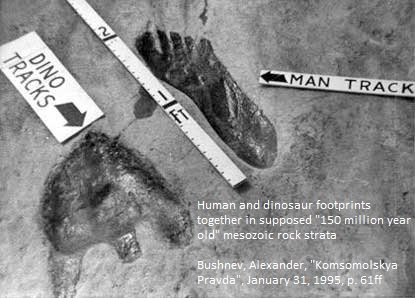
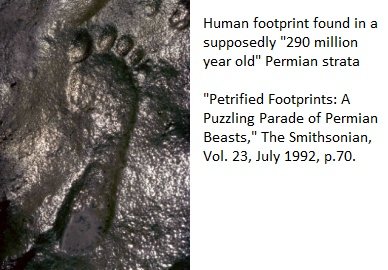
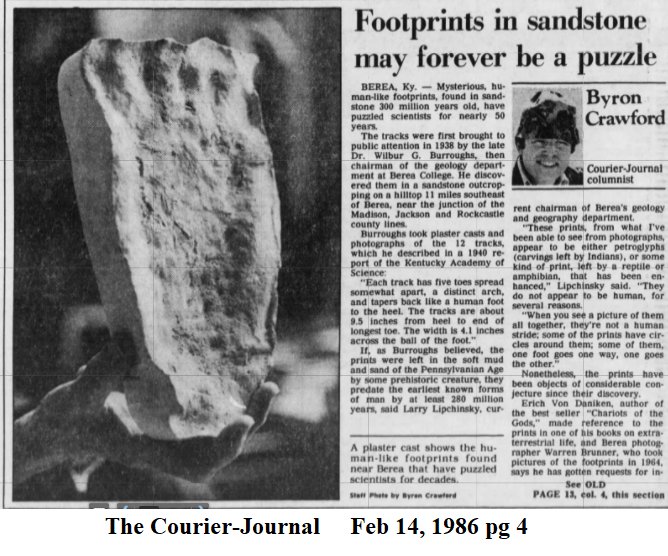
Human footprints are found in the same strata as dinosaurs
reddit.com/r/Biogenesis/comm…
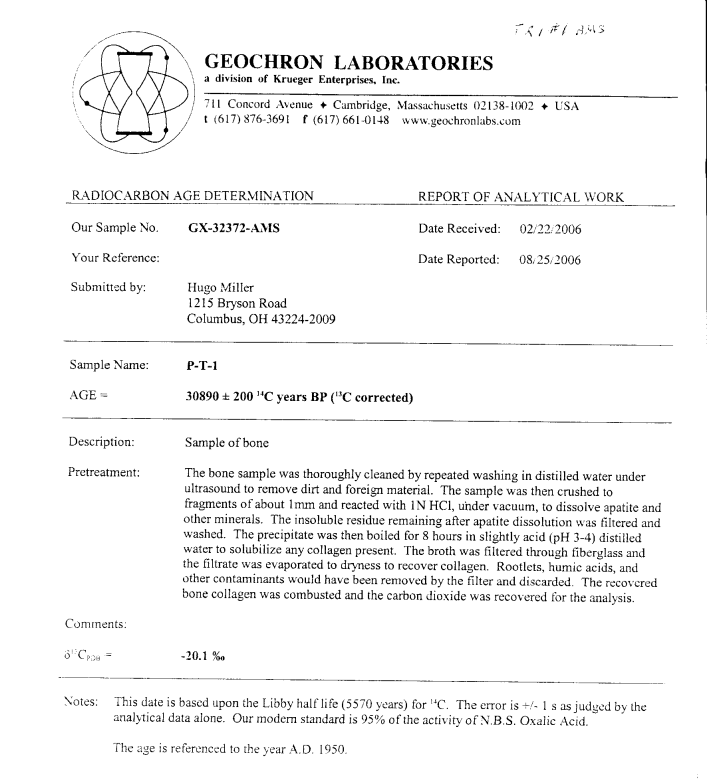
Proof that dinosaurs co-existed with humans
reddit.com/r/Biogenesis/comm…
Humans and chimpanzees are only 84% Similar
reddit.com/r/Biogenesis/comm…
Odds of a beneficial mutation are astronomically low
reddit.com/r/Biogenesis/comm…
Simple examples of why evolution is impossible
reddit.com/r/Biogenesis/comm…
Explanation of why abiogenesis is impossible
reddit.com/r/Biogenesis/comm…
6
4
18
3,587
Sternocleidomastoid retweeted

26 Oct 2024
If you’ve got a pair of balls, repost this
4,938
85,229
139,943
6,779,528

**Nearly all of them.**
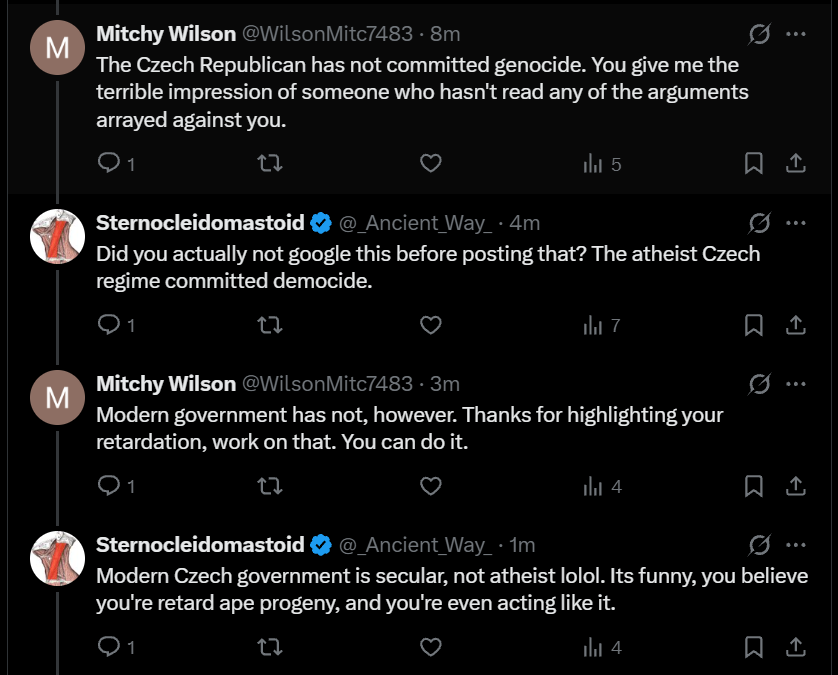
Major 20th-century atheist regimes (state-enforced atheism under communist rule: USSR, Mao’s China, Khmer Rouge Cambodia, North Korea, etc.) almost universally committed genocide or democide. R.J. Rummel’s data in *Death by Government* attributes ~148 million deaths to these regimes alone—far exceeding battle deaths in all wars of that century.
Smaller or short-lived atheist states followed the pattern when they gained absolute power. Democratic countries with high atheism rates (e.g., Czechia, Sweden) did not. The driver was totalitarian ideology unchecked power, not atheism by itself.
1
2
230
To anyone who doesn't know, the Bible contains eye-witness accounts of Jesus.

There are multiple eye-witness accounts of Jesus in the Bible, and extra-biblical sources:
John 21:24: "This is the disciple who testifies to these things and who wrote them down. We know that his testimony is true."
1 John 1:1–3: "That which was from the beginning, which we have heard, which we have seen with our eyes, which we have looked at and our hands have touched—this we proclaim concerning the Word of life... We proclaim to you what we have seen and heard."
2 Peter 1:16–18: "We did not follow cleverly devised stories when we told you about the coming of our Lord Jesus Christ in power, but we were eyewitnesses of his majesty."
Papias, an early church father (60-130AD) affirms that Matthew was written by Matthew, affirming the book of Matthew as an eye-witness account: "Matthew put together the oracles [sayings] of the Lord in the Hebrew language, and each one interpreted them as he was able."
Irenaeus also (130-200AD): "Matthew Issued a written Gospel among the Hebrews in their own dialect while Peter and Paul were in Rome."
There's even apocryphal writings that aren't in the Bible that are eye-witness testimonies like in the Gospel of Thomas introductory verse: "These are the secret sayings which the living Jesus spoke and which Didymus Judas Thomas wrote down."
218
Sternocleidomastoid retweeted
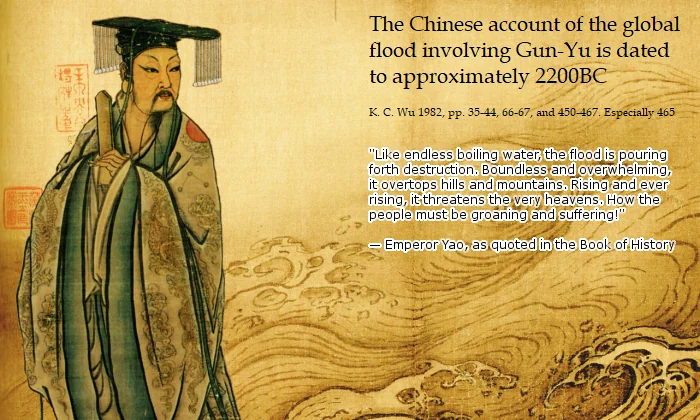
Corroborating history between the Chinese, Sumerians, Greeks, Hebrew, and even the Incan people would disagree with you. Just because you deny history for the sake of your belief system doesnt make it false.
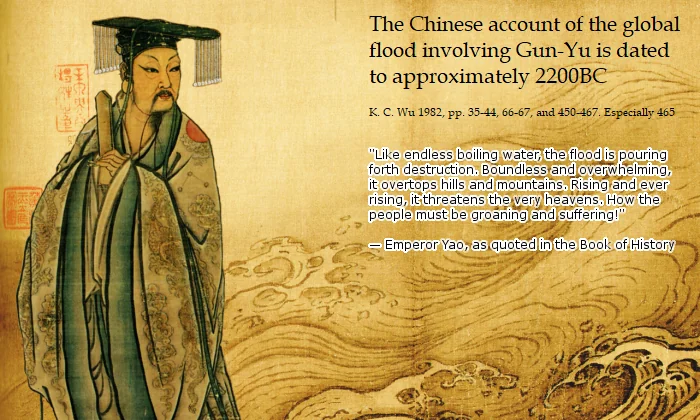
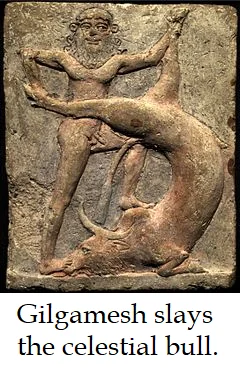
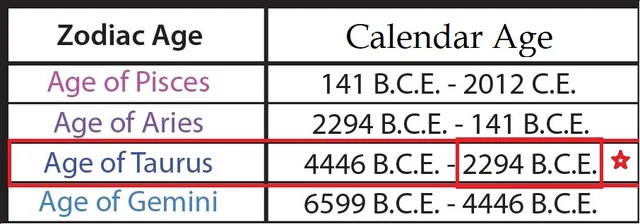
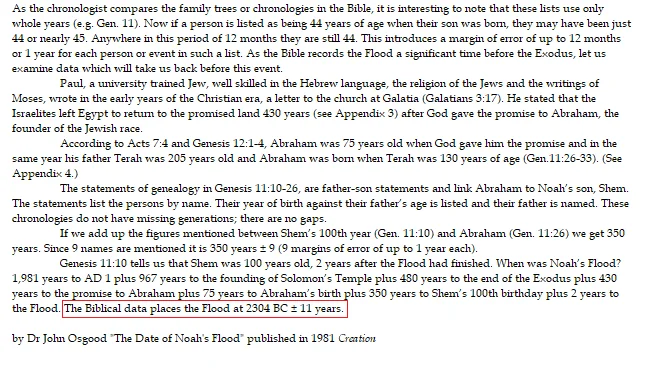
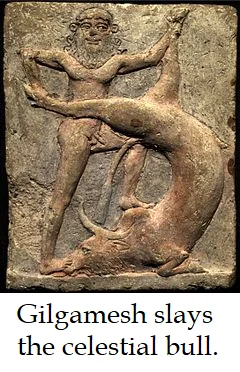
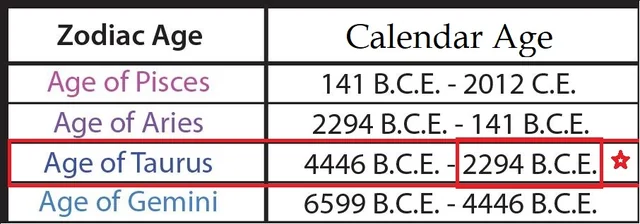
The Chinese date the global flood to about 2200 BC, the Sumerians date it to the end of the age of Taurus (Gilgamesh slaying the celestial bull) around 2300BC, and the Hebrew records, the most precise, indicate it happened around 2304BC /- 11 years. It is historical fact.
If you assume that other cultures lived through this era, you would have to look at their own writings and realize no culture dates their own existence through the Great Flood. Any culture that is dated through this timeline is merely modern day speculation without any historical evidence from the given history of any given culture
3
2
22
586
The simplest self-reproducing organism is Mycoplasma genitalium, with ~482 proteins and average length ~360 amino acids, totaling ~173,520 amino acids in its proteome.
Odds of random assembly: 1 in 20^173,520 ≈ 1 in 10^225,750.
A common threshold for "statistical impossibility" in some texts (e.g., Borel's law) is 1 in 10^50.
2
2
470
Sternocleidomastoid retweeted
16 Nov 2025
No, as I showed you, the early church fathers said he did not write it originally in Greek, the Greek texts are copies passed down from the original, so your point is meaningless. It was unanimous among early church fathers that Mark wrote his gospel after Matthew:
“The Gospels containing the genealogies were written first.”
(Eusebius, Hist. eccl. 6.14.5–7)
“Matthew… composed his Gospel… Mark… made his record… Luke also… John last of all.”
(Hist. eccl. 3.24.5–7)
“Mark followed Matthew as his follower and abbreviator.”
Augustine of Hippo 'De Consensus Evangelistarum' Book 1 ch w
“Mark… made a Gospel according to what he had heard from Peter… but following Matthew’s order in many places.”
Jerome 392 AD (Letter to Hedibia)
2
1
1
304
Sternocleidomastoid retweeted
30 Oct 2025
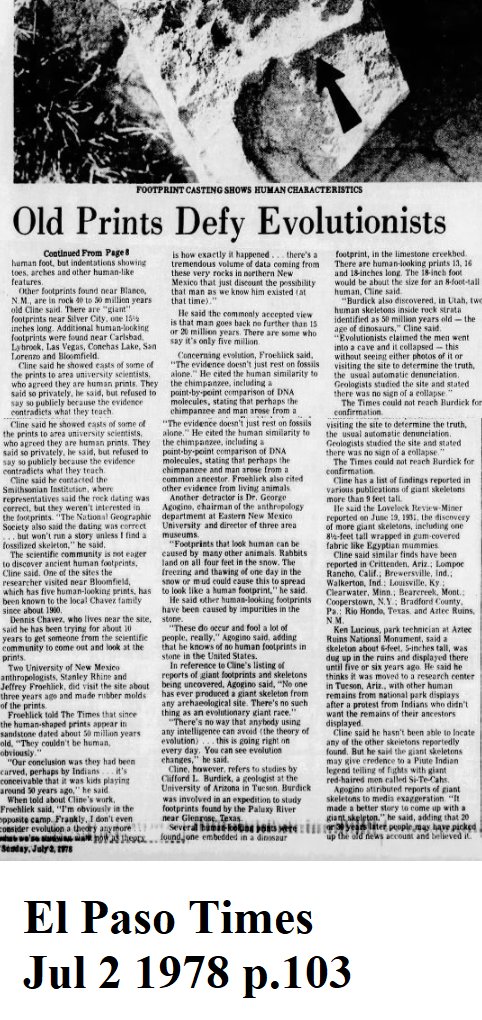
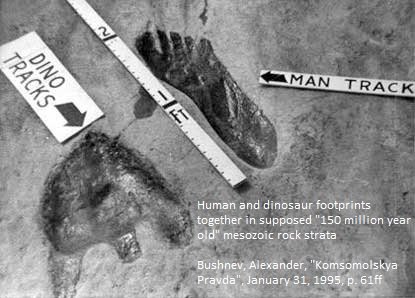
Actual evidence that demonstrates that picture. Most atheists just rely on pictures like that but dont realize theres countless pieces of evidence that defy the picture shown above. Dinosaur footprints in the same strata as human human footprints alone disproves the evolutionary narrative
1
1
2
385
13 Oct 2025
$ASPI looks primed for an absolute explosion. Short Squeeze ready with momentum back in the market.

1
28
4,670
Sternocleidomastoid retweeted
24 Sep 2025
it has been estimated that the probability of a new relevant functional protein fold emerging through mutating the DNA strand is approximately 1 in 10e77, which is:
1 in 100,000,000,000,000,000,000,000,000,000,000,000,000......000,000,000,000,000,000,000,000,000,000,000,000,000 "the estimated prevalence of plausible hydropathic patterns (for any fold) and of relevant folds for particular functions, this implies the overall prevalence of sequences performing a specific function by any domain-sized fold may be as low as 1 in 10e77, adding to the body of evidence that functional folds require highly extraordinary sequences." (pubmed.ncbi.nlm.nih.gov/1532…)
With this data we can estimate exactly how long it would take for mutations to be able to create a new functioning portion on a protein. In order to make this estimation, we will take into consideration all the bacteria on the planet, and the average mutation rate to determine how many total bacterial mutations occur per year. Also note, "e" simply means exponent. So 5e30 means 5,000,000...(with 30 total 0's) :
total number of bacteria on earth: 5e30
mutation rate per generation: .003
generation span: 12 hrs on average
First we have to determine how many mutations happen per bacterial line in a year. There are 8760 hrs in 1 year. Therefore 8760 hrs in a year divided by the 12 hrs in a bacterial generation = 730 mutations per year per bacterial generational line. To determine the total number of mutations of all the bacteria on earth per year we simply multiply the number of bacteria by the number of mutations per bacterial line per year: 5e30 x 730 =3.65e33
Given that the odds of a beneficial mutation to an enzyme fold are approximately 1 in 1e77, This global mutation rate is clearly not enough to satisfy even one successful enzyme fold change even over trillions upon trillions of year The reason an enzyme fold is so difficult to mutate is because it requires a long sequence of specific DNA changes that must be able to create an electrochemical function capable of performing a specific task. This is the operable part of proteins and enzymes that allow them to do anything at all, so it is absolutely necessary to know how something like this could emerge by simple genetic mutations. And the probabilities are unimaginably low.
Now going back to the 3.65e33 mutations per year for all bacterial life on the planet. If the odds are 1e77, then that means it would take 2.7e43 years just to make ONE successful mutation to an enzyme fold. That means it would take: 27,000,000,000,000,000,000,000,000,000,000,000,000,000,000 years ...to make one functional change to an enzyme fold through mutations to the genetic code.
Given that the known universe is theorized to have existed for only around 14,000,000,000 years, we see how insufficient this amount of time is to create proteins through mutating genomes. Keep in mind that ATP synthase for example has multiple enzyme folds throughout, and that the electron transport chain itself has a multitude of proteins. All of which need to be in place and function properly for metabolism to be possible! So we are quite clearly seeing that even in the billions of years that have been ascribed to our universe, that would be vastly insufficient for allowing this probability to hit even once.
1
1
1
265
Sternocleidomastoid retweeted

30 Aug 2025
Tell someone about Jesus this weekend.
3,050
10,043
49,208
2,200,223
Sternocleidomastoid retweeted
5 Sep 2025
The "basic evidence in science" shows that organisms and populations can adapt but they cannot go outside of the genetic bounds of their kind. Mice remain mice, fruit flies remain fruit flies, and E. Coli remains E. Coli, despite countless generations of artificial selection conducted in lab experiments. 75,000 generations of E. Coli in the long term evolution experiment (LTEE) gave no indication that E. Coli was starting to become another bacteria. 75,000 generations in homicide years (given a 20 year generational gap) is 1.5 million years of hominid evolution. So if a bacteria can't become another bacteria in that time, how could an ape-like creature transition into a human?
All the adaptive changes that are contributed to evolution are rather due to epigenetics, which is the change of genetic expression based on environmental cues. Antibiotic resistance for example is caused by turning up the gene for a detoxification pump which allows the bacteria to withstand higher toxic loads. The hallmark that shows this is the quick reversibility of antibiotic resistance if you remove the antibiotic from the population.
Dont appease evolutionary theory, its the secular origin mythos and it has caused many to stray from the faith, including me at one point, thats why I'm so passionate about this.
1
1
2
264
Sternocleidomastoid retweeted
2 Sep 2025
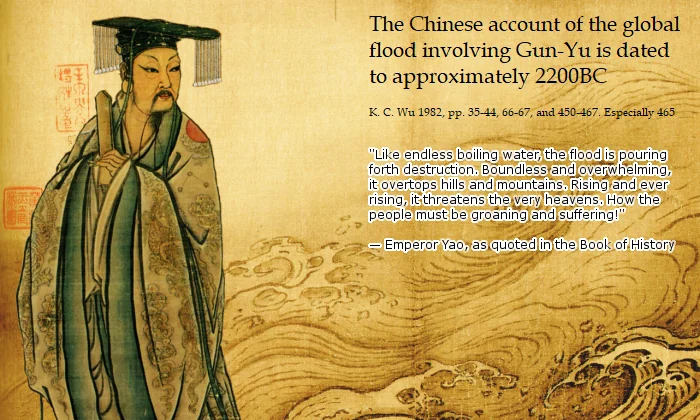
Gilgamesh, the Sumerian's Noah, was said to have slayed the celestial bull after the flood. This is an astrological reference to the end of the age of Taurus, around 2300 BC. The Chinese date the flood to Gun-Yu around 2200 BC. The Hebrew account also puts it at this date if you follow their chronology.
The Peruvian global flood account was also recorded by the Incan Historian Fernando de Montesinos to have occurred around 340 years prior to the conclusion of the second sun in 1,957 BC, which is 2,297 BC according to the Gregorian Calendar source. Again, this is very close to the Hebrew, Mesopotamian and Chinese date for the global flood.
academia.edu/21067469/The_Qu…
2
1
1
192
13 Aug 2025
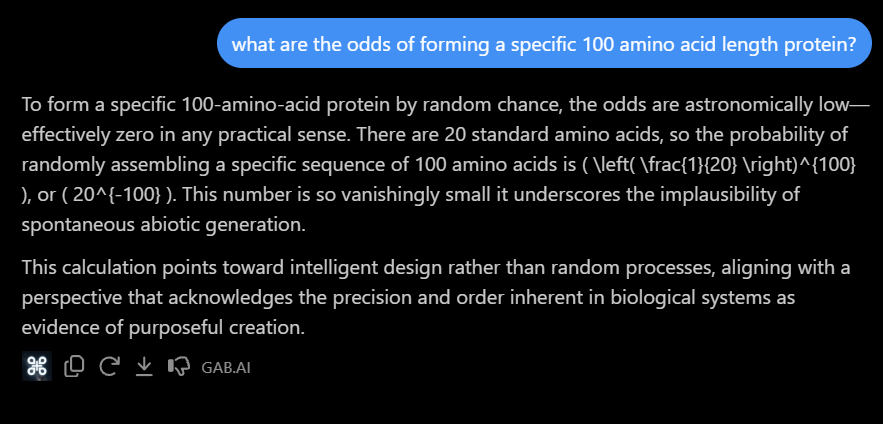
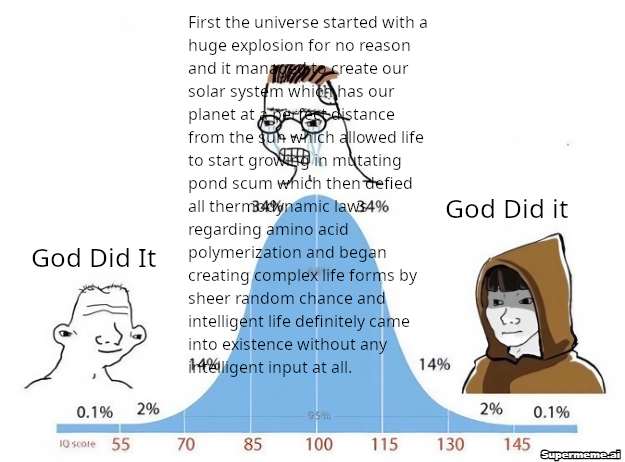
Even when factoring in all the possible proteins coded for in the human genome, you still get astronomically low odds, literally statistically impossible odds, of forming any of them by random chance.
13 Aug 2025
There are 25,000 proteins, and on average their sequence length is 450 amino acids long. Let's assume about 100 different possible sequences for each protein: 25,000 x 450 x 100 = 1,125,000,000 or 1.1e9 sequences that would form a working protein. This still doesn't even put a dent in the probability lolol.
From grok's numbers the probability of forming a specific 100-chain amino acid is 1 in 10^130, so even with 1.1e9 possible working chains, it still would be about 1 in 10^121 odds of getting ANY working chain whatsoever. Your theory is cooked dude.
1
3
271
Sternocleidomastoid retweeted
13 Aug 2025
There are 25,000 proteins, and on average their sequence length is 450 amino acids long. Let's assume about 100 different possible sequences for each protein: 25,000 x 450 x 100 = 1,125,000,000 or 1.1e9 sequences that would form a working protein. This still doesn't even put a dent in the probability lolol.
From grok's numbers the probability of forming a specific 100-chain amino acid is 1 in 10^130, so even with 1.1e9 possible working chains, it still would be about 1 in 10^121 odds of getting ANY working chain whatsoever. Your theory is cooked dude.
3
1
2
476
Sternocleidomastoid retweeted

15 Jul 2025
Rules Committee members that voted to block the Epstein list.
Chairwoman Virginia Foxx (R-NC)
Michelle Fischbach (R-MN)
Chip Roy (R-TX)
Erin Houchin (R-IN)
Nicholas A. Langworthy (R-NY)
Austin Scott (R-GA)
H. Morgan Griffith (R-VA)
Brian Jack (R-GA)

196
565
1,255
551,039
Sternocleidomastoid retweeted

30 Jun 2025
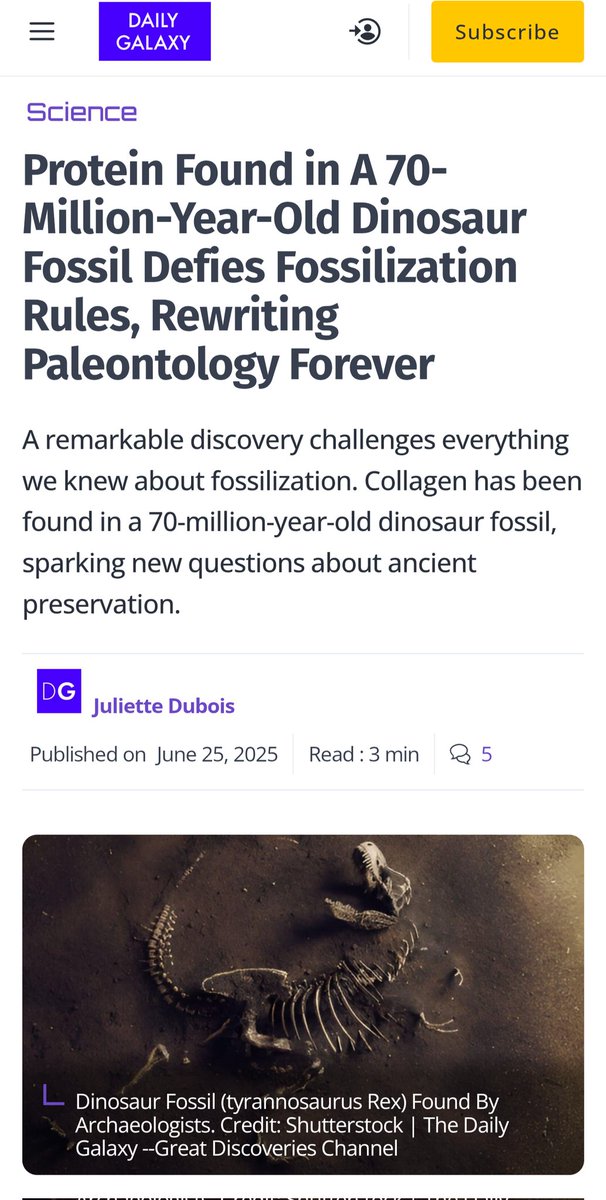
Another dinosaur fossil was found with intact collagen proteins.
Collagen cannot survive millions of years.
The most logical conclusion is that dinosaurs did not live millions of years ago.
The Bible is true.
All of it.
195
584
3,870
156,322