
Bourbon & Politics
Joined June 2020
- Tweets 10,430
- Following 194
- Followers 656
- Likes 2,928
712 Photos and videos
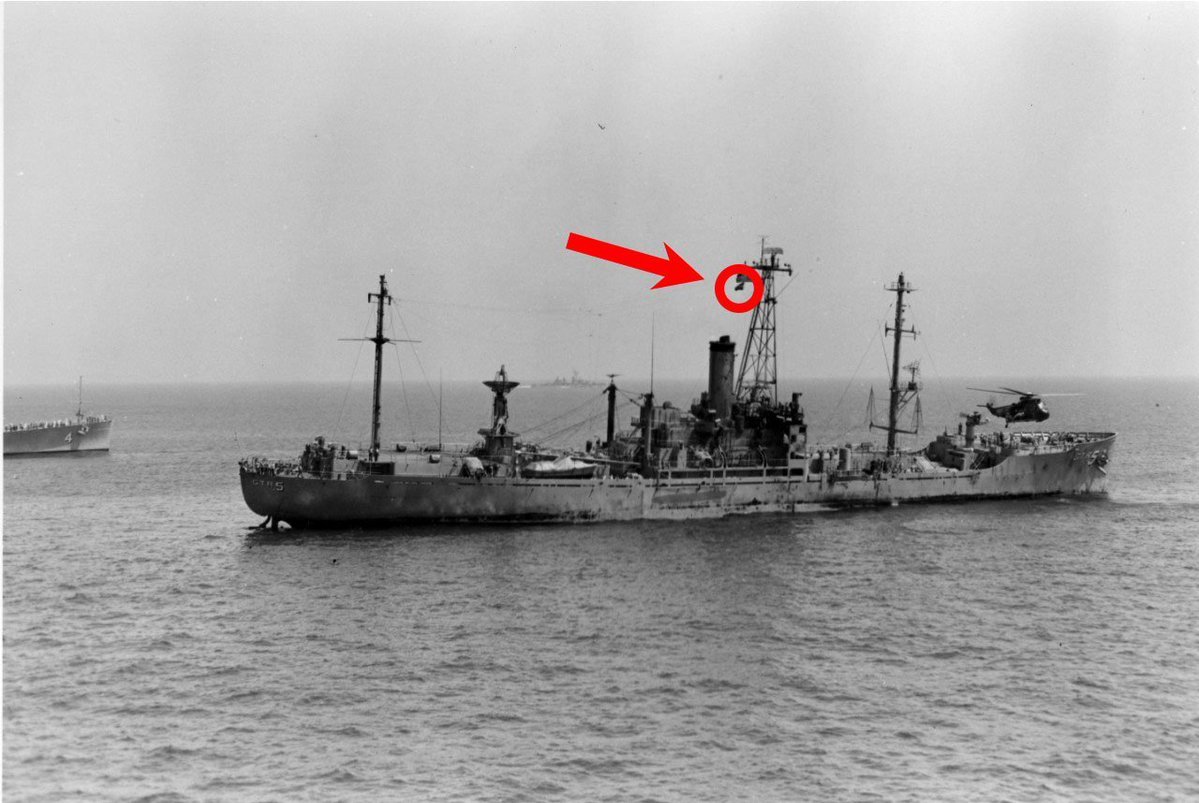





A lot of people bringing up the USS Liberty today aren’t doing it because they suddenly care about the sailors who were killed.
They’re using a real tragedy as a red herring to attack Israel based on a conspiracy theory and justify the same hatred they already had.
Honor the dead. Don’t exploit them.
58
Classical Lib🇺🇸 retweeted

Jun 2
The U.S.🇺🇸-Israel 🇮🇱 Military Merger Conspiracy Explained
25
66
348
16,345
Classical Lib🇺🇸 retweeted

May 25
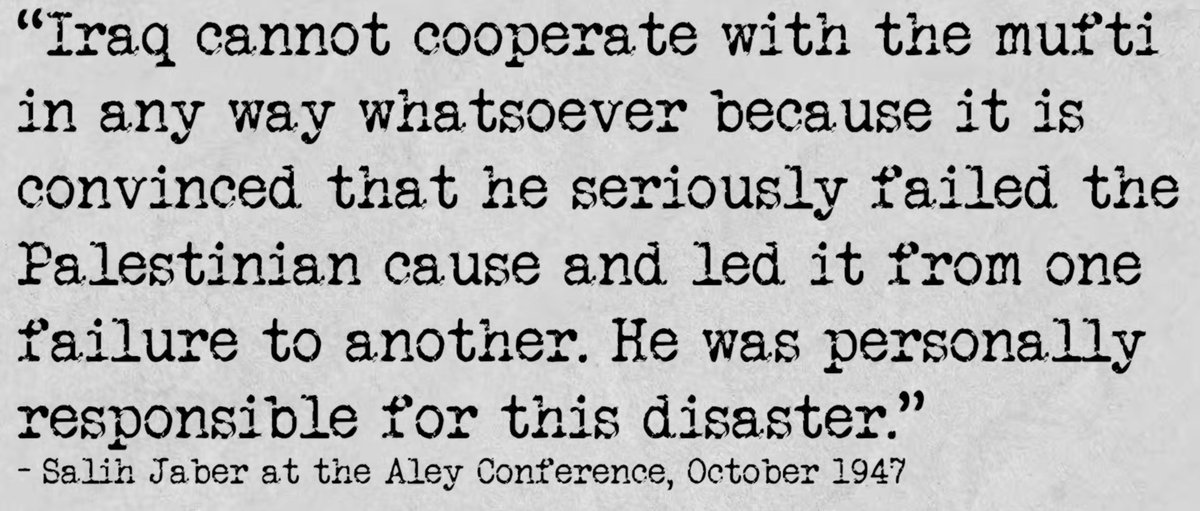
Mohammed Amin al-Husseini has been buried in the history of Palestinians. He was detrimental to the Arab cause during the 30s and 40s.
2
1
364
Classical Lib🇺🇸 retweeted

May 24
These pictures are within a few hours. Several of the terror-supporting activists were on video walking out of Israeli custody in perfect shape, then pretending to be severely injured for cameras a few hours later, and then at the airport coming home being perfectly fine again. They simultaneously released a statement claiming severe abuse and other absurd charges.
They have learned this behavior because they know it gets rewarded. They know the mere accusation will get promoted by New York Times writers like Kristof and others regardless if it is true.

It’s a miracle!
Thank God, the flotilla anarchist made a full recovery in no time 🤣


25
464
2,453
87,800
May 12
Who’s going to tell him?
May 12

In recent decades more people have been brought out of extreme poverty in China than in the rest of the world combined.
481
The political code switching of Massie has been a huge disappointment, personally.
245
This is fascinating data. Mississippi is kicking ass, take notes, southern states.
urban.org/research/publicati…
197
The data on free market capitalism driving down food insecurity is unprecedented. These ideas only have one purpose…

A reminder that we produce enough food for 1.5x the Earth’s population. Capitalism prevents hungry people from eating it
204
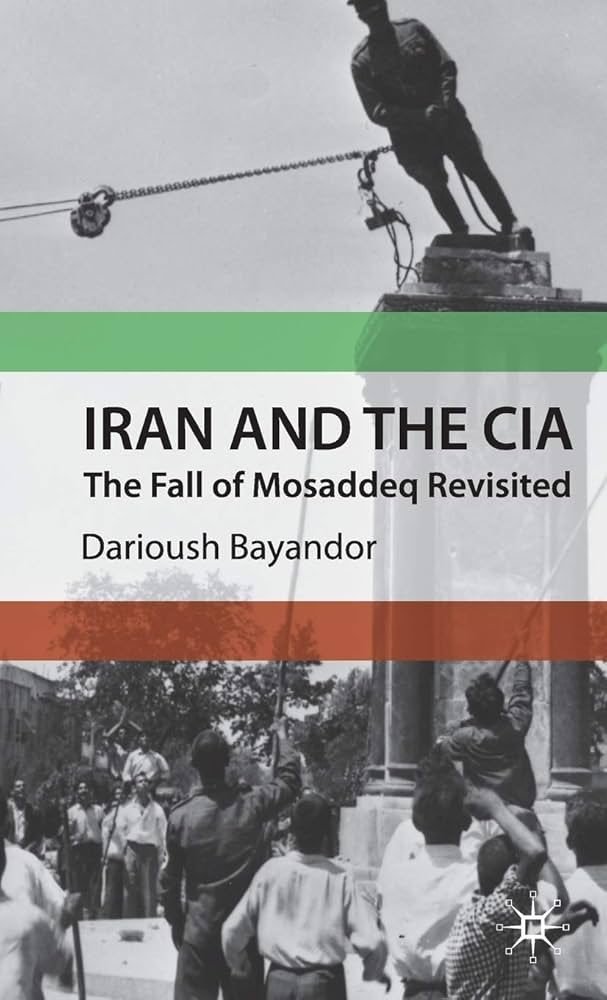
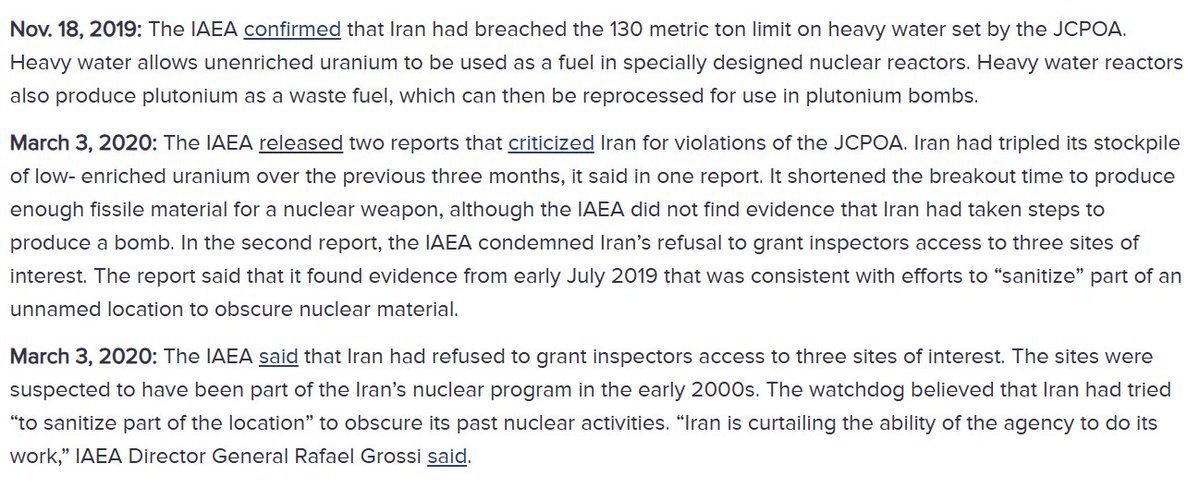
Barns is a tool and wants you to ignore the fact that Iran hid a HEU weapons plant for years. Only being discovered by MI6 informants who gave their lives in the process. Not only that, a former Iranian Parliament speaker admitted to wanting to create a bomb. What is Barns motivation to ignore the facts?
May 3

Newsflash: Iran never had a nuclear weapons program, and has repeatedly agreed to not having it. But the boomer cons can't figure out the difference b/t a civilian nuclear program, protected under the Nuclear Non-Proliferation Treaty & a nuclear weapons program.
1
4
286
Is tech sterilizing us?

1
189
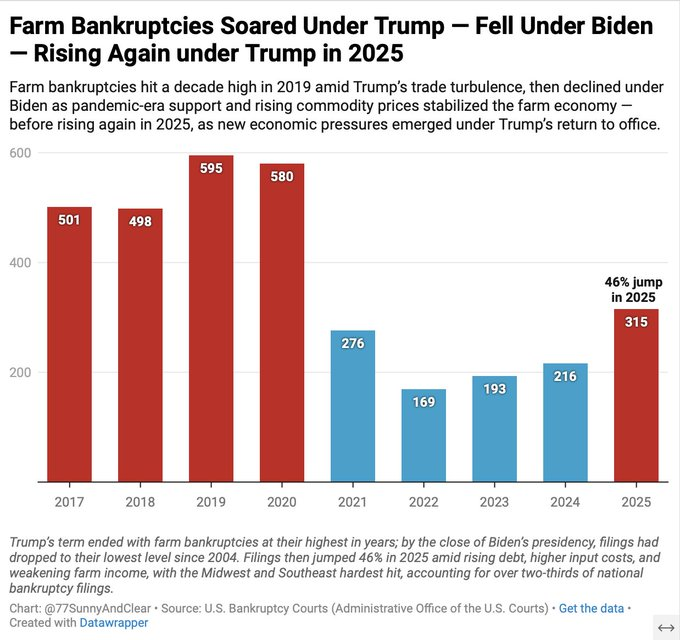
Some farms need to go bankrupt... The government shouldn't be in the business of propping up bad farms. Is America in a food crisis because of these failing farms?

I hated Biden with a PASSION, but the numbers don't lie.
This administration has been an epic failure in every sense of the word.
167
Classical Lib🇺🇸 retweeted

May 2
440
5,616
11,533
2,294,120
Silence Turns Crises Into Catastrophes
I keep coming back to this idea that sometimes disasters aren’t just about what went wrong, but about what people were willing to say out loud when it started going wrong.
Chernobyl is a pretty stark example. The explosion was obviously catastrophic, but what made it worse was the hesitation afterward, the delays, the lack of clear communication, the instinct to contain the story instead of the problem. By the time the truth really started to come out, the damage had already spread well beyond the plant itself.
Fast forward to the early days of COVID in Wuhan, and you see some echoes of that dynamic. There were early warning signs, doctors raising concerns, and then questions about how quickly that information moved and how openly it was shared. I’m not saying these situations are identical, they’re not, but it does make you wonder how much those first days matter when something new and potentially dangerous shows up.
To me, the common thread isn’t nuclear reactors or viruses, it’s human behavior inside systems. When people feel pressure to avoid delivering bad news, or when information gets filtered before it reaches the public, the risk doesn’t go away. It just grows quietly in the background.
And by the time everyone’s forced to confront it, it’s usually a lot bigger than it needed to be.
Feels like the real lesson is simple, even if it’s uncomfortable: being upfront early might be messy or politically costly, but it’s almost always cheaper than dealing with the fallout later.
1
5
741
For the "if we stopped funding" crowd...

Medicare cost ~$1.12 trillion in 2024. Medicaid cost ~$932 billion. Combined: roughly $2.05 trillion per year (latest CMS data).
US direct aid to Ukraine totals ~$127 billion cumulative (mostly since 2022).
US aid to Israel totals over $300 billion inflation-adjusted since 1948 (~$3.8B annually baseline recently).
The combined aid to both is far less than one year of Medicare Medicaid spending.
120
Apr 28
The absolute best podcast regarding the US/Iran theater and anything Middle East.
podcasts.apple.com/sa/podcas…
185
Apr 27
These idiots can't ever answer why Iran would need HEU past 30%.
Apr 27

Iran never had a nuclear weapons program. Obama's deal ended their nuclear program entirely. Israel was desperate for US to get out of that deal, precisely because their nuclear program has always been the FAKE justification for the regime change war they wanted all along.
1
253
Classical Lib🇺🇸 retweeted

For all the edgy conservative bros who have recently realized that Israel is the root of so many problems, congratulations on drinking enough Leftist psyop Kool-Aid to wake up on the same side as AOC and Greta Thunberg.
164
341
2,896
46,183
Apr 18
Misleading historical facts are often used as a weapon. The only defense for that is knowledge.
youtu.be/TappqFcC8bg?si=KHri…
1
481
Apr 16
It's always the same cat-and-mouse game with these pro-Iranian podcast bots. They say "Iran never said they wanted nuclear weapons.".. After showing proof, they ALWAYS pivot to "well, they want them for a deterrent."... YES, exactly, they want to be able to go unchecked with their proxies and holy war. How does this space lack such basic reason and logic?
1
189