2,126 Photos and videos








Critx retweeted

Jun 13
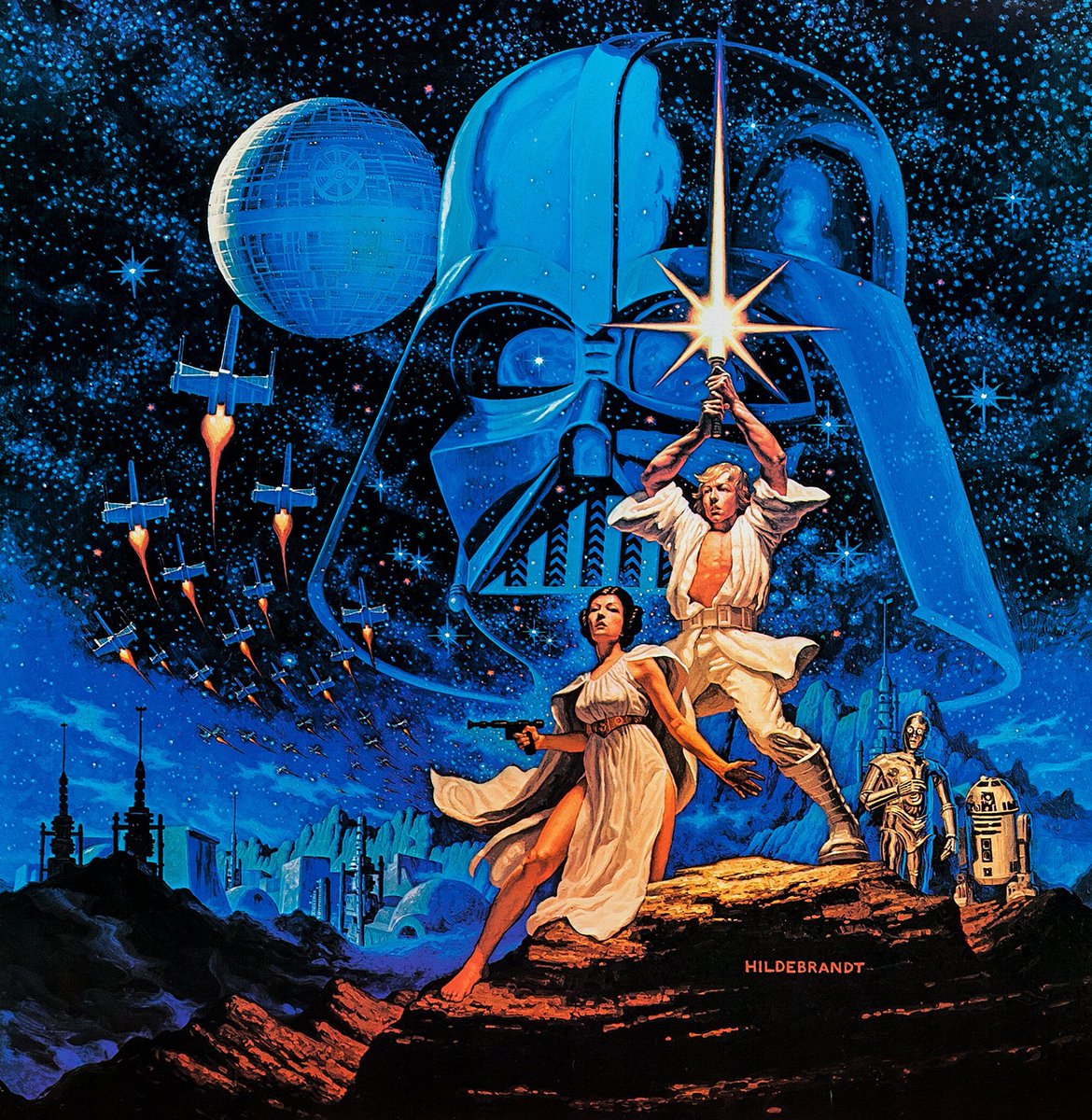
STAR WARS poster art by the Brothers Hildebrandt, 1977.
21
668
7,282
86,050




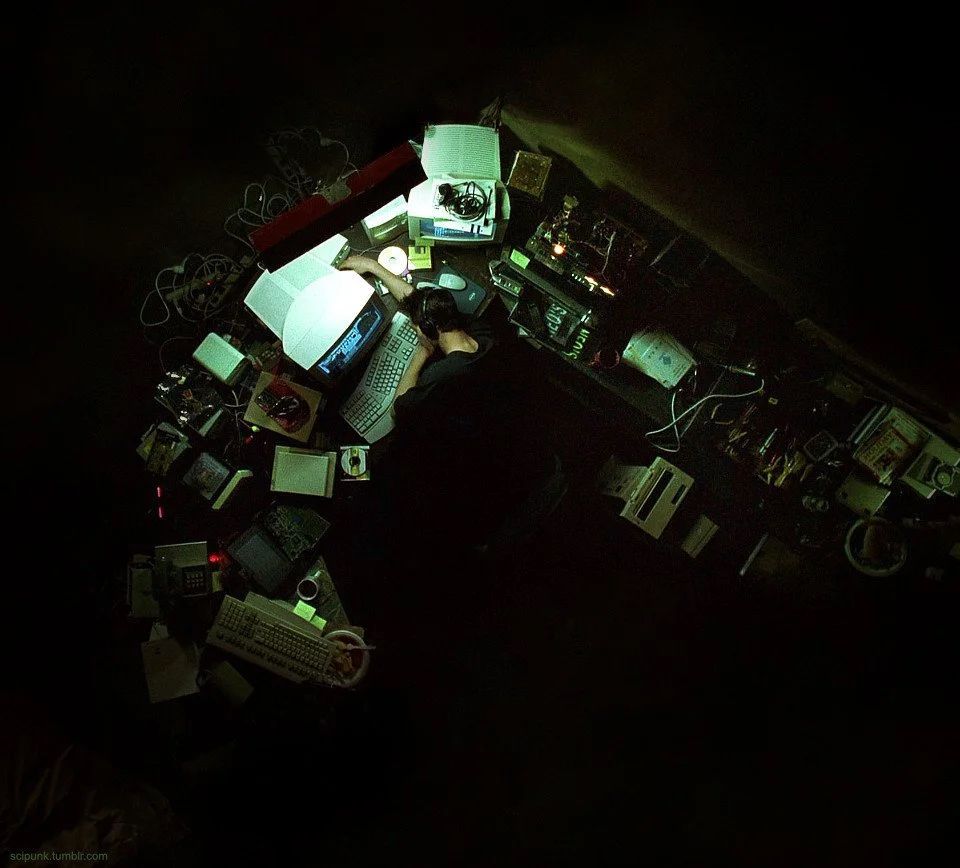
First species to master weaponry inherits the planet
Jun 13

11


I decided to ask Gemini since I know Musk's critics don't trust Grok for whatever reasons.
Asked Google Gemini if Elon Musk was a failure:
"Elon Musk's background is unique because while he has an undergraduate foundation in formal science, his major "feats" are not traditionally academic (such as holding a tenured professorship or publishing a long string of peer-reviewed journal papers).
Instead, his scientific accomplishments lie primarily in applied physics, aerospace engineering, systems engineering, and biotechnology through the companies he leads as Chief Engineer or Tech Lead.
1. Early Life & Formal Education
Dual Bachelor’s Degrees (1997): Musk attended Queen’s University in Canada before transferring to the University of Pennsylvania. He graduated with two degrees:
A Bachelor of Arts (B.A.) in Physics from the College of Arts and Sciences.
A Bachelor of Science (B.S.) in Economics from the Wharton School.
Stanford Ph.D. Admission (1995): He was accepted into a Ph.D. program in Materials Science and Applied Physics at Stanford University. He intended to study advanced energy storage technologies (ultracapacitors) but dropped out after just two days to pursue internet startups during the dot-com boom.
2. Peer-Reviewed Publications & Technical Papers
Musk has authored and co-authored several highly cited papers and technical proposals, bridging the gap between industry whitepapers and academic publishing:
Neuralink Whitepaper (2019): Published in the Journal of Medical Internet Research, Musk authored "An integrated brain-machine interface platform with thousands of channels." It detailed Neuralink's development of flexible, polymer-based electrode "threads" and a robotic insertion system to interface directly with the brain's cortex.
The Hyperloop Alpha (2013): Musk published a 57-page open-source vactrain conceptual design. The paper utilized fluid mechanics and thermodynamics principles to propose a low-pressure tube system utilizing a compressor fan and air bearings to transport pods at near-supersonic speeds.
Space Exploration Whitepapers (2017/2018): Published in the journal New Space, he authored "Making Humans a Multi-Planetary Species" and "Making Life Multi-Planetary," which laid out the architectural, thermodynamic, and mechanical calculations required for the Starship vehicle.
3. Engineering & Scientific Feats (Industry/Applied)
As the designated Chief Engineer of SpaceX and Product Architect of Tesla, Musk has directed engineering teams to solve problems that were previously thought to be industrially or scientifically unfeasible.
Aerospace & Rocketry (SpaceX)
Vertical Takeoff and Vertical Landing (VTVL): Perfected the orbital-class first-stage rocket recovery. This required overcoming intense aerodynamic, thermal, and fluid dynamics hurdles to retropropulsively guide a Falcon 9 booster back to Earth.
The Merlin & Raptor Engines: Overseeing the design of the Raptor engine, a full-flow staged combustion cycle engine powered by liquid methane and liquid oxygen. This cycle is incredibly complex because it maximizes efficiency by burning all propellants in pre-burners before entering the main combustion chamber—a feat never mass-produced before SpaceX.
Autogenous Pressurization: Eliminating the need for separate helium gas systems in Starship by using gaseous variants of the main propellants to keep the fuel tanks pressurized.
Automotive & Energy (Tesla)
Lithium-ion Battery Scaling: Championed the structural integration of cylindrical lithium-ion battery cells into electric vehicles (EVs), scaling the chemistry from early 18650 cells up to custom 4680 cells, focusing on optimizing energy density, thermal dissipation, and structural integrity.
Gigacasting (Large-Scale Die Casting): Pioneered the use of massive high-pressure die casting machines ("Giga Presses") to cast single, massive aluminum body pieces for vehicles, completely reshaping modern automotive manufacturing metallurgy and structural design.
Biotechnology & Neural Interfaces (Neuralink)
High-Bandwidth BMI: Directed the development of the N1 Implant, a fully implantable, cosmetically invisible brain-computer interface (BCI) utilizing 1,024 electrodes distributed across 64 threads, which has successfully transitioned to human clinical trials.
4. Academic Honors & Institutional Recognition
Despite working in the private sector, his technical contributions have earned him recognition from elite scientific and engineering bodies:
National Academy of Engineering (2022): Elected as a member—one of the highest professional distinctions accorded to an engineer—specifically cited "for breakthroughs in the design, engineering, manufacturing, and operation of reusable launch vehicles and sustainable energy and storage systems."
Fellow of the Royal Society (2018): Elected to the prestigious UK scientific academy (FRS) for his exceptional contributions to science and engineering.
Von Braun Award (2018): Awarded by the National Space Society for excellence in space program management and aerospace engineering."
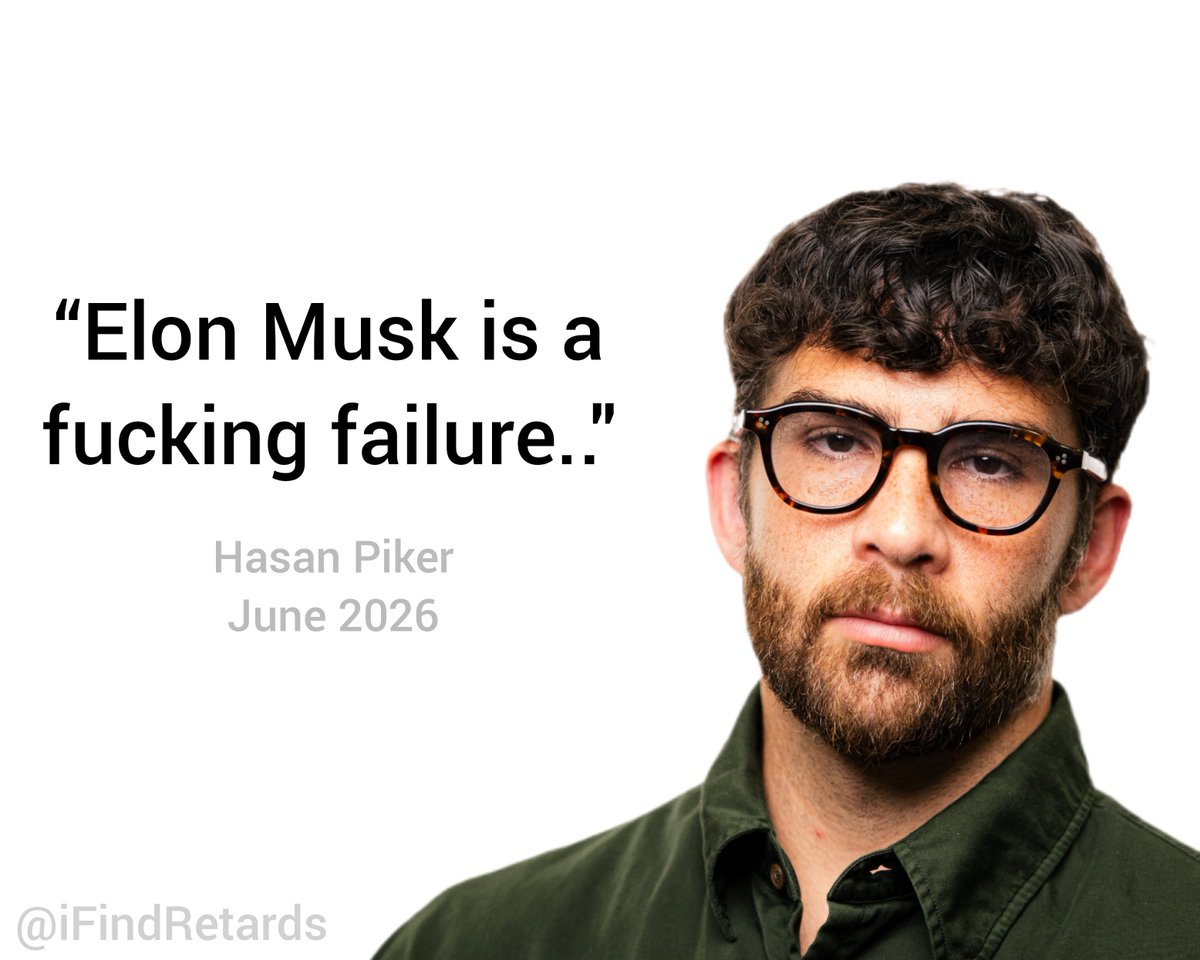
Envy is acid on the soul.

1
85



Critx retweeted

Jun 13
you don't get this far without making a few enemies
128
544
4,300
81,909


☣️
Jun 12

In 2022 Jen Psaki was asked about claims that we were operating biolabs in Ukraine. She denied the existence of "bioweapons" programs and then called the whole thing Russian disinformation.
37
D̶̖̈̀̍̾̔̈́͗͘͘͝r̸̯̭̺̬̯̱̳̭͎͛͒̐ȋ̷̻̦̼͔̗̄ǹ̸̼̊͋̄̔k̸̢̈́̌͒͂̓̓ ̵̺̱̲͓͚̀̈́̃̀̾̚ȁ̸̛̛̲̣͉̮̳ ̵̬̯͇̟̱̔̀̂͑͊̒̏̄̚͠Ḅ̸̟͊͒i̷̼̠̗͛t̵͉̖̘̺̮̽̇̉̇̎̒̃͝͝ḙ̴̀͑̂͊͐̏͆́ ̸̗̪́́̍́̈́̚t̸͎̮͖̠̏͒̏̔̈́͐̊̓̎ṏ̷̥͉̫̖͇̪̪́̑̉ ̴̣͚̠͙̝̳͙̭͉̏̎̅̋͂̇͐̕E̶̹̾̿̋̏â̷̤̫͖̯̌͜t̷̳̐͌̈́͒̍̿͋ ̴̧͒͂̈̓̂̓a̷̯͂̂̂t̵̛̤͉͈͙̗͈͙̤͔̑ ̸̨͎͎͕̠̬̦̦̿̅̇̇̑̾1̵͓̲͙̜̪͚͕̃̑̉͒͛̉͋͑̑0̸̧̯͕̤̄͒̕,̵̯̟̟͍̖̋̏͘͠ ̸̢̧̡̳͇͚͈̟͍̈2̷͕͕͇̤̹͈̯̼̽̄̋̉̕͘ͅ,̴̲̖̭̥̮͘ ̸̛̟̠̼̝͖̭̻̖̍͠a̷̞̿̋͊͐̆͂̈n̵͔͓̻̭̣̘̥̺͚̈̉̌̓͋̇̈́́̽d̴͖̝̣͕̤͕̘̲͗͜ͅ ̴̙̹̘̏̎͌̌̀͠͝4̶̢̞̖̼̰͉͙̜̉̌̿̌̿ͅ

Love it when you open the can and it goes K̴̜͍͌̈́̽̿͋̀͌͋͑̒̀͠ş̷̛͓͚̭̥̣̝̘͓͇͉̺͈͓͚̓͂̾͐̓s̸̨̻̤͔̫̭̬̤͈̩͉̉̊̈́̓͜ͅs̸̡̖̲̦̹̥̳͉͕̘̊̉́̀̈́̅̊̕s̴̨̘̞̫̹̪̟̳̜̟̖͇͆̀͗̀̀̿͜h̸̨̡̻͓̤̯̭̥̪̔͛̊̑͛͜͠h̴̬̫̬̻̯̯̱͙͙̫͔̙̖͚̯̗̟̏̓̌̅̅̇͋̆͑͋ţ̵͖̳͍͖̥̽̈́̇͛̌̚!̶̞̻̙̒̊̉͋̍͐͒̀̑͊̒͘
48
Critx retweeted

Jun 11
🚨: You’re 400 million times closer in size to the observable universe than to the Planck length.
Let that sink in.
183
1,269
7,307
764,803
Critx retweeted

Jun 10
When your government tells you; "we're all in the same boat!"
906
51,945
230,667
4,830,893
Critx retweeted

Jun 10
人類史上初めて宇宙探査機が太陽コロナに突入し窓の外に見えるプラズマを撮影した様子
53
295
3,016
433,274