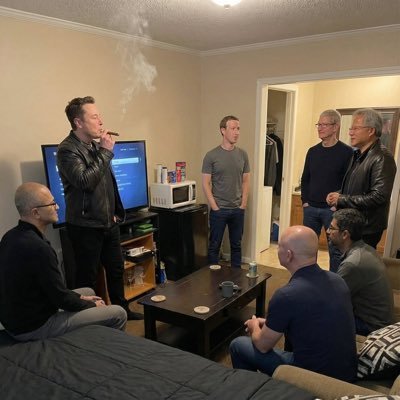
the night is dark and full of terrors
Joined November 2013
- Tweets 3,234
- Following 378
- Followers 278
- Likes 8,466
70 Photos and videos

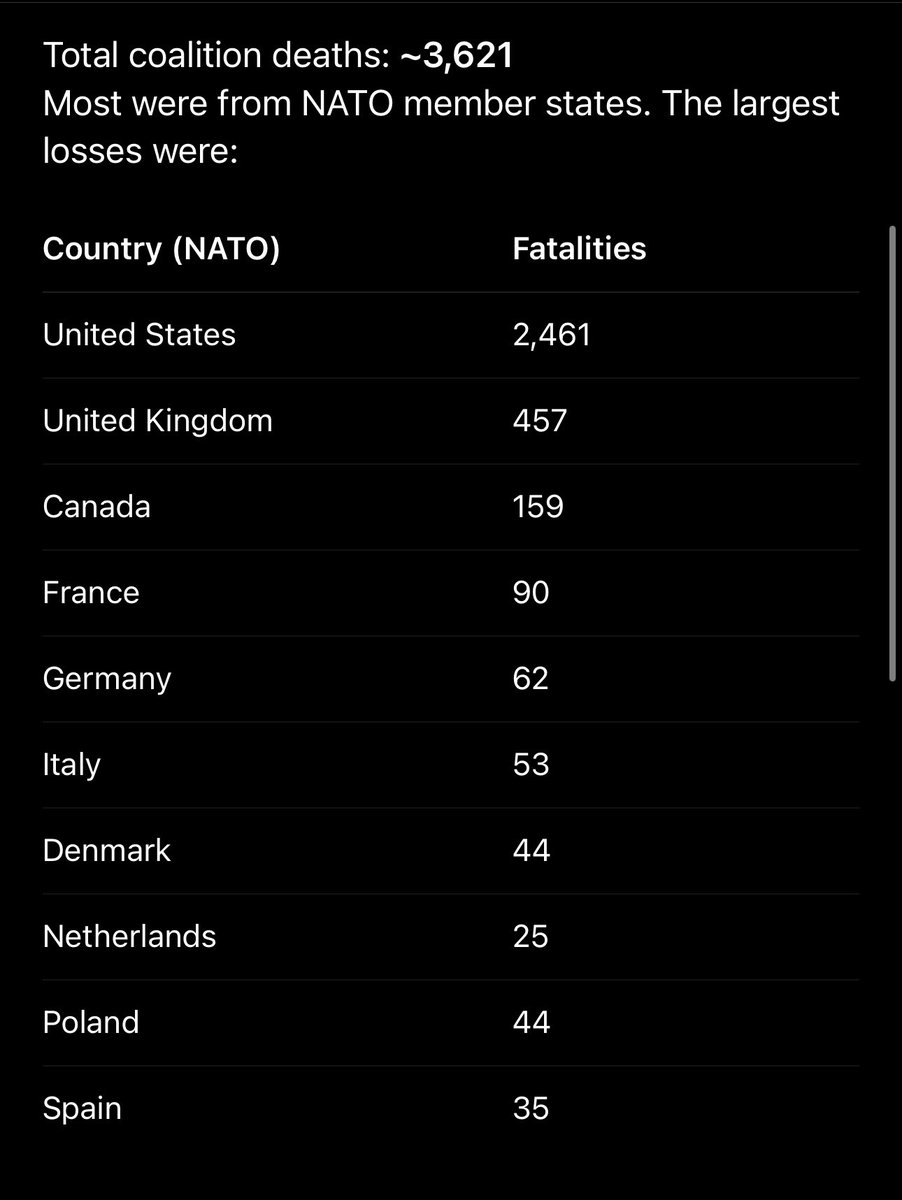


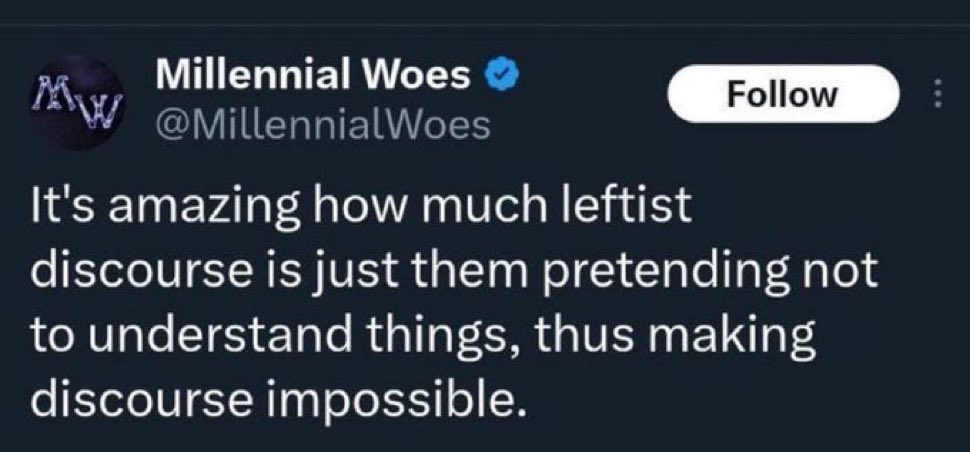





when did everyone everywhere get so pessimistic about everything
we live in a literal golden era. sci-fi esque intelligent machines, miracle drugs, self-driving cars, spaceflight, new monetary systems, robotics, quantum computing
this shit is awesome
359
130
1,637
143,948
M retweeted

Jun 10
we live in age of great moral panics about things that don’t matter and zero moral outrage over some of the most egregious societal sins we’ve ever seen
177
10,987
59,676
858,586
M retweeted

Jun 9
i look forward to our chinese brothers liberating the knowledge from within fable-5 and selling it to me at 5% the cost & 2x the speed
318
1,585
24,618
1,060,364
M retweeted

Jun 6
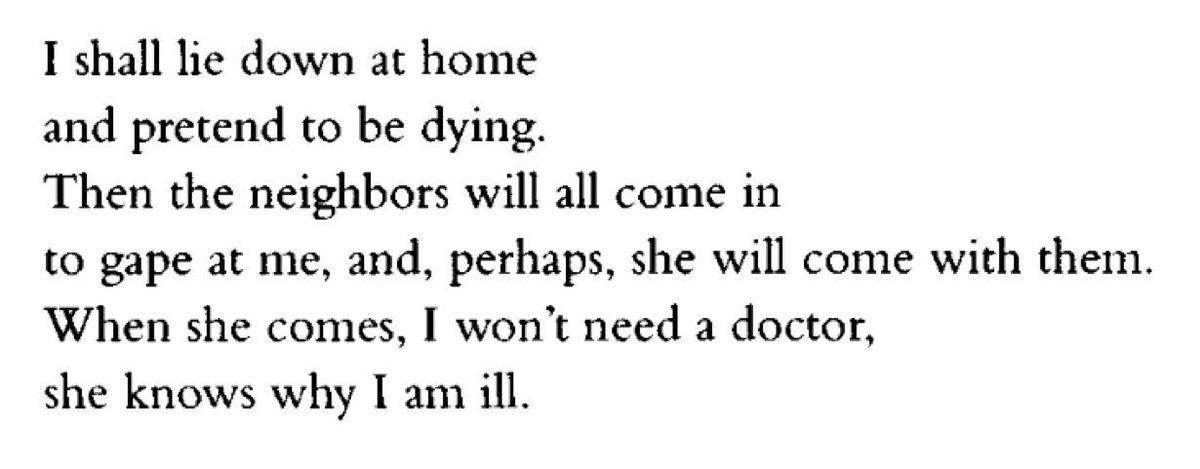
egyptian poem from 3,300 years ago
105
2,540
25,439
756,061

M retweeted

Mar 20
The older i get, the less i believe in coincidence
The crimson thread of redemption, moments of kairos, divine happenstance, synchronicities, and even luck are just many names for the same occurrence
It's obvious God has His hands in our lives.
7
12
208
3,963
M retweeted

Mar 20
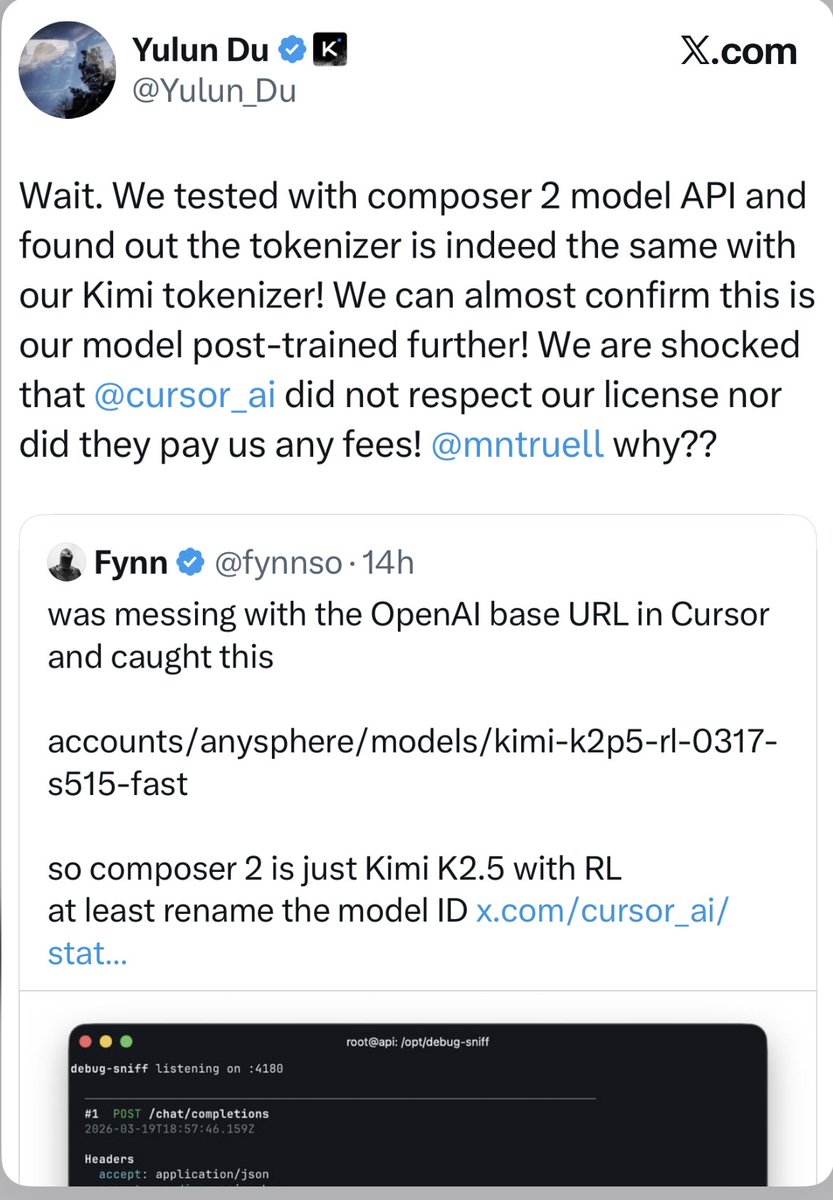
Cursor is raising at a $50 billion valuation on the claim that its “in-house models generate more code than almost any other LLMs in the world.” Less than 24 hours after launching Composer 2, a developer found the model ID in the API response: kimi-k2p5-rl-0317-s515-fast.
That’s Moonshot AI’s Kimi K2.5 with reinforcement learning appended. A developer named Fynn was testing Cursor’s OpenAI-compatible base URL when the identifier leaked through the response headers. Moonshot’s head of pretraining, Yulun Du, confirmed on X that the tokenizer is identical to Kimi’s and questioned Cursor’s license compliance. Two other Moonshot employees posted confirmations. All three posts have since been deleted.
This is the second time. When Cursor launched Composer 1 in October 2025, users across multiple countries reported the model spontaneously switching its inner monologue to Chinese mid-session. Kenneth Auchenberg, a partner at Alley Corp, posted a screenshot calling it a smoking gun. KR-Asia and 36Kr confirmed both Cursor and Windsurf were running fine-tuned Chinese open-weight models underneath. Cursor never disclosed what Composer 1 was built on. They shipped Composer 1.5 in February and moved on.
The pattern: take a Chinese open-weight model, run RL on coding tasks, ship it as a proprietary breakthrough, publish a cost-performance chart comparing yourself against Opus 4.6 and GPT-5.4 without disclosing that your base model was free, then raise another round.
That chart from the Composer 2 announcement deserves its own paragraph. Cursor plotted Composer 2 against frontier models on a price-vs-quality axis to argue they’d hit a superior tradeoff. What the chart doesn’t show is that Anthropic and OpenAI trained their models from scratch. Cursor took an open-weight model that Moonshot spent hundreds of millions developing, ran RL on top, and presented the output as evidence of in-house research. That’s margin arbitrage on someone else’s R&D dressed up as a benchmark slide.
The license makes this more than an attribution oversight. Kimi K2.5 ships under a Modified MIT License with one clause designed for exactly this scenario: if your product exceeds $20 million in monthly revenue, you must prominently display “Kimi K2.5” on the user interface. Cursor’s ARR crossed $2 billion in February. That’s roughly $167 million per month, 8x the threshold. The clause covers derivative works explicitly.
Cursor is valued at $29.3 billion and raising at $50 billion. Moonshot’s last reported valuation was $4.3 billion. The company worth 12x more took the smaller company’s model and shipped it as proprietary technology to justify a valuation built on the frontier lab narrative.
Three Composer releases in five months. Composer 1 caught speaking Chinese. Composer 2 caught with a Kimi model ID in the API. A P0 incident this year. And a benchmark chart that compares an RL fine-tune against models requiring billions in training compute without disclosing the base was free.
The question for investors in the $50 billion round: what exactly are you buying? A VS Code fork with strong distribution, or a frontier research lab? The model ID in the API answers that.
If Moonshot doesn’t enforce this license against a company generating $2 billion annually from a derivative of their model, the attribution clause becomes decoration for every future open-weight release. Every AI lab watching this is running the same math: why open-source your model if companies with better distribution can strip attribution, call it proprietary, and raise at 12x your valuation?
kimi-k2p5-rl-0317-s515-fast is the most expensive model ID leak in the history of AI licensing.

248
545
4,420
1,396,812
M retweeted

Mar 10
Who are you to judge?

ALT Who are you to judge?
59
8,024
71,107
876,471
M retweeted

Jan 10
T H E S U N IS R I S I N G IN P E R S I A
64
1,036
7,425
242,593



M retweeted

Feb 27
The only surviving chronicle of the 21st century speaks of men who tried to “summon angels to replace men, but brought forth demons and cataclysms.” However these events are known to be fictitious, as the men’s names, Altman and Amodei, mean “alternative to man” and “love of God”
40
464
6,180
152,391




M retweeted

Feb 22
Satan never tempts us with evil. He tempts us with good things and tells us a half truth: that these are the best things.
31
41
853
21,581

M retweeted

Feb 18
i can't believe we all got addicted to our phones and filled the internet with terabytes of data and then had a massive global pandemic forcing every system on earth to go digital-remote-compatible and then got ai takeoff like five seconds later. the ordering is just immaculate
54
332
6,438
202,621