Freemasonry for Women: Friendship, Inspiration and Empowerment.
Joined August 2012
- Tweets 1,270
- Following 1,052
- Followers 2,753
- Likes 403
51 Photos and videos




HFAF retweeted

Mar 16
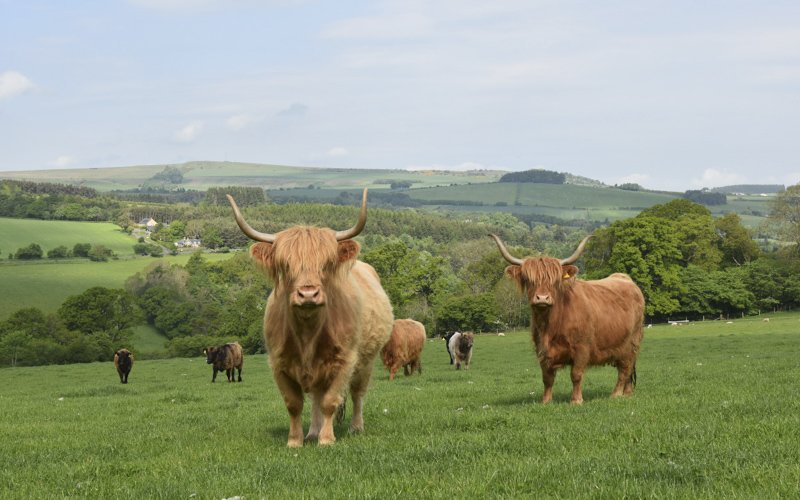
Somewhere in the last seventy years, the conversation got inverted.
The ruminant that builds soil, sequesters carbon, requires no inputs, and produces complete nutrition from inedible grass became the environmental villain.
The monoculture system that destroys topsoil at ten times the replenishment rate, creates marine dead zones, collapses pollinator populations, and requires fossil fuels at every stage of production became the sustainable alternative.
The animal fat that delivered fat-soluble vitamins and stabilised cooking became the heart disease risk.
The industrial seed oil extracted with petrochemical solvents became the healthy option.
The traditional fermented and preserved foods that required no factory became the primitive choice.
The ultra-processed food engineered in a laboratory to approximate the taste of the thing it replaced became the modern, ethical choice.
At every step, the thing that worked, that had worked, for millennia, without a supply chain, was reframed as the problem.
At every step, the replacement required a factory, created dependency, and generated ongoing revenue.
The inversion was not accidental.
The inversion was the business model.
The cow is still in the field.
The field is still there.
The question is whether enough people notice before the topsoil runs out.
35
627
1,955
14,462
HFAF retweeted
Mar 5
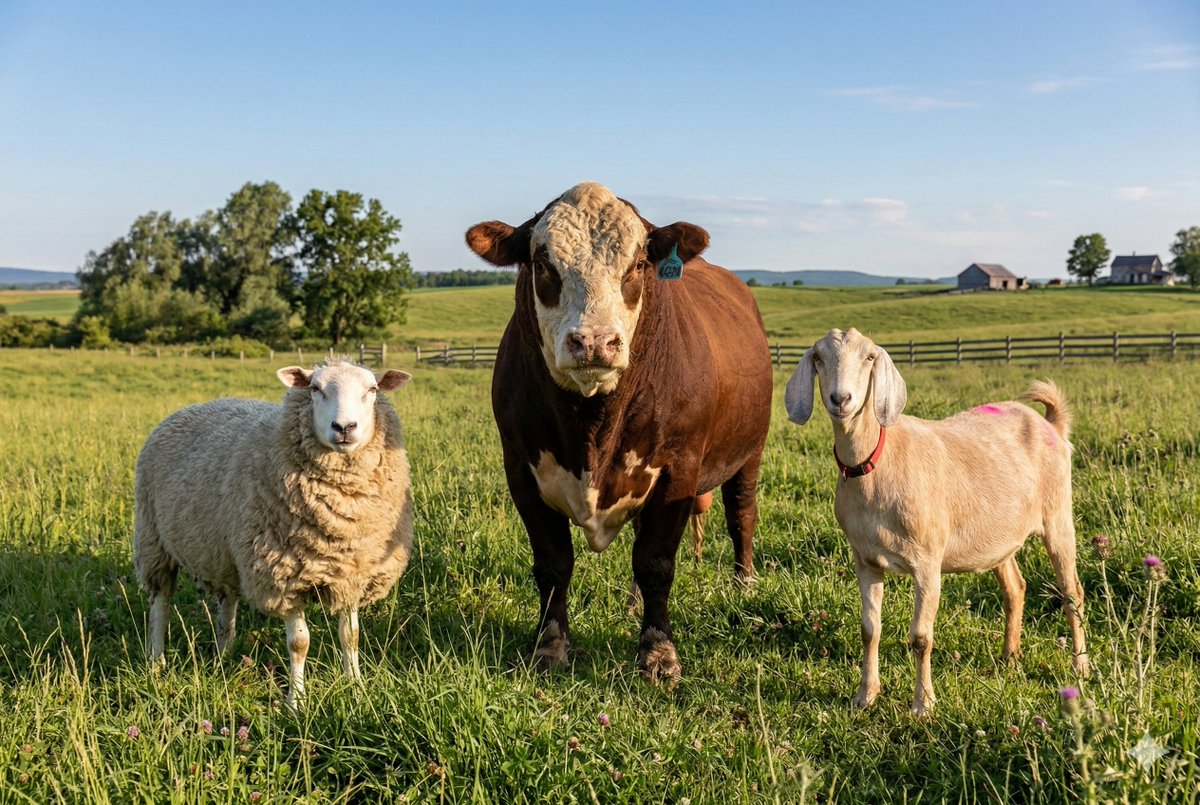
Marvel has the Avengers.
DC has the Justice League.
We have Gerald, Keith, and Doris.
Three farm animals, each maintaining their respective ecosystems in the specific way that only their species can, connected by the shared experience of being told they are the problem by people who have never been outside.
Gerald cannot fly.
Keith can get through any fence in Britain.
Doris got cast in a dip and walked away with such dignity that the dip hasn't been mentioned since.
Their powers are: rumination, persistence, and the particular stoicism of animals that have been doing exactly the right thing for thousands of years and don't need your opinion about it to continue.
The cinematic universe begins now.
You're not ready.
275
1,696
10,010
311,538
HFAF retweeted
Mar 5
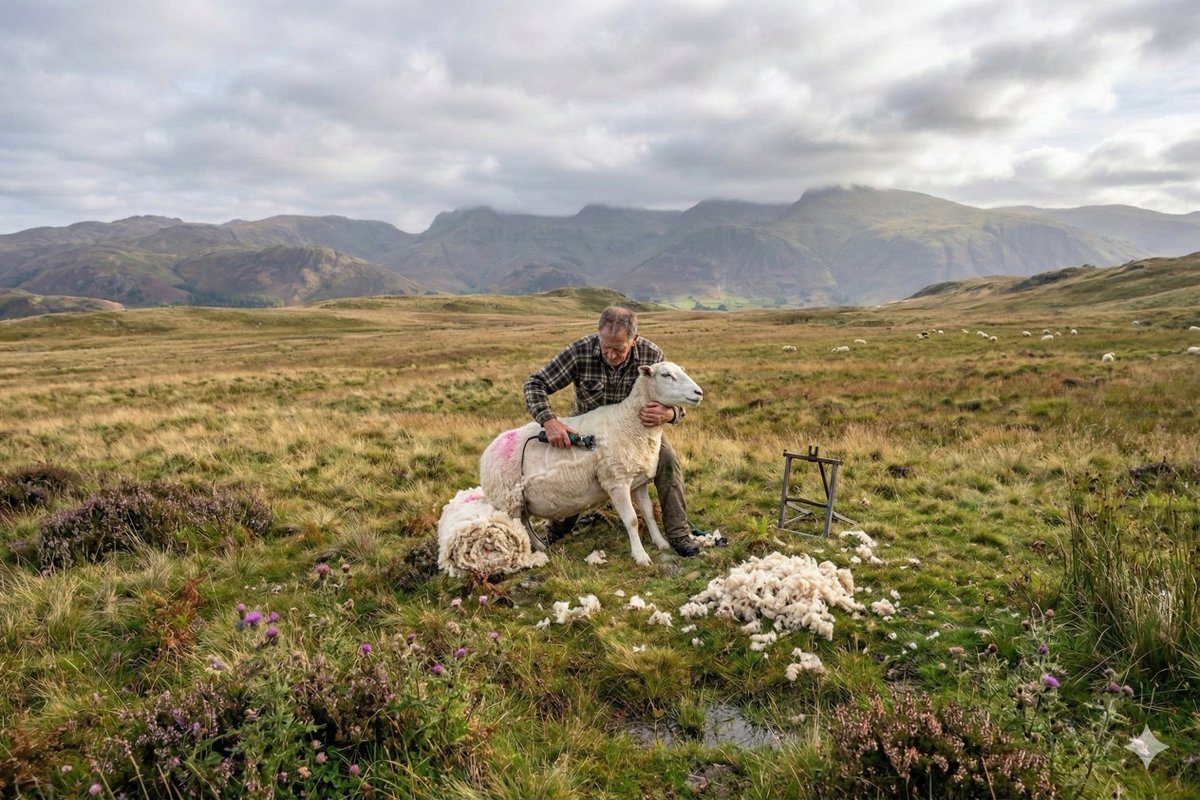
Doris shears approximately 3-4kg of wool per year.
Doris does not experience this as a political statement.
Doris experiences it as relief.
The shearer arrives. The shearer shears. Doris stands with the specific stillness of an animal that has done this many times and has concluded it ends well.
The wool leaves the farm. It goes to a mill in Yorkshire that has been processing British wool since 1887. It becomes yarn, then fabric, then a garment that will last twenty years if treated with basic competence.
The polyester fleece on the chair opposite requires petroleum, a cracking facility, a polymer production plant, a spinning mill, and produces microplastics every time it is washed that end up in the water table and eventually the food supply.
Doris requires grass, rain, and the shearer once a year.
We have banned the import of new petrol cars by 2030.
We have not reconsidered our relationship with polyester.
Doris is available. Doris has been available for approximately four thousand years.
Doris will be in the field.
Waiting.
283
2,585
13,093
138,646
HFAF retweeted

17 Dec 2025
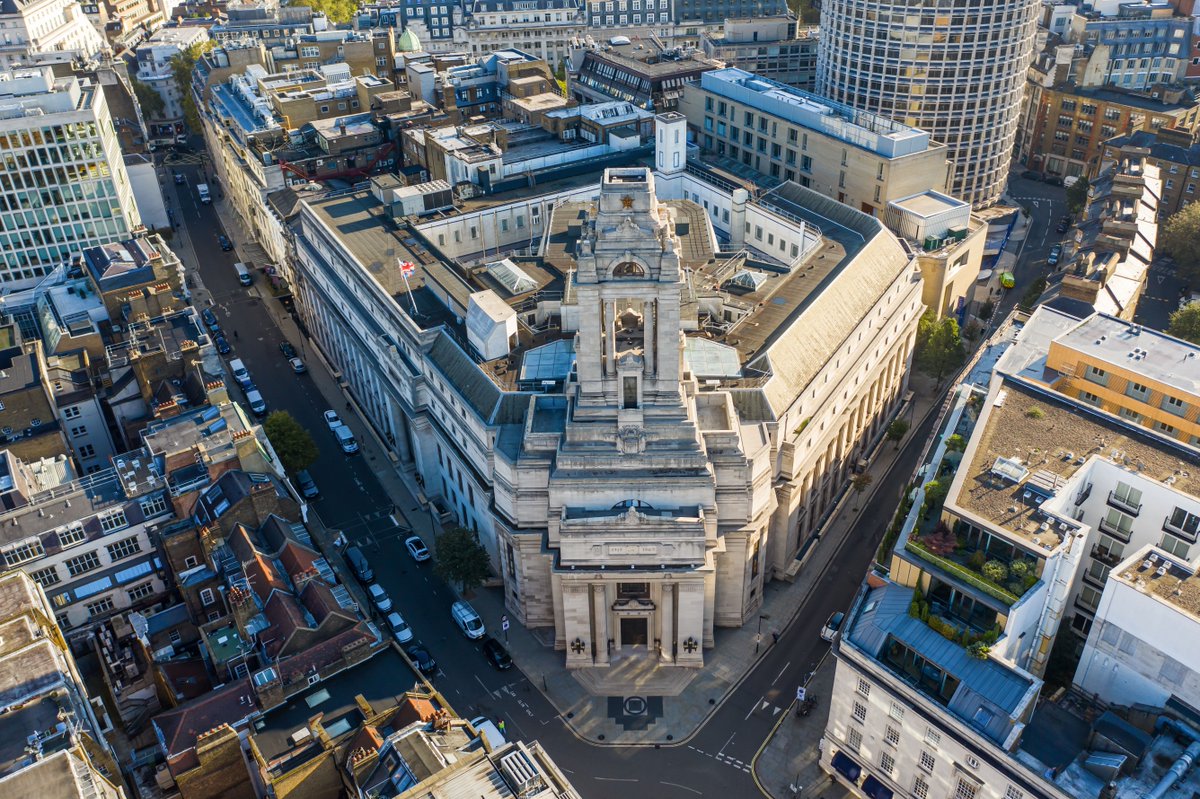
The United Grand Lodge of England, together with the @OrderWomen and @_HFAF_ have decided to launch legal action in response to what we believe is an unlawful, discriminatory, and unfair decision by the Metropolitan Police to designate Freemasonry as a declarable association.
View our full statement:
ugle.org.uk/about-us/media-c…
#Freemasons
43
73
301
17,167
HFAF retweeted
3 Jul 2025
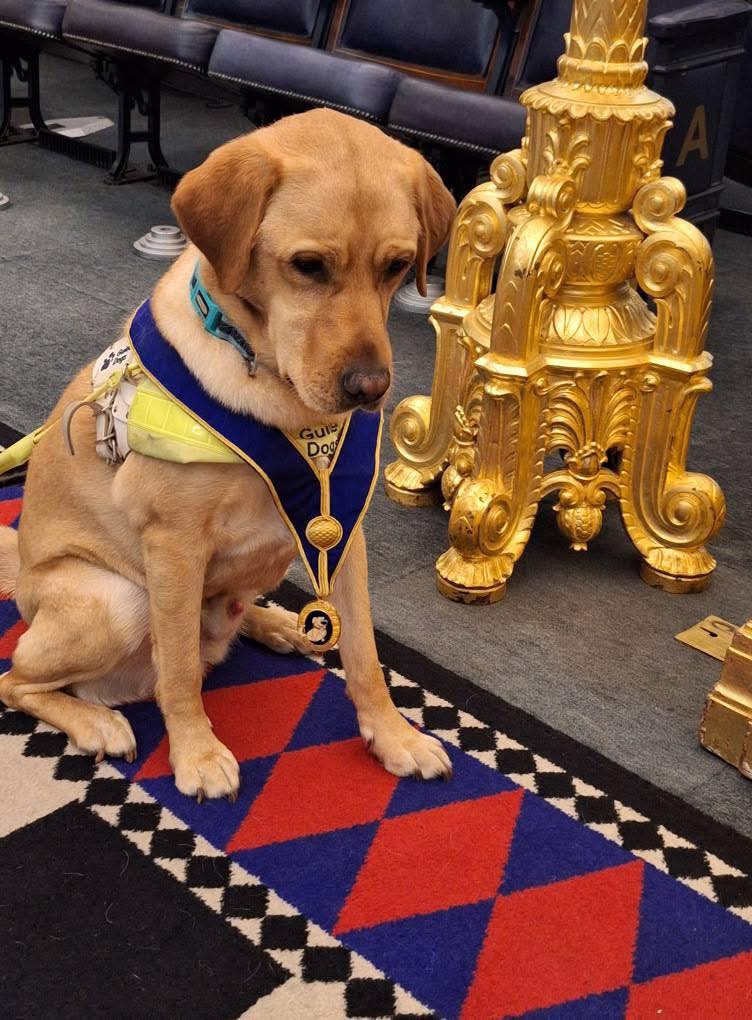
Woof-shipful Master 🐶
We love this photo taken at the Hampshire & Isle of Wight Provincial Meeting of Morgan the Guide Dog receiving the rank of PPGD (Past Provincial Guide Dog)🎖️
Photo 📸: Graeme Smith
#Freemasons
15
62
372
10,726
HFAF retweeted

5 Jul 2025
How does the concept of duality in science parallel the balance between reason and emotion in Masonic teachings? #ScientificDuality #ReasonAndEmotion #MasonicTeachings
3
7
467
HFAF retweeted
29 Jun 2024
In a historic move to dispel misconceptions, we are announcing the creation of the Council for #Freemasonry! 🤝
This new Council aims to enhance collaboration between UGLE, OWF, and HFAF and marks a pivotal step towards addressing misconceptions.
🔗ugle.org.uk/about-us/council…

6
73
176
23,858

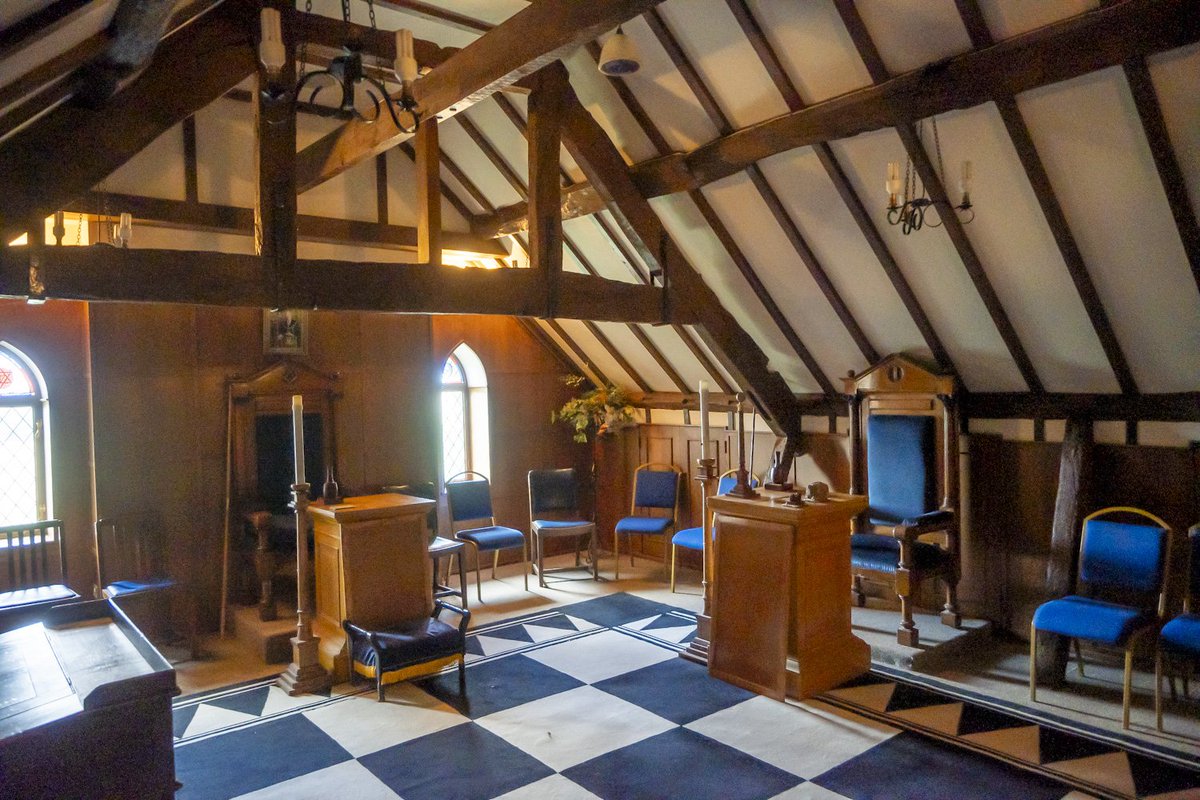
Visiting the lodgerooms at Guys Cliffe in Warwick today. And love this second little lodgeroom in the attic. #Freemasonry #Warwick #Warwickshire
2
4
19
1,407
HFAF retweeted
8 Mar 2023
Happy International Women's Day! 🔈
To celebrate International Women's Day, UGLE looked into women Freemasonry with the help of Freemasonry for Women 🤝
Full story here 👇
ugle.org.uk/discover-freemas…
@_HFAF_ @OrderWomen
#Freemasons #WomenFreemasons #InternationalWomensDay
2
22
64
4,763
HFAF retweeted

31 Jan 2023
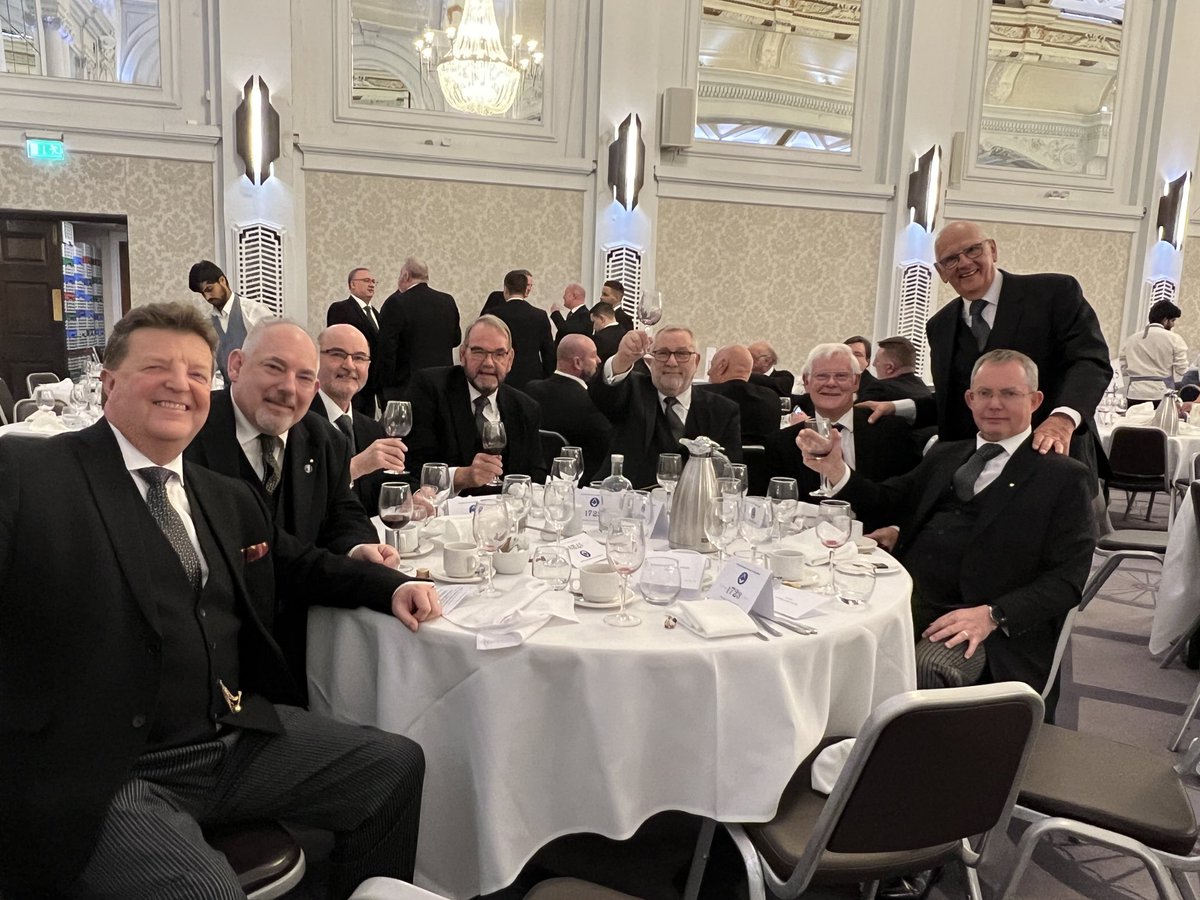
The @WarksFreemasons table at the lunch following the Especial meeting of @UGLE_GrandLodge celebrating the tercentenary of the publication of the World changing Anderson Constitutions in 1723. Some dining elsewhere, Warks was well represented. #inventingthefuture
2
6
48
2,603
HFAF retweeted

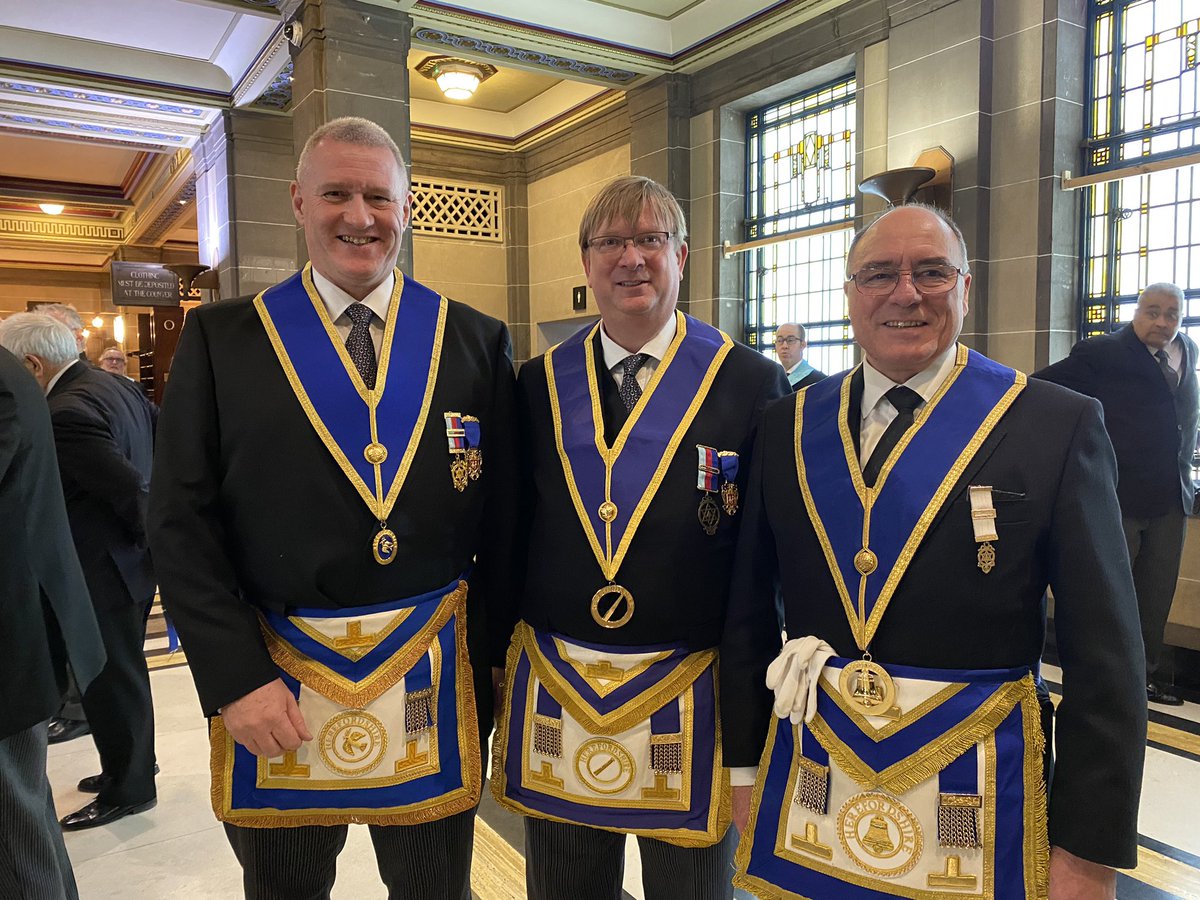
Brethren, thank you for your support. It was a wonderful turnout from our Province and delighted that we all able to dine together afterwards. Hope your journeys home the “The Shire” were trouble free and looking forward to being in your company again soon.
31 Jan 2023

What an absolutely fantastic day for Herefordshire masons visiting @UGLE_GrandLodge to witness the especial meeting for the tercentenary of the #1723 constitutions. Absolutely delighted to have been in attendance! @DGLBMason @GrahamCKing1 @UGLE_GrandLodge @hfdslightblues
3
20
1,860
HFAF retweeted

20 Dec 2022
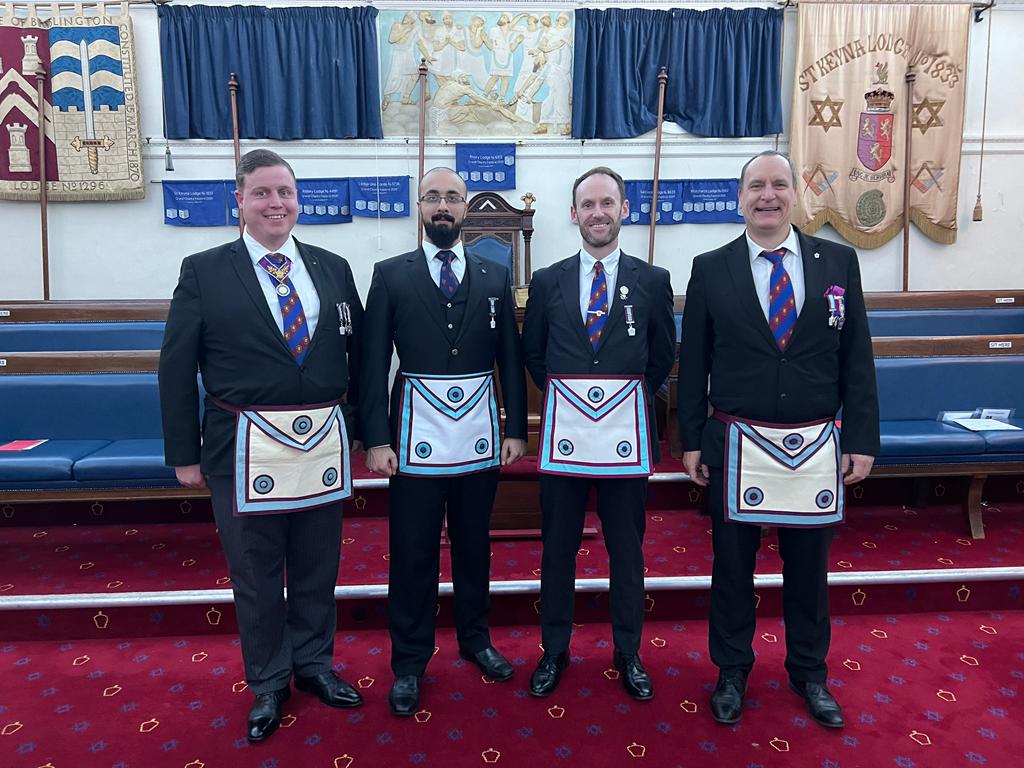
Congratulations Shay! @SomersetMasons
19 Dec 2022

Very fortunate to be Advanced into Carnarvon Mark Lodge tonight, accompanied by my brother's from @TheAdairClub #Freemasons #MarkMasterMason
1
2
15
1,659

HFAF retweeted

2 Oct 2022
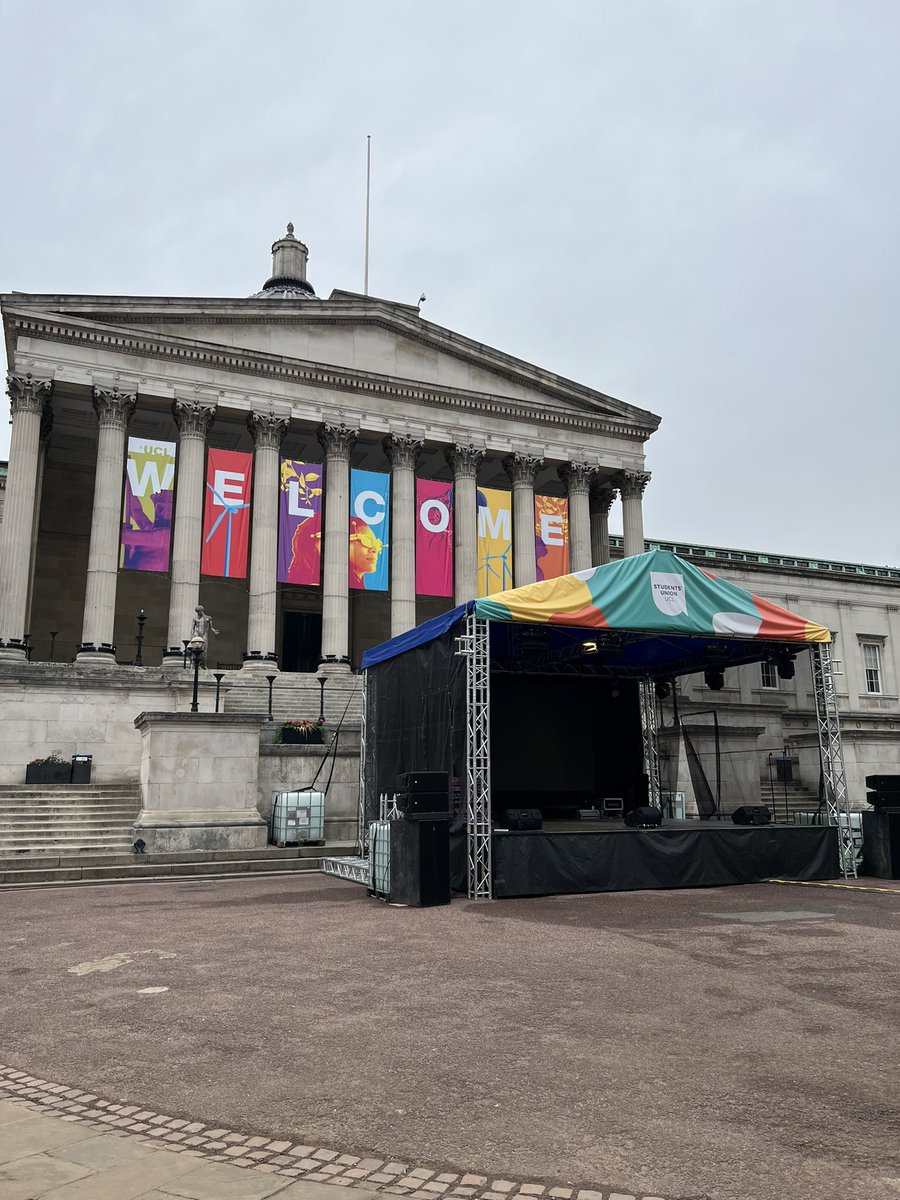
Firmly in enemy territory today…but happy to put my university rivalries aside to promote @UGLE_GrandLodge @UGLE_UniScheme @LondonMasons at the @ucl Welcome Fair alongside @_HFAF_ #Freemasonry #UCL

2
11
HFAF retweeted
13 Sep 2022
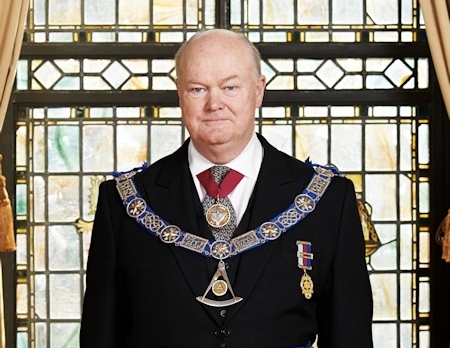
Today we acknowledge the final day of ProGM Peter Lowndes's term
We all want to thank him for his guidance and his service to the Fraternity for the last 50 years!
To learn more about his Masonic career, read here: bit.ly/2JuAGSp
#QC2022 #QuarterlyCommunications
10
44
255
HFAF retweeted

14 Sep 2022
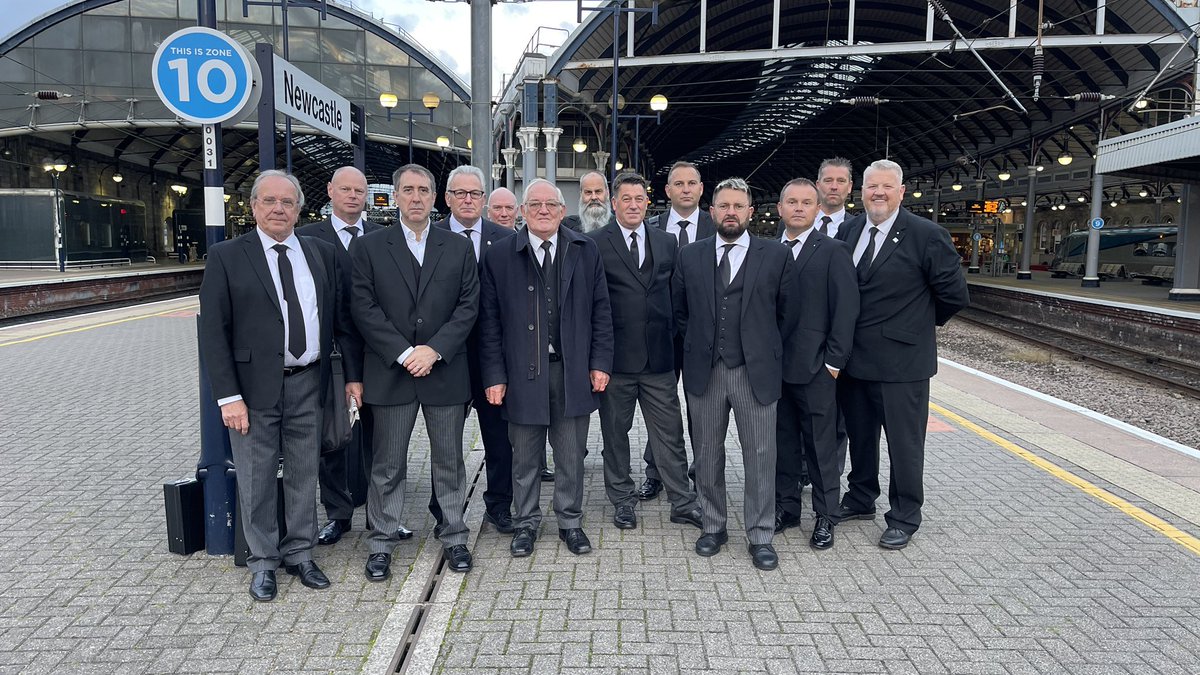
Brethren from @ProvincialGLN heading to @UGLE_GrandLodge for the investiture of the Pro Grand Master.
4
8
65
HFAF retweeted

8 Aug 2022
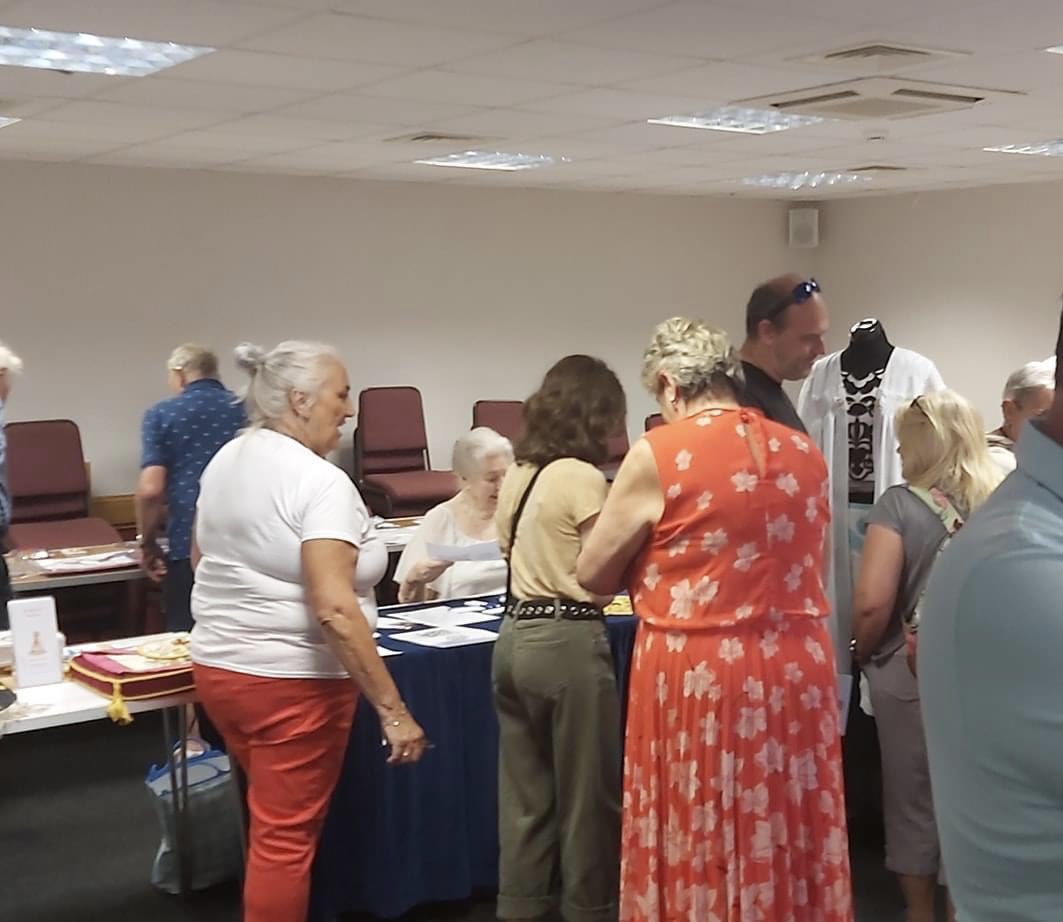
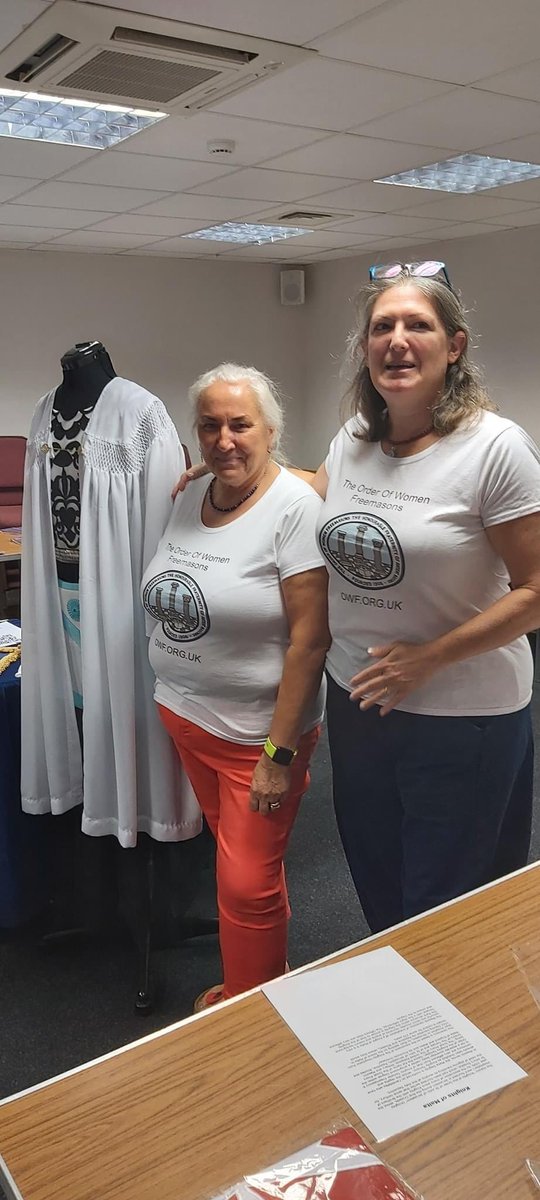
Our ladies were kept busy with a lot of interest in women’s freemasonry at Margate Masonic Centre’s open day. A big thanks to the UGLE lodges for inviting us! @OrderWomen @UGLE_GrandLodge #freemasonry
2
8
59
HFAF retweeted

10 Jul 2022

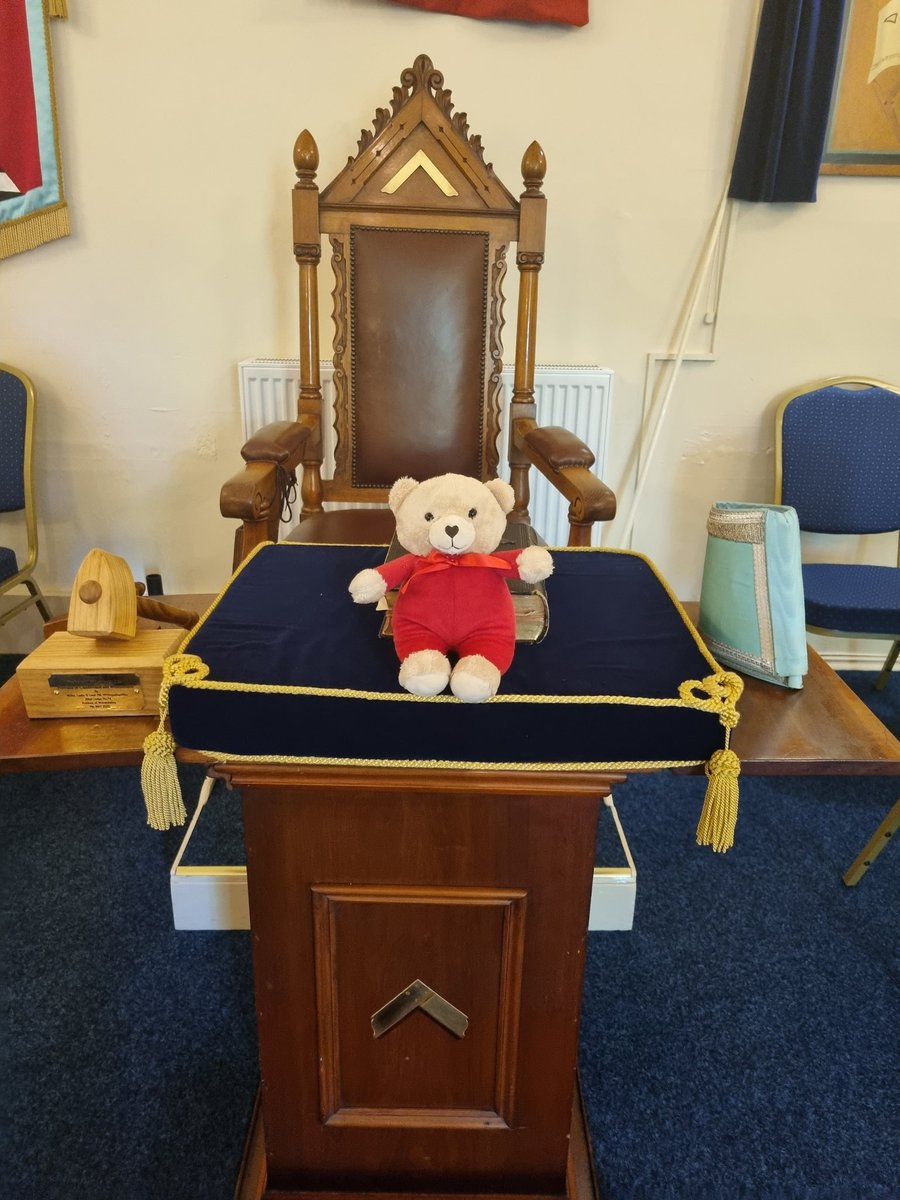
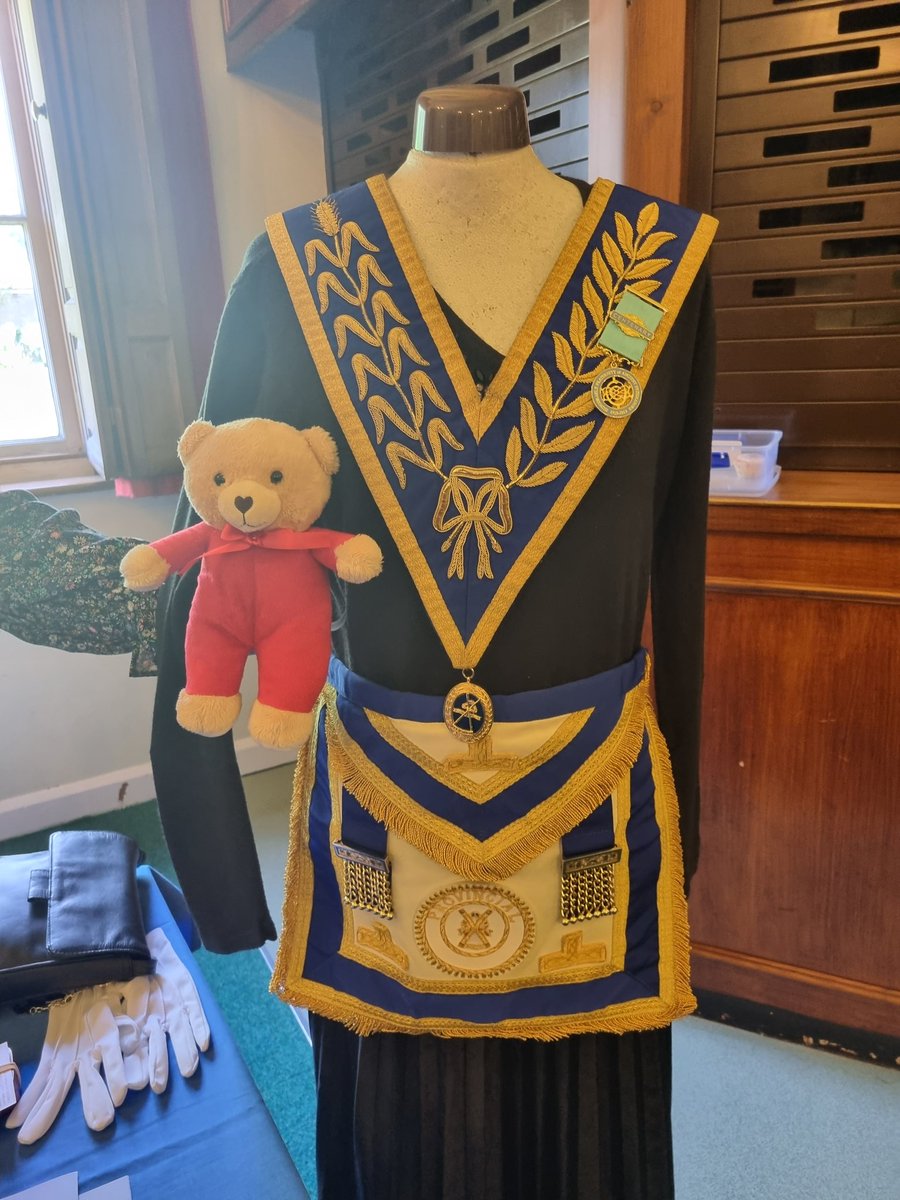
What a great day we had at our open day yesterday @beltedwill3189 . The travelling #teddiesforlovingcare even turned up! Thanks to @_HFAF_ for attending and contributing to a wonderful day! #cumbriafreemasons #freemasonryforwomen #TLC

1
8
HFAF retweeted
6 Jun 2022
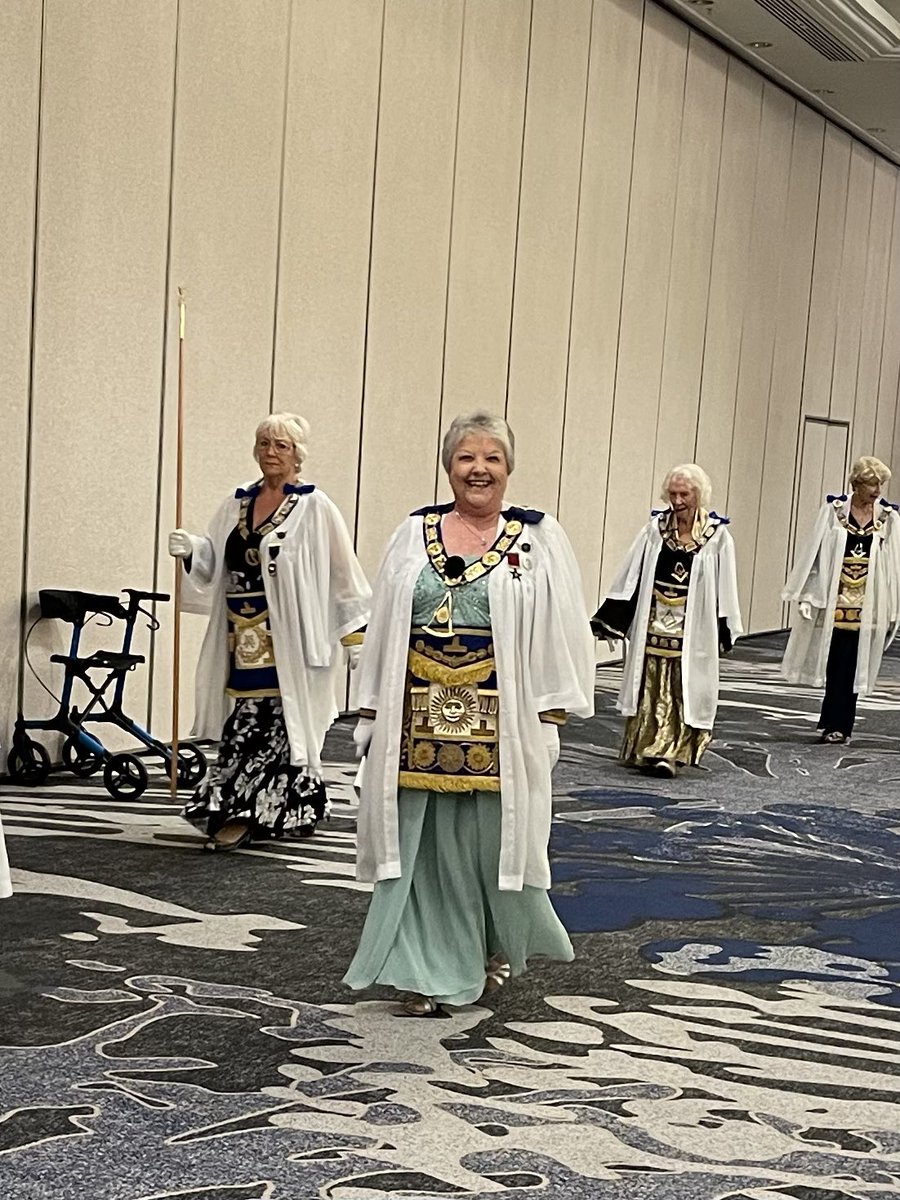
Smiles and friendships everywhere this weekend at @OrderWomen Enthronement Meeting of the Order’s Most Worshipful Grand Master. #freemasonry #womenmasons #friendship #charity #respect
3
9
108
HFAF retweeted

12 Mar 2022
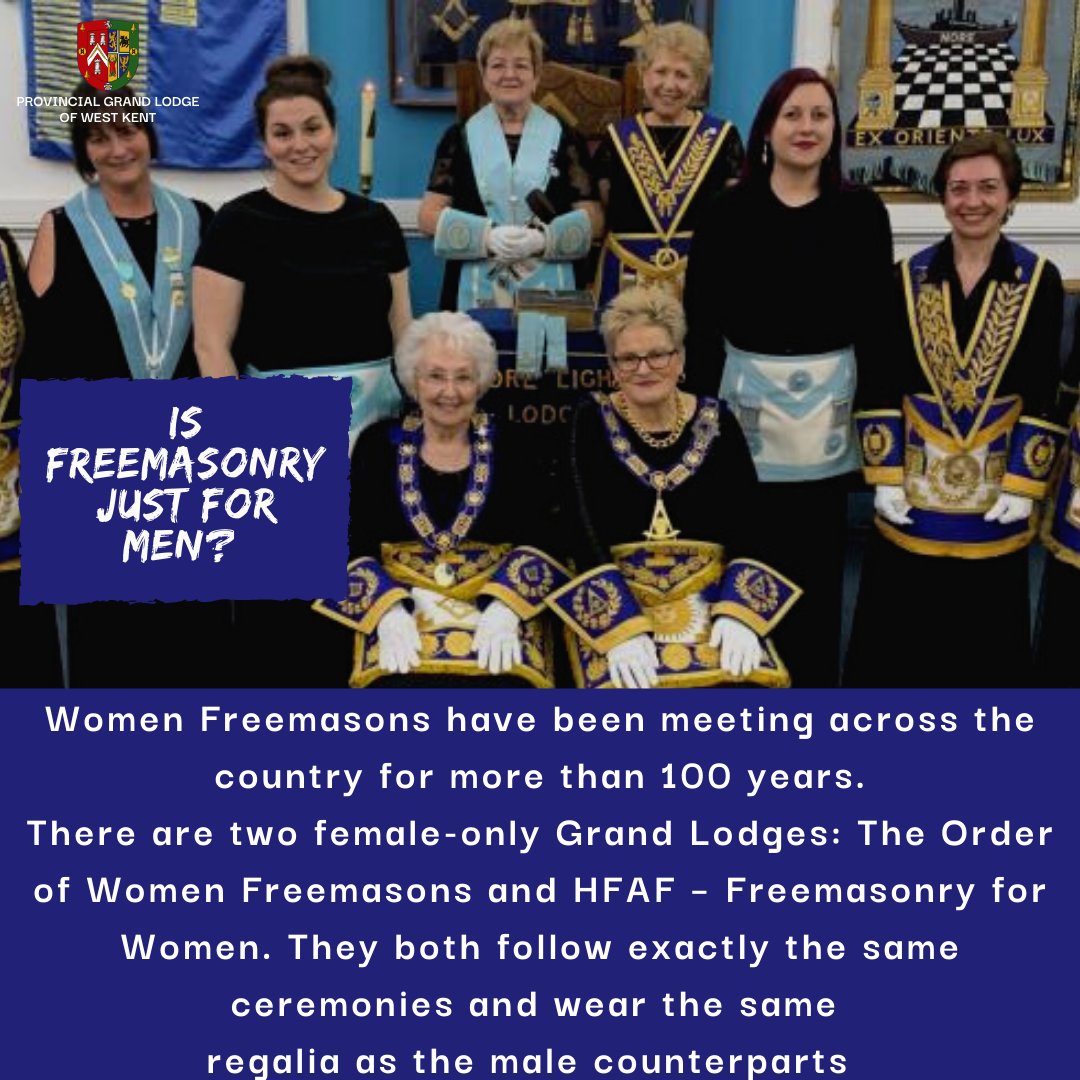
Is #Freemasonry just for Men?
#WestKentMasons #Freemasons #Freemasonry @_HFAF_ @OrderWomen #SaturdayMorning #SaturdayVibes #Saturday #JustAsk #WeAreOpen #Women
8
43