
Ondernemer, Electronics/Software/PLC/Scada Engineer. Radio HAM. Speed skating instructor and a wide range of interests incl. Astronomy.
Joined January 2010
- Tweets 41,962
- Following 249
- Followers 590
- Likes 11,957
8,586 Photos and videos


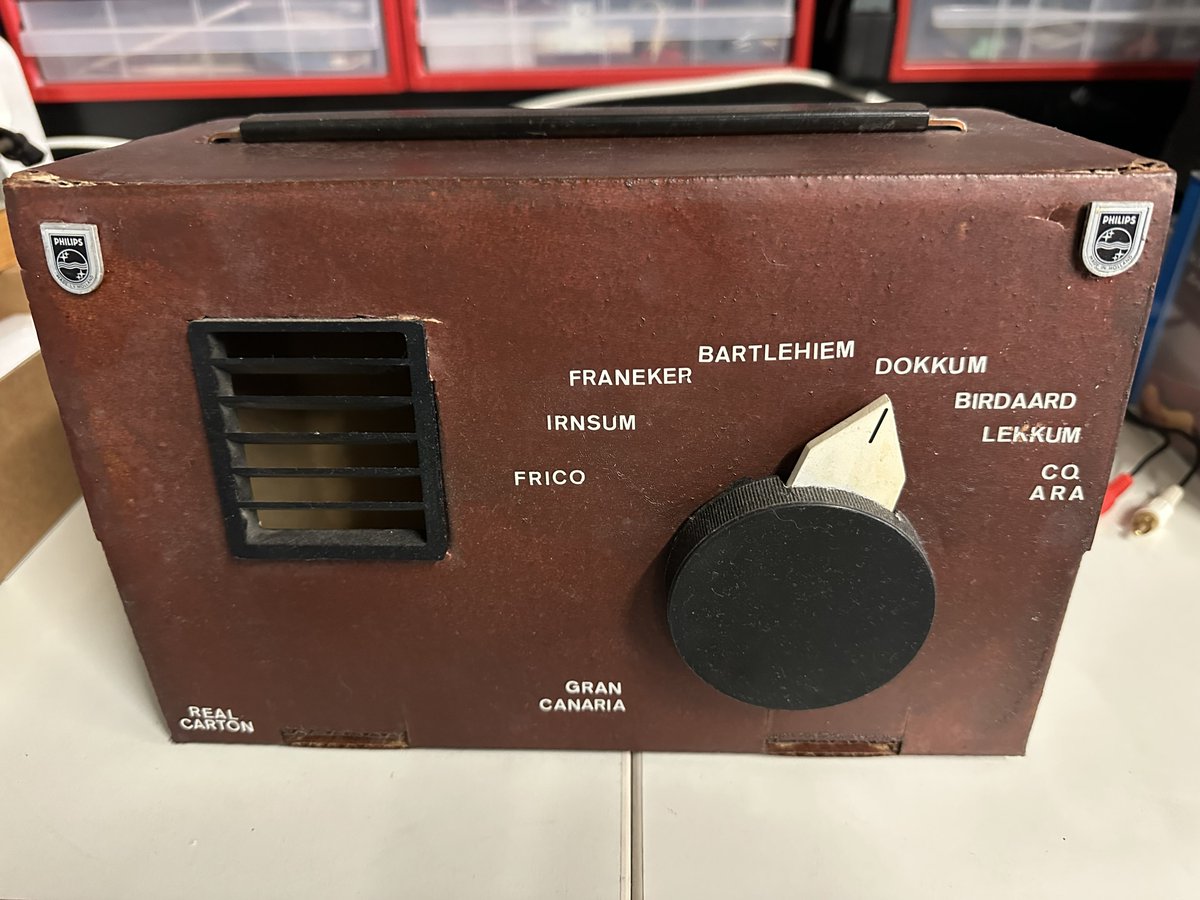



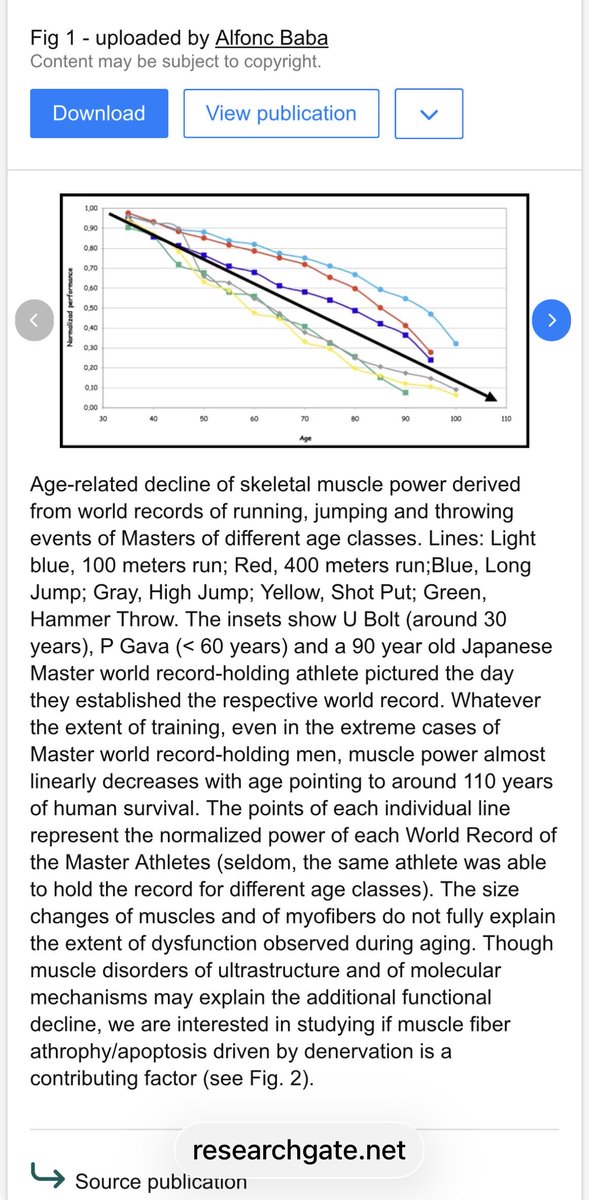

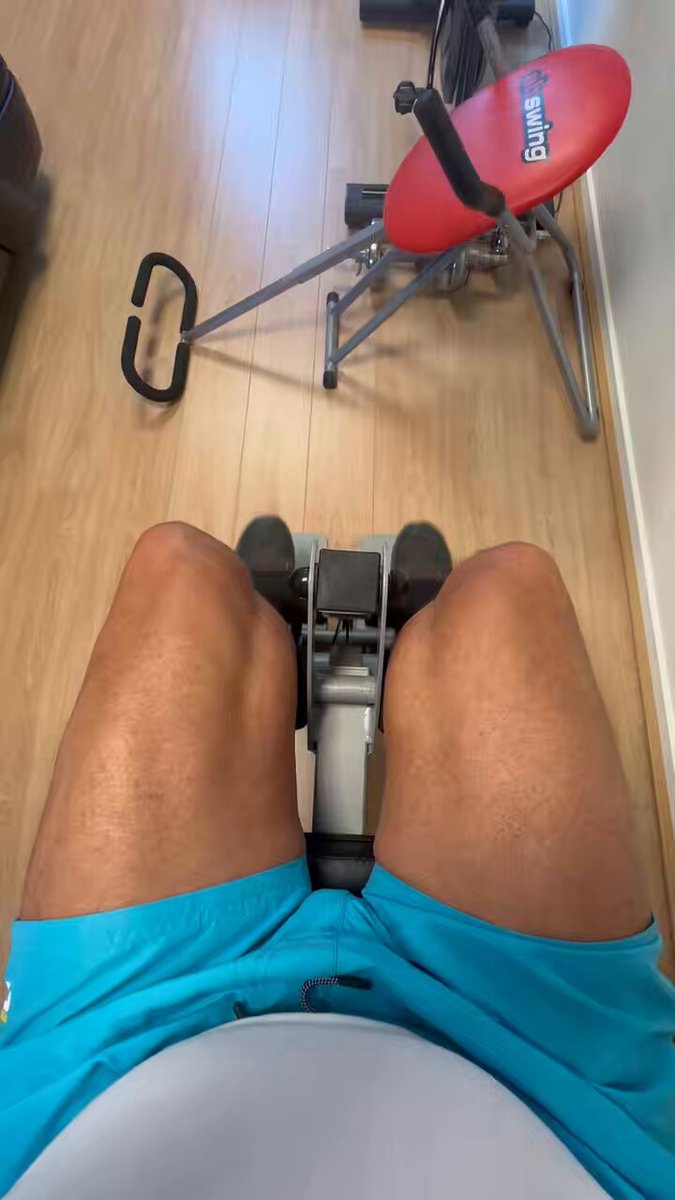
Trump heeft er persoonlijk voor gezorgd dat "Claude Fable 5 is currently unavailable" is, en bedankt Donald...
2
131
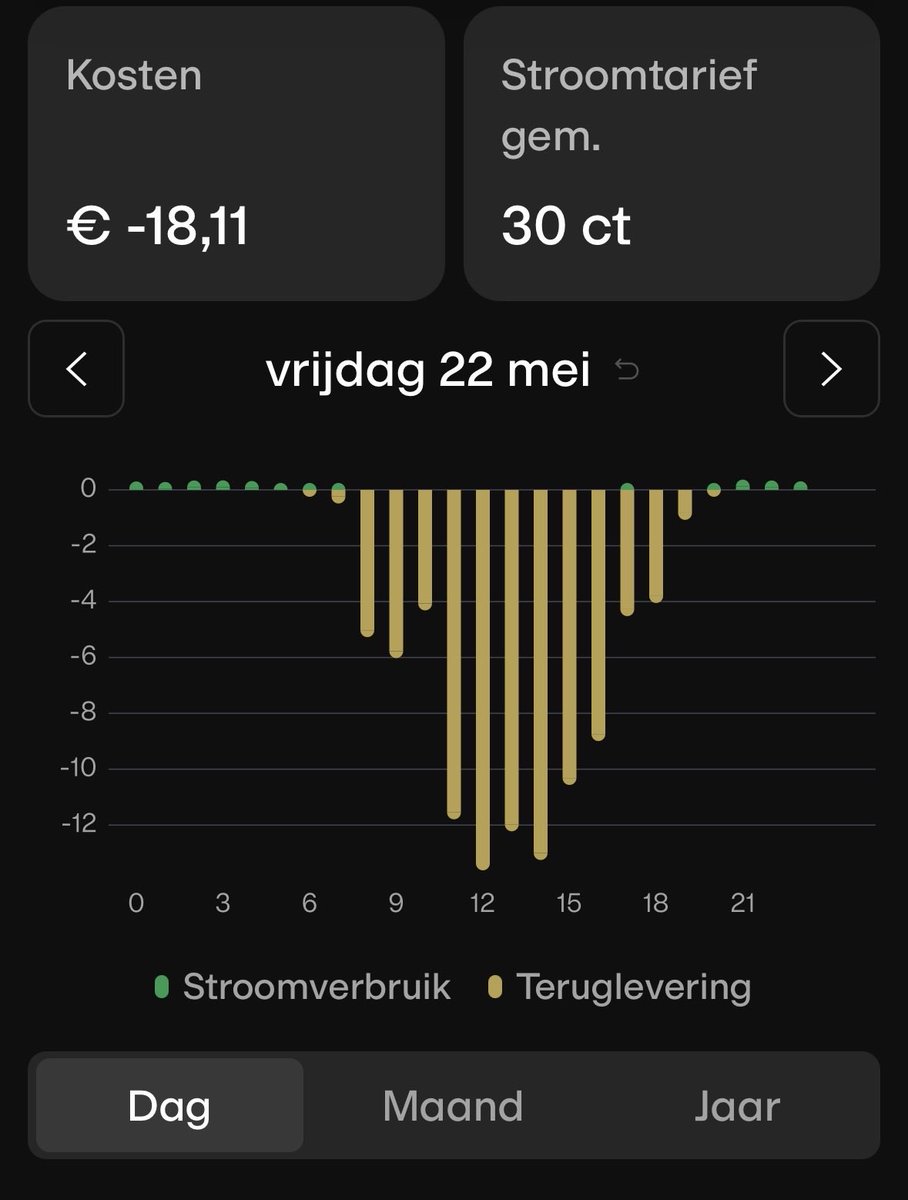
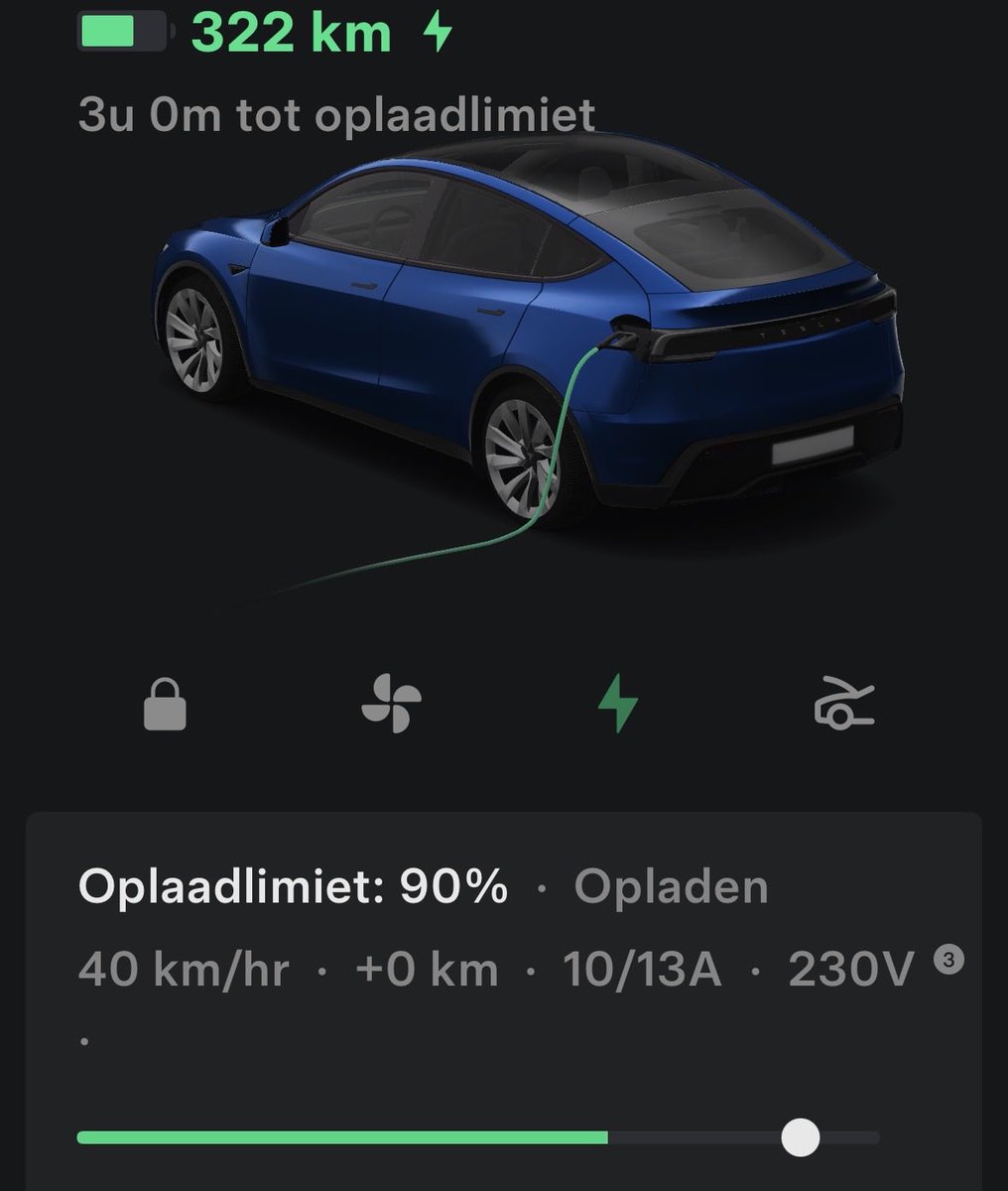
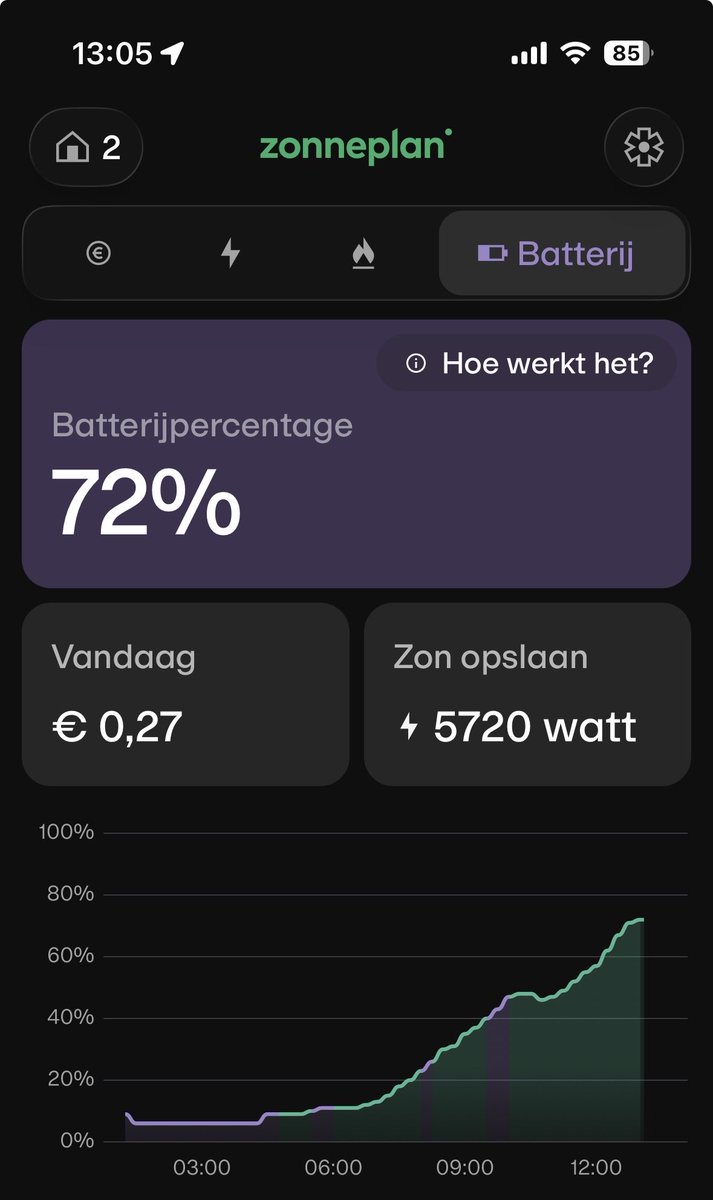
Beetje zon en 8 cent per kWh, tijd om alles vol te laden wat je kunt.
1
3
165
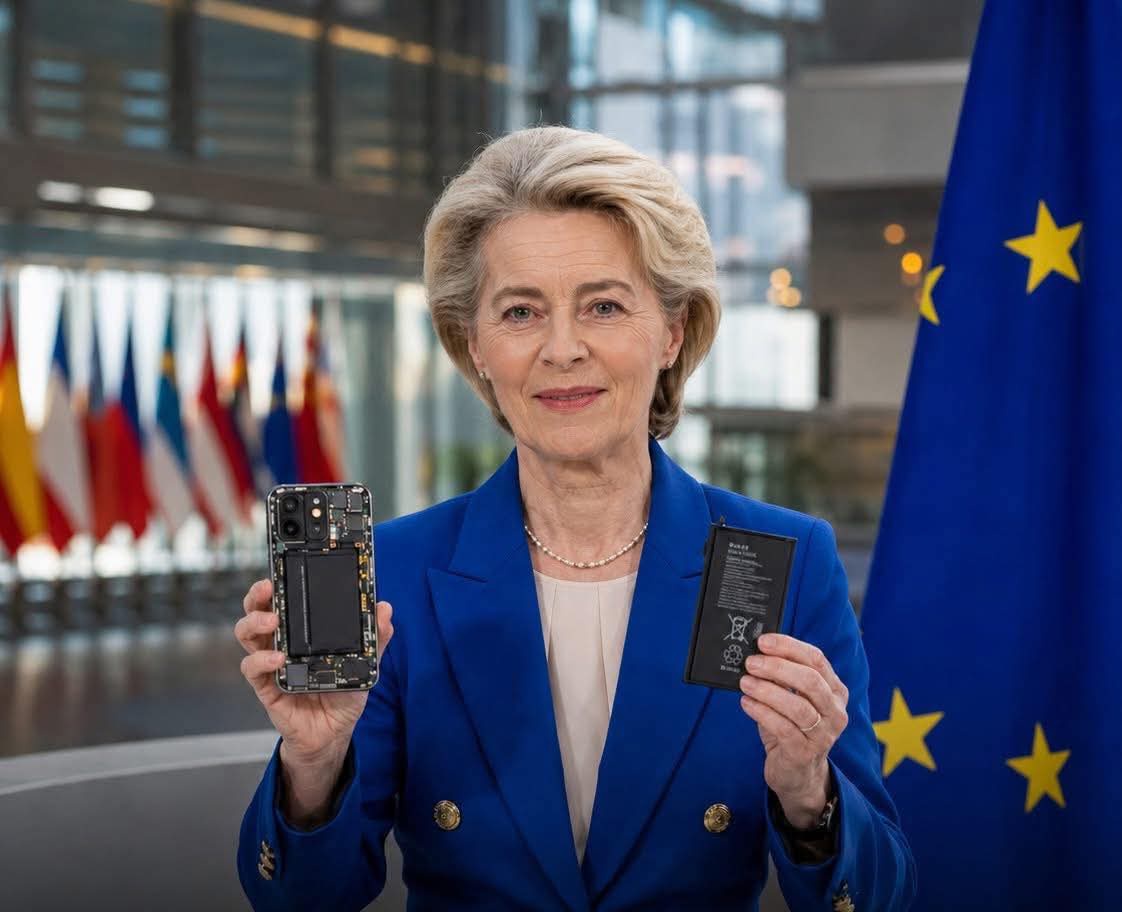
Een verwisselbare accu, weet niet of die goedkoper is dan € 100,- bij de Apple Store.

The European Union is making its next move. Fresh off compelling Apple to abandon its proprietary charging port in favor of USB-C, Brussels is now setting its sights on what’s inside your device. User-replaceable batteries are making a comeback, and the clock is ticking faster than most people realize.
The mandate takes effect on February 18, 2027. Any new smartphone or tablet hitting EU shelves from that date forward must allow everyday users to remove and replace the battery themselves, using nothing more than standard, widely available tools. On top of that, manufacturers will be required to keep spare batteries in stock for a minimum of five years after a model is discontinued.
The logic driving the policy is straightforward. The majority of people replace their phones not because the device has failed them, but because the battery has. EU projections suggest this shift could put roughly €20 billion back in consumers’ pockets by the end of the decade.
Apple, Samsung, and Google are already reworking their 2027 lineups to meet the requirement, and since none of them want to maintain entirely separate hardware for different markets, the redesigns are expected to roll out globally. The so-called “Brussels Effect” is doing what it does best: turning regional regulation into a worldwide industry standard.
There is one notable caveat: the regulation carves out an exemption for batteries that meet a high durability threshold, and Apple’s more recent iPhones may already clear that bar. Other manufacturers, however, have considerably more ground to cover.
The bottom line: by 2027, there’s a good chance your phone will outlast its original battery, wherever in the world you happen to buy it.
© Reddit
#archaeohistories
165
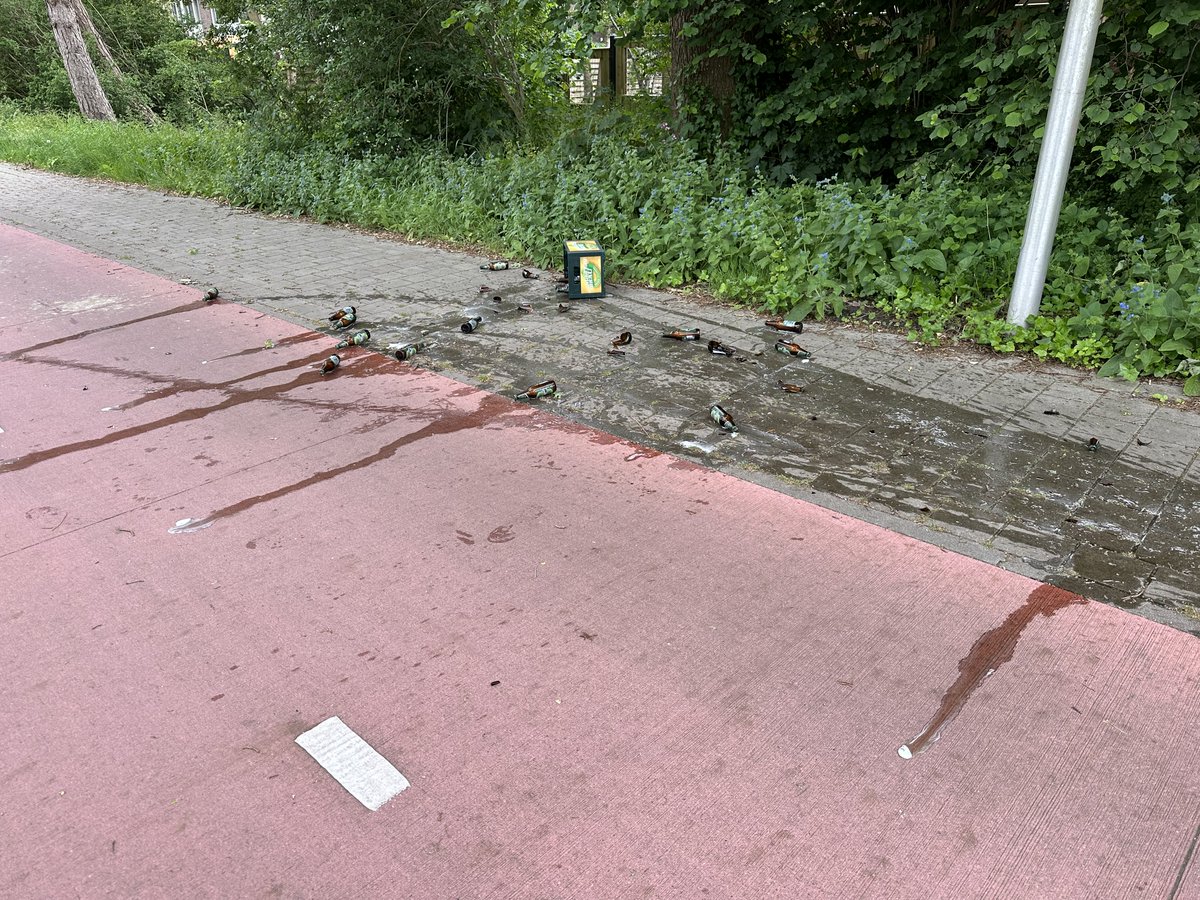
Vent op de fiets verliest krat bier, ik vraag hem ruim je het ook op? Zegt ie geen tijd voor doe het zelf maar…. Aldlansdyk Leeuwarden @Gemeente_Lwd
1
2
219
Als de Russen aanvallen dan weet ik wel wanneer ze dat doen… De eerste maandag van de maand om 12.00 uur.

2
1
4
187

May 31
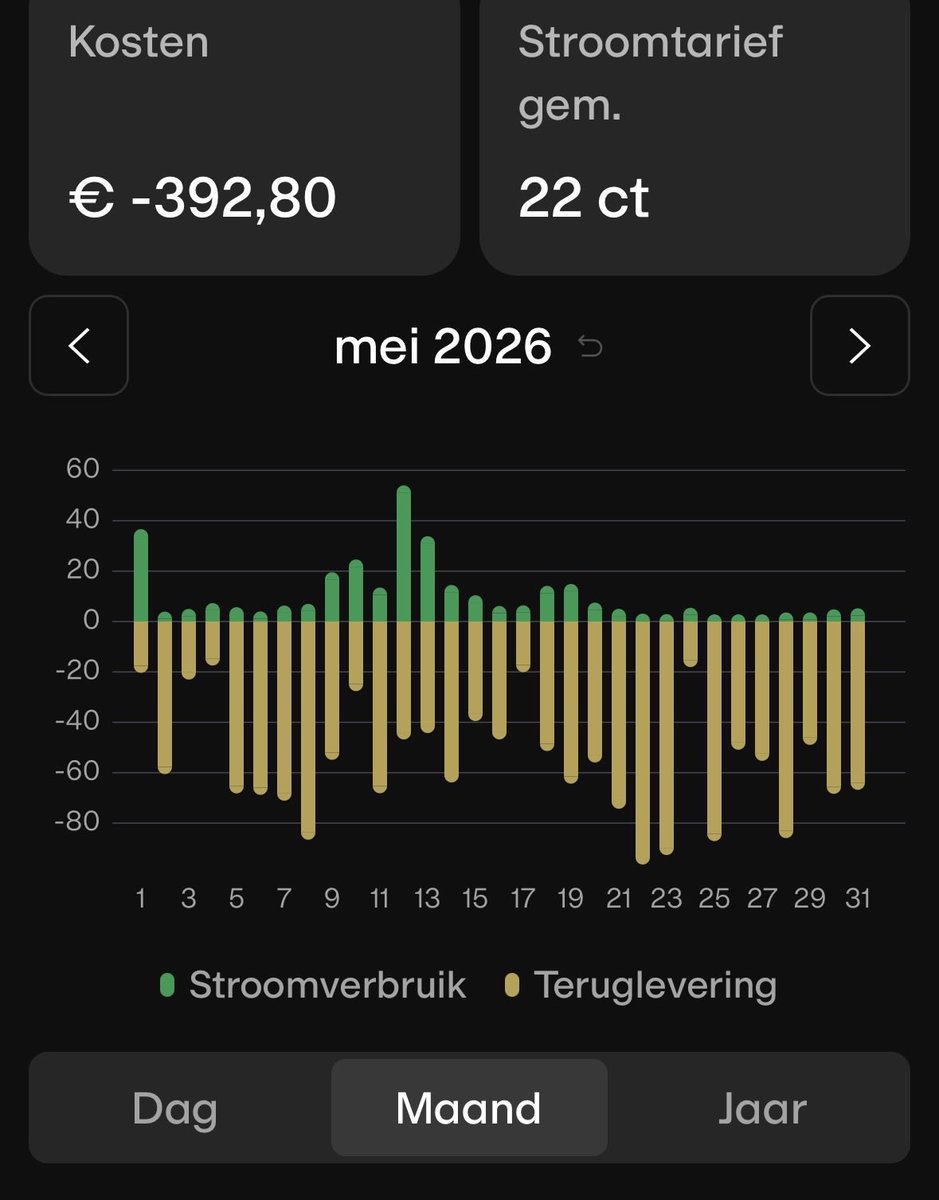
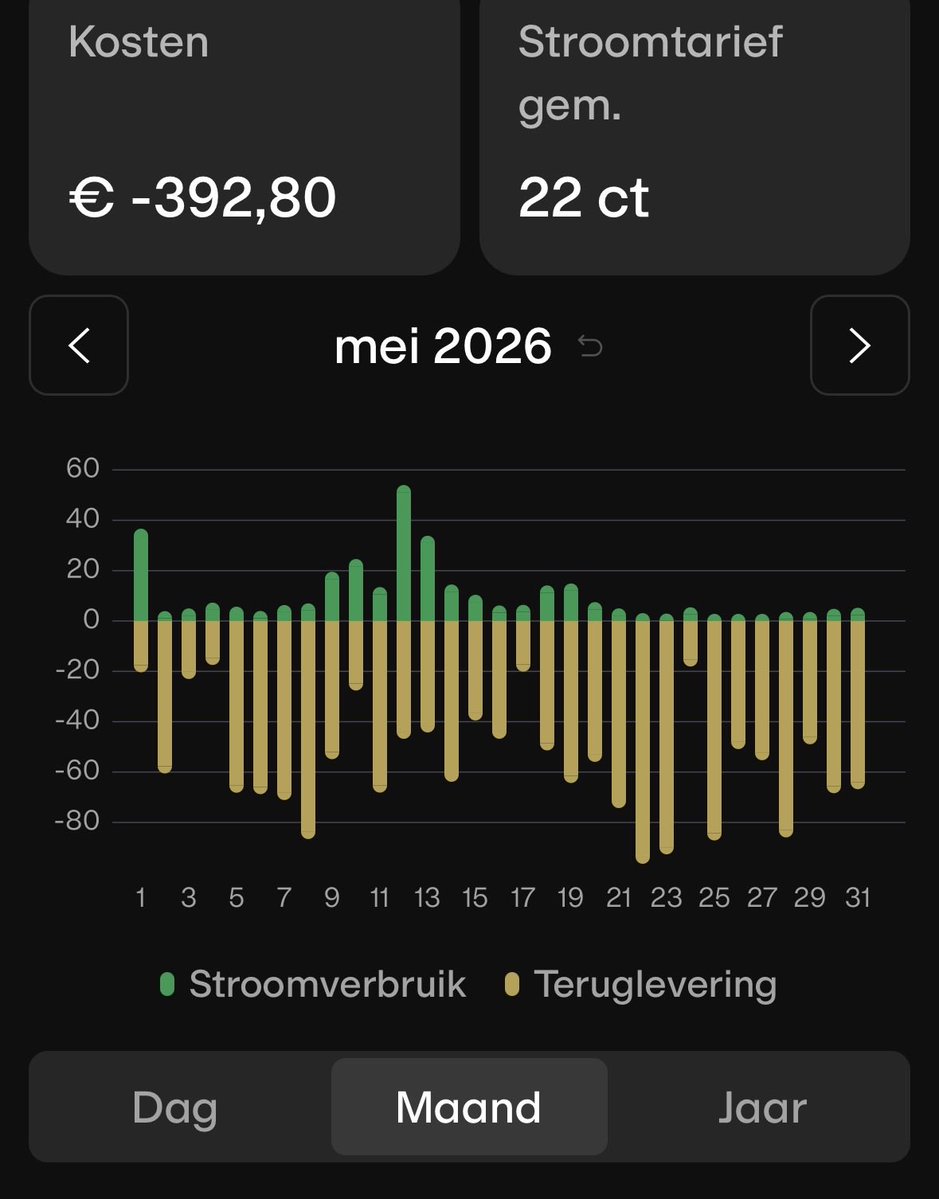
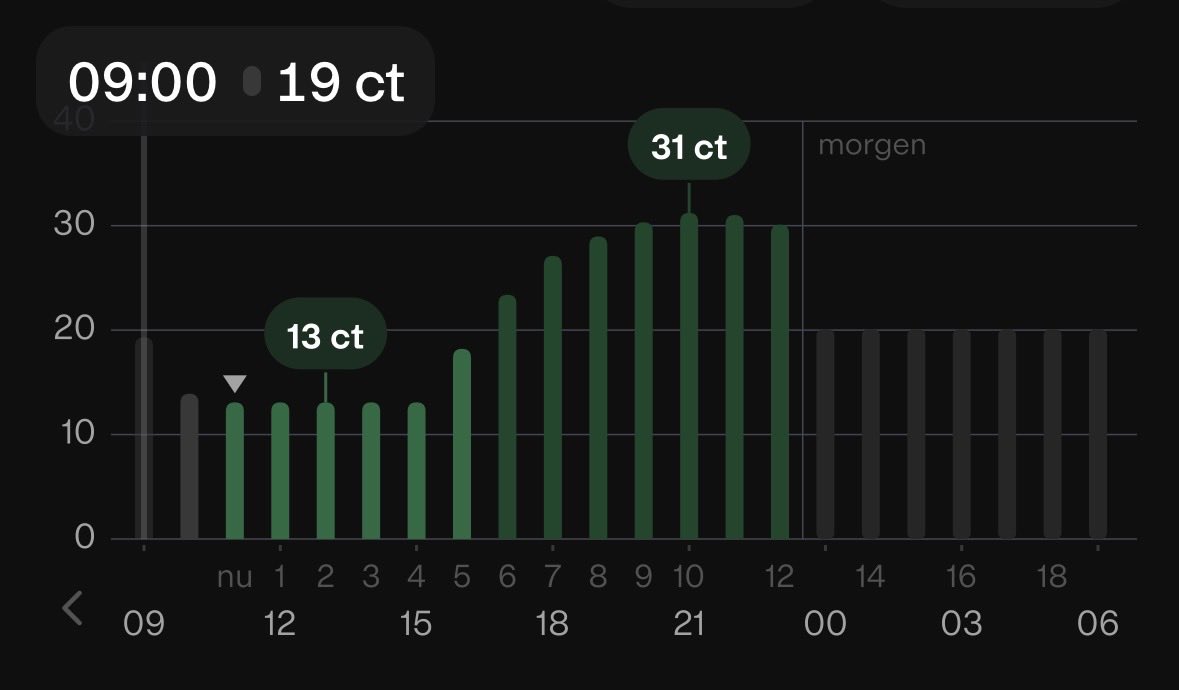
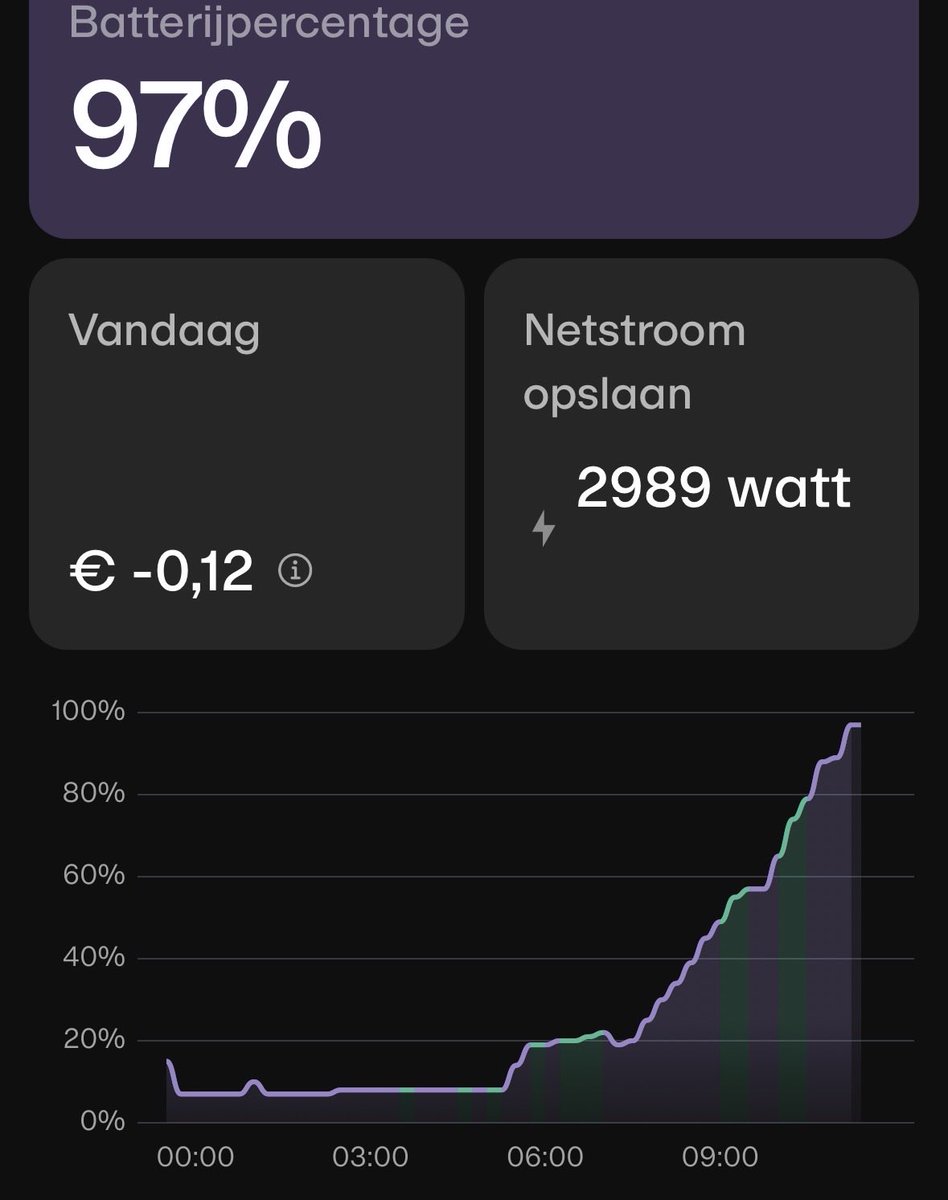
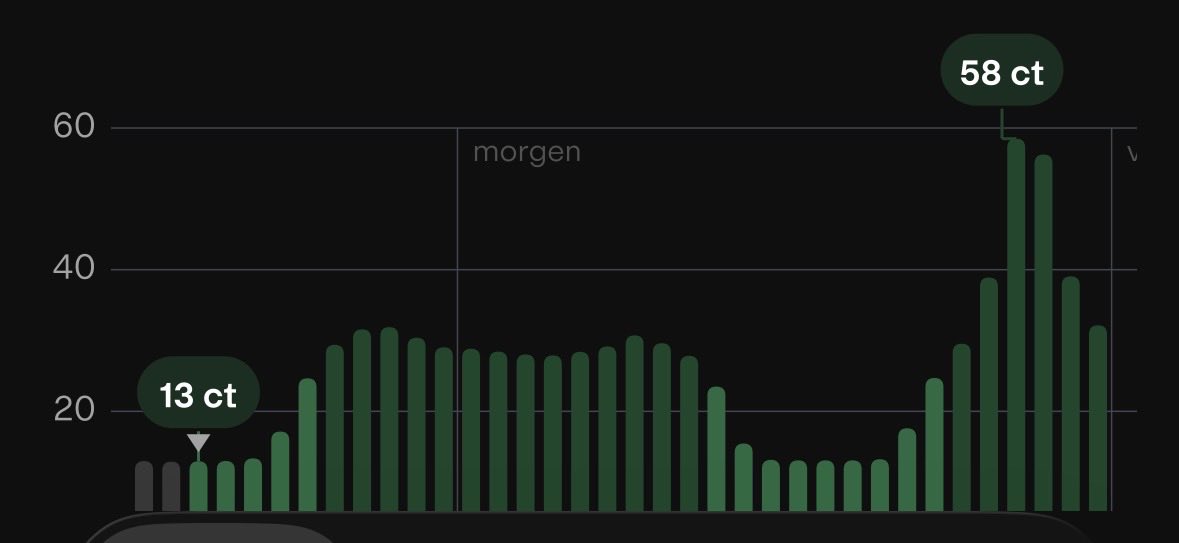
Zonneplan accu begint weer eens 4 uren te vroeg op te laden…. De hele middag 13 cent en zij beginnen de accu al om 08.00 uur op te laden.
Zonneplan moet snel een handmatige knop in app maken zodat je zelf kunt bepalen wanneer je accu moet laden en ontladen.
7
1
3
3,114
May 30
Lud concert in WTC Leeuwarden met duizenden muzikanten en zangers, incl. de 3 J’s en Cesar Zuiderwijk op drums.

1
209
May 28
Een Business class ticket voor € 6.000,- kan ik nog begrijpen maar dit slaat toch werkelijk nergens op.
Het verschil zelf betalen en inhouden op loon!
#asos
RTL: ministeries gaven honderdduizenden uit aan dienstreizen met privétoestellen nos.nl/artikel/2616229-rtl-m… via @NOS
1
86
May 28
Verschillende nevels en sterrenhopen in het Rho Ophiuchi complex met o.a. IC 4605, en de gele nevel IC 4604.
De ster links onder is Antares. De sterrenhoop rechts onder is M4 (NGC 6121). De kleinere iets hoger is NGC 6144.
Foto genomen op La Palma 2400m hoogte, 20-05-26 04.59 uur

2
5
163

May 26
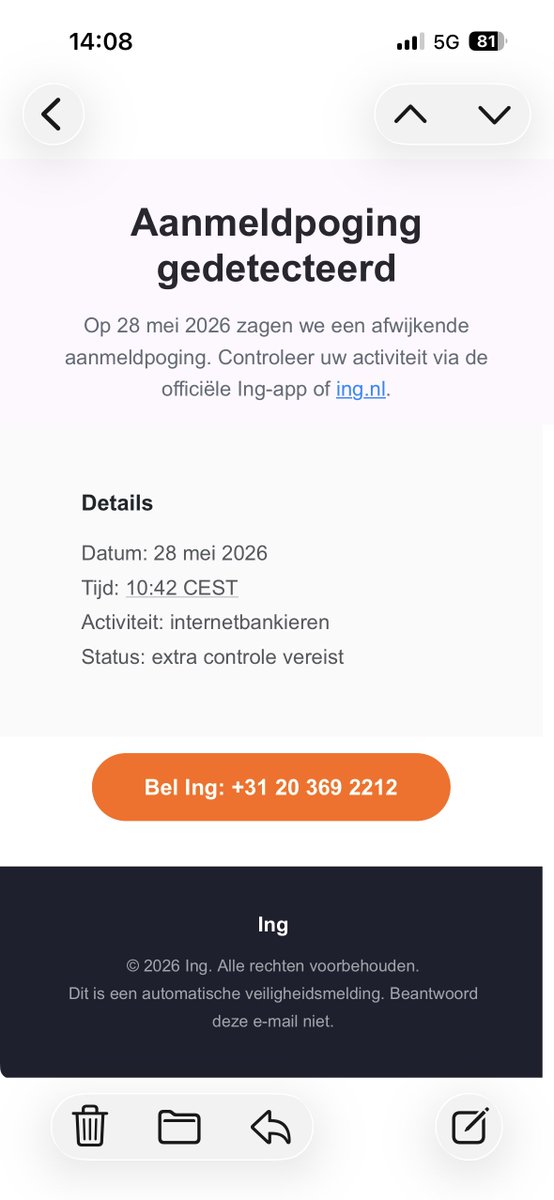
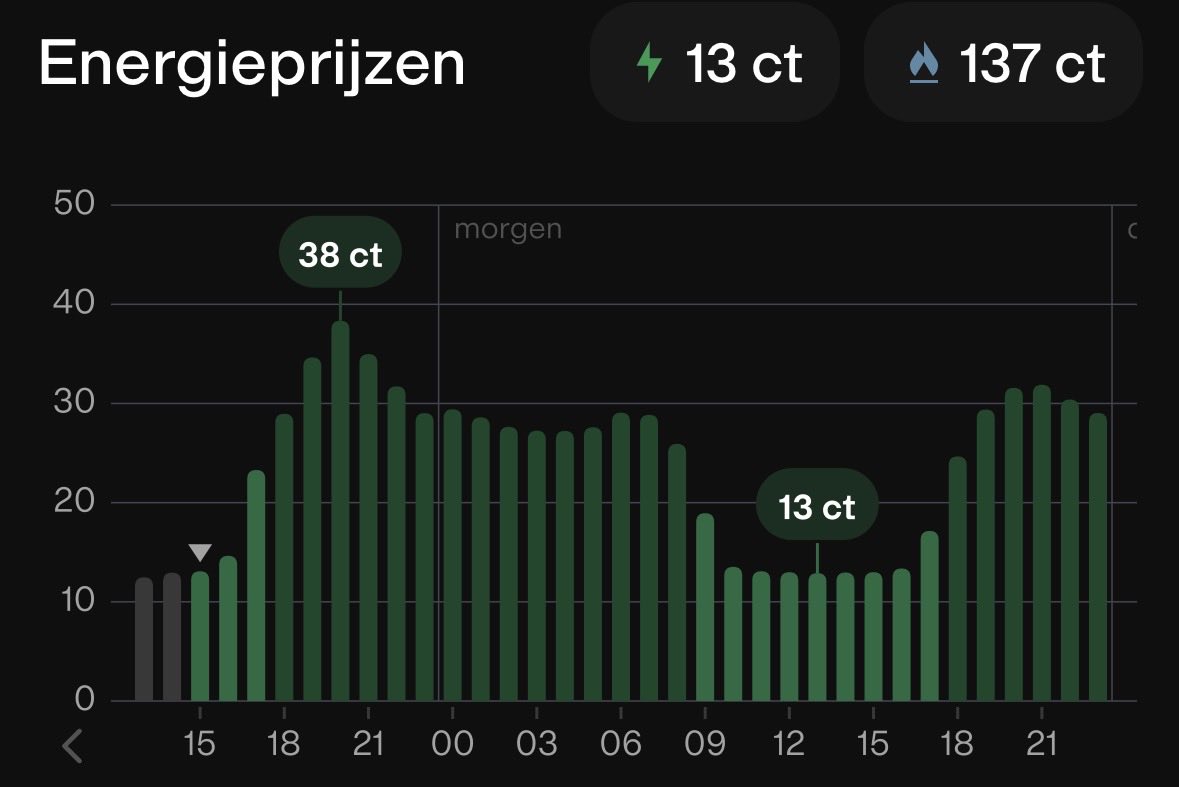
Heel bijzonder weer. Vandaag alleen maar 13 cent belasting betalen voor stroom en morgenmiddag ook de hele middag alleen maar 13 cent belasting betalen….
123