
A technology commentator focused on Apple, Google, Samsung, and the future of consumer technology.
Joined March 2009
- Tweets 78,612
- Following 383
- Followers 8,273
- Likes 72,571
11,619 Photos and videos


32m
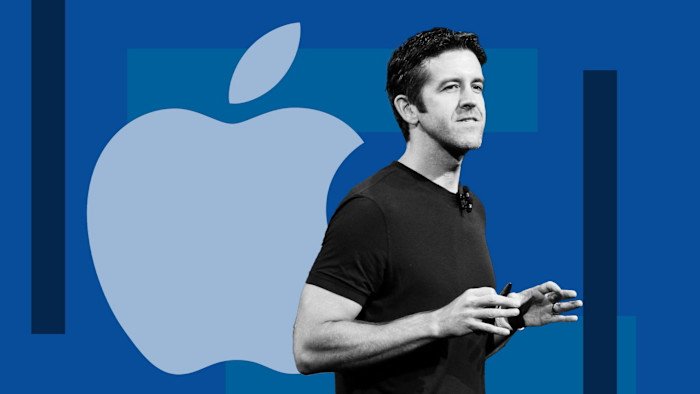
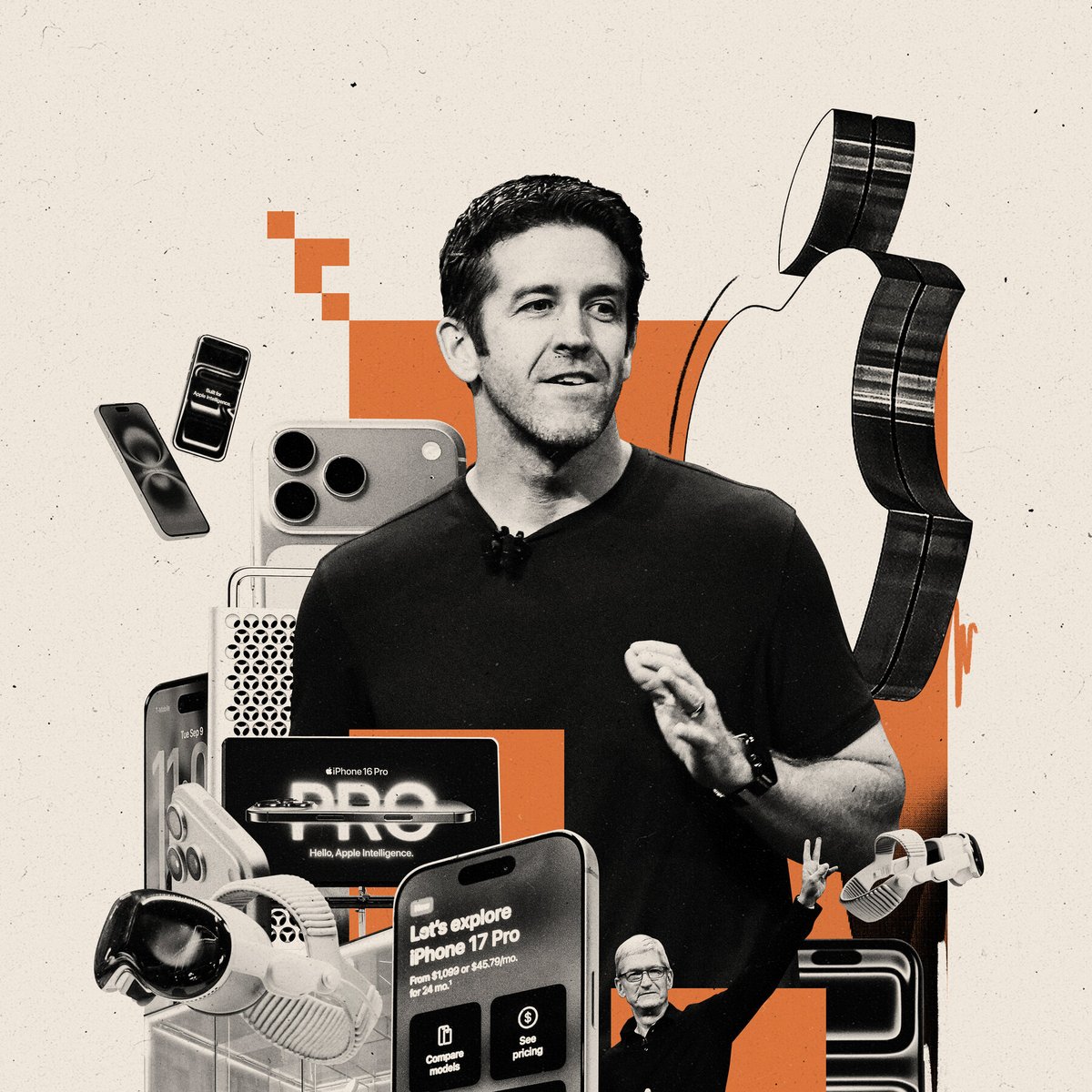
Key items John Ternus must address in his first year as Apple CEO
Product momentum. Apple's products continue to sell well, but many consumers see annual updates as increasingly incremental.
Apple needs to create stronger reasons to upgrade.
Innovation perception. Apple is no longer automatically viewed as the company defining where technology goes next.
That perception matters.
New growth opportunities. The iPhone remains Apple's foundation, but investors are increasingly focused on what drives Apple's next decade of growth.
Product differentiation. As smartphones, tablets, and PCs become more similar, Apple must continue giving customers clear reasons to choose its ecosystem.
The future vision. The biggest challenge isn't any single product.
It's answering a much bigger question:
What does Apple stand for in the next decade of technology?
The companies that lead industries don't just sell products. They define where the industry is going?
5
117
10h
Has the standard changed?
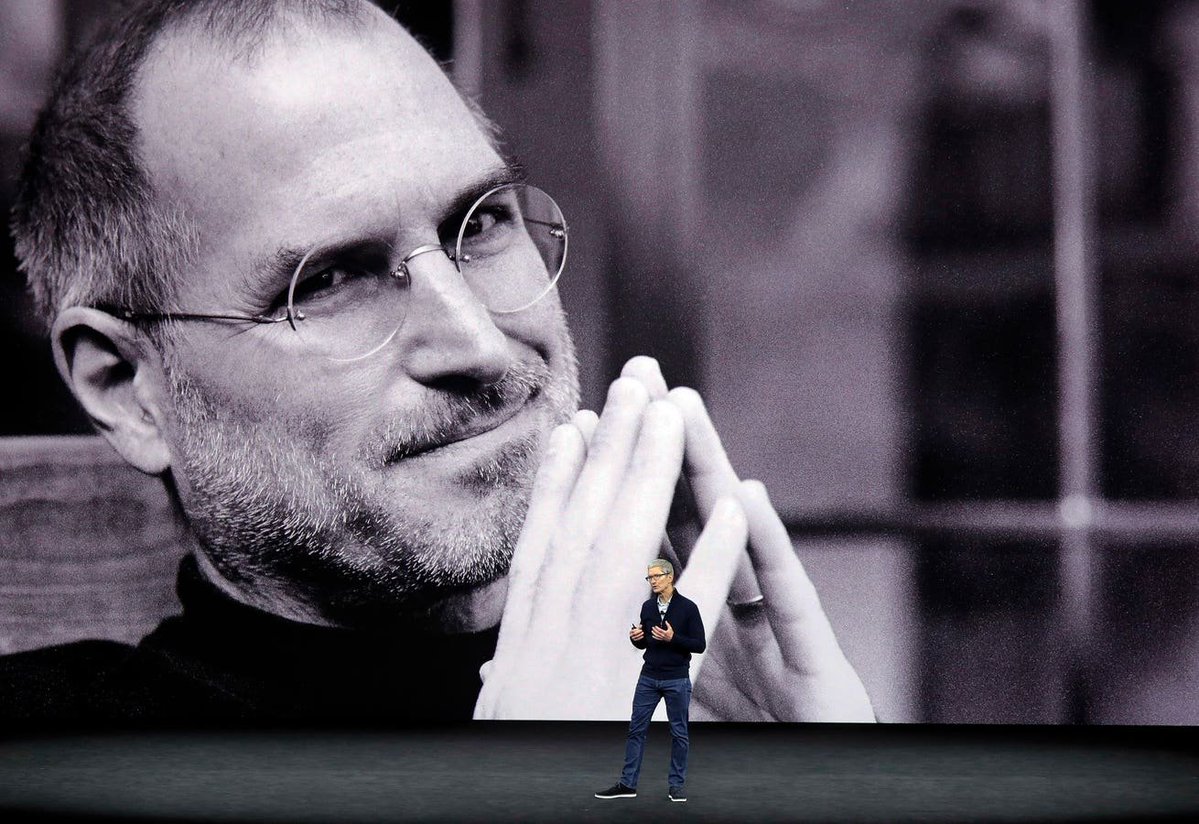
Steve Jobs expected Apple to set trends, not follow them.
That's why one of the biggest questions facing Apple in 2026 is this:
Is Apple still leading the industry, or is it reacting to it?
You can argue Apple is still setting trends in silicon, privacy, wearables, and ecosystem integration.
But you can also argue that in AI, Apple spent the last several years responding to a market that was largely defined by others.
The answer may be both.
Apple is still one of the most influential companies in technology.
The difference is that under Jobs, Apple often introduced the conversation.
In 2026, Apple is increasingly trying to redefine a conversation that has already started.
2
2
11
722
12h
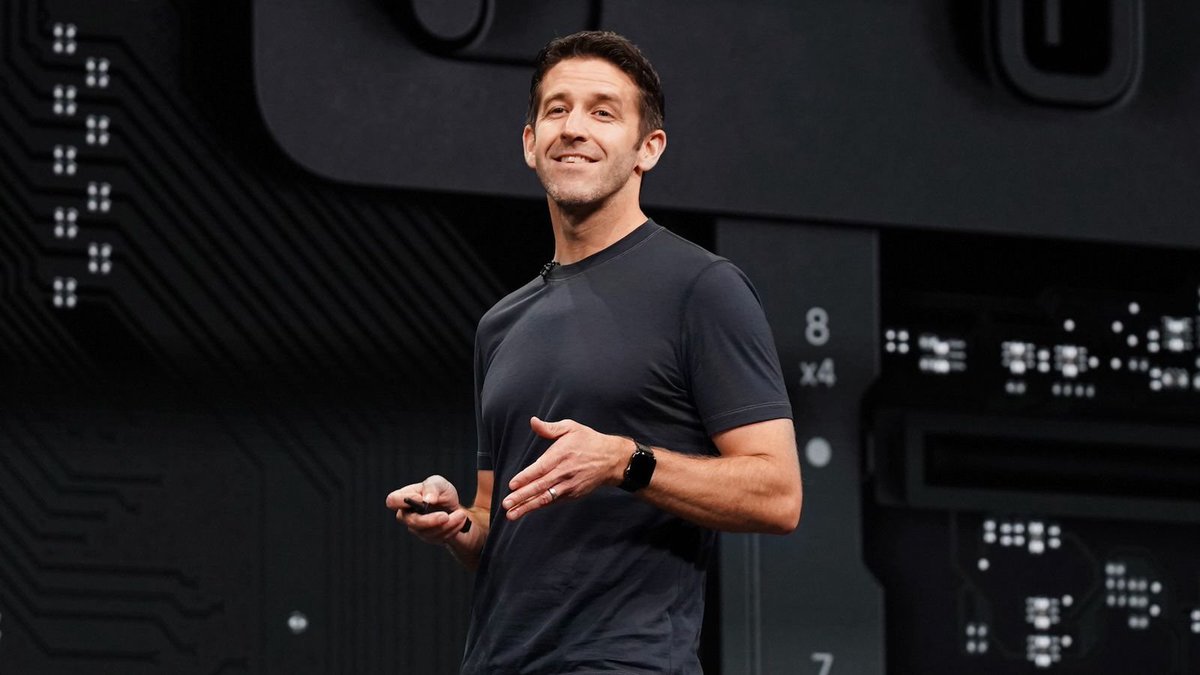
The foldable iPhone could be important to John Ternus, but probably not for the reason most people think.
The success or failure of his tenure won't be determined by whether Apple sells 10 million or 20 million foldable iPhones.
What matters is what the product says about Apple's ability to innovate after the traditional smartphone era.
If the foldable iPhone launches and becomes another premium category that consumers genuinely want, it strengthens the argument that Apple can still create new hardware experiences and not simply iterate on the iPhone every year.
However, even a wildly successful foldable iPhone is unlikely to be "the next iPhone."
The revenue would be meaningful, but not transformative relative to Apple's overall business.
The larger question for Ternus is whether the foldable iPhone is the beginning of a broader product strategy that leads to future devices, AI driven experiences, wearables, or entirely new categories.
In many ways, the foldable iPhone may be viewed as an early test of the Ternus era.
Not because Apple needs a foldable phone.
But because investors, consumers, and the media will be looking for evidence that Apple can still surprise the market with new hardware under a product focused CEO.
The irony is that if the foldable iPhone succeeds, it will help Ternus build credibility.
If it fails, Apple is large enough to absorb the setback.
His legacy will likely be determined less by the foldable iPhone itself and more by whether he can answer the question every Apple CEO eventually faces:
What comes after the product that made Apple successful?
4
2
47
4,221
Jason retweeted
17h
One thing WWDC 2026 may have exposed is that Samsung's biggest challenge isn't hardware.
It's identity.
Apple is building around a single vision:
Apple Intelligence. Siri AI. Apple Foundation Models. Apple silicon. Private Cloud Compute.
Everything points in the same direction.
Samsung's AI strategy feels far less clear.
Galaxy AI. Gemini. Bixby. Perplexity. Snapdragon. Exynos.
The question isn't whether Samsung has enough AI.
The question is whether Samsung has too many overlapping AI strategies.
As AI becomes more personal, more contextual, and more integrated into the operating system, ecosystem cohesion may matter more than who has the smartest model.
Apple appears to be betting that the future of AI isn't just intelligence.
It's integration.
Samsung now has to decide whether it wants to build its own center of gravity or continue orbiting around everyone else's.
6
6
50
3,116
Jason retweeted
18h
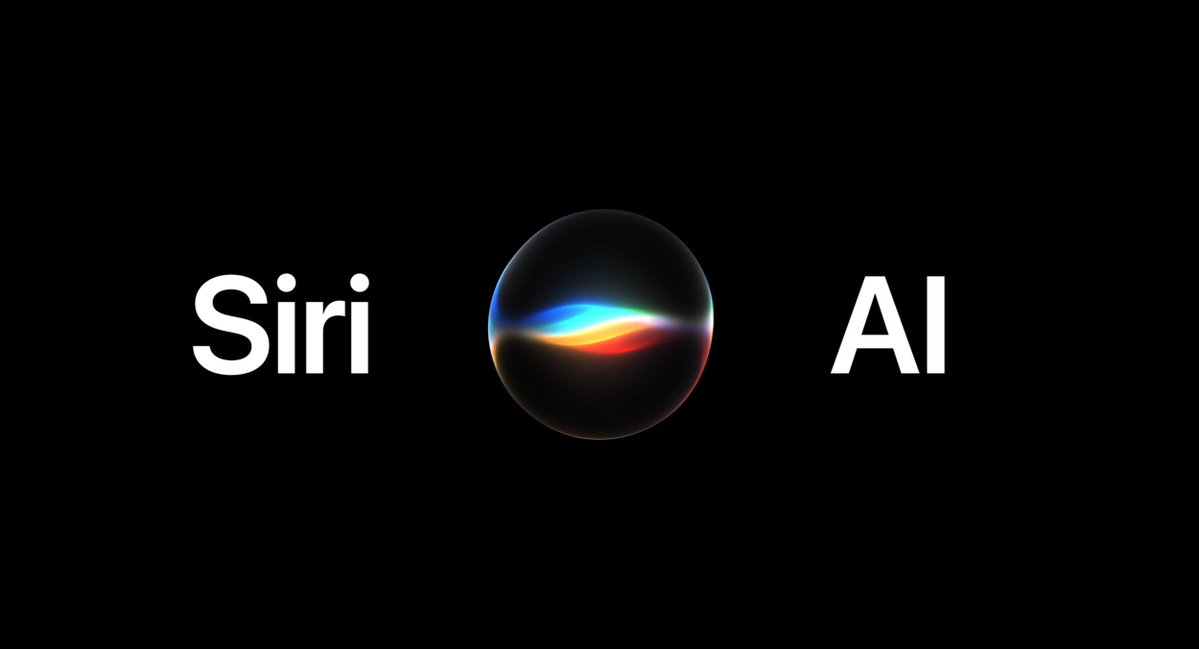
Apple introduced Siri in 2011.
While the assistant evolved over the years, many would argue that its most significant advancements didn't arrive until iOS 27 in 2026.
That raises an interesting question:
Now that Apple has fundamentally reimagined Siri for the AI era, will innovation become a continuous process, or will it take another decade before we see the next major transformation?
3
2
21
1,192
Jason retweeted
22h
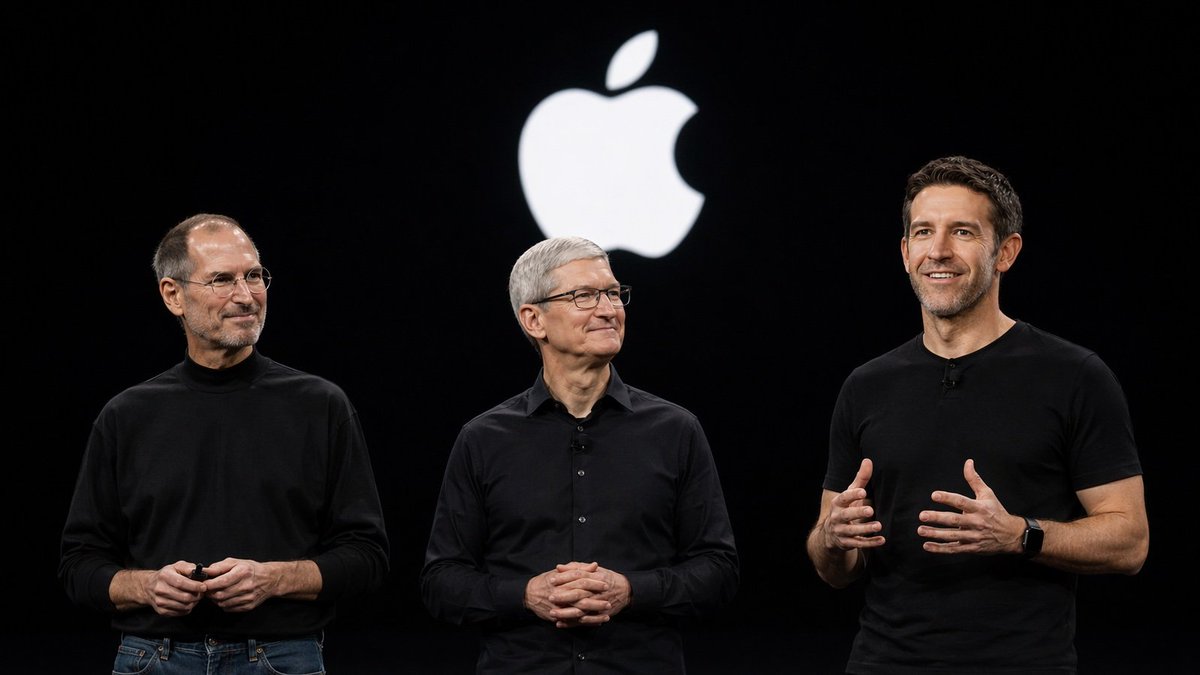
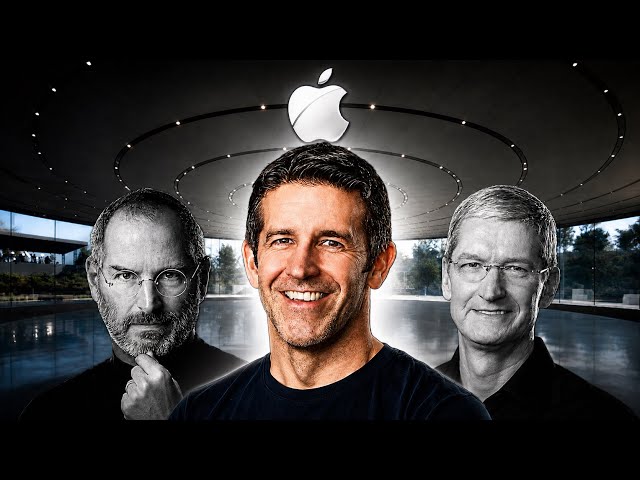
Steve Jobs built modern Apple.
Tim Cook expanded it into one of the most valuable companies in history.
John Ternus faces a different challenge.
He doesn't need to save Apple.
He doesn't need to scale Apple.
He needs to answer one question:
What comes after the iPhone?
If he solves that, he'll add his own chapter to Apple's CEO legacy.
If he doesn't, he'll spend his entire tenure being compared to Steve Jobs and Tim Cook.
2
9
1,133
Jason retweeted
Jun 13
Why expectations may eventually cost John Ternus his job.
Not because he fails.
Not because Apple declines.
But because the expectations placed on him may be impossible to meet.
He's inheriting a company that generated trillions in value under Tim Cook while being constantly compared to Steve Jobs.
Think about this...
He's expected to be as visionary as Jobs, as effective as Cook, solve Apple's AI challenges, launch new product categories, and create the next iPhone.
That's a standard few CEOs could realistically meet.
The danger for Ternus isn't making mistakes.
The danger is that Apple, investors, and consumers may expect him to achieve something no CEO in corporate history has ever achieved:
Living up to the legacies of both Steve Jobs and Tim Cook at the same time.
4
3
56
5,510
Jason retweeted
Jun 13
The U.S. government has ordered Anthropic to suspend access to Fable 5 and Mythos 5 for all foreign nationals, both inside and outside the United States, citing national security concerns.
As a result, Anthropic says it must immediately disable both models to remain compliant with the directive.
Access to all other Claude models remains unaffected.
Anthropic believes the decision is based on a misunderstanding and says it is actively working with regulators to restore access as quickly as possible.
Jun 13

The US government, citing national security authorities, has issued an export control directive to suspend all access to Fable 5 and Mythos 5 by any foreign national, whether inside or outside the United States, including foreign national Anthropic employees.
The net effect of this order is that we must abruptly disable Fable 5 and Mythos 5 for all our customers to ensure compliance.
Access to all other Claude models is not affected.
We apologize for this disruption to our customers. We believe this is a misunderstanding and are working to restore access as soon as possible.
Read our full statement: anthropic.com/news/fable-myt…
1
1
4
528
Jason retweeted
Jun 13
One of the biggest differences between Tim Cook's transition in 2011 and John Ternus' transition in 2026 is the team around them.
When Cook became CEO, Apple still had an extraordinary leadership. He had figures like Jony Ive, Phil Schiller, Scott Forstall, Eddy Cue, and others who had helped build Apple's modern success story.
John Ternus inherits a very different Apple.
Many of the executives who worked directly alongside Steve Jobs are gone, retired, or approaching the later stages of their careers. While Apple still has talented leadership, Ternus may not have the same depth of battle tested veterans that Cook inherited.
Cook had the challenge of replacing Steve Jobs.
Ternus has the challenge of leading Apple without many of the people who helped build it.
34
25
840
124,330
Jason retweeted
Jun 12
What happens if John Ternus fails? What's the future for Apple?
The advantage Apple has, is that Tim Cook will still be there and deeply involved with the company.
As Executive Chairman, Cook would likely play a larger role in stabilizing the company while the board evaluates its options.
After that, Apple would almost certainly look internally before considering an outsider.
In my opinion, the following names could be candidates:
• Johny Srouji: Apple's silicon and AI strategy leader.
• Craig Federighi: The face of iOS, macOS, and Apple's software ecosystem.
• Deirdre O'Brien: Experienced operator with broad organizational oversight.
Greg "Joz" Joswiak is an interesting dark horse, but I don't think he's the most likely successor. He's Apple's marketing chief and has been with the company since 1986, playing major roles in the launches of the iPod and iPhone.
What's interesting is that Joz may actually be more valuable where he is.
Apple only has a few executives left who can walk on stage and instantly command credibility with customers, developers, investors, and the media.
That makes him incredibly important, even if he never becomes CEO.
In many ways, Joz feels more like Apple's modern-day Phil Schiller than Apple's next Tim Cook
The bigger issue isn't replacing Ternus.
It's that Apple chose him after years of succession planning.
If he struggles, investors won't just question Ternus.
They'll question Apple's ability to identify and develop future leaders.
The most interesting scenario is that Ternus succeeds operationally but fails to deliver meaningful innovation.
That's where pressure would build quickly because Apple didn't choose a hardware engineer to maintain the status quo.
They chose him to lead Apple's next era.
If Ternus were to fail, I firmly believe the next CEO conversation starts with Johny Srouji, especially if AI and custom silicon become Apple's most important competitive advantages over the next decade.
4
3
45
7,310
Jason retweeted
Jun 12
What Tim Cook Becoming Executive Chairman Means for Apple and John Ternus
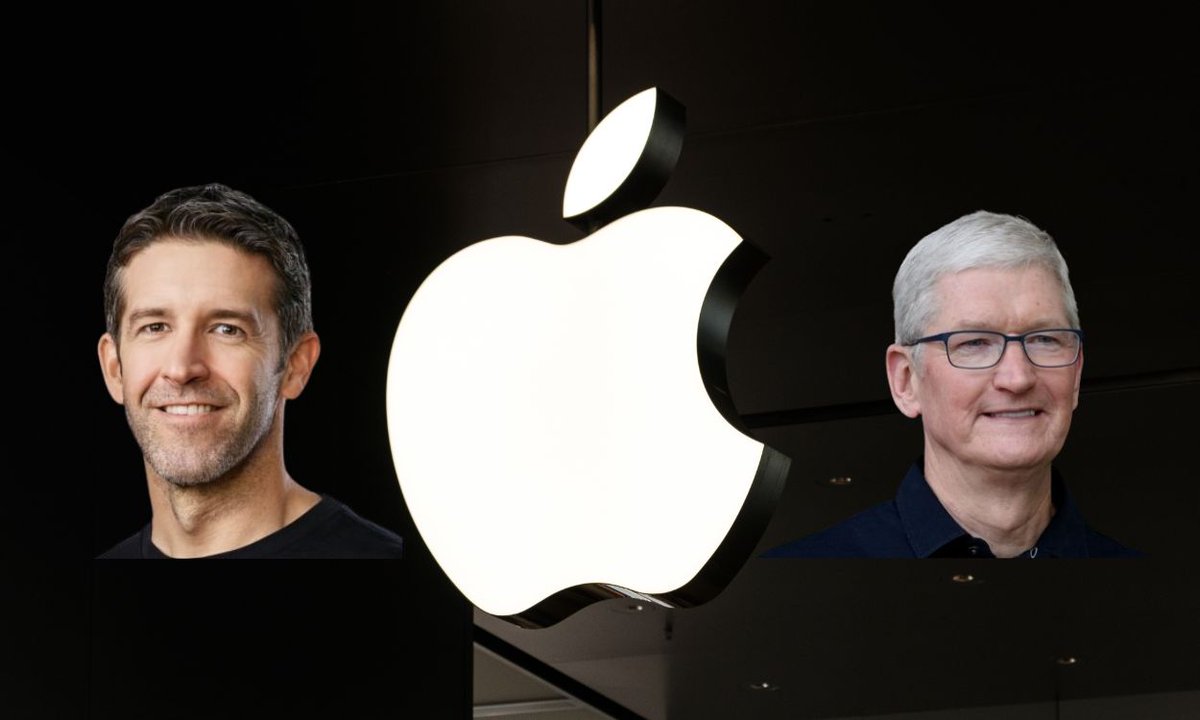
Tim Cook becoming Executive Chairman may be the most significant part of Apple's leadership transition.
Why?
Because Cook isn't leaving Apple.
As Executive Chairman, he steps away from the day to day responsibilities of running the company, but he will likely remain deeply involved in long term strategy, major partnerships, government relations, and advising Apple's leadership team.
For Apple, that creates continuity.
The company gains a new CEO in John Ternus while still benefiting from Cook's experience, relationships, and influence.
At a company the size of Apple, that kind of stability matters.
For John Ternus, however, the arrangement creates both an opportunity and a challenge.
The opportunity is obvious. Few incoming CEOs have access to a predecessor who spent 15 years transforming Apple into one of the most valuable companies in the world.
The challenge is equally clear.
Every major decision Ternus makes will inevitably be measured against Cook's legacy.
In many ways, Apple appears to be combining the strengths of two very different leaders.
• Ternus focuses on products, hardware, and innovation.
• Cook focuses on strategy, relationships, and governance.
If that balance works, Apple gets a product focused CEO without completely losing the leadership that helped build one of the most successful companies in history.
But several important questions remain.
• During a crisis, who will investors look to first: John Ternus or Tim Cook?
• Who will negotiate Apple's most important partnerships?
• Who will shape Apple's long-term strategy?
• When Apple faces a major challenge, who ultimately has the final say?
The answer may be John Ternus.
But influence doesn't disappear overnight.
When a leader spends more than a decade reshaping a company, their presence is often felt long after they leave the CEO role.
That's what makes this transition so fascinating.
Apple may be attempting something few companies have successfully pulled off:
A product focused CEO running the company while a highly influential former CEO remains actively involved as Executive Chairman.
If it works, Apple wins significantly!
However the real test isn't whether John Ternus can run Apple.
It's whether he can emerge as Apple's leader in his own right.
Because every major decision, every new product category, and every challenge Apple faces will raise the same question:
Is this John Ternus's Apple, or is Tim Cook still the most important person in the room?
1
2
18
2,643