
Unbiased | Unaffiliated | Unfiltered | Unemployed energy | Unapologetically honest | Uninvited opinions included | Unsolicited thoughts | Unbothered
Joined November 2023
- Tweets 8,670
- Following 875
- Followers 1,522
- Likes 7,503
1,106 Photos and videos












Pinned Tweet

25 Jul 2025
میں ایک جلا ہوا پیا سا مسافر ہوں جو پیاس کی شدت کی تاب نہ لا کر پانی میں ڈوب گیا ہو۔
میری زاد راہ جو کنارے پہ ہی رہ گئی ہے وہی میرے وجود کا پتہ دیتی ہے۔
کہ کبھی میں تھا.......
4
29
25,091
1h
The only thing that is bothering me is that she mentioned moderate religious... but Nazar o Niyaz? 😂🙏Jahalat.....
(Nazar o Niyaz appears to be more important than religion itself)
I still remember something Mufti Zia Ahmed Qadri once said:
بعض لوگوں کے لیے حضور ﷺ کا امتی ہونا اتنی بڑی نسبت نہیں جتنی انہوں نے اپنے پیر کی نسبت کو بنا لیا ہے۔
اور اسی وجہ سے وہ ایک دوسرے سے اس بات پر بھی لڑ پڑتے ہیں کہ تیرا پیر وہ ہے اور میرا پیر یہ ہے۔
حالانکہ اگر وہ یہ دیکھ لیں کہ دوسرا شخص بھی حضور ﷺ ہی کا امتی ہے تو اتنے جھگڑے ہی پیدا نہ ہوں۔
ہماری بنیادی شناخت قادری، رضوی، نقشبندی یا سہروردی نہیں ہونی چاہیے۔ یہ نسبتیں اپنی جگہ باعث برکت ہیں لیکن ہماری اصل پہچان بس حضور اکرم ﷺ کا امتی ہونا ہی ہے اور یہی بہت بڑا تعارف ہے!
(Ps: This was something I heard a long time ago so I may be rephrasing it a bit but it carries the sameeee meaning he intended)


2
87
19h
The day I started adding value to people’s lives something powerful begins to shift in my own life.....
At first it looks small.
A helpful word. A bit of your time.
A moment of patience when you could have walked away.
You don’t always see immediate results and that’s where most people stop. They assume if it’s not returning something back... it’s wasted.....
But life doesn’t work on that kind of instant exchange.....
Small acts don’t stay small. They compound quietly. The person you encouraged remembers it on a day you don’t even know about. The help you gave without expectation returns in ways you never planned. And even when it doesn’t come back from people it changes something inside you.
You become lighter. Less reactive. More grounded. Less obsessed with what I get and more aware of what I give. That shift alone brings a kind of peace that no transaction can offer.
And slowly you notice something: life feels less chaotic. Not because problems disappear but because your heart is no longer measuring everything through loss and gain. You start living with meaning instead of calculation.
Give without keeping score.
Add value without demanding return.
🤍🌸
6
16
355
21h
اَفَلَمْ یَدَّبَّرُوا الْقَوْلَ اَمْ جَآءَهُمْ مَّا لَمْ یَاْتِ اٰبَآءَهُمُ الْاَوَّلِیْنَ٘
کیا انہوں نے بات کو سوچا نہیں یا ان کے پاس وہ آیا جو ان کے باپ دادا کے پاس نہ آیا تھا۔
اَفَلَا یَتَدَبَّرُوْنَ الْقُرْاٰنَؕ وَ لَوْ كَانَ مِنْ عِنْدِ غَیْرِ اللّٰهِ لَوَجَدُوْا فِیْهِ اخْتِلَافًا كَثِیْرًا.
تو کیا یہ لوگ قرآن میں غور نہیں کرتے اور اگریہ قرآن اللہ کے علاوہ کسی اور کی طرف سے ہوتا تو ضرور اس میں بہت زیادہ اختلاف پاتے
کسی کلام میں 'تدبر' کرنے کا اصل مفہوم یہ ہے کہ انسان اس کے آغاز اور انجام دونوں پر گہری نظر ڈالے اور پھر اپنے مراجعۂ فکر کو بار بار دہرائے۔
یہی وجہ ہے کہ یہ لفظ عربی زبان کے بابِ تَفَعُّل سے آتا ہے جو تدریجی تگ و دو اور شعوری کوشش پر دلالت کرتا ہے
جیسے
🔸'تجرع' (کڑوے گھونٹ کو رفتہ رفتہ حلق سے اتارنا)
🔸'تفہم' (سمجھنے کے لیے مغز ماری کرنا)
🔸'تبین' (سچائی کو نکھارنے کی کوشش کرنا)۔ اس عمل کو استبصار بھی کہا گیا ہے، جو 'تبصر' سے نکلا ہے؛ یعنی کسی معاملے کا بصیرت کے سامنے پوری طرح کھل جانا، عیاں ہو جانا اور متبسم ہو جانا۔
یاد رکھیے 'تذکر' (یاددہانی) اور 'تفکر' (غور و خوض) میں سے ہر ایک کا اپنا الگ فائدہ ہے جو دوسرے سے جدا ہے۔
🔻تذکر کا فائدہ:
یہ دل کو ان حقائق پر بار بار لوٹا لاتا ہے جنہیں وہ پہلے سے جانتا اور پہچانتا ہے تاکہ وہ حقائق دل میں جڑ پکڑ لیں، راسخ ہو جائیں اور ایسے مٹ نہ جائیں کہ ان کا اثر ہی ختم ہو جائے
🔻تفکر کا فائدہ:
یہ علم میں وسعت پیدا کرتا ہے اور ان حقائق کو کھینچ لاتا ہے جو فی الوقت دل کے پاس موجود نہیں ہوتے۔
That is why Imam Hasan al-Basri (may Allah have mercy on him) said:
“The people of knowledge continually return to reflection through remembrance, and to remembrance through reflection. They train their hearts in expression until the heart begins to speak the language of wisdom.”
Thus reflection and remembrance are like the seed and its irrigation for knowledge. Mutual discussion and scholarly dialogue are the pollination of this seed as some of the early scholars said:
“The meeting of scholars is a means of fertilizing their intellects.”
Continue.....
1
1
5
237
21h
جب انسان تفکر کرتا ہے تو علم جنم لیتا ہے اور اس علم کے نتیجے میں
a state that arises in the heart from that knowledge. Every person who does something whether loved or disliked inevitably leaves in his heart a condition and is shaped by the imprint of his knowledge. That state then produces desire and that desire produces action.
🔻Here five matters are involved:
1. Thought (Fikr)
2. Knowledge & Realization ('Ilm)
3. Internal State & Emotion (Hal)
4. Willpower & Intention (Iradah)
5. Action & Behavior ('Amal)
چنانچہ فکر ہی تمام بھلائیوں کا نقطہ مآغاز اور ان کی کنجی ہے۔ یہی وہ حقیقت ہے جو آپ پر تفکر کی فضیلت اور اس کے شرف کو واضح کرتی ہے، اور یہ بتاتی ہے کہ یہ دل کے افضل ترین اور نافع ترین اعمال میں سے ہے۔ یہاں تک کہ اس کے بارے میں کہا گیا:
ایک گھڑی کا تفکر، سال بھر کی (بے روح) عبادت سے بہتر ہے
Reflection moves a person:
🔸from the death of heedlessness to the life of awareness
🔸from disliked states to beloved ones
from greed to detachment and contentment
🔸from the prison of this world to the vastness of the Hereafter
🔸from the narrowness of ignorance to the vastness of knowledge
🔸from the disease of desire and attachment to this world to the healing of turning to Allah and distancing from the deceiving world
🔸from blindness, deafness and spiritual muteness to insight, hearing and understanding from Allah
🔸from the illnesses of doubts to the coolness of certainty and tranquility
مختصر یہ کہ ہر اطاعت کی جڑ فکرِ صحیح ہے اور ہر گناہ کی جڑ فکرِ قبیح (برا خیال) ہے۔
For Satan finds the heart empty, so he sows in it the seeds of corrupt thoughts from which desires and intentions grow and then actions follow.
But if he finds the heart already occupied with beneficial thoughts regarding what it was created for, commanded toward and prepared for of eternal bliss or painful punishment then he finds no place to plant his seeds.
اگر اب یہ سوال پوچھا جائے کہ:
آپ نے فکر، اس کے منافع اور خیر و شر میں اس کے عظیم اثرات کا ذکر تو کر دیا لیکن اس فکر کا اصل میدان اور موضوعِ کار (مرکزِ توجہ) کیا ہونا چاہیے؟
1
4
123
Jun 15
No matter what... Ispy fIR ni bnti... Wesy hi us sy bat krta ya video bna deta k mjhy public place pay harass kr rahy....(Without consent video bna rahy)
Lkn note khuwano ko apni defamation ka itna khof hota....
Ye hmari family my aik mehfil py aya....
phly Bolta ap jitny mrzi de Dena Mai apsy fix ni kru ga... Bad may jb diye to mu bna Liya musuf Nay...
kehta thory hain.... Halaky wo km ni thy ( I mean jitny inky rate hoty Wohi thy...) Bs isny aik adhi Naat extra prhi thi....
.
.
.
But Jo log boycott krty hain wo abhi b ni use krty .... many Bry log Jo in logo ki Nazar my Boht ghunagar hain unko b asa strict boycott krty dekha(ye to basic morality h).... To ye to phr influence my hoty hain.... Inky fans hoty...to inko dekhna chahye ye sb......
Baqi galiya dena ghalt h... Is sy Kisi NY thk ni hona na koi hua hai
Jun 15

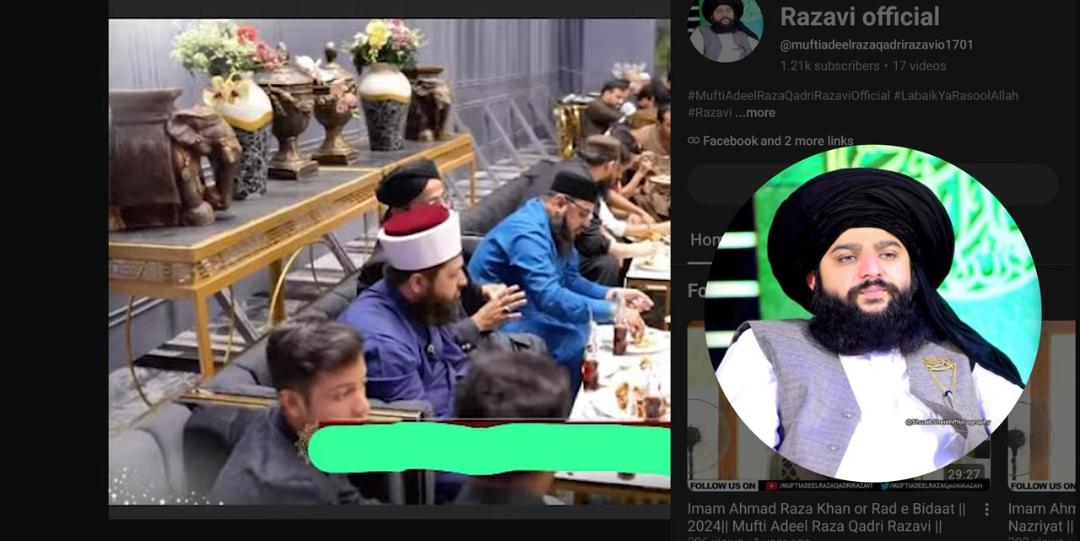
حالنکہ انکے اپنی پارٹی کے مولانہ صاحب کی شادی میں کوک پینے کی تصورں موجود ہیں۔وہاں تو کسی کی غزہ کے بچے نہیں یاد آئے۔۔
عقل نہیں تے موجاں ہی موجاں
1
4
260
Jun 12
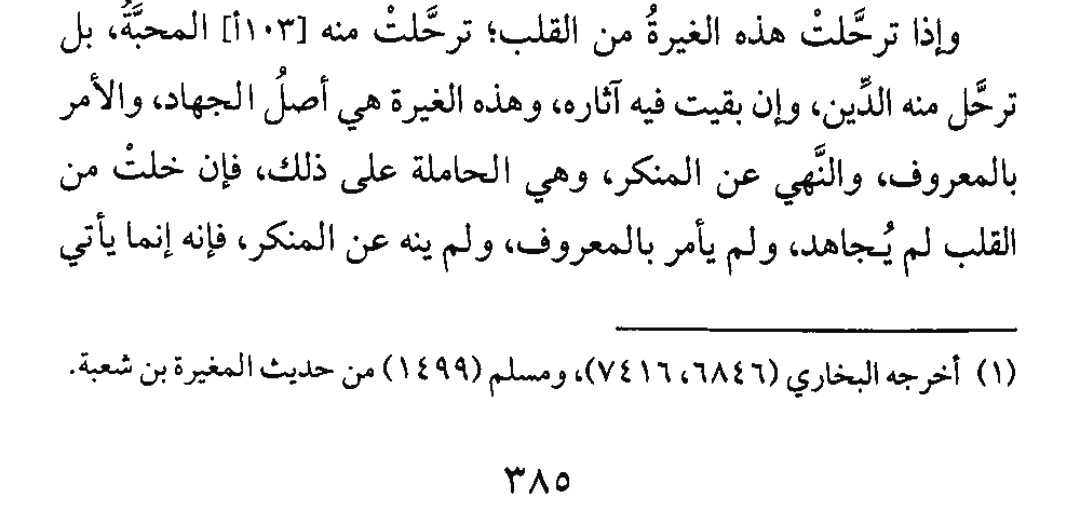
پس انسانوں میں دین کے اعتبار سے سب سے طاقتور اور پختہ وہ شخص ہے جس کی غیرت سب سے عظیم ہو اور اسی لیے نبی کریم ﷺ نے حدیثِ صحیح میں ارشاد فرمایا:
'کیا تم سعد (بن عبادہ) کی غیرت و حمیت پر تعجب کرتے ہو؟
(تو سن لو) میں اس سے زیادہ غیور ہوں، اور اللہ رب العزت مجھ سے بھی زیادہ غیور ہے!'
پس جو اللہ اور اس کے رسول ﷺ سے محبت کرتا ہے، وہ اللہ اور اس کا رسول ﷺ کی غیرت کے مطابق غیرت رکھتا ہے، اور یہ غیرت اس کی محبت اور تعظیم کے مطابق ہوتی ہے۔ اور اگر کسی کا دل اس غیرت سے خالی ہو جائے تو سمجھ لو کہ وہ سچی محبت سے بالکل خالی ہو چکا ہے،
چاہے وہ زبانی دعووں کے کتنے ہی انبار کیوں نہ لگا دے!
وہ شخص بالکل جھوٹا ہے جو دنیا میں کسی انسان سے محبت کا دعویٰ کرے اور پھر وہ دیکھے کہ اس کے محبوب کی حرمت لوٹی جا رہی ہے، اسے اذیت دینے اور ناراض کرنے کی کوششیں ہو رہی ہیں، اس کے حقوق کو ہلکا سمجھا جا رہا ہے، لیکن اس محب کو کوئی فرق نہ پڑے، بلکہ اس کا دل بالکل سرد اور بے حس رہے!
پس ایک بندے کے لیے یہ کیسے جائز ہو سکتا ہے کہ وہ اللہ سے محبت کا دعویٰ کرے؛ جبکہ حال یہ ہو کہ جب اللہ کی حدیں پامال کی جا رہی ہوں اور اس کے حقوق ضائع ہو رہے ہوں، تو اس کے اندر کوئی غیرت ہی بیدار نہ ہو؟
اور اس غیرت کا سب سے کم تر درجہ (وأقل الأقسام) یہ ہے کہ انسان اپنے محبوب (خدا) کی خاطر خود اپنے نفس، اپنی خواہشات اور اپنے شیطان کے خلاف غیرت کھائے؛ یعنی وہ اپنے محبوب کے حق میں اپنی ہی کسی کوتاہی، سستی اور گناہ کے ارتکاب پر تڑپ اٹھے (اور اپنے نفس کو سزا دے)۔
اور یاد رکھو! جب یہ غیرت و حمیت دل سے کوچ کر جاتی ہے، تو دل سے محبت بھی رخصت ہو جاتی ہے، بلکہ سچ تو یہ ہے کہ پورا دین ہی رخصت ہو جاتا ہے، پیچھے اگر کچھ بچتا ہے تو وہ دین کے چند کھوکھلے ظاہری آثار ہیں۔ یہی وہ غیرت ہے جو جہاد، امر بالمعروف (نیکی کا حکم دینے) اور نہی عن المنکر (برائی سے روکنے) کی اصل بنیاد اور محرک ہے۔ اگر دل اس حمیت سے خالی ہو جائے، تو انسان کبھی بھی باطل کے خلاف کھڑا نہیں ہو سکتا۔
چنانچہ بندے کا یہ سب کرنا اپنے رب کے لیے اس کی سچی غیرت و حمیت کی بنا پر ہوتا ہے۔ اور یہی وجہ ہے کہ اللہ سبحانہ و تعالیٰ نے اپنی سچی محبت اور اپنے محبوب بندوں کی سب سے بڑی علامت 'جہاد' کو قرار دیا جیسا کہ باری تعالیٰ کا ارشاد ہے:
یٰۤاَیُّهَا الَّذِیْنَ اٰمَنُوْا مَنْ یَّرْتَدَّ مِنْكُمْ عَنْ دِیْنِهٖ فَسَوْفَ یَاْتِی اللّٰهُ بِقَوْمٍ یُّحِبُّهُمْ وَ یُحِبُّوْنَهٗۤۙ اَذِلَّةٍ عَلَى الْمُؤْمِنِیْنَ اَعِزَّةٍ عَلَى الْكٰفِرِیْنَ٘ یُجَاهِدُوْنَ فِیْ سَبِیْلِ اللّٰهِ وَ لَا یَخَافُوْنَ لَوْمَةَ لَآىٕمٍؕ ذٰلِكَ فَضْلُ اللّٰهِ یُؤْتِیْهِ مَنْ یَّشَآءُؕ وَ اللّٰهُ وَاسِعٌ عَلِیْمٌ(54)
اے ایمان والو! تم میں جو کوئی اپنے دین سے پھرے گا تو عنقریب اللہ ایسی قوم لے آئے گا جن سے اللہ محبت فرماتا ہے اور وہ اللہ سے محبت کرتے ہیں مسلمانوں پر نرم اور کافروں پر سخت ہیں ، اللہ کی راہ میں جہاد کرتے ہیں اور کسی ملامت کرنے والے کی ملامت سے نہیں ڈرتے ۔ یہ (اچھی سیرت) اللہ کا فضل ہے جسے چاہتا ہے عطا فرمادیتا ہے اوراللہ وسعت والا، علم والا ہے۔
1
1
7
381
Jun 12
🤍
Jun 5

وأكثر ما يكونُ الشَّوقُ يوما
إذا دَنَتِ الديار من الديار
ولذلك يتضاعف الألم والحسرة على من رأى محبوبه أو باشره، ثم حيل بينه وبينه، فتضاعُفُ ألمه وحسرته في مقابلة مضاعفة لذة من عاوده

1
5
159
Jun 11
The weather was already perfect then my siblings showed up with cold coffee ✨
3
129
Jun 11
It makes sense!
Jun 11

اگر کوئی بھی کشمیر کے معاملے کو سمجھنا چاہتا ہے اسے یہ ویڈیو لازمی دیکھنی چاہیے۔
94
Jun 11
(اگر تم کسی انسان کی اصل قدر و قیمت جاننا چاہو) تو یہ دیکھو کہ اس کا محبوب (وہ کس چیز سے محبت کرتا ہے) کون ہے اور اس کا مقصودِ زندگی کیا ہے۔
4
120
Jun 11
محبت کی اقسام میں سے ایک اور اعلیٰ صورت ہے:
قرآنِ کریم سے اس درجے کی محبت ہونا کہ اس کی سماعت انسان کو ہر دوسرے کلام کے سننے سے بے نیاز کر دے، اور بندے کا دل اس کے مفاہیم اور متکلم (اللہ سبحانہ وتعالیٰ) کی مراد میں کھو کر رہ جائے۔ اللہ تعالیٰ سے محبت جس قدر گہری ہوگی، اسی قدر اس کے کلام سے بھی محبت ہوگی؛ کیونکہ جو کسی سے سچی محبت کرتا ہے، اسے اپنے محبوب کی گفتگو اور اس کا تذکرہ بھی عزیز ہوتا ہے۔
جیسا کہ (شعر میں) کہا گیا ہے:
اگر تیرا دعویٰ ہے مجھ سے محبت کا، تو پھر میری کتاب کو کیوں چھوڑ دیا؟
کیا تم نے اس میں موجود میرے دلکش اور شیریں کلام پر غور نہیں کیا؟
اسی طرح اللہ سبحانہ وتعالیٰ کے ذکر سے محبت بھی اس کی محبت کی ایک علامت ہے؛ کیونکہ محب اپنے محبوب کے ذکر سے کبھی سیر (مطمئن) نہیں ہوتا، بلکہ وہ تو اسے ایک لمحے کے لیے بھی نہیں بھولتا کہ اسے یاد دلانے کے لیے کسی اور کی ضرورت پڑے۔
اسی طرح جو شخص اللہ کے اوصاف، اس کے افعال اور اس کے احکام کو سننے سے محبت رکھتا ہو (وہ بھی اسی زمرے میں ہے)۔ پس ان تمام چیزوں کا عشق، عشقِ حقیقی میں سب سے زیادہ نفع بخش ہے اور یہی عاشق کی سعادت اور خوش بختی کی انتہا ہے۔
اسی طرح علمِ نافع کا عشق، اور اوصافِ کمال کا عشق جیسے جود و سخا، عفت و پاکدامنی، شجاعت، صبر اور مکارمِ اخلاق۔ یہ اوصاف اگر (انسانی) پیکر میں ڈھال دیے جائیں، تو کائنات کی حسین ترین اور شاندار ترین صورتیں بن کر سامنے آئیں۔ اور اگر علم کو ایک مجسم شکل دے دی جائے، تو وہ سورج اور چاند کی صورت سے بھی کہیں زیادہ جمیل و دلکش نظر آئے۔
مگر ان پاکیزہ صفات کا عشق صرف انہی نفوس کو راس آتا ہے جو عالی ظرف، شریف اور پاکیزہ ہوں؛ بالکل اسی طرح جیسے اللہ، اس کے رسول، اس کے کلام اور اس کے دین کی محبت صرف ان ارواح کا حصہ ہے جو علوی (آسمانی)، بلند پایہ اور پاک باز ہوں، نہ کہ ان ارواح کا جو پستی پسند اور دنیا دار ہوں
Jun 11
📸 ⛈️
11/6/2026
ولو صوّر العلم صورة؛ لكانت أجمل من صورة
الشمس والقمر،
اور اگر علم کو ایک صورت میں مجسم کر دیا جائے تو وہ سورج اور چاند کی صورت سے بھی زیادہ حسین ہو گا۔



5
207
Jun 11
📸 ⛈️
11/6/2026
ولو صوّر العلم صورة؛ لكانت أجمل من صورة
الشمس والقمر،
اور اگر علم کو ایک صورت میں مجسم کر دیا جائے تو وہ سورج اور چاند کی صورت سے بھی زیادہ حسین ہو گا۔
7
397
Jun 10
قَالَ رَسُولُ اللَّهِ صَلَّى اللَّهُ عَلَيْهِ وَسَلَّمَ:
" لَا يَنْبَغِي لِلْمُؤْمِنِ أَنْ يُذِلَّ نَفْسَهُ "
قَالُوا: وَكَيْفَ يُذِلُّ نَفْسَهُ؟ قَالَ:
" يَتَعَرَّضُ مِنَ الْبَلَاءِ لِمَا لَا يُطِيقُ "
رسول اللہ صلی اللہ علیہ وسلم نے فرمایا:
”مومن کے لیے مناسب نہیں ہے کہ وہ اپنے نفس کو ذلیل کرے“
صحابہ نے عرض کیا:
اپنے نفس کو کیسے ذلیل کرے گا؟ آپ نے فرمایا: ”اپنے آپ کو ایسی مصیبت سے دو چار کرے جسے جھیلنے کی وہ طاقت نہ رکھتا ہو“۔
[سنن ترمذي/كتاب الفتن عن رسول الله صلى الله عليه وسلم/حدیث: 2254]
3
203
Jun 10
When you discuss these suffocating realities the immediate response from a privileged comfortable audience is denial.
People quickly deflect by saying
Come on time has been changed it's 2026, who actually behaves like this anymore?
This doesn't happen in our homes!
But this skepticism comes from a place of willful blindness. If you step out of your specific bubble and closely observe different social stratayou realize that this toxic micromanagement is thriving right beneath the surface. To deny it is to close your eyes to the living trauma of countless young women.
.
.
.
These are not hypothetical scenarios; they are documented, lived experiences within my immediate social circles.
The control is so absolute that it extends to the most mundane, everyday choices (like ordering food)
In many traditional households a girl cannot even order a late-night meal with her own money. The mere arrival of a delivery rider in the street is viewed as a massive social risk. The family panics over "what the neighbors might think" if a delivery bike stops outside their gate at night.
A simple natural craving for food is transformed into a question of family honor and neighborhood gossip.
This deep-seated lack of trust ruins every aspect of a girl's autonomy, including basic modern utilities like online shopping. E-commerce is a standard part of life today yet in these homes, a parcel arriving at the doorstep is treated like a security breach.... r
The paranoia reaches a genuinely heartbreaking level when it breaks her connections with other women. Trust is so entirely shattered that these girls are often forbidden from even receiving gifts from their female friends.....
If a close friend tries to send a birthday present, a book or a simple token of affection to their house, the family treats it with immediate suspicion. Instead of seeing it as a beautiful gesture of female solidarity, they suspect it to be a cover for something illicit🙂
Perhaps what confuses me most is how easily these realities are dismissed. Any attempt to question such restrictions is often met with labels rather than reflection as though asking for balance is the same as asking for liberalism.
Maybe these issues affect me deeply because I cannot ignore unnecessary suffering when I see it.
I speak from a position of privilege not deprivation (I have been fortunate to have a great deal of freedom in my own life)yet I find myself troubled by the countless lives quietly confined by restrictions that neither faith explicitly requires nor human nature was meant to endure....!!
Jun 10
(inside many conservative Muslim homes today)
In a sincere but deeply misguided and fearful attempt to protect the soul from sin we have begun to suffocate the human being.
We have constructed a family structure where virtue, modesty and piety are no longer measured by the expansiveness of the heart, the maturity of faith or the purity of character.
The more isolated, controlled and disconnected someone is from ordinary human experiences, the more religious they are assumed to be.
When a young woman is conditioned to believe that the entire world outside her front door is an absolute moral trap and that anyone who does not conform to her specific lifestyle is inherently astray, her worldview shrinks. She begins to view her own peers who engage in the harmless, simple joys of life with a sense of quiet disdain and suspicion.
But they genuinely love God and His Prophet, wear their veils with absolute pride and joy yet they are forbidden from stepping onto their own rooftops to look at the moon, watch the sky or feel the night breeze. An unspoken, irrational paranoia dictates that if a girl steps onto the roof, the family honor is somehow compromised.... (Even the roof is also a part of home but still they are like lrkiyo ka chato pay Jana acha ni smjha jata)We have weaponized cultural insecurities and family anxieties, disguised them as faith and turned the home which should be a sanctuary into a psychological prison.
they also want to experience simple aspects of life that most human beings naturally desire.
They want to walk in a park, sit in a restaurant with their friends, visit a bookstore, enjoy a family outing, look at the moon from a rooftop or simply spend time with their friends!
There is something deeply unsettling about watching a person be treated as though every harmless experience is a potential threat.
A human being is not a machine. The soul has needs. It needs purpose, worship, companionship, curiosity, recreation, movement, beauty and moments of joy. When all healthy outlets are removed those needs do not disappear. They simply seek expression elsewhere.
This is one of the most overlooked realities in many religious discussions.
This absolute deprivation creates a toxic vacuum. In our modern world that vacuum is instantly filled by the unregulated space of smartphones and the internet. Today the entire world is accessible at the swipe of a finger. When you trap a young mind inside extreme physical restrictions while they can see the absolute freedom of the outside world on their screens, the mental friction is devastating.
It is no accident that some of the most erratic and unhinged behavior on social media platforms comes from individuals who belong to the most suffocating domestic environments. The hidden screen becomes an underground tunnel where a starved identity tries to breathe. The resulting moral decline is often the exact outcome the family was trying to prevent. You cannot cage a human being and claim they are pious. True piety requires choice; it is the conscious decision to choose the right path when the wrong one is entirely accessible.
If a parent refuses to let their child ever eat fast food, never gives them spending money, never allows them to make choices for themselves and never provides enjoyable alternatives at home eventually the child's desire will not vanish. It will simply become stronger.
The same principle applies to recreation, social interaction, exploration and harmless leisure.
When every door is closed people begin looking for windows.
2
204